Protect the inventory first, then trace the roof condition that could change the work. A warehouse report needs the affected bay, the access route and any loading period that cannot move. We confirm those details before setting a crew window. The first-hour check separates active water entry from older staining, and identifies the interior protection needed while the roof is inspected.

The Lowell station's annual precipitation normal is 48.51 inches, putting drainage on the inspection list across the seasons. Drainage and exposed seams deserve a close look before water reaches stored goods or electrical equipment. We mark each roof section, record the condition, and price temporary dry-in separately from permanent repair. That gives the facility director a clear decision before production or shipping is interrupted.
Loading and inventory protection
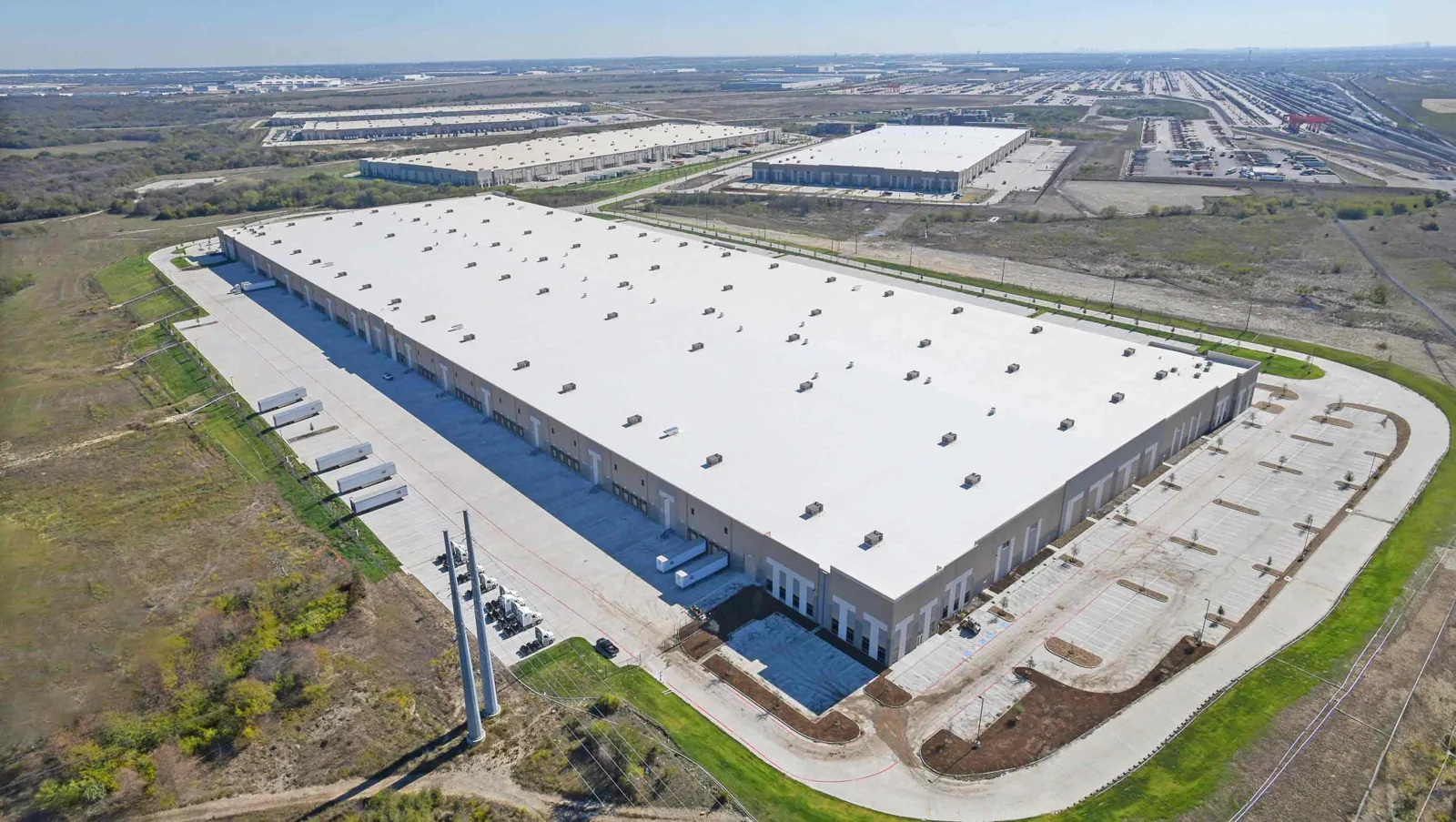
Warehouse work has a floor plan as well as a roof plan. We identify which doors, aisles, racks and staging areas sit below the reported condition. If water is active, the first response protects stock and keeps people clear of wet ceilings or electrical fixtures. Then we confirm safe access, roof hatch or lift needs, and the return window that will keep the loading schedule predictable.
Where a repair crosses several bays, the scope lists them separately. A temporary dry-in may stop water today, while a permanent seam or flashing repair waits for dry material and an appropriate weather window. We explain which areas remain under temporary protection and when the next update will arrive. For an occupied distribution operation, our occupied-building work plan can map noisy tasks, lift placement and pedestrian routes before crews arrive.
What the roof inspection checks
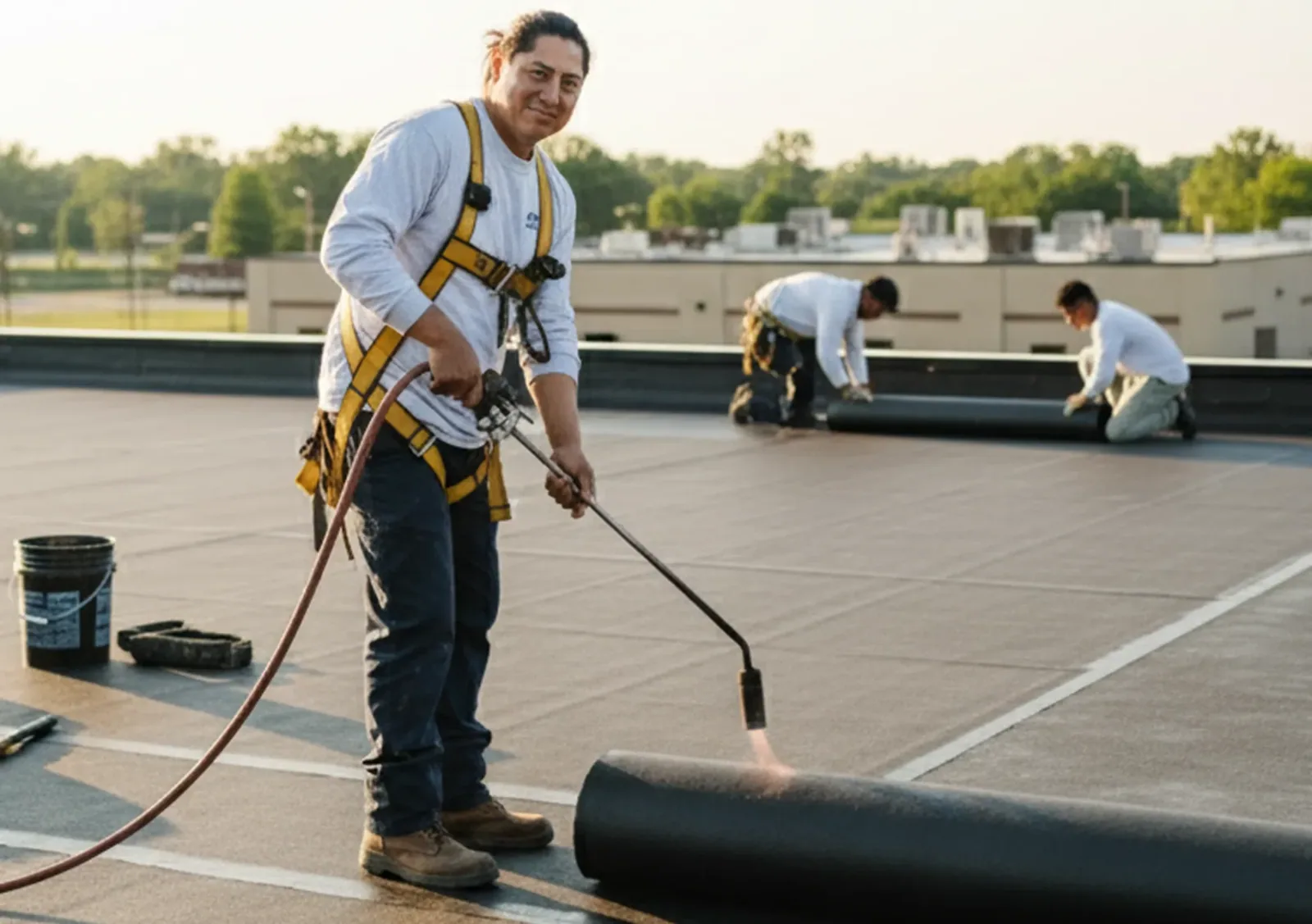
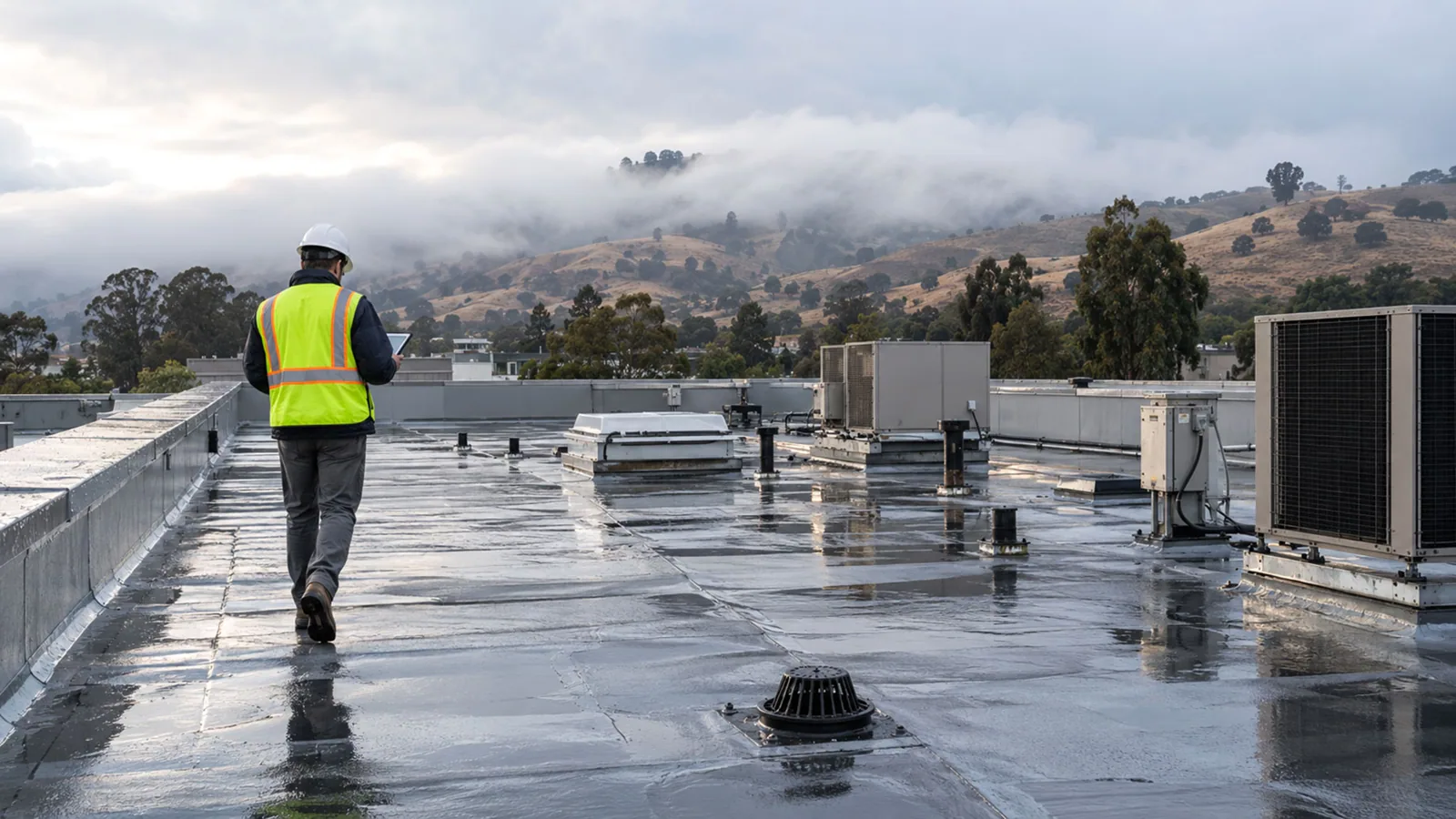
We check drains and scuppers first, then follow the reported water path across roof sections. The walk includes membrane seams, penetrations, equipment curbs, perimeter metal and transitions between old and newer work. A lifted lap, a loose curb flashing and wet insulation call for different repair boundaries. We probe seams where the system permits and note where moisture testing or a core sample is needed before material is ordered.
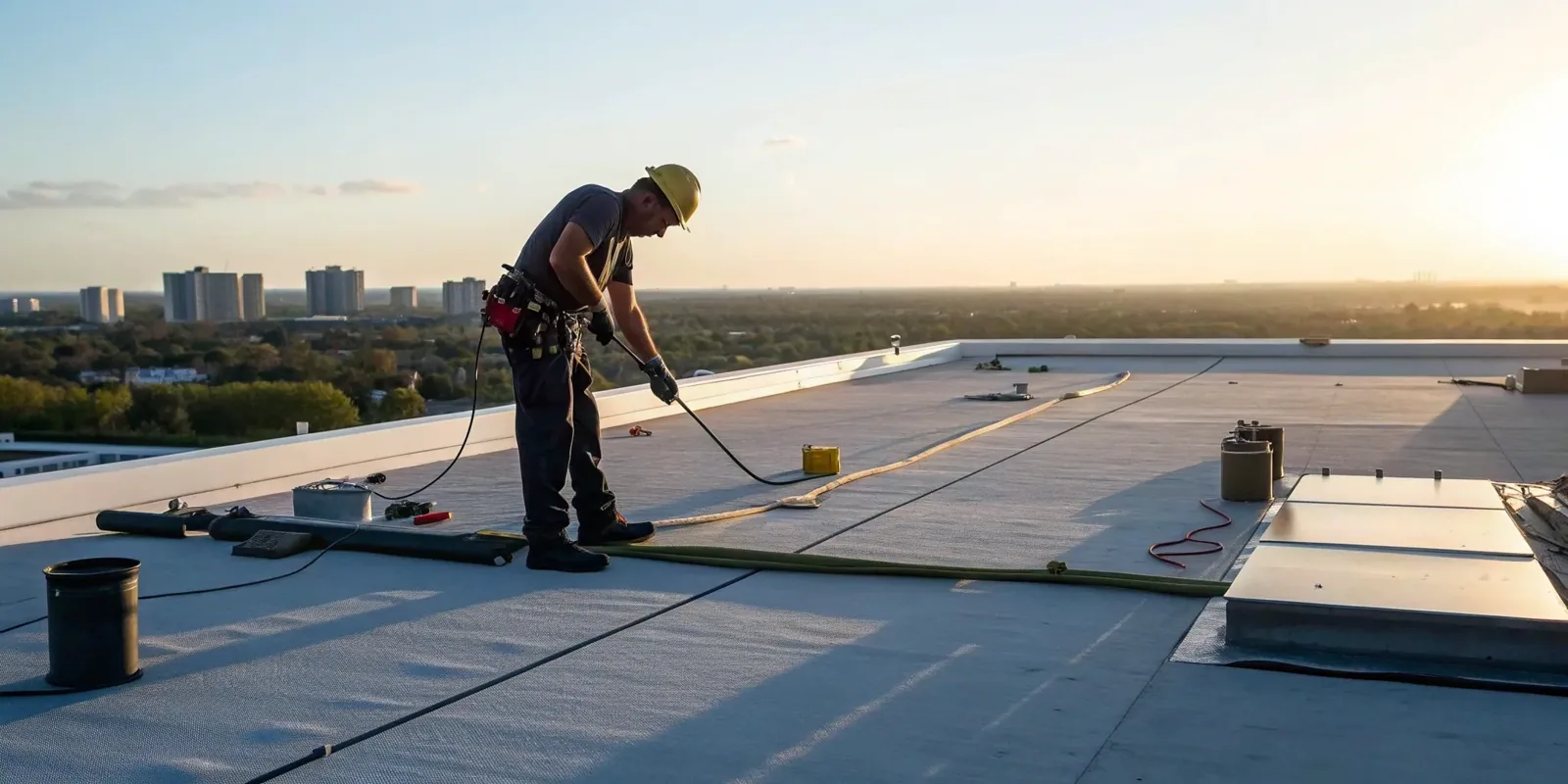
Warehouse roofs often have long runs with many penetrations, so one visible defect may not describe the full condition. We compare interior observations with roof-side evidence, photograph each finding and mark it on a plan. If surface access is limited, a drone roof inspection can help map broad areas for closer review; hands-on confirmation still determines repair details. A roof condition report keeps the findings, photos and cost decisions together. For a scheduled condition review, the hands-on inspection checks drains, seams, flashings and access before the scope is priced.
Repair, recover or replace
A sound membrane with isolated defects may support a repair. We remove failed material to a stable edge, prepare the substrate, and install a compatible patch or rebuilt detail. Repeated seam failure, broad wet insulation or deterioration across several roof sections can move the decision toward replacement. A recover is considered only when the existing assembly, drainage, attachment and applicable project requirements support another layer. We state the reason for each option and the condition that would rule it out. A manufacturing plant roof may have different access timing and rooftop equipment coordination, so those conditions receive their own line in the schedule.
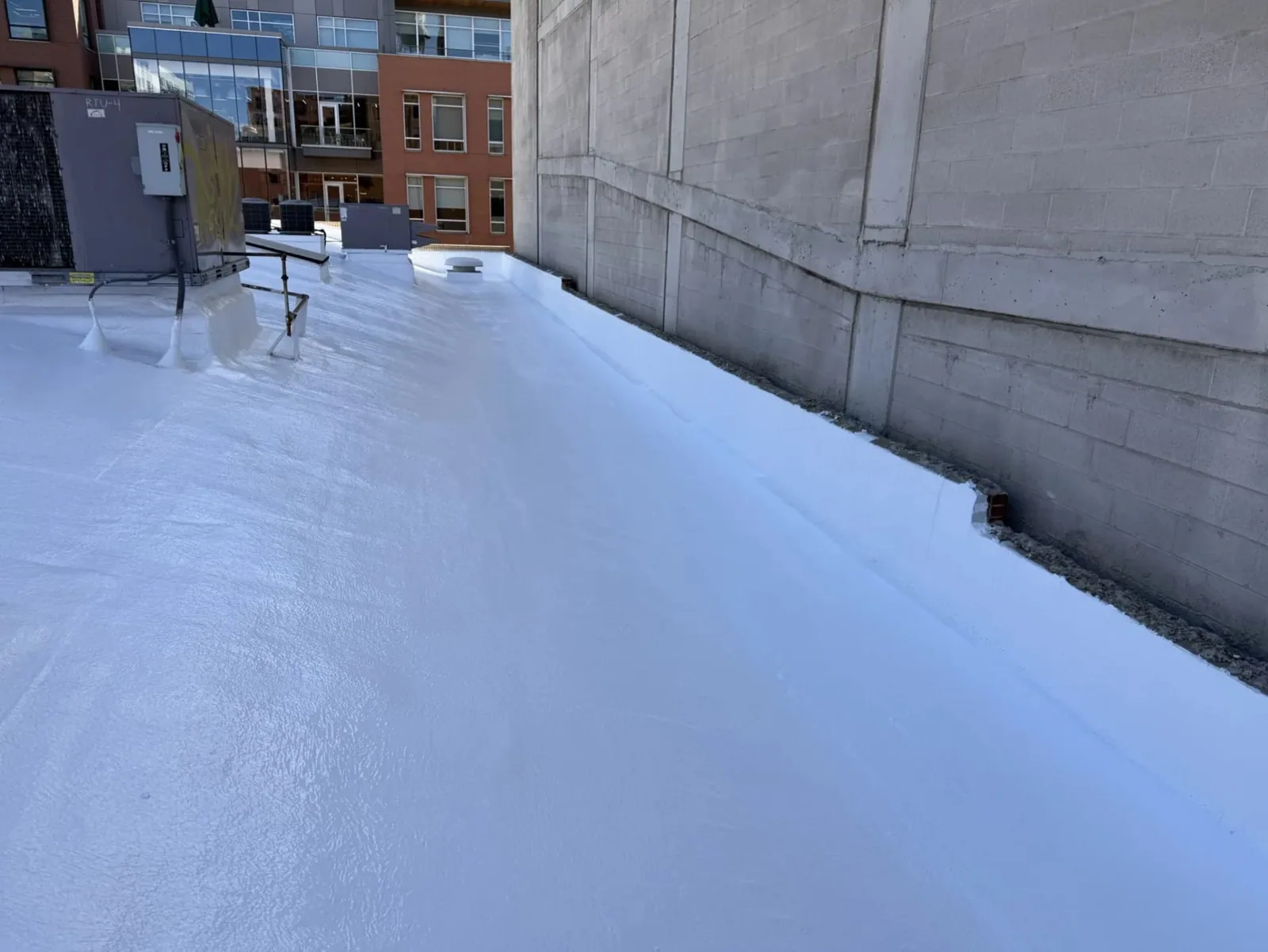
For a warehouse with ongoing shipments, staging matters. We can divide a larger scope into sections, coordinate material movement and keep access routes clear. The replacement sequence identifies tear-off limits, temporary protection and inspection points before work starts. If a coating is under consideration, the surface must be dry, sound and compatible; coating restoration is not a substitute for wet insulation removal or failed flashing repair.
Lowell conditions and industrial access
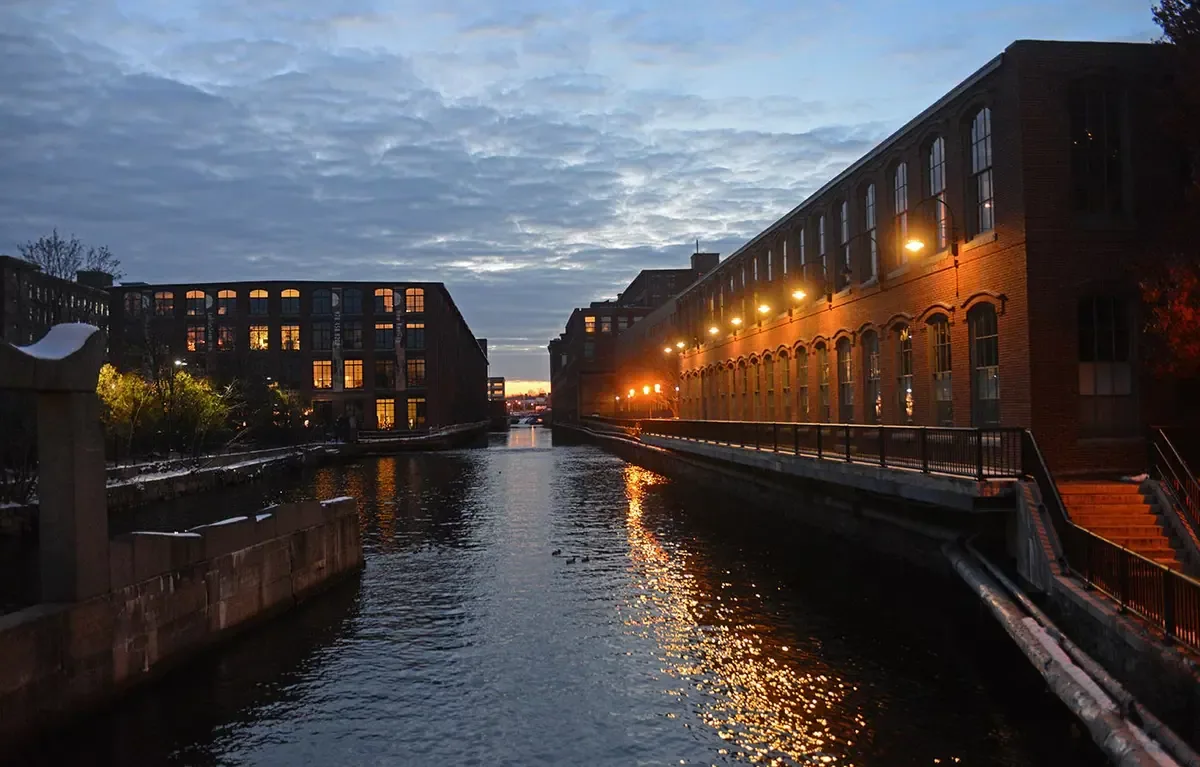
In Lowell, the city's winter-hazard planning includes nor'easters, snowstorms and ice storms. That is a reason to inspect drains, edge details and safe roof access before winter conditions restrict the work, not evidence that a particular warehouse has damage. Downtown Lowell Historic District includes the commercial core, mill yards and canal system; exterior work there can require Historic Board review. Ayer's City covers 108 acres around Tanner Street, mostly heavy-industry zoned, with commercial and residential uses at its margins. Those different settings can shape access and exterior review, but every roof is scoped from its own condition. Billerica markets commercial properties ranging from small storefronts to large industrial spaces, a useful reminder that building operations range widely. We do not infer roof assemblies from the property listing; the inspection sets the repair boundary from visible and tested conditions.
When the site sits near an operating industrial area, we confirm where trucks turn, what hours allow lift use and which doors must stay open. Tanner Street and the Lowell Connector mark edges of the Ayer's City redevelopment area; that planning context helps frame circulation questions without assuming a building's use or roof assembly. For an active leak, leak tracing starts with interior protection and roof-side checks. For ongoing service across Lowell, a Lowell commercial roofing visit begins with the property contact, reported condition and access notes.
Scope, timing and cost exposure
Cost follows the repair boundary, material system, access equipment, protection measures and number of mobilizations. A small patch on a clear roof differs from a multi-section repair above active inventory. We list each item, its location and the assumptions behind the work. Where moisture testing is needed, that step appears separately so the facility director can decide whether the added information will change repair or replacement scope.
Weather can change the sequence. At Lowell's station, January averages 24.9°F per day; seasonal freeze-thaw can affect roof materials and adhesive work. If conditions do not permit a permanent repair, we price the temporary dry-in, mark its boundary and schedule the return window. The maintenance visit can later check drains, seams and prior repair points before the next seasonal shift.
Commercial Roofing Questions
Can roof work continue while warehouse orders are moving?
Yes, when safe access and work zones are planned first. We identify the active doors, travel paths and hours that cannot shift, then set lift or material staging away from those routes. If a task needs a temporary closure, the scope names the area and expected window so dispatch can plan around it.
How do you find whether water reached stored inventory?
We start with the affected bay, ceiling or rack location and compare it with roof-side drainage and detail conditions. The inspection records visible signs and the route that needs monitoring. We do not move inventory without the facility contact; interior protection and any relocation stay coordinated with the site team.
When does a warehouse roof need replacement instead of repair?
Several roof sections with failing seams, widespread wet insulation or recurring breakdowns can make isolated patches poor value. We map the extent, identify what remains serviceable and price the alternatives. A distribution center roof scope may also need more staging detail when shipping lanes and inventory turn continuously.
What happens if cold weather delays permanent work?
The temporary dry-in is documented as its own scope, with photographs and a marked location. We explain what remains protected and what requires a return visit when the membrane is dry and conditions suit the selected repair. Emergency response remains available around the clock, including holidays.
Can you plan maintenance across several warehouse buildings?
We can group visits by roof access and operating hours, then keep each building's findings separate. A logistics roof program can compare repairs, monitor items and larger capital needs without treating different assemblies as one roof.