The report starts at the hatch. A reader who has never seen the roof should be able to follow the walk from the access point, section by section, and see what we saw: the surface, the seams, the drains, the flashings and the equipment. Each finding carries a photograph, a position on the plan and a date. That is what separates a condition report from an opinion, and it is what a facility director needs when a board asks why a roof is on this year's list.
We write the report in the order a decision is made. First the summary of condition and risk, then the findings by roof section, then the open questions that testing would answer, then the scope options with cost ranges, and last the follow-up dates. A page of photographs follows each section, with captions that say what to look at. Lowell's NOAA normals put yearly precipitation close to 48.5 inches, so every open item has a weather exposure attached.
Reports for buildings near Route 3 and I-495 follow the same layout as those across the rest of the city, so a manager with sites in several parts of town reads them all the same way. Access notes go on the first page: how the roof is reached, what lift or ladder is needed, and who holds the key.
Findings by Roof Section
One building often holds several roofs, so the report numbers each section and treats it separately. Section 1 might be a low-slope membrane over an office wing, section 2 a metal panel over a storage bay, section 3 a penthouse roof. Each gets its own rating, photographs and repair list. A reader can find the roof that matters without reading about the ones that do not.
For each section the report lists membrane type if it can be read, approximate age if known, insulation and cover board if tested, drainage type and count, penetrations and curbs, and the condition of seams, flashing and edge metal. Anything we could not verify is listed as unverified, with the test that would settle it. Unknown is a valid entry, and the report says what it would cost to find out.
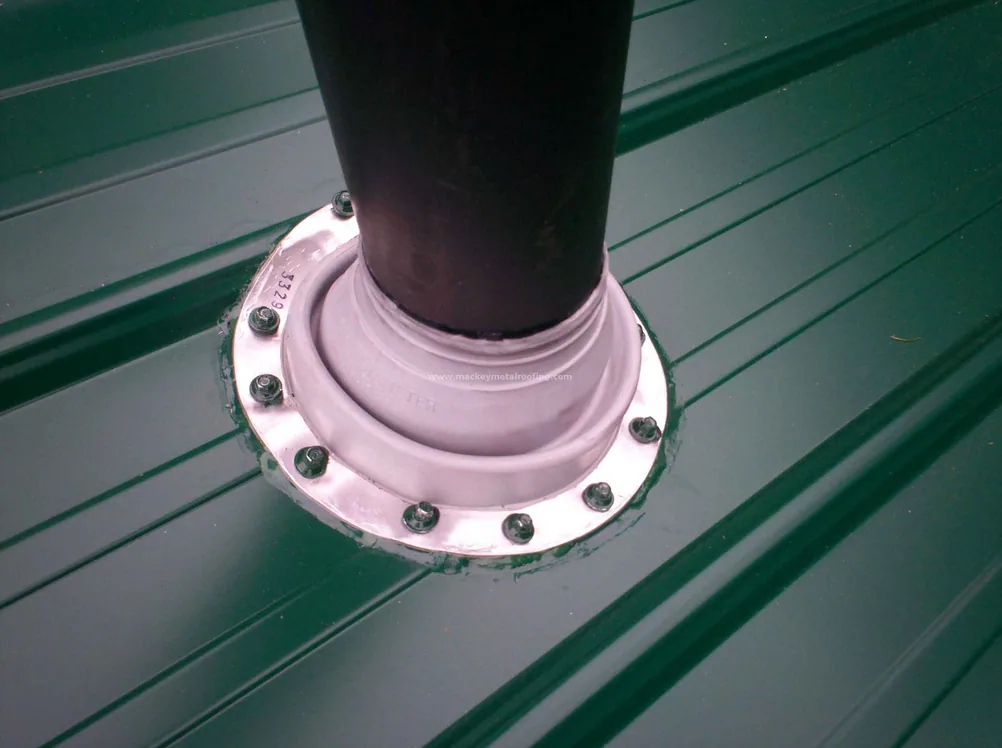
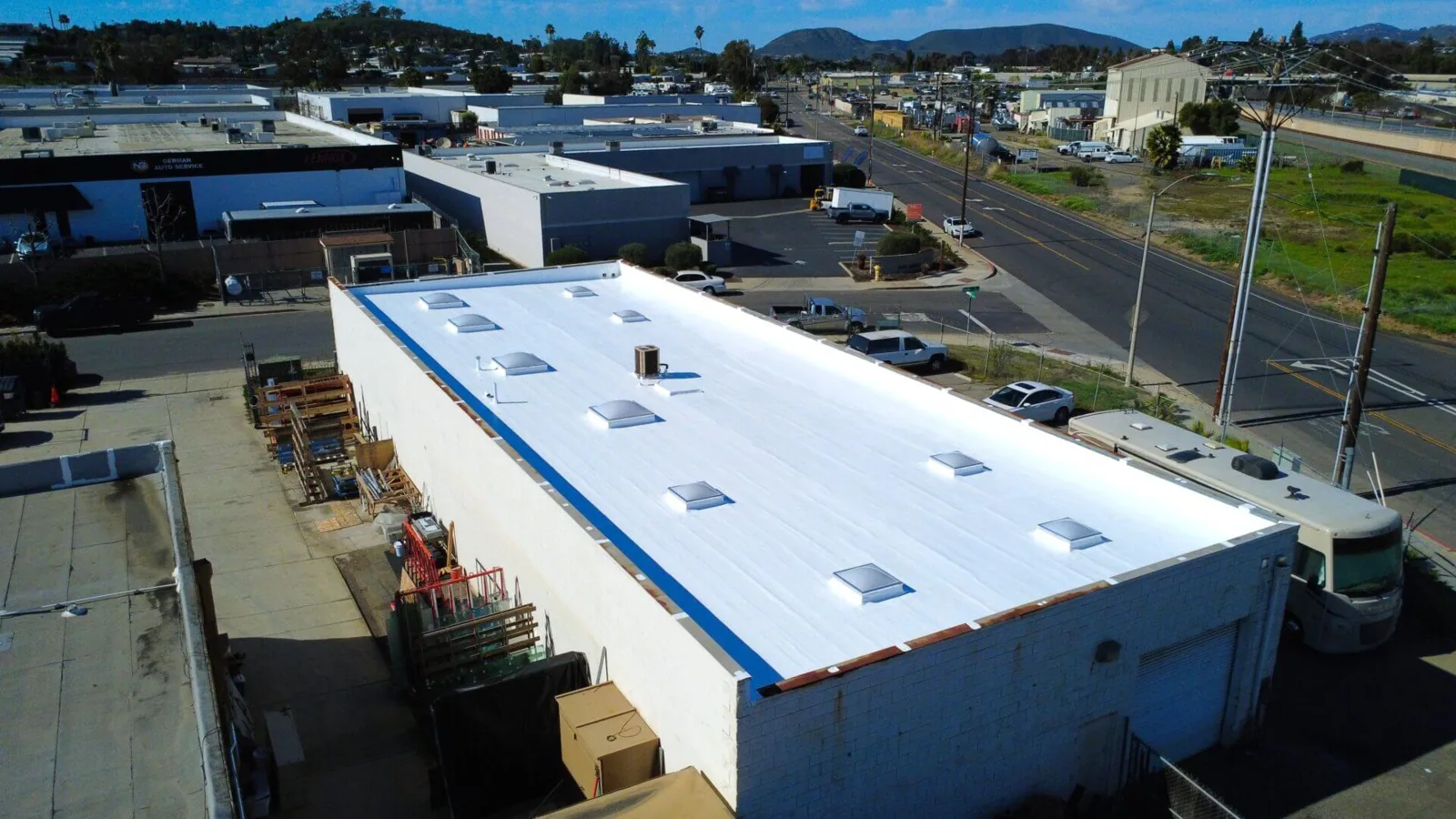
Equipment is counted, not described in general terms. The report lists each rooftop unit, fan, vent and skylight with its curb height, flashing condition and the clearance around it. Penetration counts matter because each one is a potential leak, and a section with forty penetrations has a different maintenance load than one with four. Penetration flashing condition goes in its own table.
Photo Sequence and Positions
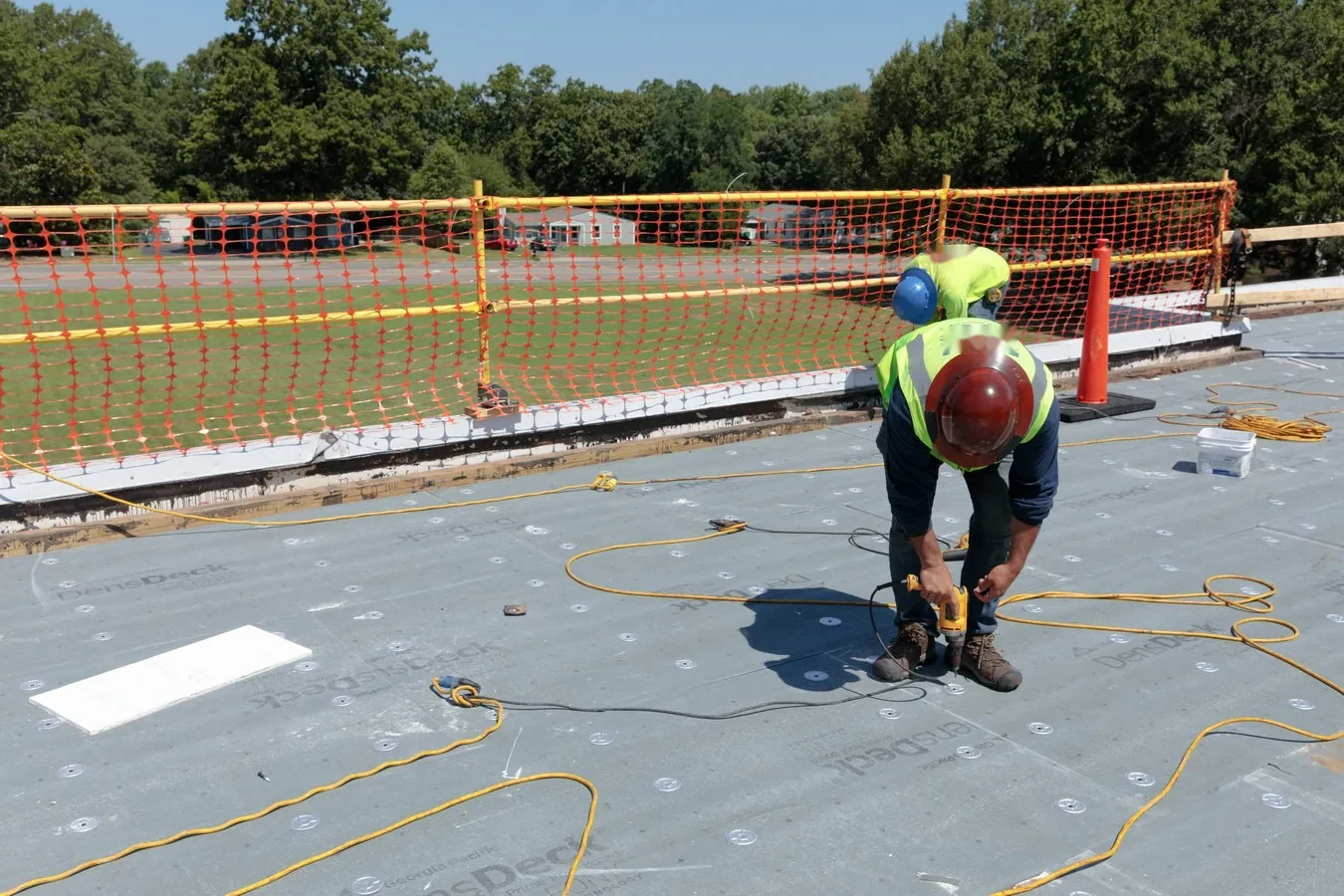
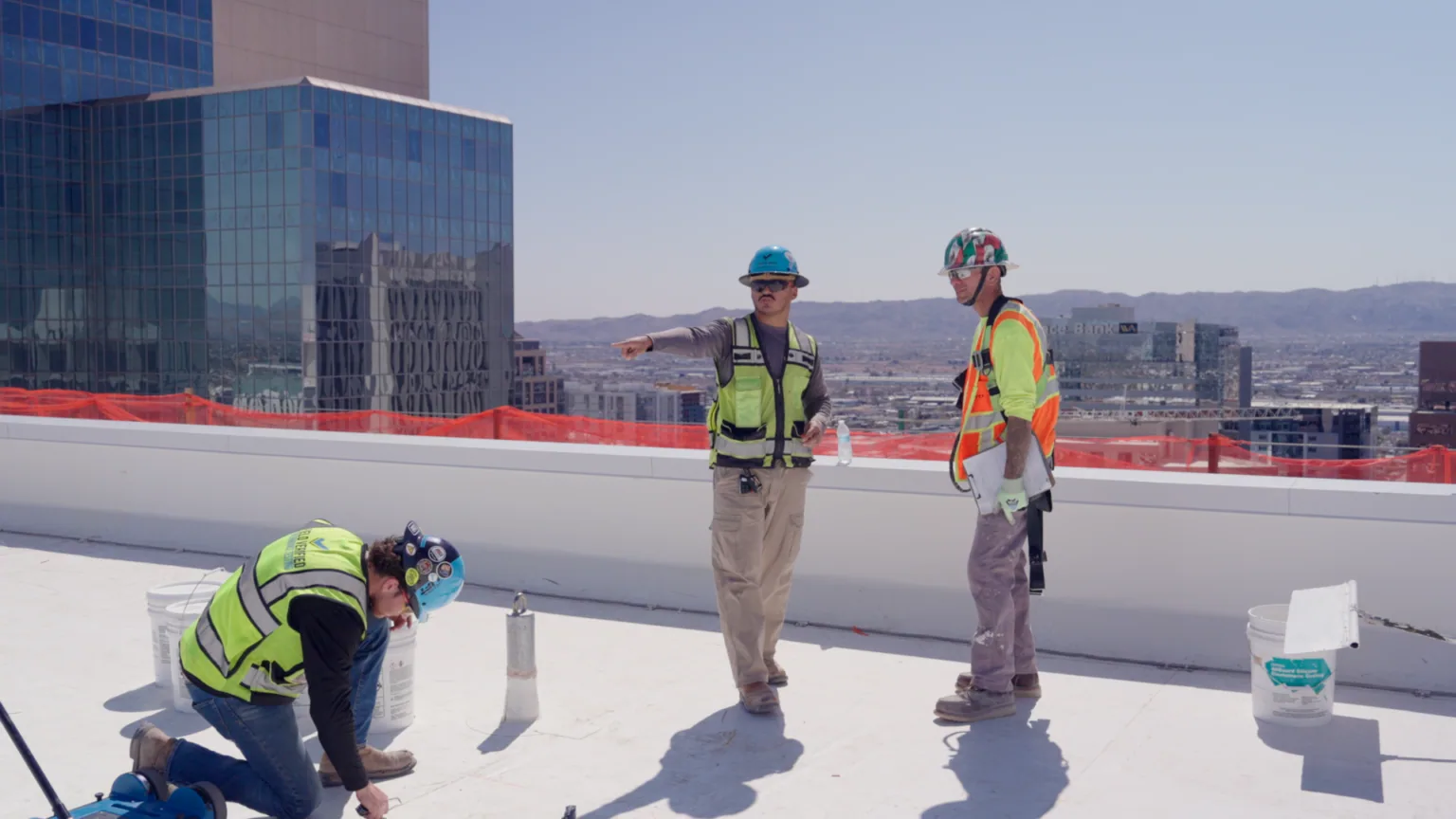
Photographs follow a fixed route so that a later report can repeat them. We shoot from marked positions at consistent heights, include a scale or reference where size matters and note the date and the weather. A seam opening is shown close up and from a distance. A pond is shown with a depth measurement beside it. A flashing failure is shown from above and from the side.
A drone inspection adds overview images of roofs that are hard to walk, including areas near edges, steep sections and roofs under snow. Drone images guide the walk and fill gaps, but they do not replace a hands-on check of seams and flashing. The report labels each image by source so the reader knows whether it came from the roof surface or from the air.
Moisture Findings and Test Results
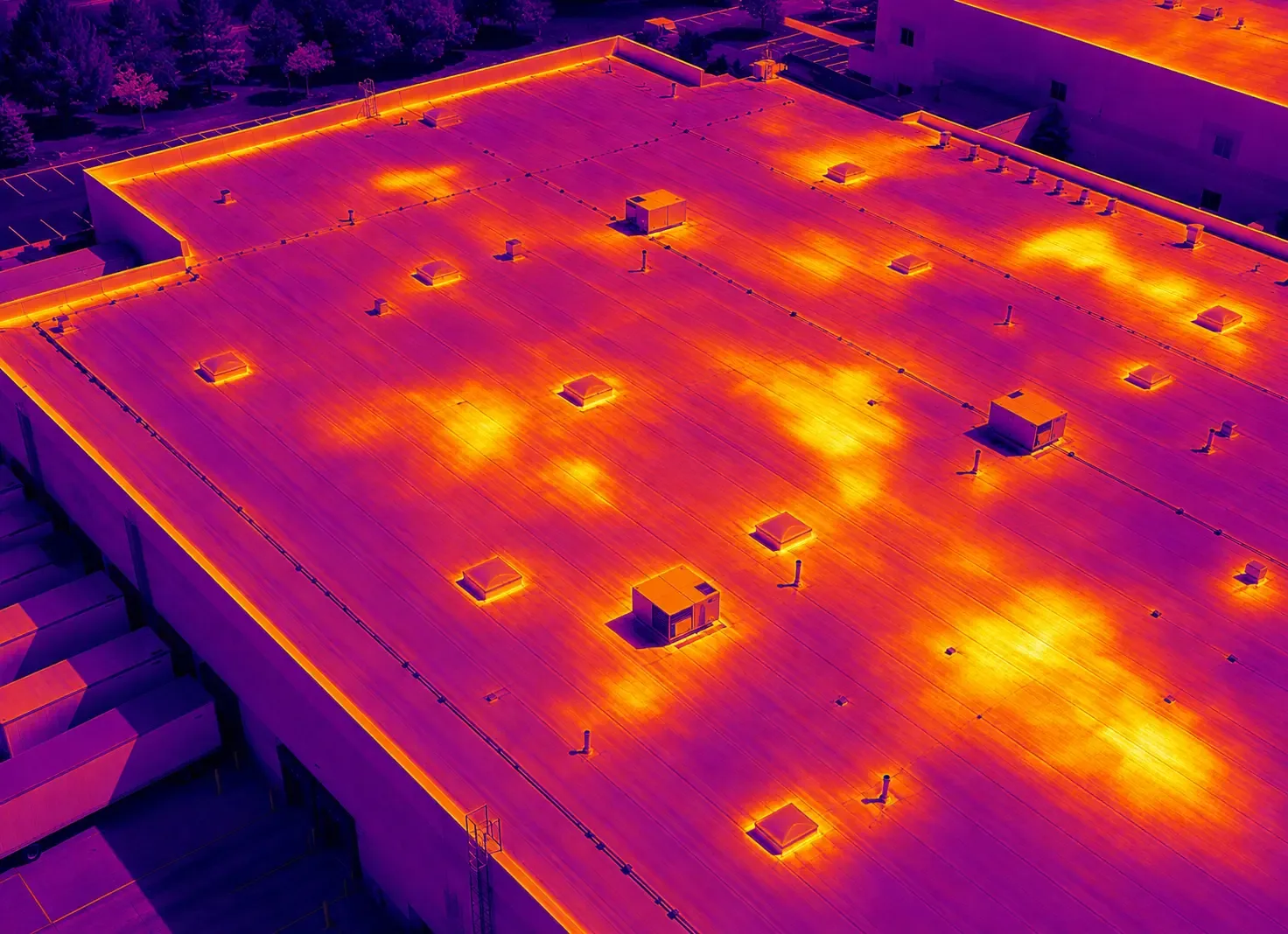
When the surface leaves doubt about the insulation, the report includes an infrared moisture survey and core samples. The survey map shows warm and cool areas, the cores confirm which are wet, and the report draws the wet boundary on the roof plan. That boundary is the number a repair limit depends on.
Cores also show the layers: membrane, cover board, insulation, vapor retarder and deck. Each core is photographed and patched the same day, and its position is marked on the plan. If a sample shows char, rot or corrosion in the deck, the report flags it for a structural check. Test dates matter, since moisture moves with the season, and a January that averages near 25 degrees makes frozen wet board a possibility.
Drainage gets a page of its own. Each drain and scupper is photographed, tested with water where access allows and rated for flow. Overflow paths are traced and their heights recorded. A clogged primary drain with no working overflow earns a safety flag, because a ponded roof can exceed the design load of its deck.
Scope Options and Cost Ranges
The report ends in a decision. For each roof section it lists the options that the findings allow, such as repair, restoration, recover or replacement, with a cost range and the weather hold each carries. It states which unknowns remain and what each would add or remove from the price. The facility director can approve one option, defer another and ask for a revised range on a third.
Cost drivers are shown plainly: area, number of layers removed, insulation depth, penetrations, access and the schedule the occupants allow. A section with wet insulation is priced differently from a dry one, and the report shows both numbers when the wet area is not yet fully mapped. The report also marks anything that needs approval, such as a permit under the state's 10th edition code or a Historic Board review downtown.
Open items are listed last, in order of risk. Each carries the test or action that would close it, the cost, and the date by which it should be done. Items that cannot be closed until the membrane is opened are labeled so the owner can set aside a contingency.
Uses for the Report
A condition report serves several readers. A property manager uses it to schedule work. A lender or buyer uses it to price a roof. An insurer uses it to see what changed after a storm. A tenant uses it to see when work will happen. We write it for all of them in plain terms, with the evidence attached.
Owners with several buildings can ask for the same format on each one and receive a summary table that ranks the roofs. The ranking feeds the asset inventory and the capital plan. For buildings in Lowell or nearby towns such as Chelmsford, the first report becomes the baseline, and later reports show change against it. After a storm, a wind damage report uses the same photograph positions so the difference is plain.
A short summary page opens every report: the overall condition, the three items that need action first and the date of the next visit. A reader who looks at nothing else will still know what to do next.
Commercial Roofing Questions
How long does a written report take after the walk?
Short roofs with no testing are reported within days. Roofs needing infrared or cores take longer, since the test results go in first. We give the date when the walk is booked.
Does the report include prices?
Yes, as ranges tied to named options. Where wet insulation or deck damage is possible, the range shows both cases and the unit price for the extra work.
Can a report be used for a warranty claim?
It can support one by showing condition, dates and photographs. The claim itself follows the manufacturer's process, and we read the warranty terms to see what notice and records are required.
What if the report finds a safety problem?
Safety items go on the first page with a recommended action and a date. Anything that threatens people, such as a weak deck or an unguarded skylight, is reported by phone as soon as it is found.
Who owns the photographs?
The owner receives the full photograph set with the report and may share it with a lender, insurer or tenant. We keep a copy for the follow-up visit.