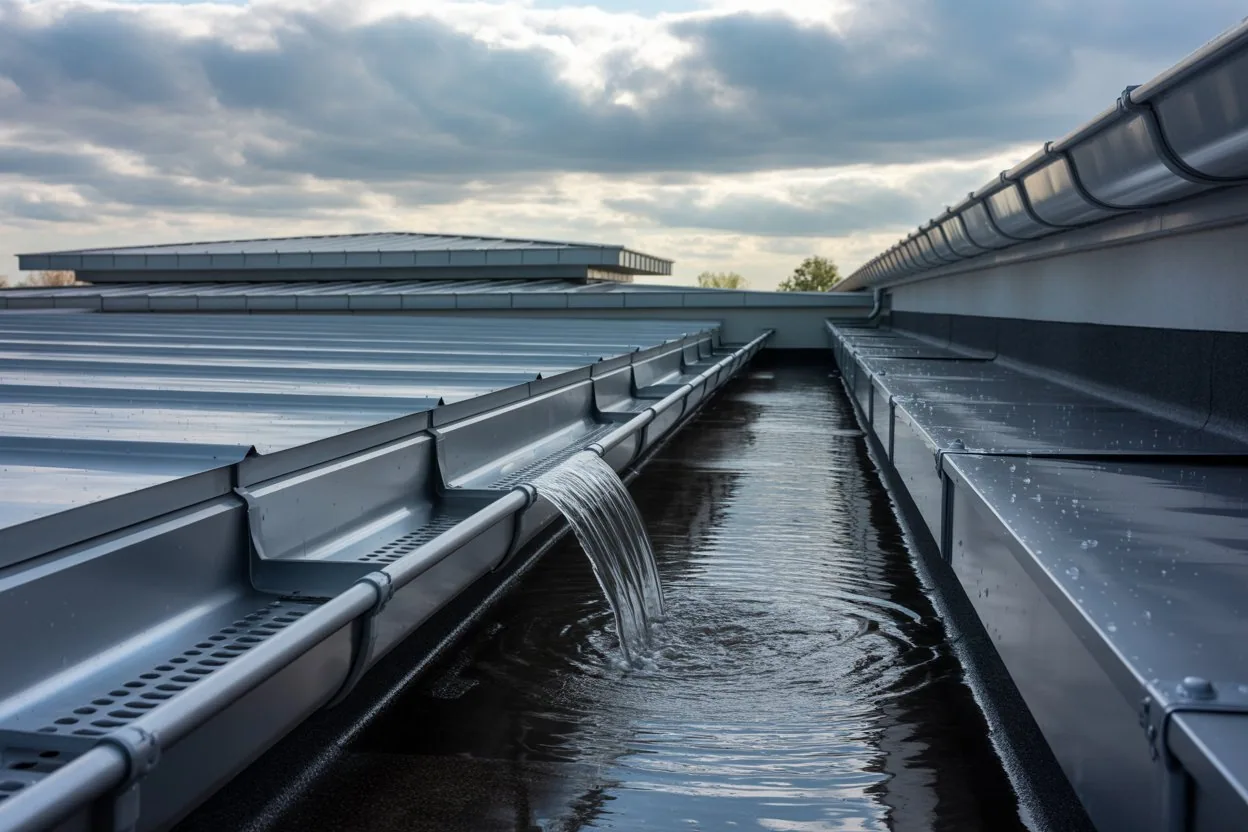
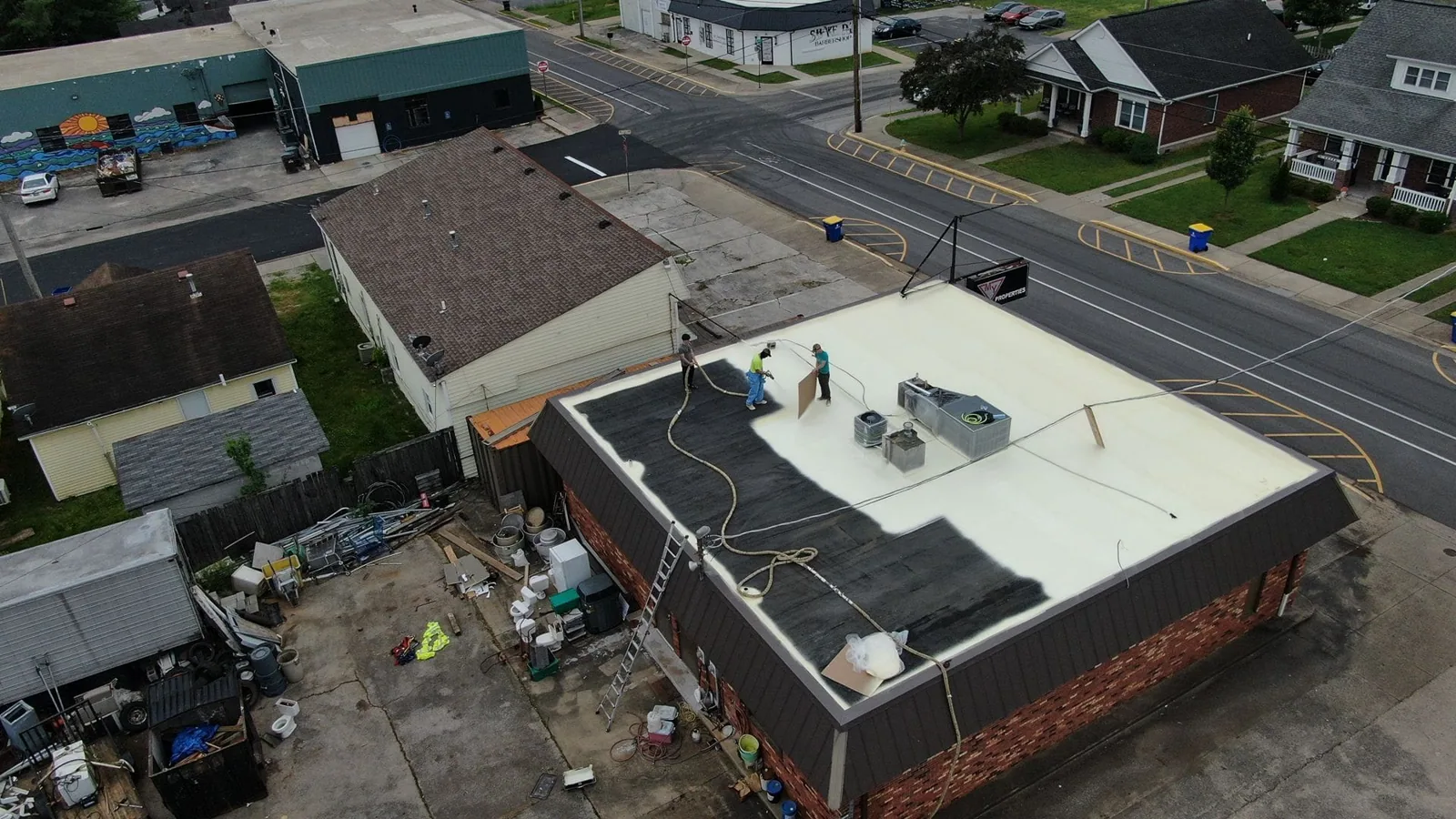
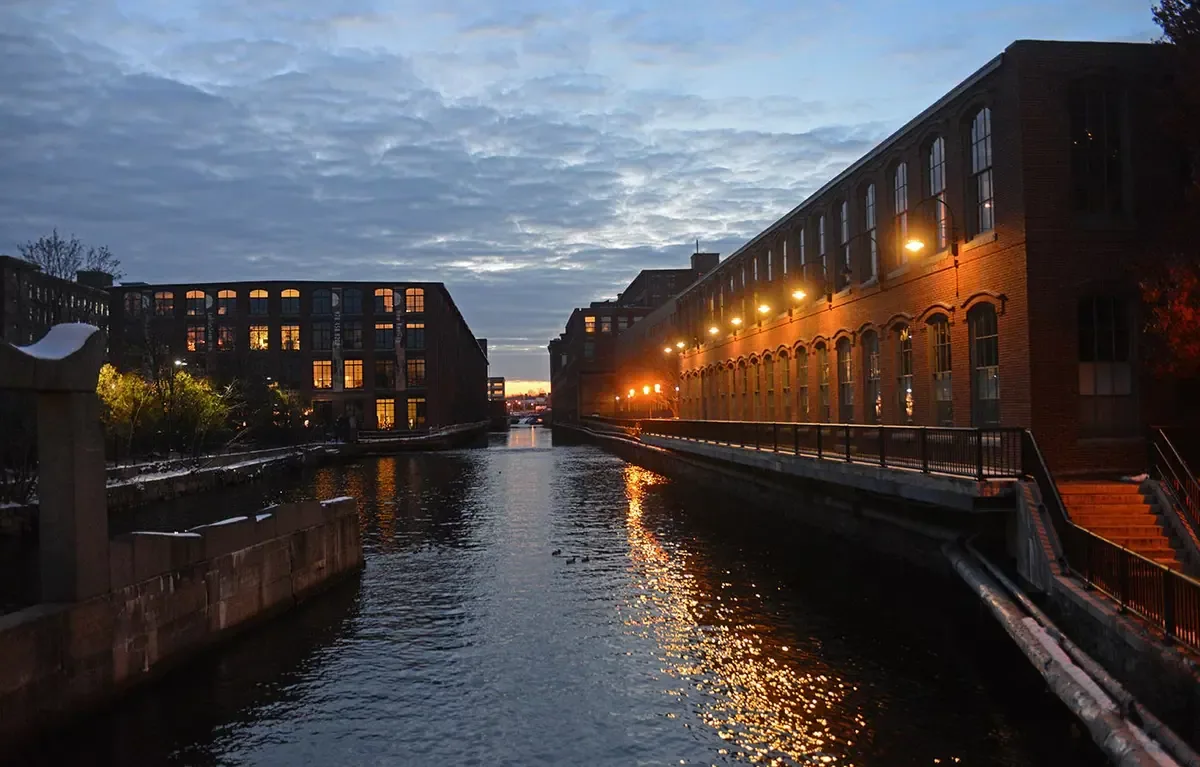
First pass: clear the drain route, inspect each roof section, and mark conditions that could change before the next storm. In Lowell, precipitation is spread across the year, with a normal October at 5.00 inches and December at 4.54 inches. That gives the maintenance visit a practical job: confirm water can leave the roof, then look for seams, flashing and edge details that could turn routine rain into an interior call.
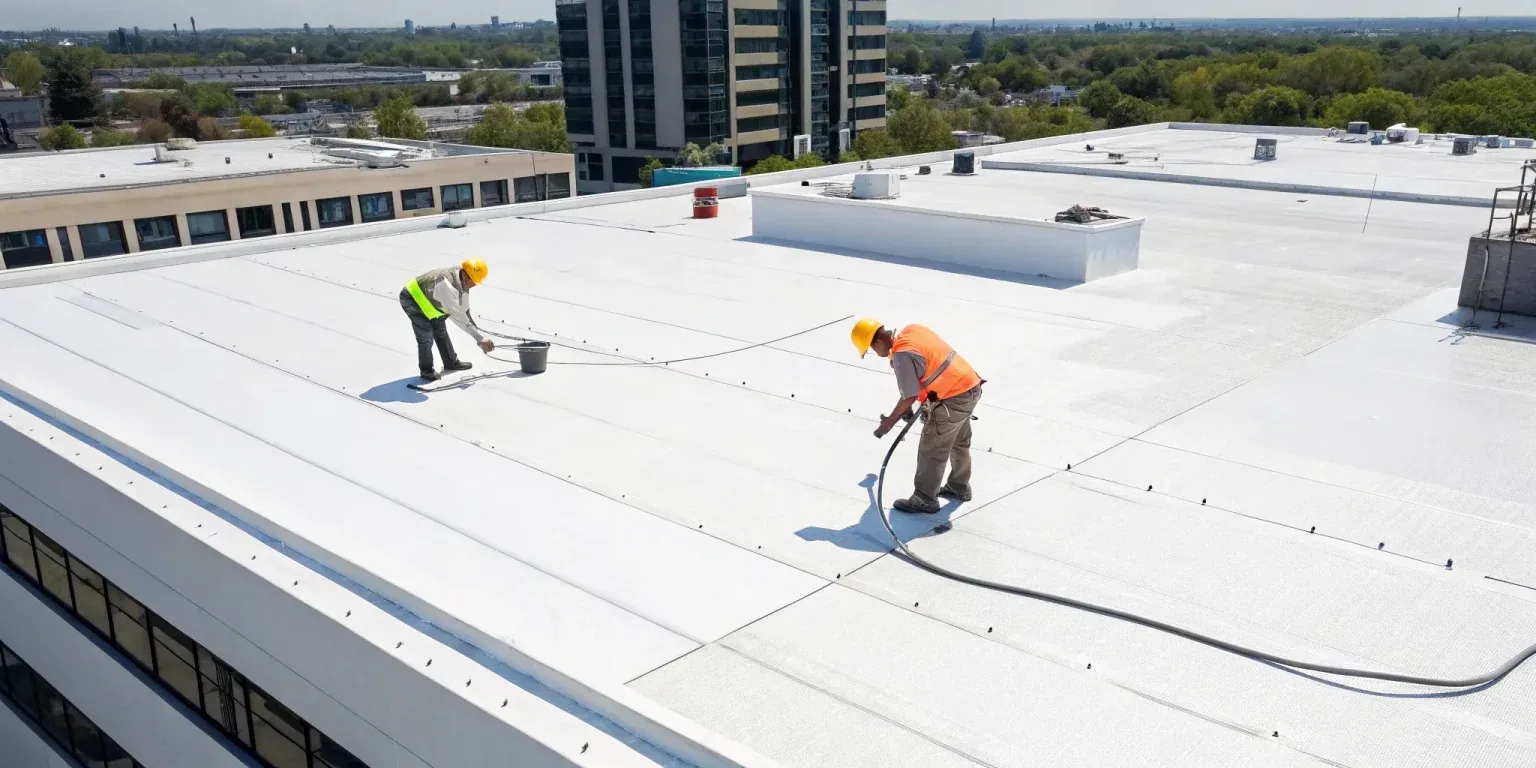
The maintenance record should separate repair now, repair soon and monitor. Each item gets a location, photograph and next action. If an active leak is found, the first-hour response protects the interior and sets a temporary dry-in while permanent work is priced. A scheduled visit is not a substitute for that response. It gives the facility director a return window, a roof map and cost exposure before a defect reaches the stockroom or office.
Seasonal check sequence
Late summer or early fall is a useful time to clear drains, check scuppers and inspect seams before the wetter part of the year. We note loose edge metal, open laps, worn sealant and any drain bowl that holds debris. Lowell hazard planning includes nor'easters, snowstorms and ice storms, so a pre-winter check also confirms safe access, overflow paths and temporary dry-in materials. Those checks do not predict damage. They identify what should be corrected before winter access becomes difficult.
After the thaw, the roof gets another pass. We look for shifted flashing, punctures from service work, areas that stay wet and insulation that may have taken on water. Lowell's January daily mean is 24.9°F, which makes repeated freeze-thaw a relevant stress on exterior materials. We compare the spring findings with the fall photographs so the owner can see what moved and which repairs held. If a storm report comes in between visits, emergency response runs around the clock, and the facility director gets a first-hour check before the permanent scope.
The roof-walk record
A maintenance walk covers the drains and sumps first, then seams, penetrations, curbs, perimeter metal and the field. We note the roof system and any access limit that kept a section from being checked. Previous patches are reviewed for lifted edges or cracks. If a detail has changed since the last visit, the note says where and how far the condition extends. A drain and scupper inspection checks the bowl, outlet and nearby membrane rather than treating a clear strainer as a complete drain review.
Each finding is assigned a next step. A loose coping cap may need fastening before wind works the joint. A seam with a short open edge may need repair before water reaches insulation. A stain below a curb may need moisture testing before the repair boundary is priced. A condition report keeps photographs, locations and actions together, so the next visit starts with the same roof section instead of another general walk.
Rank work by exposure and cost
Priority is not just a count of defects. An open seam above a sensitive room can move ahead of a larger but stable surface issue. We separate active water entry, conditions likely to expand and items that can be monitored. The facility director sees the repair boundary, access needs and what would change the price. That makes a maintenance plan useful for budgeting: it shows which repairs can be scheduled together and which need an immediate first-hour response.
Cost drivers include roof height, access, system type, number of details, insulation condition and the material needed for a compatible repair. The note identifies when a test or measurement is required before a firm scope. If a patch no longer makes sense, planned roof repair can address a broader section; if defects are widespread, the owner can compare that work with replacement planning. The decision is tied to observed conditions, not a calendar alone.
Maintenance across Lowell properties
Lowell's Downtown Historic District takes in commercial blocks, mill yards and the canal system; exterior work there can need Historic Board review. That changes how visible coping or edge-metal work is scheduled. Ayer's City Industrial Park has heavy-industry uses around Tanner Street and the Lowell Connector, where safe roof access and production hours can shape the visit. We record those constraints with the building's own roof details, without assuming that a district determines its membrane or age.
The Hamilton Canal District plan connects downtown to the commuter rail station through a mixed-use area. On a roof there, access windows and rooftop equipment may differ from a manufacturing property near the industrial park. A Lowell roof maintenance visit maps the active roof section, records what was observed and identifies the return window. For an open edge, coping and gutter work can be priced as a separate repair boundary, keeping routine maintenance distinct from capital scope.
Outside the city, the same record format carries to Chelmsford, where Route 3 and I-495 cross and the town describes a base of technology, bioscience, defense, communications and instrumentation firms. Any building with rooftop equipment that is serviced often gets its curbs and walk paths checked for wear from service traffic. In Billerica, the Concord Road area lists multiple large office buildings just off Route 3, and a visit schedule across several buildings can share one access contact, one roof map and one ranked action list, so the cost of each building can be compared on the same terms.
What stays on the schedule
A useful program names the roof sections, visit timing, access contact and the items that need repeat inspection. It also distinguishes scheduled checks from emergency response. A call about active water entry triggers interior protection and a first-hour check; the program record then follows the temporary dry-in through the permanent repair. That separation keeps urgent labor and planned maintenance visible as different costs.
After each visit, the facility director receives photographs, a marked roof plan and a ranked action list with prices or the measurements still needed to price the work. The next visit checks the same repair locations and any new conditions from rooftop equipment service. Tell us the building list, roof access limits and any areas with prior leaks. We will name the first inspection window, what it will verify and when the cost update arrives. A storm damage assessment can be added after a reported event, using the same section-by-section record.
Commercial Roofing Questions
What does a scheduled maintenance visit include?
We check drains, seams, flashing, penetrations, edge metal and prior repairs, then record each finding by roof section. The report separates repair now, repair soon and monitor, with photographs and the next action.
When should Lowell roofs be checked?
A fall visit can clear drainage and identify details before winter weather. A spring return checks what changed after snow and freeze-thaw. A reported leak or storm damage gets a separate response instead of waiting for the calendar.
Does maintenance prevent every leak?
No visit can promise that. It can find open details, blocked drainage and changing conditions early enough to price a repair before they expand. Active water entry still needs a first-hour check and temporary protection.
How do you decide which maintenance items need repair first?
We rank active water entry, sensitive areas, likely growth and repair access. Each item has a boundary and cost driver, while conditions that need testing are marked for a return decision.
Can maintenance cover several roof systems?
Yes. We identify the material on each section and match the inspection and repair method to it. The record keeps system type, condition and prior work tied to each roof rather than combining different assemblies into one list.