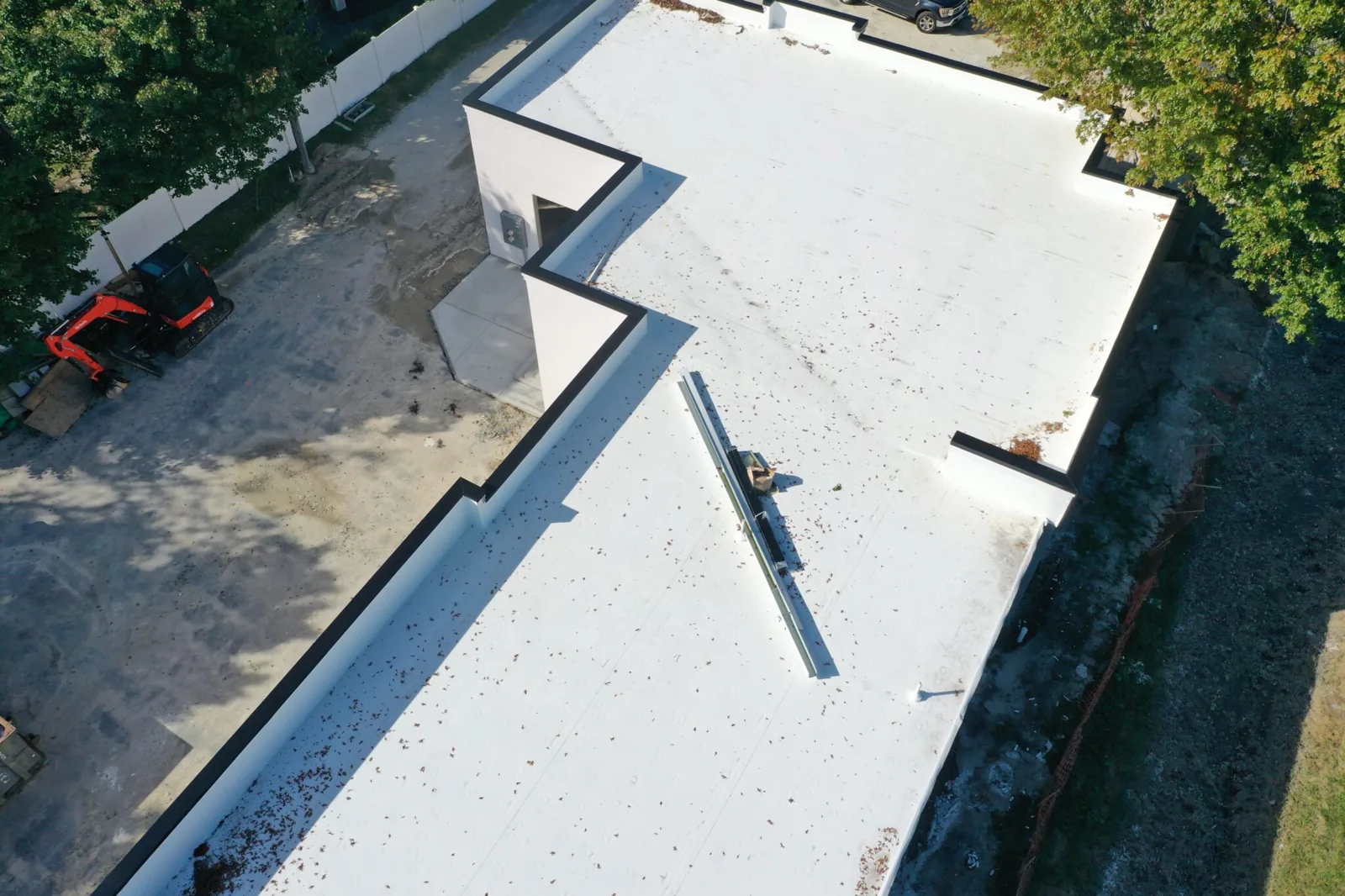
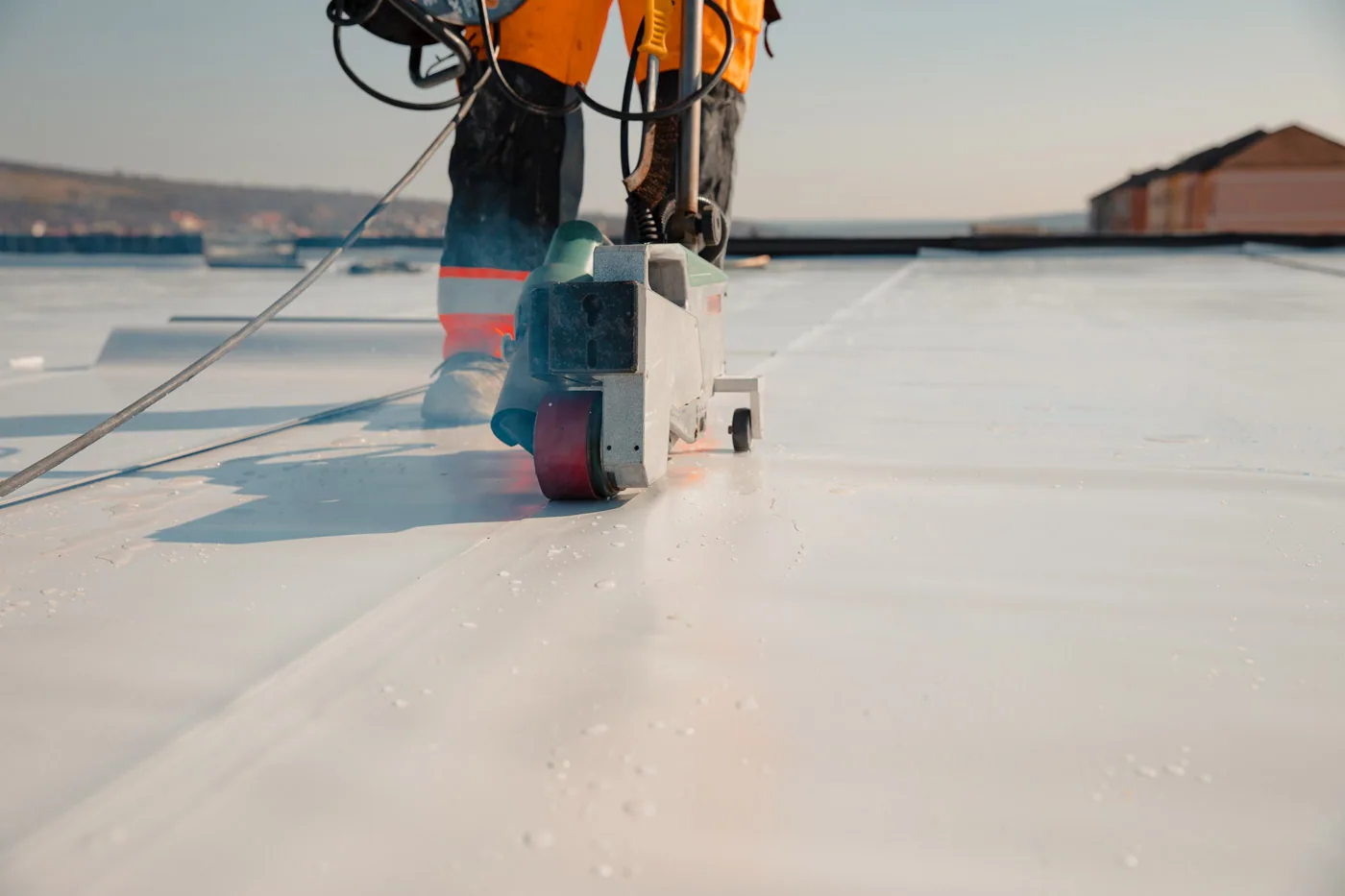
Seam type first: EPDM is a cured rubber sheet, and unlike the welded thermoplastics its seams are bonded with tape or adhesive. That one fact shapes everything a facility director in Lowell, MA needs to know about it. The sheet itself is flexible in cold weather and forgiving of building movement, repairs are simple, and the seams and flashing details are where the maintenance attention goes. We read the seams before we read anything else on an EPDM roof.
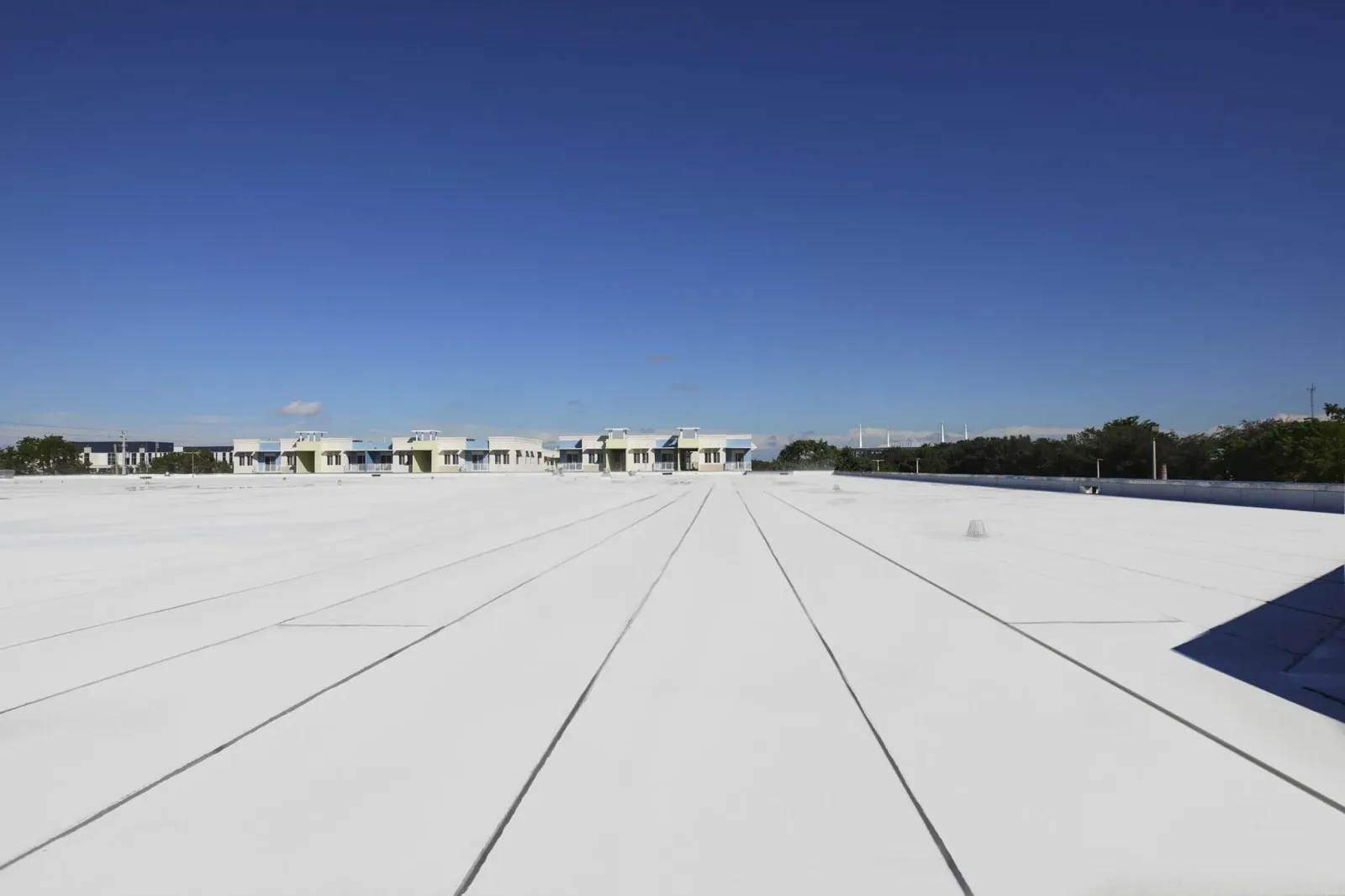
The scope decision follows the walk. If seams are tight, the membrane is supple and the insulation is dry, repair keeps the roof going. If seams are open, the sheet is shrinking or the insulation is wet, the choice moves to recover or replacement, and the cost exposure for each goes on the page.
Rubber Sheet, Cured Seams
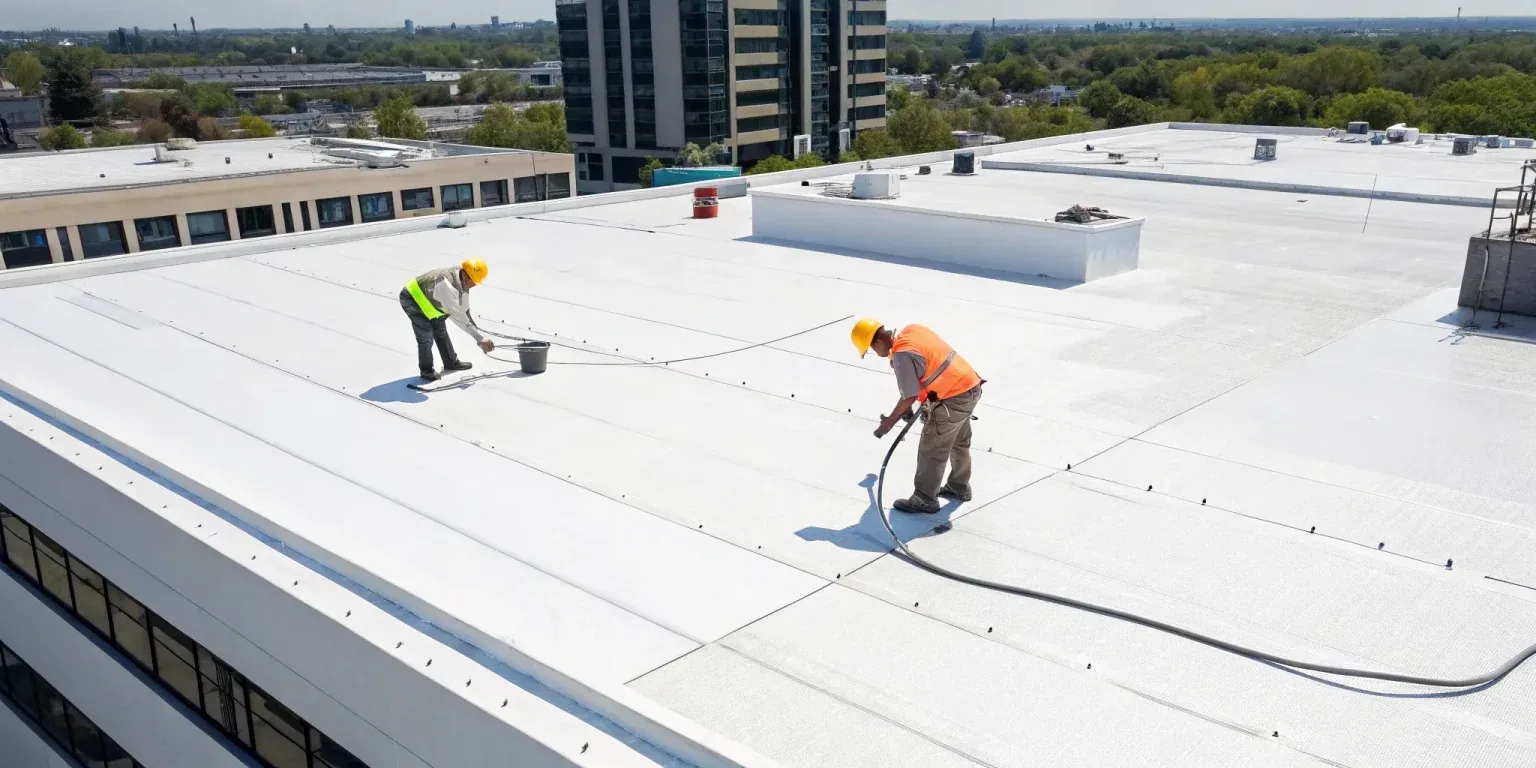
EPDM, ethylene propylene diene monomer, comes in black and white, in thicknesses commonly from 45 to 90 mil, and in wide sheets that reduce the number of field seams. Black sheets absorb heat and white sheets reflect it, which matters for cooling load and for the cold-weather behavior of the roof. Seams are joined with seam tape or splice adhesive, and the quality of the bond depends on clean, dry, primed surfaces and good pressure during installation.
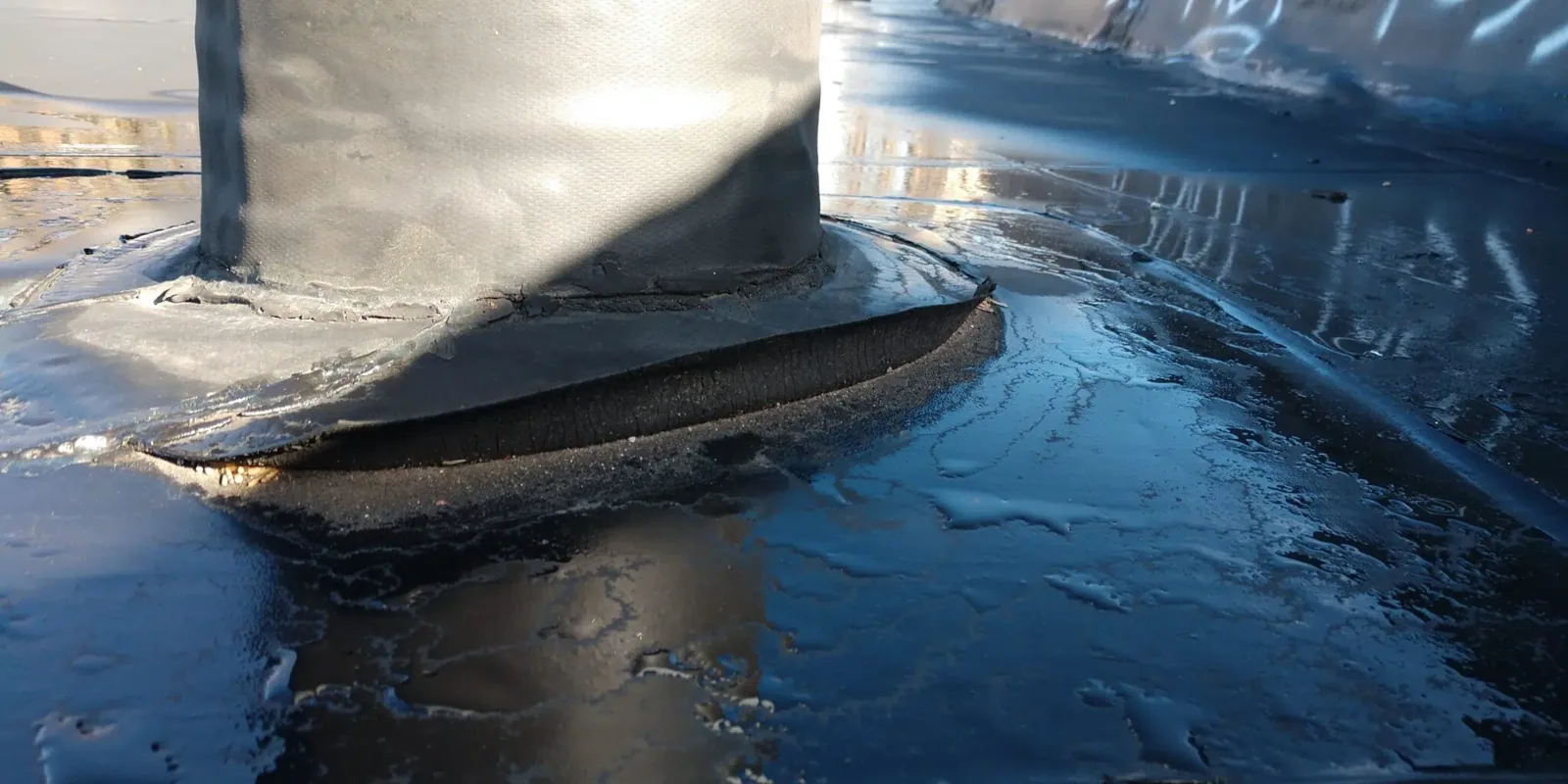
Flashing is usually formed from uncured EPDM or prefabricated boots, and corners are fitted with preformed pieces. Because bonded details are the weak point, we inspect every corner, boot and termination on a walk, probing for lift and photographing each one.
Black EPDM and white EPDM age in different ways. The black sheet runs hotter in summer sun and moves more with temperature, and the white sheet carries a reflective surface layer that wears with weather. In both, the sheet is the durable part. Most problems start at laps, tapes and flashings, and a roof with sound seams and a supple sheet can run long after its neighbors have been recovered, provided drainage is kept clear and foot traffic is limited to marked walk paths.
Cold-Weather Behavior
An EPDM roof here cycles through a wide range every year, given Lowell NOAA normals of 24.9 degrees for the average January and 72.8 for July. The sheet stays flexible in the cold and does not crack the way brittle membranes can, which is a reason EPDM has a long record in northern climates. Snow and ice load the surface, and the 126.5 inches that fell in 1995 per the city's hazard mitigation records serve as a planning reference for drainage and structure.
Cold affects installation more than service. Fall is the busy season for roofing crews, and the first hard freeze can end a bonded-seam job. If the schedule slips past the point where adhesives cure reliably, we stop at a watertight stage with temporary protection and finish in spring, so no seam is made in conditions that would compromise it. Adhesives and tapes need warm enough surfaces to cure, so the main installation window is the warm season, and a late-fall start carries a weather hold in the schedule.
Adhered, Ballasted and Mechanically Attached
Fully adhered EPDM is glued to the substrate, gives a smooth surface and handles wind well. Ballasted EPDM is laid loose and held by stone or pavers, which is economical for the right deck but heavy, and ballast hides the membrane from inspection. Mechanically attached EPDM is secured with plates and screws along battens or seams. Each approach suits a different deck and budget.
Ballasted roofs deserve a note: every inspection means moving stone, and drains must be kept clear of it. When we see a ballasted EPDM roof with failing seams, we price both the repair and the cost of moving ballast, since the stone is a large part of the work. A commercial roof repair on such a roof starts with clearing a working area around the damage.
Seam, Flashing and Edge Failures
The usual EPDM failures are open or lifting seams, shrinking at flashings and terminations, split corners and punctures. Shrinkage pulls the sheet away from walls and curbs, and the pull concentrates at corners and around penetrations. UV and heat age the surface slowly, and the membrane may chalk, though it stays flexible far longer than many alternatives.
A flashing failure repair removes the old bond, cleans and primes the surface, and installs new flashing with proper terminations. Small seam openings can be cleaned and re-taped, with the splice area prepared by scrubbing off the weathered surface so the new tape sees fresh rubber. Reaching that fresh surface is what makes a repair last, and a tape pressed over dirt or chalking will lift within a season. Where seams have failed across many areas, a coating or recover may cost less than repairing them one by one, and the scope compares both.
Wet Insulation and Repair Limits
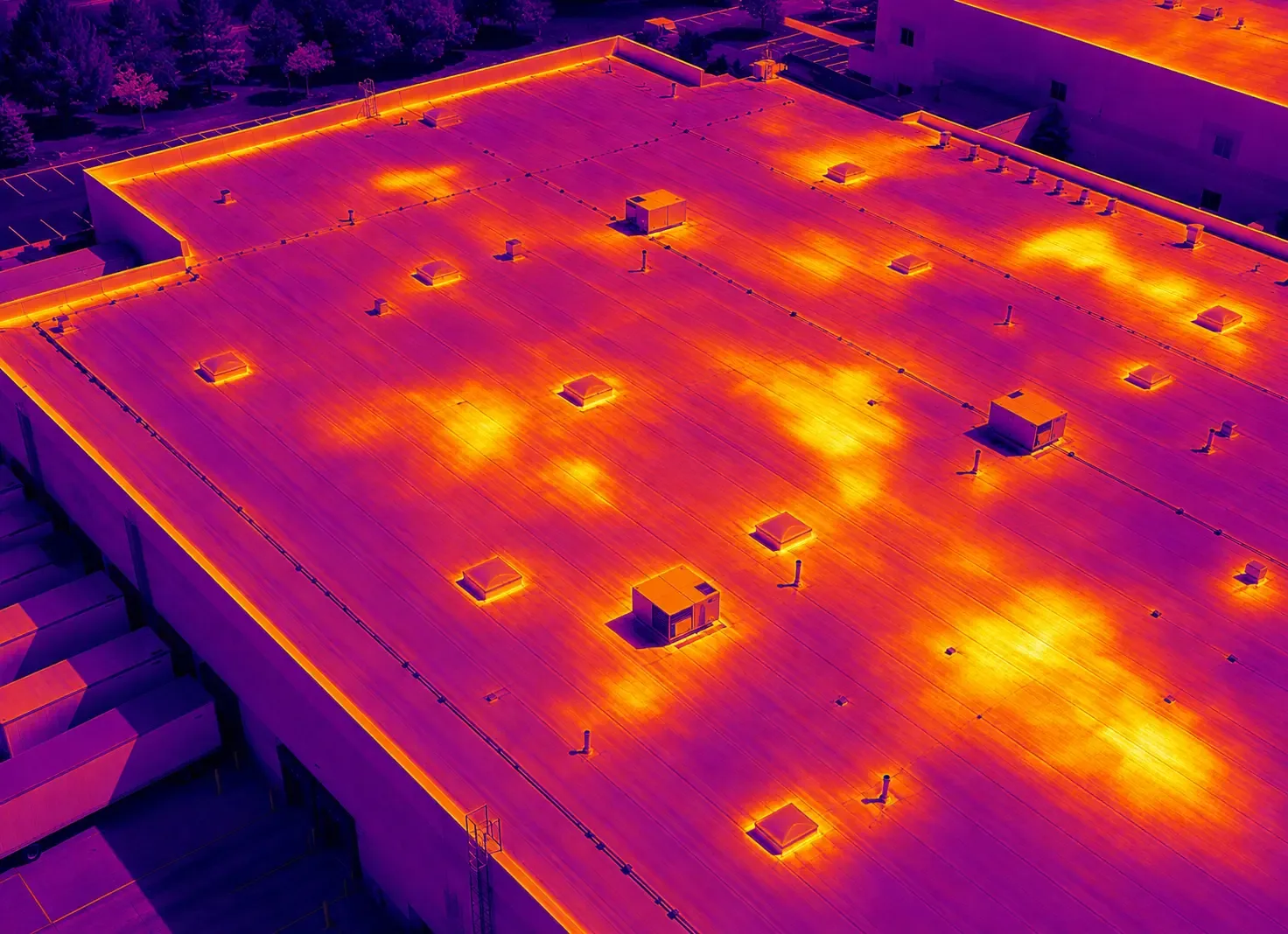
An EPDM roof can leak at a seam and carry the water a long way beneath the sheet, so the leak you see is rarely the one that started it. An infrared moisture survey maps trapped water and core cuts confirm it. The wet boundary is drawn on the roof plan with the date, and it sets the repair limit.
Repair is possible when wet areas are limited. Wet insulation over a broad area calls for replacement of the affected section, and sometimes the whole roof. A recover over wet insulation only hides a problem, so the scope will not offer it.
Repair, Coat, Recover or Replace
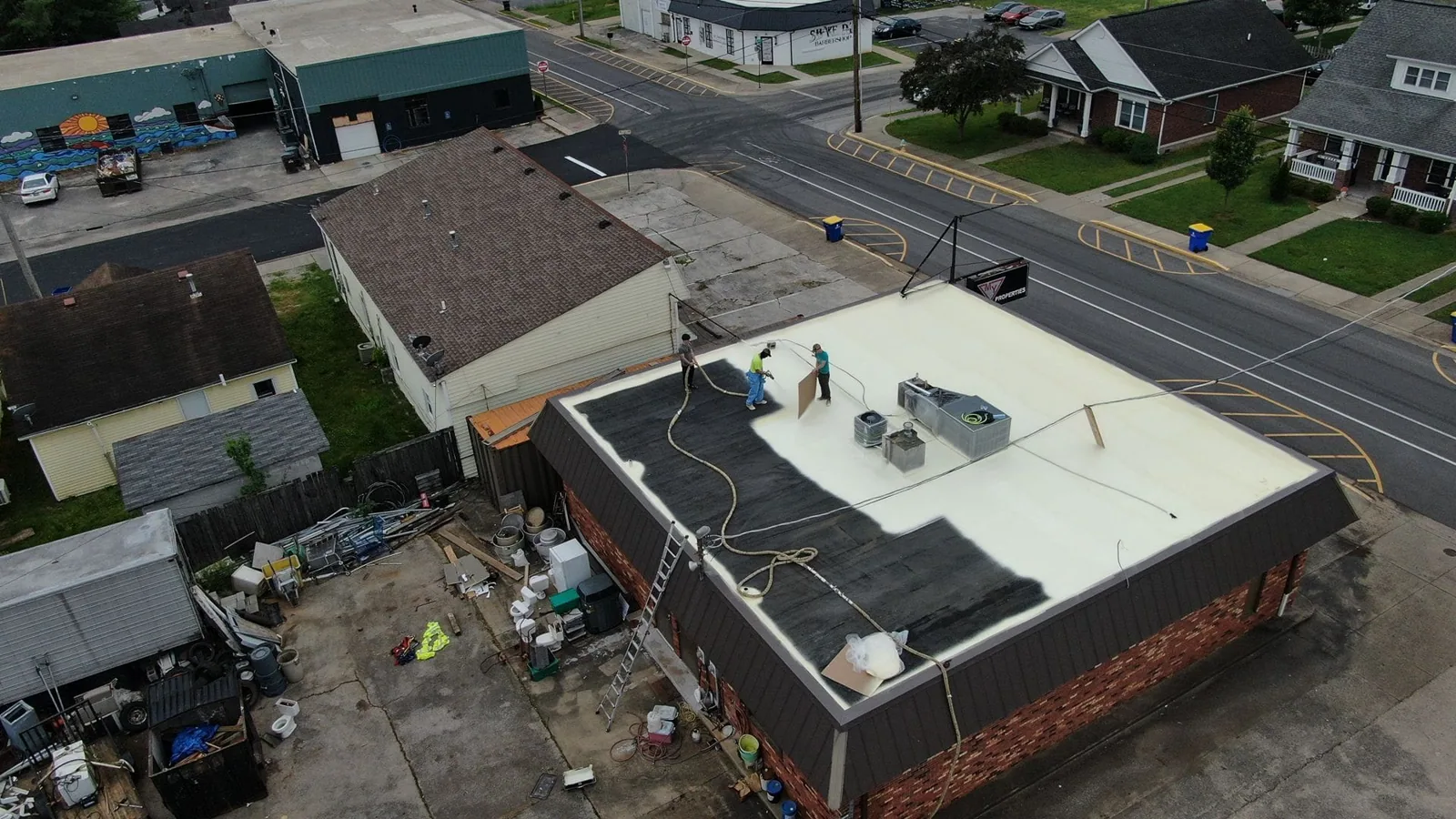
Aging EPDM presents four paths. Repair closes isolated failures. A coating, where the sheet is clean and sound, adds protection and reflectance. A recover with a different membrane adds a new surface if the insulation is dry. A full replacement starts over with new insulation and membrane. The state's 10th edition code, which took effect October 11, 2024, applies to the permit for any application filed since July 1, 2025, and its base energy provisions can drive insulation upgrades on a tear-off.
Compare these with TPO and PVC, which weld their seams, and the choice becomes a question of seam risk, repair simplicity and cost. EPDM remains attractive where repairs by simple methods matter and seams can be checked often. The price comparison is straightforward: material cost, labor for seam and flashing work, insulation and cover board, tear-off if needed, and the cost of keeping an eye on it. A preventive maintenance program that re-checks seams twice a year fits an EPDM roof well.
Where EPDM Shows Up in the Lowell Area
EPDM is one of the low-slope systems an owner may find on a commercial or institutional roof in the region, including in towns like Chelmsford, where Route 3 and I-495 cross, and Westford, which reports access to both. Mill buildings in the Downtown Lowell Historic District, where exterior work is subject to Historic Board review, may have rubber roofs behind parapets that hide them from the street. Each building's roof type is confirmed by a walk, and a job on an EPDM roof in Lowell begins with the splices before anything else.
Commercial Roofing Questions
How do EPDM seams differ from TPO seams?
EPDM seams are bonded with tape or adhesive, and TPO seams are welded with hot air. Bonded seams need more frequent checking.
Does ballast hide problems?
It hides the membrane. Inspection means moving stone, and repairs must clear a working area first.
Is black EPDM a problem for cooling costs?
It absorbs more heat than white. The building's cooling load and the energy code decide whether white is worth the cost.
Can EPDM be repaired in cold weather?
Temporary repairs can. Permanent bonded repairs wait for surfaces warm and dry enough to cure the adhesive.
How long before shrinkage becomes a leak?
It varies. We look for pulled corners and lifted terminations and measure them, then set a follow-up date.