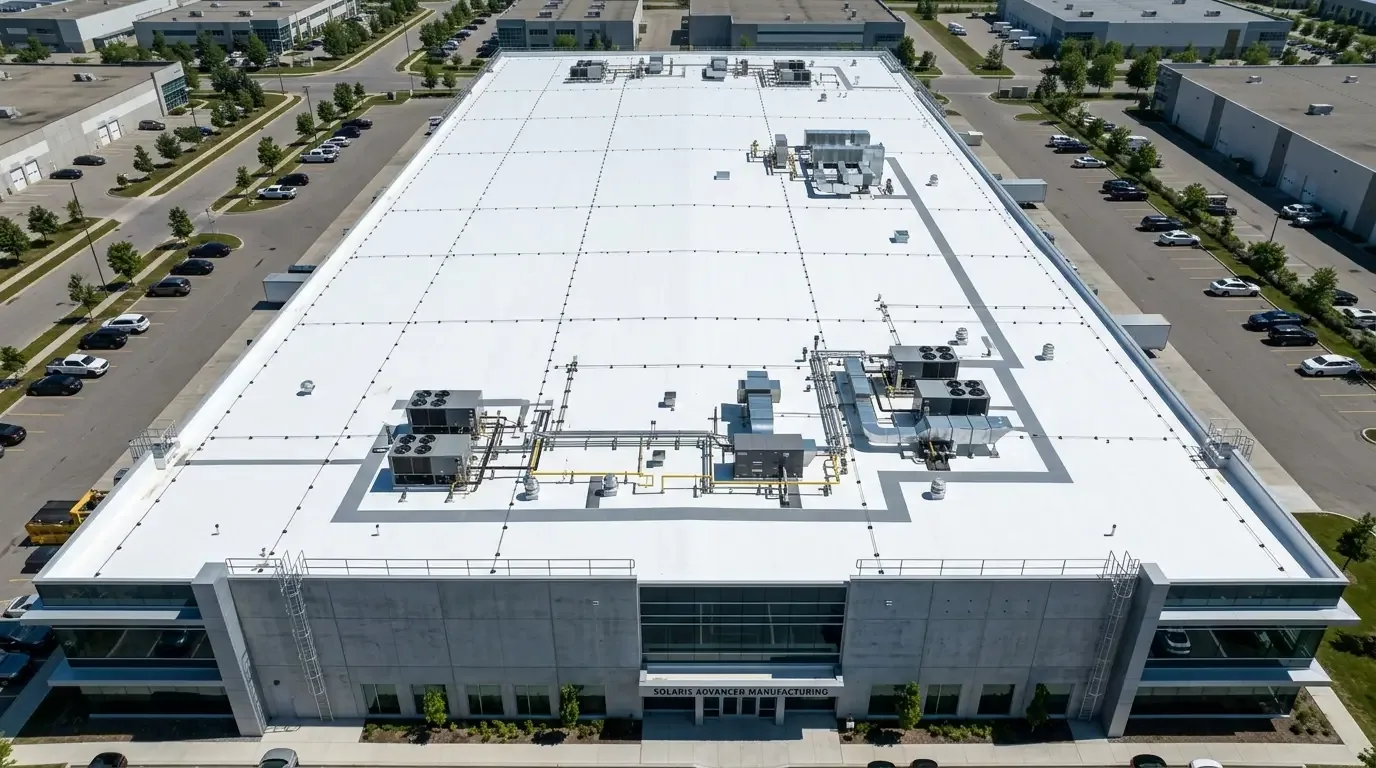
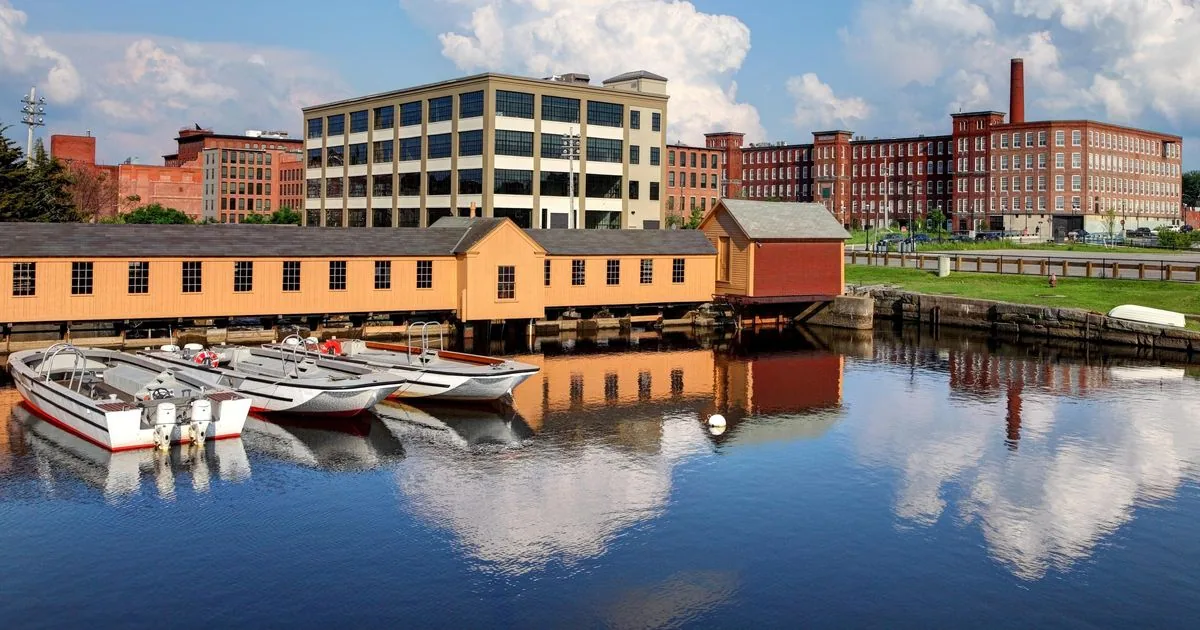
Roof work in Lowell, MA, begins with a report: a stain, a drip, a storm, a lease clause, a lender's request. The work moves in a short sequence. Find the water, protect the interior, mark the repair boundary, price the options and set the return window. Commercial Roofing Lowell organizes its work along that sequence, from the first call to long-term upkeep, so each service has a clear place in the order of decisions a facility director makes.
Response and Leak Repair
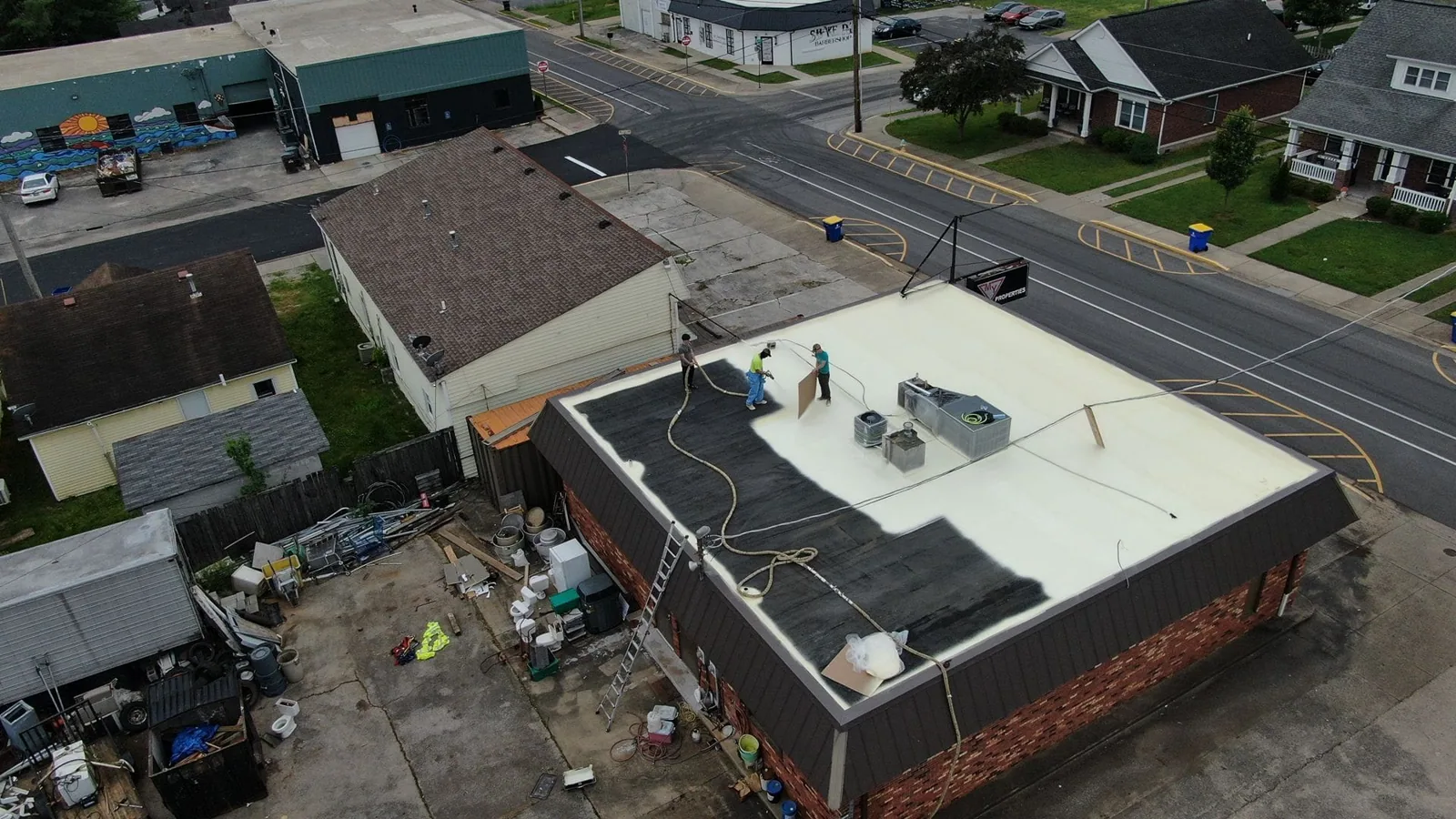
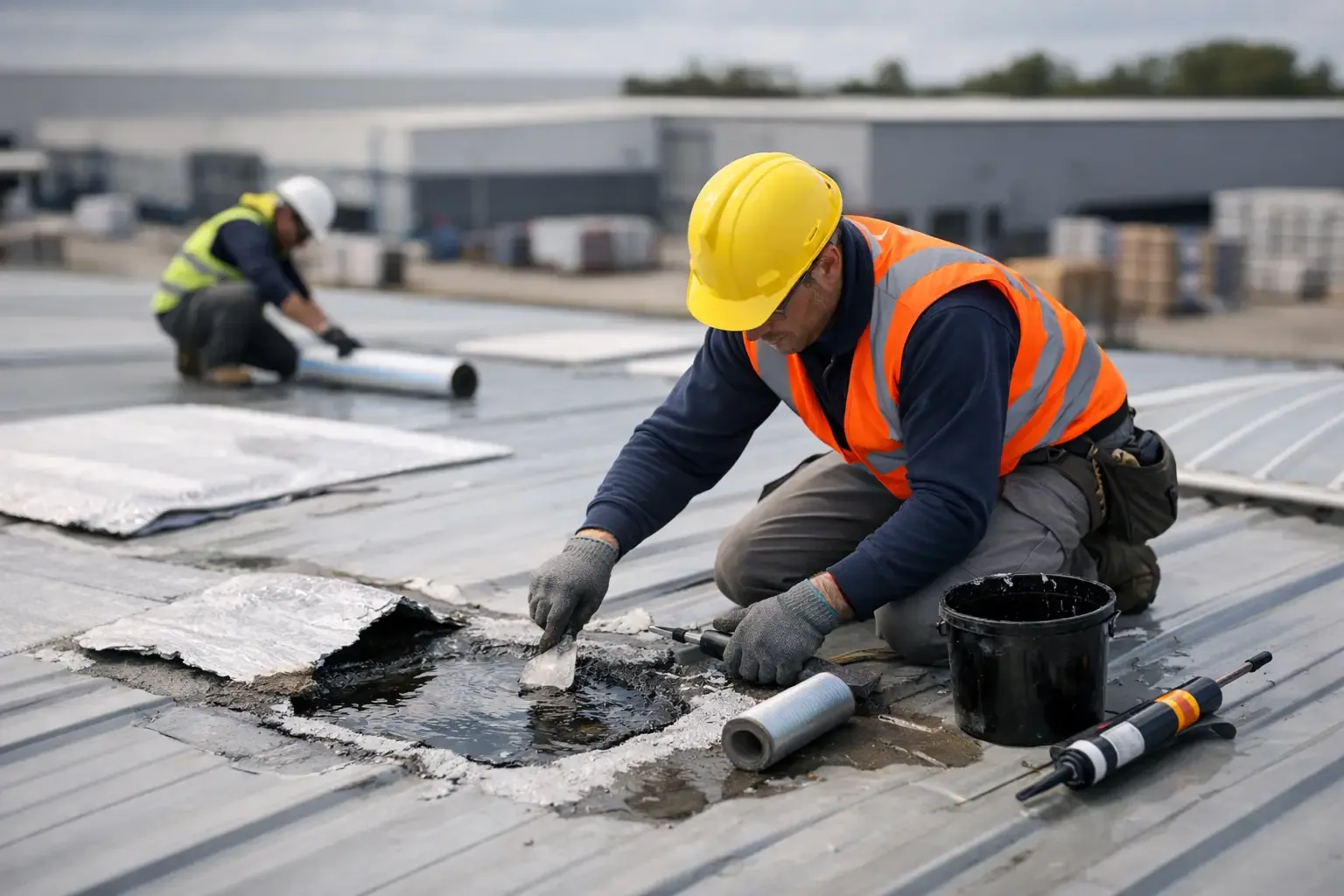
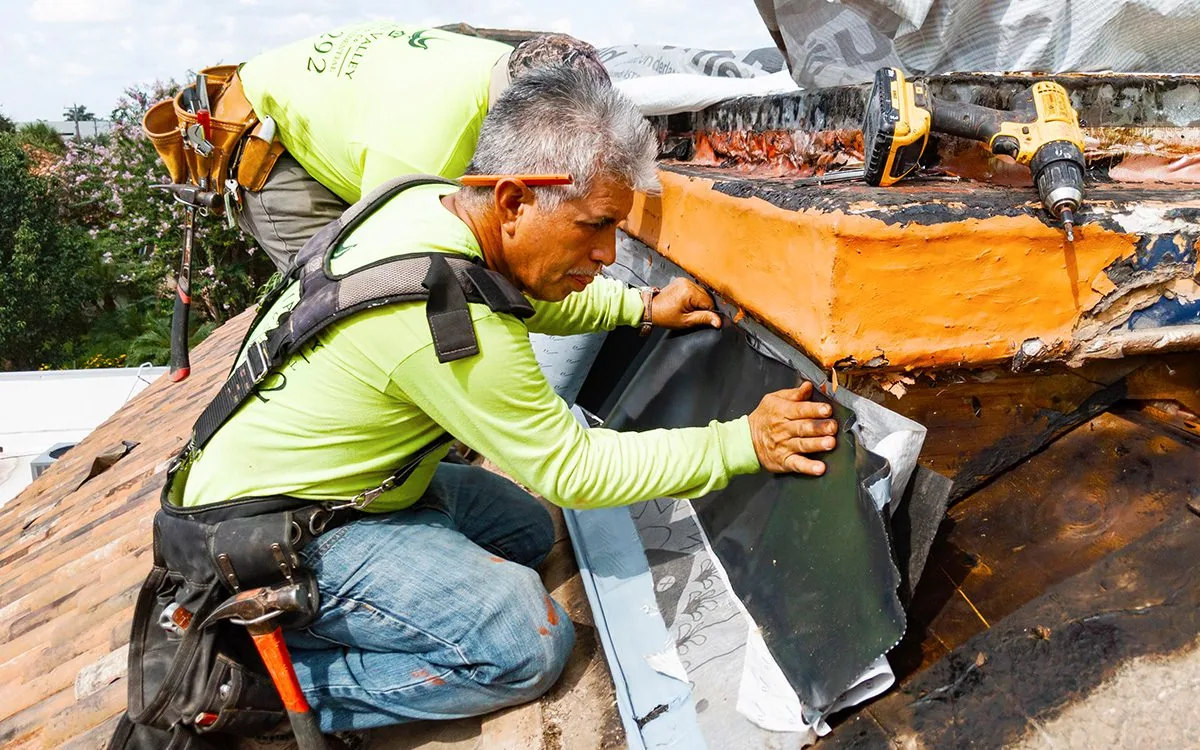
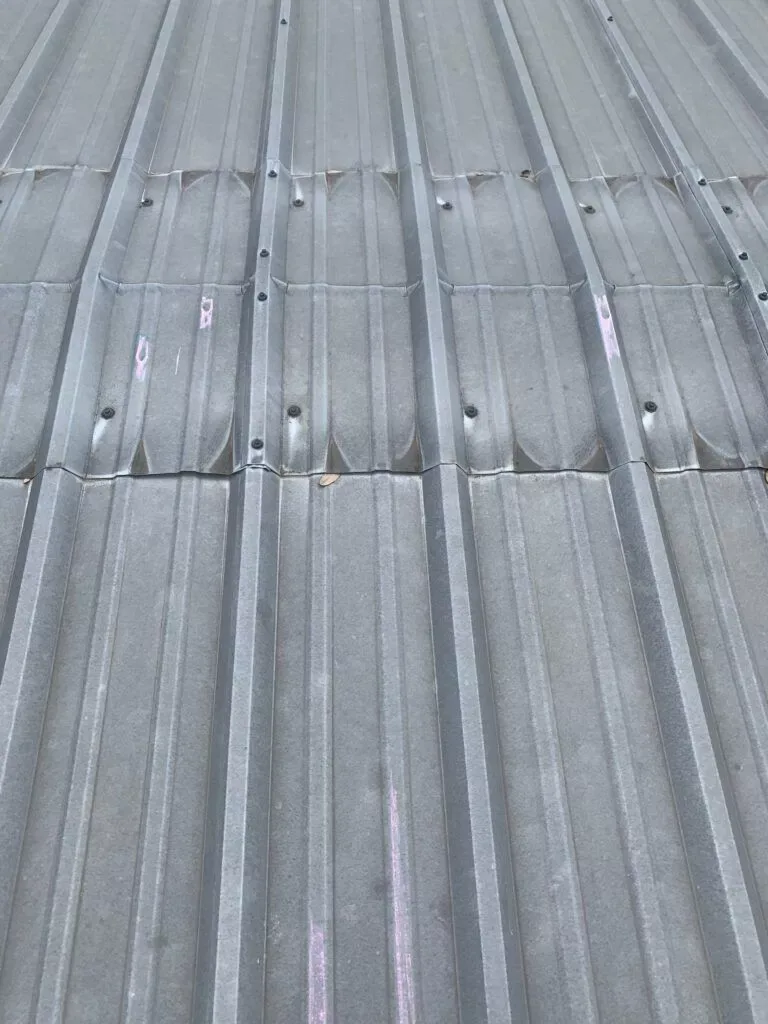
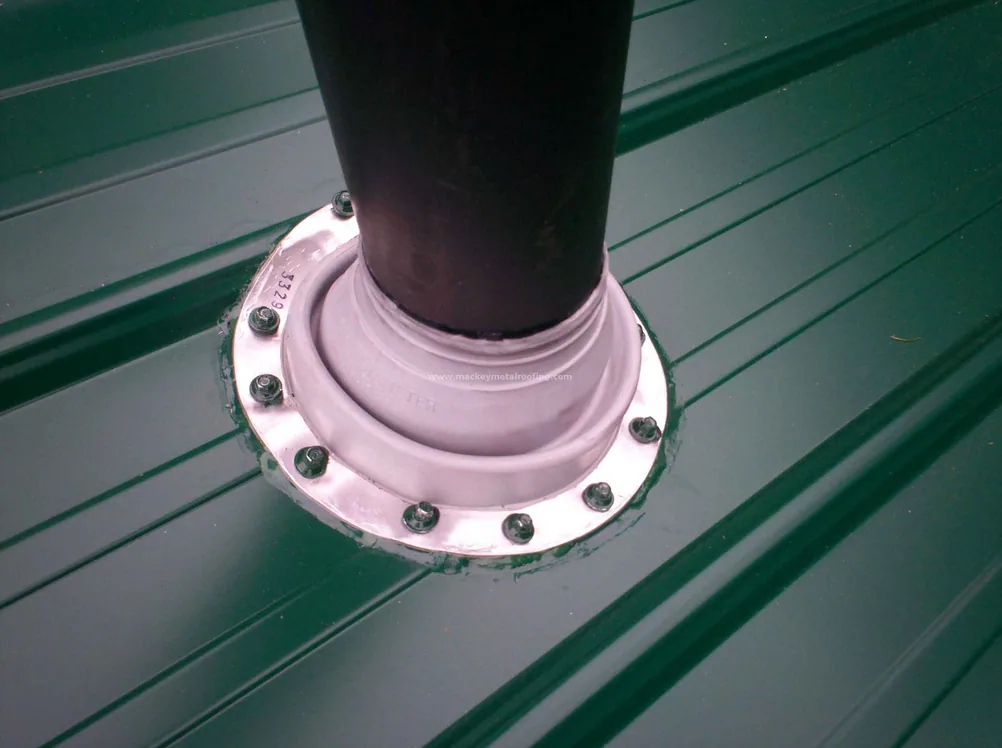
When water is coming in, emergency roof repair starts with the first-hour check: safe access, the active water path, interior protection and a temporary dry-in. A traced leak repair follows, and storm losses add records for the carrier, as in storm damage repair. Each step is priced on its own, so the cost exposure is visible before the next approval.
Inspection and Moisture Survey
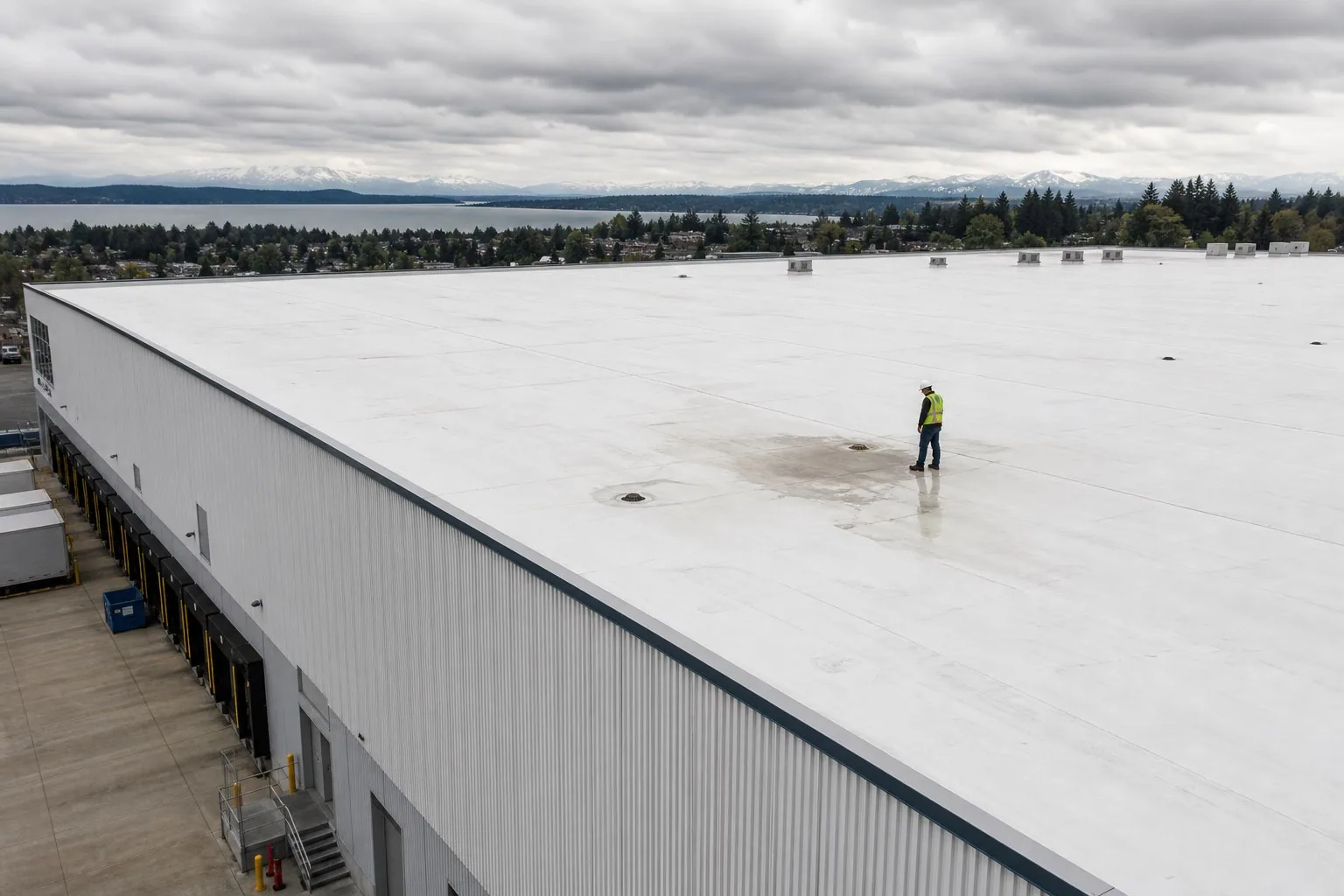
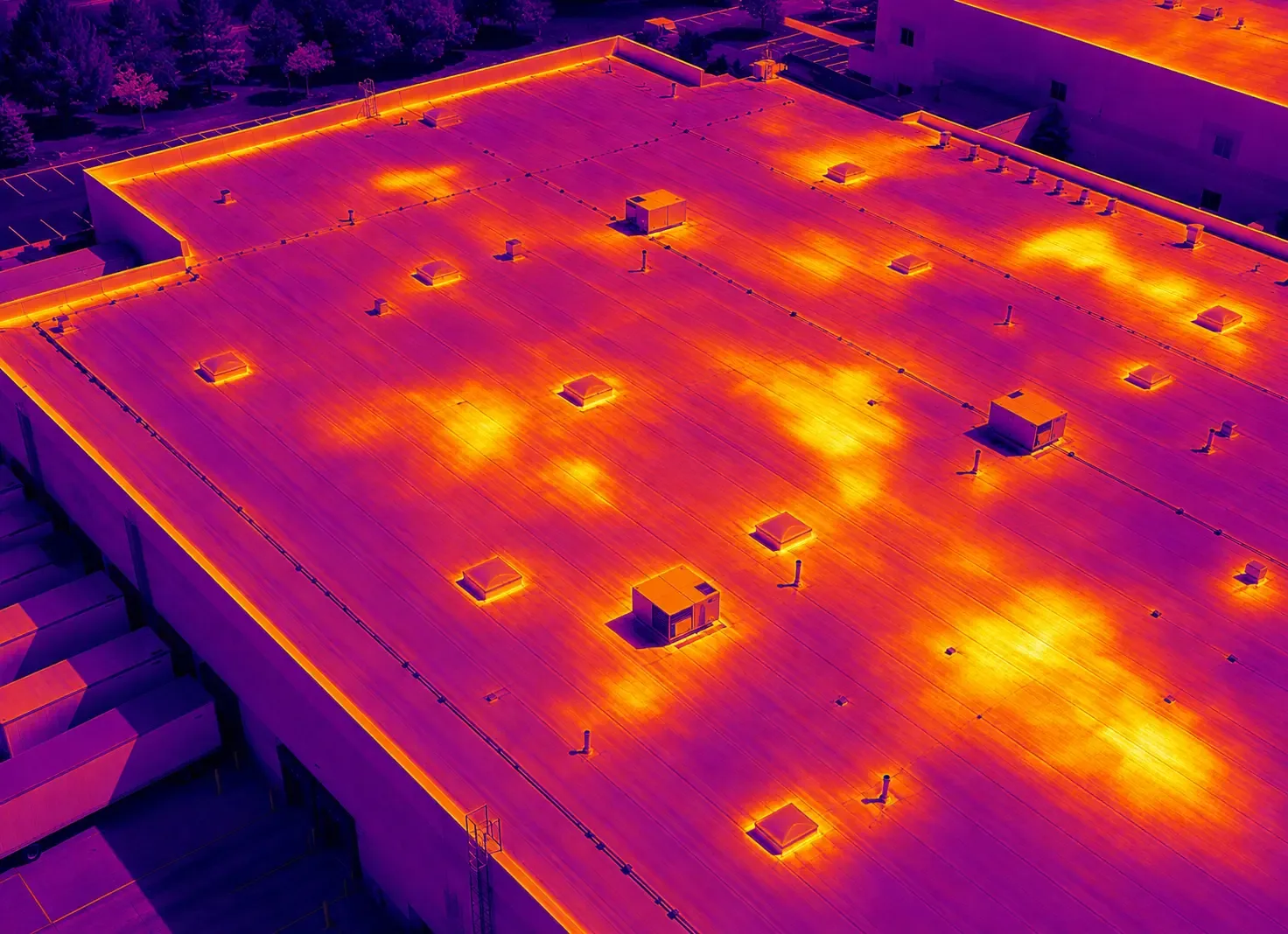
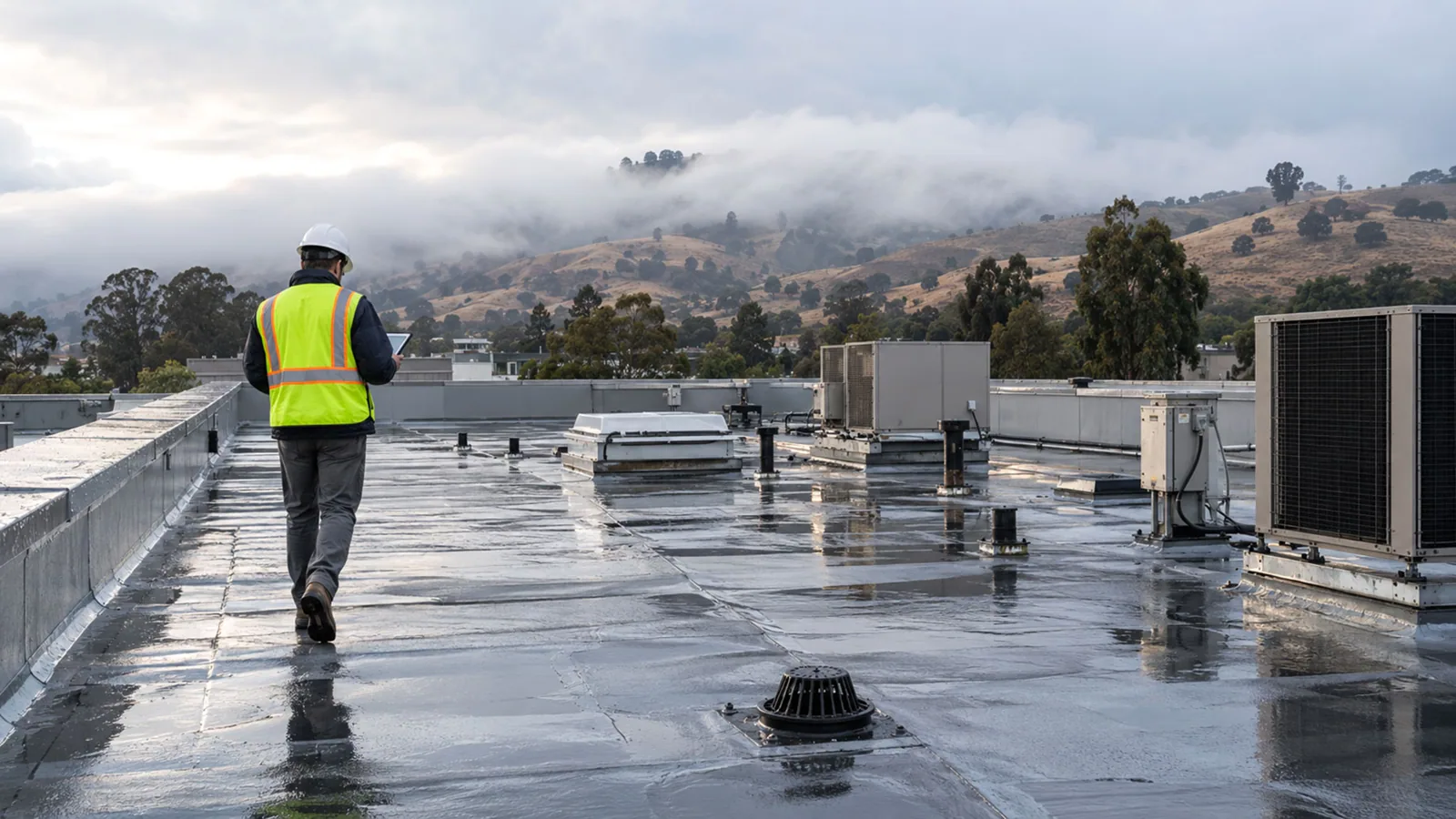
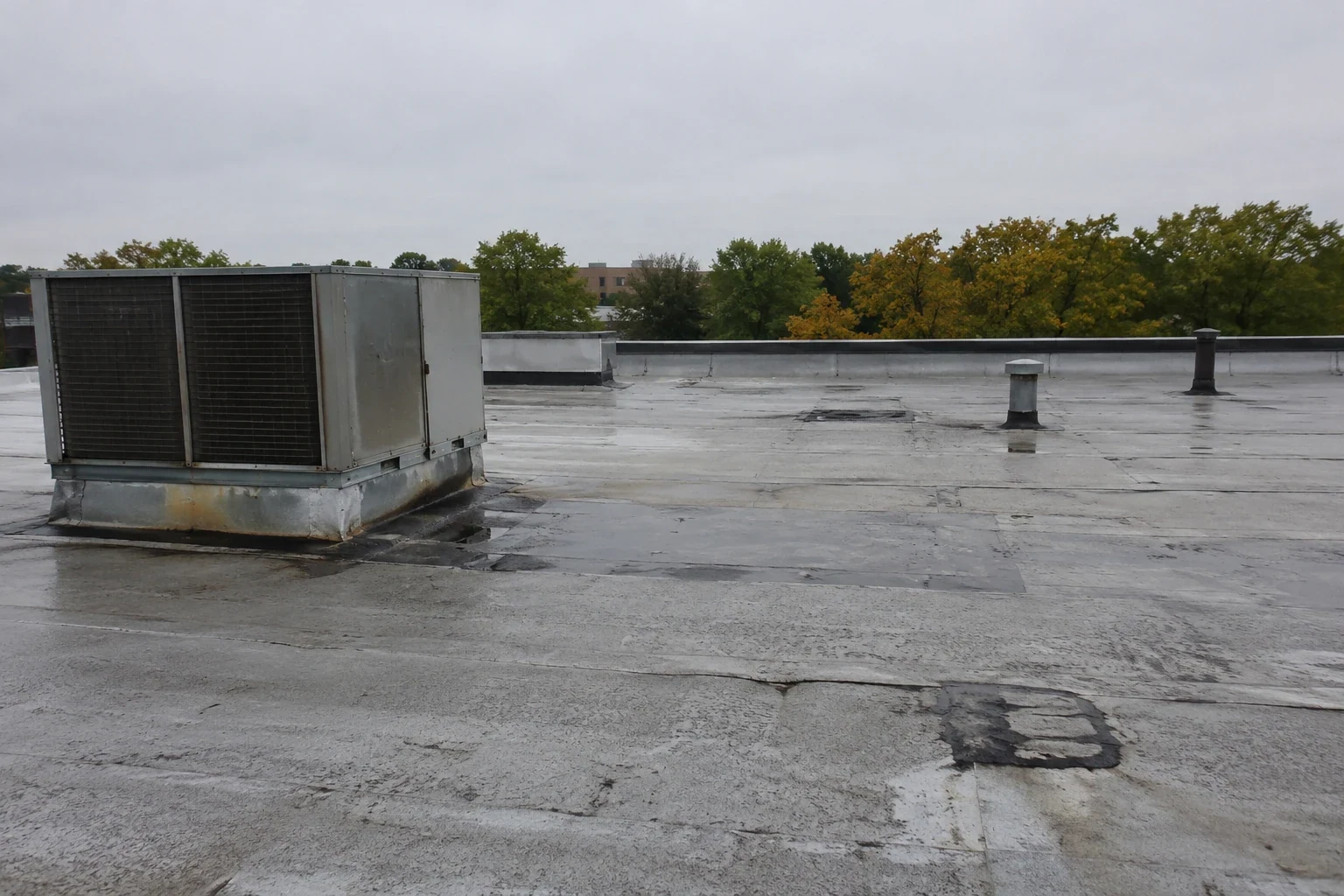
Decisions cost less when the roof is understood first. A hands-on commercial roof inspection records every roof section, and an infrared moisture survey shows where insulation has taken on water. The written findings give the owner a repair, recover or replace comparison with real numbers behind it, plus a condition record that stays with the building.
Repair, Coating, Recover and Replacement
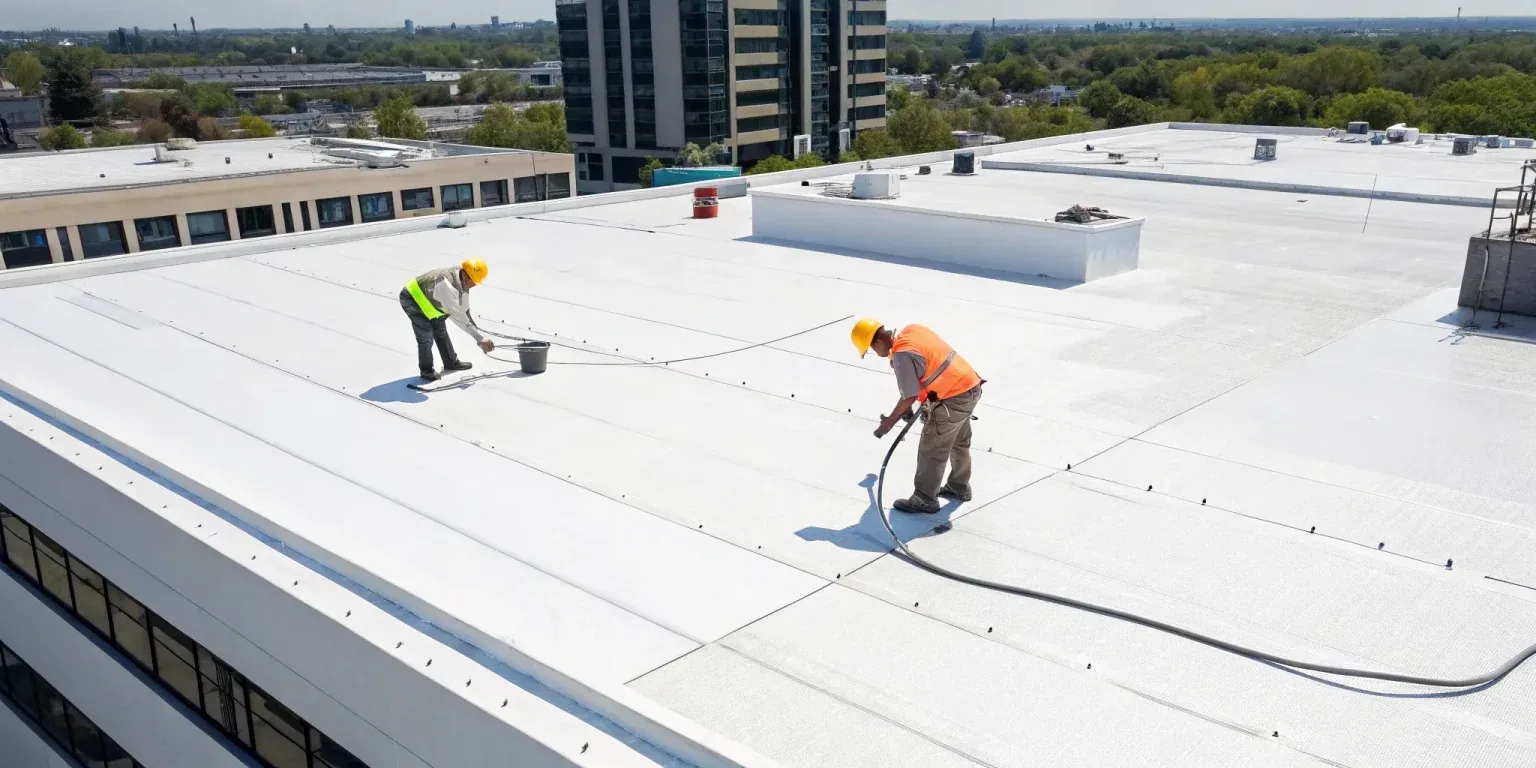
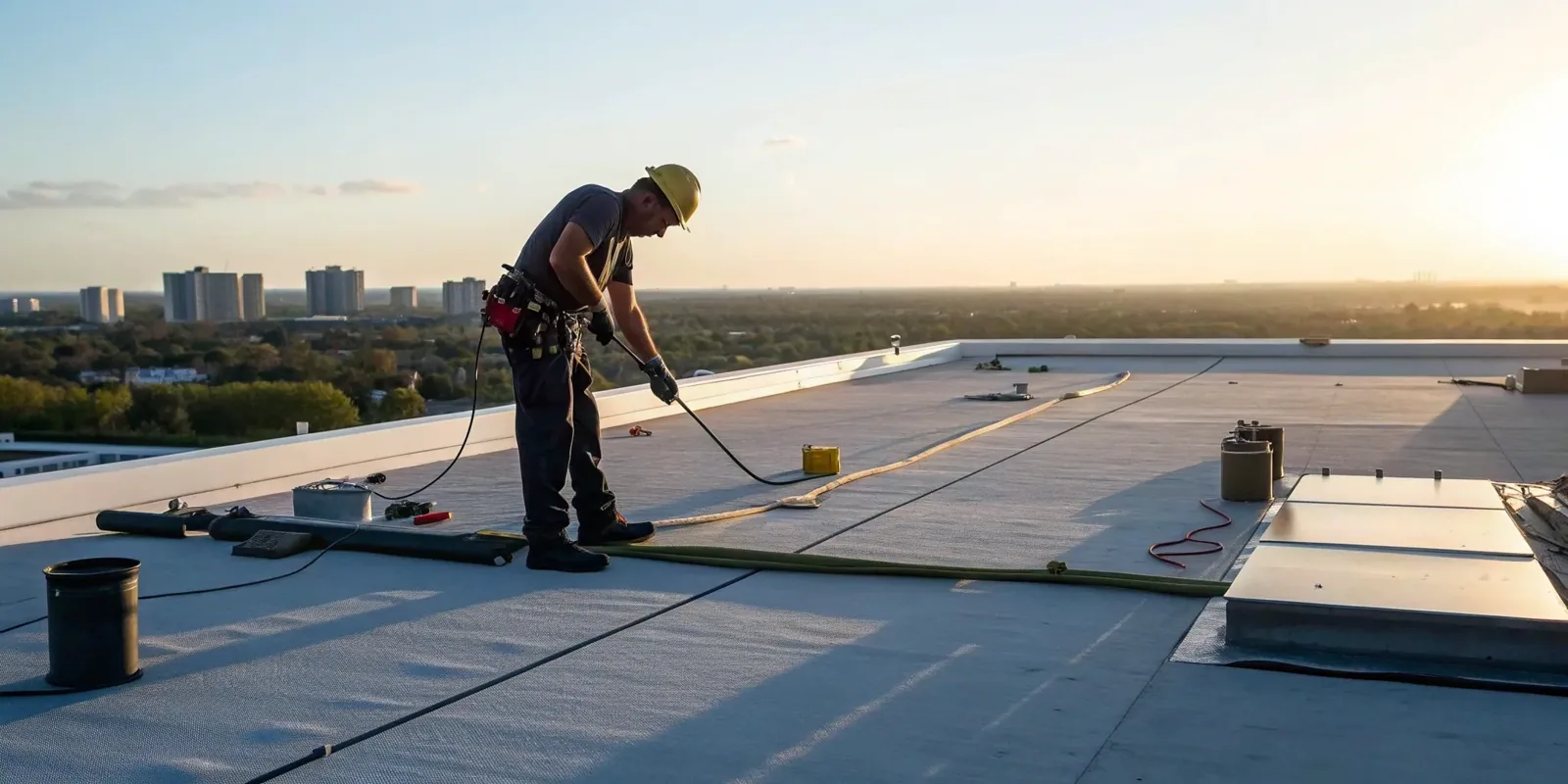
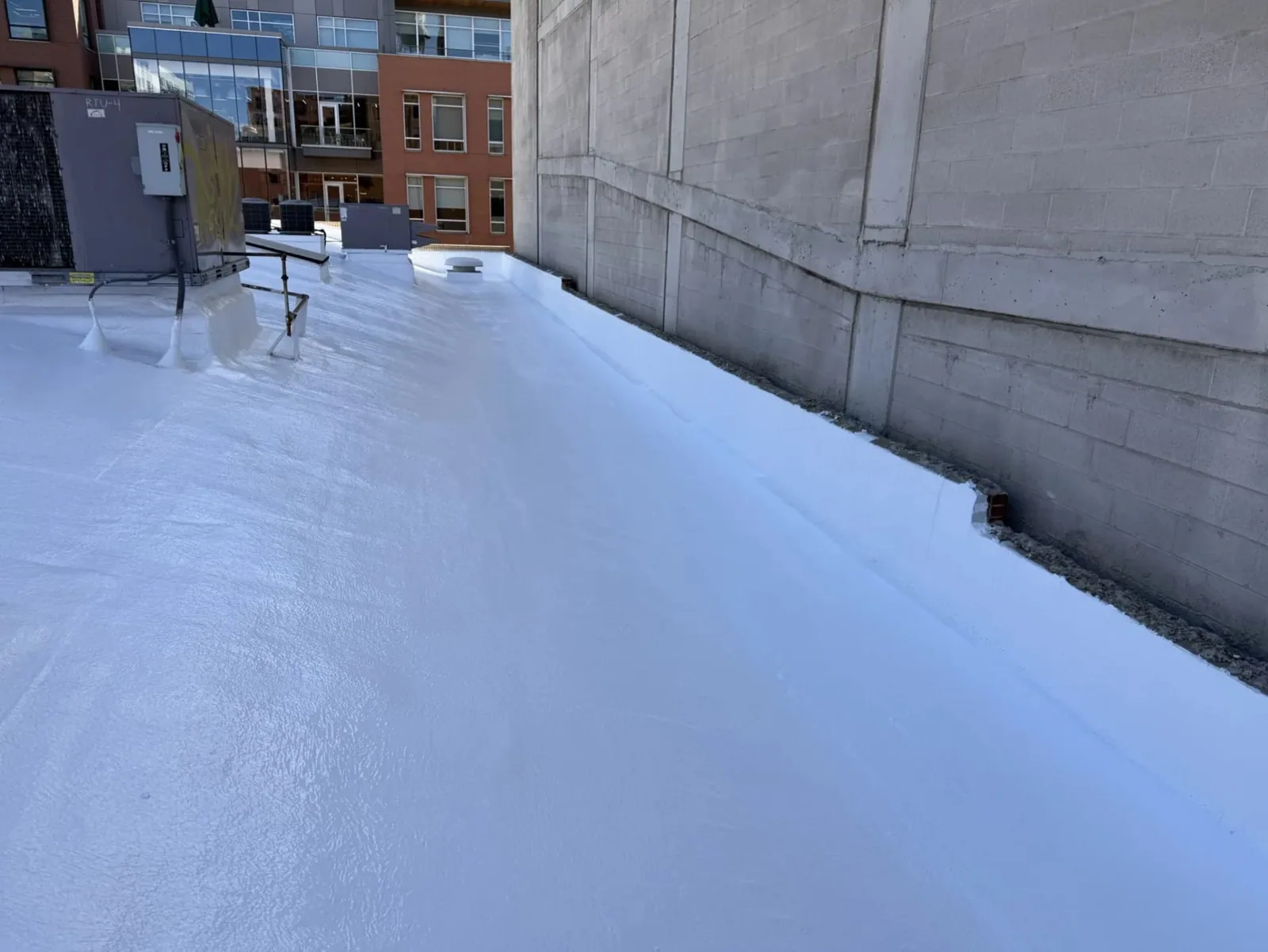
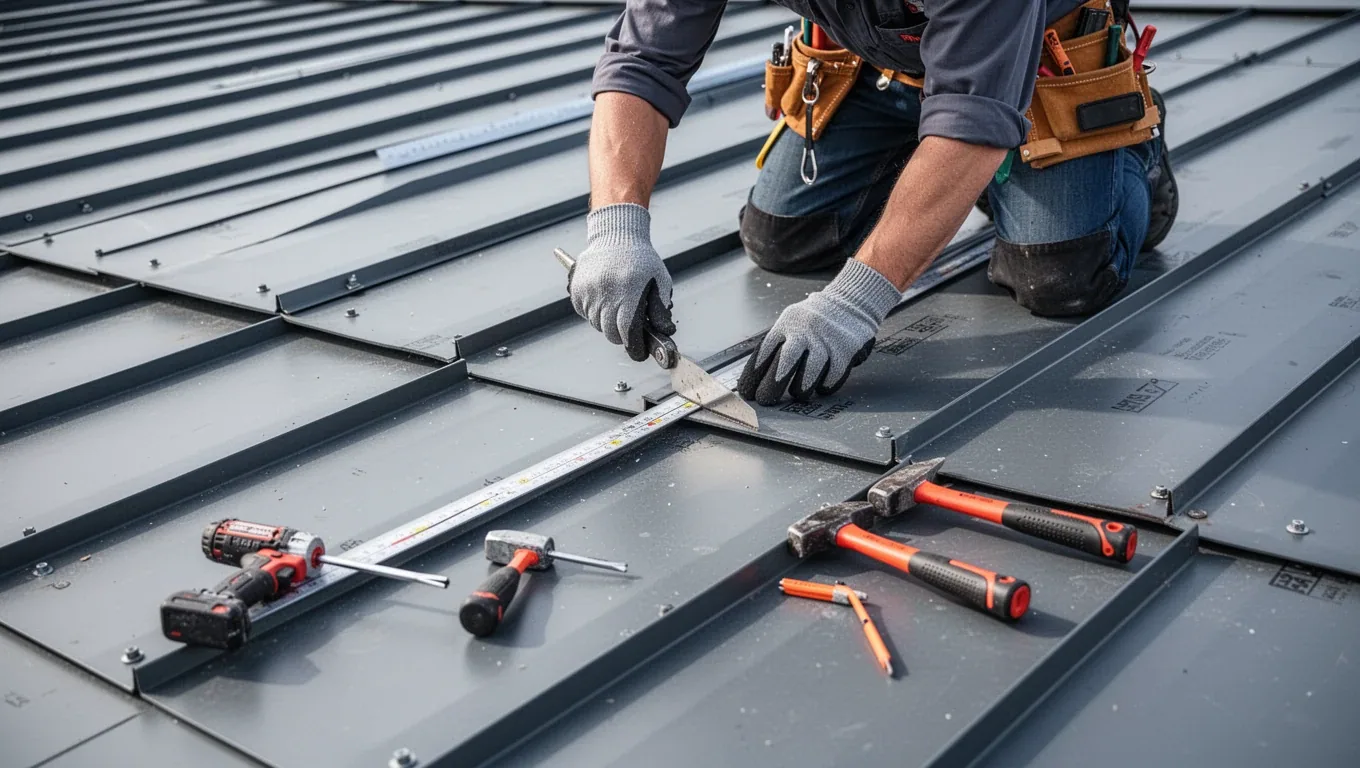
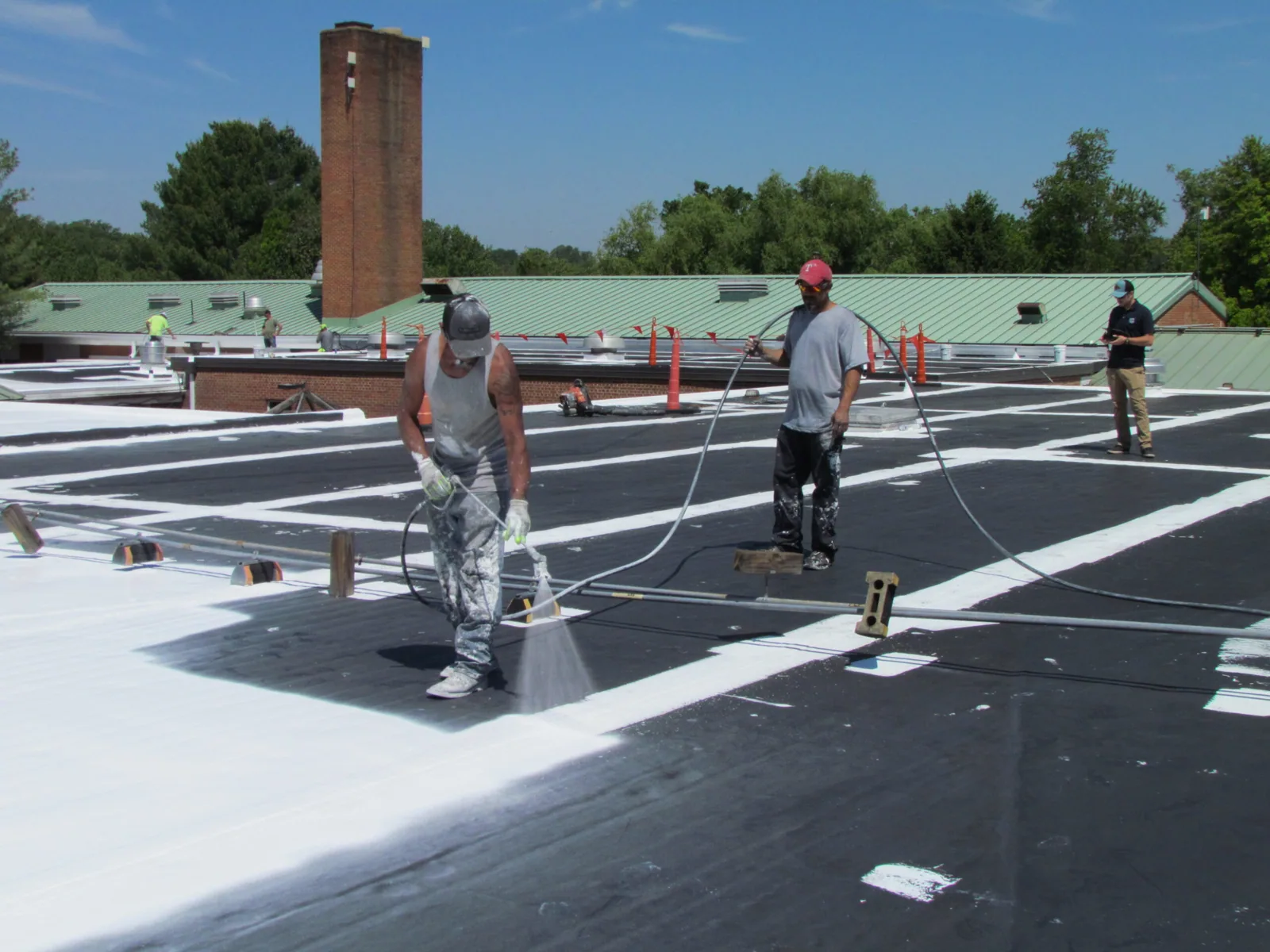
A sound roof with local damage is repaired. A roof with dry insulation and a tired membrane can take a restoration coating or a recover. A roof past those options is replaced, and replacement is planned around tenants, operations and weather windows. Occupied buildings add tenant notice, protected entrances and quiet hours to the reroofing sequence.
Upkeep Between Storms
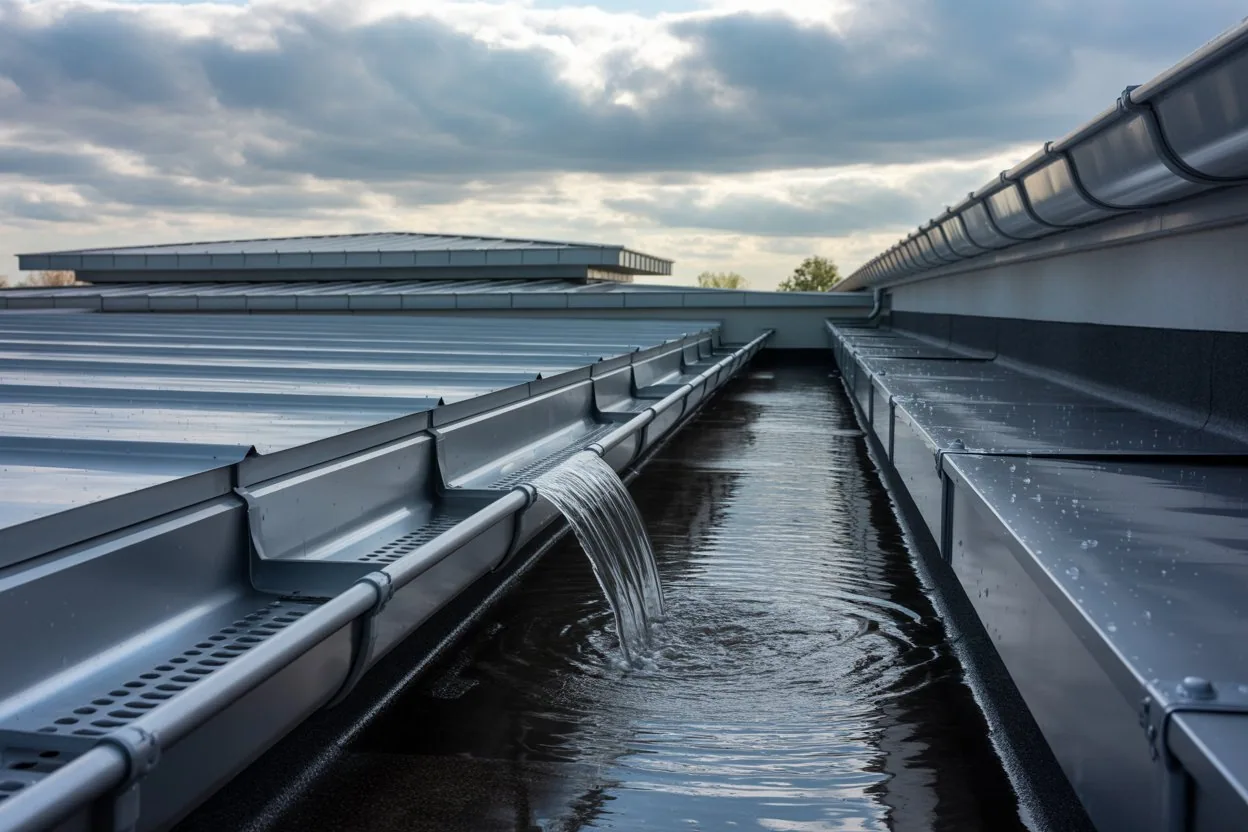
Preventive maintenance clears drains, reseals details and records changes between storms. Lowell's climate gives the schedule its shape: the Lowell station normally records 48.51 inches of precipitation a year, and winter storms sit on the city's hazard list. A visit before winter and another after a major storm protect the money already spent on the roof.
Commercial Roofing Questions
Which service starts a roof project?
An inspection starts most planned projects, and a first-hour check starts most emergencies. Both end in a written scope with prices, so the owner chooses the next step with the facts in hand.
Can one visit cover a leak and a condition survey?
The leak response comes first and stays short. A survey of the full roof is scheduled once the interior is protected, because a complete walk takes longer than a first-hour check.
How are repair, coating and recover compared?
Moisture readings and cores decide which are possible. The scope then lists each path with its cost drivers and the life it is expected to add, side by side.
Who handles work on a roof with tenants below?
We plan around them. Notice, access routes, protected entrances and work hours go into the schedule before the crew arrives, and the facility director gets updates as the sections close.
Call with the leak area and the access notes
Tell the facility director's office where the roof is failing and what access exists. We will give a first response step, what the inspection will verify, and when the next cost update will arrive.