About Commercial Roofing Lowell
Commercial roof repair and replacement across the Merrimack Valley
Commercial roof repair and replacement across the Merrimack Valley
The first question on any roof call is where the water is entering. Commercial Roofing Lowell is a commercial roofing contractor working in Lowell, MA, and the work follows a plain order of events: make the area safe, protect the interior, find the cause, draw the repair boundary, price the options and give the facility director a date for the next update. Emergency response runs at every hour of the week, holidays included, and the same sequence applies to a planned replacement a year ahead.
Low-slope and metal commercial roofs are the specialty. That covers TPO, PVC, EPDM, KEE, modified bitumen, built-up, standing seam and retrofit metal, spray foam, and silicone and acrylic coatings, on buildings from warehouses and plants to offices, schools and clinics.
Work falls into four kinds. Response work stops water and protects the interior, starting with emergency roof repair and a traced leak repair. Assessment work records the roof as it is, through a hands-on inspection, drone photography and infrared moisture surveys. Correction work repairs, coats, recovers or replaces the roof, as the findings call for. Upkeep work keeps the result, through scheduled maintenance, drain care and written condition records.
Each kind of work ends with a document. A response ends with an inspection note, photographs and a priced scope. An assessment ends with a condition report. A correction ends with a record of materials, locations and details. That habit is what lets an owner, an adjuster or a lender read the roof's history without having stood on it. It also keeps cost visible: every price in the file points to a location and a photograph, so a number can be tested against the roof instead of argued from memory.
A job begins with the first-hour check. The crew confirms safe access, finds the active water path, sets interior protection and, if needed, installs a temporary dry-in. The facility director learns what was found, what it will cost to hold the building until the permanent repair, and when the next update will arrive.
The inspection then marks the roof section by section. Moisture readings and cores set the repair boundary, and the scope lists each item with its method and price, so the owner can approve the urgent work first and plan the rest. Tenants, operations and schedules are written into the plan, and occupied buildings are the normal case, not the exception. Weather holds are named in advance and reported as they happen, with the new date. When a section has to stay open overnight, the protection placed on it is listed, and the first check the next morning confirms it held.
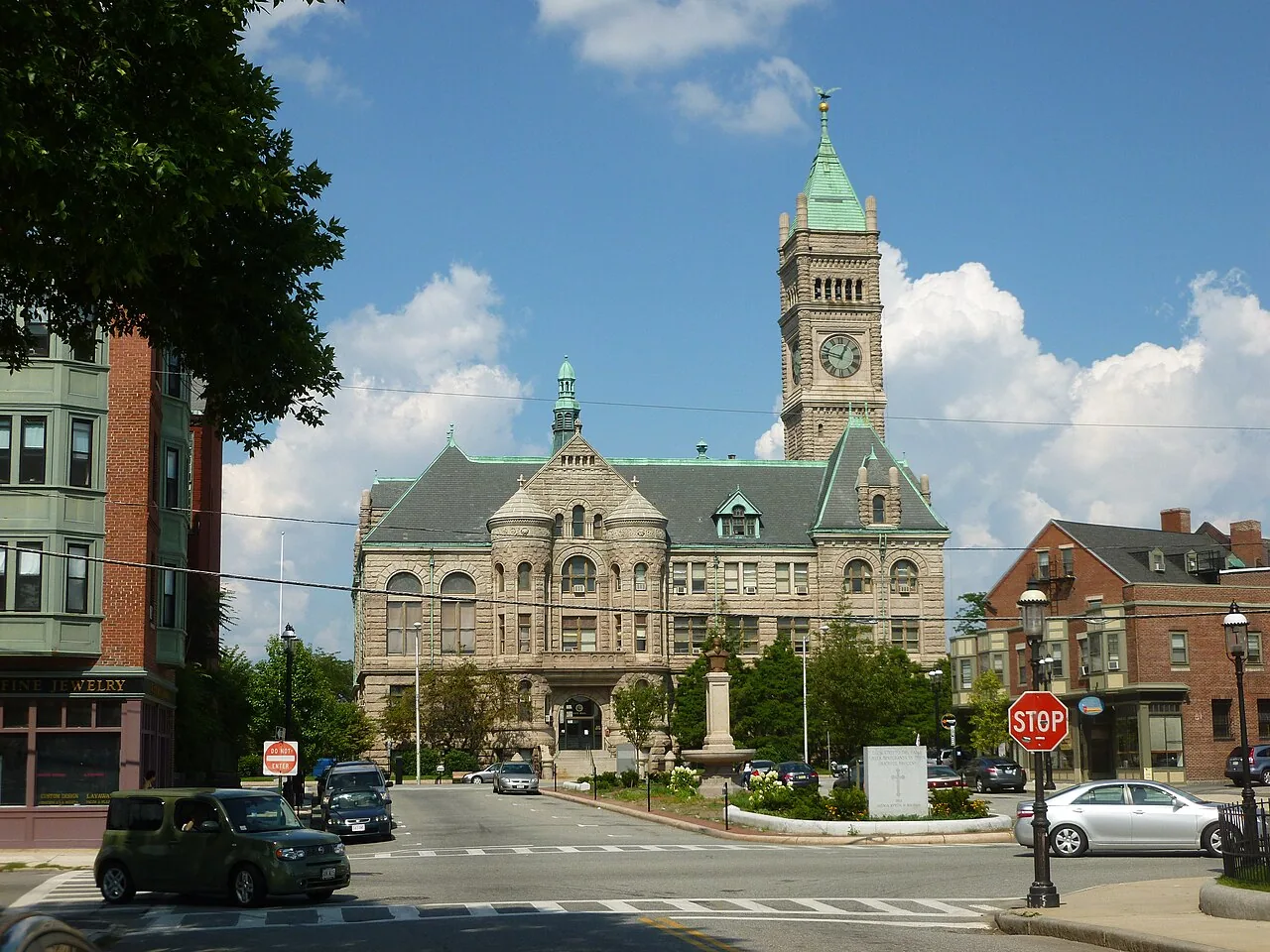
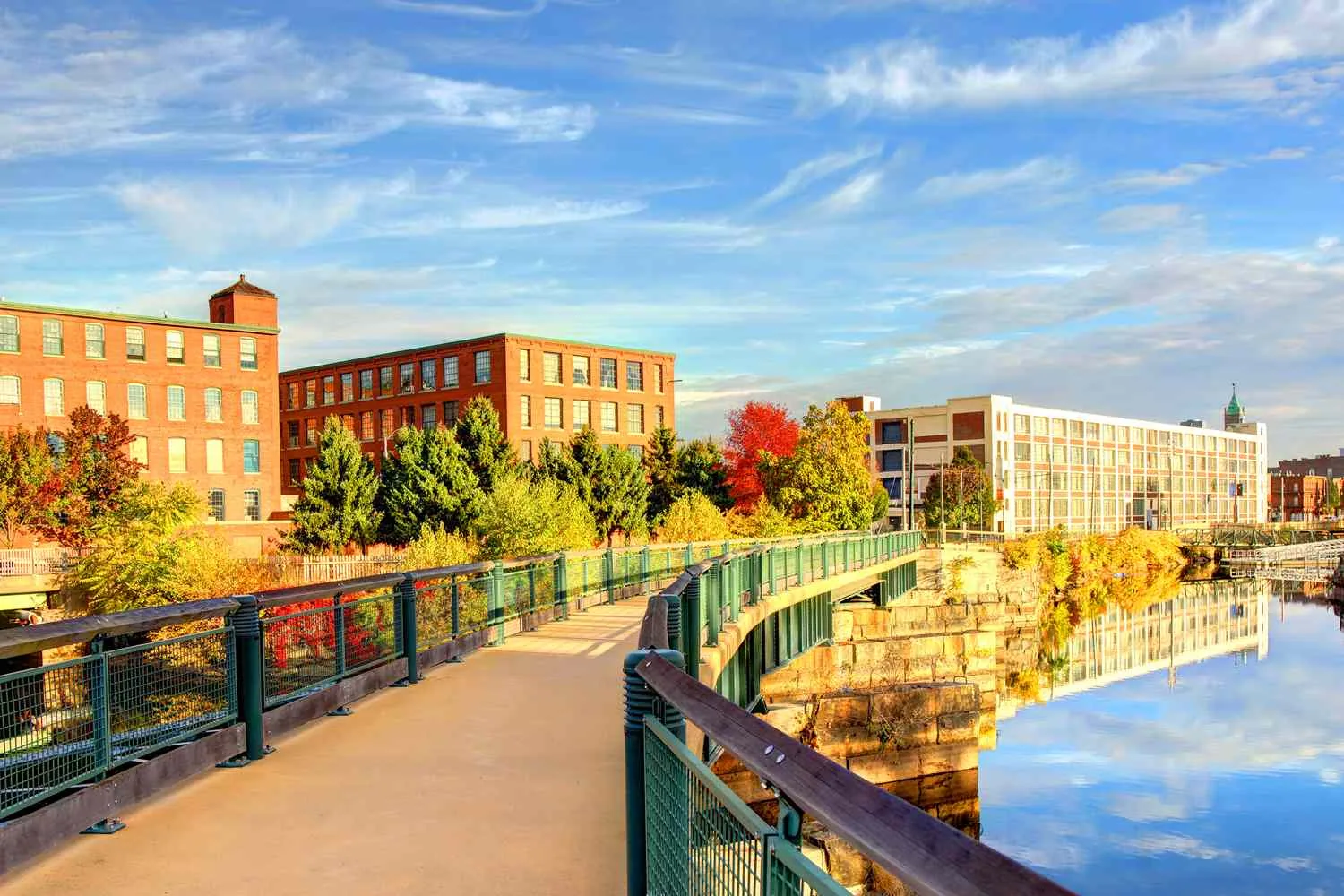
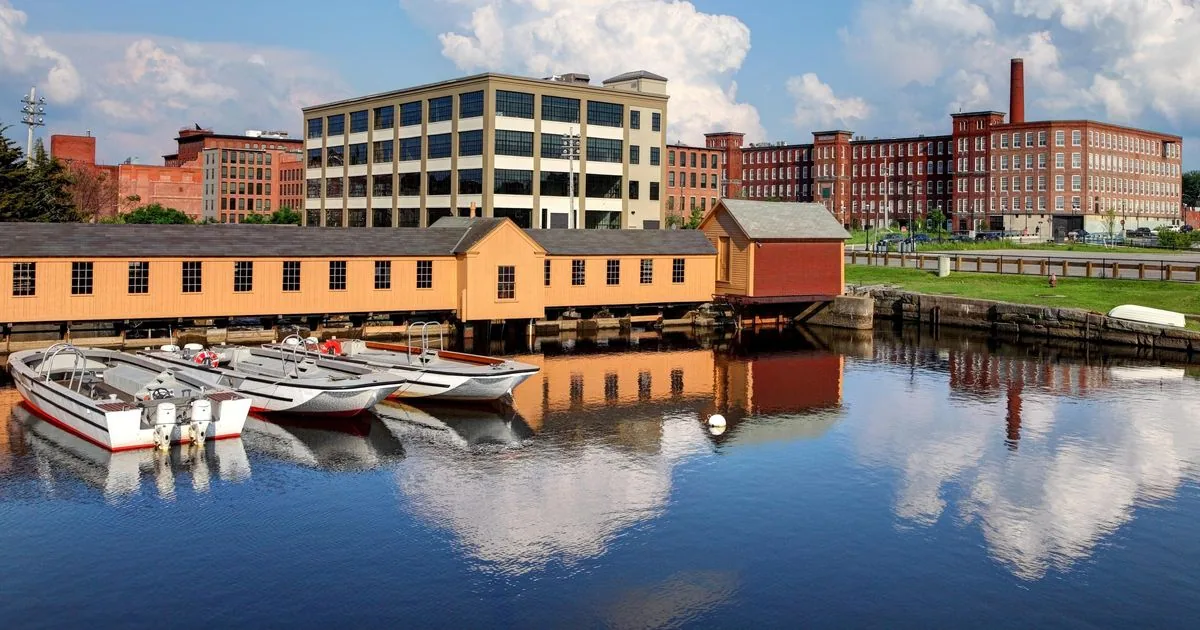
The roofs belong to warehouse operators, plant managers, school business offices, health systems, property managers, investors and public agencies. In the city's own profile, education and health services lead local employment, followed by manufacturing, wholesale trade, transportation, utilities, professional services, hospitality and government, and each of those sectors puts a different building under the membrane.
A warehouse roof asks about inventory and dock hours. A hospital roof asks about patient areas and air handling. A school roof asks about the calendar. Owners who hold many buildings, such as property management companies, also need one report format across the portfolio and a ranking of roofs by cost of failure. Contractors and adjusters come to the same roofs from other directions, and general contractors and restoration firms get a scope that matches their schedule and a record that matches their file.
At the Lowell station the January average is 24.9°F and the July average is 72.8°F, which means regular seasonal freeze-thaw on exterior roof materials. A normal year brings 48.51 inches of precipitation in all, led by 5.00 inches in October and 4.54 in December. Hurricanes and winter storms, named in the city's mitigation materials as nor'easters, snowstorms and ice storms, sit among the major hazards, and they record the winter of 1995 at 126.5 inches of snow.
Those facts set the schedule. Drains are checked before winter and after storms. Adhesives and sealants are applied inside their temperature limits, and cold-season repairs are held to temporary protection when the permanent method needs a dry, warm surface. On code, applications filed in Massachusetts on or after July 1, 2025 fall under the 10th edition, based primarily on the 2021 International Building Code, and the municipality's energy provisions are confirmed project by project. Exterior work in the Downtown Lowell Historic District also goes before the Historic Board.
A roof file should survive a change of manager. Photographs carry roof section numbers, findings carry locations, and every cost line names the work it pays for. A condition report is written so a reader who has never visited can follow it, and a warranty file keeps notice rules and repair methods beside the invoices.
Updates keep one rhythm: the finding, the work done, the open question and the date the next update will carry a price or a test recommendation. The facility director never has to ask what happens next. Where a decision is open, the update says who has to make it and by when, so a weather window or a lease date is not lost to a missed approval. Where a repair is temporary, the note says so and says what the permanent step will be.
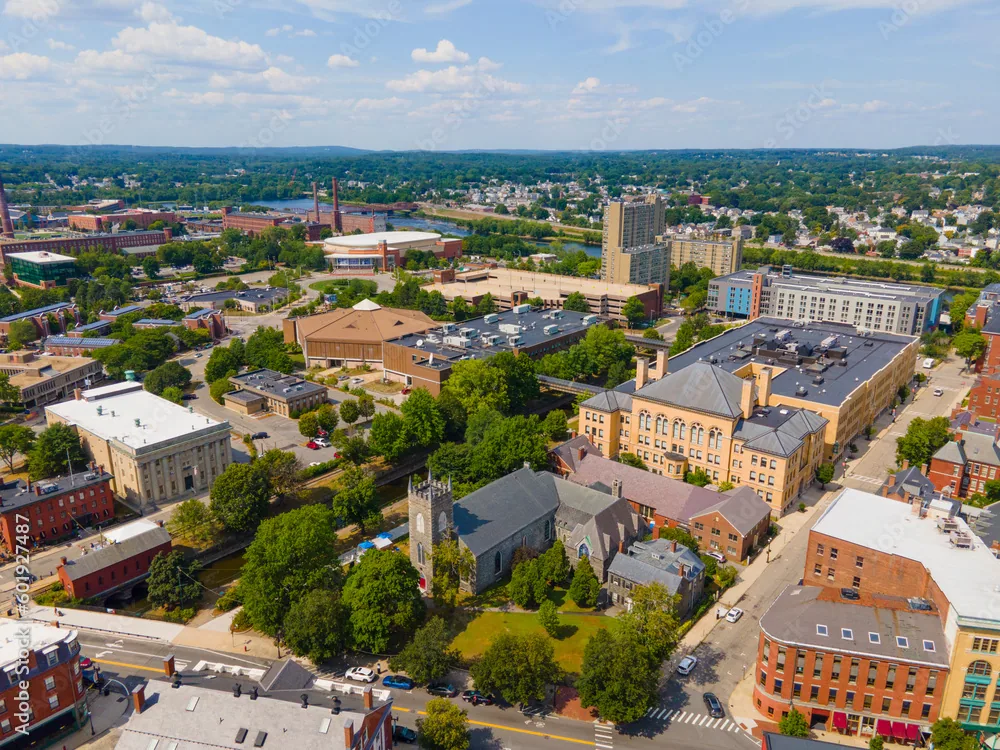
Work extends from Lowell along the Route 3, I-495 and I-93 corridors, including Chelmsford, Billerica, Tewksbury and the Merrimack Valley, and across the line into southern New Hampshire. Military and veterans facilities in the region, from Hanscom Air Force Base to the veterans' hospital in Bedford, follow base access and escort rules, and roof work on property of that kind follows the Unified Facilities Criteria for roofing where they apply, with badging, escorts and mission schedules set before material is ordered.
Low-slope and metal commercial roofs: single-ply, modified bitumen, built-up, standing seam and retrofit metal, spray foam, and silicone and acrylic coatings. The first walk identifies the system on each roof section.
The line is answered at any hour, holidays included. Arrival depends on safe access and conditions, and the first update names the window.
Yes. Tenants, operations and schedules are part of the plan, with notice, protected access and written return windows for each roof section.
Photographs, a record of the repaired or replaced locations, the materials used and the next maintenance step. Warranty notices are logged with the same file.
By roof section, method, access and condition. The scope lists each item so the owner approves the urgent work first and schedules the rest.