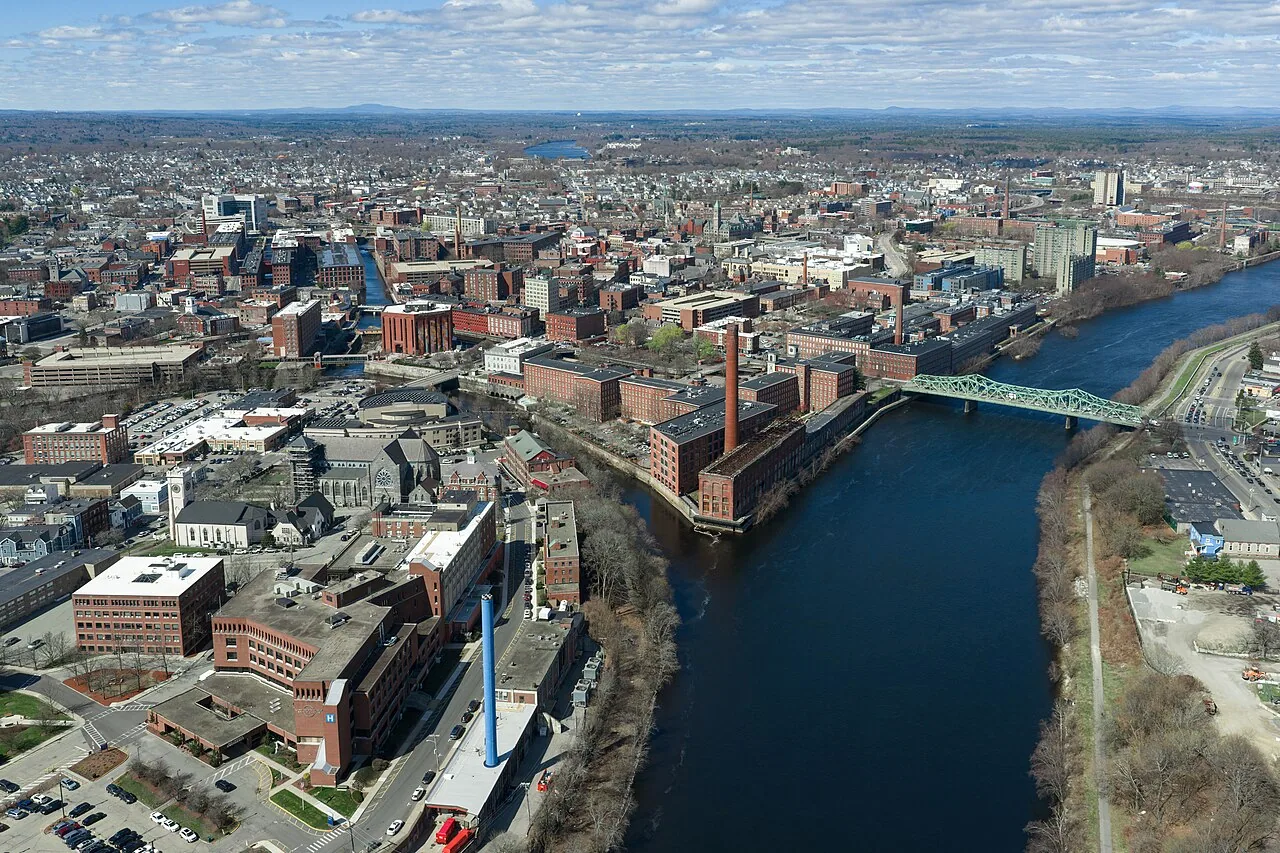
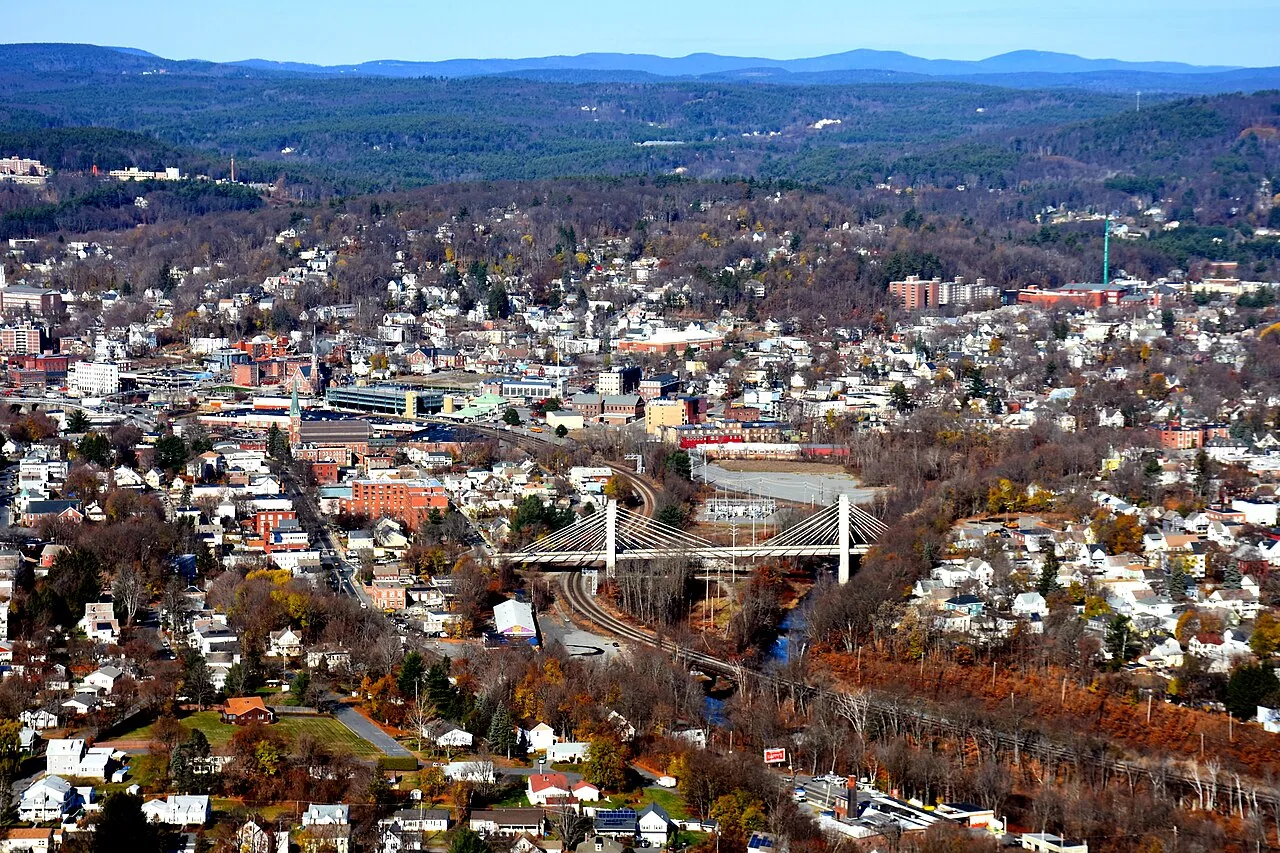
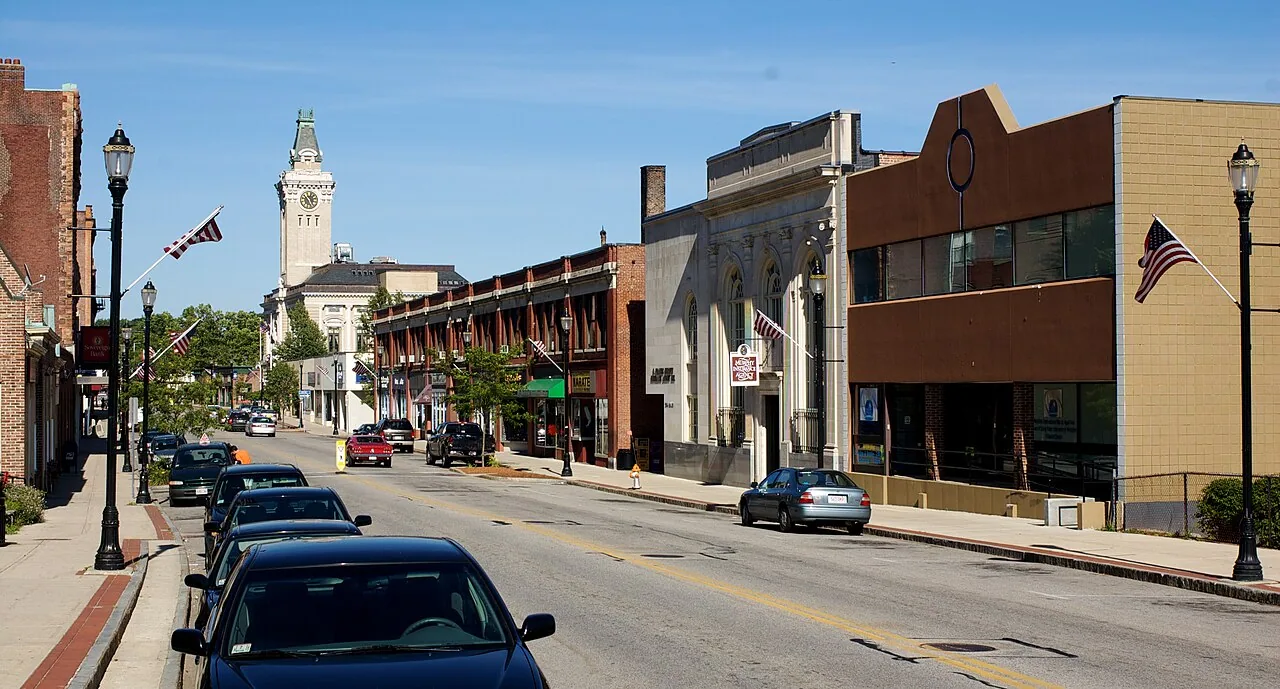
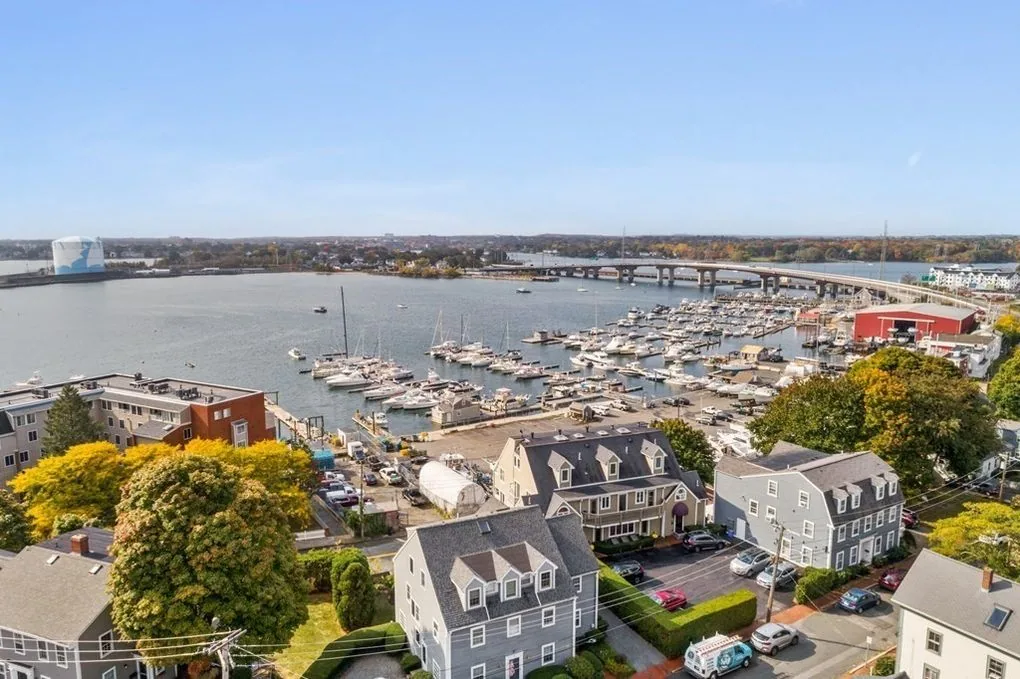
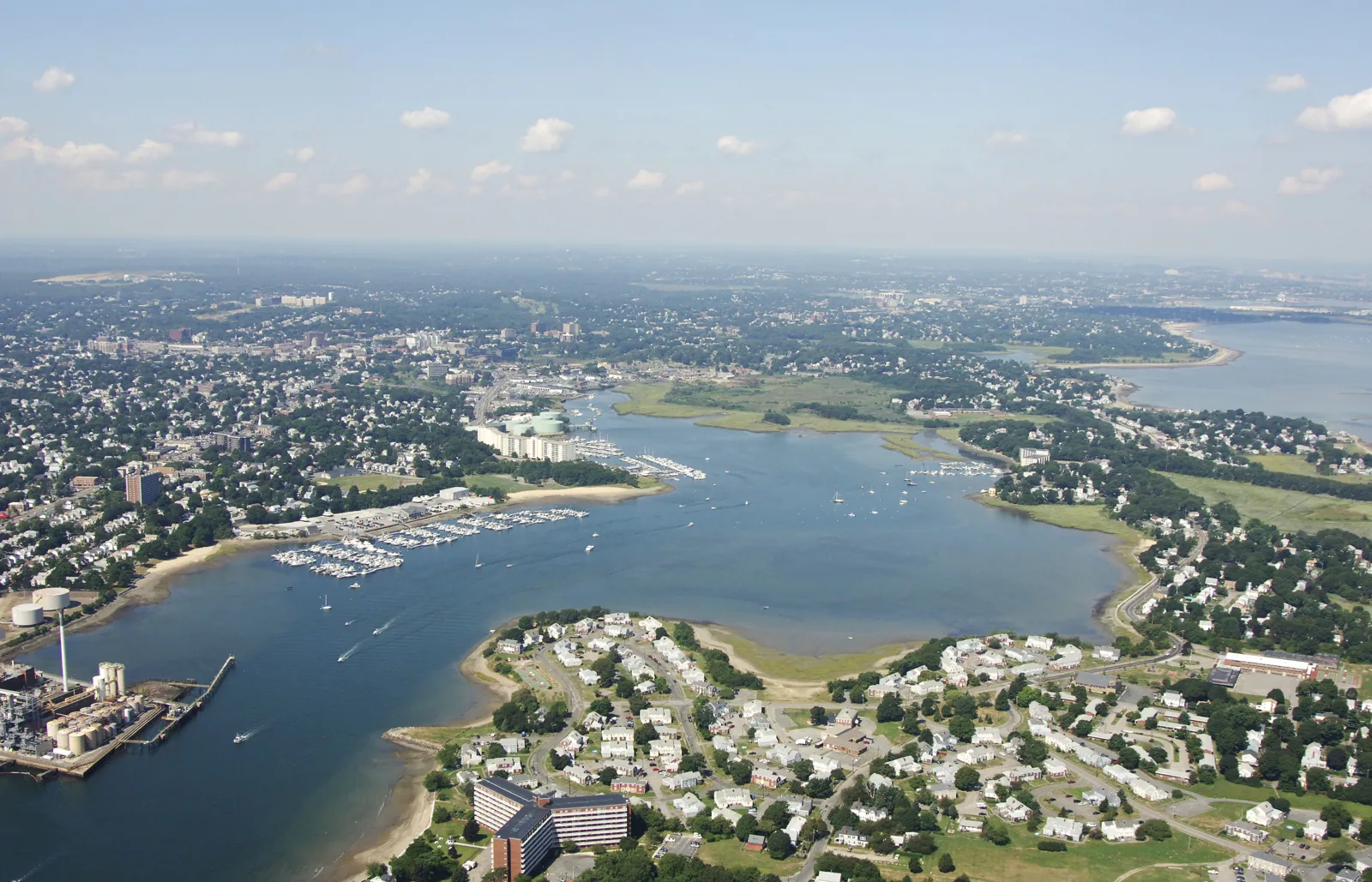
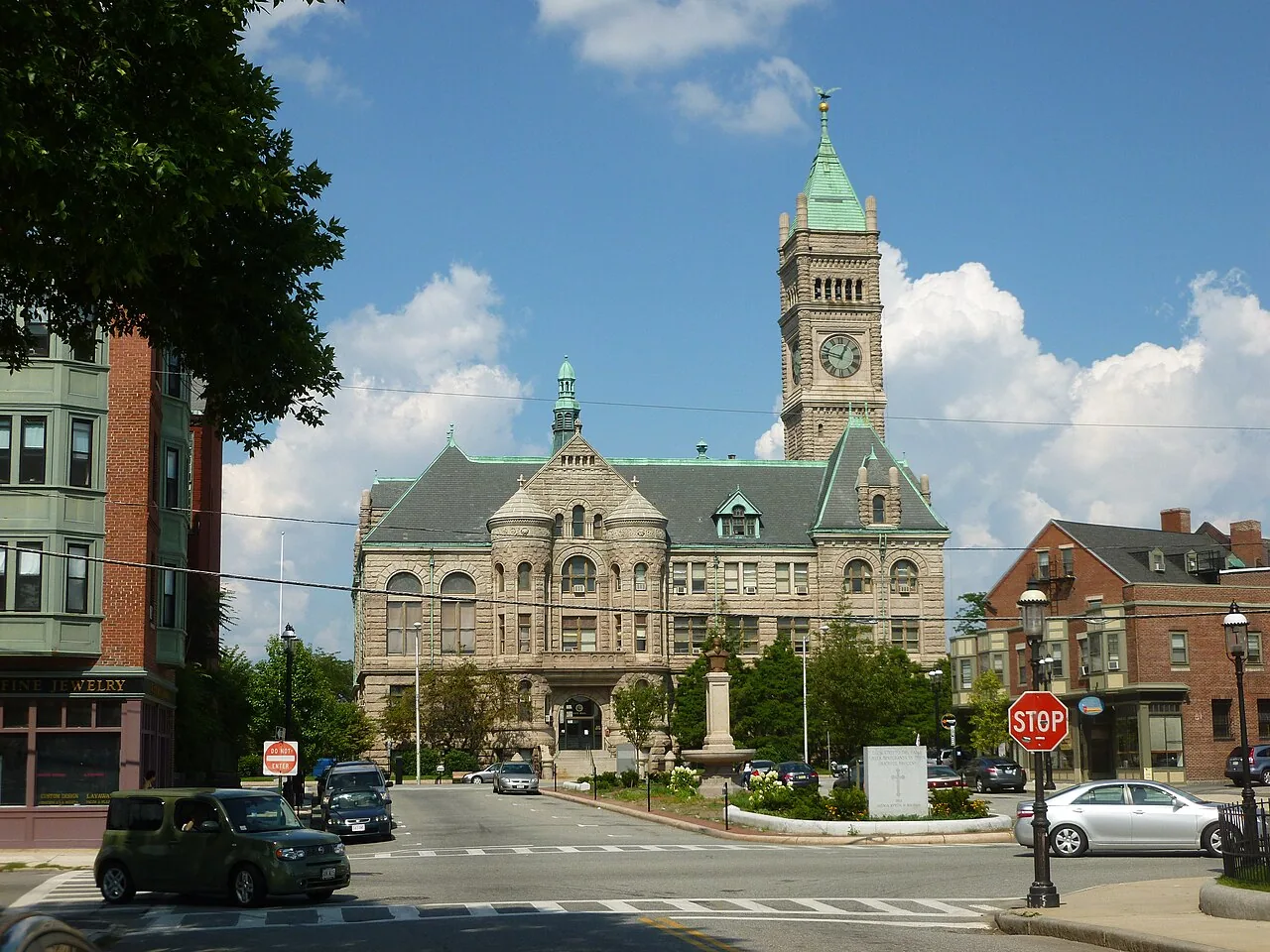
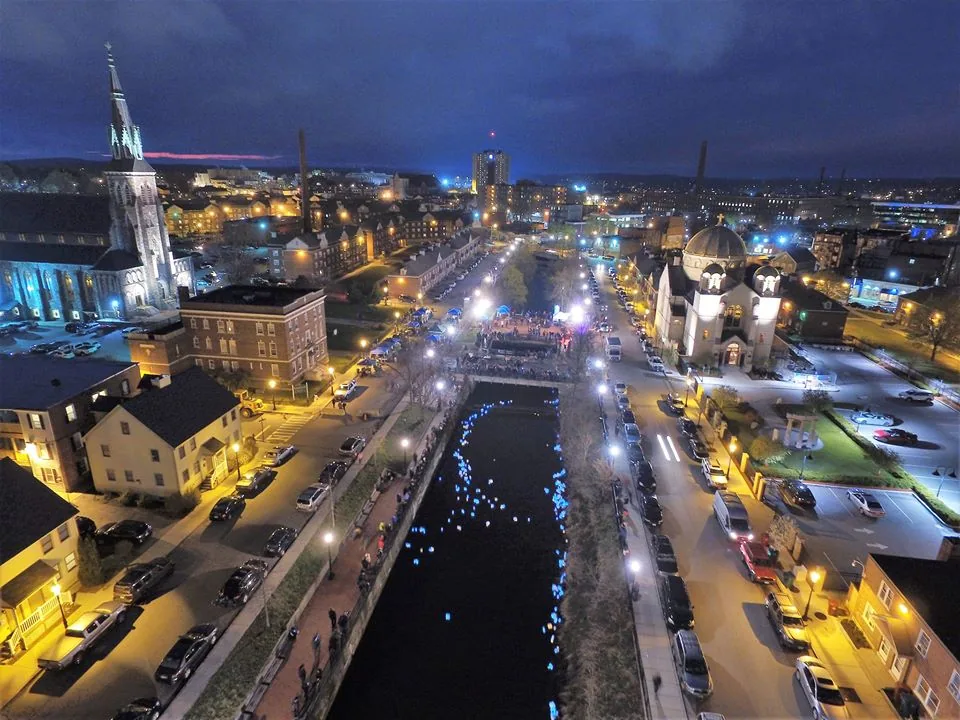
Roof work travels along the highways. Lowell, MA, is the meeting point of I-93, I-495 and Route 3, and the city's hazard plan treats it as a regional transportation hub, and the commercial buildings that need roofing follow those roads outward. Business areas along them differ by town, so the first call asks which road, which building use and which roof section is leaking.
Lowell and the Inner Ring
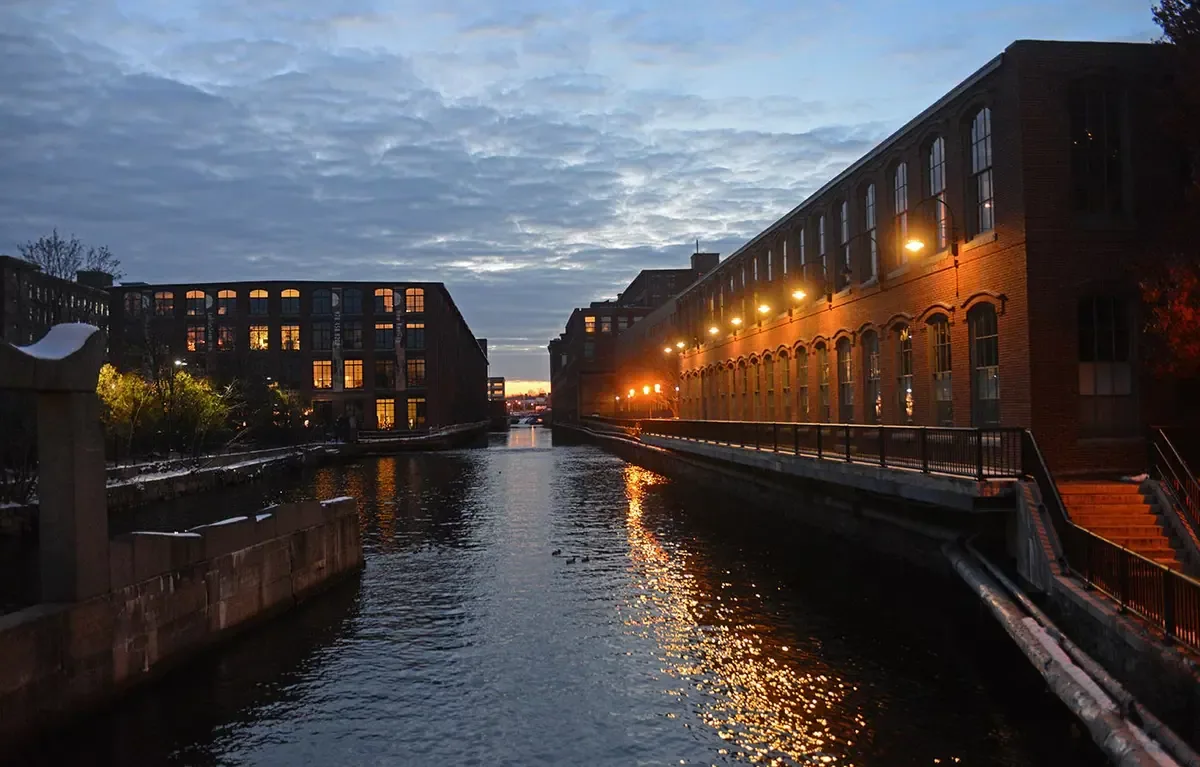
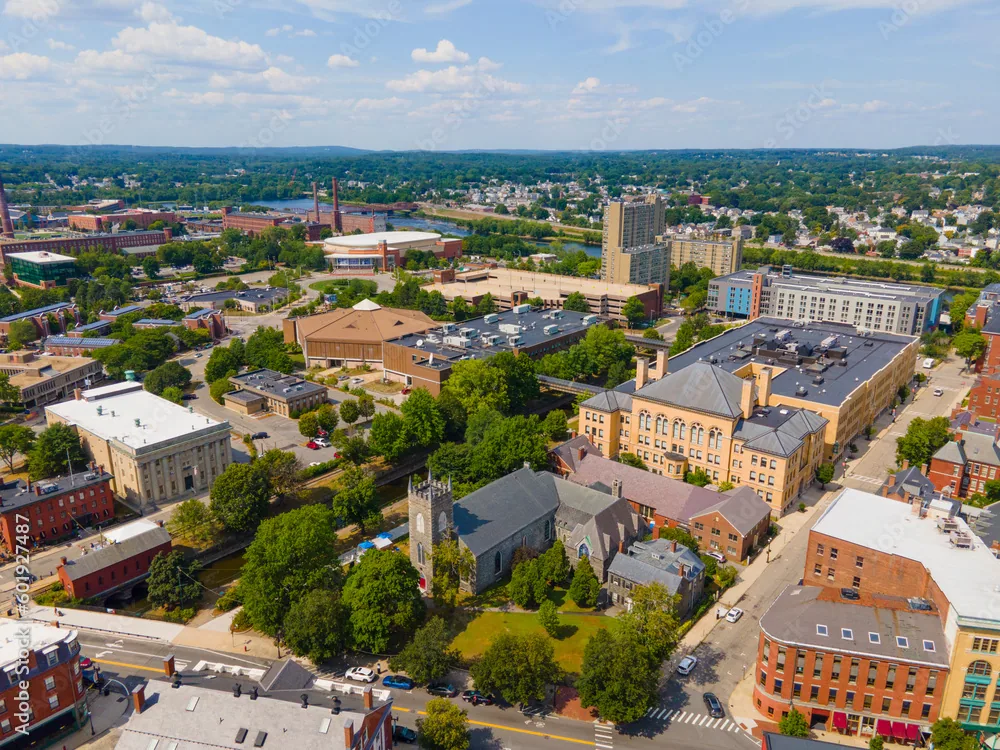
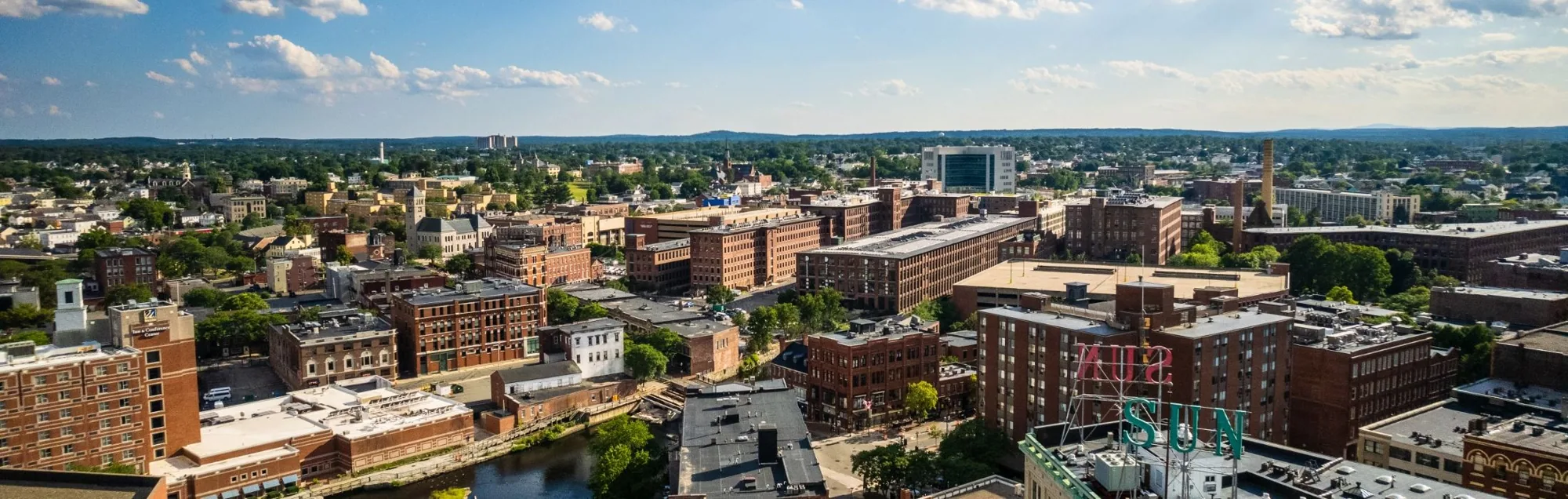
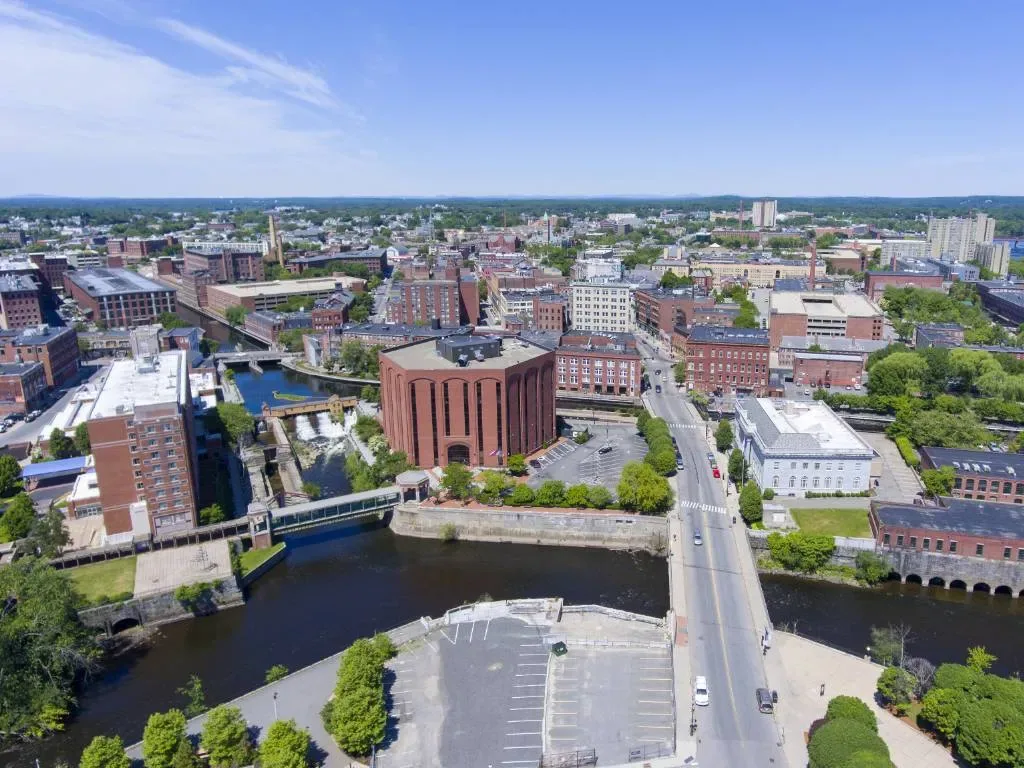
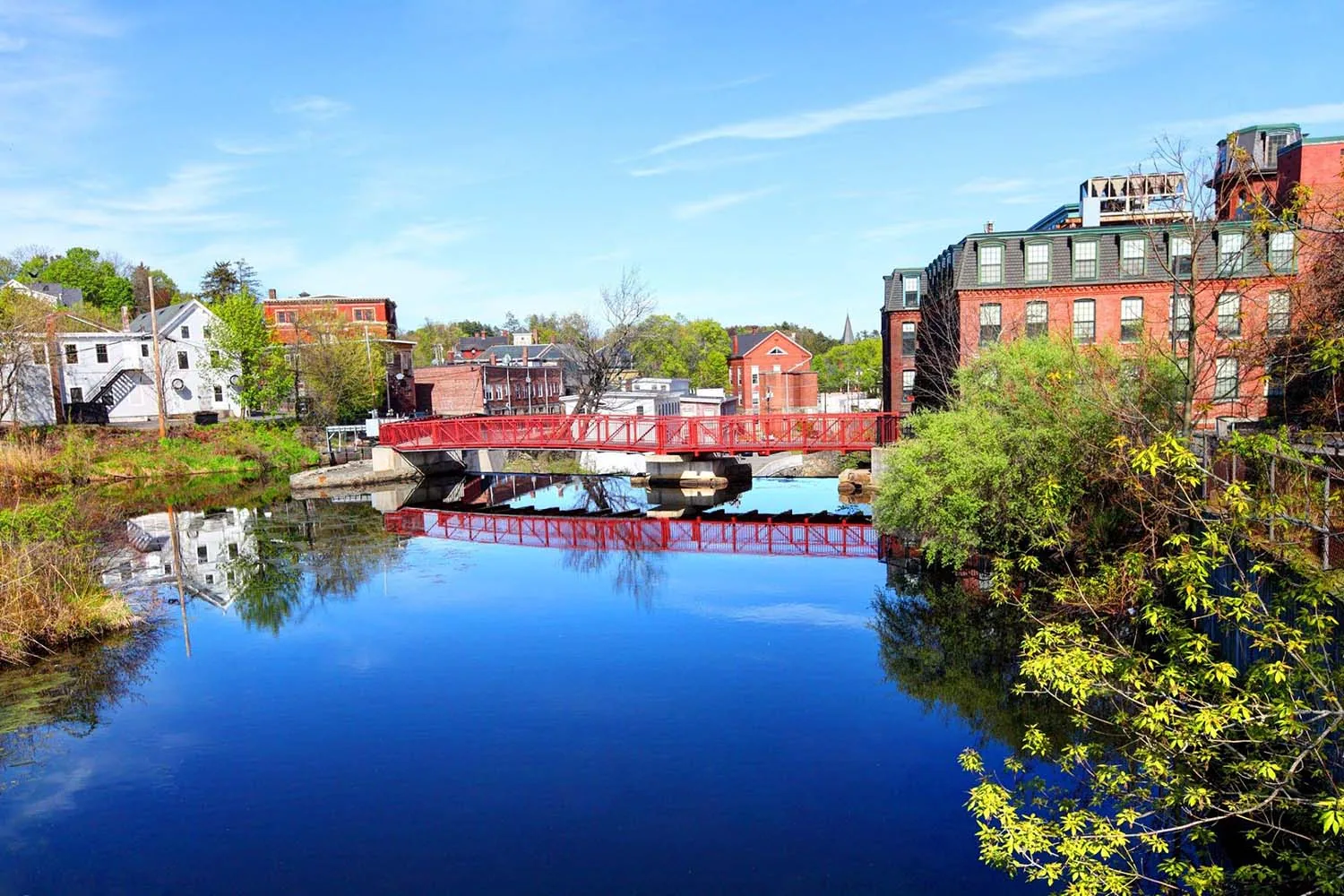
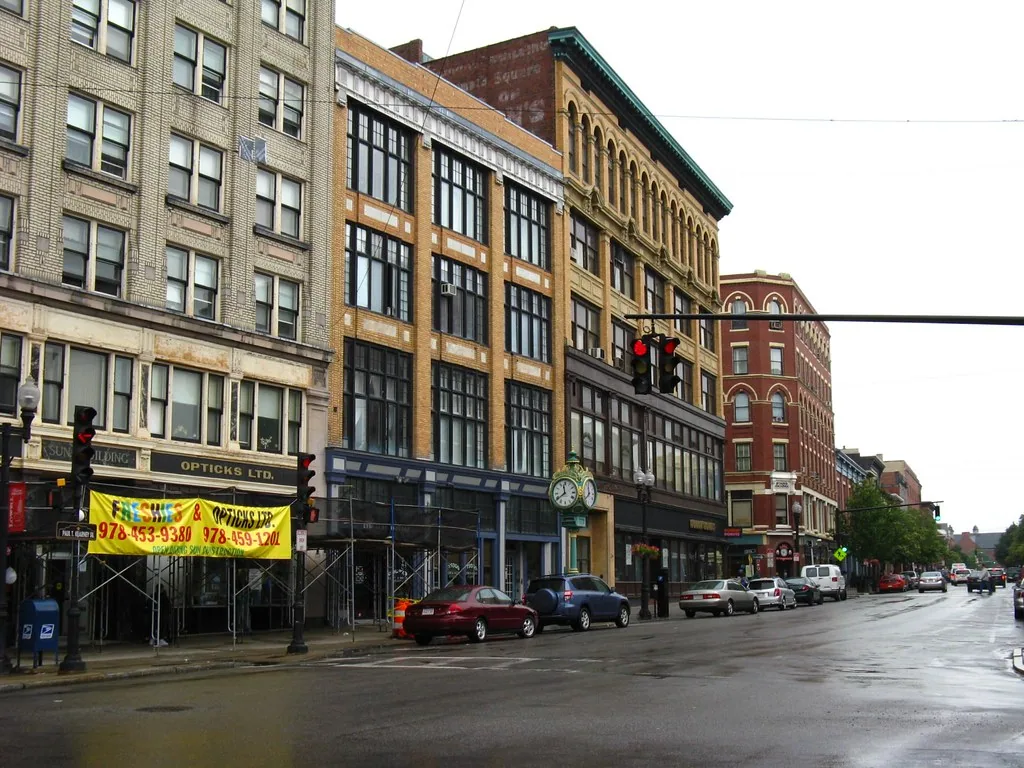
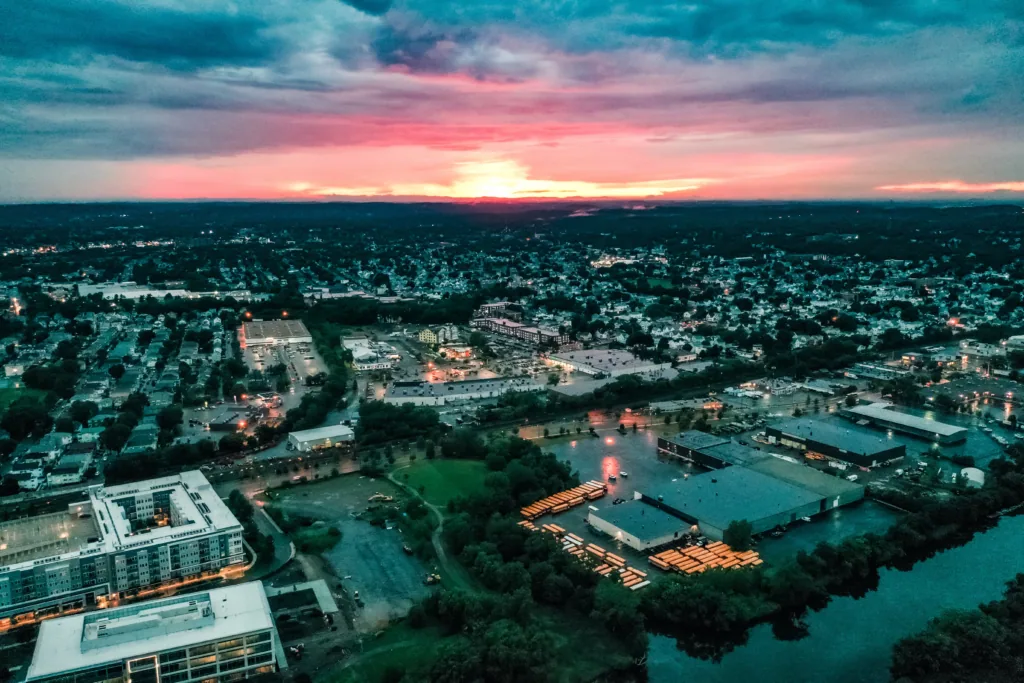
In Lowell the work runs from mill-era downtown buildings to the industrial parcels at Tanner Street. Dracut counts nine business districts, Chelmsford lies where I-495 and Route 3 cross, and Tewksbury reaches I-93 and I-495 directly and lists Route 38 and Woburn Street corridor studies among its business planning resources.
Route 3, Route 110 and Route 38 Corridors
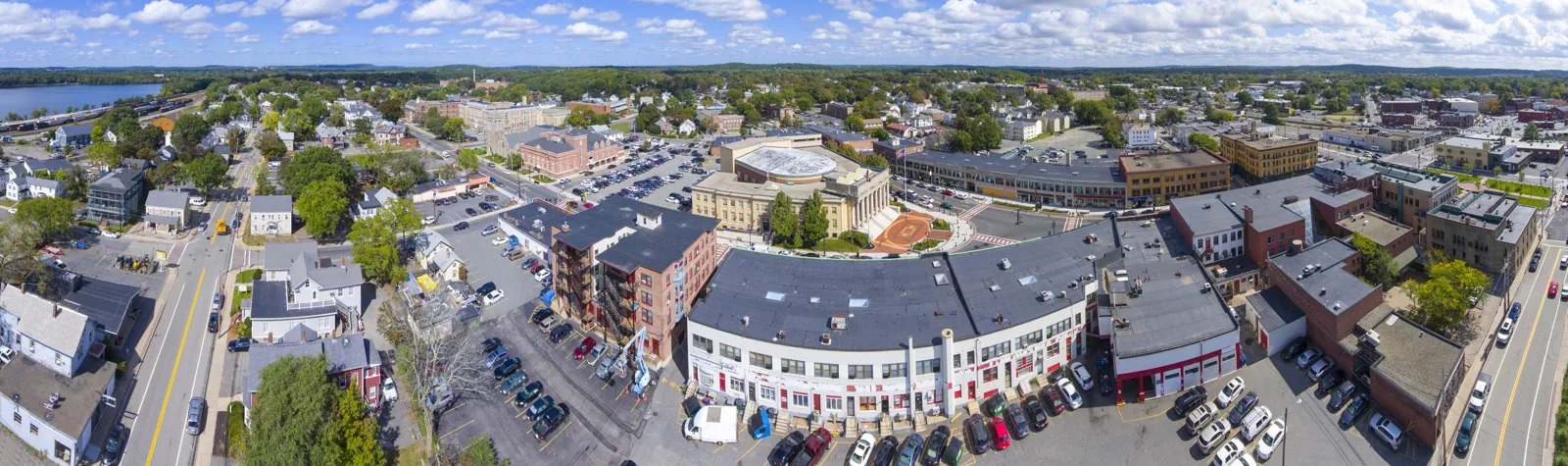
Billerica markets properties from small storefronts to large industrial space, and Westford identifies business districts, office parks and the Route 110 corridor. In Pelham, New Hampshire, commercial development runs along Route 38 from the Massachusetts line and is mostly strip uses. A Route 40 study in Westford treats that road as the main arterial from Groton's Route 119 to Route 3 in Chelmsford, so a roof call can name a road and get a useful answer about access.
Merrimack Valley and Southern New Hampshire
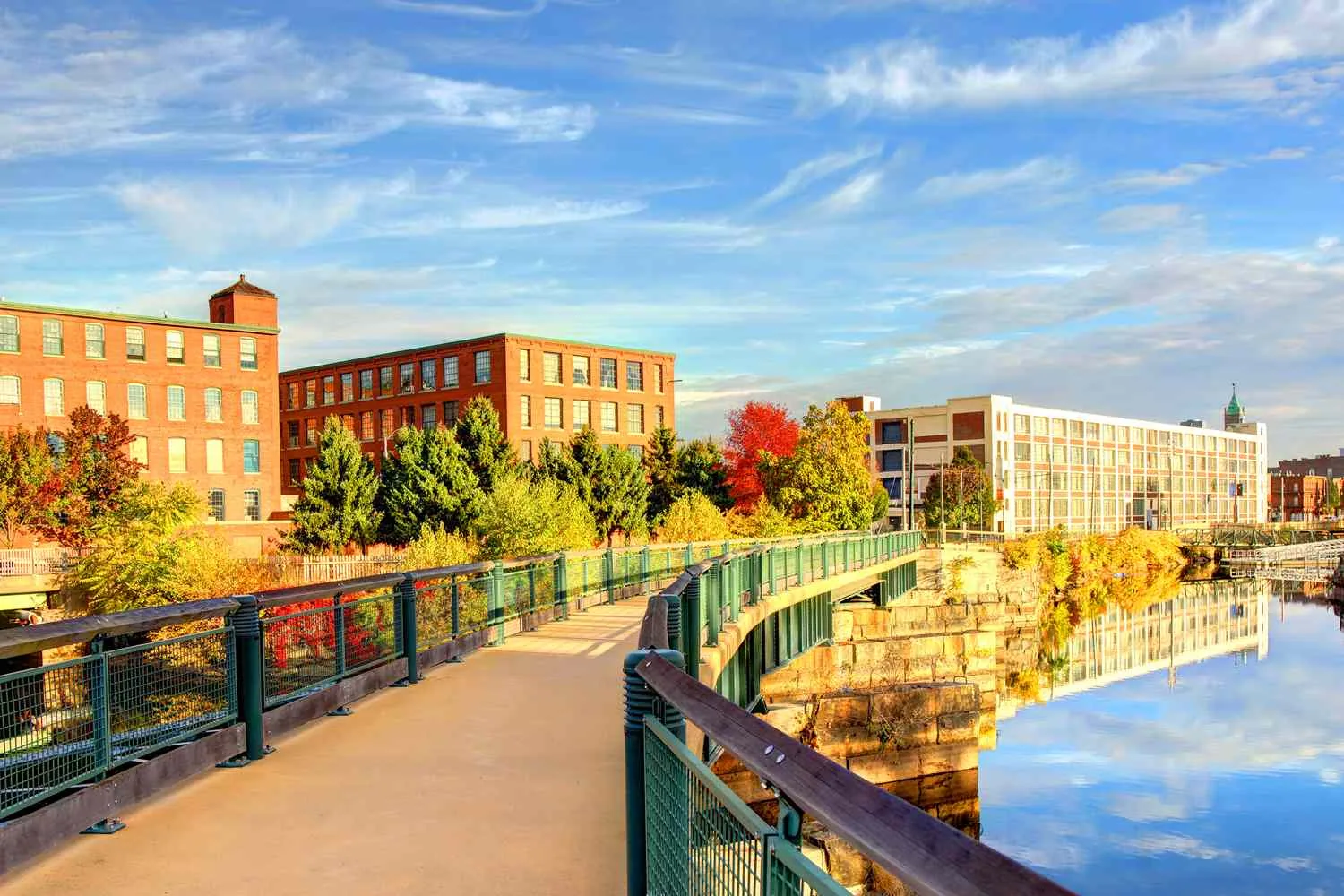
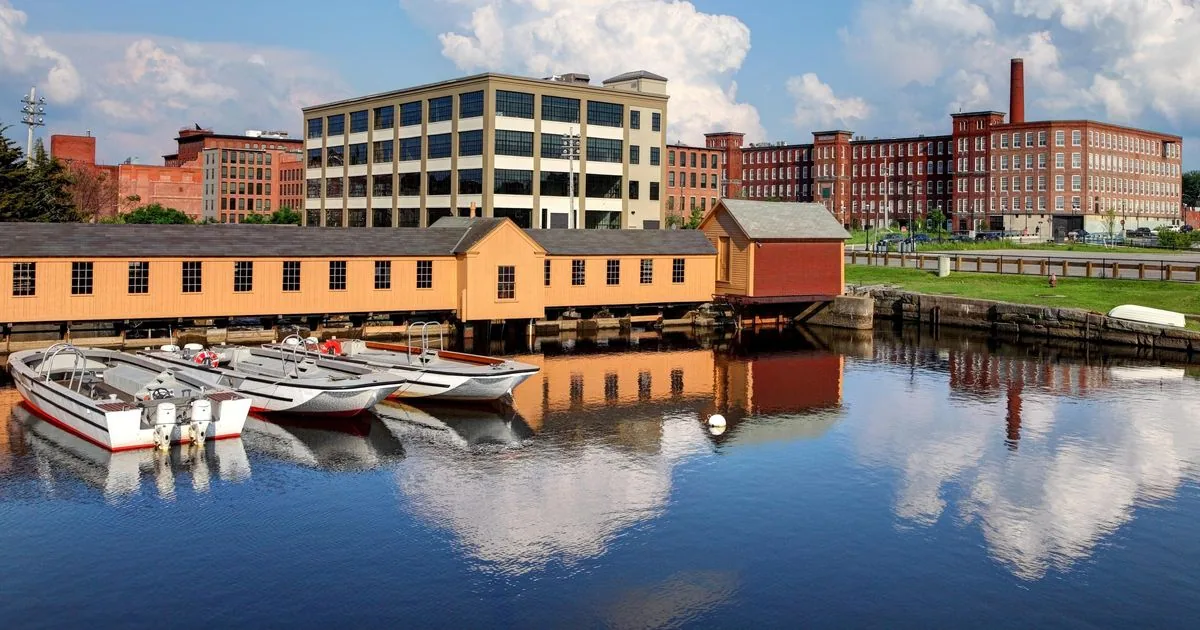
Lawrence and Methuen reach I-93 and I-495, and Nashua has the Northeastern Boulevard business area near the Massachusetts border. Industrial space, historic mill buildings and arterial strip properties each call for their own roof plan. A mill building needs edge and parapet attention, an arterial strip building needs rooftop-unit and flashing checks, and an industrial park needs a schedule that respects production hours.
Same Sequence in Every Town
Whatever the town or the road, the first-hour check is the same: safe access, the active water path and interior protection. Cost and timing then follow the building, its tenants and the access it offers, with weather holds called when the forecast cannot support the work. Each town also has its own permit office and, in some places, its own review boards, so the schedule lists approvals ahead of crew dates. The facility director sees that list at the first update, along with the price of each scope option.
Commercial Roofing Questions
Does service reach into New Hampshire?
Yes. Nashua, Hudson, Pelham and nearby towns are within the same service pattern, and the first call collects the address, access and leak area.
Do the same crews work in every town?
The same response sequence applies in each. Crew assignment follows the job's size, access and schedule.
How is a small-town roof different from a city roof?
Mostly in access and scale. A compact town center may mean limited staging space, while an industrial park may mean larger sections and production hours.
What does the first call need?
The address, the leak area, the access contact and any tenant limits. With those, the first response step is given in the same call.
Call with the town and the leak area
Tell the facility director's office which town, which building and where water is entering. We will give the first response step, what the inspection will verify, and when the next update will arrive.