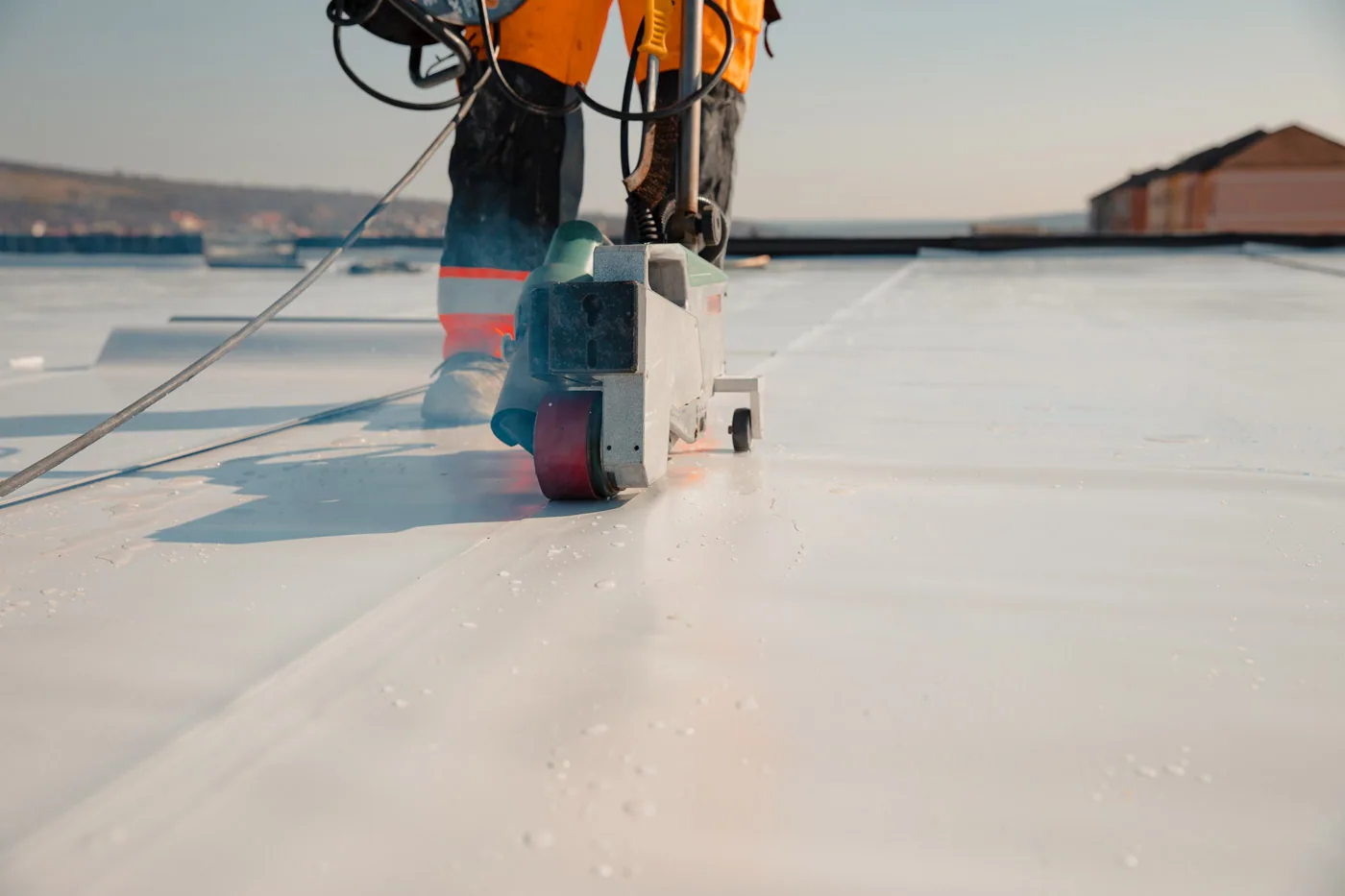
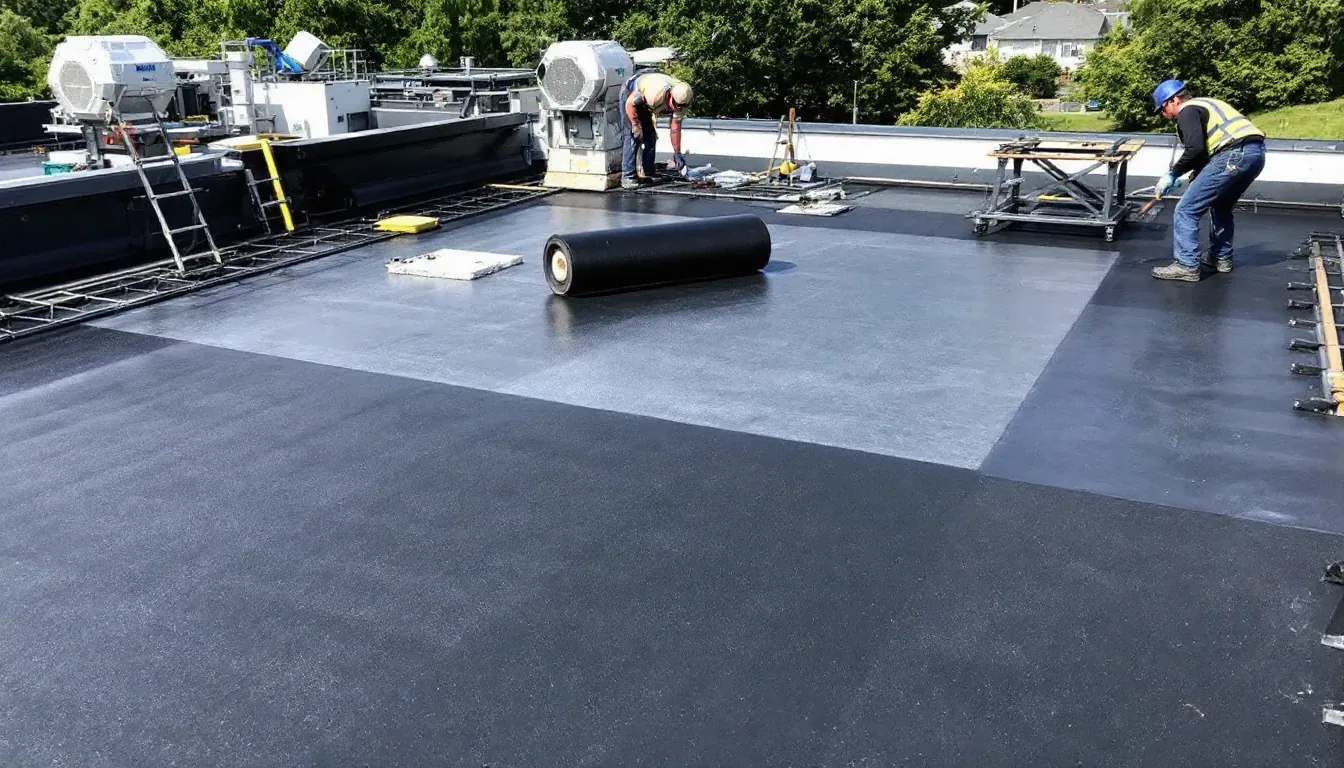
A drip over a production line is a cost event before it is a roofing event. Product, tooling and electrical gear sit under the deck, and the plant manager has to decide in minutes whether to stop a line, cover a machine or keep running. The roof crew's first job is to give that manager enough information to decide: where the water enters, how far it can travel and how long the dry-in will take.
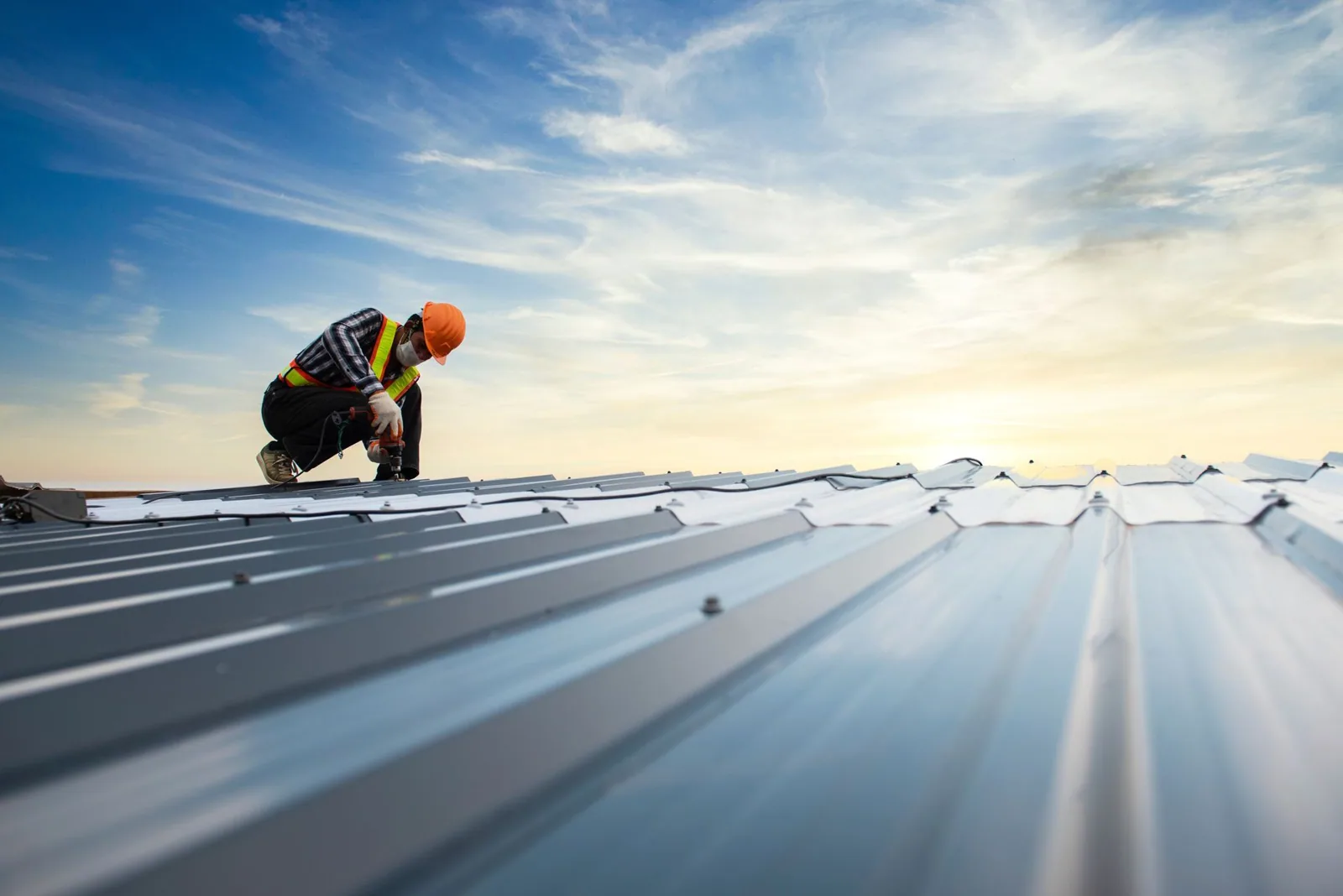
Lowell, MA's city profile names manufacturing as a key employment sector, and the 2025 master plan targets advanced manufacturing and defense contracting among its regional strengths. The city lists Somerset Industries and MACOM Technology Solutions among its major employers. Production buildings often carry process exhaust, large rooftop equipment and heavy building services, so the roof program is written for operations, not for a generic building.
Protecting the line first
The first-hour check at a plant starts with the equipment below the leak. Water near live electrical gear, dust-sensitive processes or finished goods changes the response. The plant manager decides whether to shut down a bay, and the crew covers the roof opening and then the interior surface as needed. Safe access to the roof is confirmed before anyone climbs, since fans, vents and exhaust stacks can create hot or hazardous zones.
Documentation matters because production loss feeds into insurance and customer commitments. The log records the time of the report, the water path, the interim protection and the time the dry-in was complete. If a claim follows, the claim documentation already exists in a form an adjuster can read.
A leak at a plant that runs multiple shifts is also a handoff issue. The update goes to the shift lead and the plant manager, with the same facts, so the next shift knows what is covered and what is not.
Industrial districts around Lowell
The city calls Ayer's City a roughly 108-acre industrial area, heavy-industry zoning for the most part, with commercial and residential uses on the edges. The Lowell Connector and Tanner Street form edges of that redevelopment area. A roof in a district like this works among truck traffic, dust and process exhaust, and the access route to the roof has to account for loading docks and yard activity.
Beyond the city line, Lunenburg's master plan records industrial parks set aside for industrial use with public sewer and water, and Nashua's Northeastern Boulevard is a 201-acre business area described as a concentration of small and medium industrial buildings near the Massachusetts border. An industrial building in Nashua or Lunenburg gets the same walk.
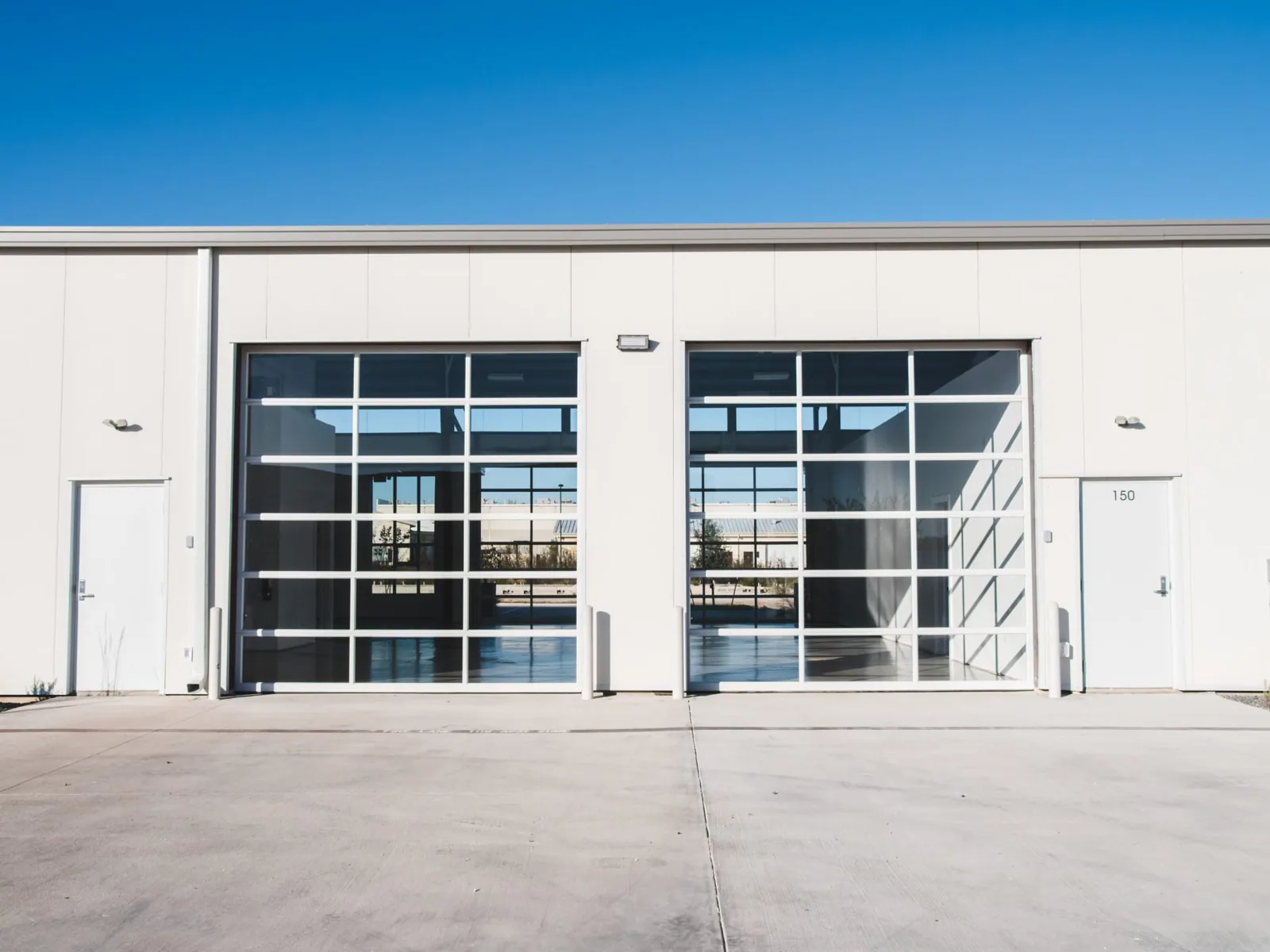
Smaller industrial buildings often have simpler roofs, but their owners have less margin for downtime. The inspection plan fits the building, and a flex industrial roof gets the same drainage and flashing checks as a larger plant.
Exhaust, penetrations and chemical exposure
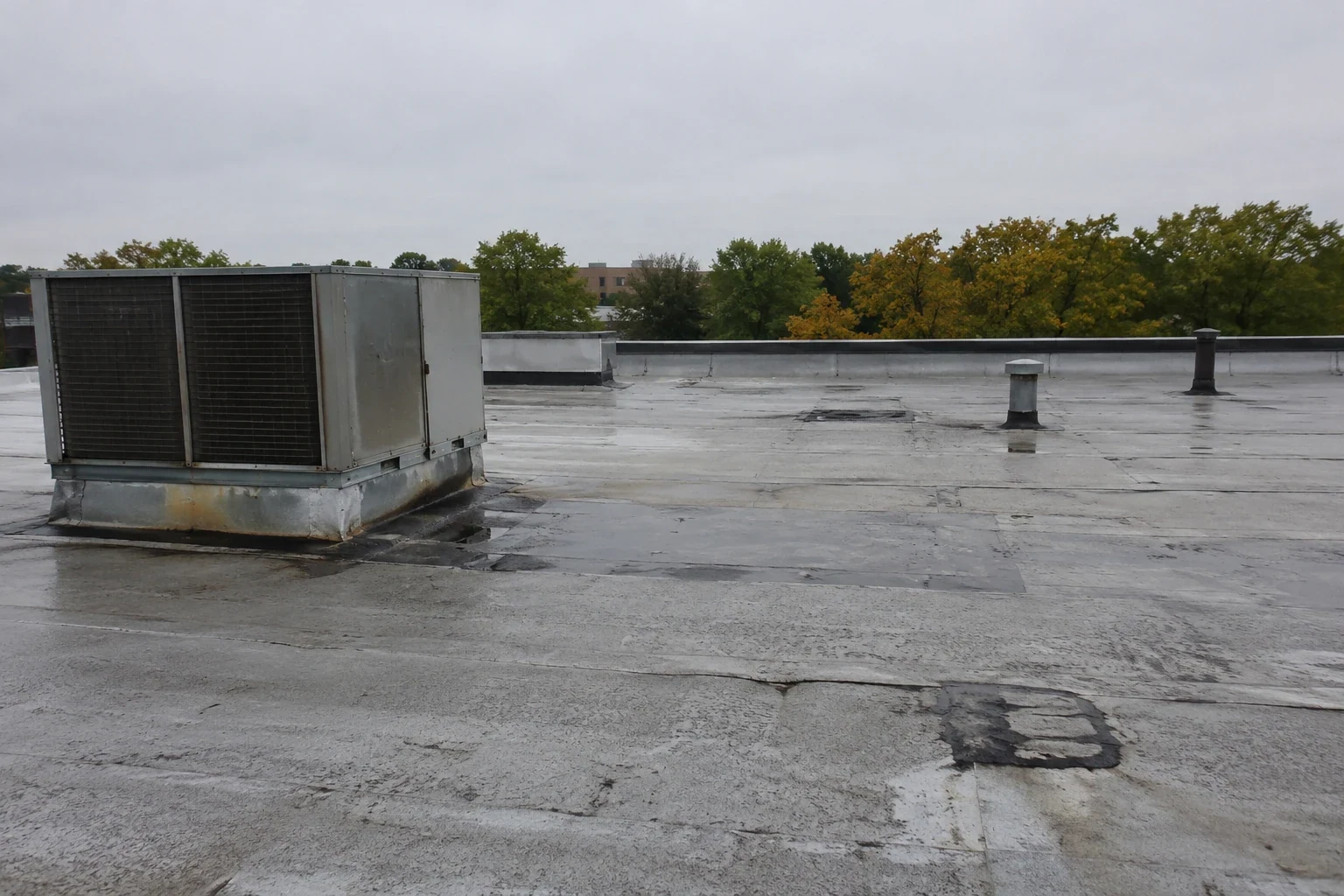
Manufacturing roofs collect penetrations: exhaust stacks, makeup air units, ductwork, conduit and piping. Every one is a flashing detail, and every one is a place where the membrane meets something that moves, heats or vibrates. Surveys count them, check each flashing and identify any that have been added without a proper curb.
Exhaust matters for membrane choice. Plants that vent oils, solvents or process chemicals onto the roof may need a membrane resistant to them, and standard systems can degrade under that exposure. PVC and KEE are common answers for chemical or grease exposure, while EPDM and TPO suit roofs without it. The survey records what vents where before any system is proposed.
Roof-mounted equipment also loads the deck. A heavy unit placed on an older structure may be sitting on a sagging section, which creates ponding around the curb. We check deck deflection near equipment as part of the inspection.
Scheduling around shifts and shutdowns
Most plants have a planned shutdown, a slow week or a weekend pattern. A reroof scheduled into that window costs less in lost production than one forced onto a busy week. The scope asks for the calendar early: shutdown dates, holiday closures, shift times and any seasonal peak.
Noise, dust and lift positions are planned around workers and trucks. Staging is set where it does not block docks, and crane picks are timed to avoid shipping peaks. If a roof section must come off during production, the area below is protected, and sections are closed before the shift ends.
Winter narrows the window. NOAA's Lowell station normals report a January daily mean of 24.9°F, and nor'easters, snowstorms and ice storms rank among the major hazards the city lists. Cold limits adhesive and weld work, so a plan that relies on a winter shutdown for permanent work includes a weather hold in its cost and calendar. Planning the permanent stage for a warmer shutdown usually costs less than rushing it. Each shutdown window is written into the work order with its start, its end and the person who authorizes any early return to production.
A roof program for the plant
A plant with several buildings or sites benefits from a ranked list. Roofs over critical processes come first, roofs over storage later, and the schedule follows the production calendar. A preventive maintenance program visits each roof on a set interval, clears drains, inspects equipment curbs and logs every change.
The records support the plant's other obligations. Insurers, lenders and customers conducting audits may ask for roof condition reports, and a standing file answers the request without a scramble. The same file supports planning for new equipment, since a roof that will carry a new unit needs to be checked first.
Manufacturers who also lease or own distribution space can compare plant and warehouse roofs in the same format, which is how a logistics operator would see them. Owners who invest in industrial buildings use the same data, as described for real estate investors. UMass Lowell's Emerging Technologies and Innovation Center, with research in plastics engineering and electro-optics, sits in the same regional economy as the plants.
Commercial Roofing Questions
What does a plant manager need to decide in the first hour of a roof leak?
Whether to stop a line, cover equipment or keep running. We give the water path, the likely spread and the time to dry-in so the decision rests on facts. The log records what was done and when, which supports any later claim.
Can a roof be replaced while the plant keeps producing?
Often, in sections, with protection below and each section closed before the shift ends. Some processes need a shutdown for the work above them. The scope names which sections can proceed during production and which need a planned stop.
How do exhaust stacks affect the choice of membrane?
What vents onto the roof sets the answer. Oils, solvents and chemical vapor can break down standard membranes, and the survey lists the exposure at each stack. A resistant membrane is proposed where needed, and standard systems stay on roofs without that exposure.
Why does equipment weight matter to a roof inspection?
Heavy units can deflect the deck, and a sagging deck holds water. Ponding around a curb accelerates membrane wear and flashing failure. The inspection checks the deck near equipment and marks any low spot for correction before a new roof is laid.
What records help during an insurance or customer audit?
Dated condition reports, repair logs, photographs and warranty documents. When the file is complete, an auditor sees a roof that is kept in order. A condition report in a consistent format makes the answer quick.