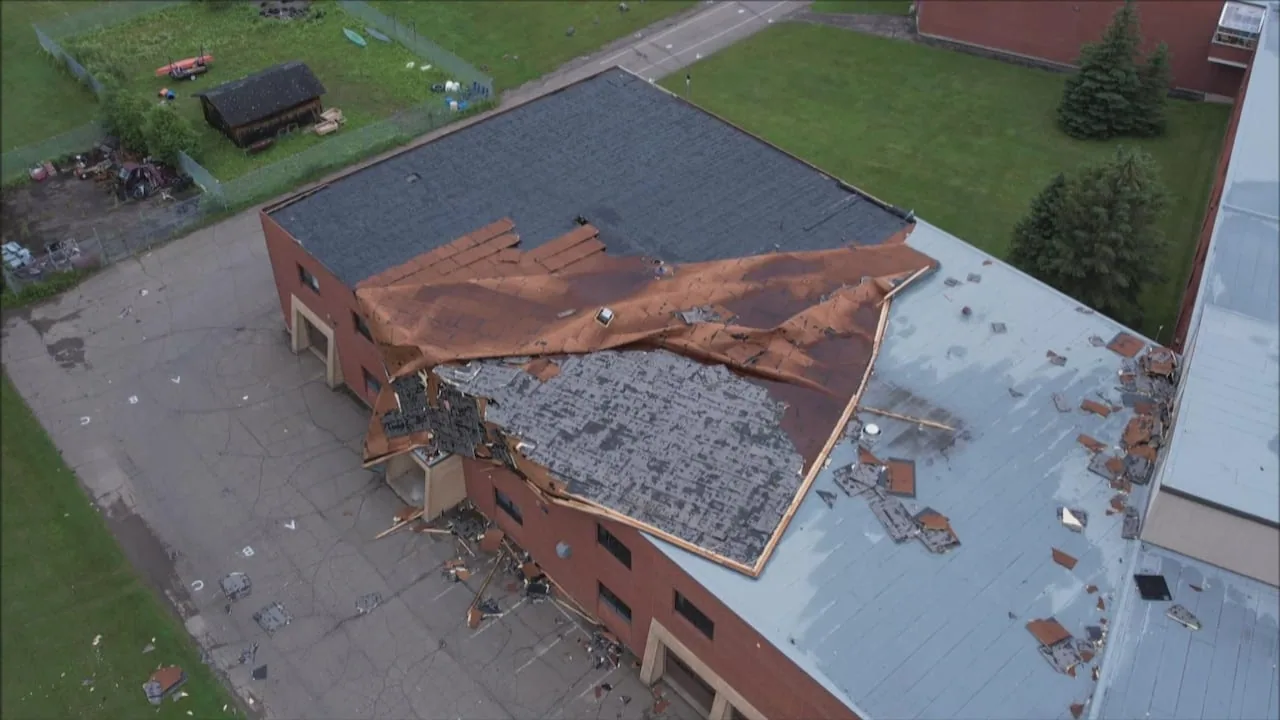
Three questions open every emergency call, and they come before a truck is dispatched. Where is water entering. Can the area below be protected. Can anyone get onto the roof safely. The answers set the response: a crew with tarps and materials, a crew with a lift, or a hold until wind or ice makes the roof reachable.
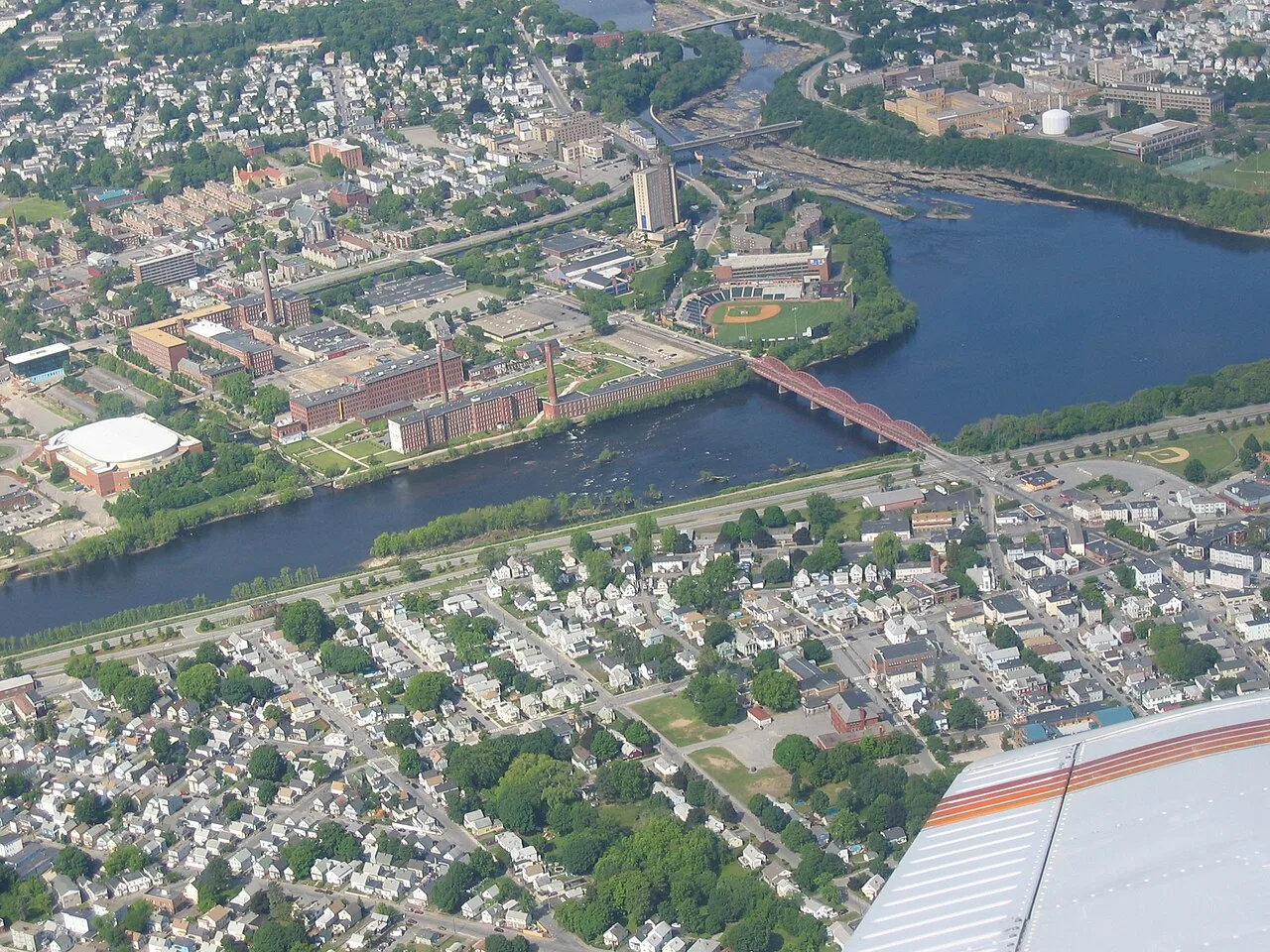
Calls come in at any hour, on any day of the week, holidays included, and the first conversation is with the person who can authorize access. In Lowell, MA, that call often lands in a winter storm. Lowell's hazard plan counts ice storms, snowstorms and nor'easters as major hazards, and each one changes the dry-in sequence. Wind removes membrane. Snow hides the damage. Ice locks drains and makes edges unsafe to walk. The first-hour check separates what must be stopped tonight from what can wait for daylight.
First-hour steps
The first hour is procedural. We confirm the reported location and what is wet below. We confirm who is on site and who has keys to the roof hatch or the lift route. We ask what is stored or running beneath the damaged section, because that decides what gets protected first, ahead of the roof itself.
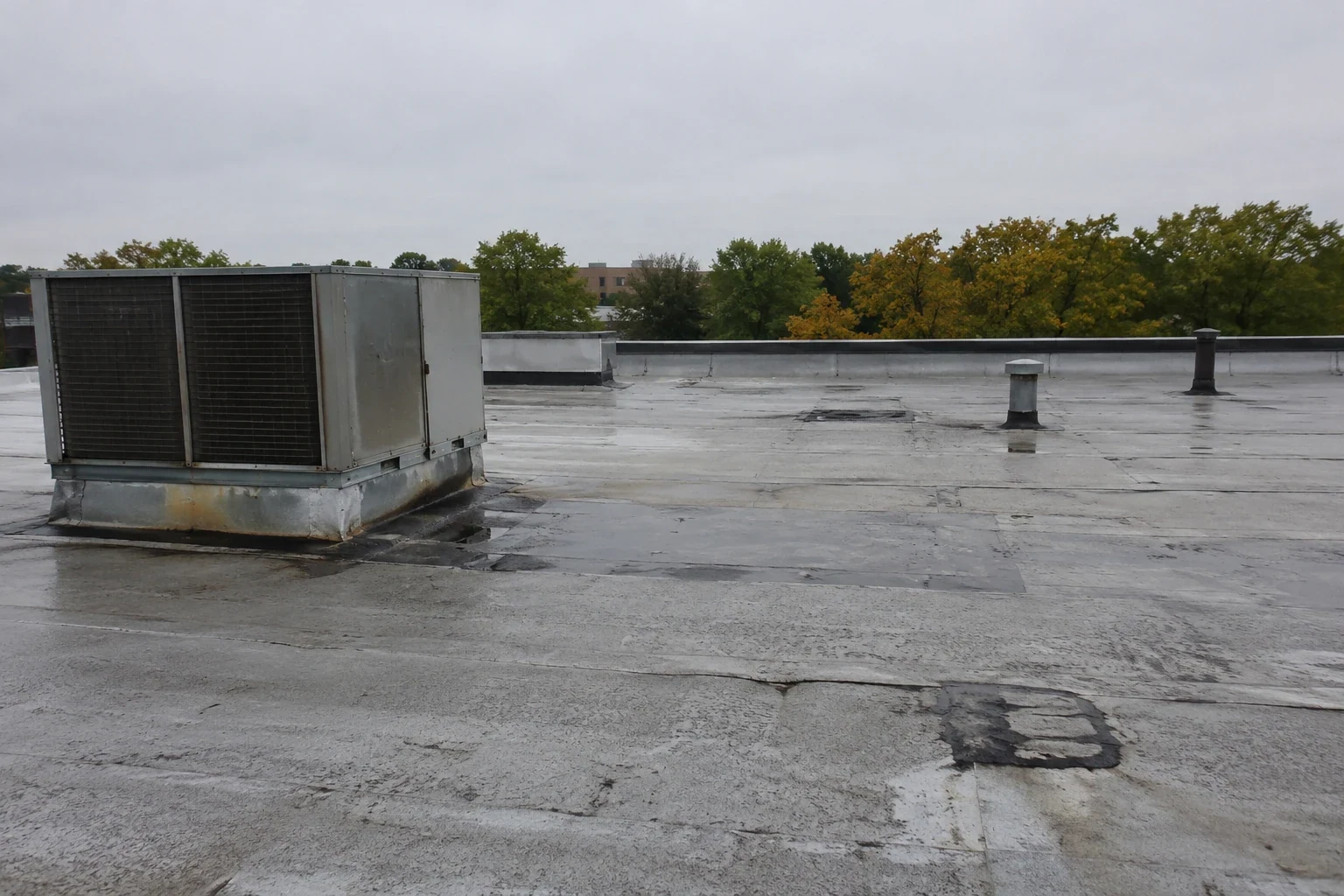
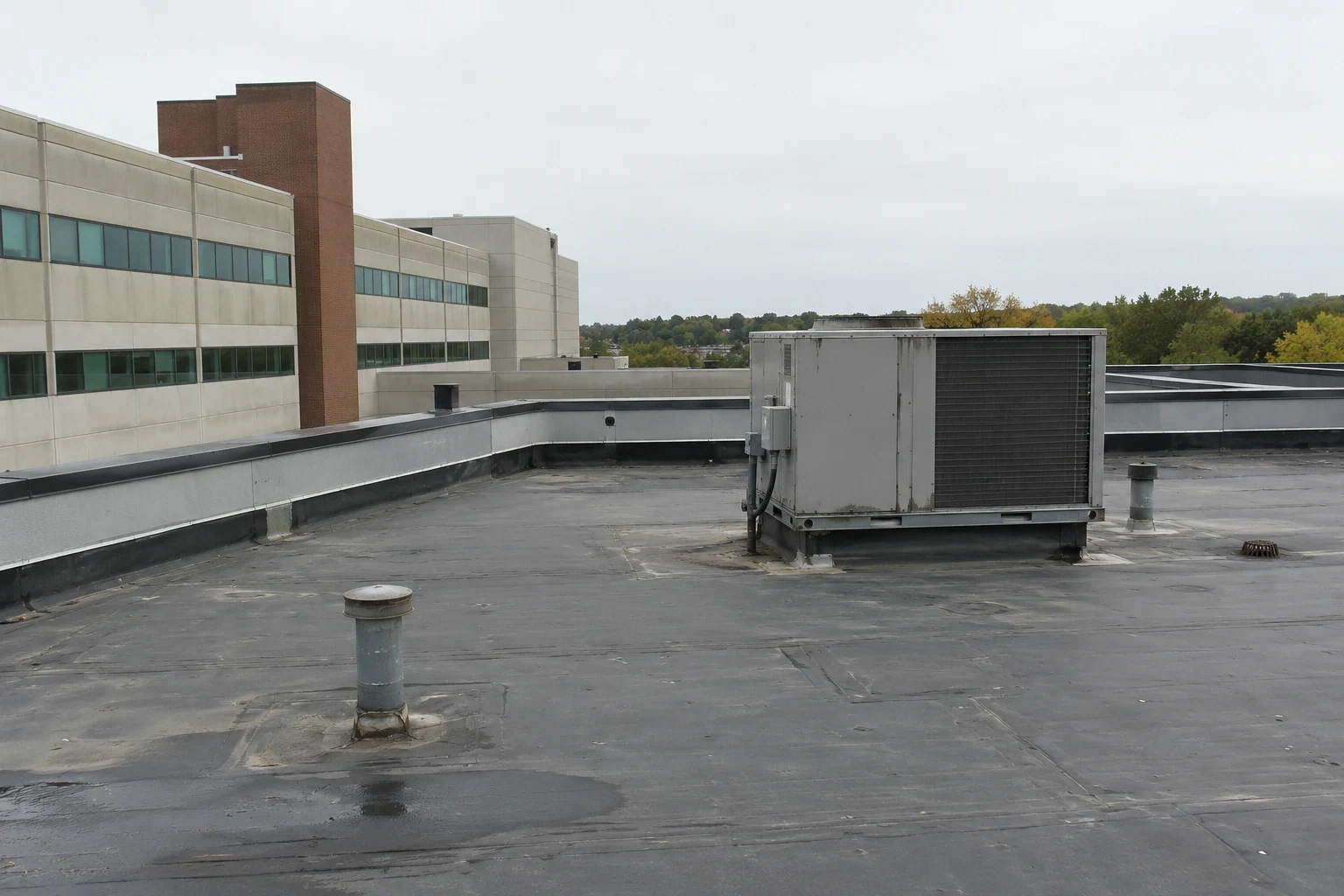
On arrival, the crew checks the access route before anyone goes up. Wet surfaces, ice, loose edge metal and unguarded roof edges are assessed. If the roof cannot be reached safely, work moves to the interior: containment, drip collection, tarps over equipment, and shut-off recommendations for the facility director. Once access is safe, the crew walks the affected roof section, marks the active water path and photographs the visible condition before any material is placed.
The aim at this stage is a record plus a dry building, not a finished repair. Anything that looks like it will cost more than a dry-in gets a number in the next update.
Communication follows a fixed order. The facility director hears from the crew lead when the roof has been reached, again when the water path is stopped, and again when the permanent scope is ready. Each message states the condition found, the protection in place, what remains uncertain and the time of the next report, so no one has to call to ask whether the building is still dry.
Tarping and temporary dry-in
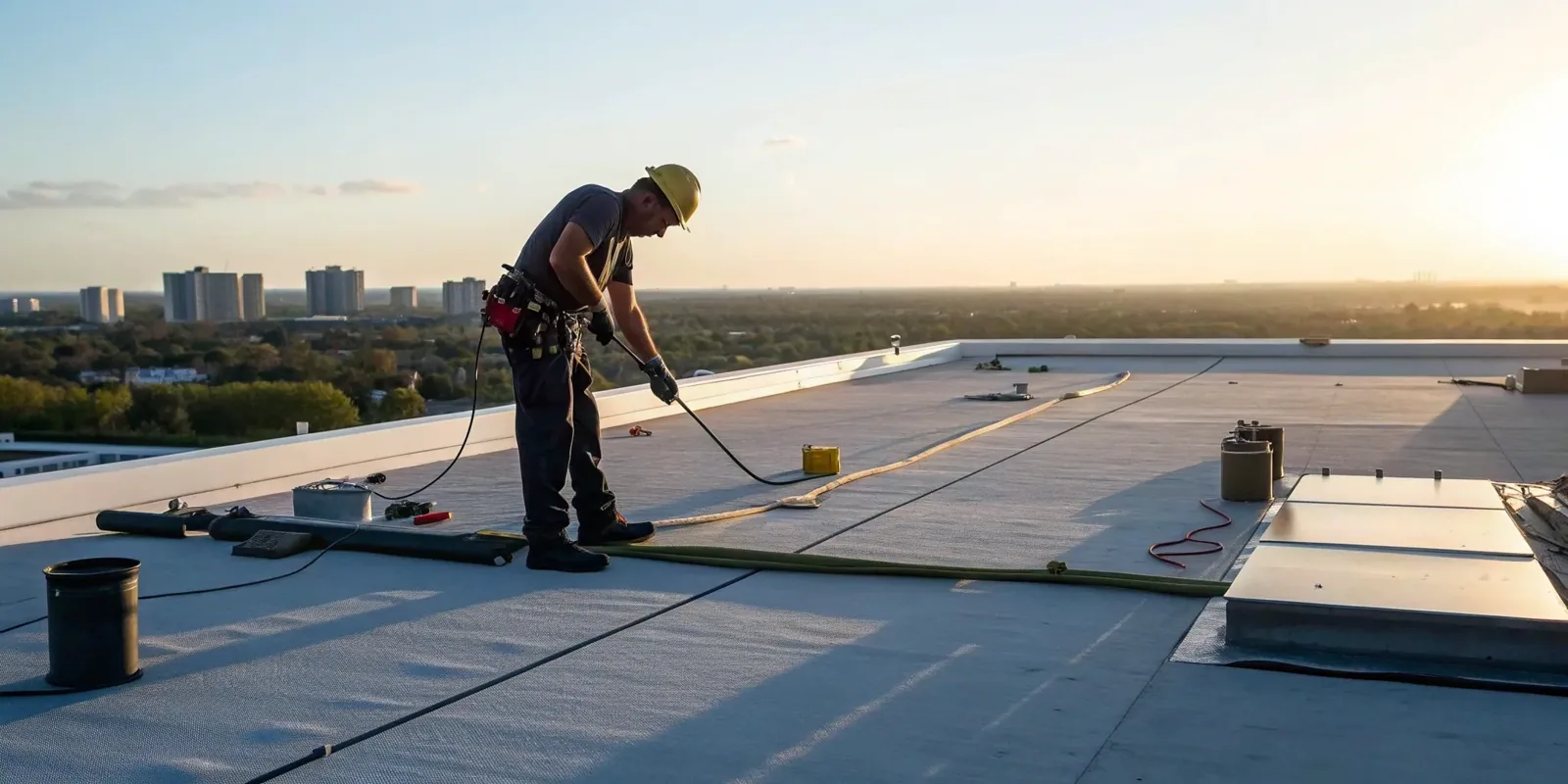
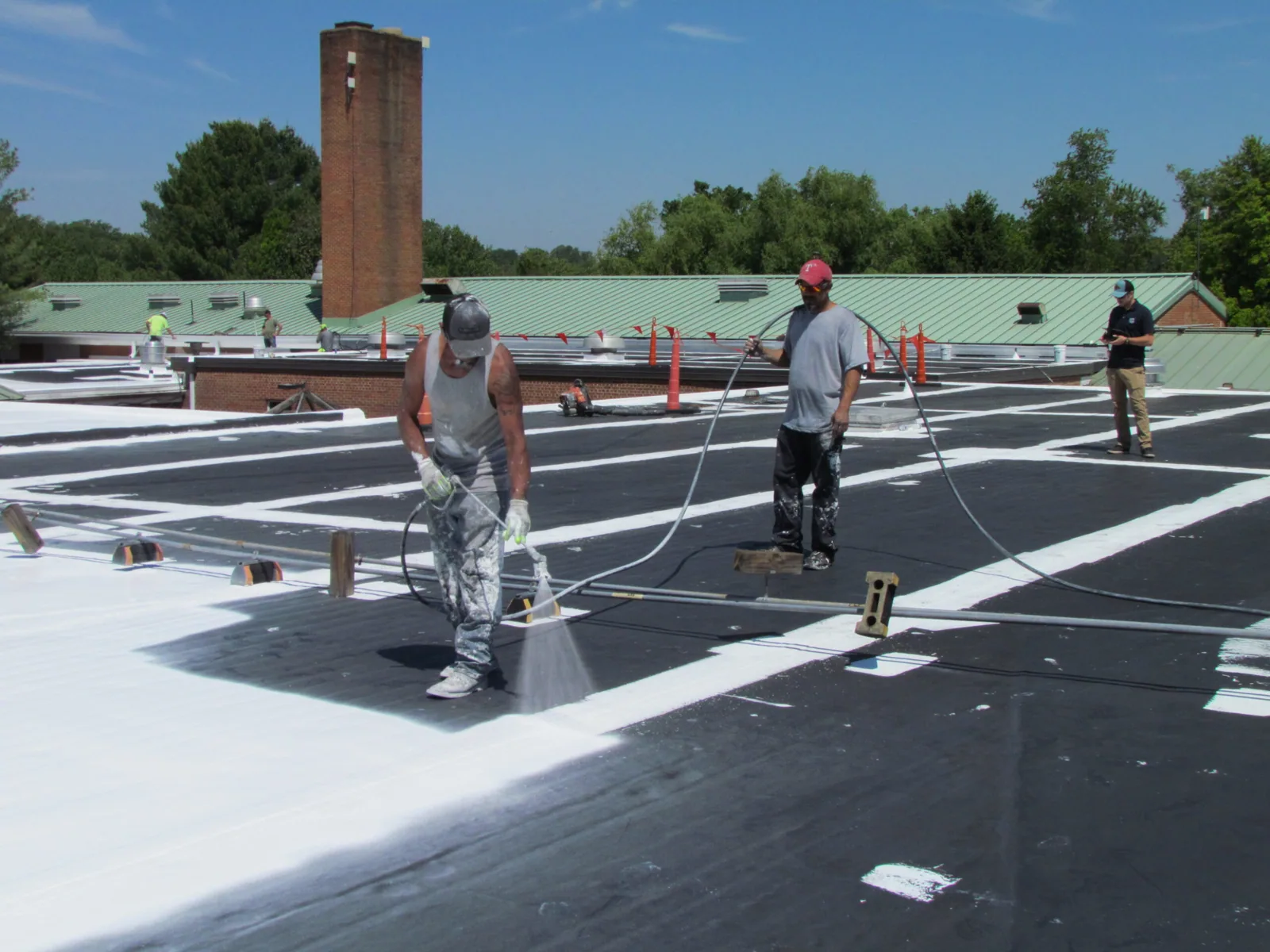
A temporary dry-in is built to survive until the permanent repair is scheduled. On a membrane roof, that can be a sheet of reinforced membrane taped and fastened over the opening, a mastic-and-fabric patch, or an adhered strip over a split seam. On a metal roof, panels are re-lapped and sealed, or a tarp is battened down over the failed run. Where wind has lifted a membrane edge, the edge is re-secured with a temporary termination, because loose membrane catches the next gust and tears wider.
Tarps are secured at the edges, not just weighted in the middle. Sandbags and loose ballast move in storms, so fastening to the deck or a solid curb keeps the cover in place through the next weather event. Each temporary repair is photographed and logged by location so the permanent repair follows the same path.
A temporary dry-in is not a warranty-grade repair. It is a cost-controlled step that limits interior damage while the boundary of the permanent work is established.
Wind, snow and ice conditions
Each storm type changes what the crew finds. After wind, it is lifted edges, torn flashing, displaced coping and debris strikes. After a heavy snow, it is compressed insulation, failed seams under drift loads and clogged drains that release their water inside. After ice, it is blocked scuppers, cracked sealant and ponding over flashings. The wind damage response starts at the perimeter, where uplift pressure is highest, and moves inward.
Lowell's record of the extreme winter of 1995, with 126.5 inches of snowfall, is a reminder that snow load is a planning issue and not just a storm-night problem. The January daily mean in NOAA's normals for the Lowell station is 24.9°F, which means a roof can sit frozen for weeks and move through a freeze-thaw cycle at the first mild day.
Hurricanes are also on the city's hazard list, and the response to a hurricane-damaged roof adds a heavier check of fasteners and edge metal across all roof sections.
Insurance documentation
Emergency work produces the evidence a claim needs. Photographs before any material is placed, a time-stamped log, the weather on the day, the protection used and a short description of the visible condition are collected as the work happens. A record rebuilt weeks later from memory is harder for a carrier to accept.
The same file supports claim assistance if the building has coverage for the event. We separate the emergency dry-in cost from the permanent repair estimate so the carrier sees the two items clearly. The facility director keeps the report and any receipts for tarping materials, equipment rental and interior protection.
A follow-up full roof inspection after the storm finds damage the first-hour check did not reach, such as wet insulation under an intact-looking membrane or fasteners backing out along a deck line.
Response across the Lowell area
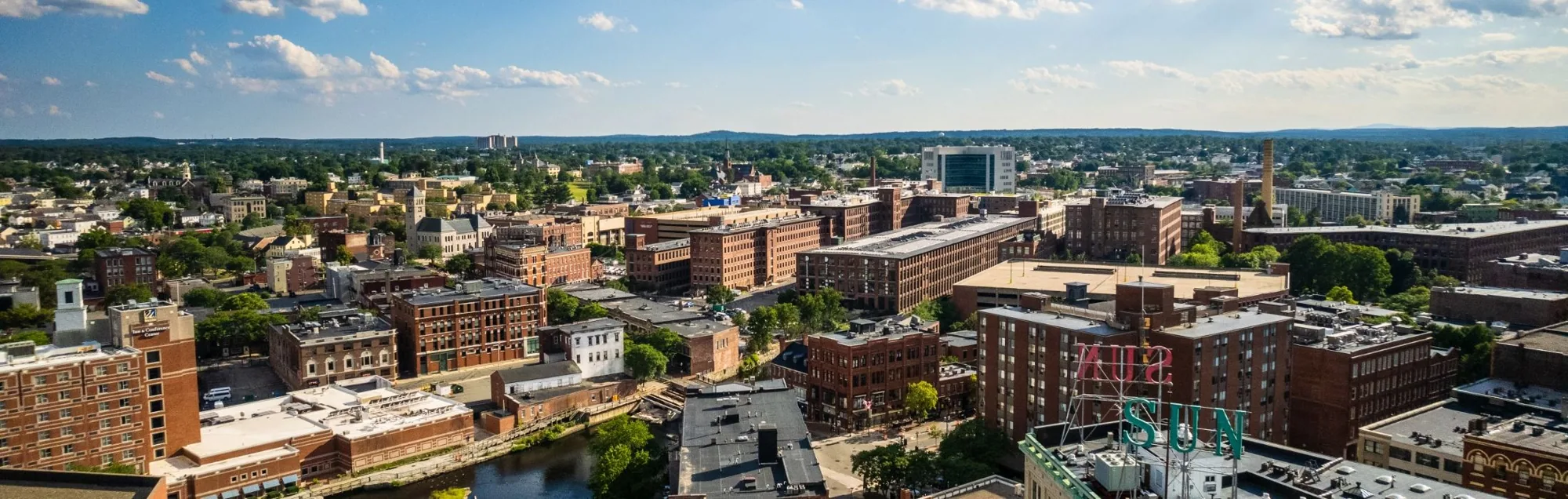
Lowell is a regional hub at the junction of I-93, I-495 and Route 3, with direct connections to Boston and other New England towns. That network of roads matters in a storm. Travel time along the Lowell Connector, Tanner Street and downtown streets depends on how well a flooded or iced road drains, and that is part of the first status update. For Lowell General Hospital and other healthcare buildings, response has to protect clinical areas first and work around restricted zones; the hospital is one of the employers the city names.
Beyond the city, the same emergency sequence reaches Tewksbury, which has direct access to I-93 and I-495, and towns along Route 3 such as Chelmsford and Billerica. The hospital roof is the case where interior containment matters most, and it is planned with the facility director before any weather arrives.
Commercial Roofing Questions
What happens in the first hour after an emergency call at night?
A dispatcher confirms the location, who can authorize access and what is wet below. The crew leaves with tarps, fasteners, mastic and membrane, and protects the interior before touching the roof. You receive a status update once the access route and the active water path are known.
Will a tarp be enough to keep the building dry through a nor'easter?
A properly fastened tarp or membrane strip can carry a building through several weather events, but wind and ice test the edges. We secure to the deck or a curb and photograph each point. If the forecast is severe, a second layer or a reinforced panel is offered.
Do emergency calls cost more than scheduled repairs?
After-hours labor, mobilization and cold-weather materials add cost, and the quote lists them as separate lines. The permanent repair is priced on its own and does not carry the emergency premium. The facility director approves each stage.
What happens when ice keeps the roof unreachable?
Interior protection takes the lead until the roof is safe. Drip collection, tarped equipment and moved stock limit damage, and the crew returns when access improves. The delay and the reason are written into the log.
Does the building need a permit for emergency work?
Temporary protection generally does not, but permanent repairs may. Massachusetts uses the 10th edition code for applications filed on or after July 1, 2025, and the permanent scope is checked against it before work begins.