Ply count first: a modified bitumen roof is a layered system of asphalt sheets reinforced with polyester or fiberglass and modified with polymers, and the number of plies, the way they are attached and the surface on top decide what a facility director in Lowell, MA can expect from it. A two-ply roof with a granule cap sheet behaves differently from a single base layer with a coating. The first step is always to find out what is actually on the roof, which means reading the surface, cutting a core and recording the layers.
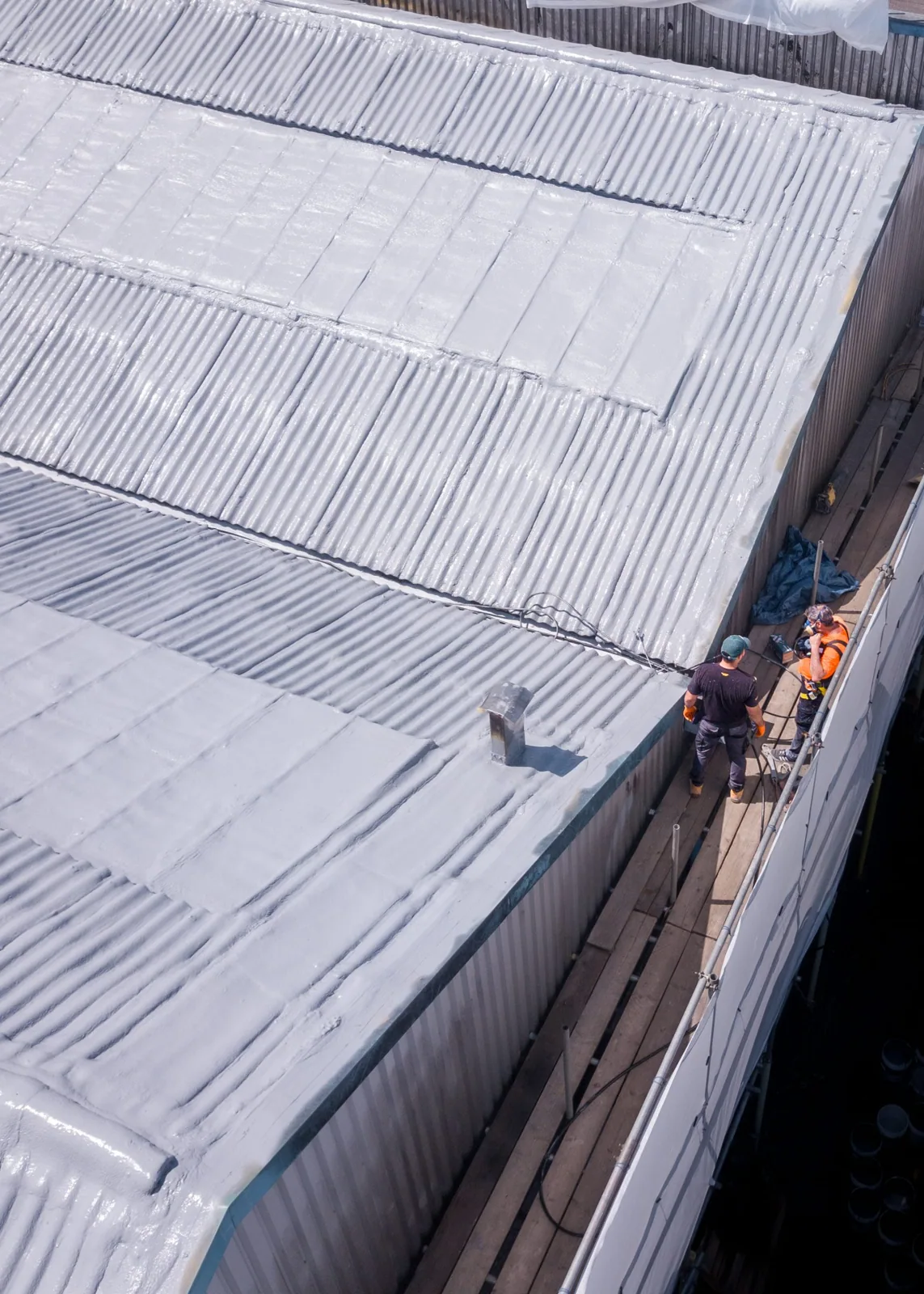
A core cut is small, a few inches across, and it is patched the same day. It shows the number of plies, the type of insulation, the deck, the thickness of each layer and, importantly, whether any layer is wet. The core location is marked on the roof plan, and the sample is photographed beside a ruler. Without it, a quote is a guess about what lies beneath the surface.
Once the roof is read, the scope decision follows: repair the existing system, recover it, or replace it. Cost exposure and timing go on the page for each, and the weather window is stated plainly.
SBS and APP: Two Modifiers, Two Behaviors
SBS, styrene-butadiene-styrene, makes the asphalt rubbery and flexible, which suits cold climates where roofs cycle through freezing and thawing. APP, atactic polypropylene, makes it more plastic, with good heat resistance and UV stability. Both are made in rolls and installed in layers, and the choice often follows the installation method and the climate. Reinforcement matters too: polyester gives stretch and puncture resistance, and fiberglass gives dimensional stability. A cap sheet and a base sheet may use different reinforcements, and the data sheet for the specified product tells us how they pair.
Lowell sits between a 24.9 degree January and a 72.8 degree July on the 1991-2020 NOAA record, and an SBS system's flexibility is a reasonable fit for that spread. APP is also used, especially in torch-applied work, and the scope names the type and the reason for it.
Torch, Cold-Applied and Self-Adhered Installation
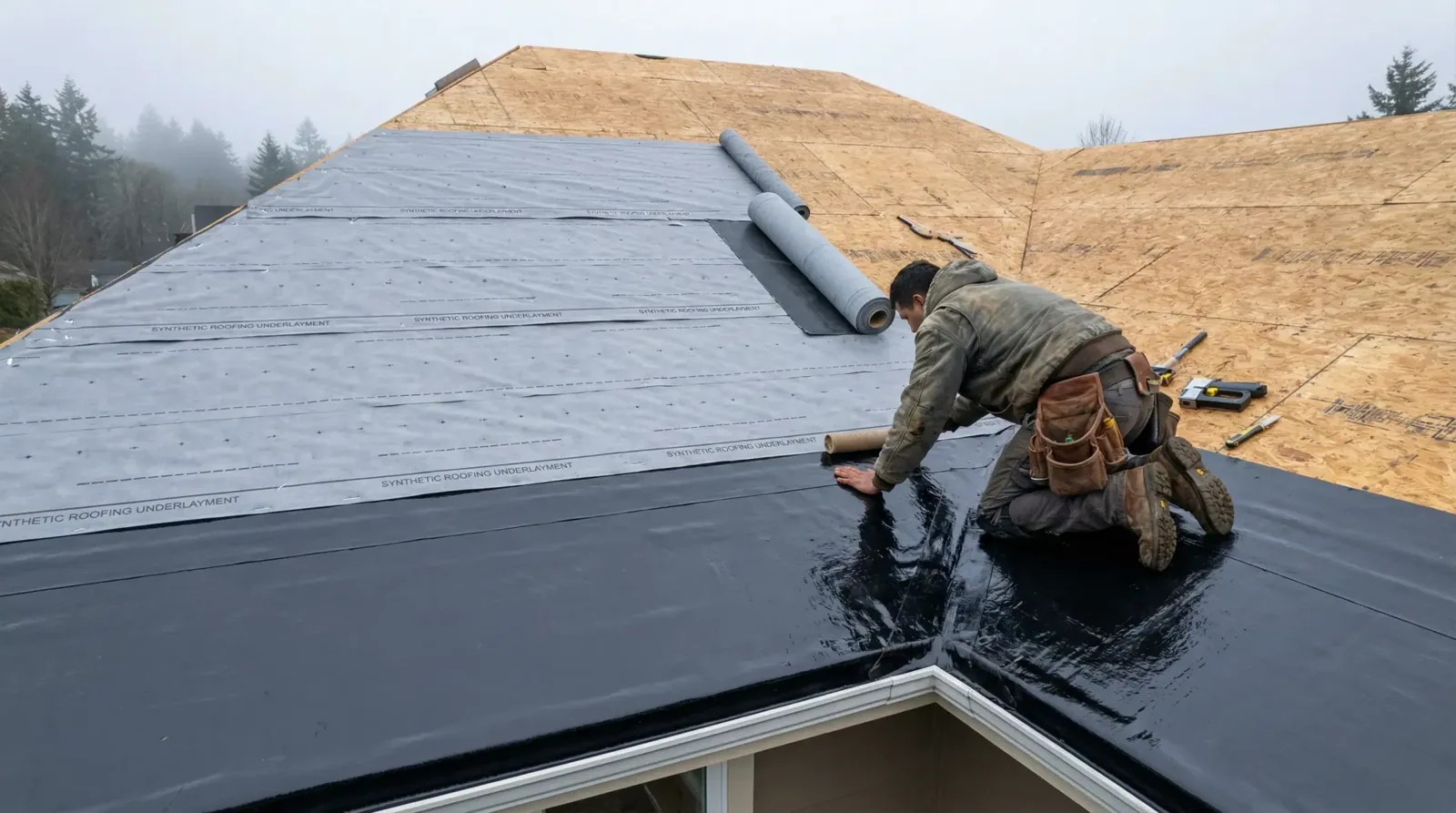
Torch-applied sheets are heated at the underside with a propane torch and bonded to the substrate or the layer below. The work needs a trained crew, careful fire control and a fire watch afterward. Cold-applied systems use adhesive and avoid open flame, which suits buildings where torches are restricted. Self-adhered sheets are peel-and-stick, with a factory adhesive layer, and are useful in occupied or fire-sensitive buildings.
Each method has trade-offs in speed, odor, weather tolerance and fire risk. Torch work moves fast over large clear areas and handles details well in skilled hands, but every detail near a combustible wall or deck needs added protection. Cold-applied work releases solvent odor that can reach air intakes. Self-adhered sheets keep both down, though they need warm, clean, primed surfaces to hold. Some owners and insurers rule out open flame by policy, and the scope identifies the method up front. A hot-work permit or fire-watch requirement, where it applies, is written into the schedule.
Cap Sheets, Granules and Coatings
The top layer is usually a cap sheet surfaced with mineral granules that shield the asphalt from sun and add fire resistance. Over time granules loosen and wash into the drains, and when bare asphalt shows, the roof is aging faster. We look for granule loss at drains and low areas, blisters, ridging along seams and splits at laps.
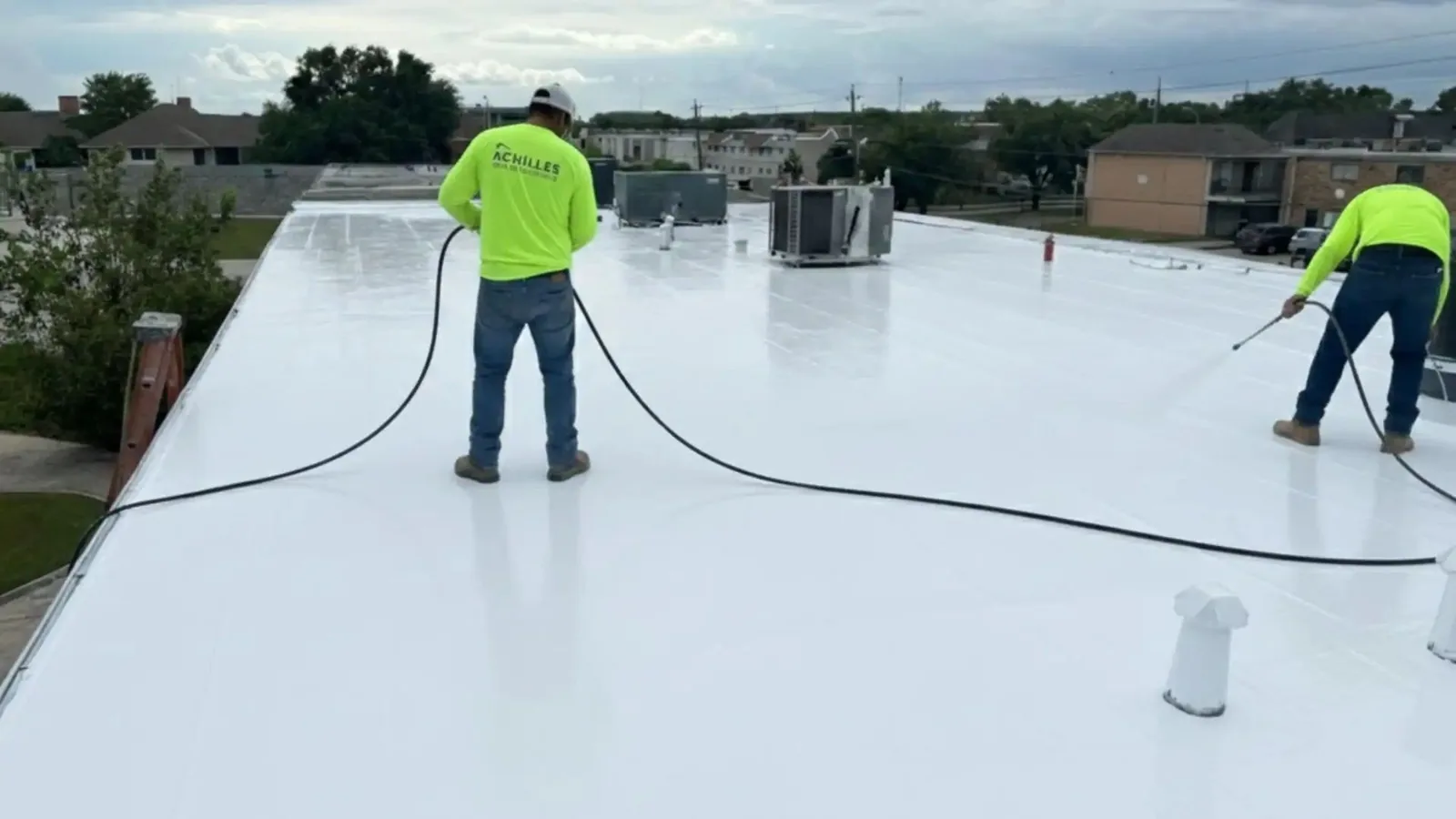
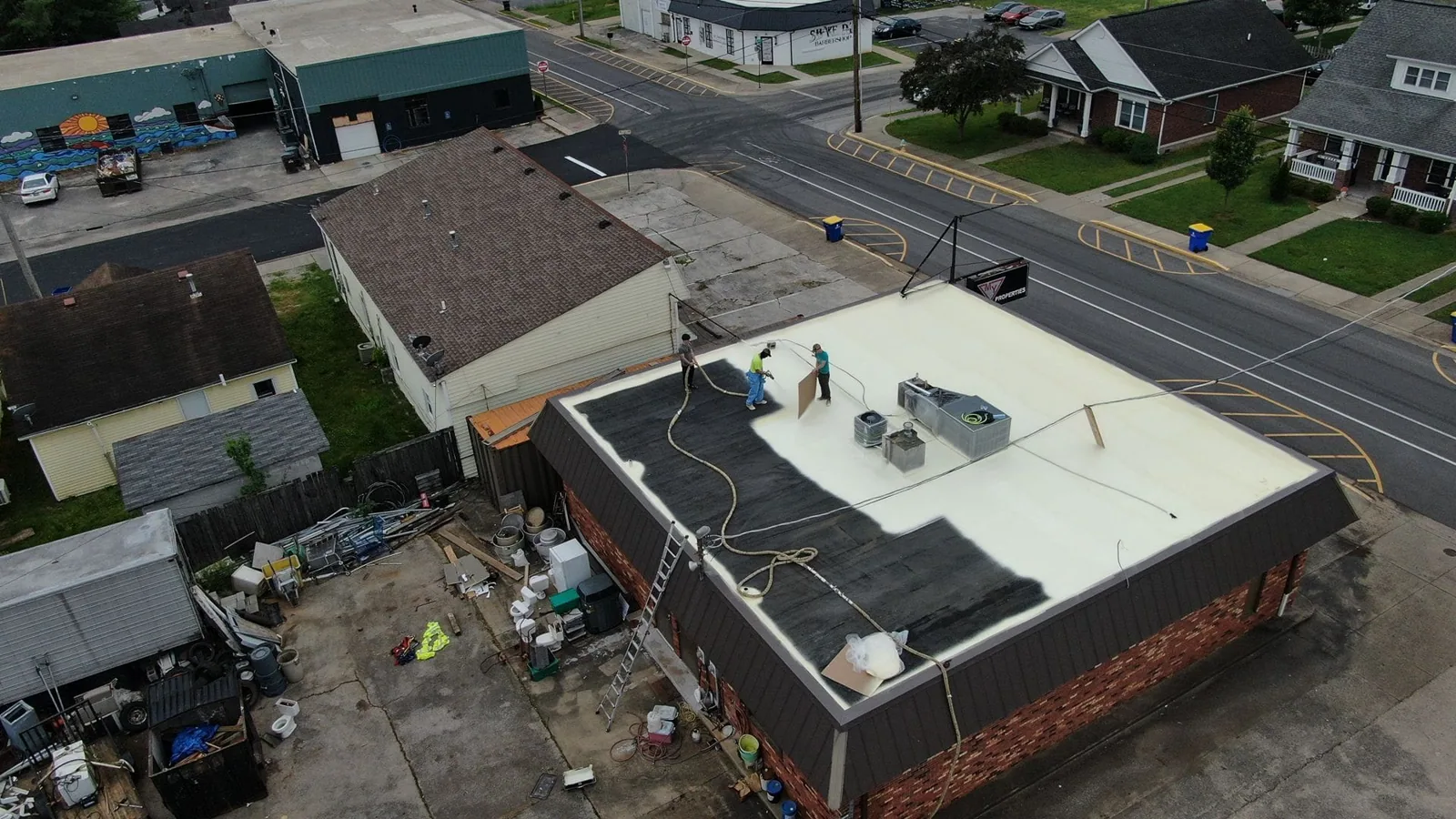
Smooth-surfaced membranes are often finished with a reflective coating. An acrylic coating or a silicone coating can extend a sound modified bitumen roof, once the surface is cleaned and any blisters and splits are repaired. The moisture survey comes first, since a coating over wet insulation traps the water.
Blisters, Ridging and Seam Splits
Blisters are pockets of trapped air or moisture between plies. Small ones that are intact can be left and watched; broken ones let water in and need repair. Ridging follows the edges of insulation boards below and indicates movement. Splits at laps and seams show where the roof moved more than the membrane could take.
Repairs use compatible materials and methods. Asphalt patches on modified sheet need the right primer, and a patch that does not match the existing system will lift at the edges. Flashing repairs at walls and curbs get the most attention, since movement concentrates there, and each repaired detail is photographed so the next visit can compare it. Blisters are cut open, dried and patched, splits are cleaned and covered with new sheet, and flashing is rebuilt with membrane and mastic as needed. A seam failure repair follows the same sequence of cleaning, priming and bonding, with attention to the weather at the time of application.
Lowell Weather and Timing
The Lowell station's normals show 48.51 inches of precipitation per year, spread through every month, and the city's hazard mitigation materials list hurricanes, nor'easters and ice storms among its major hazards. Modified bitumen is installed on dry surfaces, and cold-applied adhesives and self-adhered sheets need minimum temperatures to bond. The main installation window runs through the warm months, with a late-fall start carrying a weather hold.
Winter damage from ice dams, snow load and drain blockage is common to all roofs, and the city's records of 126.5 inches of snowfall in the winter of 1995 show how deep it can get. Snow melting unevenly over a roof sends water toward drains that may still be frozen, so ponding at drains is the first thing we check after a thaw. After a hard winter, we recheck seams and flashings, and a repair that could not wait for spring is made with a temporary measure and recorded.
Repair, Recover or Replace
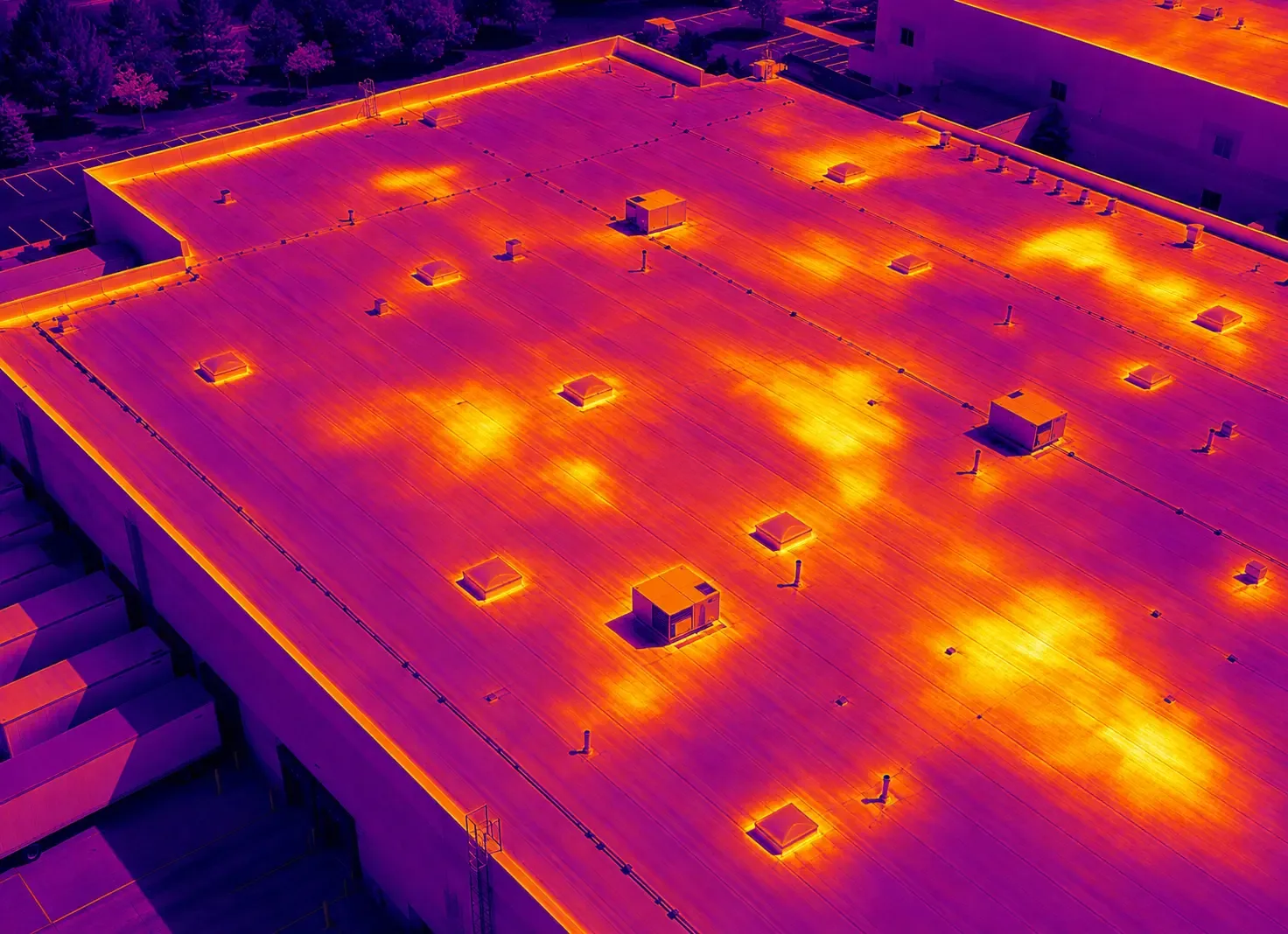
Moisture decides. An infrared moisture survey and core cuts show whether insulation is dry. If it is, a modified bitumen roof can often be repaired or recovered with a new membrane over a cover board. If wet insulation spreads across the roof, a full replacement removes the wet material and starts over. Massachusetts' 10th edition building code, effective October 11, 2024, governs the permit, and the code's base energy provisions may call for added insulation on a tear-off.
Where Modified Bitumen Is Found
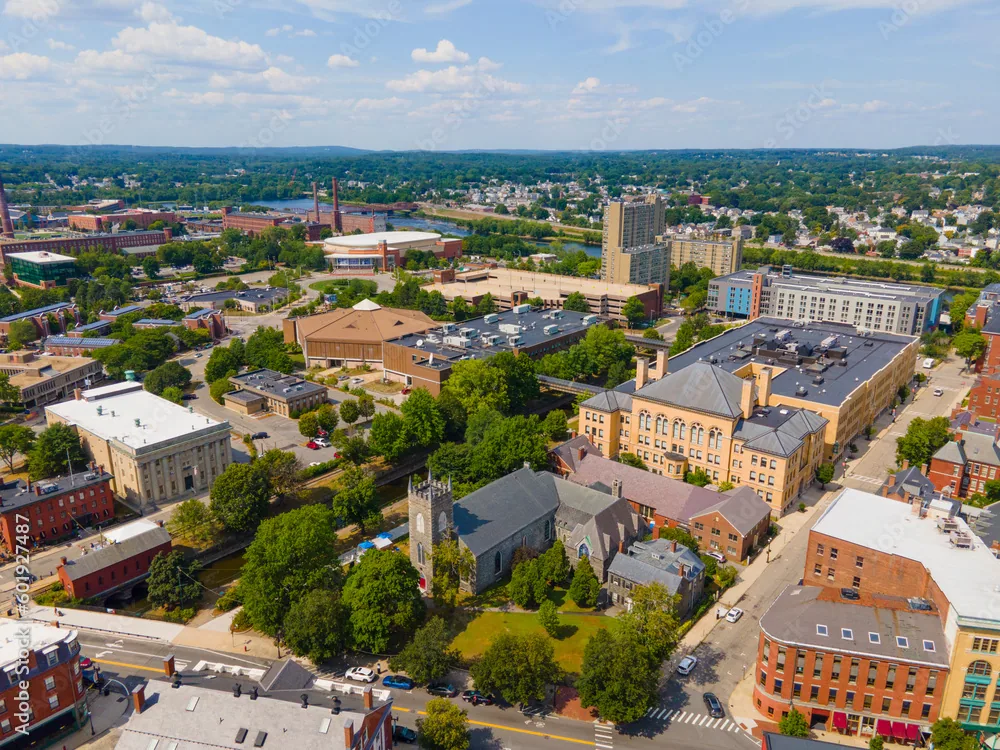
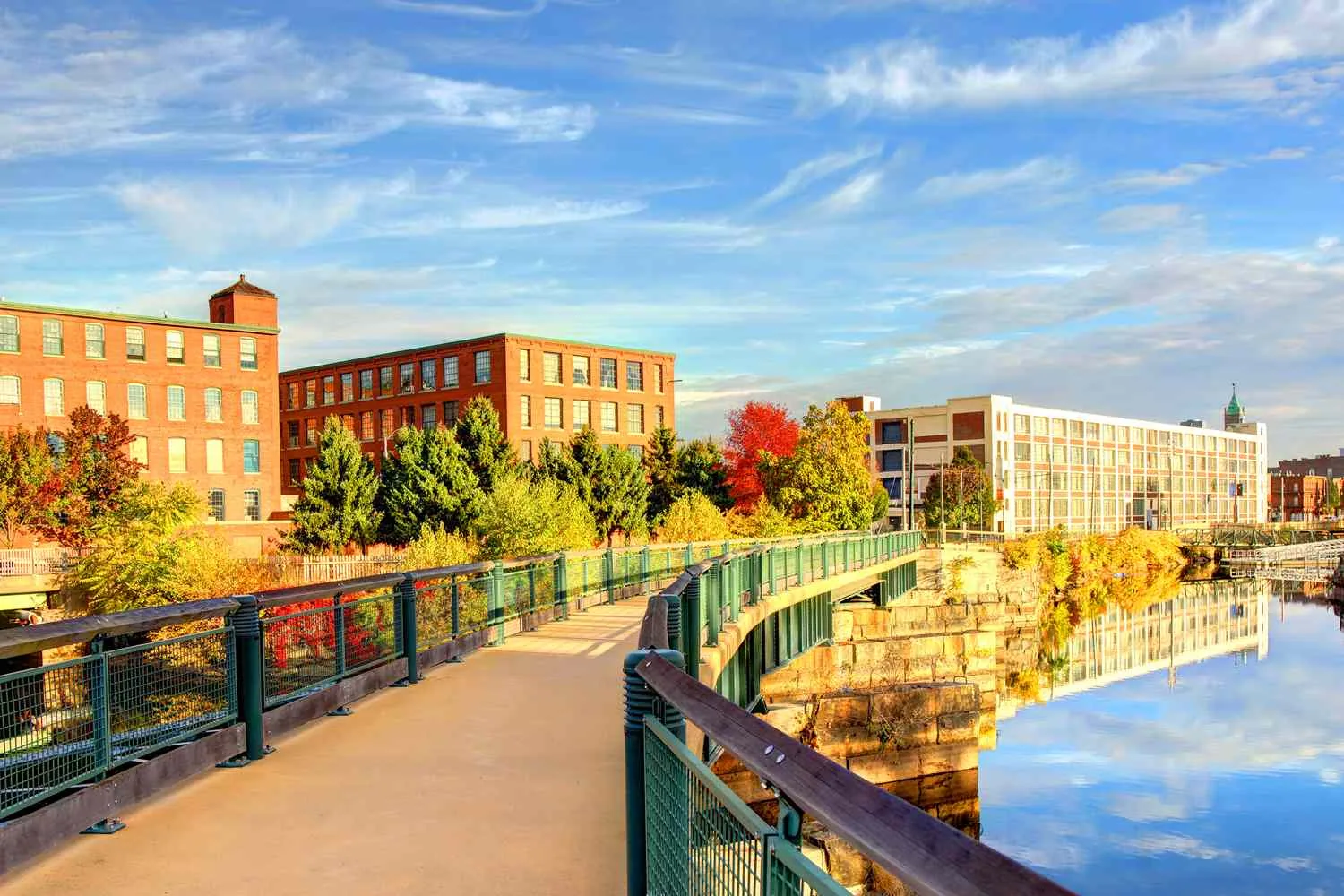
Layered asphalt roofs are common on older low-slope commercial buildings, so the mill yards, canal system and commercial blocks of the Downtown Lowell Historic District are a place to expect them, though each roof must be read in person. Exterior work in the district goes through Historic Board review. In Ayer's City Industrial Park, and in nearby Chelmsford, where Route 3 and I-495 cross, and Dracut, low-slope roofs of several types can be expected. Across Lowell and those towns, a comparison with built-up roofing helps where the existing system is unclear.
Commercial Roofing Questions
How do I know whether my roof is modified bitumen?
A core cut shows the layers. Granule-surfaced rolls with lap seams are the usual sign from the surface.
Is torch-applied work allowed on every building?
No. Some owners and insurers prohibit open flame, so cold-applied or self-adhered systems are used.
What causes blisters?
Trapped air or moisture between plies. Intact ones are watched, and broken ones are cut open, dried and patched.
Can modified bitumen be coated?
Yes, when it is clean, sound and dry beneath. A coating extends service life and adds reflectance.
Why do granules matter?
They shield the asphalt from sun. Heavy granule loss means the roof is aging faster.