Inventory under a leak belongs to someone else. A third-party logistics operator stores goods for customers, and a wet pallet is a claim waiting to be filed. The roof response therefore begins with a question about racking: what is stored under the entry point, who owns it and how quickly can it be moved. The decision is the operator's. The roof crew supplies the facts.
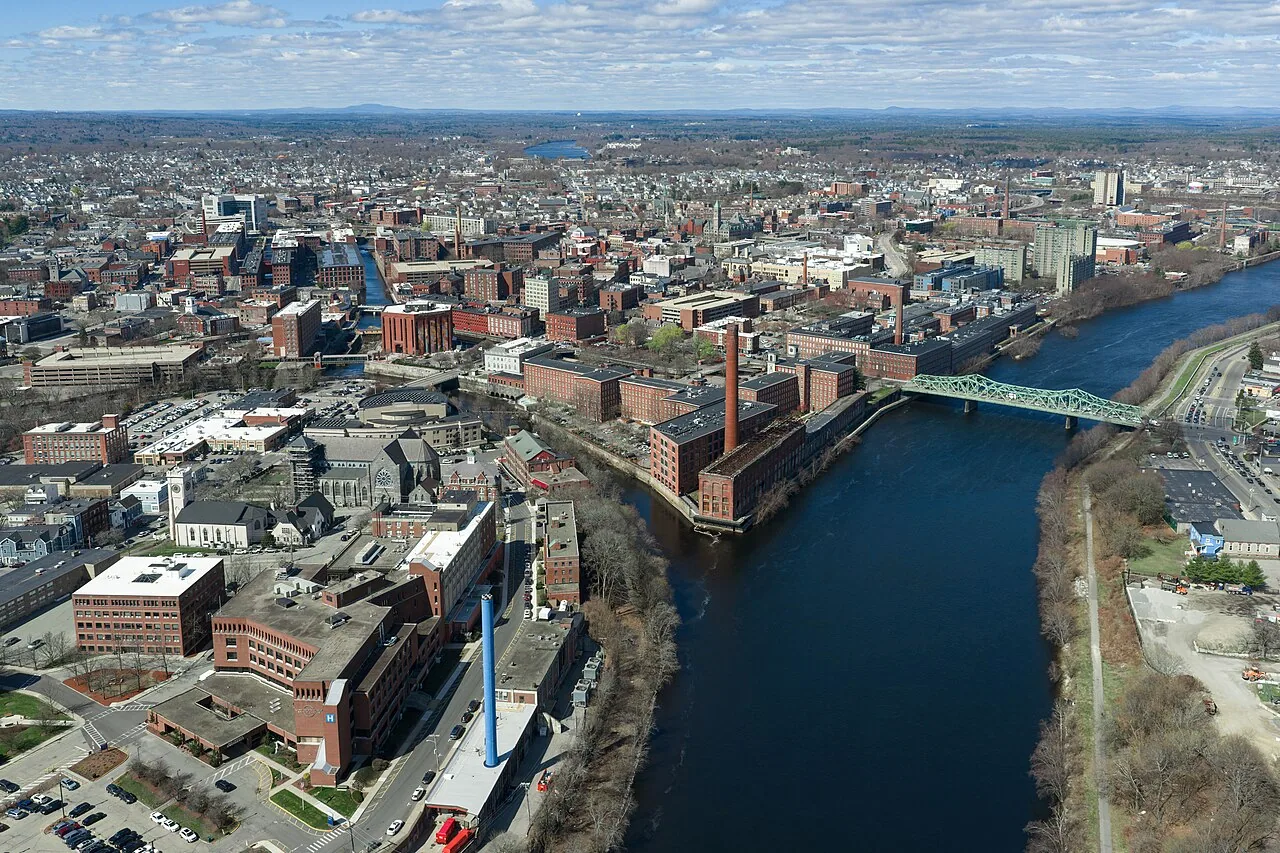
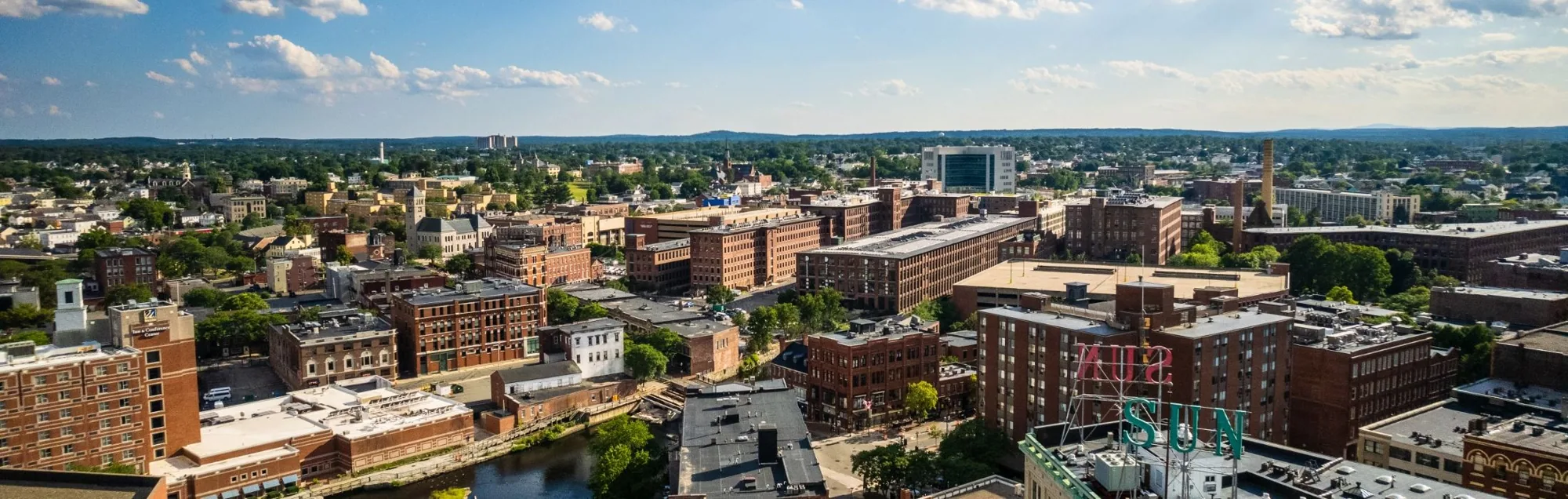
Lowell, MA, sits where I-93, I-495 and Route 3 come together, and its hazard plan calls the city a regional hub for transportation, tied directly to Boston and other New England towns. Wholesale trade, transportation and utilities appear among the city's named key sectors. That mix of road access and wholesale and transportation activity is why distribution roofs belong in the conversation here.
Racking, inventory and the dry-in
The first-hour check at a warehouse starts at the floor. Where is water landing, which racks are below, and can product be shifted without disturbing a pick path? The operator decides what moves. The crew protects the roof opening, places interior diversion if needed and records the time and location.
Tall racking changes the problem. Water can travel along the roof deck, through a joint and drip several bays away from the entry point, so the stain on the floor does not mark the leak. An infrared survey of the roof traces moisture in the insulation, which shows where water has spread above the deck, and the repair boundary is drawn from that map instead of the floor stain.
Sprinkler lines and lighting hang from the same structure. A leak that reaches a fixture or a sprinkler head creates a separate problem, and the inspection note records any such exposure so that the maintenance team can check it. Skylights and roof hatches get the same attention, because a failed curb on a skylight sends water straight onto the aisle below.
Freight corridors and distribution buildings
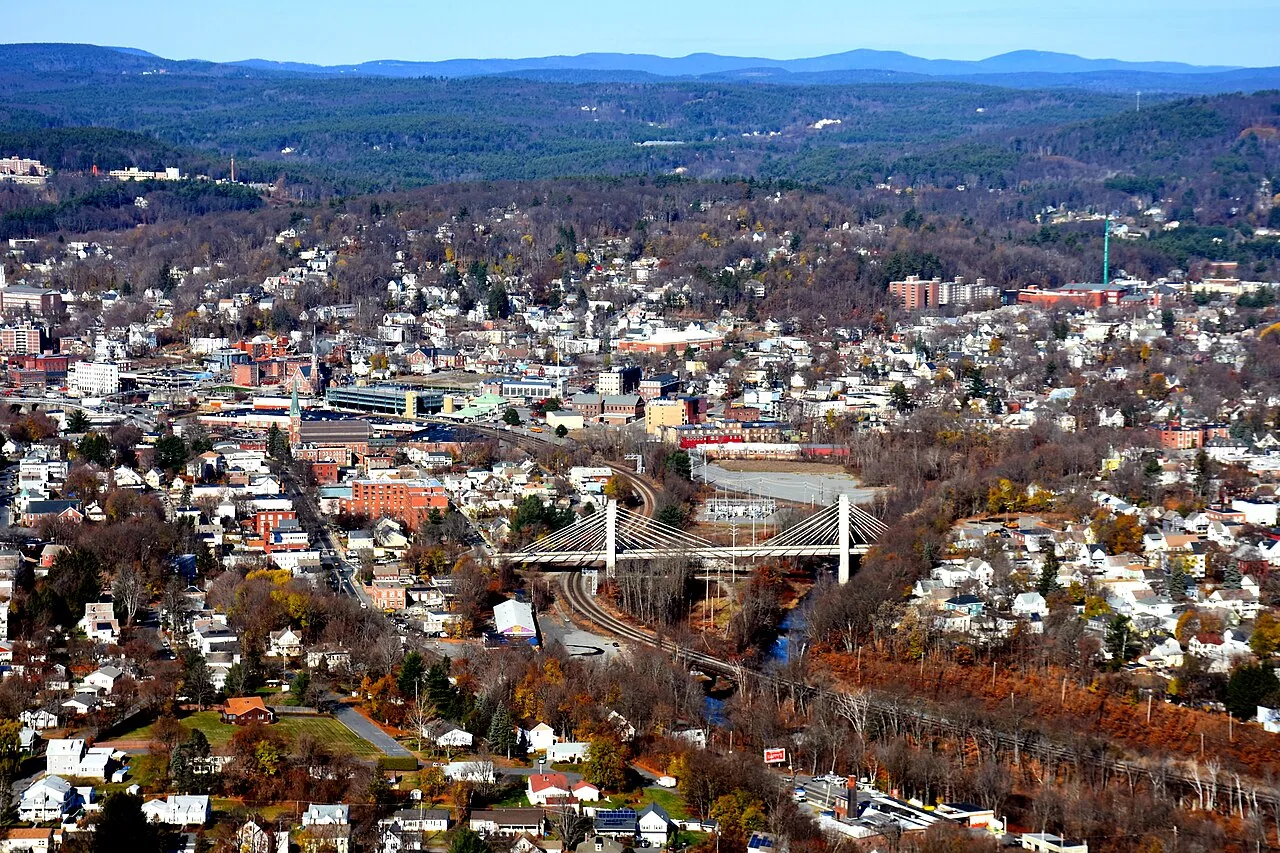
Ayer, where Routes 2, 2A and I-495 meet, counts a major freight-rail hub and a light-industrial district among its strengths. Tewksbury reaches I-93 and I-495 directly, and Wilmington is tied to Greater Boston by I-93 and nearby I-495. In New Hampshire, Hudson's Sagamore Industrial Park lies between Route 3A and the Merrimack River, and the town's Clement Road Industrial Park runs along Route 111.
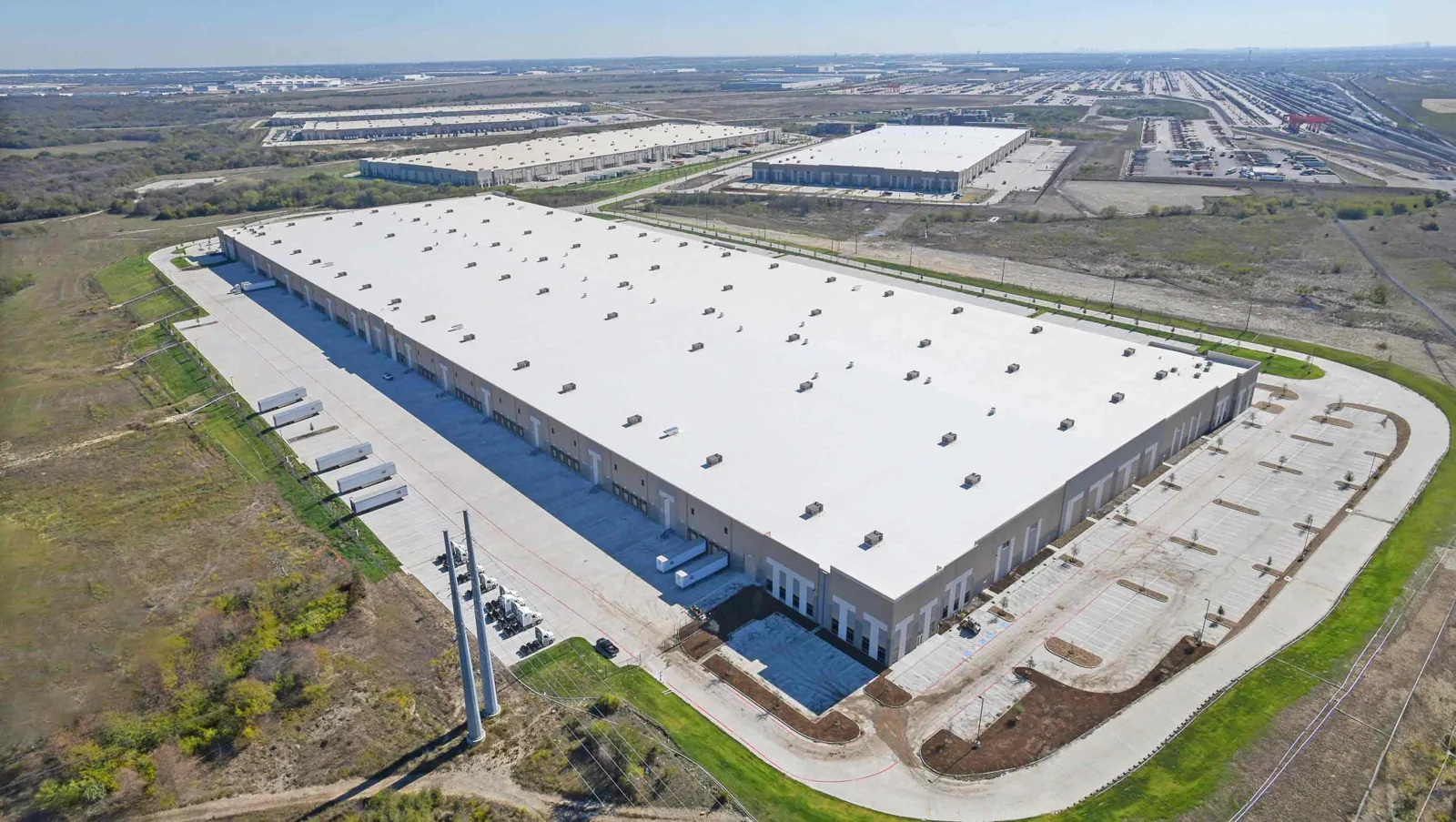
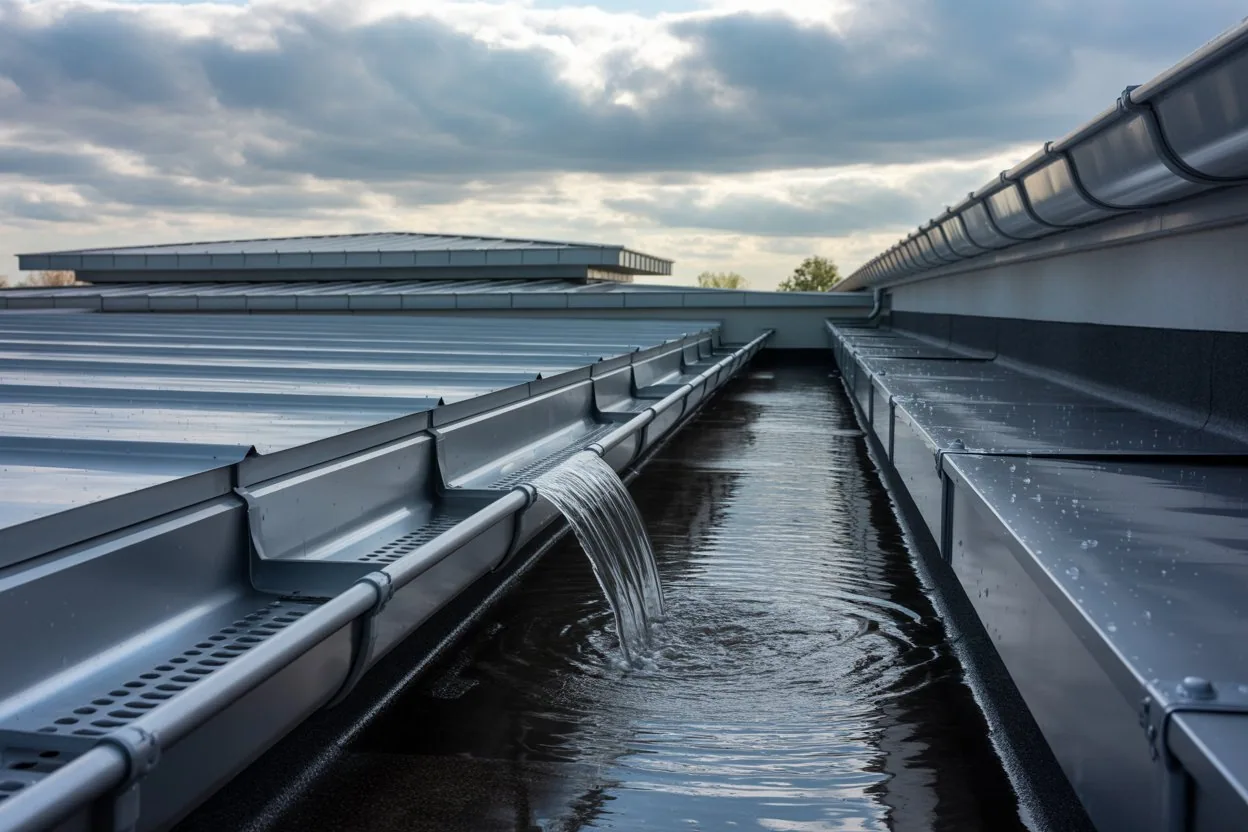
On a wide low-slope distribution roof, wherever it sits, drainage decides how the roof ages. Ponding in a field section, a clogged scupper or a crushed drain sump will wear a membrane faster than any other single condition. A distribution roof in Ayer, Tewksbury or Hudson gets that same drainage review.
Large single-tenant and multi-tenant buildings follow the approach used for distribution center roofing, and cold chain buildings follow cold storage roofing, where condensation and vapor control change the plan. The sizing of the repair area, the drainage review and the equipment survey carry across both.
Dock hours and crane picks
A logistics building is busiest when freight arrives and leaves. Trucks stage at docks, forklifts cross the yard and a crane or lift needs space that the yard also uses. The roof plan assigns the lift position, the material delivery window and the haul-off schedule so that dock traffic is not blocked.
Work hours follow the operator's shift pattern. Heavy tear-off may be placed at night, on a slow day or in the quiet part of a seasonal cycle. The cost of those hours shows as a line in the scope, with the alternative priced beside it, so the operator can compare a day shift with interruptions against a night shift with premium labor.
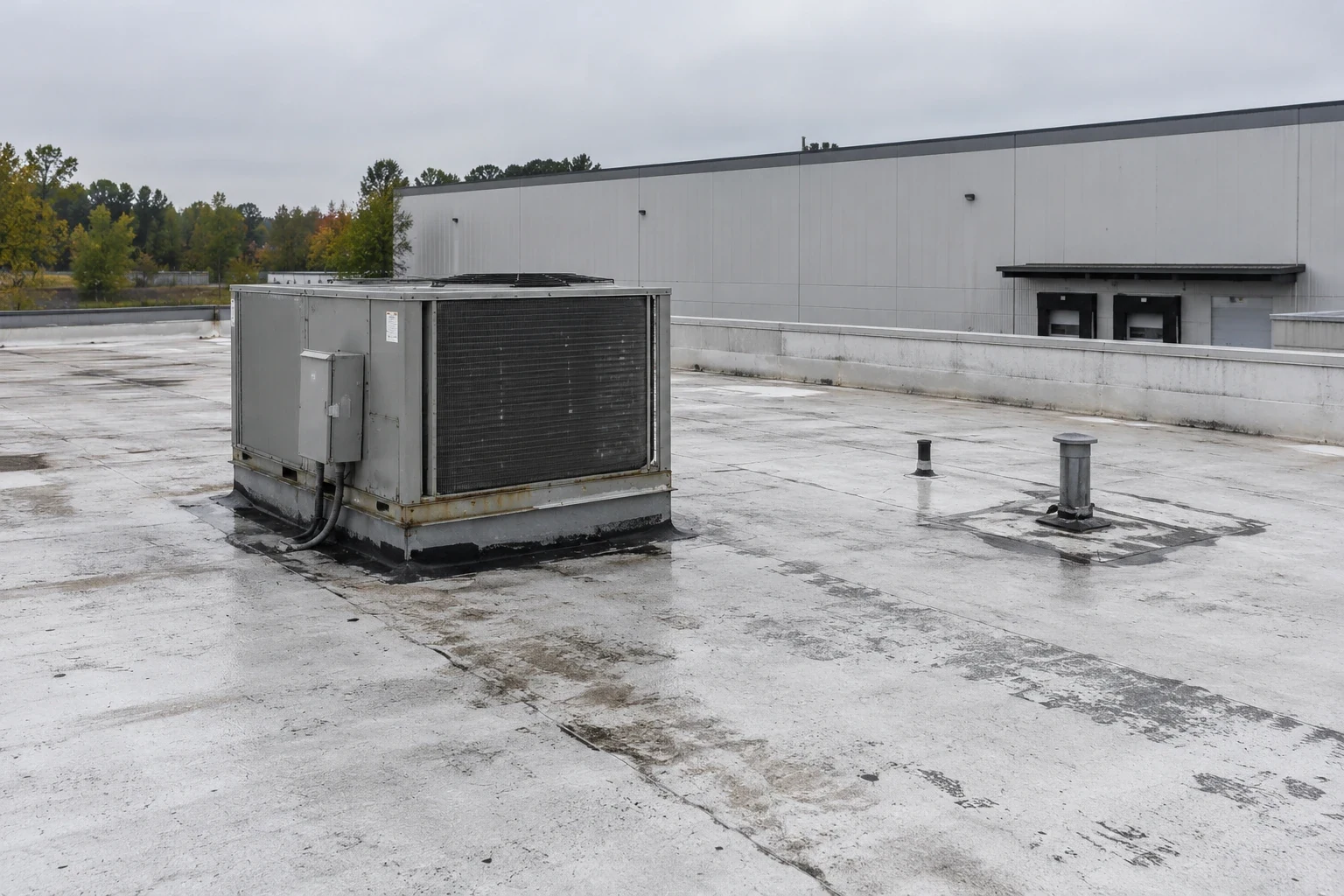
Rooftop equipment, such as heating units, exhaust fans and skylights, is part of the same schedule. A unit that must be lifted and reset is coordinated with the building's maintenance staff so that heat and ventilation are not out longer than planned. Each work day's plan lists which dock doors stay in use, so dispatch can route trucks without calling the roof crew.
Roof work and the peak season
Every operator has a peak, and the roof plan avoids it. A replacement planned for the weeks before the peak is a risk, since a delay pushes work into the busiest period. A planned replacement in a slower window leaves the roof tight before volume rises.
Winter complicates the calendar. The Lowell station puts January at 24.9°F on average and a year at 48.51 inches of precipitation, while nor'easters, snowstorms and ice storms show up on the city's list of major threats. Snow loads and ice at edges and drains are a concern on wide roofs. A pre-winter visit that clears drains and scuppers and checks edge metal is the cheapest protection available.
After a storm, a check for displaced membrane and new punctures finds damage while it is small. Photographs from the check support an insurance claim if one is needed.
A roof program across a network of sites
Operators with several buildings need one view of roof condition. A single format for inspections, a shared ranking and one repair queue let a regional manager see which building needs money first. A multi-site roof program provides this, with a reserve estimate for each site.
For leased space, the program tracks who owns the structure, who holds the warranty and who pays for repair, since those answers vary by lease. The record keeps lease language beside the roof data so that the right party hears about a problem the same day it is found.
Operators who serve manufacturers, as described for the manufacturing industry, and retailers, as described for multi-location retail brands, hold goods whose owners care about the building's condition. Showing a customer a current roof report answers a question the customer may ask about where their goods are kept. The report also tells the operator how many seasons a given building can run before its roof needs money, which feeds the lease and renewal conversation with the landlord.
Commercial Roofing Questions
Who decides what stock moves when a roof starts leaking over racking?
The operator decides, since the goods and the customer relationships are theirs. We identify the water path and the likely spread, then the operator chooses what to move or cover. The log records the decision, the time and the interim protection.
Why is the wet spot on the floor often not under the leak?
Water travels along the deck, ducts and structural members before it drops. A stain on the floor marks where water landed, not where it entered. Infrared readings on the roof show wet insulation, which traces the path back to the entry point.
Can a roof replacement be done without disrupting dock operations?
Mostly yes. The lift, staging and dumpster positions are set away from active doors, and deliveries are timed around freight. Some work may shift to nights or weekends, and the scope prices the alternatives so the operator can choose.
What roof records do customers of a 3PL ask for?
Condition reports, repair logs and photographs of recent work. Customers storing sensitive or high-value goods may ask for proof that the roof is maintained. A standing file answers that request quickly, and the report format stays the same from visit to visit.
Does a TPO roof suit a large warehouse?
TPO is a common single-ply choice for wide low-slope roofs, with welded seams and reflective surfaces. The decision also rests on the existing deck, the insulation and the drainage design. The survey checks all three before a system is proposed.