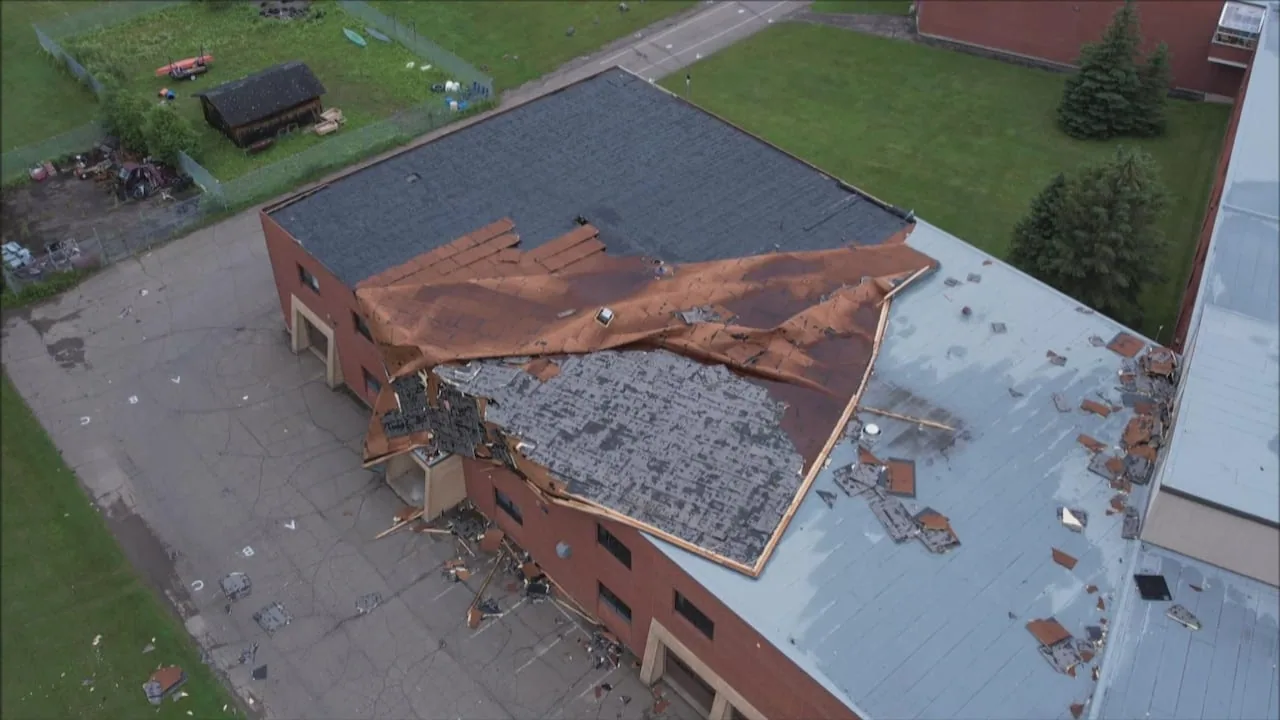
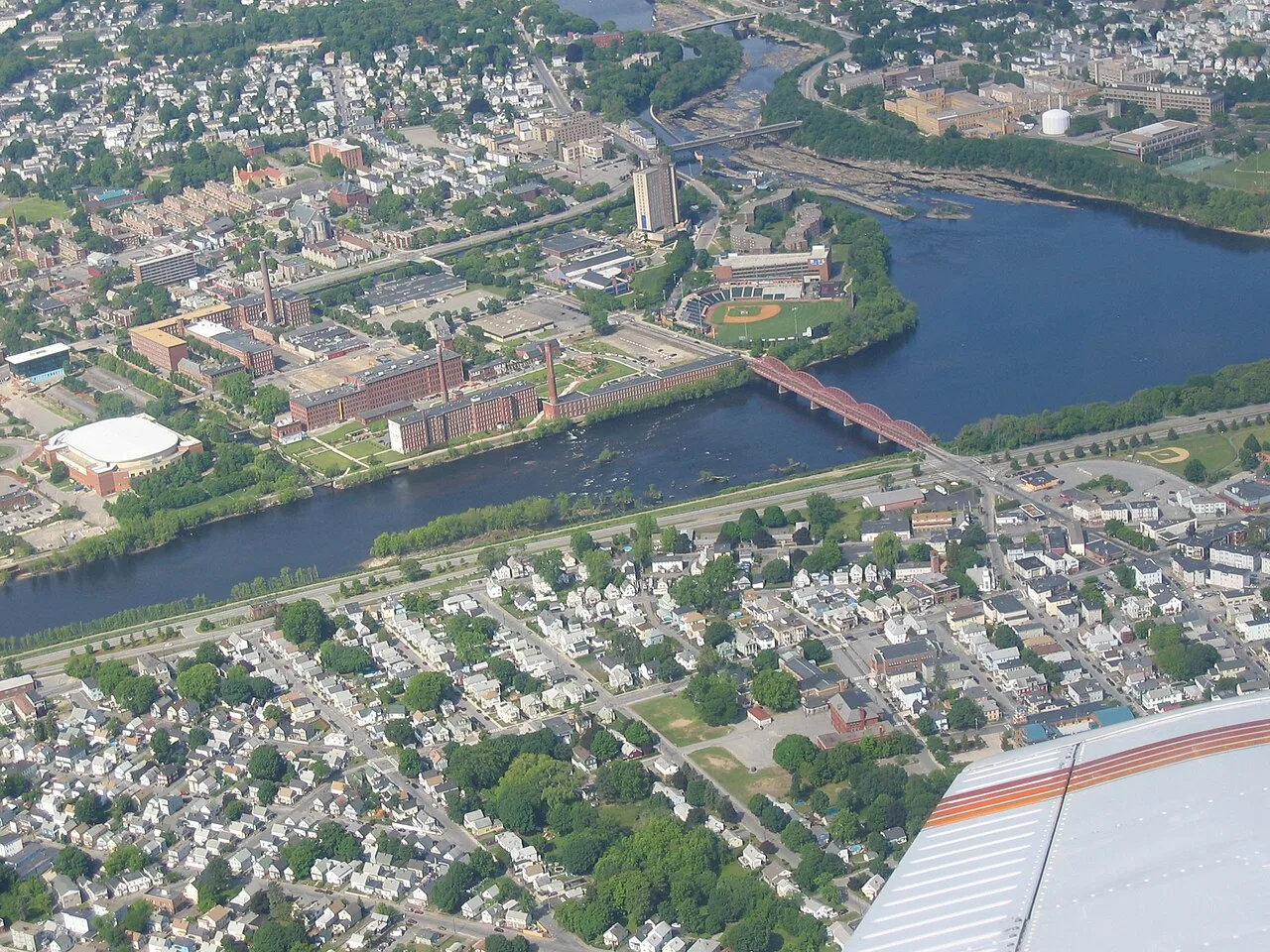
Damage has a pattern, and the pattern points to the cause. Edge lifting points to wind. A pond near a drain points to drainage. A split along a seam points to movement. Lowell, MA, names hurricanes among its major natural hazards, along with nor'easters, snowstorms and ice storms, so the repair record separates storm damage from wear before any price is set. A roof that shows both gets two sets of lines, one for each cause, because the carrier and the owner pay for different things.
Wind, Hurricane, Snow and Ice
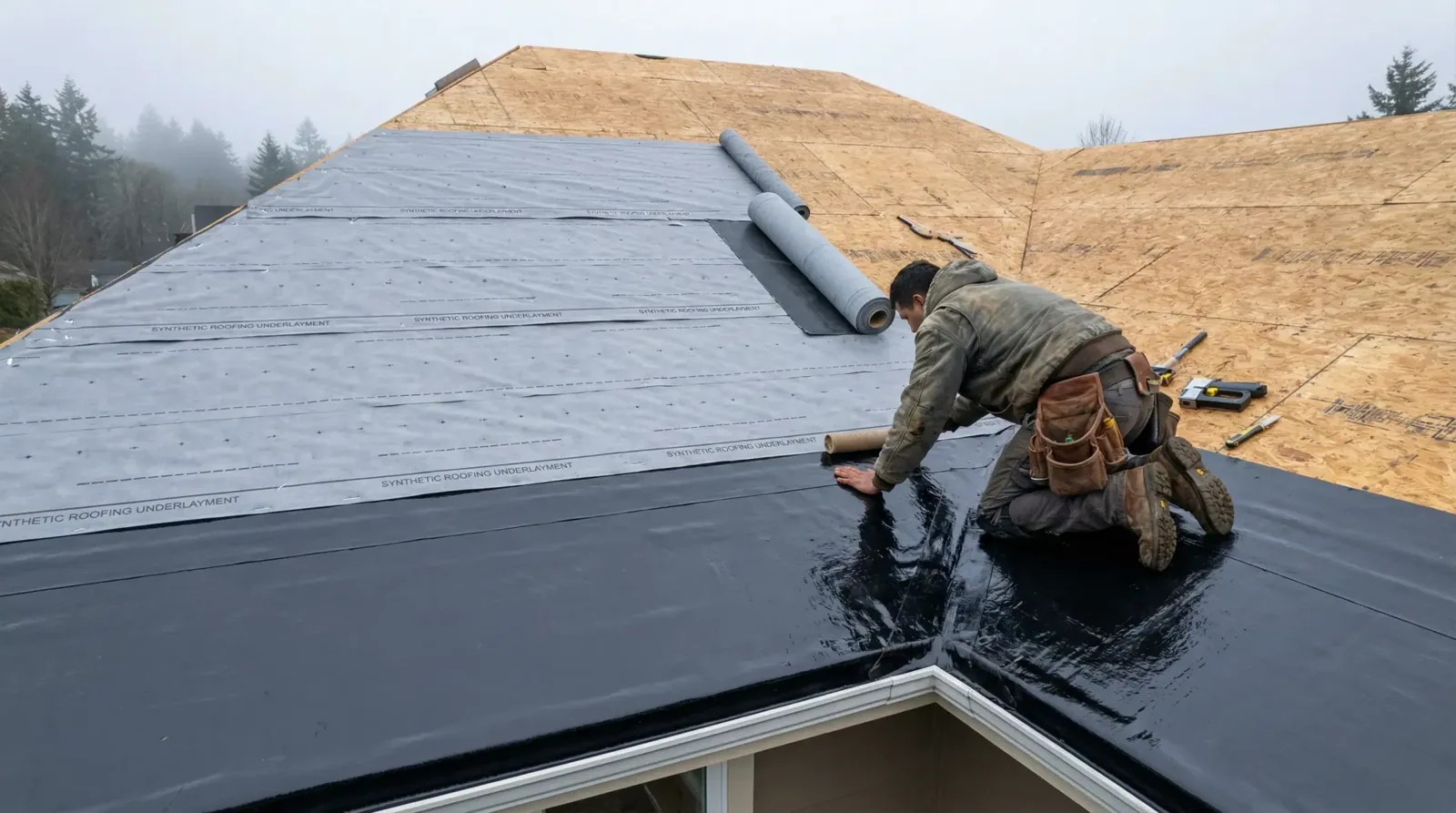
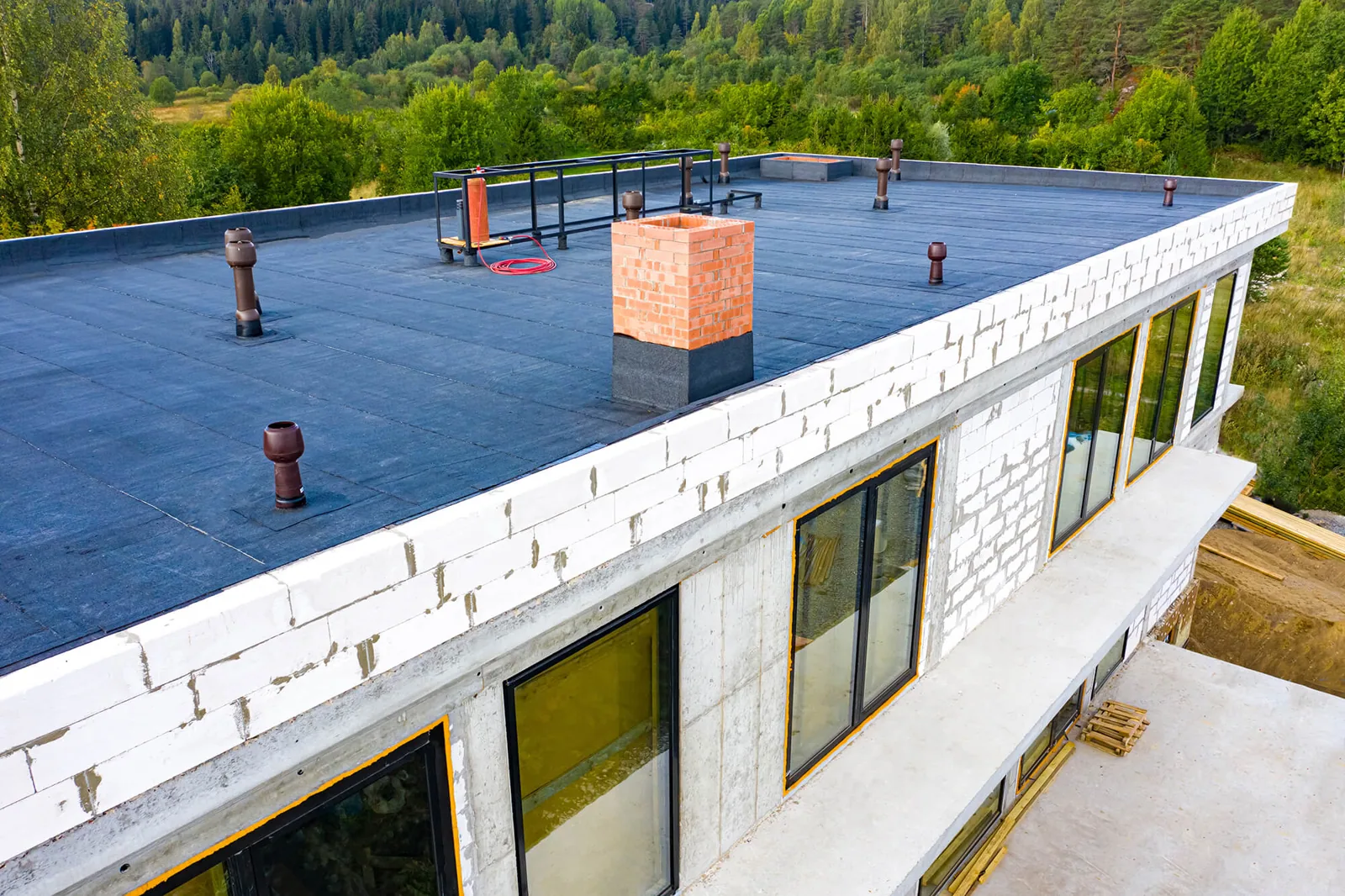
Weather damage shows first at edges, corners and drains. Wind damage lifts metal and membrane, hurricane damage pairs wind with heavy rain, and snow and ice damage loads decks and blocks drains. Each repair starts with safe access and a temporary dry-in, and the permanent work waits for a dry, warm window when the materials need one. The inspection looks at drains and edges first, since ice and wind both act there.
Ponding and Flashing Failures
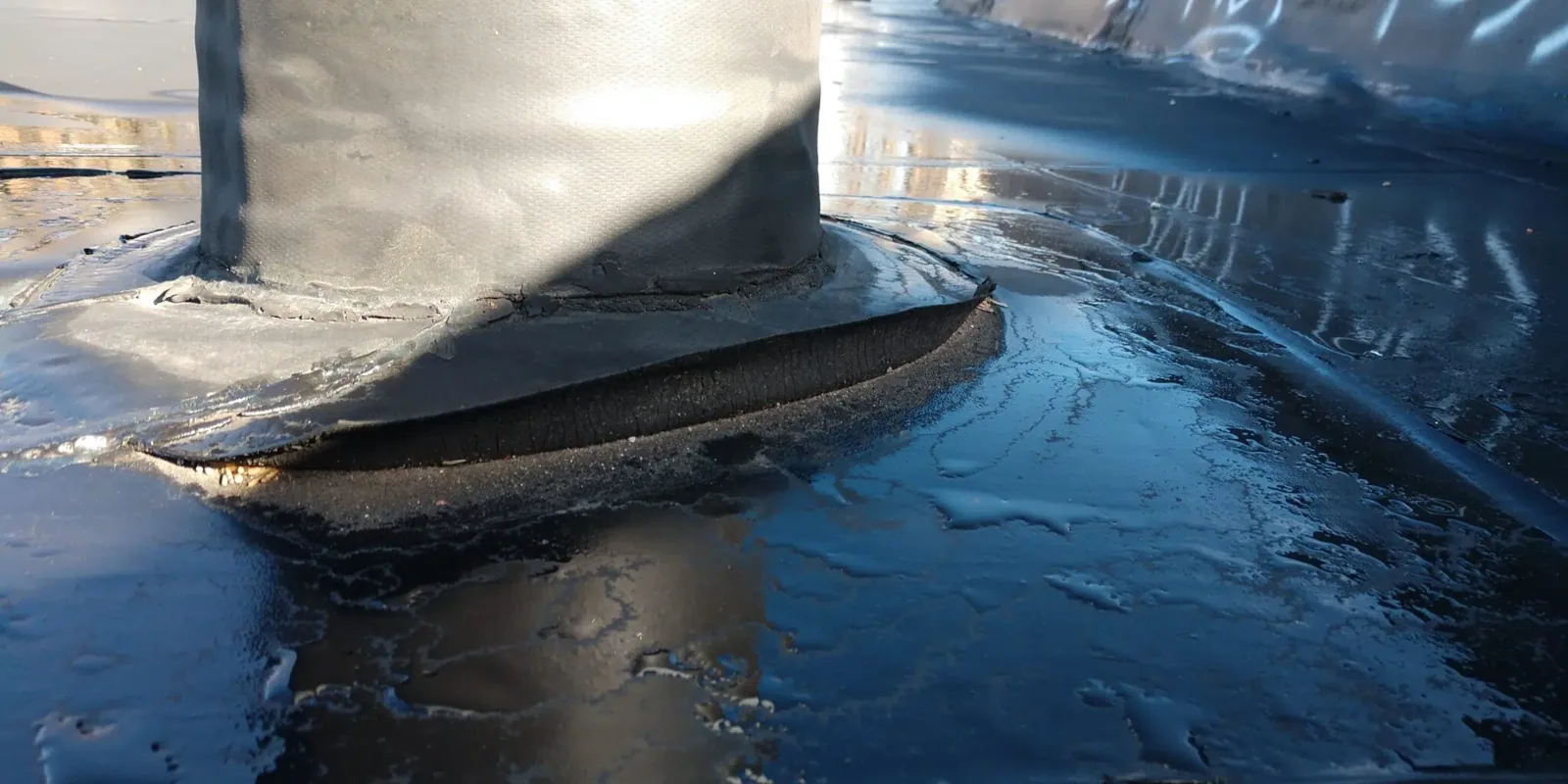
Ponding water shortens membrane life and adds load, so the drainage cause is corrected before the surface. A flashing failure at a wall, curb or pipe is where most commercial leaks begin, and the fix is a mechanical termination, not another bead of sealant. Ponding and flashing problems often travel together, because standing water finds the lowest detail and tests it every rain.
Seams, Punctures and Fire
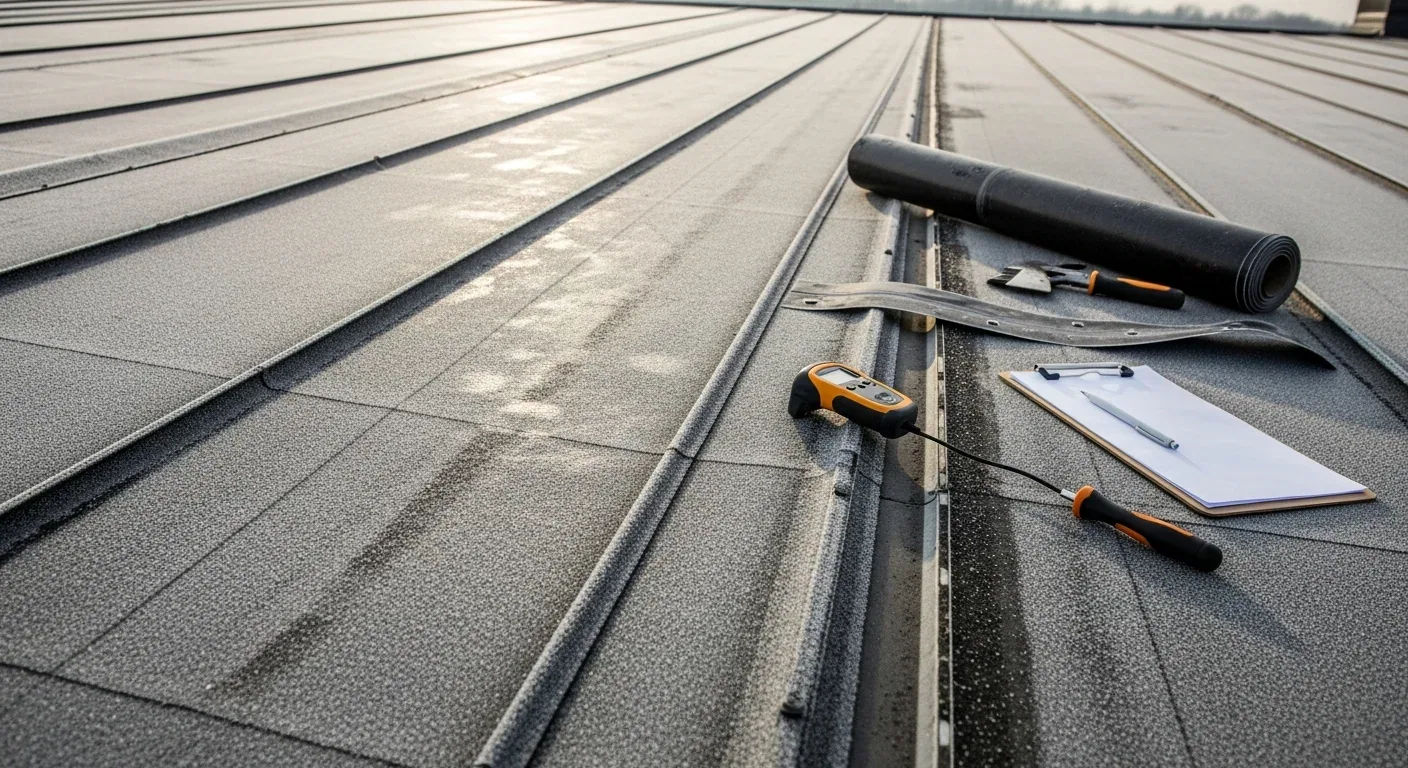
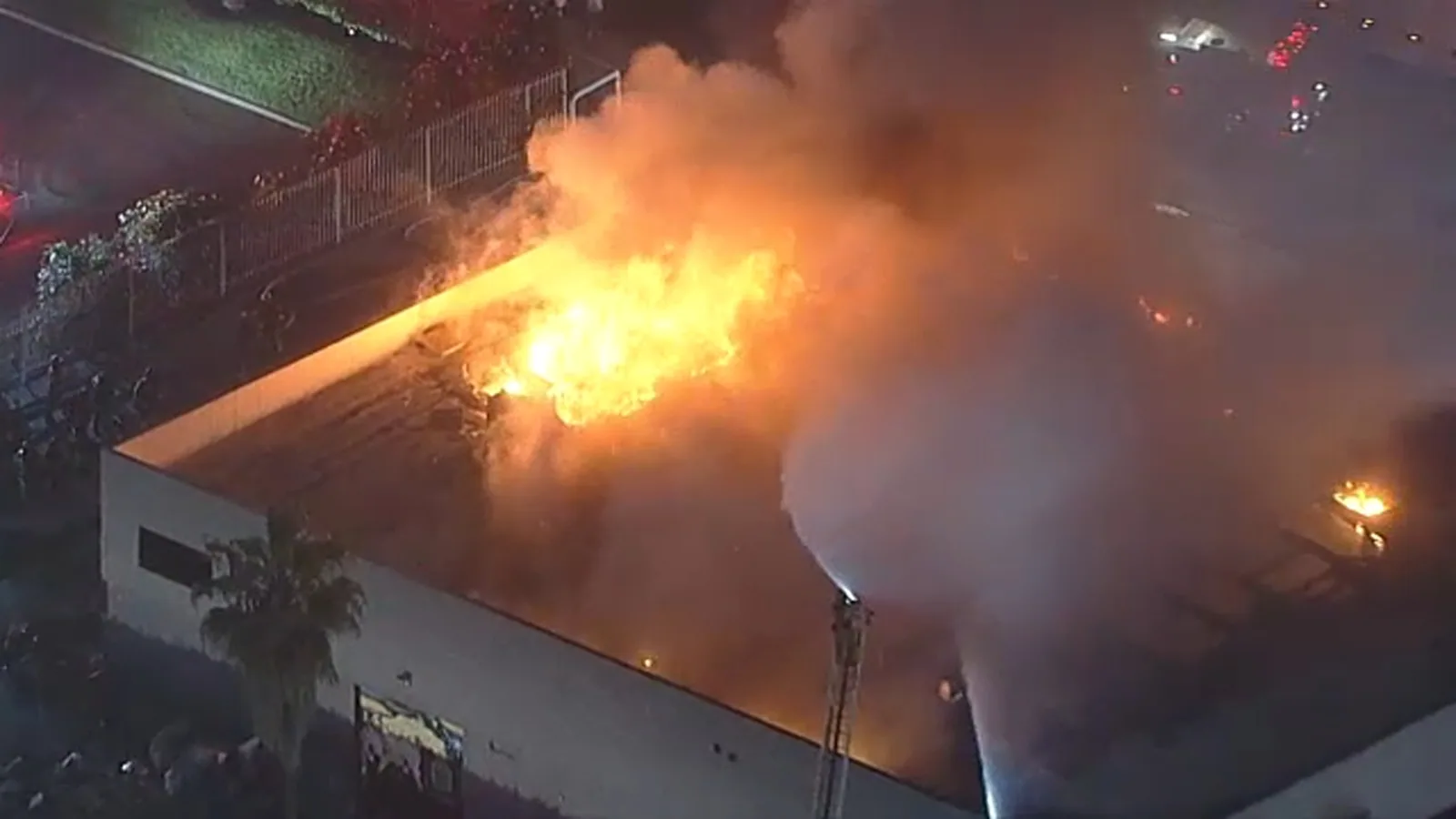
A seam failure is probed along its full length, since the visible gap is rarely the only weak spot. A membrane puncture is patched after the surrounding area is checked for wet insulation. Fire damage adds heat distortion and soot, and the scope tests insulation and deck before any membrane is replaced.
Repair Boundary and Cost Update
Every repair draws a boundary between the section being fixed and the section left alone. The boundary, set by moisture readings and visible damage, drives the price. The facility director receives it with photographs, a priced scope and the date of the next update. Approval can go in steps: stop the water first, repair the active damage next, and book the stressed-but-sound details for later.
Commercial Roofing Questions
How are storm damage and wear told apart?
By the marks. Fresh tears and displaced material read as recent, while rust, dried sealant and old patches read as wear. The report marks each location separately.
Which damage needs a response the same day?
Active leaks, open membrane and anything that exposes the interior. Other damage waits for the next inspection window with a temporary dry-in in place.
Does damage always mean replacement?
No. Moisture readings decide. A dry roof with local damage is repaired, while a roof with wide wet insulation moves toward recover or replacement.
What record comes with a repair?
Before and after photographs, a plan of repaired locations and a list of materials used, kept with the building's roof file.
Send the damage photos and the date it started
Tell the facility director's office where the damage is and when it was found. We will give the first response step, what the inspection will verify, and when the cost update will arrive.