Different owners ask different questions of the same roof. A property manager asks which tenants are under the leak. An investor asks what the roof does to the model. A school business office asks what can finish before the first bell. In Lowell, MA, education and health services lead the employment picture, with manufacturing, wholesale trade, transportation and government in the next tier, so those questions arrive from many directions. The answer on each roof is the same in form: a section-numbered record, a priced set of options and a date for the next update, written for the person who has to approve the spend.
Portfolio and Property Owners
Property management companies need a work order trail and a tenant-facing schedule. Investors and REITs need remaining-life numbers they can put in a model, and a clean survey before a purchase. Both get one report format across buildings, so a roof in one place can be compared with a roof in another, and a budget meeting can rank them without a second round of site visits.
Health, Education and Public Owners
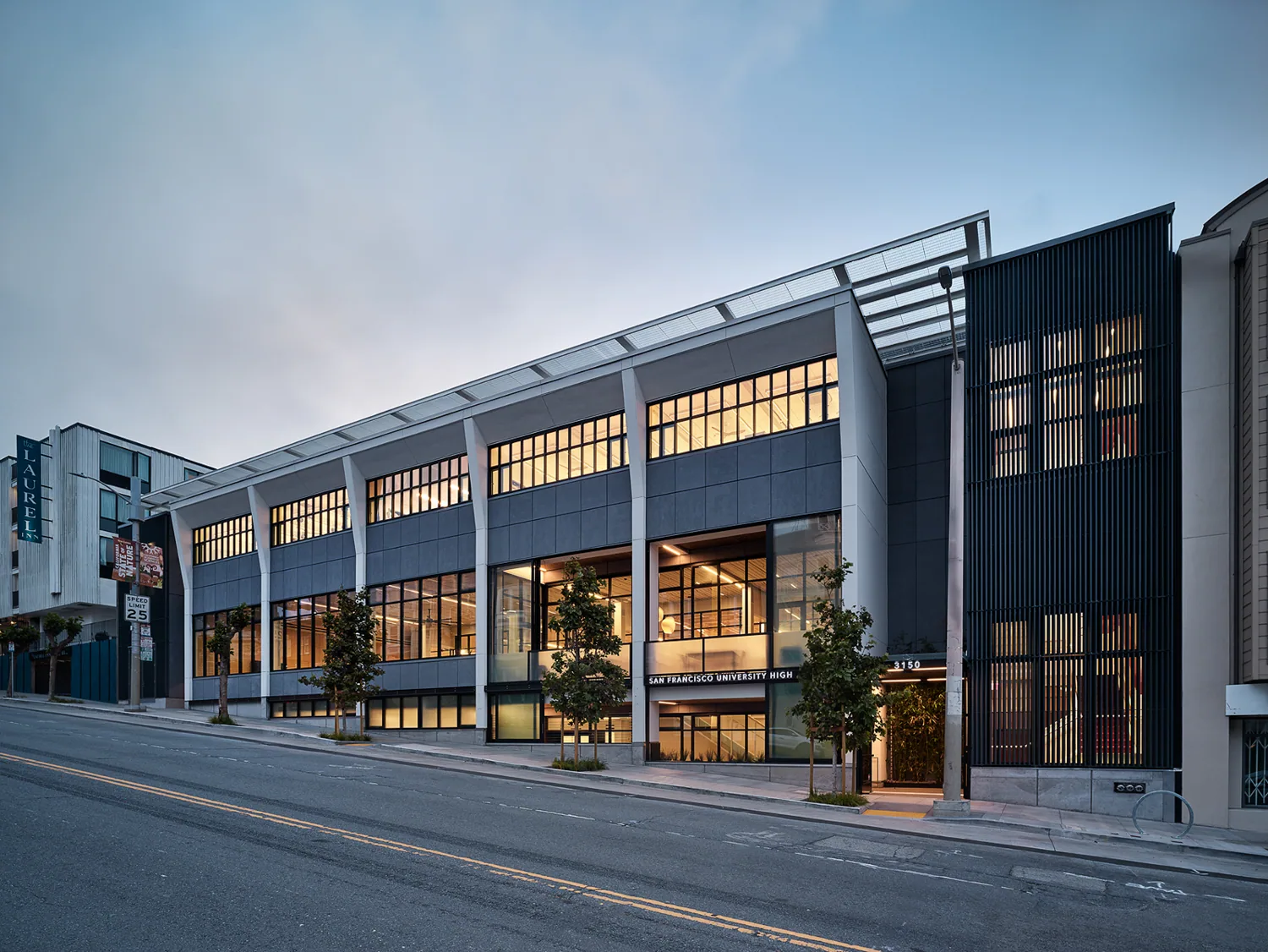
Healthcare systems plan around patient areas, school districts around the calendar, and public agencies around procurement and public access. Each has a funding cycle, so the scope separates urgent repairs from work that can wait for the next budget. Procurement paperwork, access badges and notice to occupants are listed as schedule items, because they can move a start date by more than weather does.
Operators in Industry, Logistics and Retail
Manufacturers and logistics operators run on production and dock schedules, where one wet floor can stop a line. Retail and restaurant chains and hospitality groups carry guests and customers under the roof, so a leak is a guest-facing problem the same day. The first response protects the dining room, sales floor or guest room before the permanent repair is scoped.
Contractors and Carriers
General contractors need a roofing scope that matches the drawings and the critical path, and insurance and restoration firms need dated records they can check line by line. Both get section-numbered photographs and a priced scope with clear boundaries.
Commercial Roofing Questions
Does the owner type change how the work is scheduled?
Yes. Funding cycles, approval chains and operating hours differ, so the schedule is built from the owner's constraints before the roof is touched.
Can one report serve several decision makers?
One report can carry the condition record, the options and the cost exposure. Each reader uses the part that answers their question.
What do multi-site owners receive?
A shared format, a ranking by cost of failure and a calendar of inspections. That lets the budget follow the roofs that matter most.
How are emergencies handled for owners who are off site?
The first call is answered at any hour. The first update names the access contact, the interior protection placed and the time of the next report, so the owner can act remotely.
Tell us who owns the roof and who decides
Send the facility director's office the owner type, the roof address and the approval chain. We will give the first step, what the inspection will verify, and when the cost update will arrive.