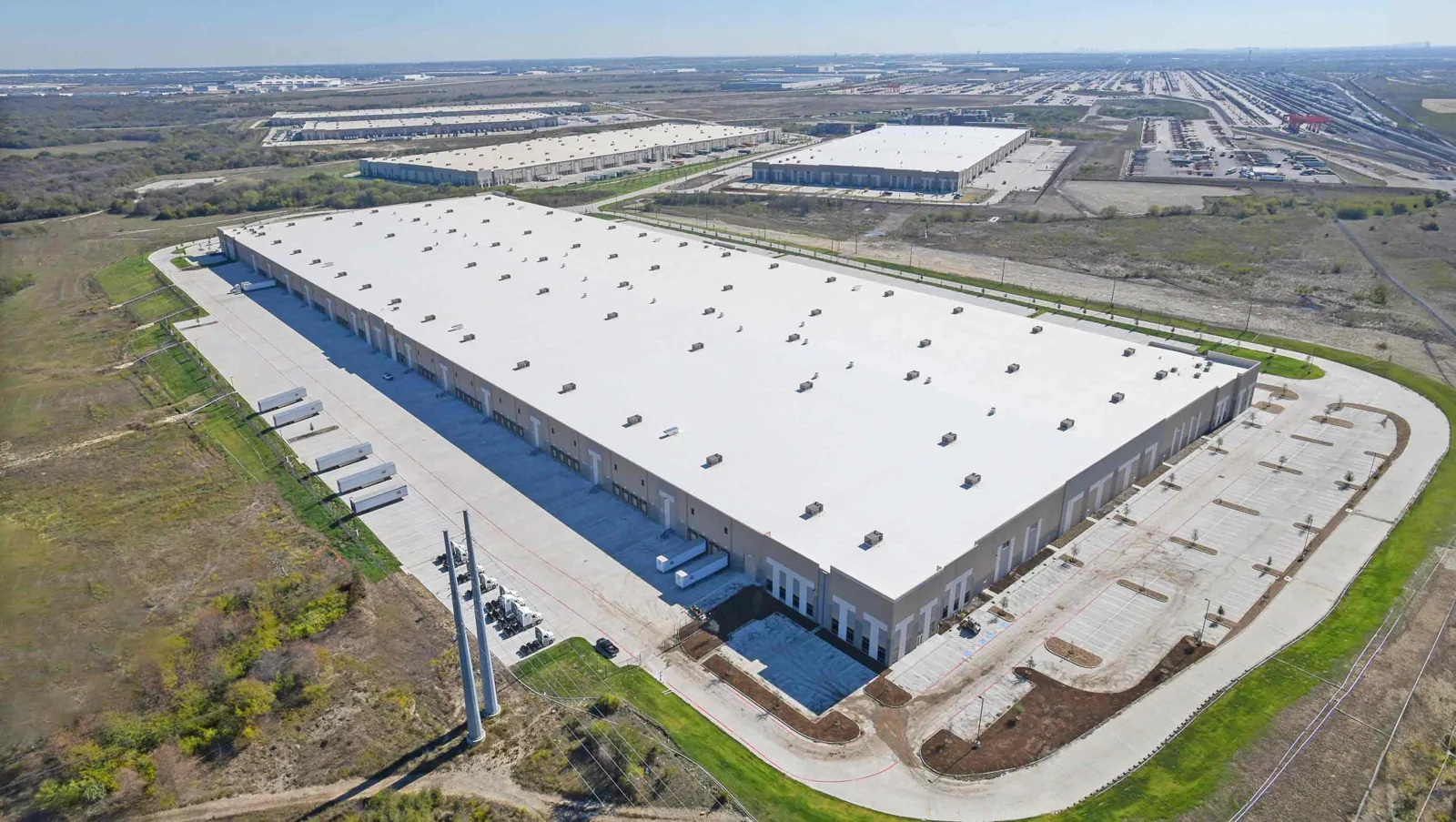
A cold-room temperature shift means protect the product and identify the roof condition that may be affecting the space. We start with the reported area, the interior protection needed and the time window available for safe access. A cold-storage roof has layers that must work together: membrane, insulation, air and vapor control, flashing and drainage. The inspection records which part is visible and which requires testing.
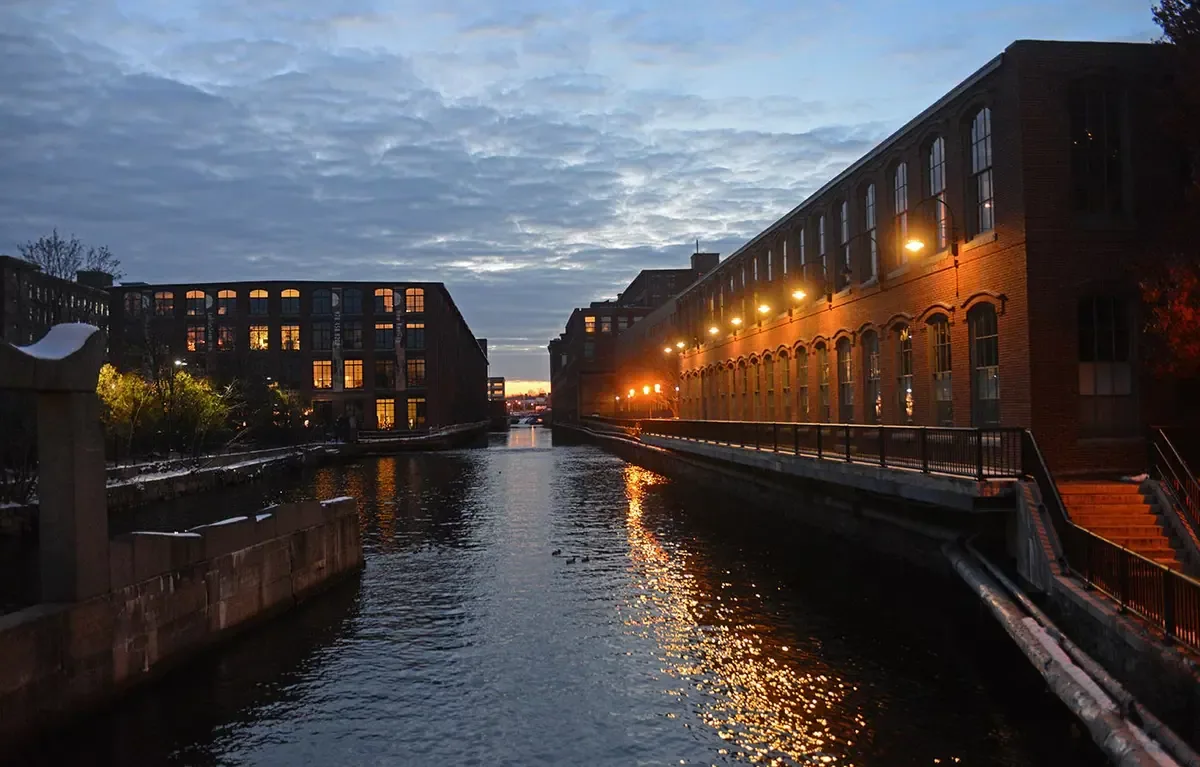
The Lowell station records 48.51 inches of precipitation in a normal year; its January daily mean is 24.9°F. Rain, freezing conditions and seasonal temperature differences make drainage and transitions worth checking. Those figures set the schedule for a careful inspection, and we base the repair boundary on the actual assembly and measured condition.
Temperature and moisture at the roof
A cold-storage building can have a large temperature difference between its interior and outdoor air. If air or vapor moves through a gap, condensation may form within an assembly; the visible ceiling mark may appear away from the opening. We check penetrations, perimeter transitions, vapor-control details and insulation continuity where accessible. A roof-side walk alone may not answer every interior moisture question.
We compare the reported area with the roof plan, equipment layout and any temperature or humidity observations the facility can share. If the condition suggests wet insulation, a moisture survey or core sample can help locate the boundary before material is removed. The insulation and cover-board scope identifies what can remain and what needs replacement. We keep roof findings separate from refrigeration-system diagnosis. If the roof assembly needs an opening, we schedule the test with the facility's temperature-control contact, protect exposed product and close the opening the same shift when conditions permit. The report records the test location and result so a later insulation repair returns to the same boundary.
Inspection with operations in view
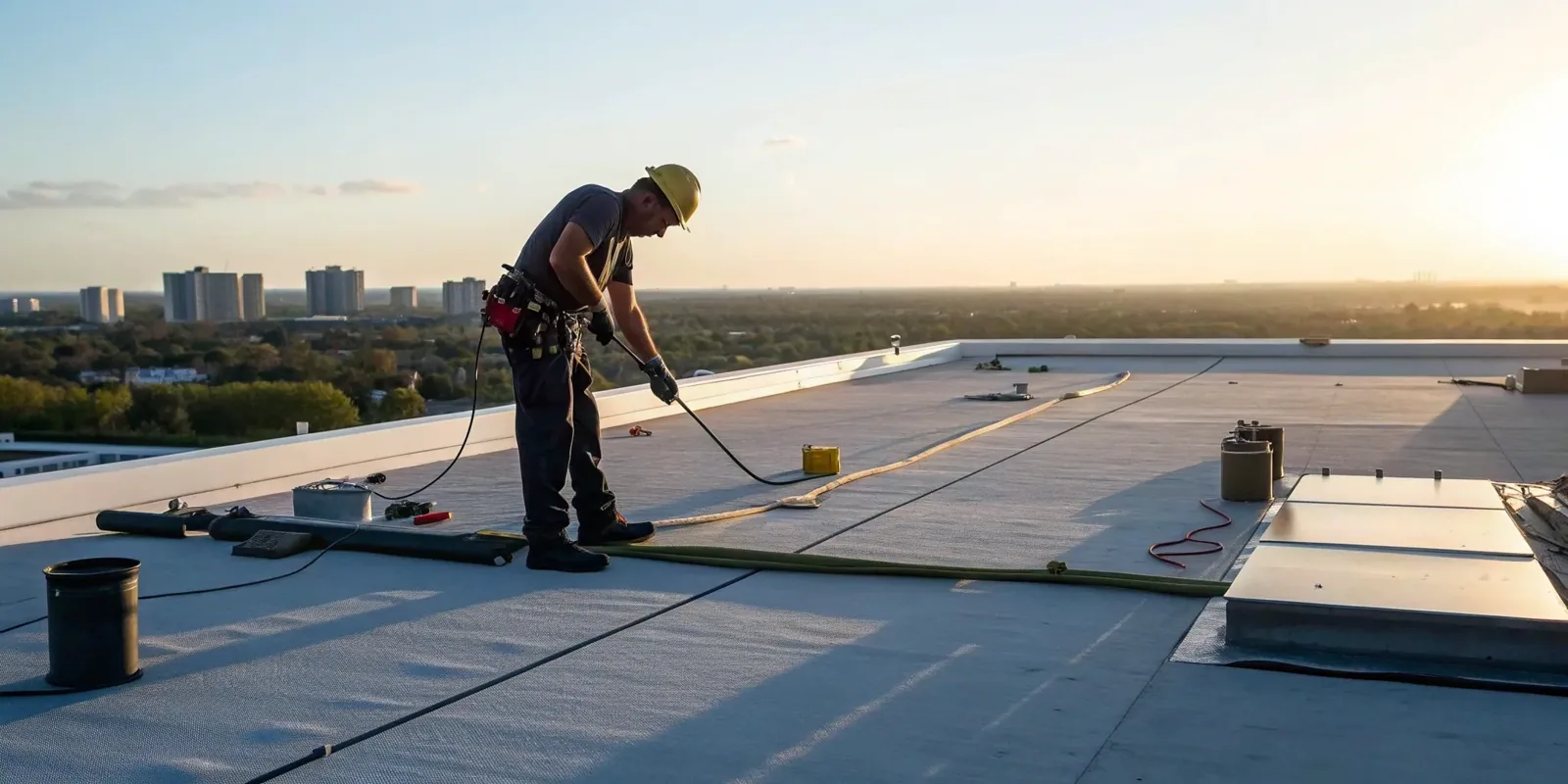
Safe access comes first. We confirm roof hatch or lift access, required escorts, permitted work hours and the product zones beneath the inspection area. The walk checks seams, drains, scuppers, equipment curbs, edge metal and flashing at wall transitions. Each observation receives a roof-section location and photograph. If a test opening is needed, we identify its size, protection plan and restoration method before proceeding.
For an active leak, the first response protects product and electrical equipment with the facility contact. A temporary dry-in is a separate step from permanent repair. We note the materials used, the area left protected and the return window for a permanent seam, curb or insulation correction. Each temporary repair is identified on the roof plan and shared with the person who maintains the cold-room log. A commercial inspection can also establish a baseline when there is no active leak but the assembly has reached a planned review date.
Repair choices by assembly condition
A localized flashing or membrane failure may allow a repair if nearby insulation is dry and the surface is sound. Wet or compressed insulation can reduce thermal performance and may require removal to a defined edge. If moisture is widespread, repeated repairs have failed or the membrane has reached broad deterioration, the comparison shifts to replacement. We explain what evidence supports each option and what additional test could change it.
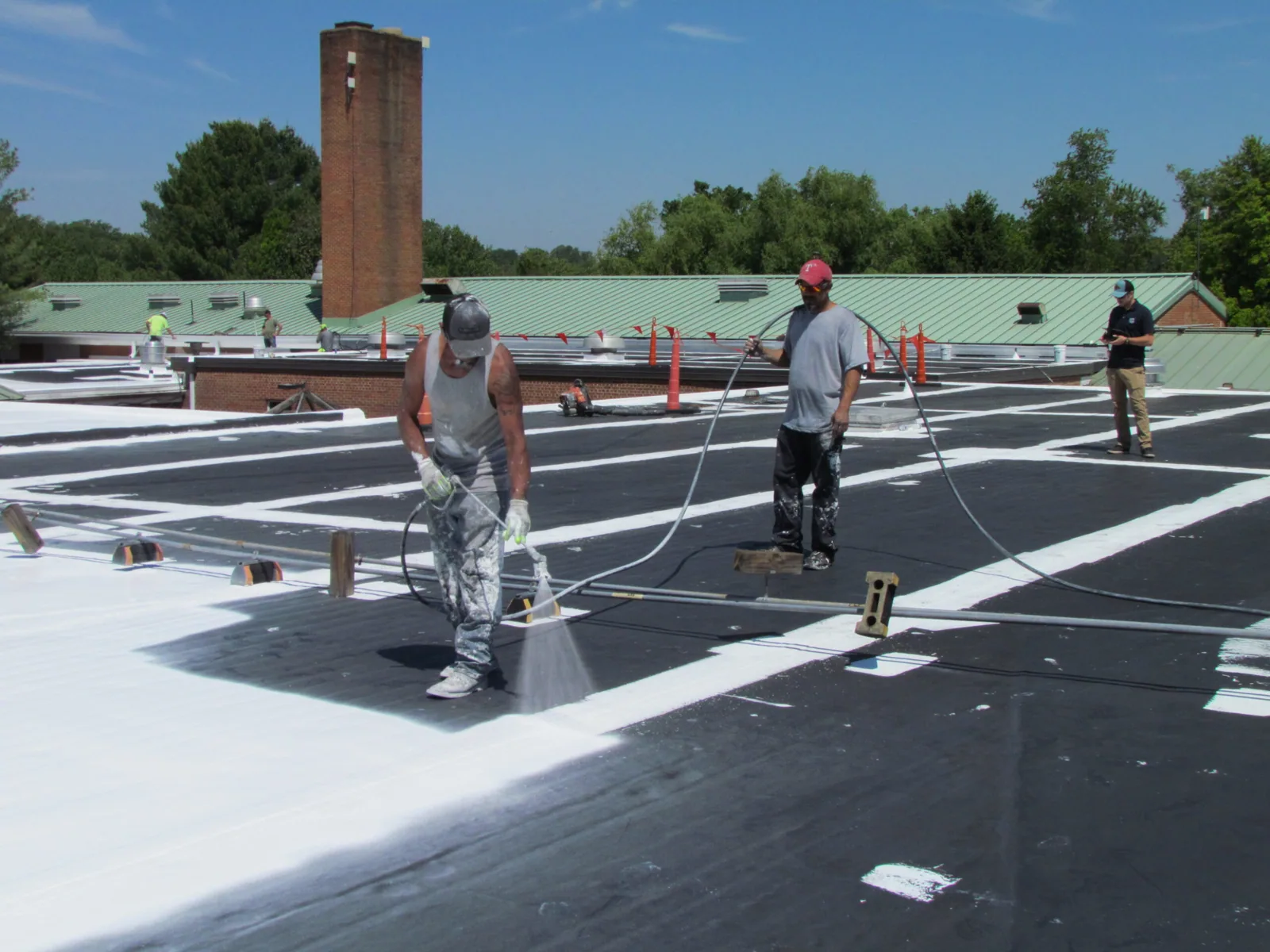
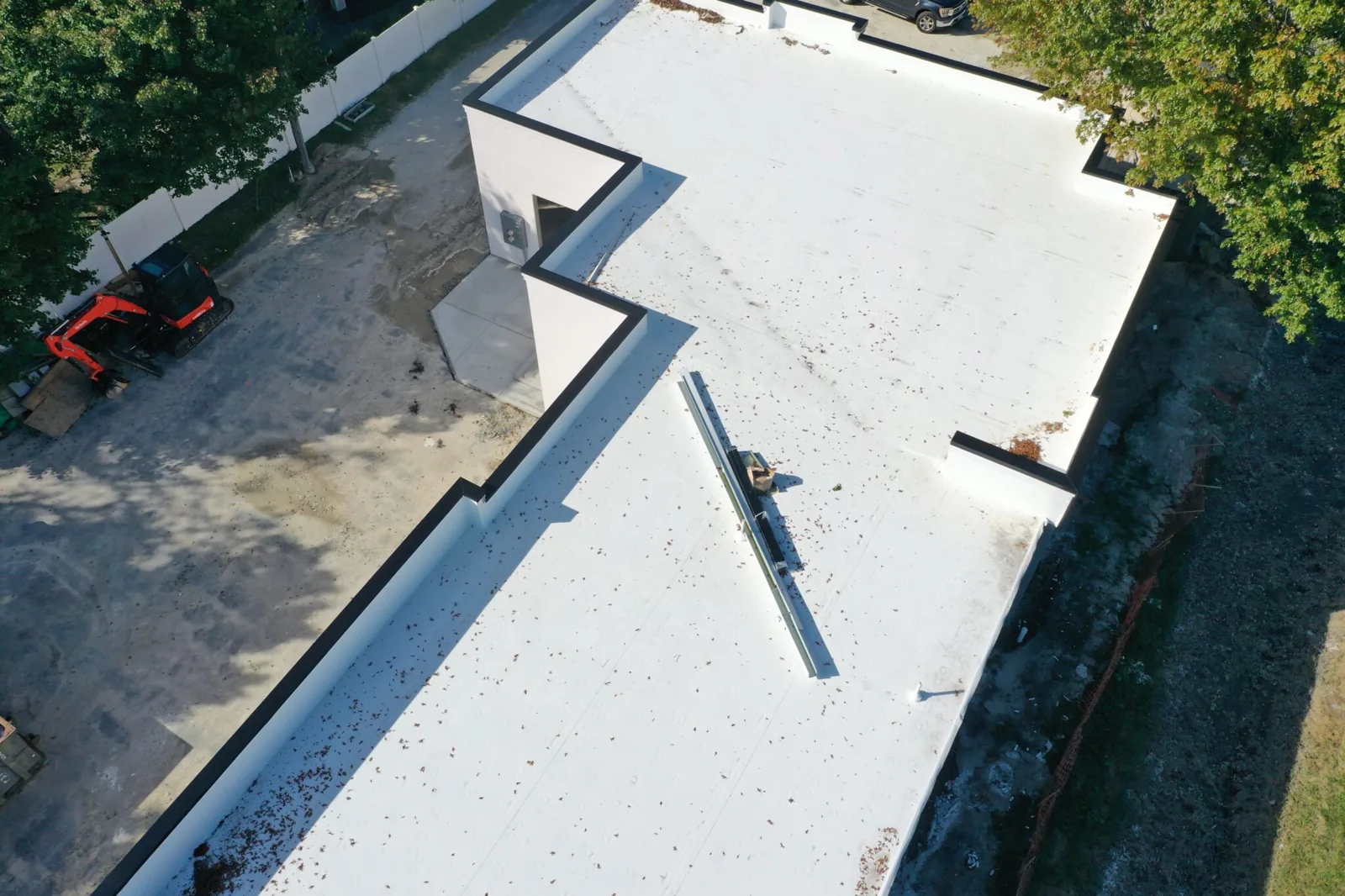
Material selection follows the existing assembly, substrate, temperature exposure and project requirements. A TPO system is one option where the design and conditions fit; no single membrane is right for every facility. We check that seams and flashing details can be completed with the specified method. If the existing roof includes several layers, a warehouse roof review or distribution facility scope may share inspection methods, but the cold-storage temperature and vapor conditions stay central to the decision.
Lowell winter and industrial context
Lowell's hazard planning names nor'easters, snowstorms and ice storms among the city's natural hazards. The city's materials also put the winter of 1995 at 126.5 inches of snowfall. The snowfall record makes safe access and drainage checks worth scheduling before winter weather narrows the work window. We inspect drains, overflows and any repair that should be completed before conditions restrict roof access.
Ayer's City is a 108-acre Tanner Street area, mainly heavy-industry zoning, with commercial and residential uses at the margins. That industrial area makes truck circulation and lift placement part of the site plan. The route is marked before equipment arrives. Billerica's commercial listings also span storefront and industrial property, a different local setting where roof access follows each building's daily operation. For a cold-storage site in Lowell, a local roof visit starts with the facility contact, active condition and access limits. The same inspection record can list roof sections, test points and the date for follow-up. If water flow is restricted, we mark each drain and overflow checked, list any blocked path and identify whether a second visit is needed after ice or debris clears. That record gives the next shift a specific inspection point instead of a broad roof warning.
Work windows and cost decisions
Cost is affected by access, test openings, insulation removal, vapor-control repair, membrane material, refrigeration-related protection requested by the facility and the number of work phases. We list those items separately. Where a test could reduce unnecessary removal or reveal a wider boundary, we show its cost and purpose before proceeding. The facility director can then weigh the added information against the return window. We also identify who will review the test result and who can release the area for work, so a temperature-control decision is not left between separate crews.
Cold or wet weather can delay some adhesives and membrane work. If conditions do not support a permanent repair, we price a temporary dry-in and set a return window for the lasting work. A replacement plan should identify shutdown needs, material handling and each inspection hold. A drainage repair may be scheduled separately when water flow is the immediate issue. The final condition report records photographs, repair limits, open items and recommended timing. The closeout record names who confirmed each protected zone and who released it for work.
Commercial Roofing Questions
Can a roof leak affect a cold room even when the ceiling is dry?
It can. Moisture may remain within insulation or at an assembly transition before reaching the interior finish. We compare roof-side findings with the reported temperature change and use testing where the result could alter the repair boundary.
Do you inspect refrigeration equipment during roofing work?
We inspect the roof membrane, flashing and supports around rooftop equipment. Refrigeration diagnosis remains with the facility's service provider. Before work, we coordinate equipment protection, clearances and any access restrictions with the authorized site contact.
When should insulation be removed?
Removal is scoped when testing or an opening shows wet, compressed or otherwise unsuitable material. We mark the affected area and explain how the boundary is set. Dry, serviceable insulation can remain when the assembly and project requirements allow it.
Can roof repairs be scheduled without interrupting stored product?
The work plan identifies product zones, interior protection, access routes and any task that may affect operations. A temporary dry-in can reduce immediate exposure while a permanent repair is scheduled for a safer window. We confirm each phase with the facility contact.
What affects the timeline for a cold-storage roof replacement?
Roof area, existing layers, test results, weather, material delivery and approved work windows all affect timing. We list the sequence by roof section and include inspection holds before work continues. Any open condition has a return date and named responsibility.