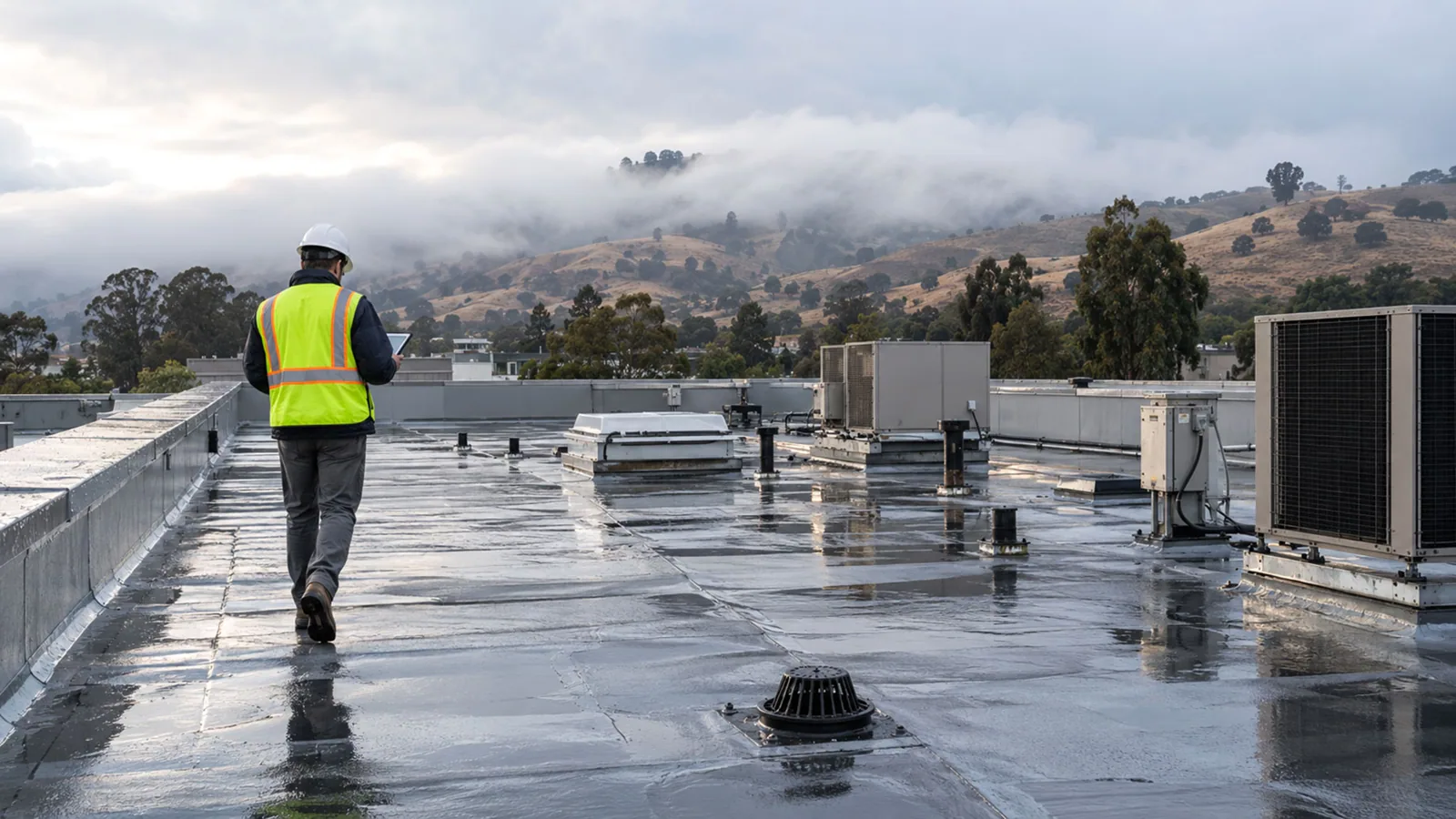
Drainage first: acrylic roof coating is a water-based, reflective film that works best on a roof that sheds water within a day. For a facility director in Lowell, MA, that makes the drainage walk the first step in any acrylic proposal, ahead of color, brand or price. Acrylic is economical, bright and easy to recoat, and it is the usual choice for sloped or well-drained roofs where the existing membrane is sound and dry. It is a poor choice over standing water.
We inspect, test for moisture and measure ponding. Then the scope decision spells out whether acrylic fits, what preparation it needs and what the cost and cure window look like.
Water-Based, Elastomeric, Reflective
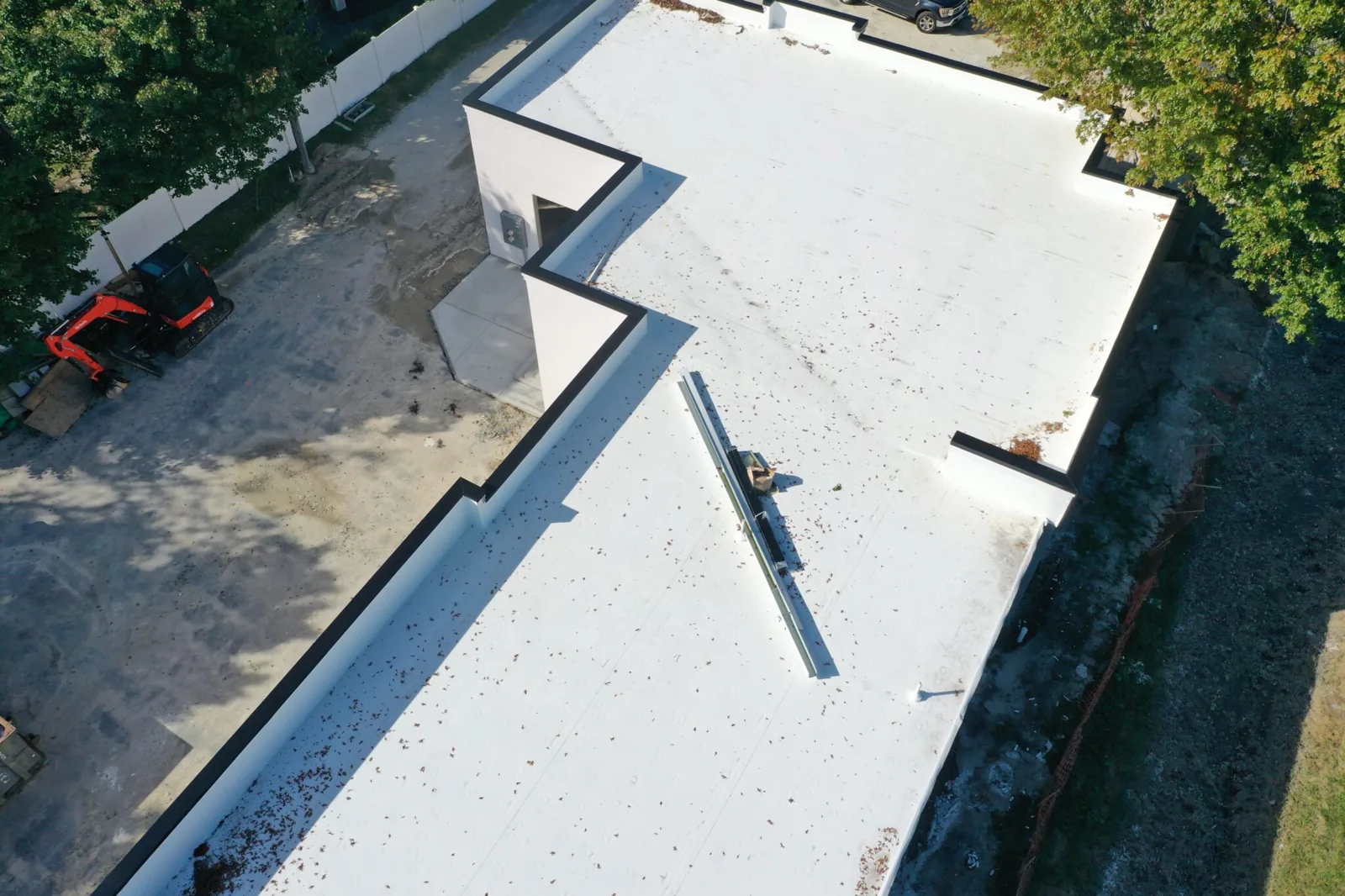
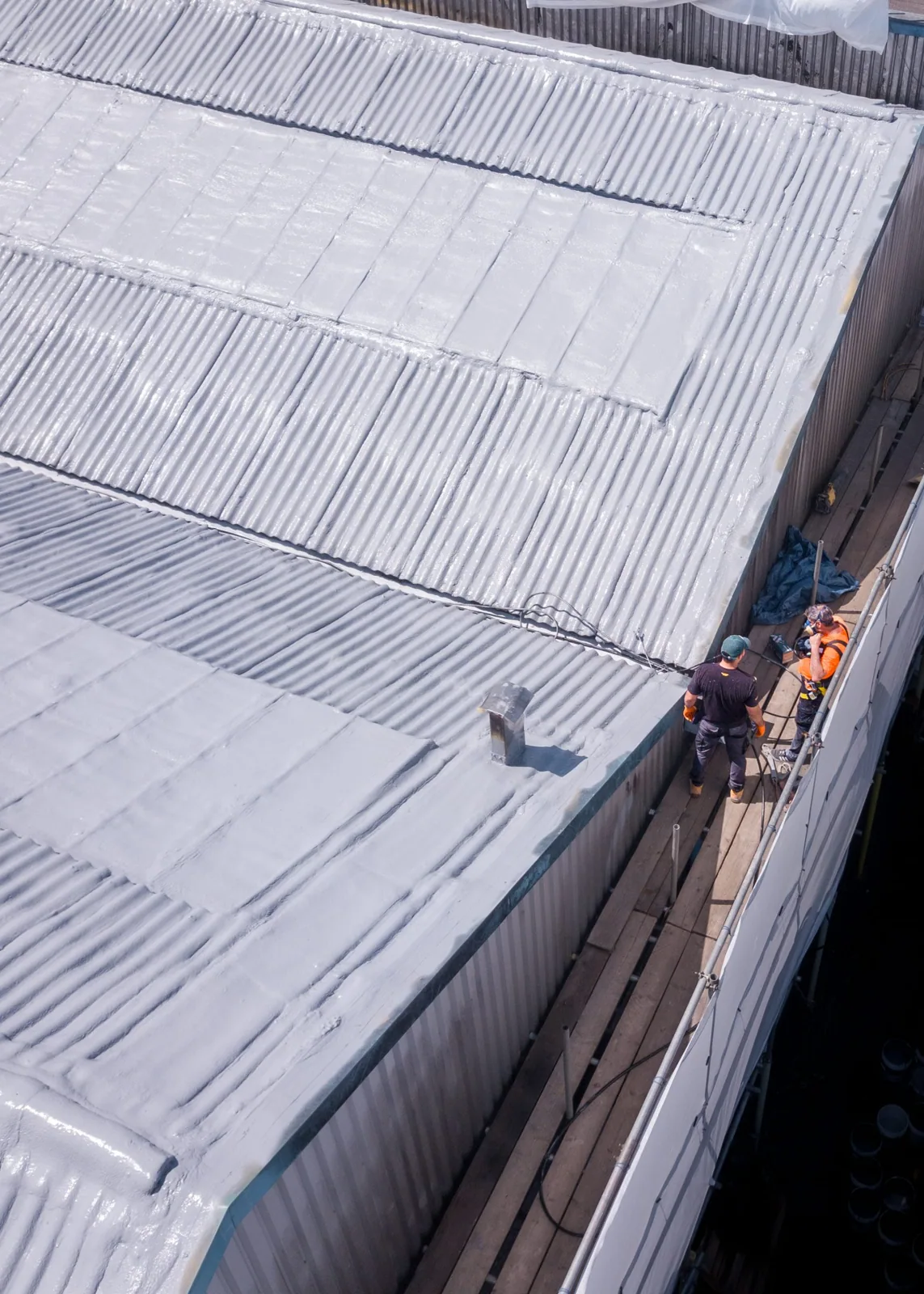
Acrylic coatings are applied as a liquid, in one or more coats, to a specified wet and dry thickness. They cure as the water evaporates, leaving a flexible, reflective film. The film resists ultraviolet light, reflects most sunlight and can be tinted, though white and light colors are standard on commercial roofs. Because the carrier is water, odors are low and cleanup is simple, and the product suits occupied buildings.
It stretches enough to bridge hairline cracks and cover seams, and it bonds well to many existing surfaces after cleaning and priming. It does not substitute for a membrane. Its job is to protect and extend the one beneath it, which is why that membrane's condition decides the outcome.
The cost per square foot is lower than most replacement options, and the work is quick. That is the attraction, and it is also the trap: a quick, inexpensive coating over a roof that needed repair first costs more in the end. The inspection exists to prevent that, and the scope says which repairs are required before coating and which are optional.
The Ponding Limit
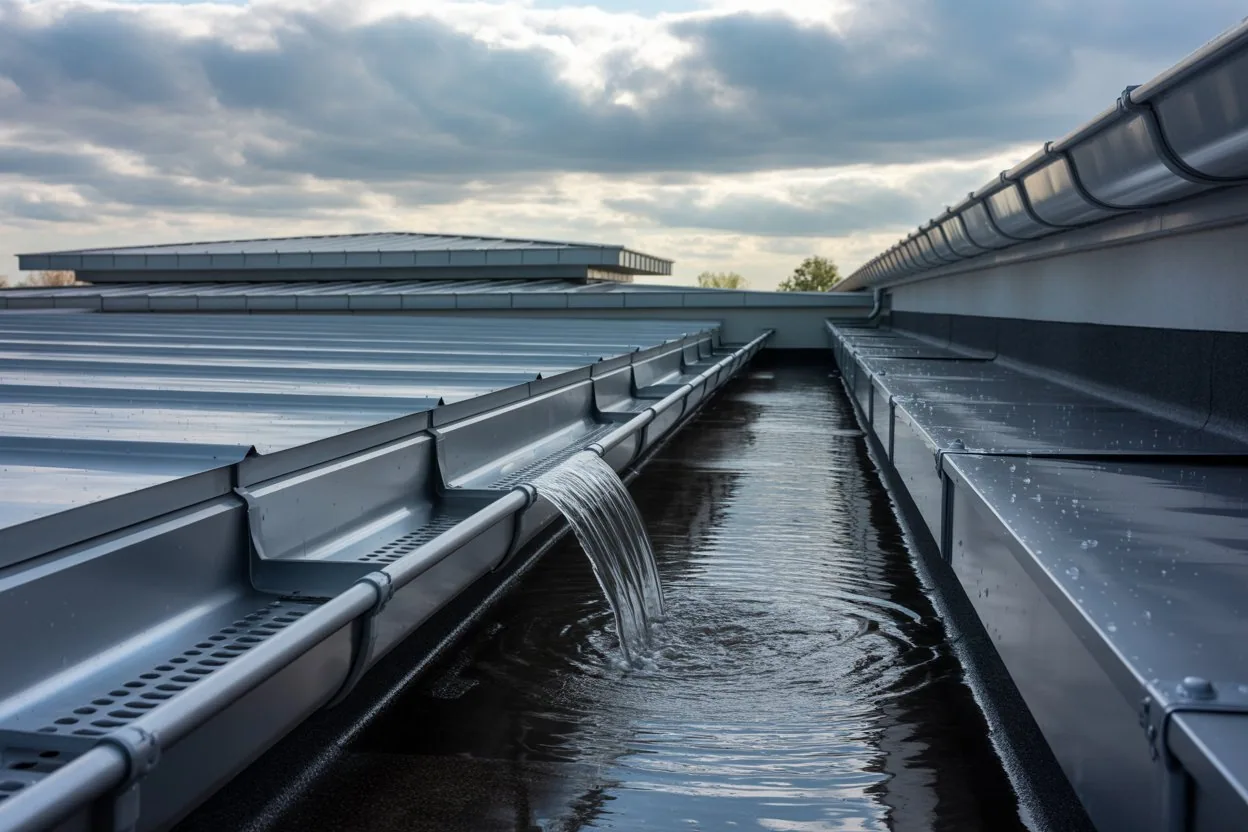
Water that stands on acrylic for days softens it, a process called reemulsification, and the coating can lose adhesion, blister or wash away. That is the ponding limit. Roofs with low spots that hold water need drainage correction first, or a different coating such as silicone, which tolerates standing water.
NOAA's 1991-2020 normals for the Lowell station show 48.51 inches of precipitation per year, spread across every month. We measure ponding after a rain or melt, record the depth and duration, and show it on the roof plan. Where the depth is small and short-lived, acrylic can work with added thickness in the affected area. Even then, we mark the area and check it after each wet spell, since a pond that lasts three days in April may last a week in a wetter spring. Where it is not, the scope fixes drainage with drain or scupper work before any coating.
Cure Window and Lowell Temperatures
Acrylic cures by drying, so it needs a dry day, a dry night and surface temperatures above the product's minimum. The Lowell station normals put the January daily mean at 24.9 degrees Fahrenheit and the July mean at 72.8, and a cool, damp fall day can fall short of what the product needs. A coat applied too late in the day, in rising humidity or with rain forecast, can wash off or fail to cure.
Freezing before cure is the risk. A coat that freezes while wet can crack and lose adhesion. For that reason acrylic work belongs in the warm months, with the end-of-day rule that every coated section must have time to dry before night. The schedule shows weather holds and the date of the next update. Lowell's pattern is steady, with precipitation in every month and hurricanes and nor'easters named among the hazards in the city's mitigation materials, so every coating day is checked against a forecast with a margin. If rain arrives early, the crew protects the coated area with tarps and stops, and the section is re-inspected the next day.
Preparation, Primer and Adhesion
Preparation means a washed roof, loose debris gone, repaired seams and flashing, patched blisters and treated rust. Primers are matched to the substrate: metal, single-ply, modified bitumen and built-up each have different needs. A small test area confirms adhesion before the whole roof is coated. Cross-hatch cuts and a pull test show how well the coating bonded, and the result is photographed and logged.
Details deserve special care. Corners, drain bowls, curbs and pipe bases get extra coating thickness and fabric, because they move the most and fail first. Metal edge flashing is cleaned and primed before the field is coated, and loose or rusted edge pieces are replaced. At walls and parapets, the coating runs up the flashing to a defined termination, and the top edge is sealed with a compatible sealant.
Reinforcing fabric goes into the base coat at seams, flashings and penetrations, then a full topcoat covers the roof to the specified thickness. We take wet-film readings during application and dry-film readings after cure, and they go into the record by roof section. A coating that is too thin does not last, and one that is too thick can crack.
Moisture Under the Coating
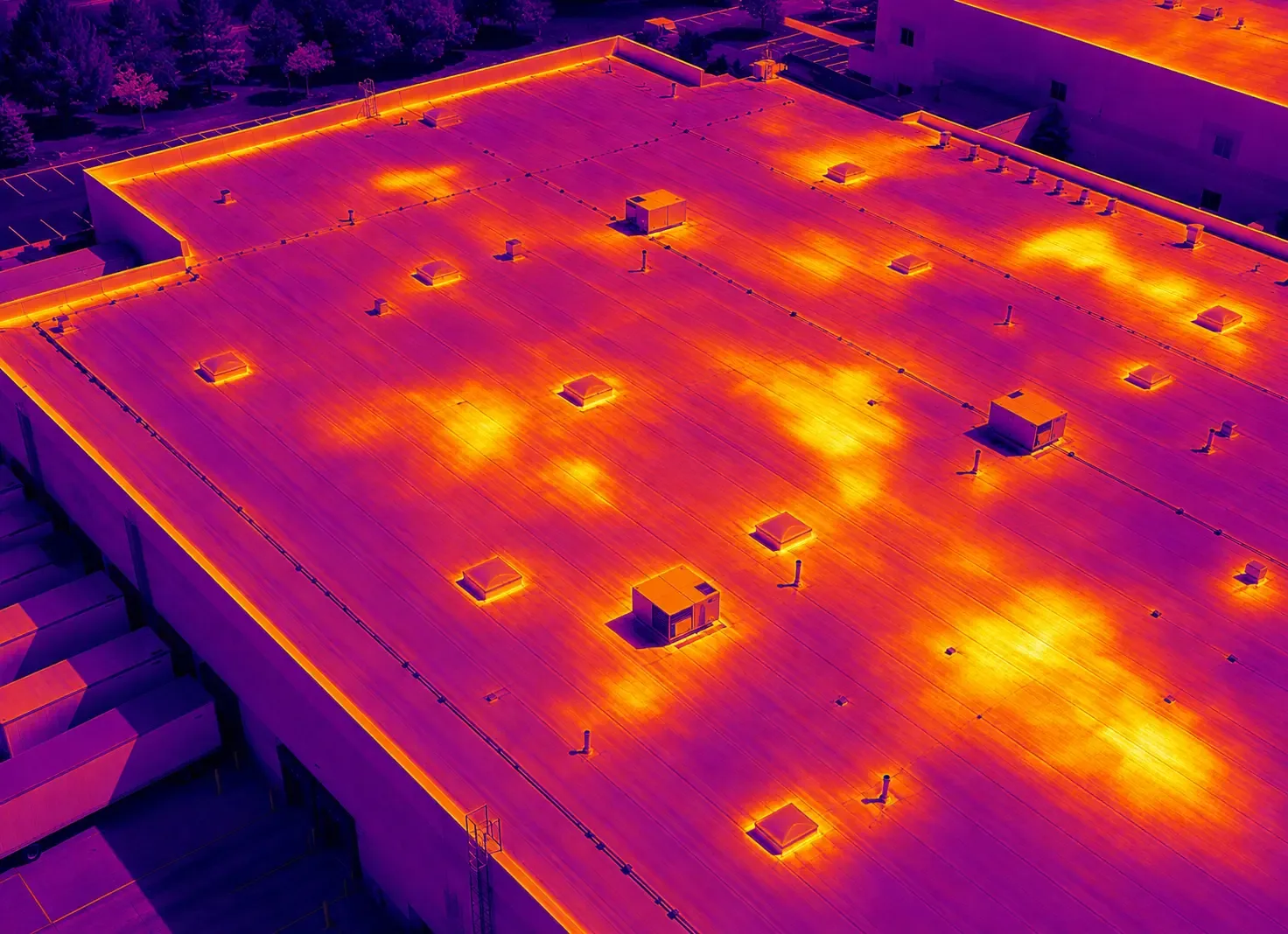
Acrylic films let some vapor through, but they do not rescue a roof with wet insulation. An infrared moisture survey and core cuts come first, and wet insulation is removed and replaced. A coating over wet insulation leads to blisters and delamination, and the roof stays damp.
After coating, the roof is rechecked after the first heavy rain and after the first thaw. Blisters, pinholes and edge lifting are repaired promptly, and the dates are recorded. A coating that blisters usually points to moisture or trapped air below, and the blister location goes on the moisture map so the cause can be found. Edge lifting often follows from dirt or oil on the substrate at the time of application, and the repair removes the lifted area back to sound coating before re-coating.
Recoat Planning and Life Expectancy
Acrylic coatings thin as they weather, and recoats keep the system protective. Because a new coat bonds well to a clean old one, acrylic is easy to maintain: wash, repair, recoat. The thickness readings tell us when. A preventive maintenance visit includes the cleaning and the check, and the recoat date sits in the closeout file.
Where replacement is a large expense, a coating postpones it, and the record shows for how long. Compared with TPO or other membranes, acrylic adds no insulation and no new waterproofing layer, only protection for what is there.
Where Acrylic Fits Around Lowell
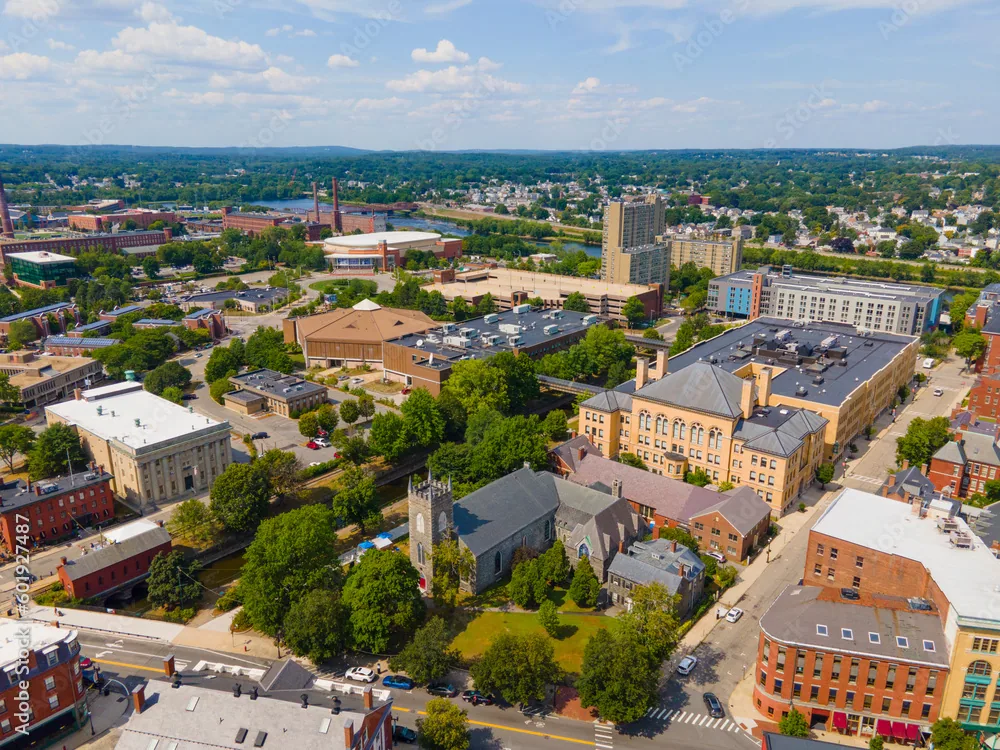
Acrylic suits sound, well-drained roofs wherever they are found: in the Ayer's City Industrial Park area, in towns like Chelmsford and Tewksbury, and in the mixed-use Hamilton Canal District, which the city plans around the link between downtown and the commuter-rail station. Exterior changes in the Downtown Lowell Historic District go through Historic Board review. An acrylic job in Lowell starts with the inspection.
Commercial Roofing Questions
Why does ponding ruin an acrylic coating?
Standing water softens the film and weakens adhesion. Drainage is fixed first, or silicone is used.
Can acrylic go over metal?
Yes, after cleaning, rust treatment, fastener repair and the right primer.
What temperature is needed?
The product maker sets a minimum for surface and air temperature, and a dry period for cure. We schedule around it.
How often is a recoat needed?
Thickness readings from inspections guide the timing. Washing and repair come first.
Does acrylic add insulation?
No. It protects and reflects. Insulation comes from the roof assembly beneath it.