A distribution bay with a wet floor stops work, and the cost of that stop is larger than the repair. In Ayer, MA the first action after a roof report is to protect the floor and the stock, learn which doors stay in use and find the roof access that does not cross a loading lane. The inspection follows once water is contained.
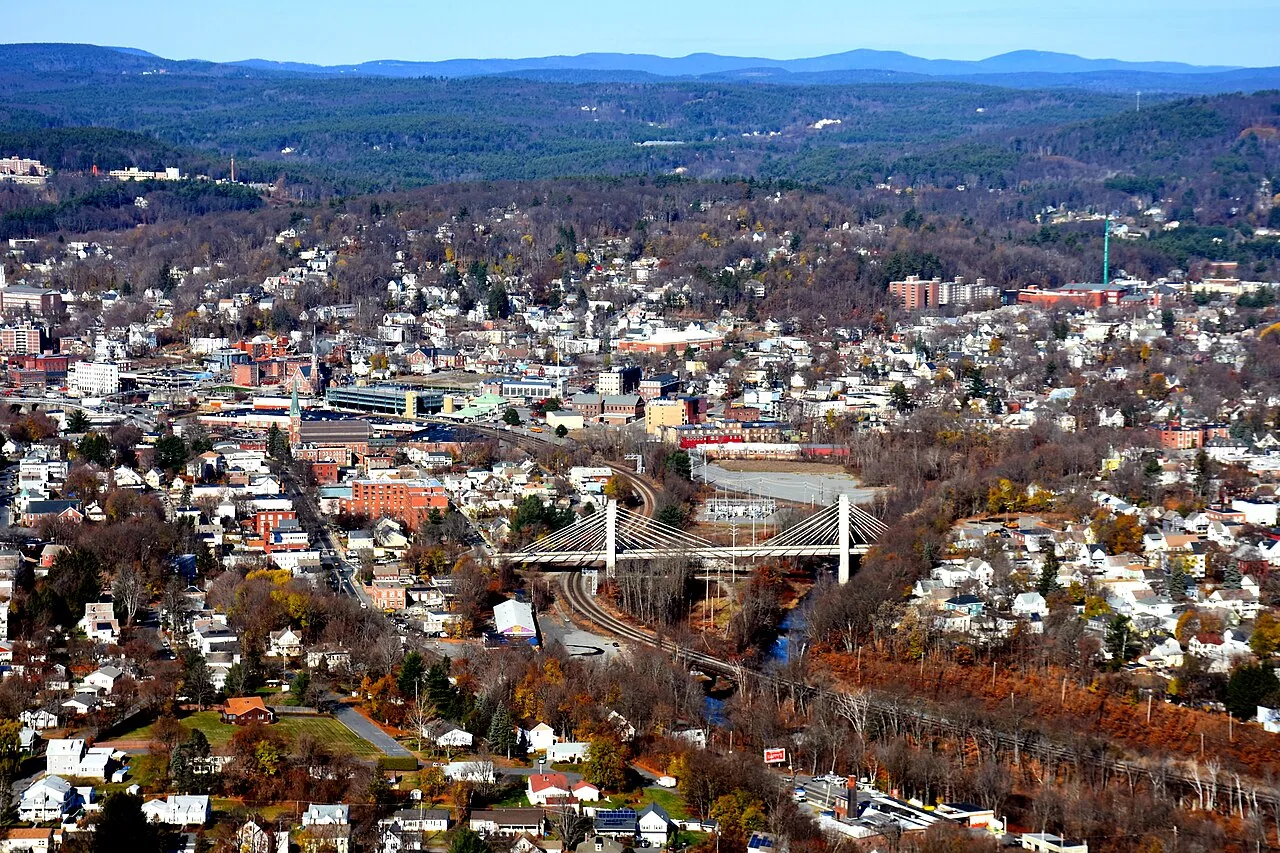
The town sits where Routes 2, 2A and I-495 meet, with commuter rail running daily between Fitchburg and Boston. The town describes itself as a major freight-rail hub with more than 350 local businesses, and its economic-development materials name a walkable downtown and a light-industrial district among its commercial assets. Those are two roof settings, and we plan for each one.
Light-Industrial Roofs
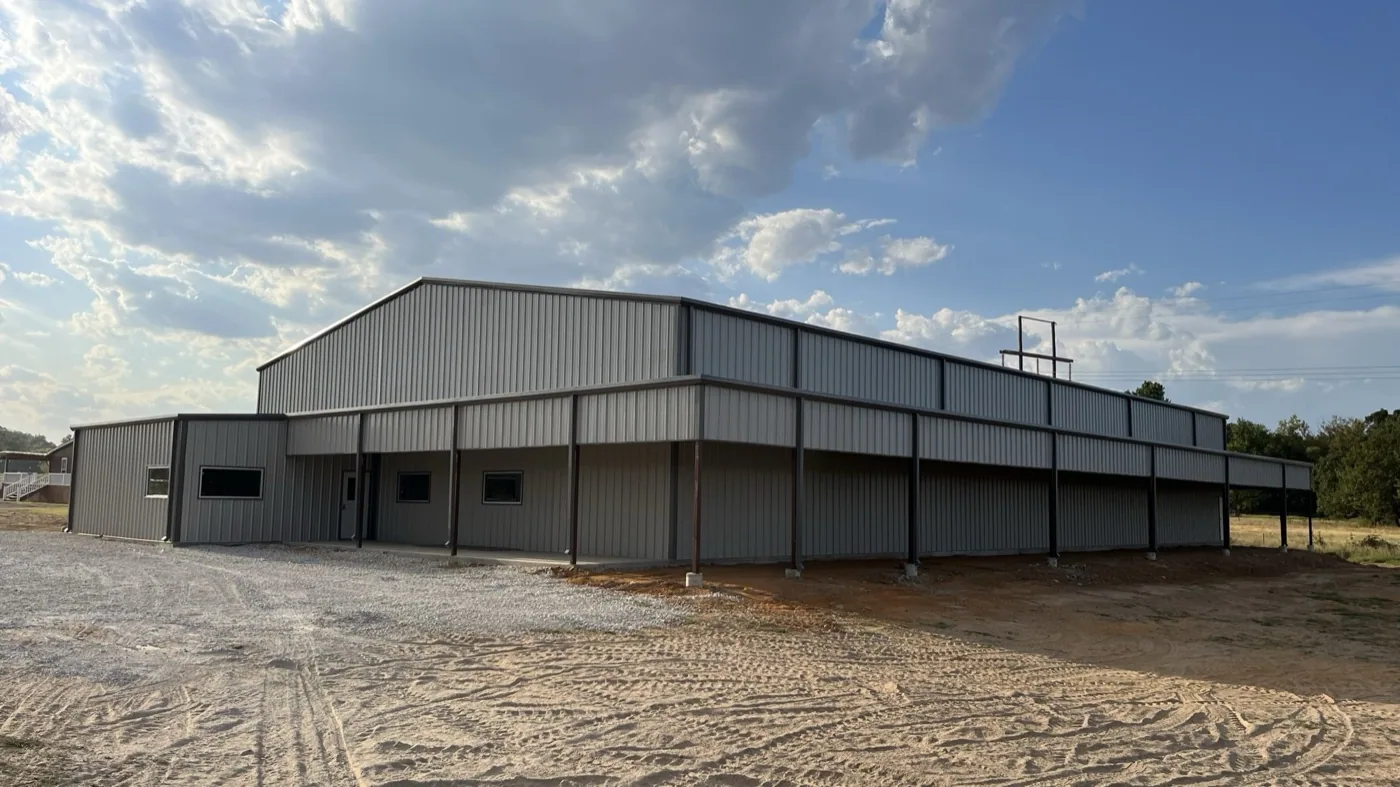
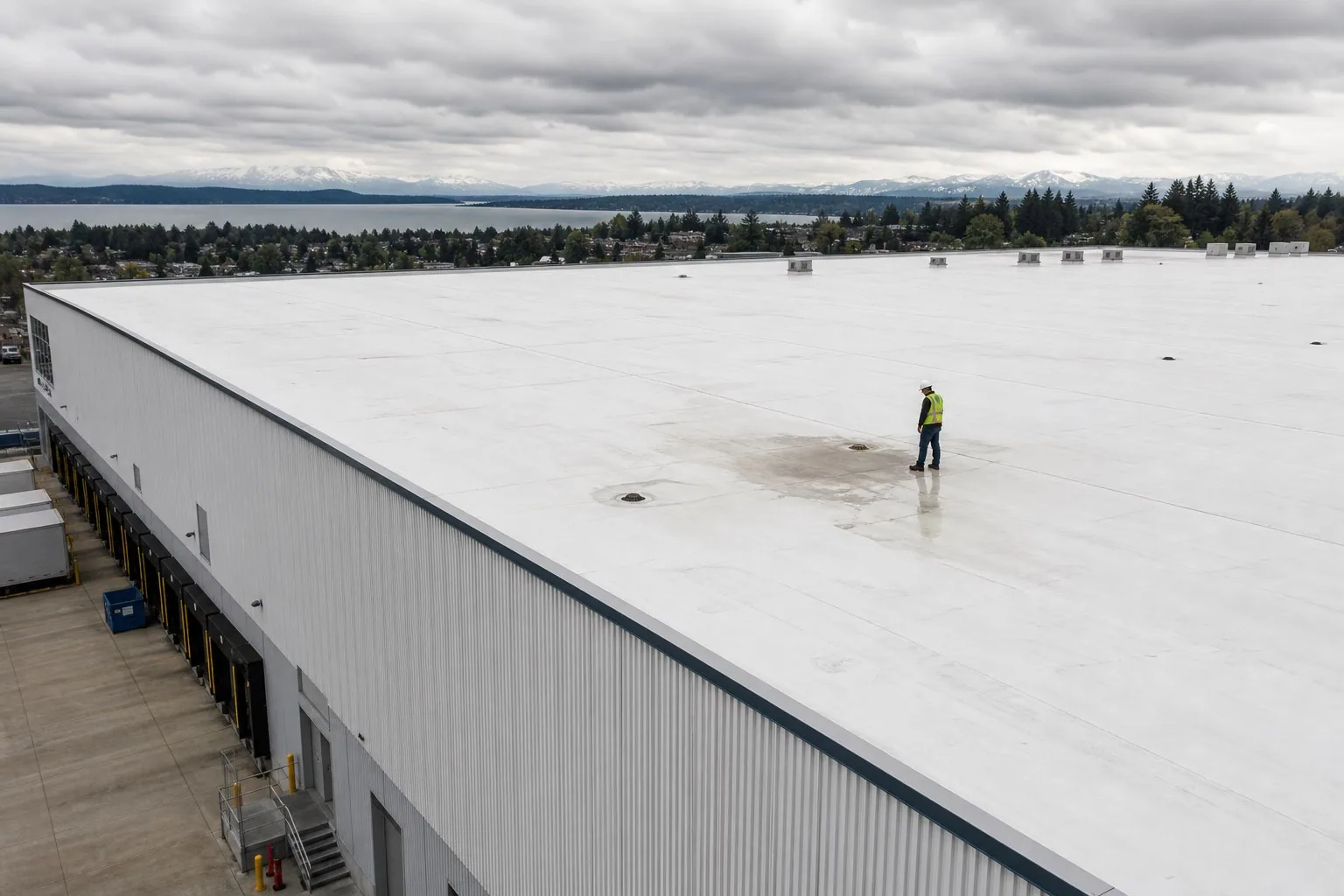
A light-industrial building usually has a large low-slope roof, loading docks along one side and rooftop equipment serving process or storage space. We map the roof into sections by the interior areas below, because a leak over a pallet bay is a different decision than a leak over an office. The map also marks the dock canopies, the roof hatches and the points where conduit or piping crosses the membrane.
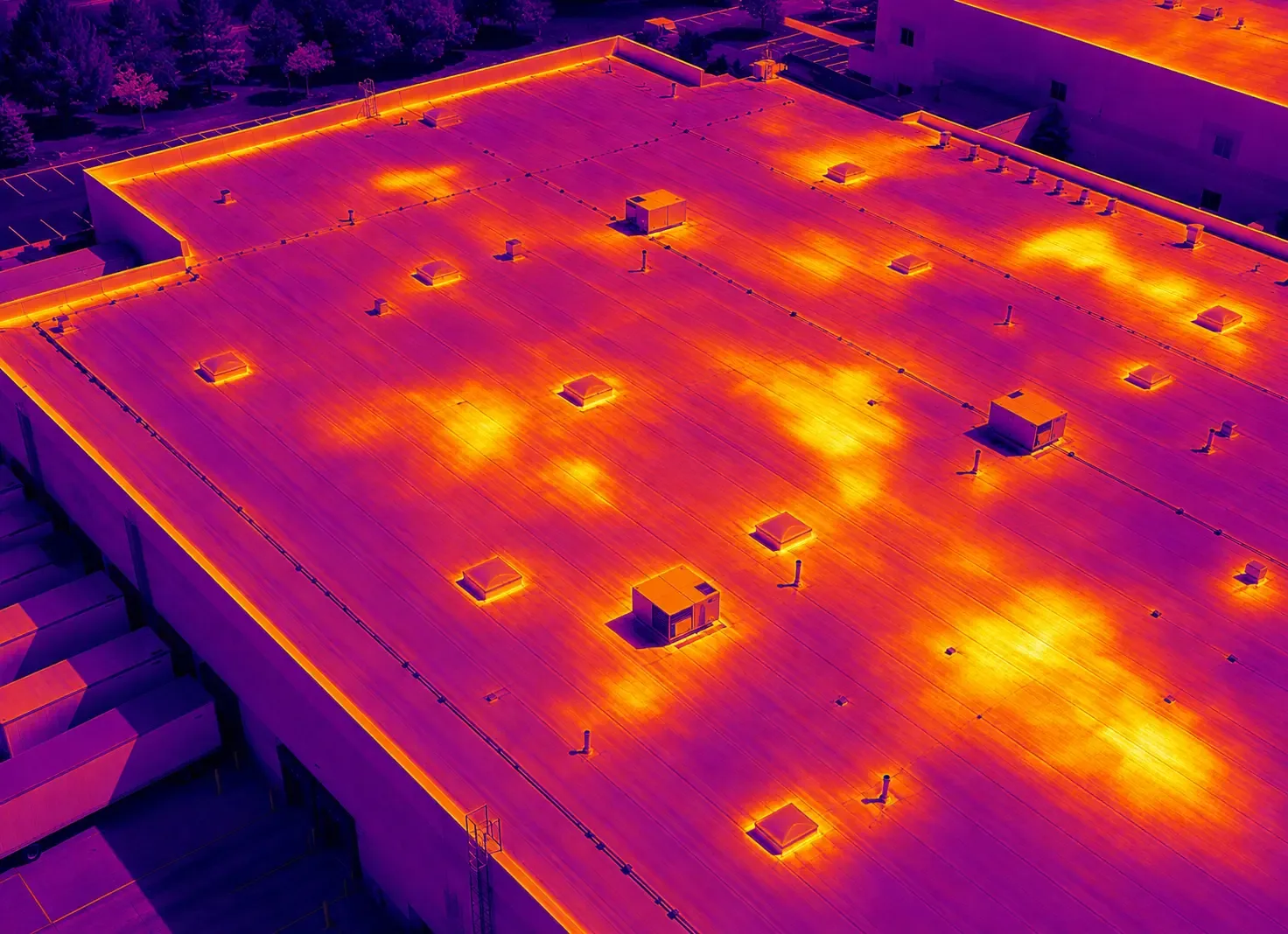
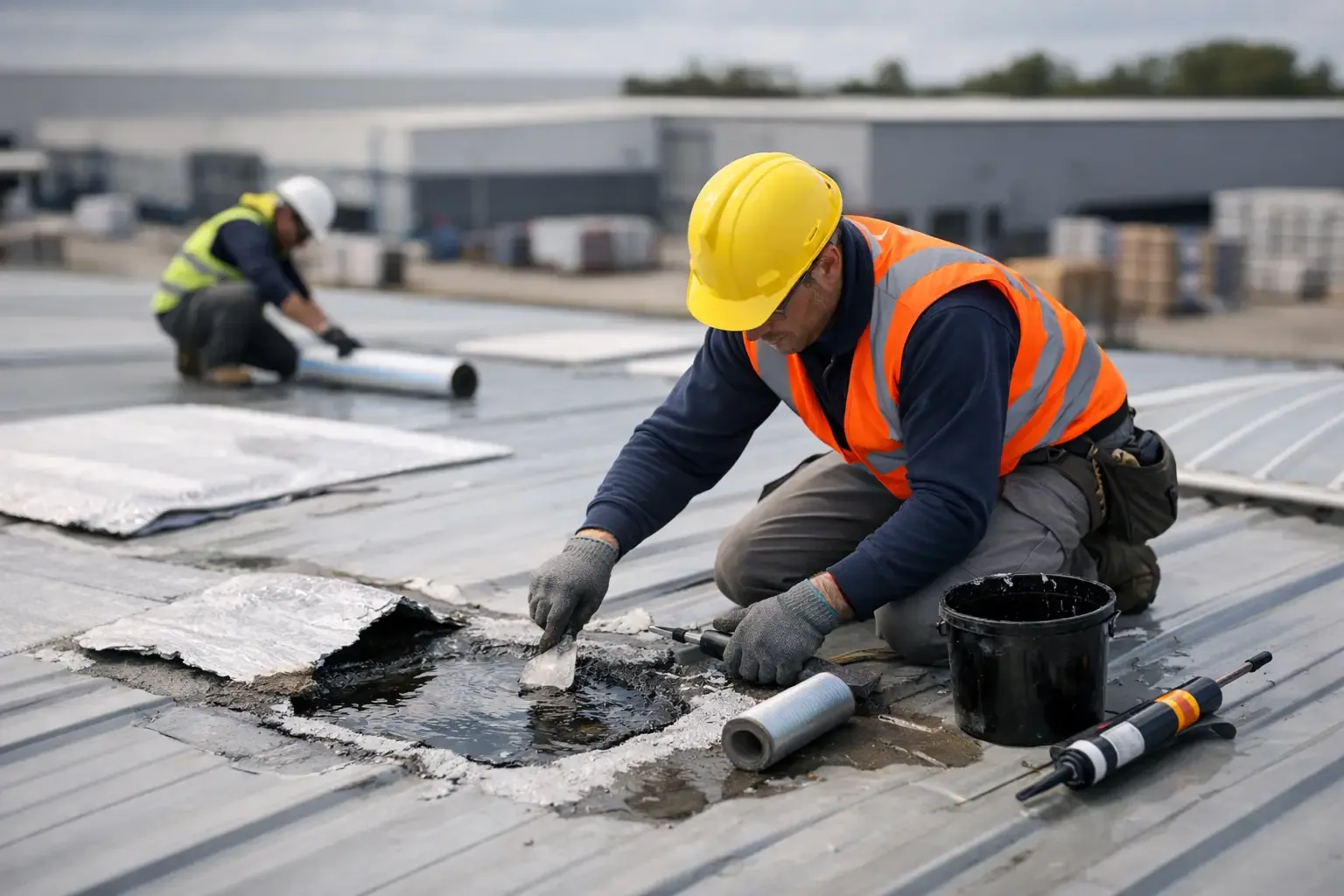
Long roof runs hide defects. A visible split may be the end of a seam failure that extends a long way, and a stained ceiling tile may sit far from the entry point. We probe the full length of any suspect seam and use an infrared moisture survey to see how far water has spread under the membrane. The repair boundary follows what the survey shows.
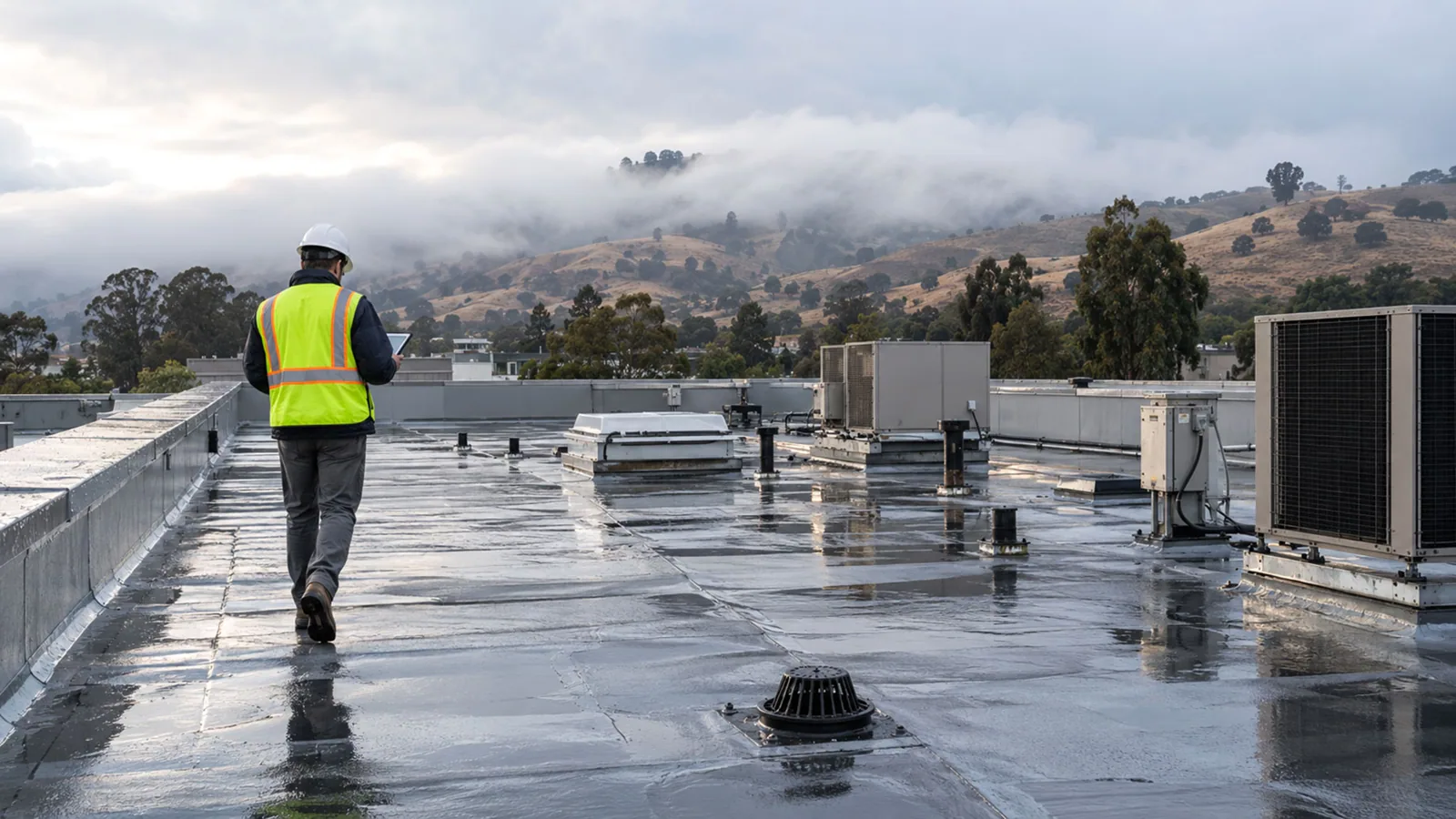
Rooftop equipment on a light-industrial roof serves process space, and it carries more than HVAC. Exhaust stacks, dust collectors, compressor intakes and cable trays all cross the membrane, and each crossing is a flashing detail. We list them on the roof plan by number, check each for fastening and sealant, and flag any that were added after the roof was laid. A new penetration without a proper boot is a common reason a roof leaks near equipment.
Walkways matter as well. Service technicians follow the same path to the same units, and the membrane along that path wears first. Walkway pads cost less than a membrane patch, and the plan puts them where the traffic runs.
Freight Operations and Work Zones
Ayer calls itself a major freight-rail hub. Whether a given building ships by rail or by truck, freight users share a concern: the roof work cannot block a dock that is working. We ask for the delivery schedule, the dock doors in use and the hours the yard is busy. The lift and the dumpster then go where trucks do not need to pass, and a flagger or a barrier covers the walkway between the building and the lot.
For a warehouse roof that stores goods sensitive to water, we ask what sits under each bay and move the highest-value areas to the front of the repair order. The plan lists the sections, the dry-in sequence and the stock protection for each, so the facility director can approve the order before the crew starts.
Temporary protection is chosen for the operation. Over a dock with steady traffic, a dry-in cannot rely on loose sheeting that could blow into the yard. We fasten the cover to the deck or the curb, weight the edges and photograph the work, then check it after the first wind. If the building uses forklifts on the roof edge side, the protection avoids their path.
Walkable Downtown Blocks
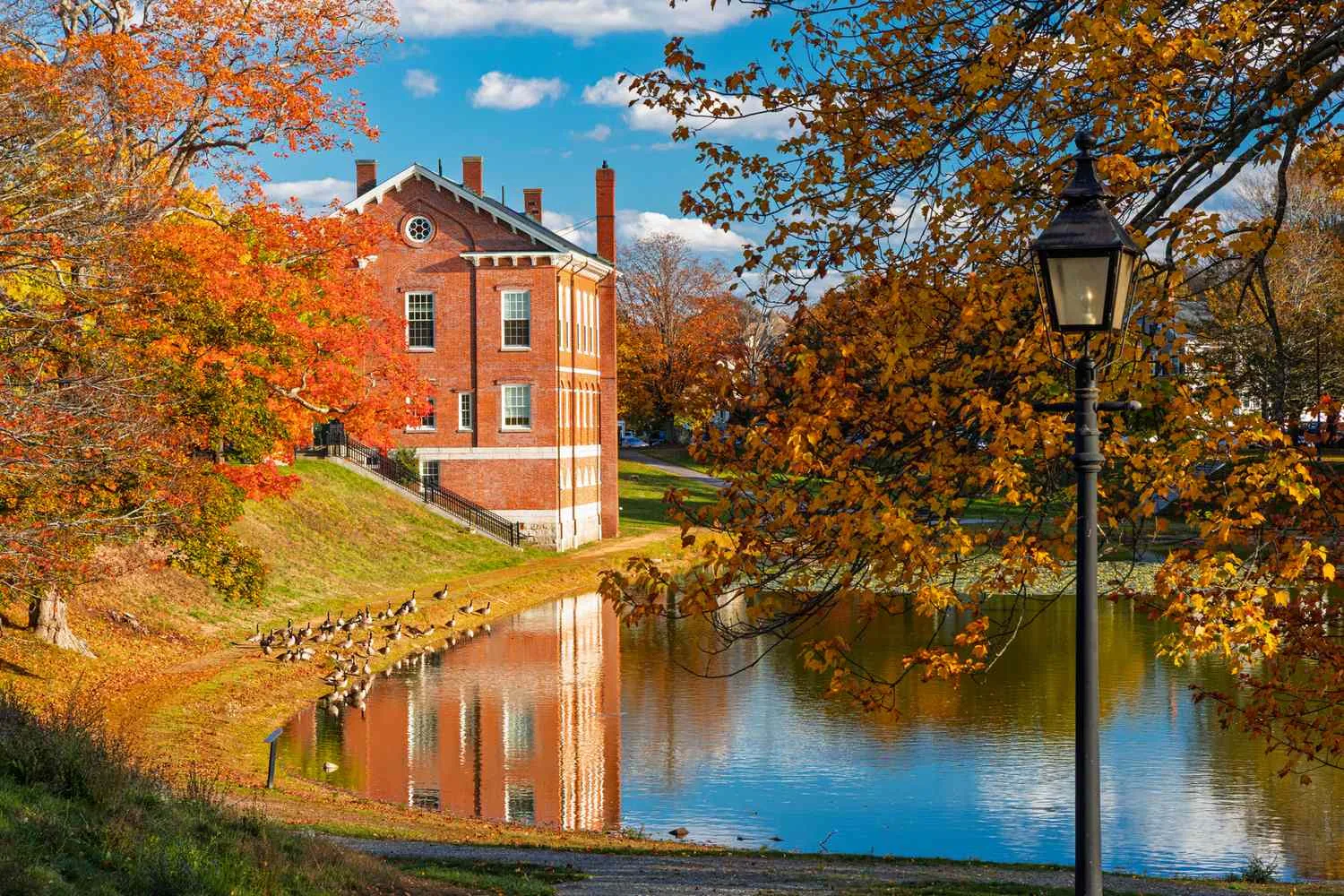
A walkable downtown puts roofs close to sidewalks, neighbors and commuters. Work is fenced, material is hoisted rather than carried through shops, and the street below is protected from falling debris. The schedule keeps hoisting out of the hours when the sidewalk is busiest, as the owner describes them.
The downtown buildings we look at are mixed in size and use. We check parapet flashing, coping, chimneys and rooftop units on each, and we ask the owner for any history of repairs. A commercial roof leak repair in a shared building begins with the wall between units, because water often travels across it.
Interior protection in a downtown building covers more than one tenant. We confirm which units share the roof section, ask each tenant what sits below the stain and place covers in each before the work begins. The record lists the units, the contact for each and the time they were notified, so a tenant who was not on site still knows what happened.
Junction Access and Response Timing
The junction of Routes 2, 2A and I-495 gives the town regional reach, and it also determines how a crew arrives. An emergency estimate adds drive time, lift setup and the staging of dry-in material, and we hand back a window that we revise if traffic or weather moves it.
Material for a larger job is scheduled to arrive when the crew can use it. A pallet of insulation left on a lot in rain loses value, so we hold deliveries until the dry-in plan is confirmed. If a delivery slips, the update says so and gives a new return window for the permanent work.
In winter, the plan changes. Cold slows adhesives and welds, so permanent work waits for a day when the material can cure. A temporary repair uses mechanical fasteners and a cold-applied sheet that can be re-secured, and the update gives the return date. The facility director sees the temporary period as a stated interval and not as an open question.
Regional Weather Planning
Lowell, the nearest market city, records 48.51 inches of precipitation a year, and its hazard report lists nor'easters, snowstorms and ice storms. Ayer roofs plan around the same regional pattern. Regular rain keeps drains and scuppers in play all year, and winter storms load edges and equipment.
A preventive maintenance visit before winter clears drains, tightens edge metal and photographs rooftop equipment curbs. It costs little compared with an emergency in January, and the photographs give the next inspection something to compare against.
Scope Decision and Update
The update names the repair boundary, the options and the unknowns. For a roof with sound insulation and a failing membrane, a recover is priced next to replacement. Owners with properties in Littleton or Shirley can have the numbers compared.
The last part of the update is the recommendation. It ties the repair to how the building is used: a light-industrial tenant with a long lease may justify a longer-life system, while a short lease may justify the minimum that keeps the roof sound. The update shows each choice with its price, its service life and the work needed to maintain it.
Commercial Roofing Questions
How is a loading dock kept open during roof work?
We ask for the delivery schedule, place the lift and dumpster away from truck lanes, and use a barrier or flagger on the walkway. The plan lists the doors that stay in use.
Which areas are repaired first in a warehouse bay?
Sections above the highest-value or most water-sensitive stock. The plan lists the order, and the facility director approves it before work starts.
Does the freight-hub status change roof work?
It changes scheduling, not method. The roof plan has to respect delivery hours and dock use wherever freight moves.
Why probe a whole seam when only part is open?
An open section often has weak neighbors. Probing the full length finds the next failure before it leaks.
When should an Ayer roof be checked for winter?
Before the first hard freeze, with drains cleared, edge metal tightened and rooftop equipment curbs photographed, and again after the thaw.