Safe access decides the first hour. When a commercial owner in Shirley, MA reports water coming through a ceiling, the crew needs to know how the roof is reached, whether the surface can be walked, and what must be protected below before anything is opened. Those three answers set the cost of the response and the order of work, and they come ahead of any discussion of what the permanent repair will be.
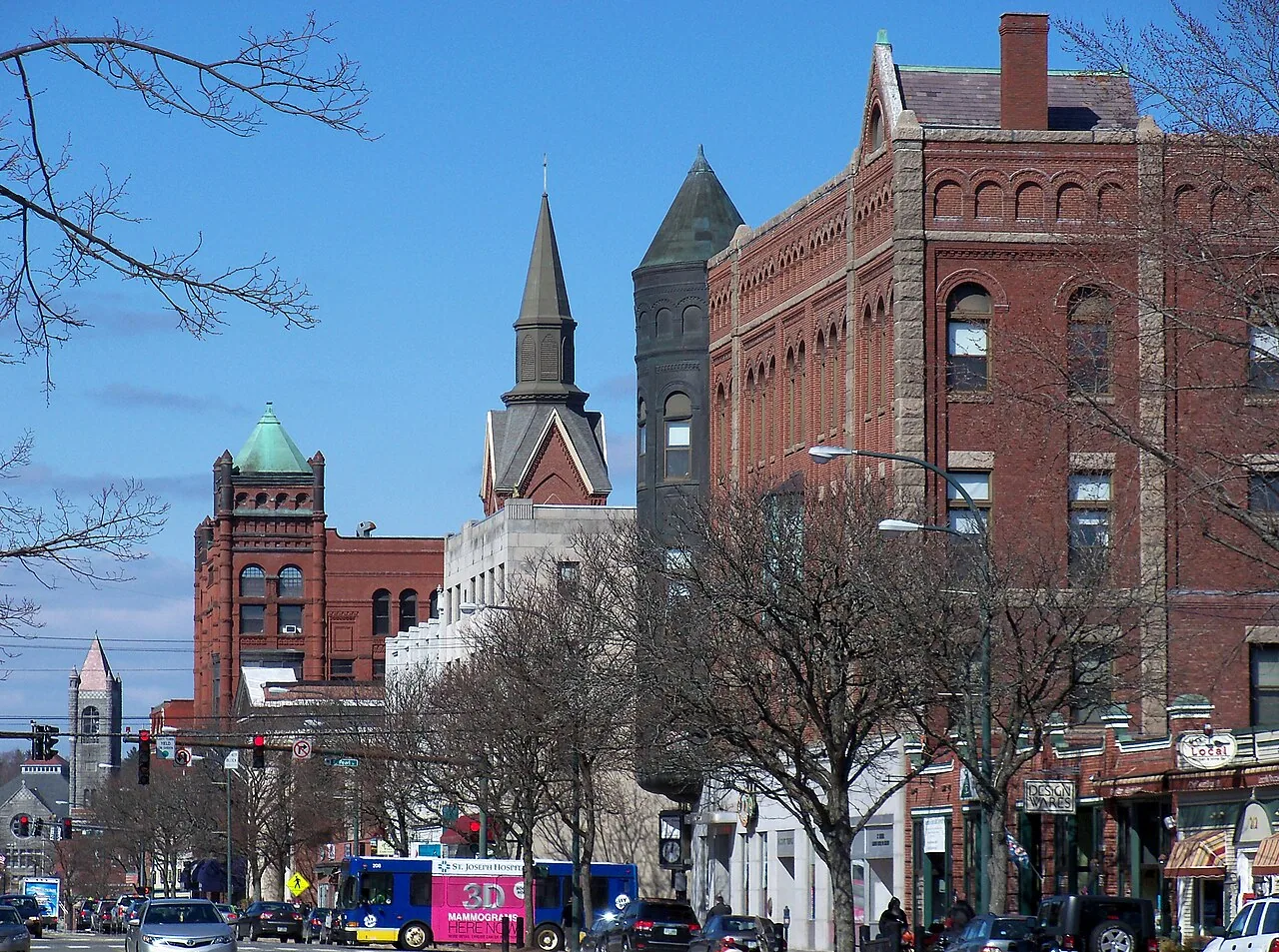
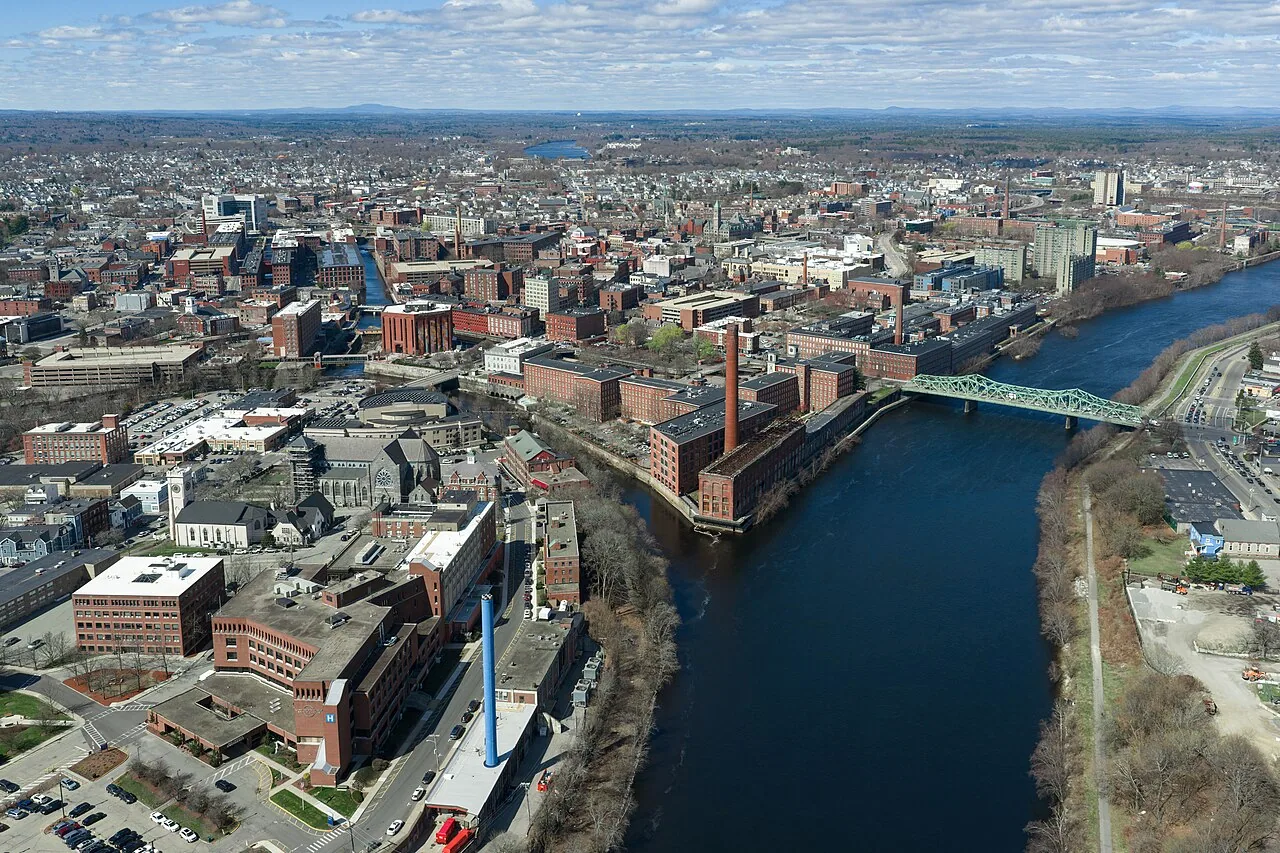
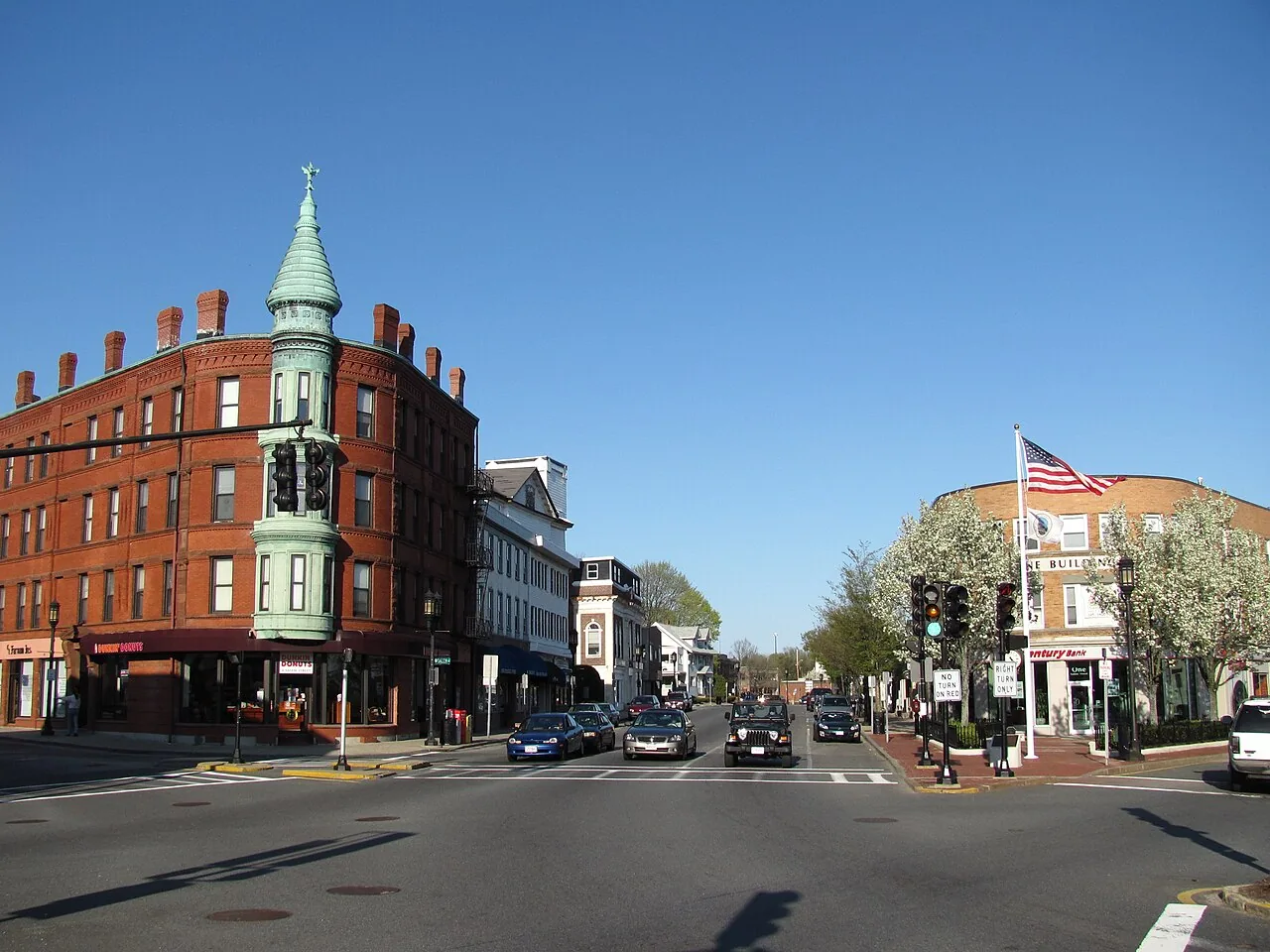
Shirley has convenient access to Routes 2 and 2A and to the I-495 and I-190 corridors, and a commuter rail stop in Shirley Village links the Route 2 corridor to Boston North Station. Those routes matter to a roofing job in two ways: they set how quickly a crew and materials can arrive, and they set the traffic a delivery truck meets on the way.
Crew Routes and Roof Access
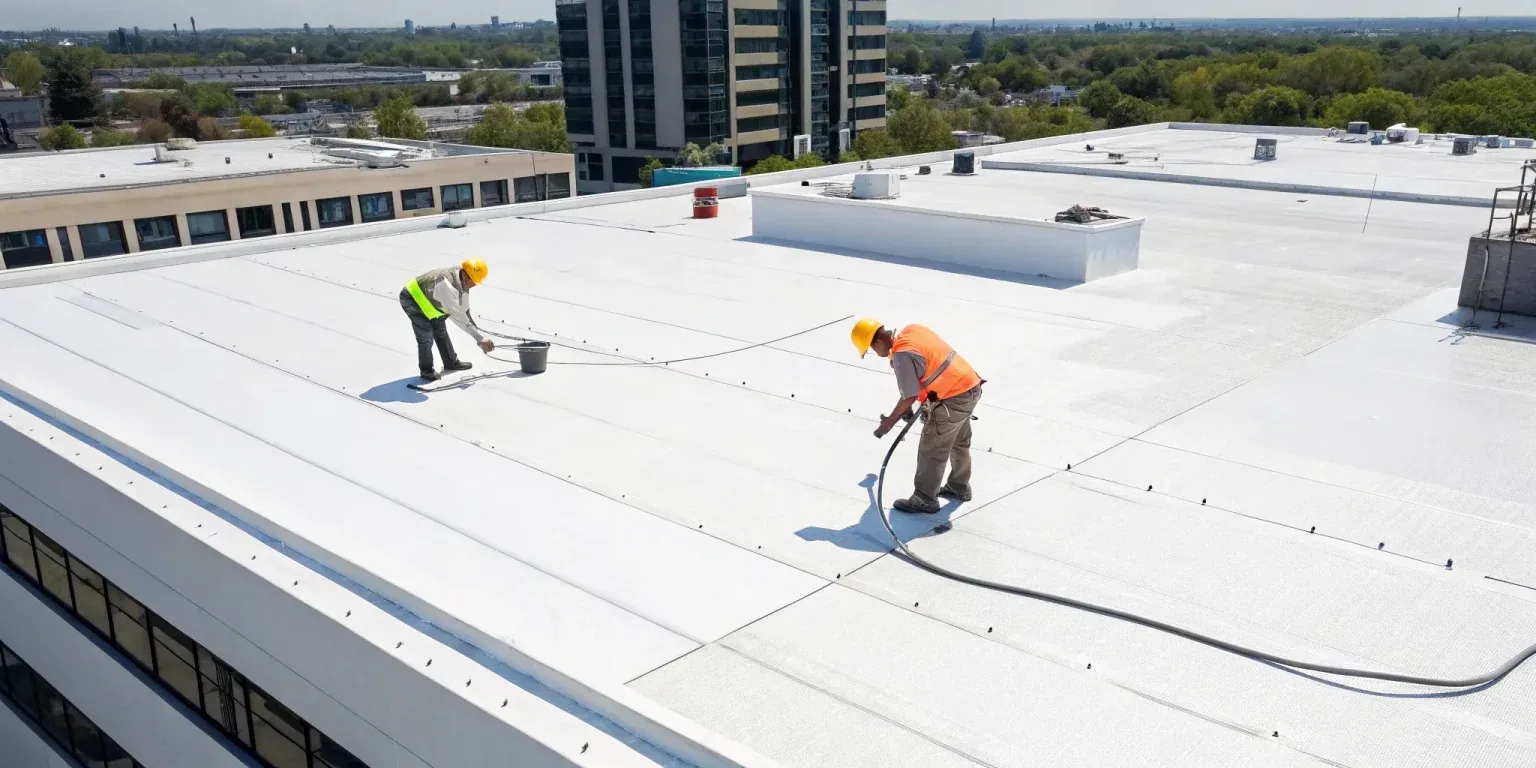
A roof repair has two access problems: getting to the building and getting onto the roof. For the first, the access to Routes 2 and 2A means crews and trucks can plan their approach before leaving, and we confirm the delivery window with the owner so that a truck is not waiting at a gate. For the second, we ask about the hatch, the ladder, the stair and any locks, and whether a lift or crane would be needed to stage material.
Fall protection is set up before anyone steps onto the surface. Edges without parapets, skylights and open roof hatches are marked, and roof areas that cannot be walked, such as a section with a damaged deck, are fenced off. The record lists which sections were reached and which were seen only from a distance, so the owner knows what the inspection covered.
Staging is part of the plan. Rolls of membrane, insulation boards and drums of adhesive need a flat place to sit, away from the edge and off any section of roof with a weak deck. We mark that place on the plan and agree where the dumpster goes, so loads of material do not end up on a lane the tenants need.
Interior Protection
Water moves along the underside of a deck before it drops, so the stain on a ceiling can sit well away from the hole in the roof. Interior protection therefore begins at the stain and widens. Tiles that are wet are marked, stock and equipment are covered or moved, and electrical panels and outlets near the leak are checked and kept clear of people.
If the building is occupied, the owner decides which rooms can be closed. We give a plain statement of what the protection covers and what it does not. A tarp inside a ceiling cavity catches drips; it does not stop the leak, and the owner should not read it as a repair. When the permanent work is scheduled, protection goes up again, because roof work creates dust and sometimes small leaks during tie-ins.
Records start with the first photograph. A dated picture of the stain, the covered stock and the placed tarp shows what the building looked like before roof work began. If a ceiling later needs replacement, that picture separates the water event from the work that followed.
Inspection Steps
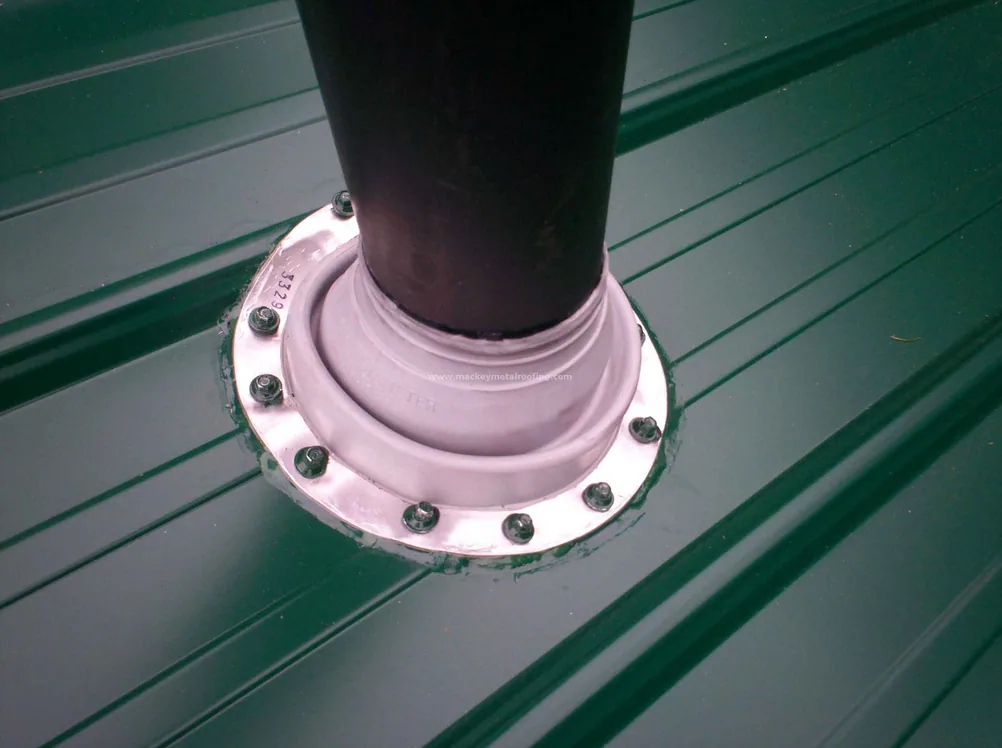
The walk follows the same order on every roof: perimeter, field, seams, drains, penetrations, rooftop equipment, walls and parapets, skylights. Each condition is photographed from a marked position and entered against a roof section number. Rooftop equipment is often added after a roof is built, so we trace each unit's condensate and exhaust, and we check each skylight and penetration for failed flashing.
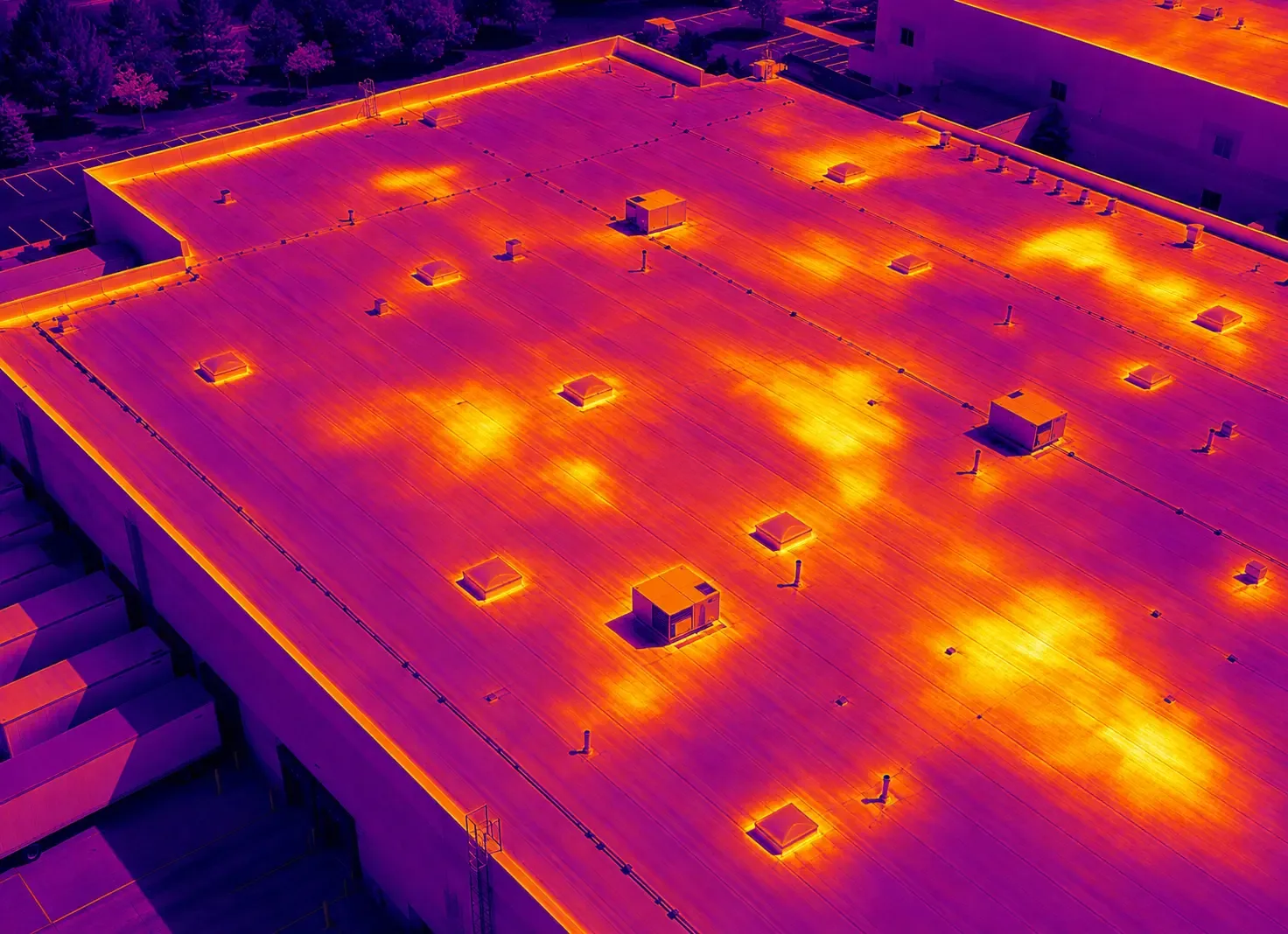
Wet insulation is the finding that changes the scope. A meter pass or an infrared survey shows where it is, and a core cut confirms it. The results go in the inspection note with the method, the location and the date. Where the roof could not be reached, the note says so and names the test that would settle the question.
A short list closes each walk: what is leaking now, what will leak soon, what to watch, and what we could not see. The owner can act on the first item the same day and plan the others.
Drainage and Melt
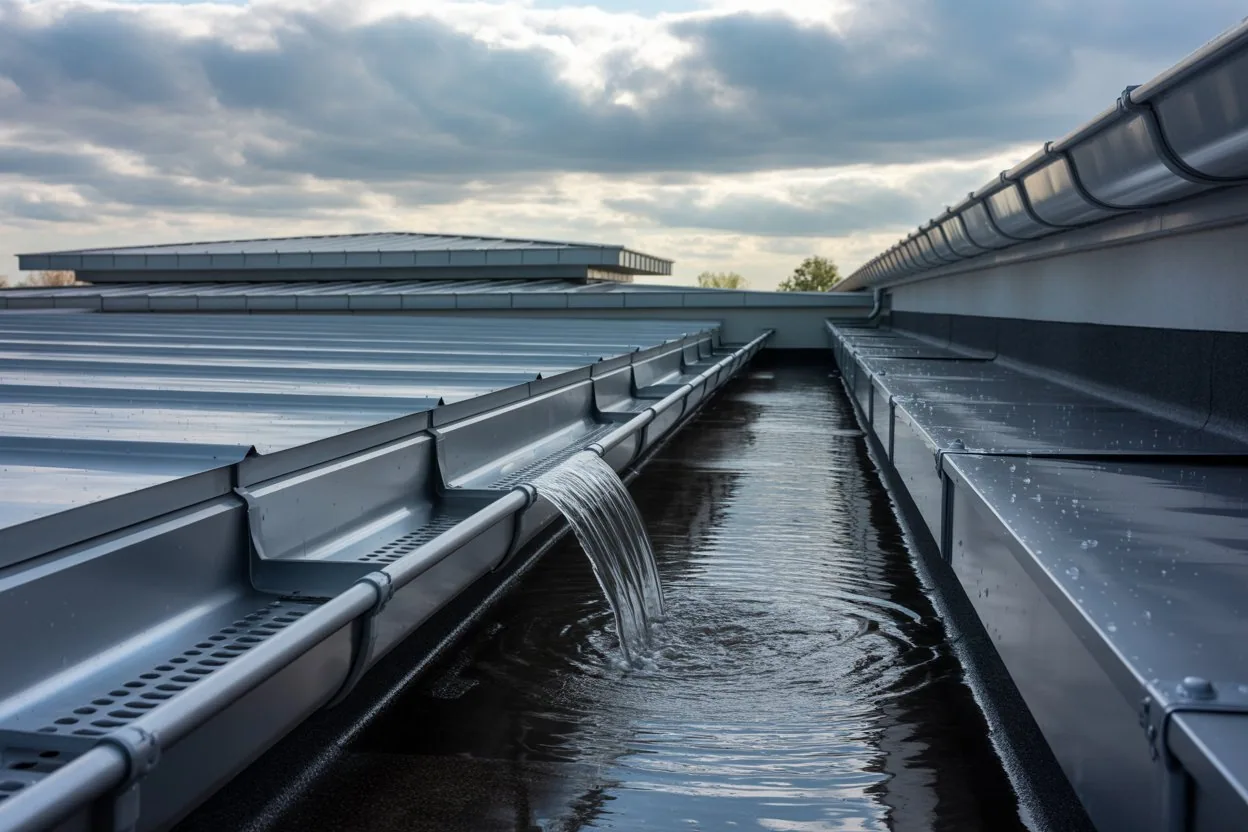
Water leaves a roof by a defined path: field to drain, drain to leader, leader to grade. A clogged strainer, a sump with a settled seat or a scupper blocked by ice puts water where the roof was not designed to hold it. Our check of drains and scuppers includes the leader below the roof where access allows.
At Lowell's station the 1991 to 2020 normals total 48.51 inches of precipitation a year, with 4.54 inches in a typical December, and the winter of 1995 stands at 126.5 inches of snowfall in the city's hazard mitigation materials. Shirley roofs plan for melt and refreeze in the same regional pattern.
Code and Scope Review
Applications filed in Massachusetts from July 1, 2025 follow the 10th edition alone, which draws on the 2021 International Building Code and adds state amendments. Re-covering a large share of a roof can bring a code review, and the energy provisions in force locally are confirmed for the specific project, since a town can adopt its own stretch rules.
We put these questions into the scope so the owner can raise them with the building department early. Items that commonly change a scope are insulation thickness, edge metal, and drainage. If the repair boundary grows during the work, the owner gets a revised scope before the crew continues into the new area.
Cost Update and Return Window
Once the inspection is done, the owner receives an update with a line for the temporary dry-in, one for the repair boundary and a permanent-repair range. Moisture surveys or cores, if needed, produce a second update, and every update carries the date of the next along with the decision it supports.
The return window is the first spell of weather that suits the permanent work. Welds and adhesives need dry surfaces and workable temperatures, so a weather hold may push the date out. The temporary dry-in is meant to last until then. Owners with other buildings in Ayer or Groton can request the same report, and a manager with several properties can compare the findings directly. For an owner choosing between repair and replacement, the written comparison shows both options with the evidence behind each.
Commercial Roofing Questions
What decides the first response in Shirley?
Access and exposure. If the roof can be reached safely and the weather allows, a dry-in goes on the same day. If not, interior protection holds the line until conditions improve.
Why does the stain not match the leak location?
Water runs along decks, ducts and framing before it drops. The inspection traces the stain back along the likely path and tests the roof section above it.
Will a temporary patch survive a New England winter?
Some can, if the substrate is sound and the patch is built for cold. The method and a follow-up date go into the file, which keeps the patch from being treated as a final repair.
When does a repair turn into a replacement discussion?
When the repair boundary covers a large share of a roof section, or wet insulation spreads. The written comparison puts both options side by side.
Does the state code affect a small repair?
A small repair seldom triggers review. A large one may, and the applicable local energy provisions are confirmed before the scope is fixed.