Decision first: does a reflective surface pay on this building, in this climate? In Lowell, MA, the answer is a scope decision with cost on both sides. The 1991-2020 normals from NOAA's Lowell station give a 72.8 degree July and a 24.9 degree January, so the roof has to shed heat in summer and hold it in winter. A cool roof helps in July and gives a little back in January, and the facility director deserves to see both numbers before the membrane color is chosen.

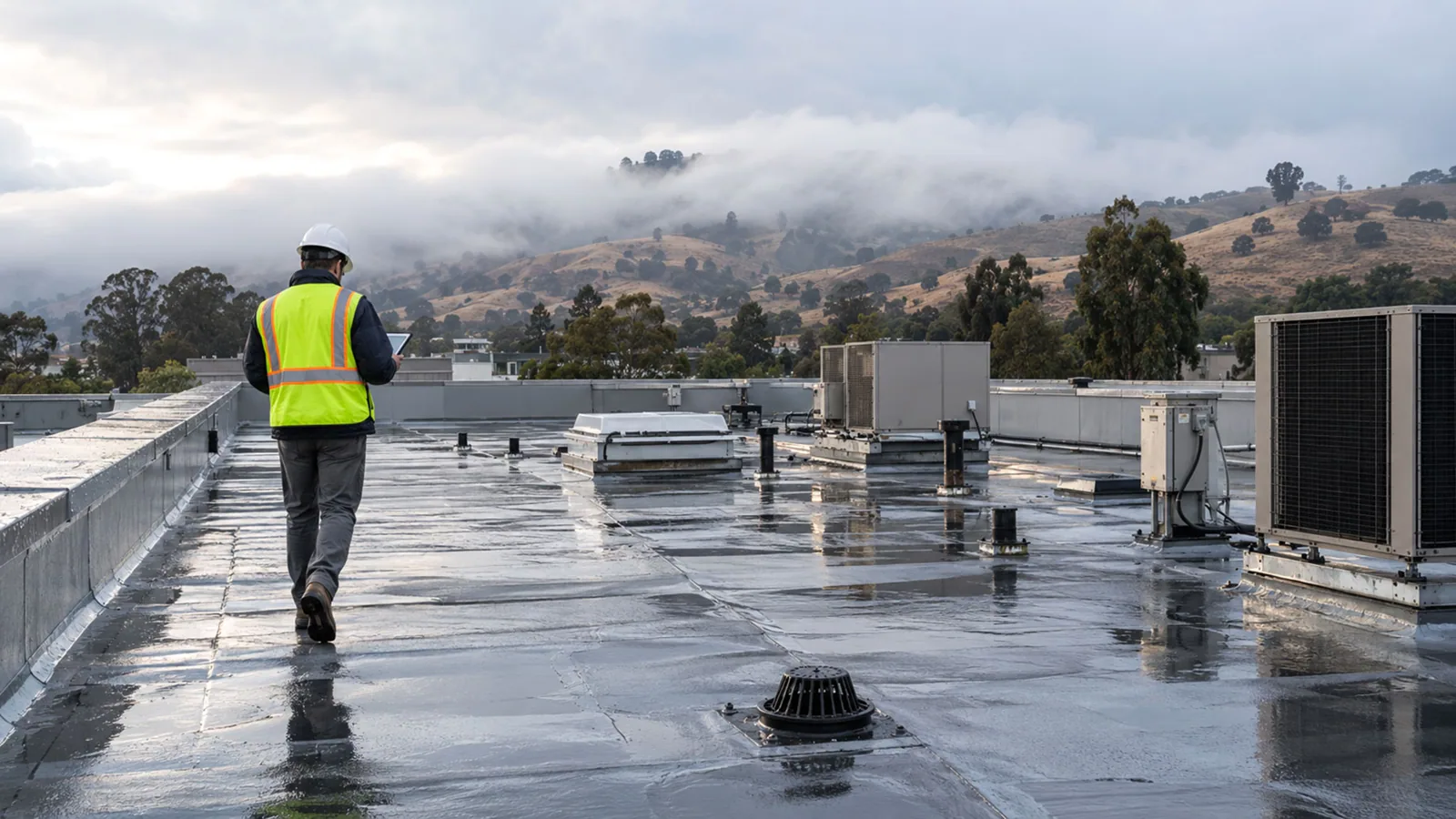
We start with the roof as it stands: membrane type, age, insulation condition and drainage. A reflective surface applied to a failing roof is a wasted layer. The inspection record settles whether the roof is a candidate for a reflective coating, needs a new reflective membrane, or should stay as it is.
How a Reflective Surface Works
A cool roof reflects a large share of sunlight and releases absorbed heat quickly, so the surface runs cooler than a dark one under the same sun. Two ratings describe it: solar reflectance, the fraction of sunlight bounced back, and thermal emittance, how readily the surface radiates heat away. Reflectance drops as dirt, algae and weathering build up, so the rating on the day of installation is higher than the rating five years on.
A cooler surface lowers the load on rooftop cooling equipment on hot days and reduces thermal movement in the membrane, which slows aging at seams and flashings. Those effects are real but modest in New England compared with hot regions, so the scope states them as a range and not a promise.
Membranes and Coatings That Can Be Reflective
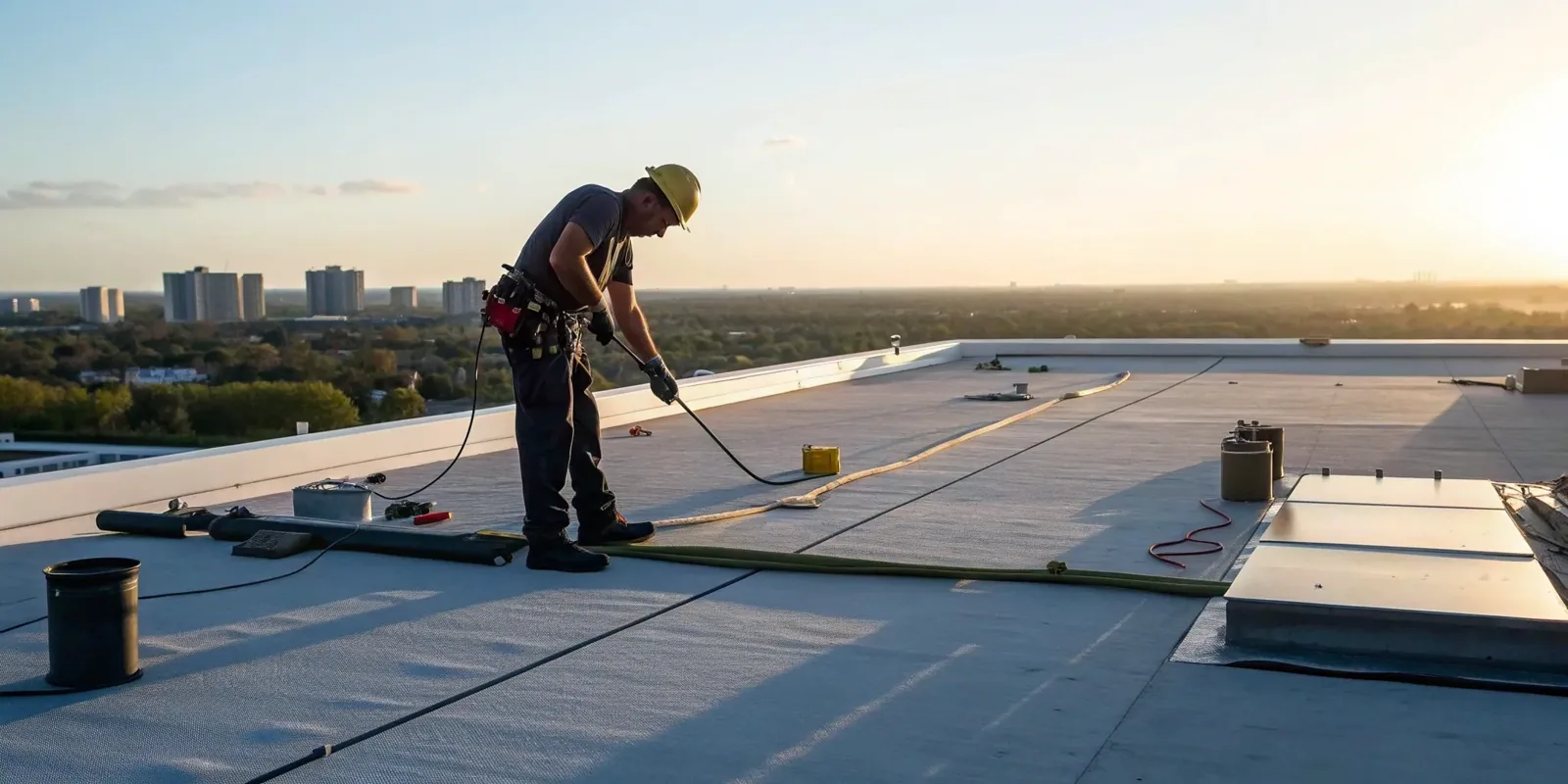
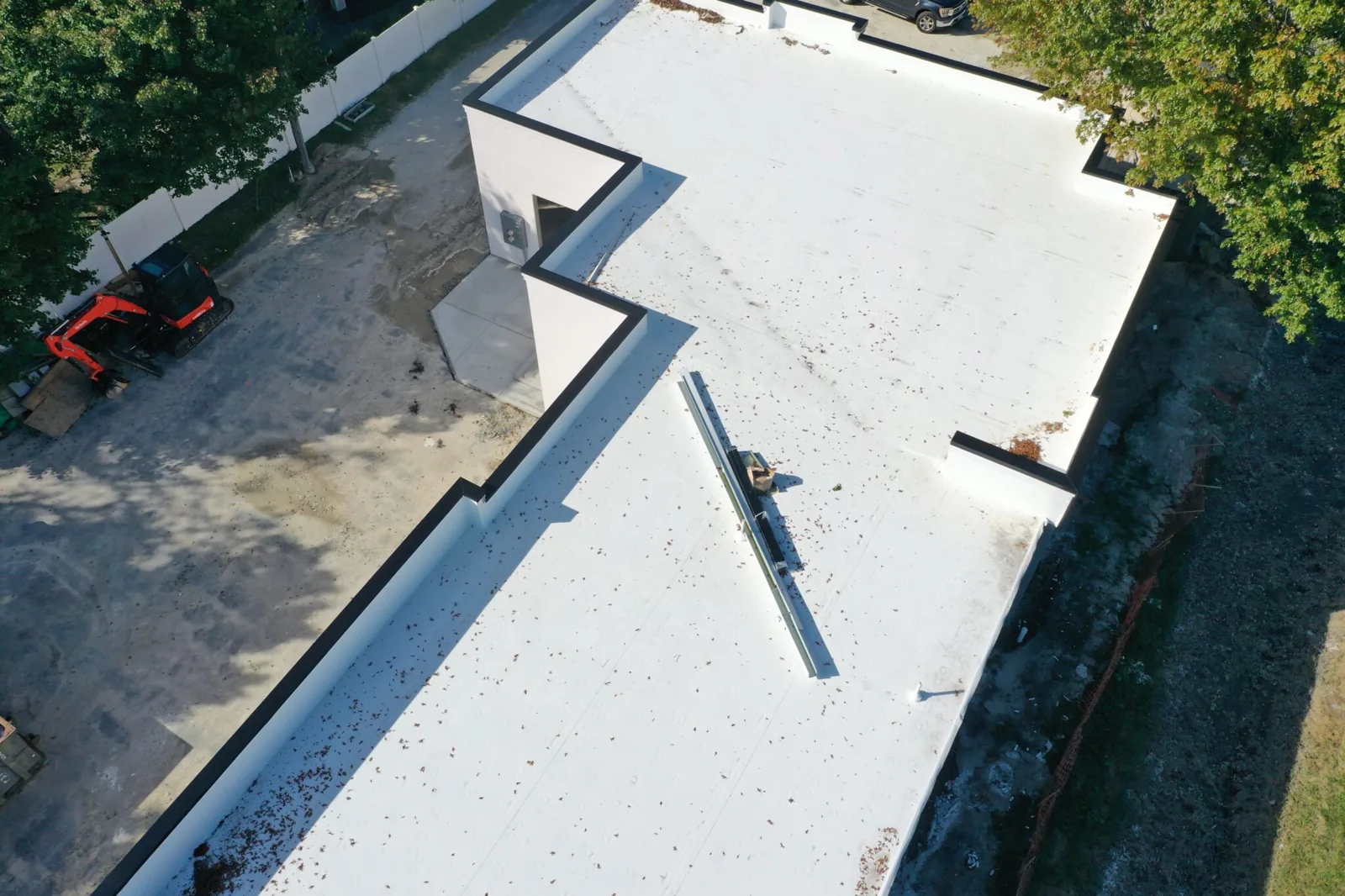
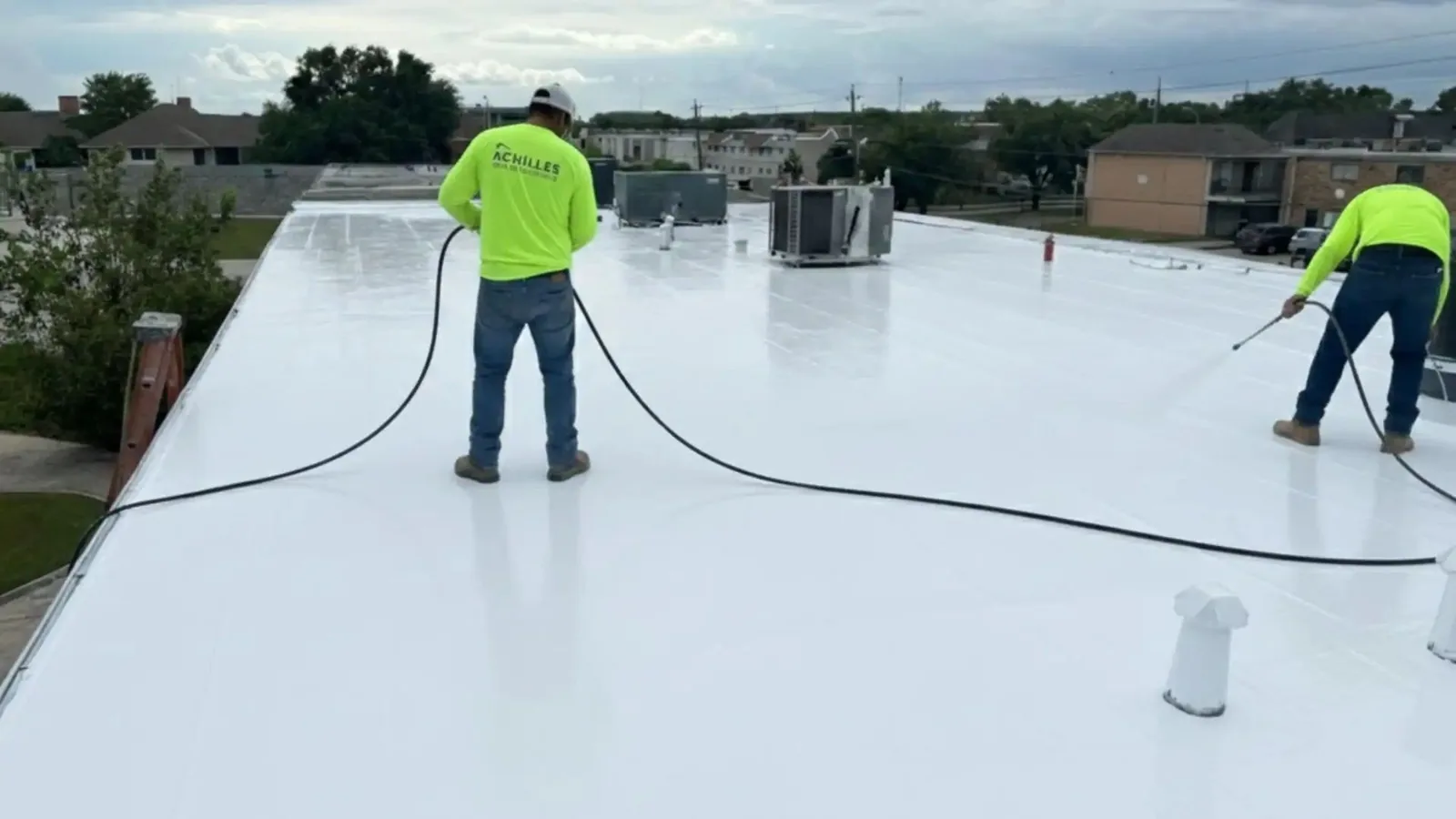
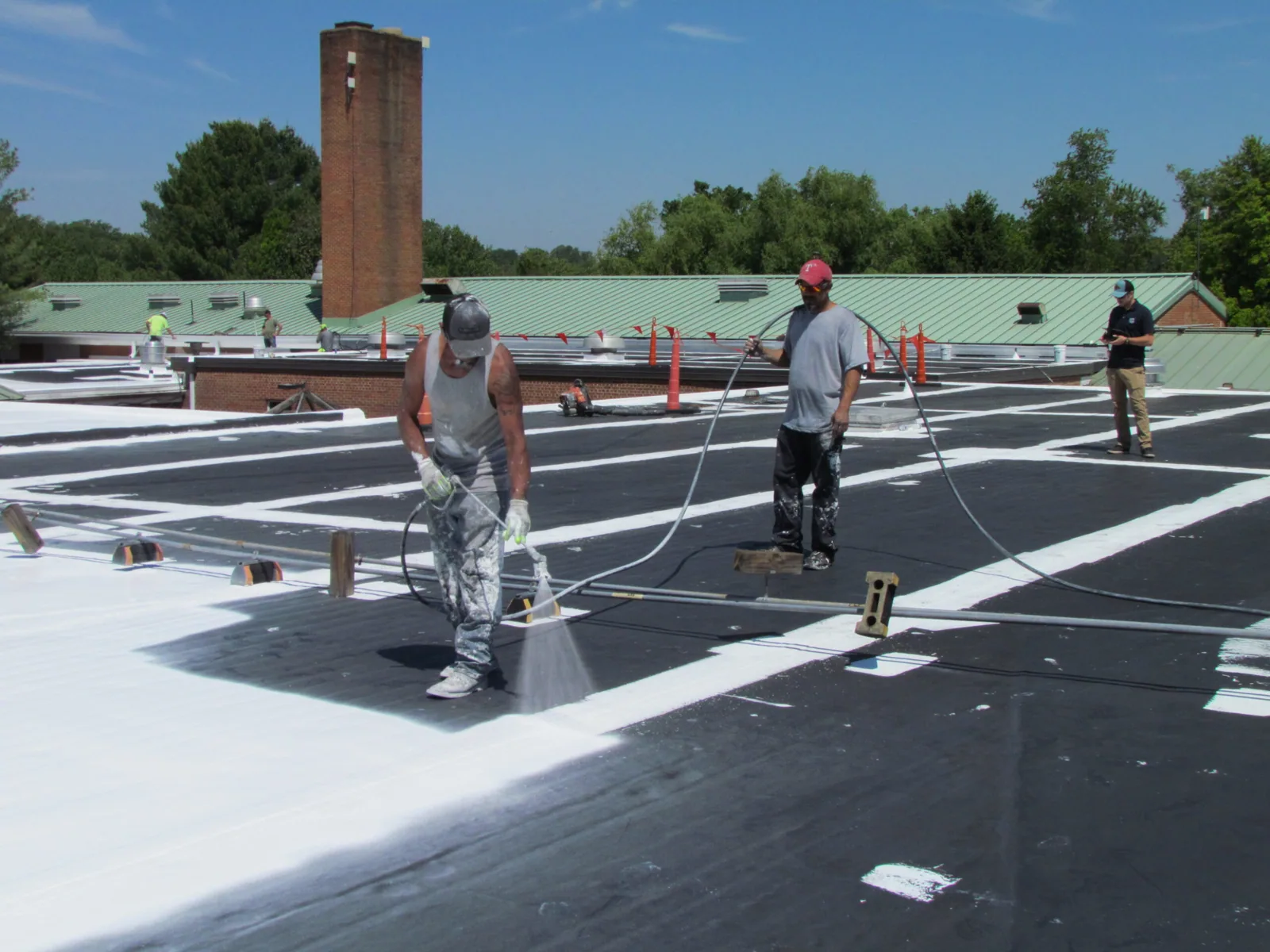
White TPO and white PVC are reflective membranes by design, and installing either on a new roof or a tear-off gives a cool roof without an extra step. Existing smooth membranes in sound, dry condition can take a reflective acrylic coating or a silicone coating, which adds reflectance and extends service life at the same time. Modified bitumen can be finished with a reflective granule surface or a coating. Metal roofs can be coated with reflective paint-like systems that bond to the panel.
Each option has its own preparation, cure and cost. Preparation is usually the larger part: washing, seam work, flashing repair, and priming where the product maker requires it. Coating over contaminated or damaged surfaces fails early, and the failure shows first at seams and corners. The scope names the system, the surface preparation, the coat thickness and the expected reflectance range, so the facility director can compare alternatives on the same page.
The Winter Side: Heat, Snow and Condensation
Lowell's winters are long. The same normals give an annual mean of 49.0 degrees and 48.51 inches of precipitation spread across the year, with the city's hazard mitigation materials recording the 1995 winter at 126.5 inches of snow. A reflective roof absorbs less of the low winter sun, but snow covers any roof in a heavy winter, so the winter heating penalty is small in practice and depends on how much insulation sits below the membrane.
Condensation is the issue to check. A roof assembly with too little insulation can form condensation on the underside of a cold deck whatever the color of the surface. We review the insulation and vapor control layers before coating, since a cool surface should not be the reason a hidden moisture problem goes unfixed. Drainage matters too: a white membrane that holds water grows algae and loses reflectance fast.
Energy Code: What the Adopted Edition Means for a Reroof
The state's 10th edition code took effect on October 11, 2024 and, since July 1, 2025, governs every new application. Its backbone is the 2021 IBC, and it also serves as the base energy code. Municipalities may adopt stretch or specialized stretch energy provisions, so the energy code that applies in Lowell must be confirmed for the specific project before a reflectance or insulation requirement is assumed.
We ask the building department what applies, write the answer into the scope and design to it. If a reroof triggers insulation upgrades, those upgrades usually have a bigger effect on energy use than the membrane color, and they affect cost more than the white surface does.
Keeping the Surface Cool Over Time
Reflectance fades with dirt and biological growth. A cleaning schedule, with low-pressure washing and a check of the surface after the thaw, keeps the rating up. Standing water, tree debris and rooftop exhaust deposits speed the loss, so drains and strainers belong on the same calendar as the cleaning. A preventive maintenance visit combines both.
Coated roofs also need a recoat plan. Coatings wear from the top, and the thickness measured in the inspection record tells us when to recoat. Deciding on the recoat interval before the first coat is applied keeps a later budget from being ambushed. The record keeps the measured thickness, the product used and the date, so whoever manages the building next has the same facts.
Buildings Where a Cool Surface Earns Its Place
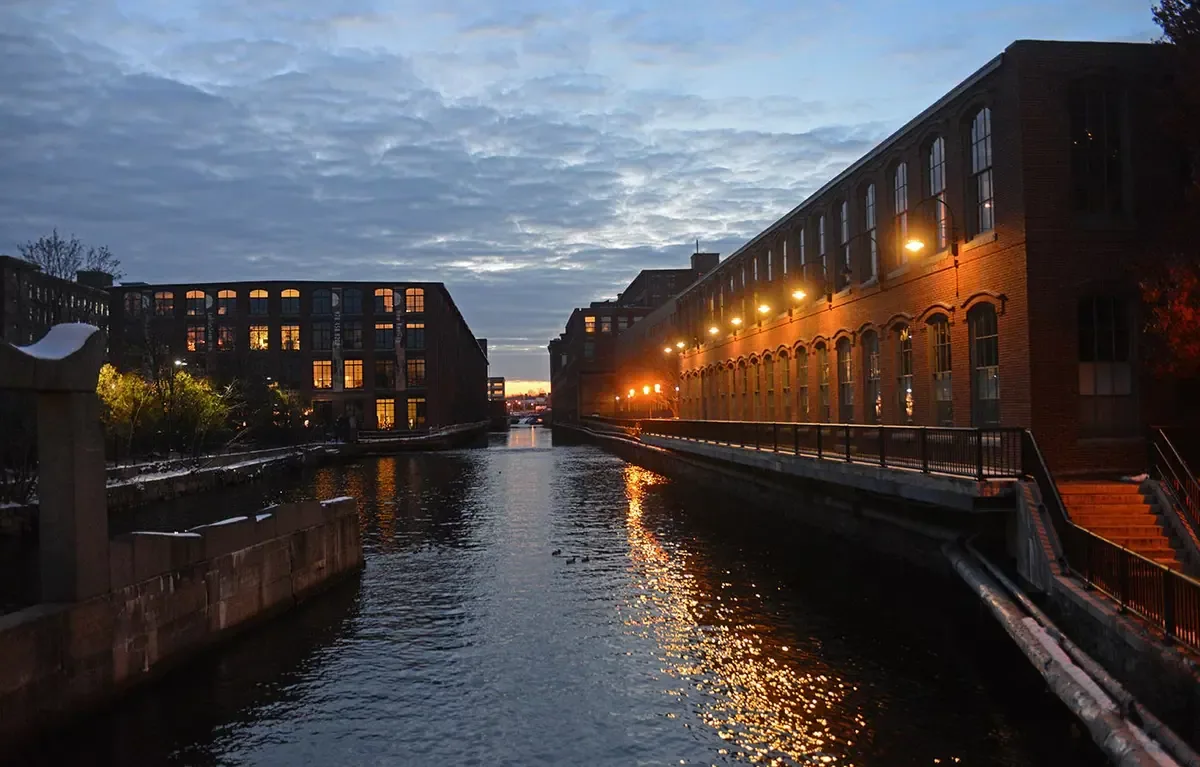
The case is strongest where rooftop cooling equipment runs through the warm months and the roof is large relative to the building. Two places in Lowell's city materials may bring that question up: Ayer's City Industrial Park, a mostly heavy-industry area planned for clean industry, and the Hamilton Canal District, a mixed-use district with commercial, retail, office and research uses. Each building there is judged on its own roof and cooling load. The case is weaker for a lightly cooled building with a thick insulation package and a roof in good order. The downtown mill yards inside the Downtown Lowell Historic District sit in a different position: exterior changes in the district go before the Historic Board, and a roof color change visible from the street can draw review. Across Lowell, we make the call roof by roof, using the inspection record and the building's cooling load.
Cost and Timing
Cost drivers are the base roof condition, any insulation or cover board work needed first, the system chosen, the area, the access and the number of coats. A coating over a sound roof is a smaller job than a new white membrane over new insulation. Timing needs dry, moderate days, so installation belongs in the warm months, and the winter is for inspection and for lining up the scope. For roofs near the end of their life, a replacement with a reflective membrane is usually the better path than a coating that only delays the tear-off. Before any color is chosen, the scope states the roof's current insulation value and the reflectance range the new surface is expected to reach, so the facility director can set the first-year cooling benefit against the added cost on one page. The comparison is the same for a roof along Route 3 or I-495 as for one downtown, and a building in Chelmsford gets the same two numbers side by side.
Commercial Roofing Questions
Does a white roof raise heating costs in a Lowell winter?
Slightly, in some buildings. Snow cover and insulation level shape the effect, and the scope sets that against the summer cooling reduction.
Can any existing roof be coated white?
No. The membrane must be sound and the insulation dry. Moisture readings decide before any coating is priced.
How long does the reflectance last?
It fades as dirt and growth accumulate. Cleaning and a recoat plan keep it near the installed rating.
Does the energy code require a cool roof?
That depends on the edition and any stretch provisions adopted locally. We confirm with the building department for each project.
Is a cool roof worth it on a heavily insulated building?
Often the gain is smaller. The inspection record compares the options so the choice rests on the building.