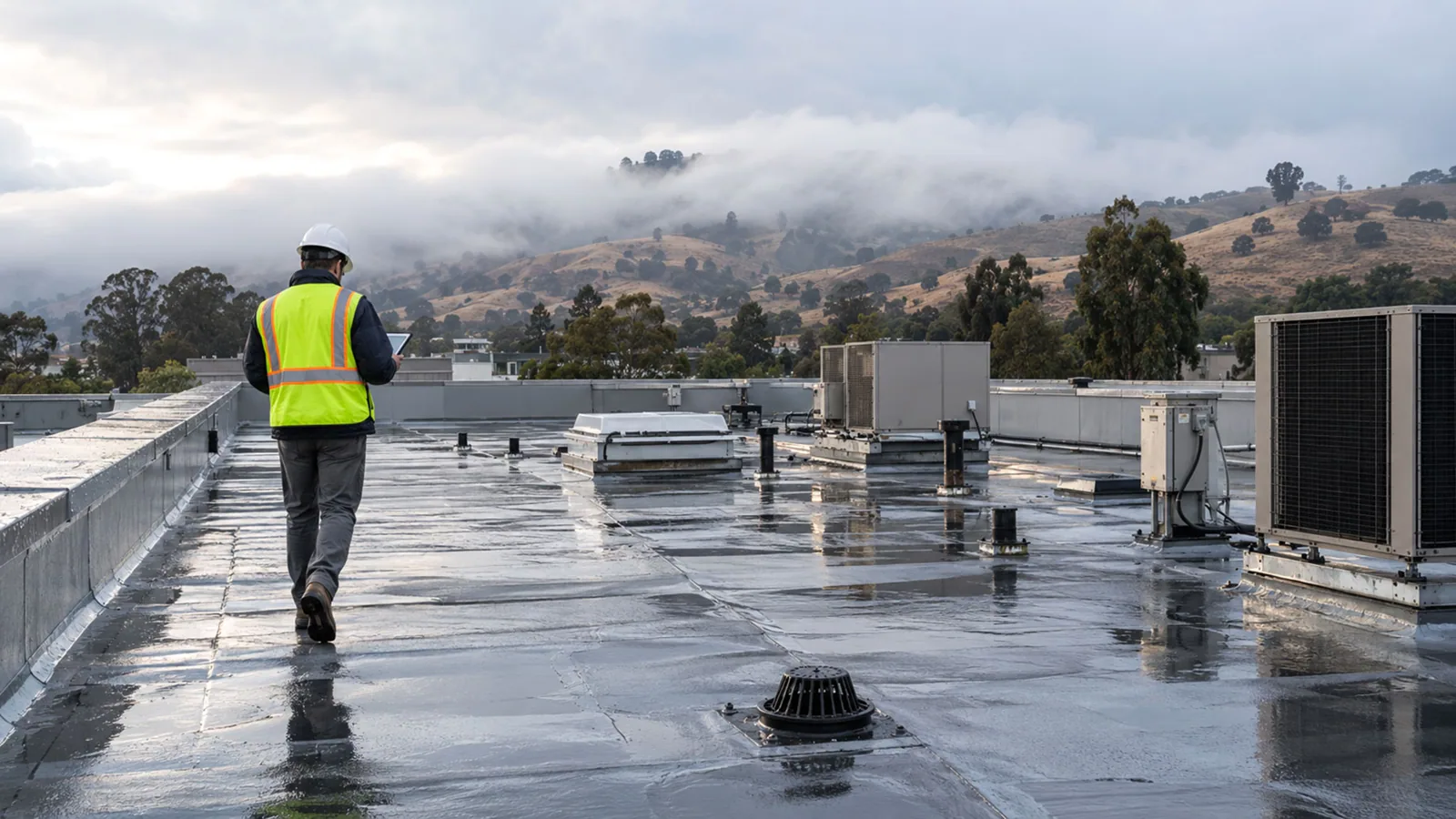
Start with a list of roofs and one fact about each: when it was last walked. A portfolio is only as sound as its answer to that question for every building, and the gap is where cost exposure hides. A roof that was last inspected five winters ago carries risk the budget does not show, and a roof inspected last month with a photograph record carries risk the owner can price.

Roof asset management turns that list into a working record. Each roof section gets a number, a condition rating, a photograph set, a repair history and an estimate of remaining service life. The record is updated after every visit, so the facility director sees change over time and not a single snapshot. In Lowell, where regular precipitation reaches roofs in every month, the record keeps drainage and seam condition in view across the whole year.
The same record serves owners whose buildings stretch past the city line into Chelmsford, Dracut and Tewksbury. One format across towns lets the facility director compare roofs by condition and not by address, and it keeps the schedule honest when the buildings differ in age, use and exposure.
Inventory by Roof Section
The inventory is built on the roof section, not the building. One building can carry three membranes of different ages, two drainage systems and a dozen penetrations. Treating it as one roof hides the section that fails first. We walk each building, divide it into sections, and record membrane type, approximate age if known, insulation, drainage, penetrations and access for each.
Where age is unknown, we say so and test: a core sample shows the layers and often the era of installation. Unknown is a valid entry, and it carries a plan to find out. Photographs are taken from marked positions so later visits can repeat them. The inventory also lists the paperwork on file, such as warranties, permits and past repair invoices, since missing documents are part of the risk.
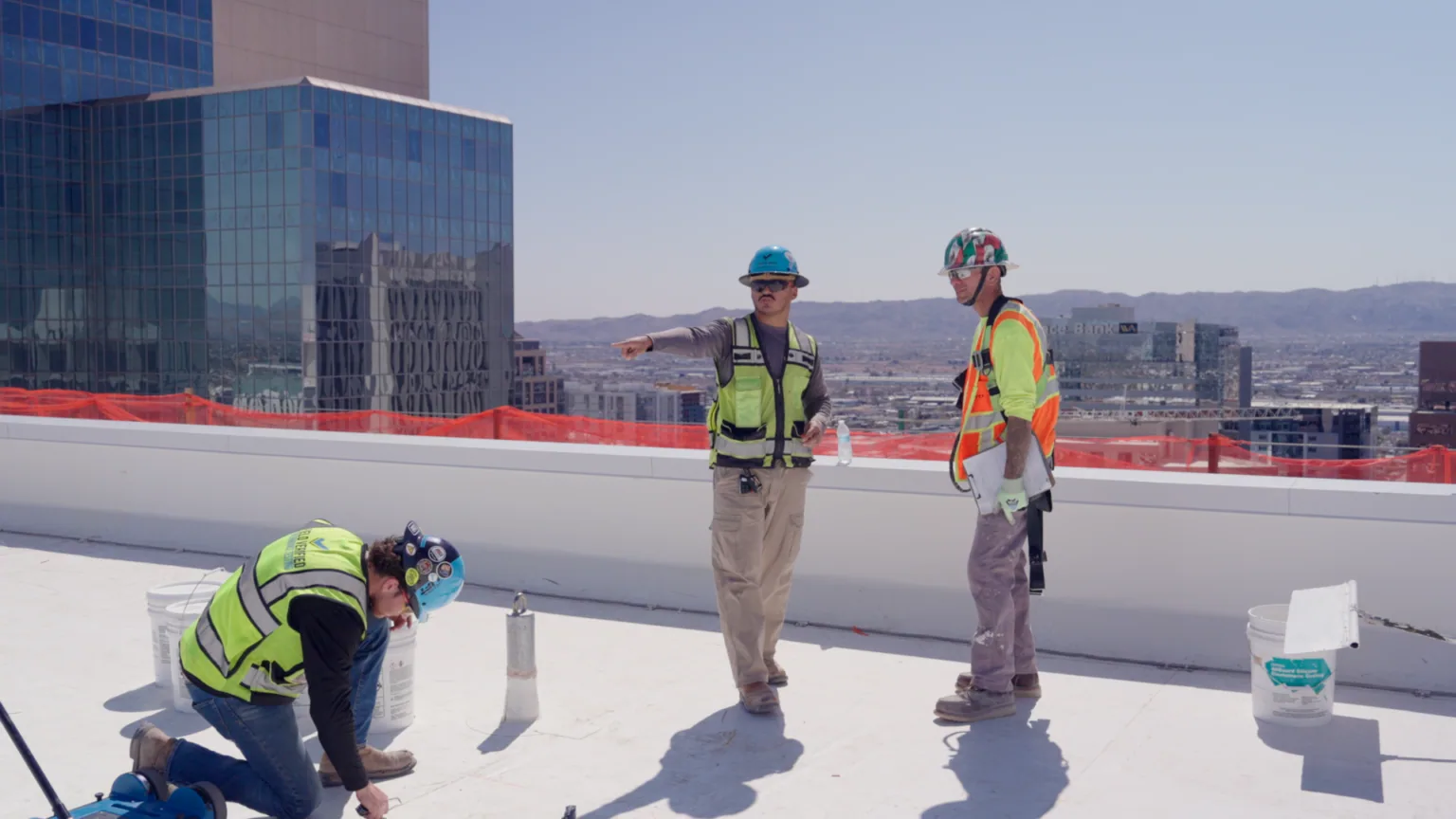
Access is part of the inventory. We record how each roof is reached, whether by hatch, ladder, stair tower or exterior lift, along with the hours tenants need quiet and any escort rules. The travel route to each building goes in the file, since Lowell's I-93, I-495 and Route 3 junction offers more than one way in, and crews arrive with the right equipment. A roof that takes an hour to reach costs more to inspect, and the record shows.
Condition Ratings and Remaining Life
A rating is only useful if the next person would give the same one. We use a fixed scale tied to observable conditions: seam openings, ponding, flashing state, surface aging, moisture findings and the number of repairs on record. Each rating cites the photograph and the measurement that support it.
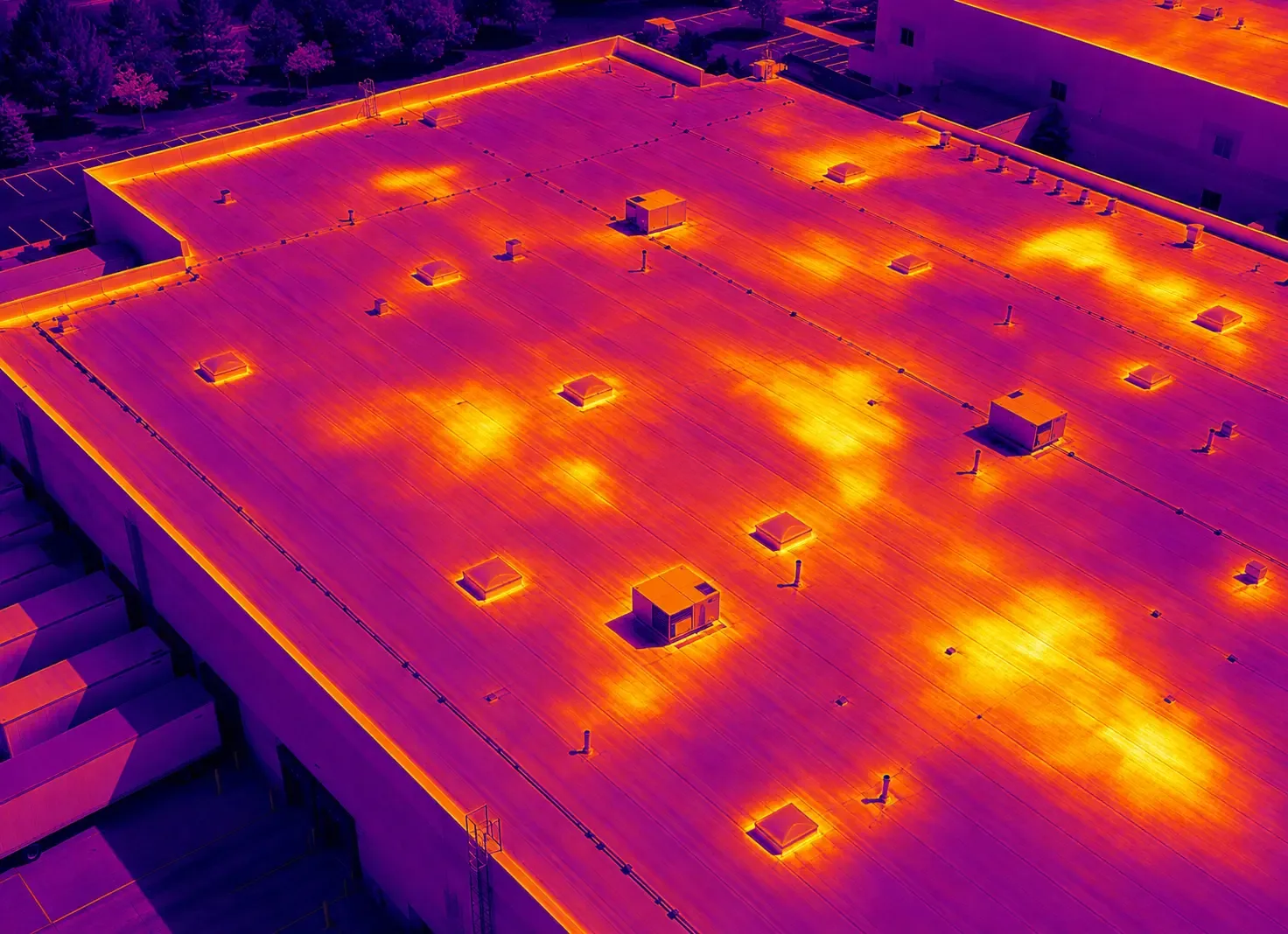
Remaining life is an estimate, and the report shows it as a range with the evidence behind it. A dry roof with tight seams and clear drains may have years left. A roof with wet insulation in one section has a short horizon for that section. An infrared moisture survey is part of the rating whenever the surface leaves doubt. The range is revised after each inspection, so the plan tracks the real roof.
The rating also tracks trends. Two photographs of the same seam a year apart show whether an opening has grown. Two measurements of the same pond show whether it is deepening. A rating that moves from fair to poor in one year triggers a repair scope, and the report states the trigger in advance so nobody is surprised by the change.
Climate Inputs for the Schedule
NOAA's Lowell normals run from about 25 degrees Fahrenheit in January to about 73 in July, with annual precipitation near 48.5 inches. City hazard planning names hurricanes, nor'easters and ice storms as major risks and notes the 126.5 inches of snow that fell in the extreme winter of 1995. For an asset schedule, these facts mean two things: freeze-thaw wears seams and flashings every year, and a storm year can move a roof's repair date forward.
The schedule therefore builds in a fall visit to clear drains and secure edges before winter and a spring visit to read the damage. Winter calls go into the record as events, with the date, the cause and the cost. Over time, the events show which roofs react worst to which kind of weather.
Mixed Portfolios and Local Building Types
Lowell's city profile names education and health services as its largest employment sectors, with manufacturing, wholesale trade, transportation and professional services among the others. A portfolio here can mix hospital or clinic space, classrooms, offices, plant floors and storage, and each use stresses a roof differently. Healthcare roofs carry heavy mechanical equipment and tight access rules. Industrial roofs carry process penetrations. Offices carry tenants who call when a ceiling stains.
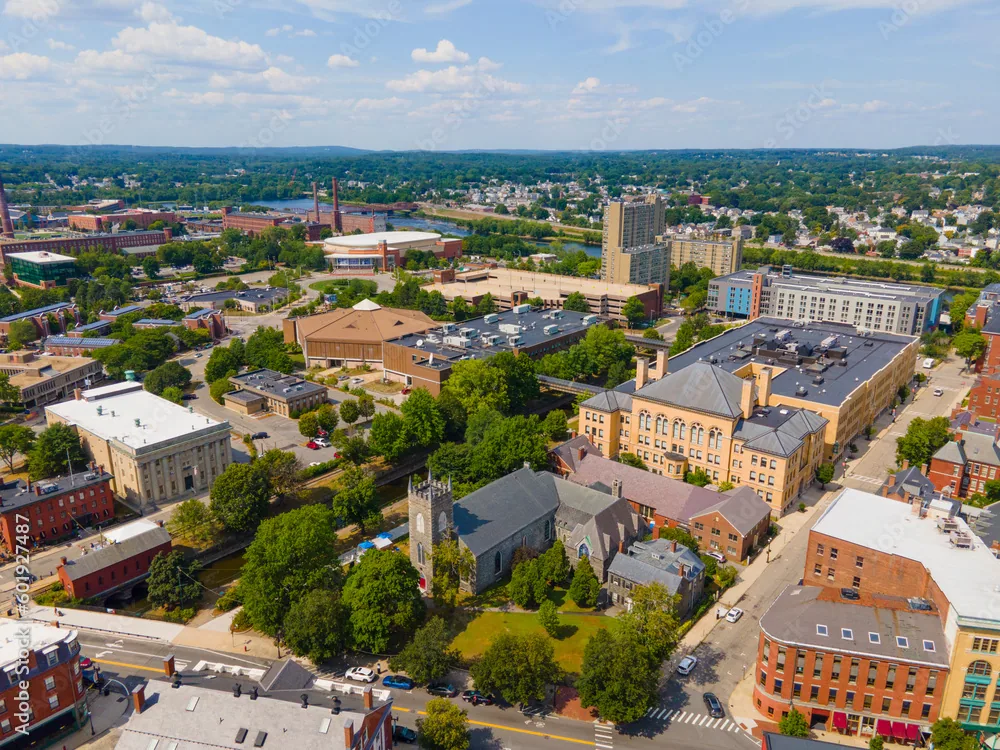
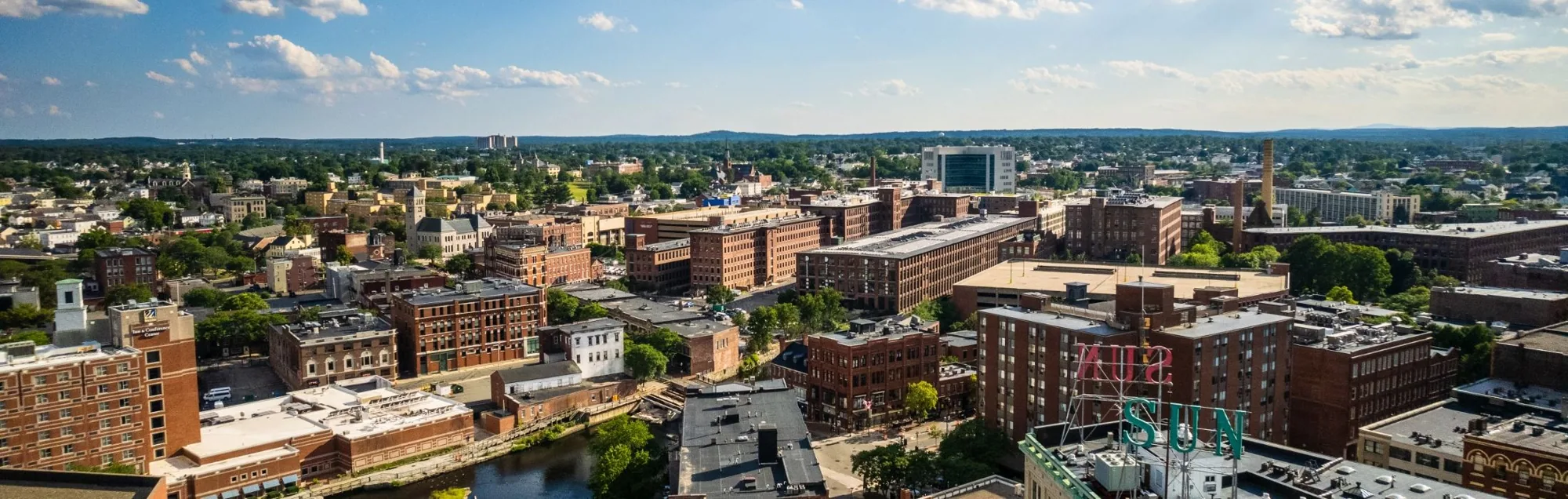
Downtown, the historic district's mill yards and canals bring Historic Board review to exterior work. An owner with buildings there needs the record to note which roof items are visible from the street and what approvals past work required. The Hamilton Canal District, a mixed-use redevelopment area, is a place where any building's record should begin with the closeout file from its installation.
Annual Schedule and Cost Exposure
The output is a schedule by year: which roofs get inspected, which get maintenance, which get repaired and which are candidates for replacement. Each line carries a cost range and the evidence behind it. The facility director can move a line forward or back and see the effect on the year's total. A capital plan grows from that schedule once replacement dates firm up.
Maintenance is the lowest-cost line and the easiest one to defer. A preventive maintenance visit clears drains, reseals boots and tightens edge metal before small faults become leaks. The record counts repair events for each roof over time, and it gives clearer evidence when a warranty claim is needed. Properties across Lowell can use the same format, and each report ties back to a condition report with photographs.
The schedule is reviewed once a year with the facility director. Items completed are checked off, items deferred are re-rated, and new events are added. The review ends with an updated cost range for the next three years.
Commercial Roofing Questions
What do you need to start a roof inventory?
A list of addresses, any roof plans, warranty papers and past repair invoices. Missing documents are not a barrier. The first walk and core samples fill in what the paper does not.
How is remaining life estimated?
From the condition of seams, flashing, surface, drainage and insulation moisture, read against the membrane type and the repair history. The result is a range with the evidence listed, and it is revised at each visit.
Can the record be shared with a lender or buyer?
Yes. It is written in plain terms, with photographs, dates and open items marked, so a third party can read the roof's state without a guide.
How often should each roof be visited?
Twice a year suits most commercial roofs, once before winter and once after. Roofs with known problems may need more, and sound young roofs may need less.
What happens to the record after an emergency?
The event is logged with the date, the cause, the photographs and the cost, and the roof's rating and remaining life are revised. Emergency work stays separate from planned work.