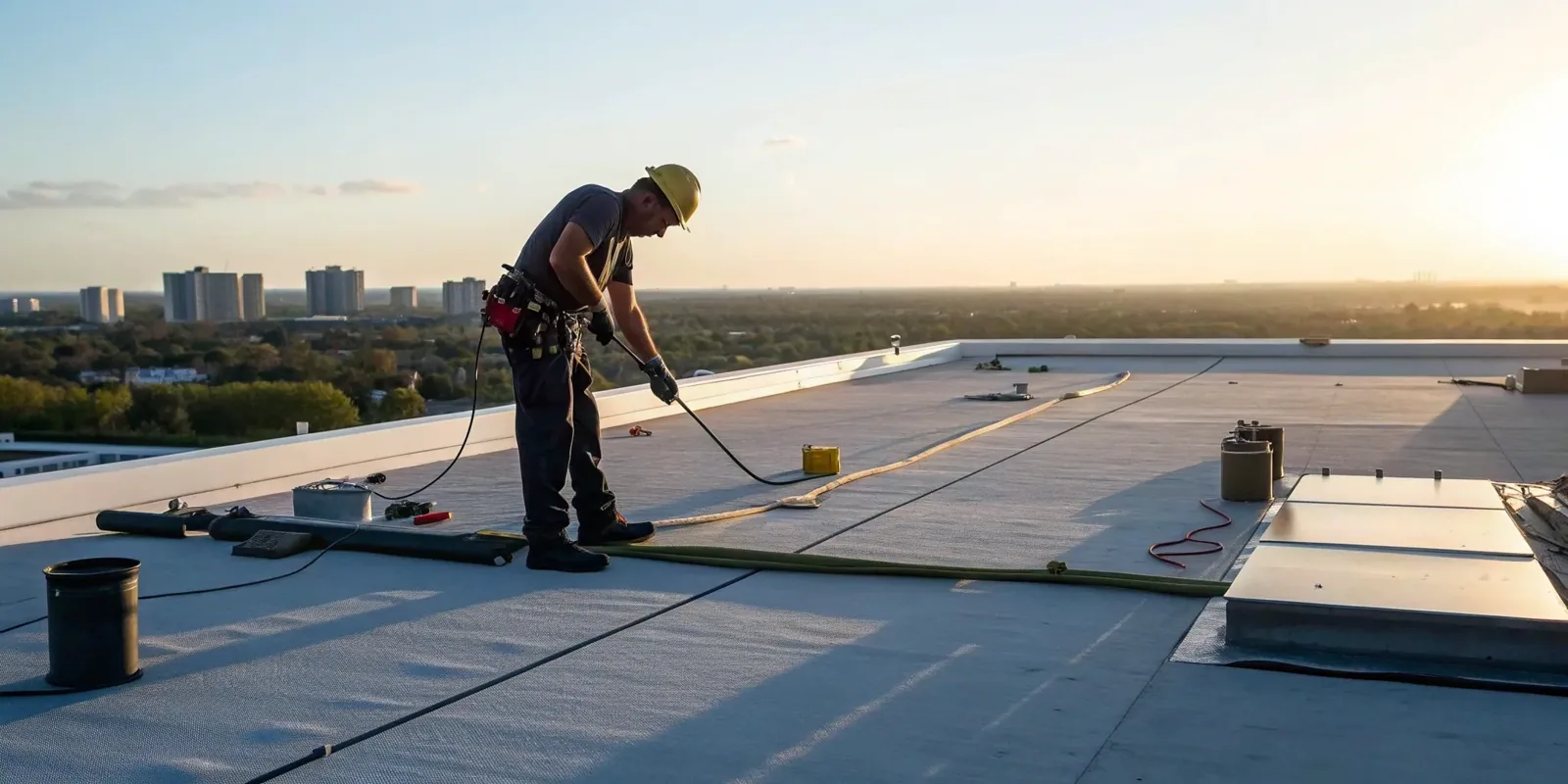
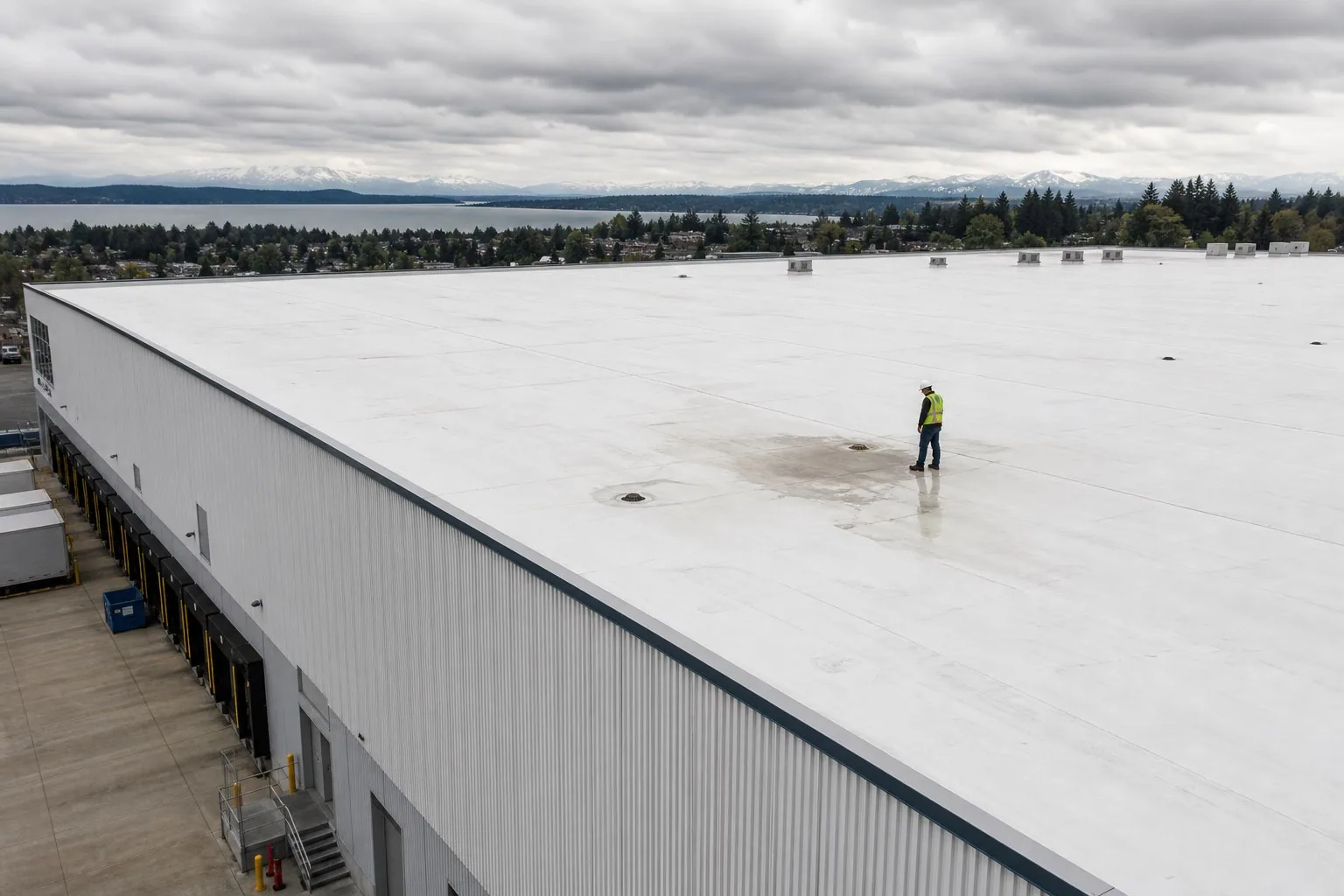
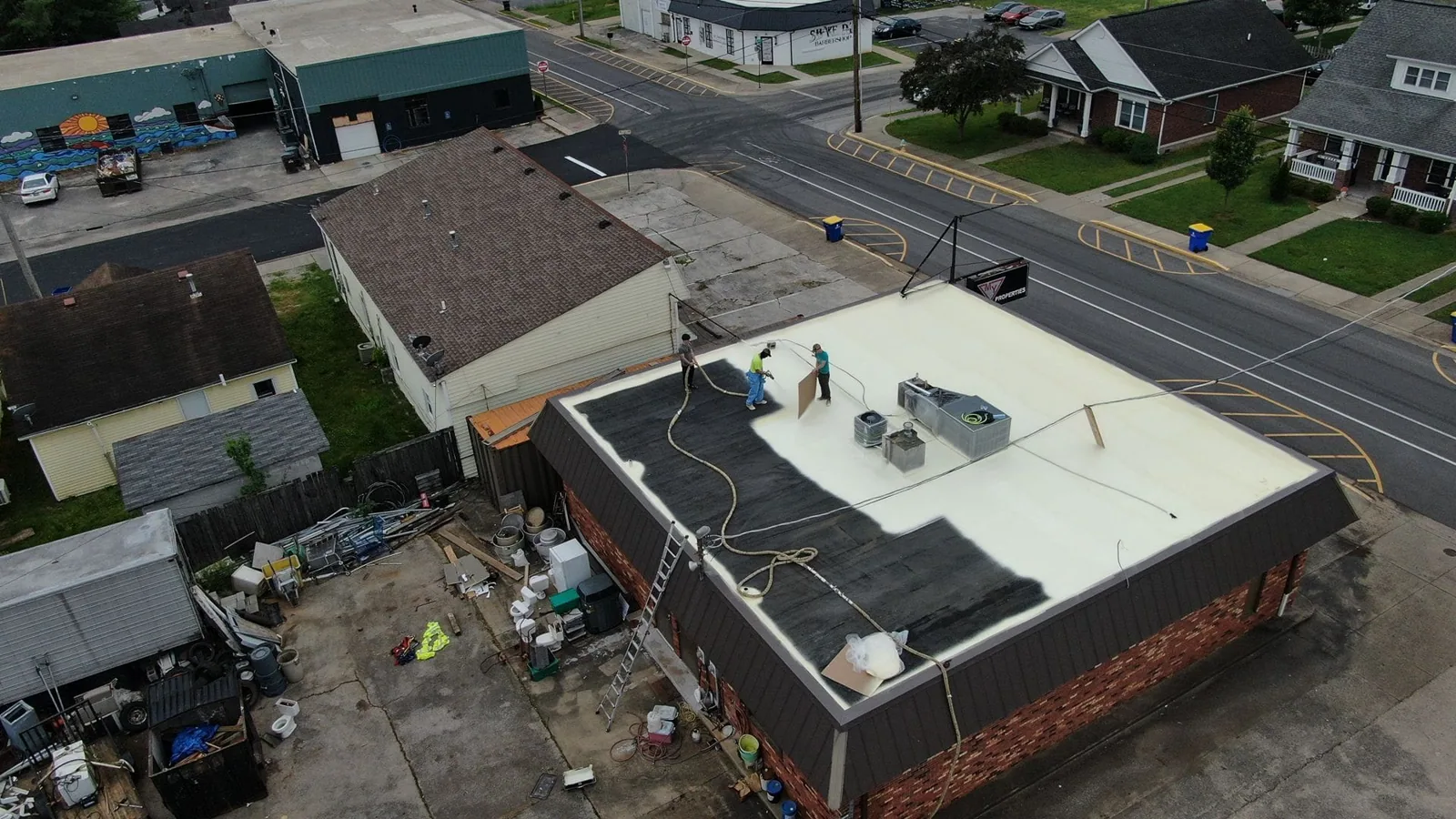
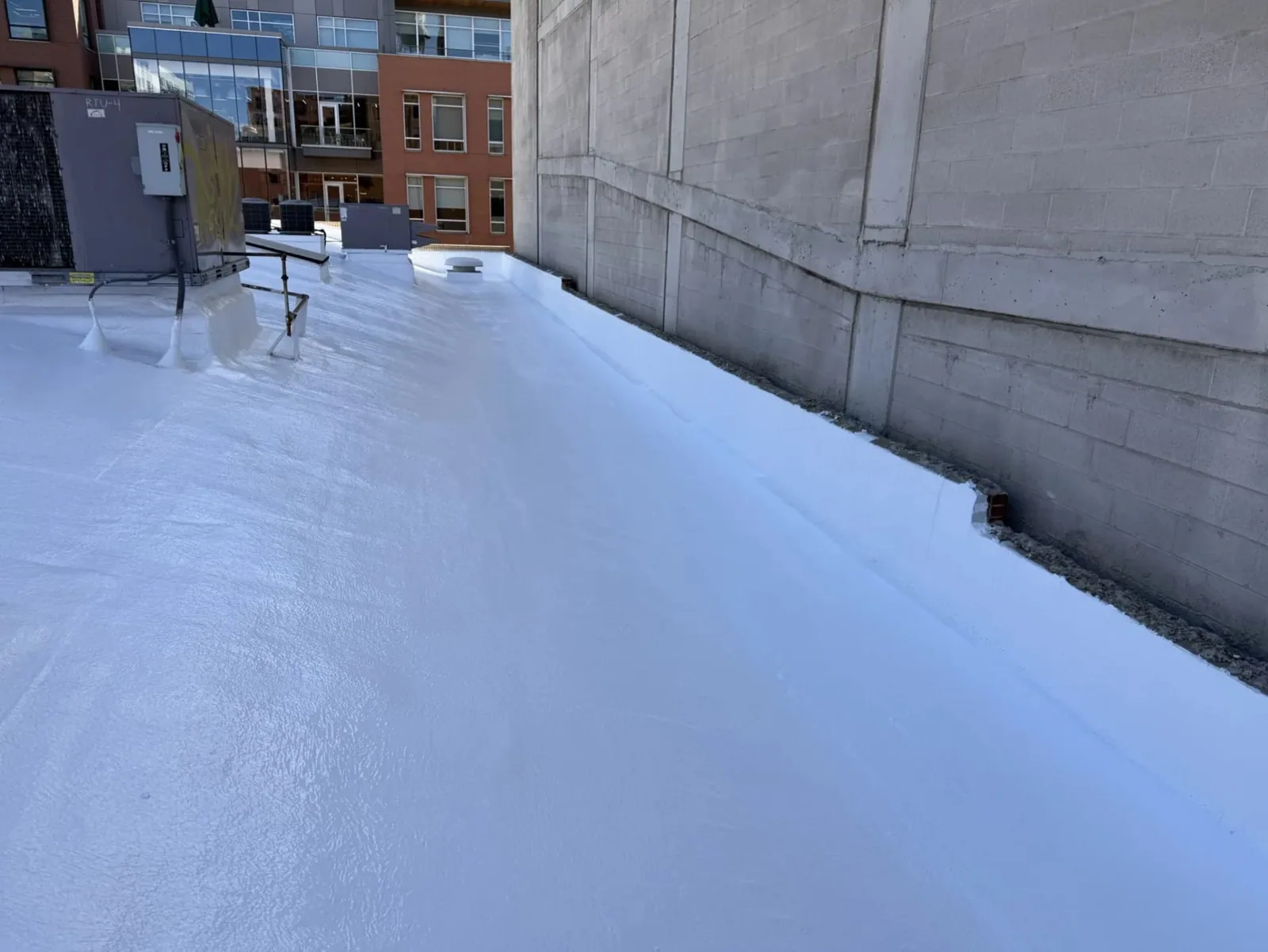
A capital plan answers one question for the budget meeting: which roofs get money this year, which next year, and which can wait with a repair. The answer has to come from evidence, so the first input is the inspection record, with photographs, moisture findings and a condition rating for every roof section. Without it, a replacement date is a guess, and a guess either spends money too early or lets an emergency set the date.
Timing is the cost lever. A roof replaced on schedule is priced when materials are available, the crew can plan, and the work lands in a dry window. A roof replaced after a failure is priced by the emergency: temporary dry-in, interior damage, rushed ordering and weather holds. The plan exists to move as many roofs as possible into the first category, and to put a number on those that cannot be moved.
The plan is also a negotiation tool with lenders, boards and partners. A schedule with dated evidence lets a facility director explain why a roof is funded this year and another is not, and it shows what happens to the cost if a decision slips by a season.
Inputs From the Roof
Four findings drive the schedule. Moisture in the insulation decides whether a recover is possible. Deck condition decides whether tear-off is limited to the membrane or reaches the structure. Seam and flashing condition set the maintenance load before replacement. Drainage sets the correction needed in the new design. We gather all four in the inspection and put them on the roof plan, section by section.
An inspection with moisture mapping is the base. Cores confirm the layers. The result is a replacement window for each section, not each building, because a single building can hold sections with different remaining lives. A phased plan can then replace the worst section first and leave sound ones in service.
The deck deserves a note. Steel decking corrodes where water has been entering, wood decking rots, and a concrete deck can spall. We check the deck at core locations and at the edges of any wet area, and we record what we see. Deck repair is priced by unit in the scope because the quantity is known only after the old layers come off. Owners who carry a contingency line for it avoid a change order during the job.
Repair, Recover or Replace on the Budget
The three options differ in cost, in life gained and in what they leave behind. A repair is the lowest cost and buys the least time. A recover adds a new membrane over a dry, sound roof, saves tear-off and disposal and adds a layer of weight and a later removal cost. A replacement removes the old system and resets the clock with new insulation and membrane.
The plan shows all three for each roof where they apply, with the conditions that allow each. A recover is off the table if the insulation is wet. A repair is a poor choice if failures are spreading. The comparison puts cost, expected life and risk side by side, so the facility director picks with the numbers visible and the assumptions listed.
Insulation is the other place where energy rules and budget meet. Replacement is the point where thickness can be raised to meet current energy requirements, and the added thickness changes the parapet height, the drain heights and the flashing details. We price those knock-on items in the replacement option so the comparison with a recover is fair.
Code, Energy and Historic Review
Approvals set the lead time. Since July 1, 2025, applications in Massachusetts are reviewed under the 10th edition code alone, which starts from the 2021 IBC and adds state amendments. That edition doubles as the base energy code, but a town may adopt stretch or specialized stretch rules, so the local energy requirement is confirmed project by project. A replacement that changes insulation thickness is reviewed against it.
A building inside the Downtown Lowell Historic District sends its exterior work to the Historic Board. That review needs time in the plan. We list each project's approvals in the scope with an estimated lead time, so the construction date accounts for them.
Weather Windows in the Schedule
In NOAA's Lowell normals, October brings about five inches of precipitation, December about four and a half, and January averages near 25 degrees Fahrenheit. Membrane work needs dry surfaces and workable temperatures, so the open season for most replacements is limited. A plan that books every project for the same weeks will find crews and material stretched, and weather holds that push work toward the cold months.
Spreading projects across spring, summer and early fall lowers that risk. Scope, permits and material orders are completed in winter so the crew can start when the weather allows. A building that depends on the first spring slot is scheduled first, and projects at lower risk follow. Where a roof cannot wait, a temporary repair holds until its slot arrives.
Heat belongs in the plan too. Lowell's July daily mean of 72.8 degrees Fahrenheit is moderate, but dark membranes run much hotter than the air, and thermal cycling between January and July works on every seam and sealant. A restoration coating is a mid-life option for a sound membrane with dry insulation, and the plan shows where it fits between maintenance and replacement.
Phasing and Multi-Building Budgets
Phasing spreads cost without leaving a roof open. Each phase covers whole roof sections and ends watertight. The plan lists the phases, the cost of each and the work that must come first, such as drain corrections or curb replacement. A multi-building owner can rank the buildings by cost of failure: the roof over a data room or a clinic comes before the roof over a storage bay.
For portfolios in Lowell, Billerica and Westford, a multi-site program bundles the phases into one schedule and one report. A record from the asset inventory feeds the plan each year, and the plan is revised when a storm or a failure changes the order. Mobilization along I-495 or Route 3 is planned once for several buildings.
The last page of the plan is a risk register. It lists what could change the schedule: a failed section, a code change, a delayed permit, a storm. Each line has a trigger, an owner and an estimated cost, so the next budget meeting begins with facts.
Commercial Roofing Questions
How far ahead should a replacement be planned?
Start the survey and scope a full season before the work, since permits, material orders and any historic review run in the months before the crew arrives. Roofs close to failure get a shorter path.
What if the budget cannot cover all the roofs needing work?
Rank them by cost of failure and condition. The worst sections get funded first, sound ones get maintenance, and the rest get a dated re-inspection so the ranking stays current.
Does a recover save money over a tear-off?
It saves tear-off and disposal now. It adds a layer that must be removed later and requires dry insulation and a sound deck. The plan compares both over the full life of the roof.
Which costs are hardest to predict?
Wet insulation and deck repair, which are known only when the roof is opened. We state a unit price for each in the scope, and the final cost follows the measured area.
Can the plan be updated after a storm?
Yes. A storm event is logged, the affected roofs are re-rated, and the schedule is revised with the new order and cost range. Emergency costs are recorded separately from planned ones.