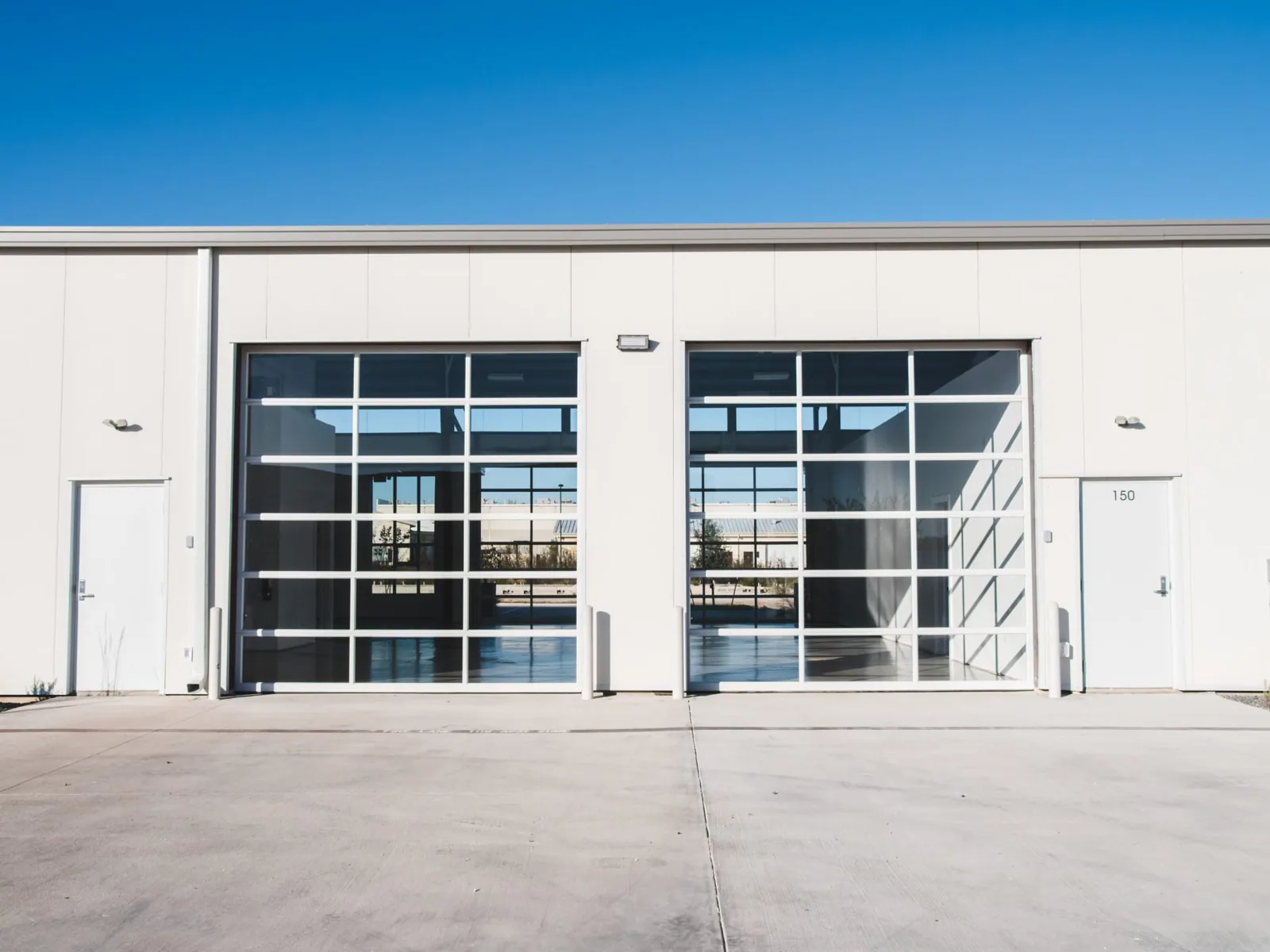
Roof sections get numbers before they get prices. On a manufacturing or industrial building, a leak report can refer to a bay, a dock door or a stretch of ceiling, and none of those names maps cleanly to the roof above. So the first task after a call is to divide the roof on a plan, tie each stain to a section, and then decide what to protect, what to open and what to price.
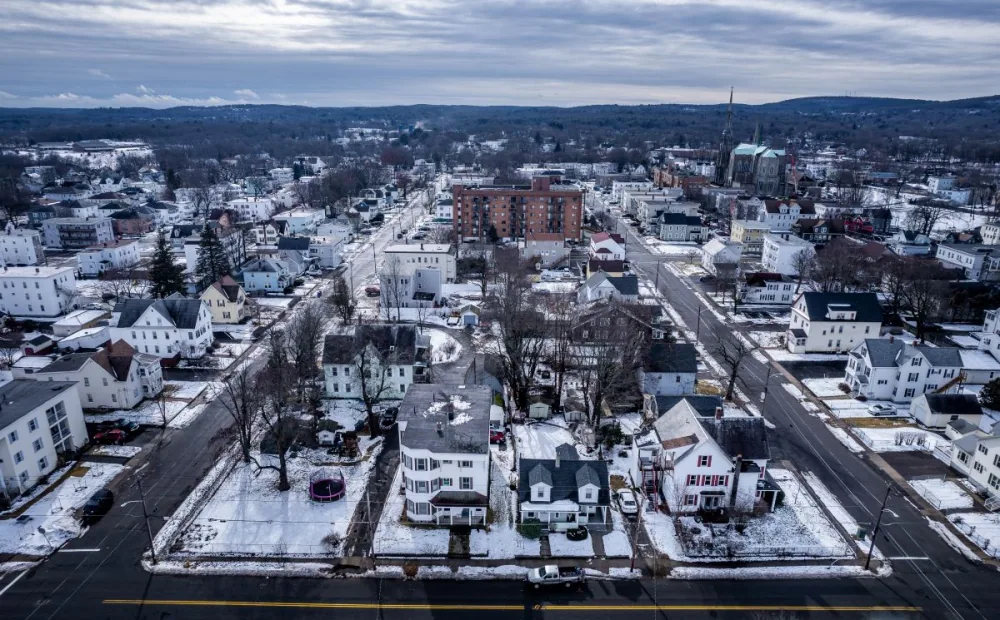
Lunenburg is crossed by Route 2A and lies about ten miles from a Route 2 interchange, and its master plan records industrial parks set aside for industrial uses with public sewer and water service. The plan describes manufacturing, extractive-industry and retail operations as part of the town's employment base. For a roofer, that mix means roofs over production space, roofs over retail, and equipment on both. Each gets the first-hour check before any talk of permanent repair.
Roof Plan and Section Numbers
We build a plan from the owner's drawings where they exist and from the roof itself where they do not. Each change of height, deck, membrane or drainage zone is a new section. Each drain, scupper and curb gets a mark. The plan is the language of the whole job: stains, tests, photographs and prices all refer to section numbers.
This matters most on buildings that have been extended. A roof added to over time may have three membranes of different ages and different manufacturers, and each addition may drain differently. The plan keeps them from being blended into one description. When a leak is reported, the section above the stain is walked first and the neighboring sections are checked for the water path.
Photographs follow the plan. Each condition is taken from a marked position and filed under its section number, so a later visit can repeat the shot and show whether a ponded area grew or a seam opened. That comparison is often the cheapest way to decide whether a roof needs work now or can wait another season.
Industrial Park Roofs
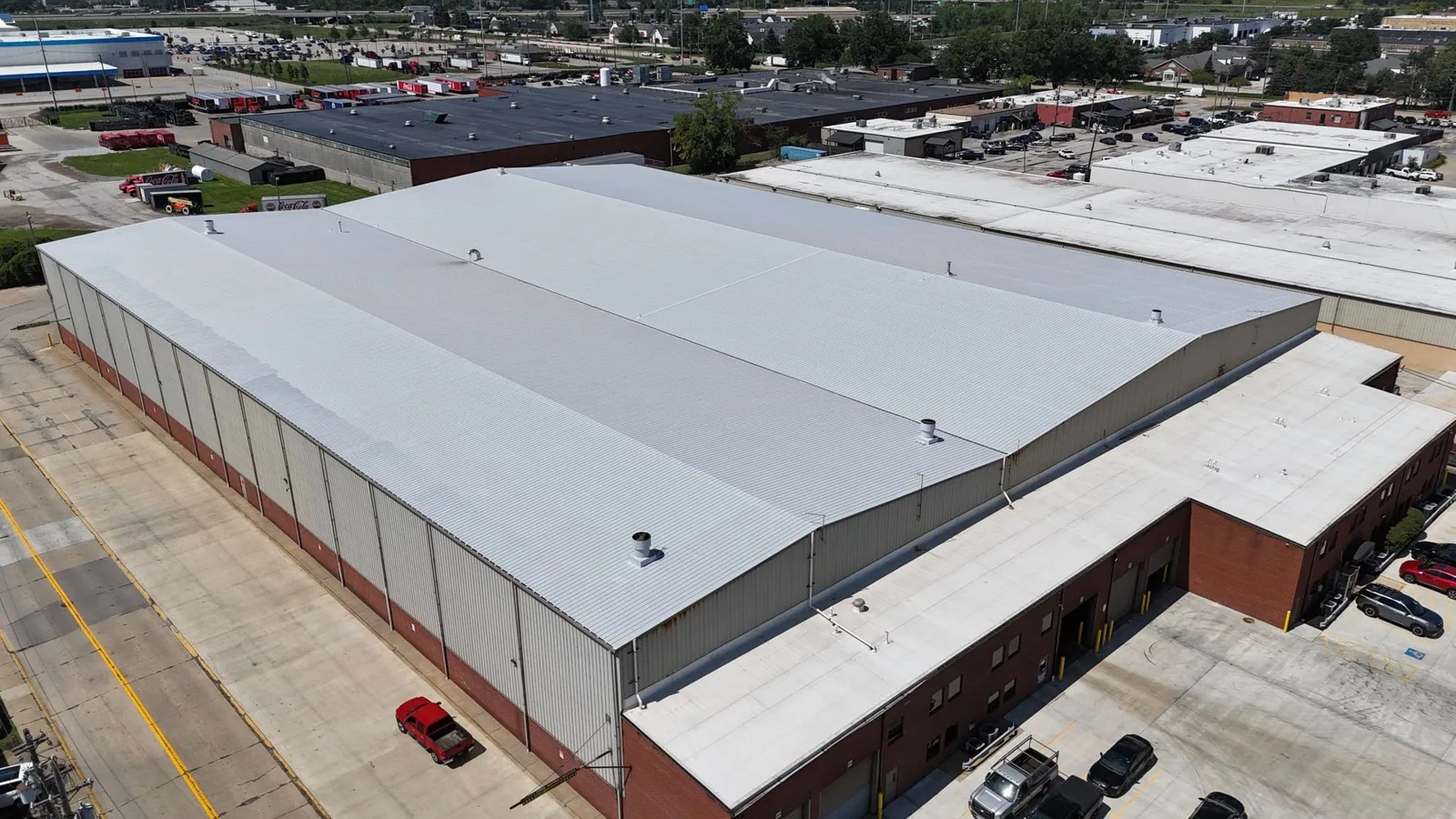
A roof over an industrial operation can carry rooftop units, exhaust stacks, make-up air and sometimes process piping. We trace each unit's condensate and exhaust, check the curb flashing, and look for staining that shows where discharge lands on the membrane.
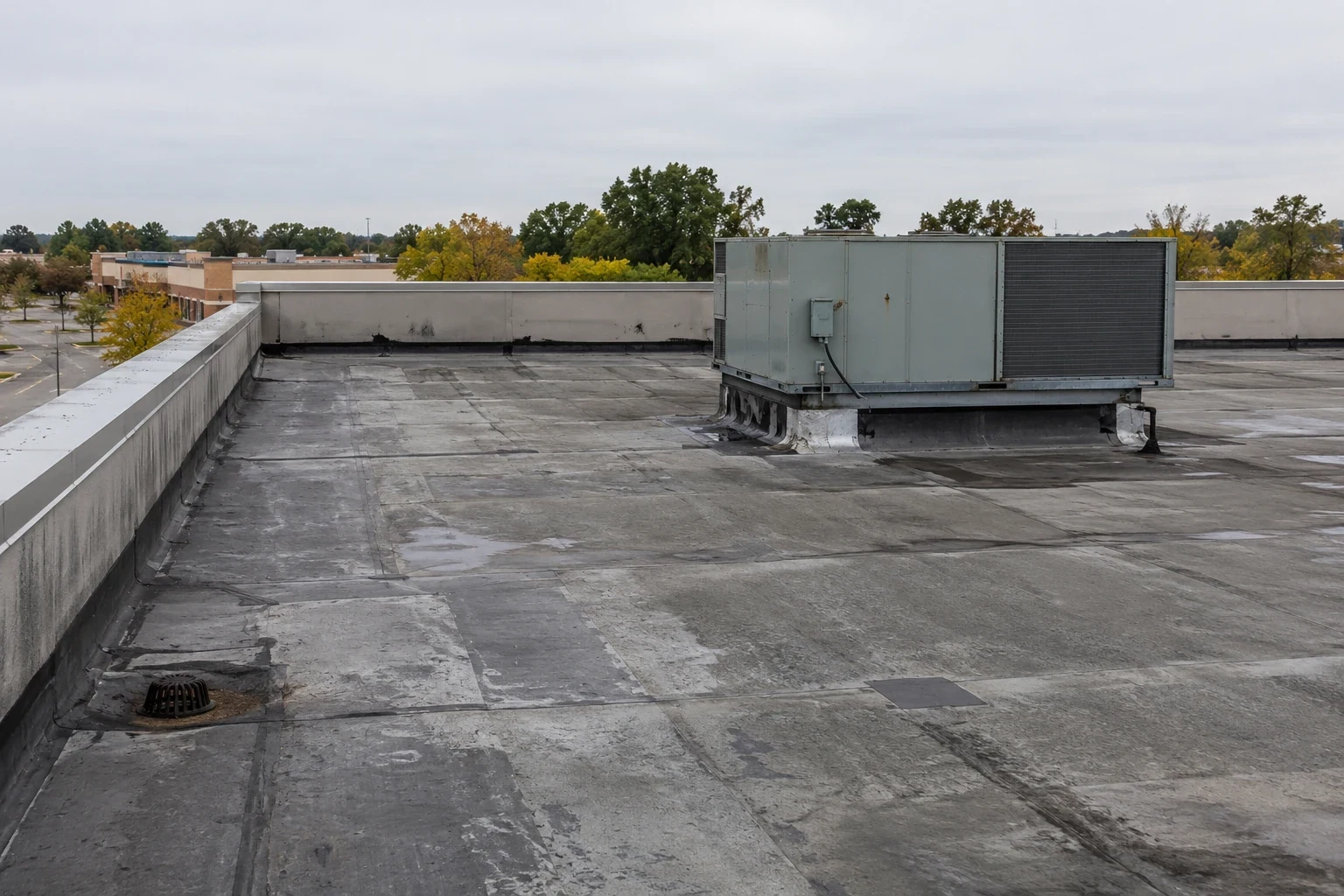
Where a low-slope roof drains through interior leaders, a blocked leader can fill a sump and back water onto the roof. A manufacturing plant roof or a flex industrial roof is walked with the drainage path in mind, because the cost of a drainage failure is often larger than the cost of a membrane repair.
Interior leaders and drains deserve a test, not just a look. A water run at each drain, with someone watching below, shows whether the leader carries flow or has a hidden blockage. A leader that backs up in a cold snap can freeze, and a frozen leader turns the roof into a basin until the thaw.
Process Exhaust and Dust
Operations that create dust, vapor or heat change what lands on a roof. Dust collects at low points and around drains, and when it is damp it can hold moisture against the membrane. Exhaust with oils or chemicals can soften or stain certain surfaces. We map the staining, test the membrane near each discharge point, and note which section is affected.
Where the town's plan describes manufacturing and extractive-industry operations, the practical question for a roof is housekeeping. Strainers must be cleaned, dust cleared from drain sumps, and walkways kept free so staff do not step on the membrane. The inspection note lists these items by roof section, with a follow-up date, so the work becomes part of the building's routine.
Heat from process equipment is another factor. A roof over a hot area ages faster at the surface, and the membrane near an exhaust can show cracking earlier than the rest of the field. The report marks those areas as a separate rating line, so their condition can be tracked through the years.
Retail Roofs and Tenant Access
Retail space adds a different set of constraints. Customers use the building during the day, parking lots sit close to the walls, and tenants may hold separate leases with separate responsibilities. A leak over one storefront can come from a roof section that serves several, so the plan shows which sections sit above which units.
Work hours, noise and staging are agreed with the property manager before the crew arrives. Material is staged away from entrances, and fall protection and barricades are set so that no one walks beneath active work. A shopping center scope often splits into phases, so each tenant's space is protected while its roof section is open.
Signage, rooftop screens and satellite equipment add penetrations to retail roofs. Each is checked for sealant and flashing, and any that were installed without a proper curb are recorded as repair items, with a recommendation for the correct detail.
Weather and Code Context
Lowell's 1991 to 2020 NOAA normals give 48.51 inches of precipitation a year, with January averaging 24.9 degrees Fahrenheit, and the city's hazard mitigation materials list hurricanes and winter storms among major hazards. Lunenburg roofs plan around the same regional pattern.
Since July 1, 2025, applications in Massachusetts have gone under the 10th edition alone, a state version of the 2021 International Building Code. A replacement scope is checked against it, and local energy provisions are confirmed for the project, since a town may adopt stretch rules separately. Insulation thickness, edge metal and drainage are the items that most often shift a scope.
Mobilization, Cost Update and Return Window
Lunenburg lies about ten miles from a Route 2 interchange, which bears on mobilization, so we confirm delivery windows and crew arrival times with the owner at the first call. After the inspection comes a cost update with the dry-in, the repair boundary and a range for the permanent work, and testing for moisture brings a second one.
The return window is the first stretch of weather that suits the permanent repair. Owners with buildings in Townsend, Pepperell or Lowell can ask for the same report on each. When a roof needs recurring attention, a drain and scupper check can be added to every visit.
Commercial Roofing Questions
Why does the plan come before the price?
A price needs a repair boundary, and a boundary needs section numbers. The plan ties each stain to a roof section so the work and the cost refer to the same area.
What if the building has several additions?
Each addition is a separate section, with its own membrane, age and drainage. The report ranks them so the owner sees which one needs work first.
How do you handle a leak over a production line?
Interior protection goes up first, then the active water path is traced. Hot work and noise are scheduled with the plant so that the line below is not stopped unless the owner decides it must be.
Does retail traffic change how repairs are done?
It changes staging, hours and barricades. Roof sections are opened one at a time, and tenant spaces below are protected during each tie-in.
Which records help with a later sale or loan?
The roof plan, dated photographs, test results and the repair list. They show what the roof was on the day of the walk and what was done since.