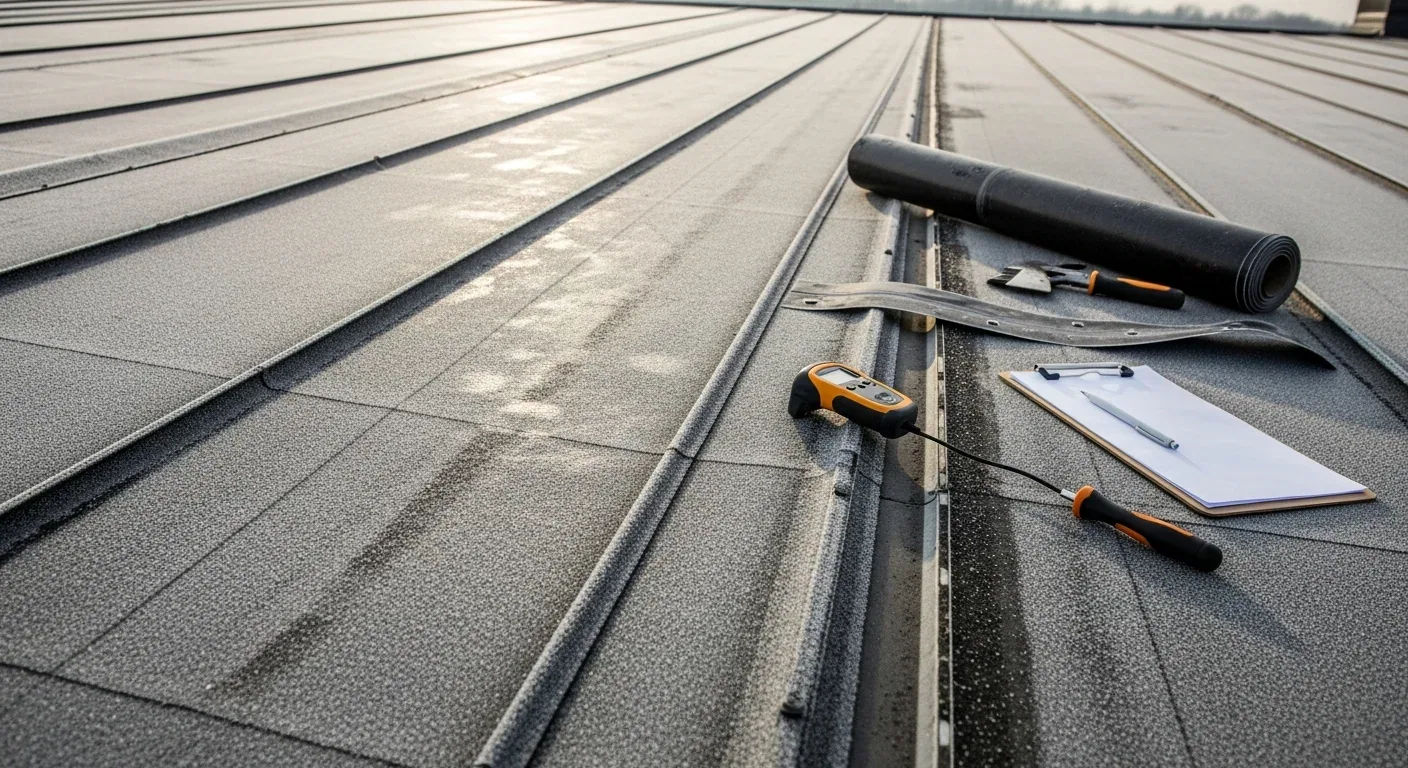
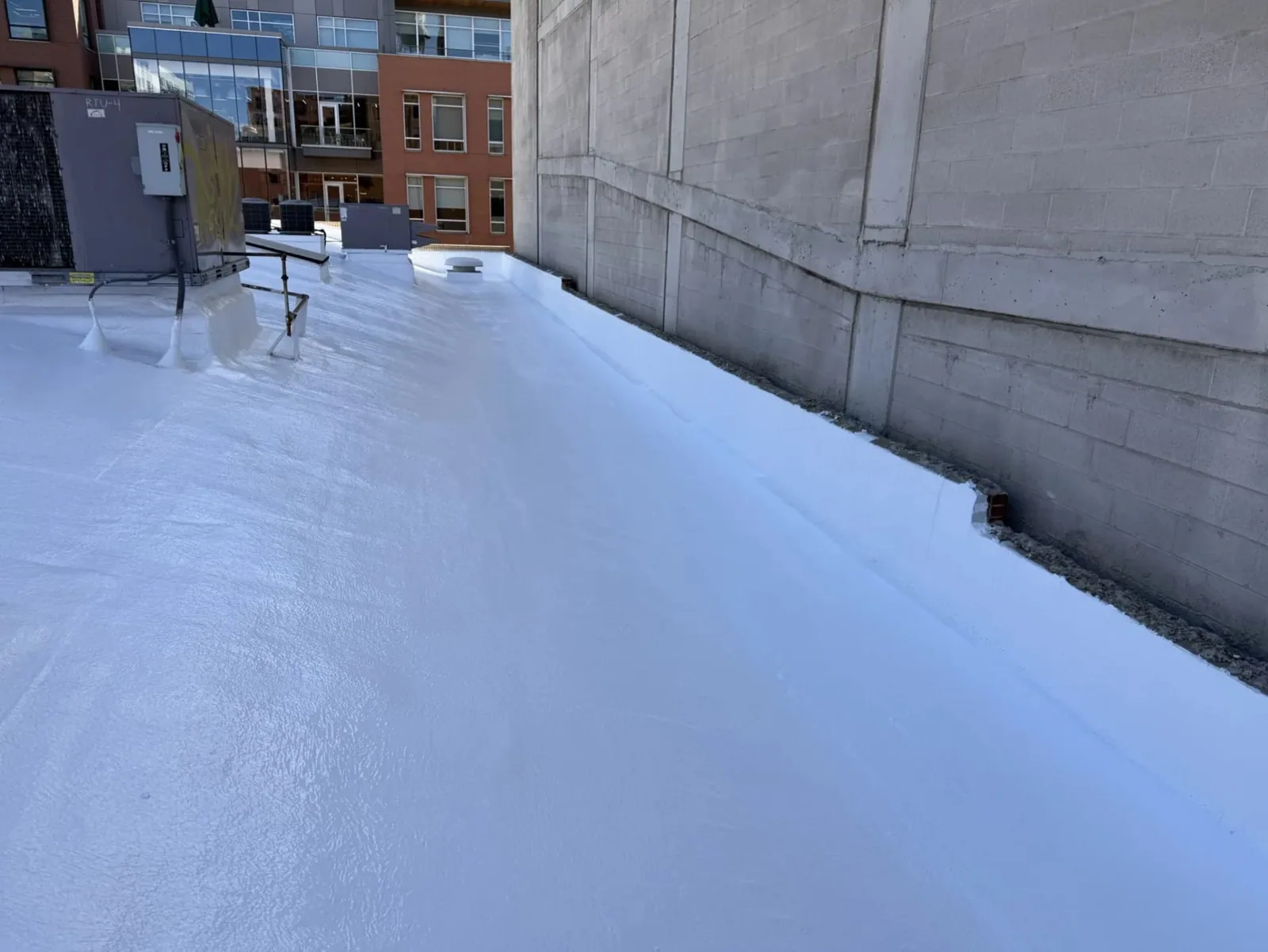
Probe the seam before anyone calls it failed. A hand probe run along a lap tells the crew in minutes whether the bond is tight, partly open or gone, and the result sets the repair boundary. The first-hour check on a seam report has three parts: find the active water path, keep the interior protected, and mark the length of seam that has to be opened.
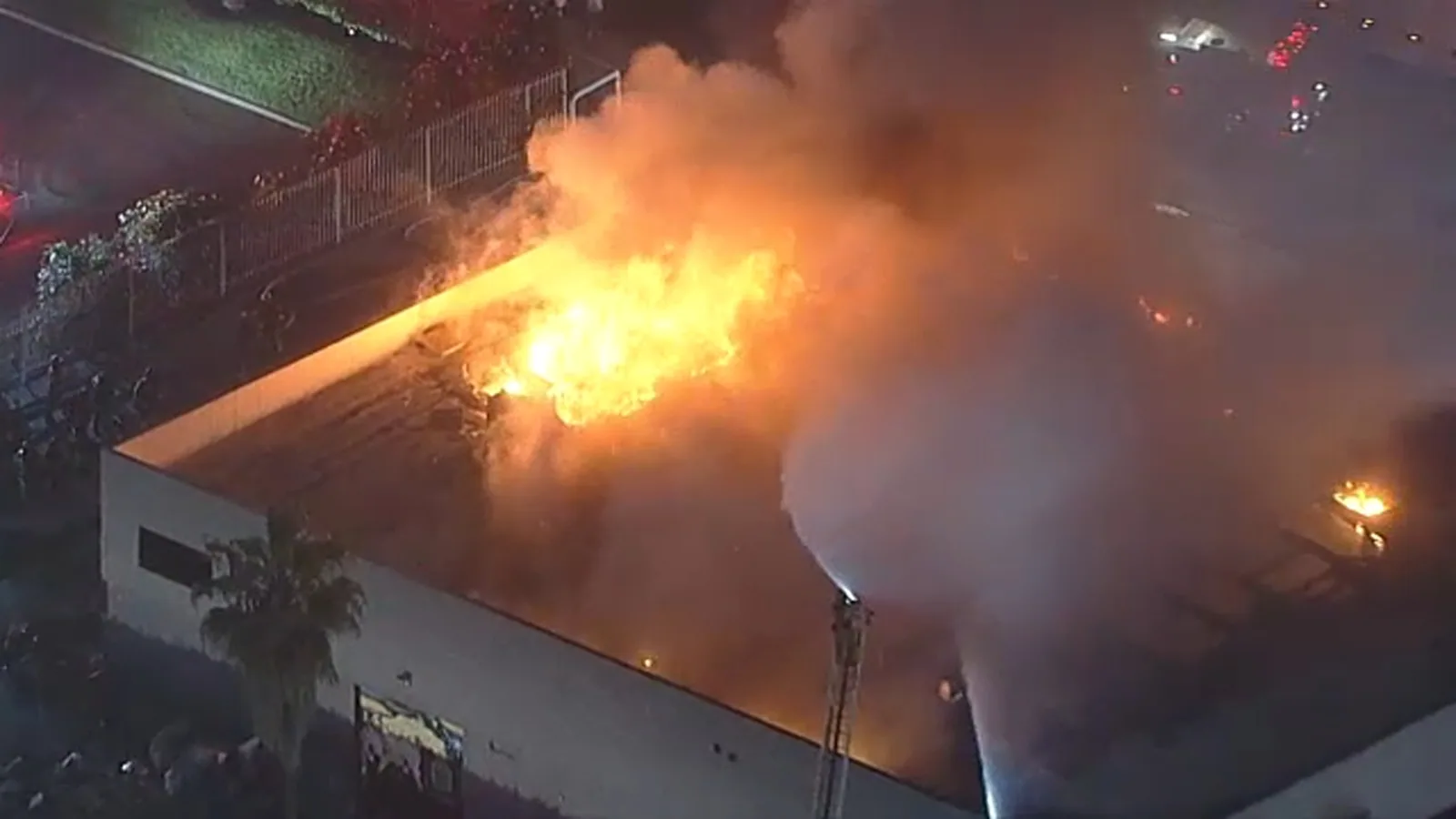
Seams are the longest joints on a single-ply roof, and they are where thermal movement concentrates. NOAA's Lowell normals put January near 25 degrees Fahrenheit, July near 73 and annual precipitation near 48.5 inches. A membrane that shrinks in January and softens in July pulls on every seam twice a year, and moisture reaches an open lap in every season. The inspection note records each opening by location and length so cost can be set before work starts.
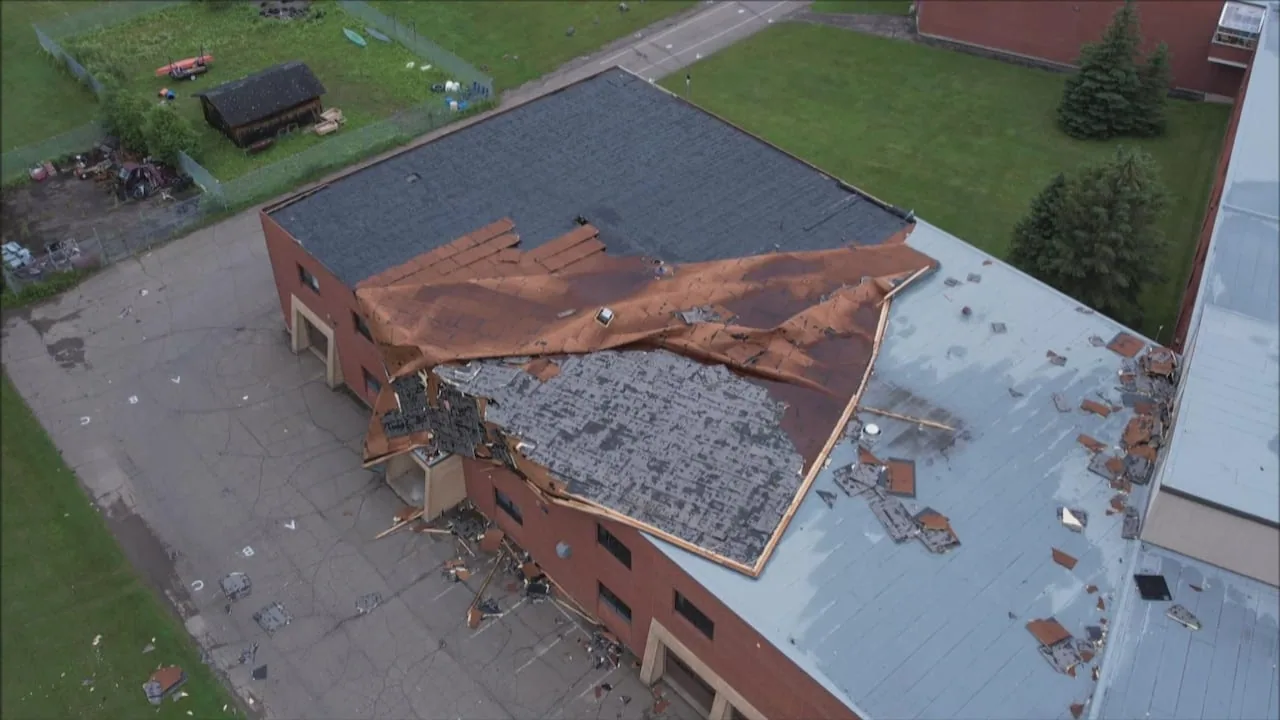
Wind is a frequent trigger. A gust lifts a loose lap, the lap flaps, and the bond fails along the line of flutter, a pattern seen after wind damage. Seam openings that run in a line parallel to the roof edge point to this cause, while scattered openings across the field point to age or workmanship.
Welded, Adhered and Taped Seams
How a seam fails depends on how it was made. In TPO and PVC, heat-welded seams fail when the weld was cold, the surface was dirty or the membrane has aged and shrunk. In EPDM, seams are bonded with adhesive or tape, and failure shows as a lifted edge or a gap where the splice has let go. Modified bitumen seams fail through lap edges that were not fully sealed or that have been weathered.
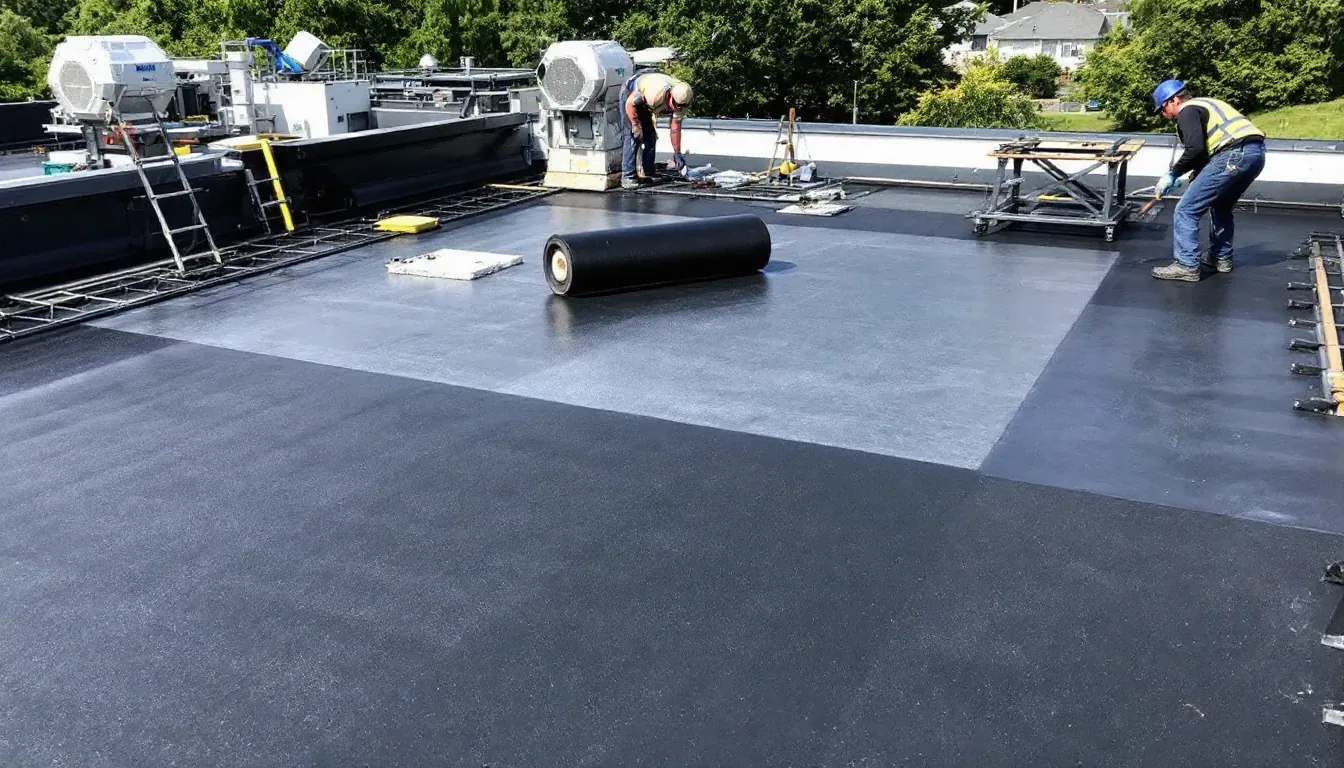
The repair follows the system. A welded seam is cleaned and re-welded with a hot-air gun and a roller, with a cover strip where the lap is damaged. An adhered or taped seam is cleaned, primed and re-spliced with the correct tape or adhesive. A TPO roof and an EPDM roof take different materials, and mixing them is how a repair fails a second time.
Age matters in the choice of repair. A membrane that has hardened or shrunk will not take a new weld well, because the old material has lost the plasticizers that let it fuse. In that case, a cover strip with fresh material across the failed lap or a cut-out patch from an unweathered sheet gives the repair a sound edge to join. We test a scrap of the existing sheet before deciding which method to use.
Inspection Steps
The walk follows a fixed route. We start at the stain or report and work outward along the nearest seams, probing each lap at close spacing. The probe is a blunt tool that finds an unbonded edge without cutting the membrane. Open sections are marked with paint and photographed. T-joints, where three layers meet, get extra attention, since they are the weakest points in most seam patterns.
We also look at the sheet beside the seam. Shrinkage pulls the membrane away from the flashing and thins the lap. Dirt trapped in the lap, scuffing from foot traffic and ponded water all point to causes beyond the seam itself. A seam repaired without addressing the cause fails again, so the report names both the opening and the condition that produced it.
Records matter on this repair, since a seam is easy to forget once it is closed. We photograph each repaired lap with a scale, enter its length on the roof plan and list the method used. A later leak near the same spot can then be checked against the earlier work, and any warranty review has the evidence it needs.
Water Path and Insulation Moisture
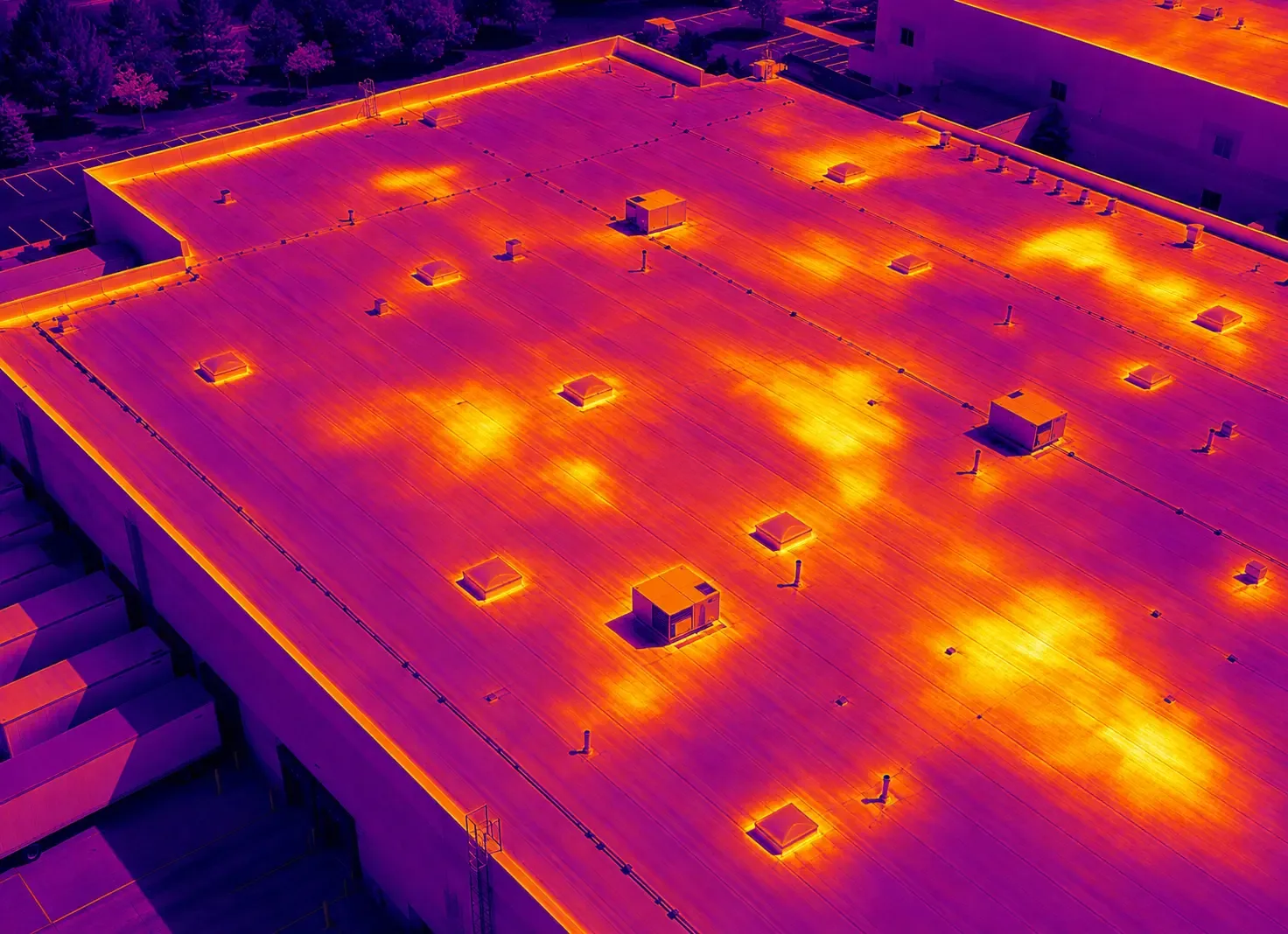
An open seam lets water under the sheet, and it can travel a long way before it finds a fastener hole or a joint in the deck. The interior stain may appear many feet from the opening. An infrared moisture survey maps the wet insulation, and a core sample confirms it. The wet area becomes part of the repair boundary.
If the board is wet, closing the seam is not enough. Wet insulation holds water against the deck and loses its thermal value, so the damaged board is removed and replaced before the membrane is closed. Where the wet area is small, a patch scope fits. Where it spreads, the scope grows toward a section replacement, and the cost update says so with the readings attached.
Route and staging also affect timing. Route 3 and I-495 meet at Lowell, which shapes the routes trucks take, and we confirm the lift position and delivery window for each address before the crew is sent, so a seam repair does not stall for want of a fitting or a roll of membrane.
Weather Hold and Return Window
Welding and bonding need a clean, dry surface and workable temperatures. In winter, a temporary seal goes on the open seam the same day, usually with a cold-applied tape or sealant rated for the temperature, and the permanent repair waits for the return window. Freeze-thaw cycles can open a repaired seam if the surface was damp, which is why the permanent repair waits for dry conditions.
The temporary seal and its date go into the inspection note. A follow-up visit checks it after the first heavy rain and again after the first thaw. For roofs with ponding water over seams, the pond is dealt with at the same time, since water standing on a lap shortens the life of the repair.
Cost Update and Scope Decision
Seam repair is priced by linear foot, with additions for wet insulation, flashing work and access. A short, isolated opening is a small job. A long run of failed laps across a roof section raises the question of whether repair or replacement is the better use of money. The cost update compares both, using the probe results and moisture readings, and gives a date for the decision.
If a roof has aged so that new seams are opening faster than they can be repaired, a restoration coating or a recover may be the better route. The written scope shows each option with its cost and its weather hold, and a facility director can choose with the numbers at hand. Roofs reached from Route 3 or I-495 are mobilized the same way, so travel does not change the comparison.
Owners with buildings across Lowell can ask for the seam survey to be run across all of their roofs in one season. The combined report ranks the roofs by the length of open seam and the moisture found, which helps set the order of work.
Commercial Roofing Questions
What makes a seam open on a roof that is only a few years old?
Usually a weld or splice made in poor conditions: a damp surface, dirt in the lap or a cold weld. Movement from the January-to-July temperature swing then pulls on the weak spot until it opens.
Can a seam be repaired in winter?
A temporary seal can. The permanent repair needs dry, workable conditions and normally holds for the return window.
Is a cover strip as good as a re-weld?
A cover strip is suited to damaged or shrunken laps where a re-weld has no good material to join. Where the lap is sound, a re-weld is simpler and leaves a cleaner seam.
How long a section does the report mark for repair?
The report marks the failed seam plus the length on each side where the probe finds a tight bond. Wet insulation under the seam adds its own boundary.
What if the seams are failing across the whole roof?
That points to aging, not a local defect. The cost update then compares repair with coating, recover and replacement so the owner can choose using the readings.