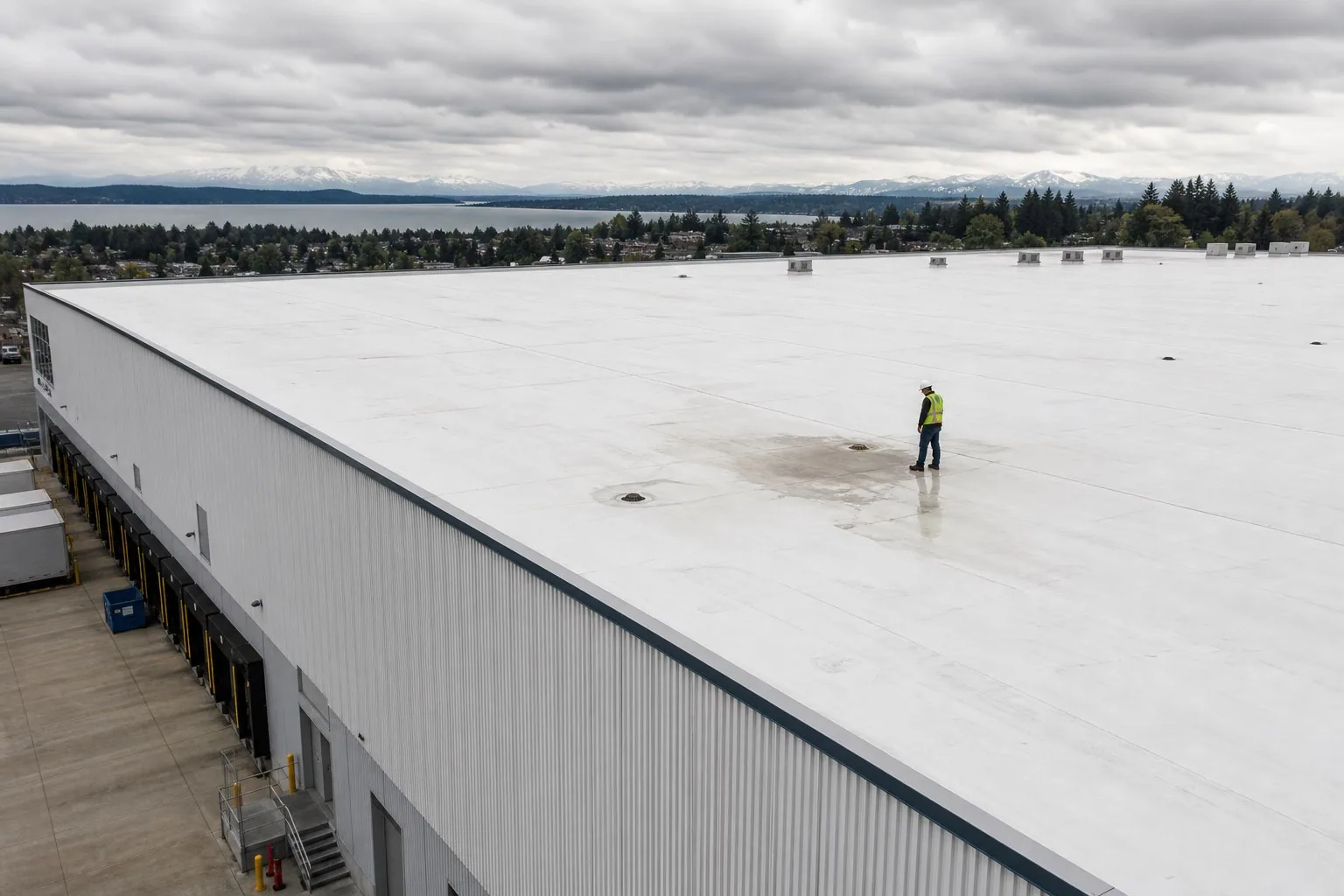
A call from North Andover, MA starts with three questions: where is the water, who can reach the roof safely, and what sits below the wet spot. Answer those and the first response is clear. We protect the interior, set a temporary dry-in if the weather allows, and book the full inspection once the active water path is understood.
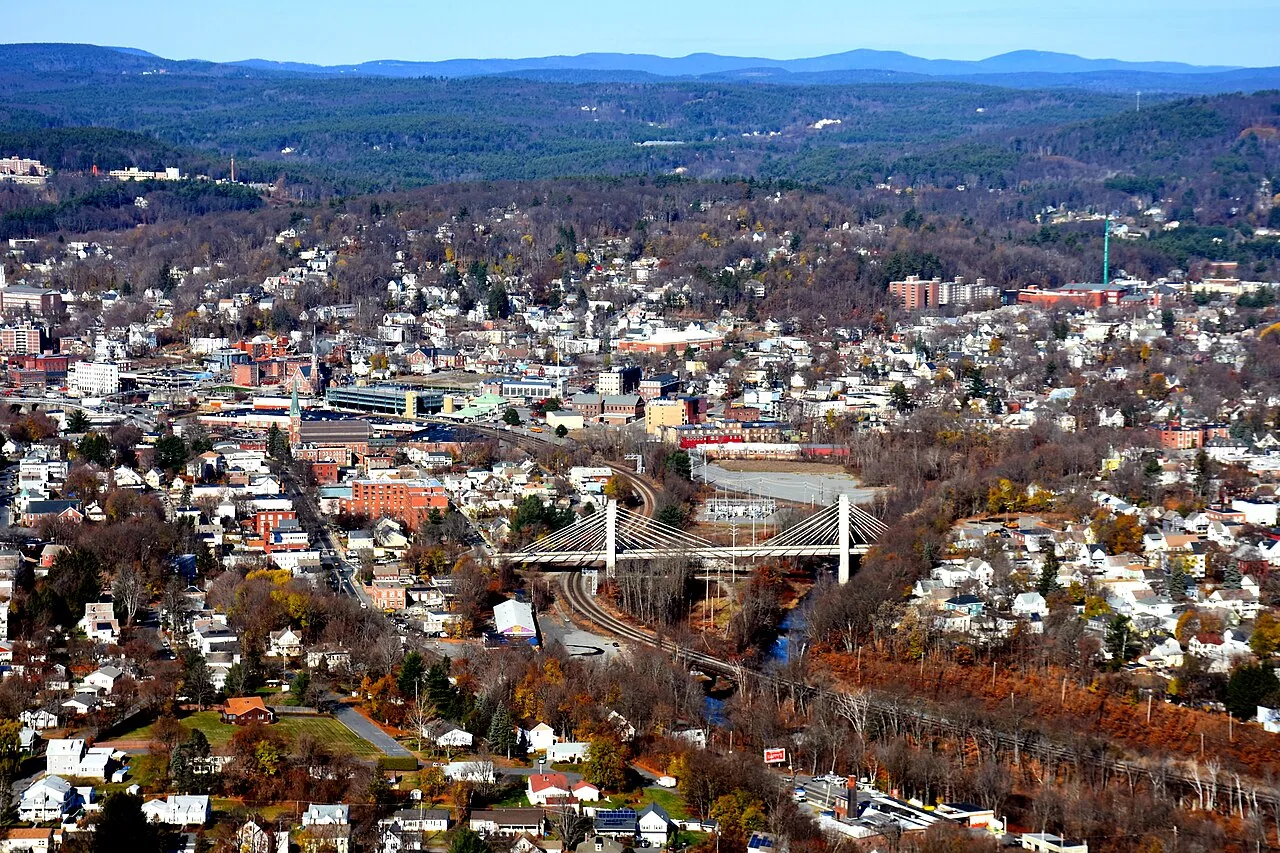
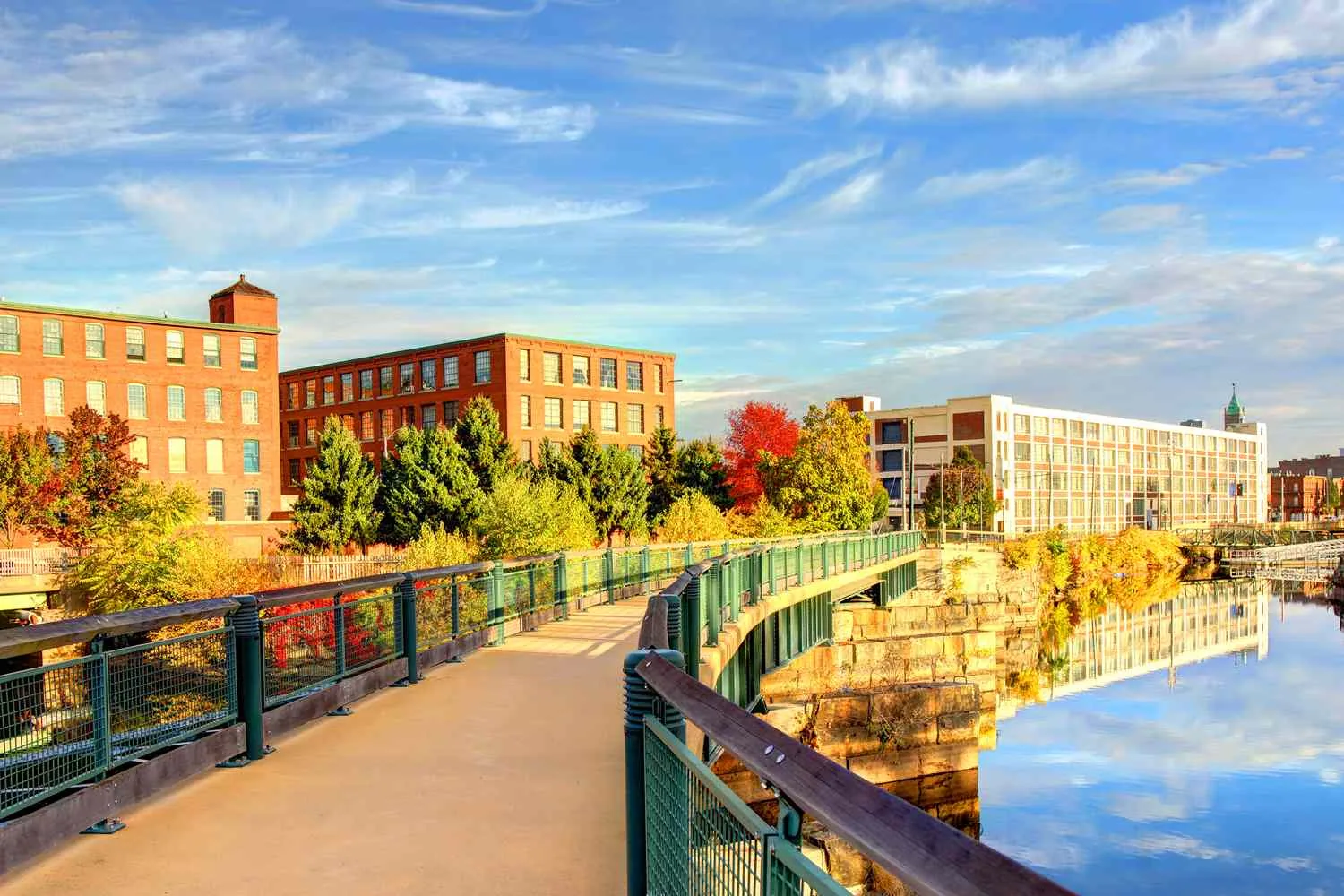
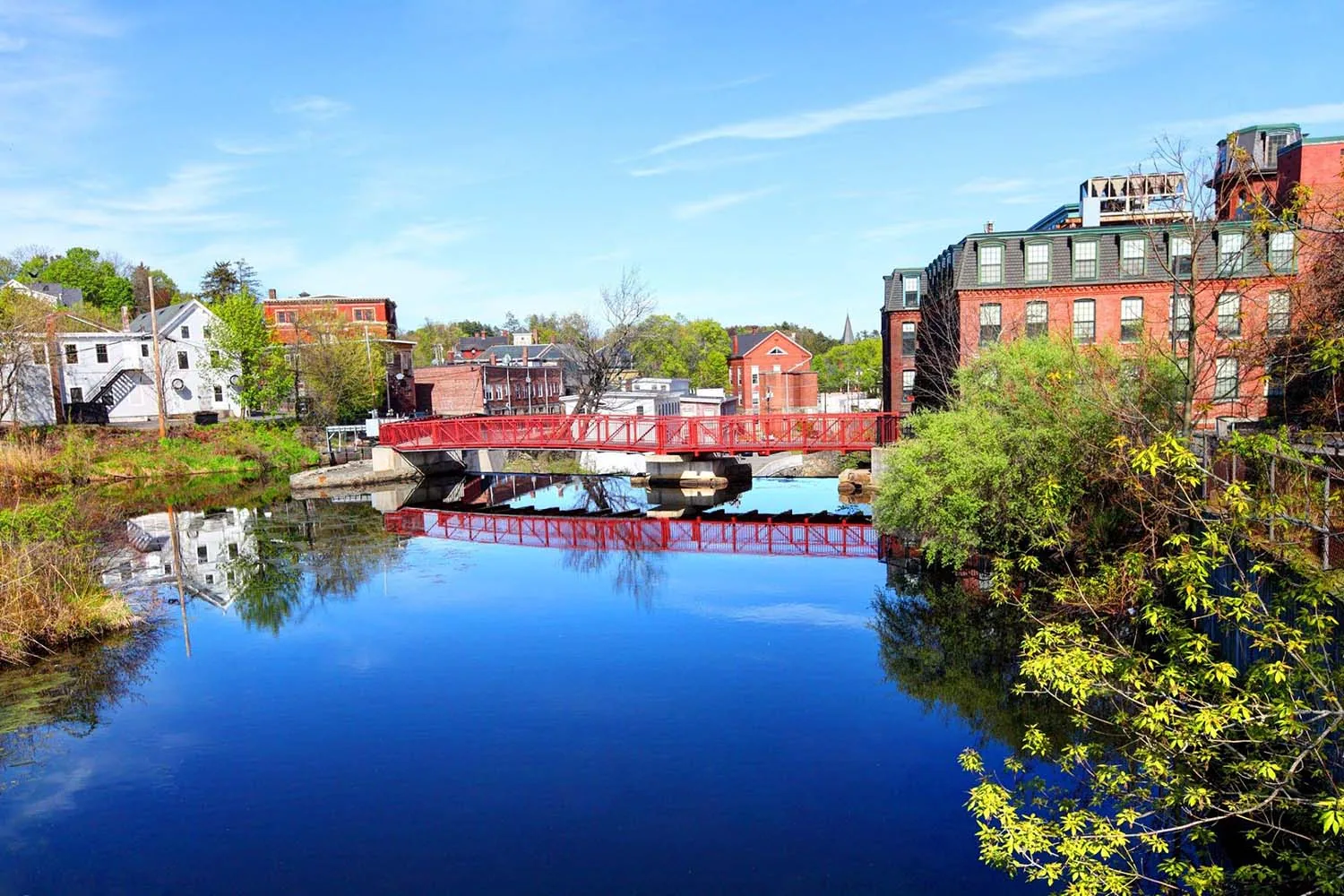
North Andover planning identifies Routes 114 and 125 and the downtown and Historic Mill District as established business locations. Those are different roof settings. A commercial building on a route frontage tends to need access for a lift or a ladder truck, while a building in a mill district may need a different plan for staging and for working beside neighbors. The inspection record names which setting applies before any repair is priced.
Report Intake
The first minutes of a report set the cost of everything after. We ask for the room or bay where water appears, the time it started and whether it follows rain, snowmelt or a mechanical unit cycling on. We ask who is on site, which areas hold electrical equipment and whether anyone has already moved stock or covered furniture. Those answers decide whether the first visit is a protection visit or an inspection.
A facility director should expect a clear record of what was reported: location, first visible condition and interior protection in place. That record keeps emergency work separate from permanent repair, so the later scope shows which items were temporary and which are final. It also gives an insurer a dated starting point if a claim follows.
Photographs help. A phone image of the ceiling stain, the nearest drain and the roof hatch, sent before the visit, lets us plan the lift or ladder and decide whether a second person is needed for safe access.
Mill District Roof Sections
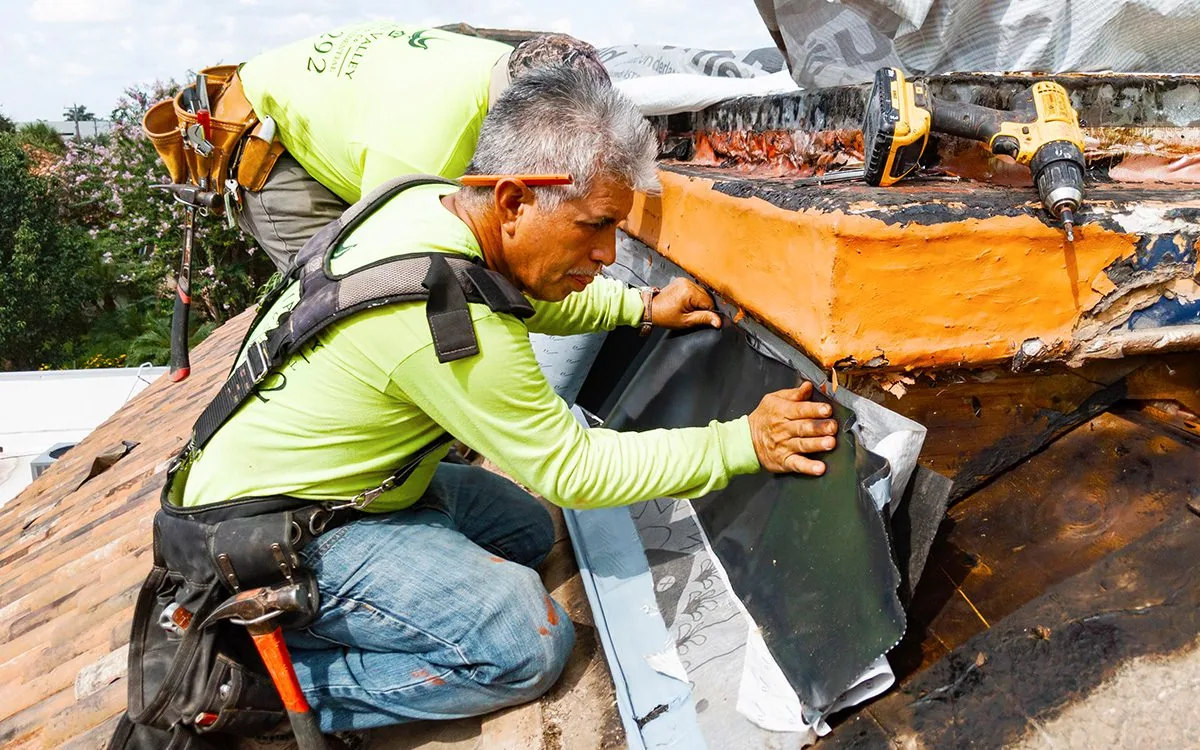
North Andover names its Historic Mill District among established business locations. A roof in an older district can have been repaired in sections over time, so one building may carry several roof systems at different ages. The first walk maps those sections before it looks for the leak. A boundary where old membrane meets newer work is a common place for water to enter, and the tie-in gets a photograph and a probe.
Roof edges, parapets and chimneys in older buildings also take attention. Where a wall holds the roof edge, the counterflashing, the coping joints and the mortar behind them are checked for gaps. If a section appears to need exterior changes in a historic setting, the owner confirms with the town what review applies before a scope is final.
Route 114 and Route 125 Frontage
Routes 114 and 125 are named in town planning as business locations. A building on a route has traffic, parking and deliveries to work around, and the roof plan has to show where a lift stands, where materials stage and which entrances stay open. Those decisions add labor time, so the scope lists them as line items, not as assumptions.
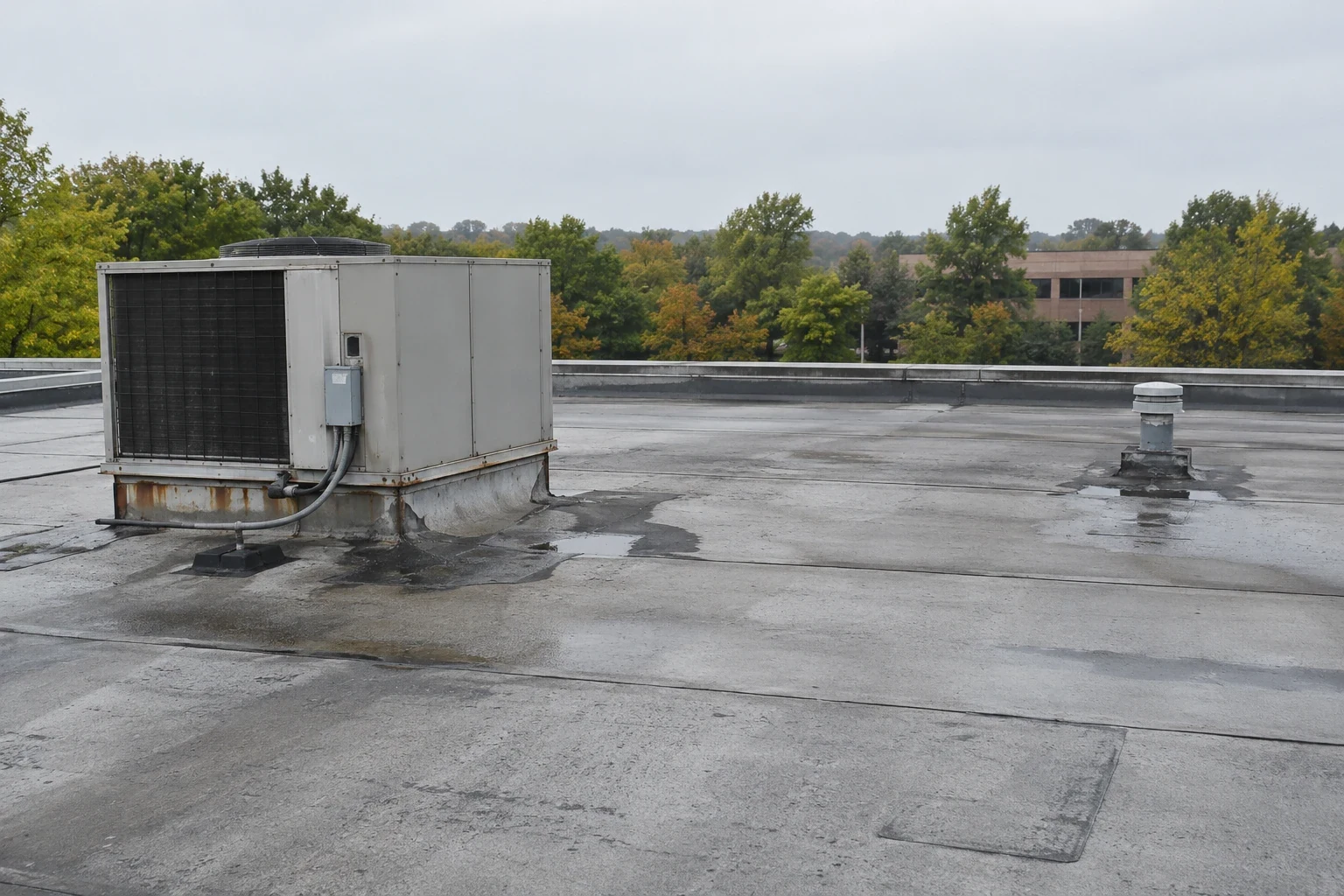
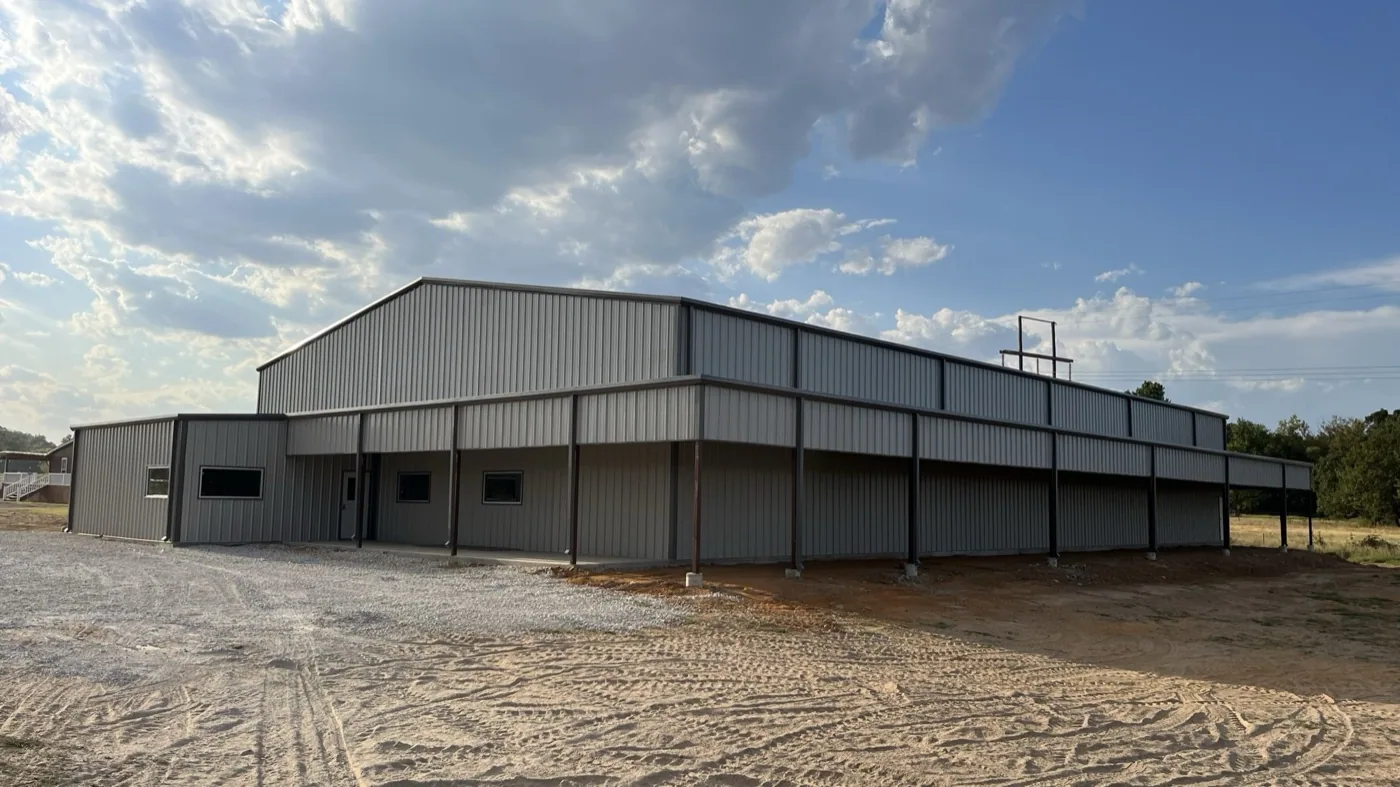
Retail and office buildings on a frontage usually have rooftop units, a front parapet and drains that discharge toward the lot. We check the curb flashing under each unit, the scuppers along the parapet and the condition of the edge metal that faces traffic. An office building roof and a warehouse roof may sit on the same street and need different repairs, so each section is written up on its own.
Deliveries to the building matter too. A roof loaded with membrane and insulation needs a staging area and a path for the hoist, and a frontage building may share a lot with neighbors. We confirm the arrangement before the crew arrives, and the access plan goes into the file with the name of the person who approved it.
Temporary Dry-In and Repair Boundary
A temporary dry-in stops water today. It is not the repair. We label it as temporary, name the roof section it covers and give a return window for the permanent work. The repair boundary is the line on the plan beyond which the roof is sound, and we set it from the inspection, not from the stain. Moisture mapping or a core sample may be needed to place the line accurately.
If the boundary moves, the price moves. We say so at the first update. An emergency roof repair can contain a leak within hours when access is safe, but a weather hold on adhesives or welds may push permanent work to a dry day. The owner sees both dates.
Winter Loads and Freeze-Thaw
The regional record we lean on is Lowell's. Its station averages 24.9 degrees Fahrenheit in January and 72.8 in July, and the city logged 126.5 inches of snow through the extreme winter of 1995. A North Andover roof plans around the same regional pattern.
For roofs, the lesson is about water movement. Snow melts on warm roof sections, runs to drains and refreezes where it meets cold edges. Drains, scuppers and gutters are cleared and photographed before winter, and a snow and ice damage record lists the points where ice built up. Those points are where the next season's attention goes first.
Permit and Code Check
For applications filed on or after July 1, 2025, one state code applies: the state's 10th edition, drawn largely from the 2021 IBC. The same edition carries the base energy provisions, and a town may layer a stretch energy code over them. For a reroof or recover in North Andover, the applicable local energy provisions are confirmed with the town before the insulation thickness is set.
That check affects cost directly. A replacement may need added insulation to meet the energy requirement, while a repair may not. We state which path the scope assumes and what changes if the building department says otherwise.
Cost Update
Expect the first cost update once the inspection is done, with temporary work, permanent repair, options and open items set out in that order. Unknowns are named, such as wet insulation under a sound-looking membrane, with a method to settle them. If the building is on a long-term plan, the update compares repair, a recover and replacement using the same photographs.
Neighboring towns get the same format. A building owner with properties in Methuen or Lawrence as well as North Andover can have the updates laid side by side, so the repair budget follows condition and not the order in which calls came in.
Timing is the other half of the update. It names the earliest date for a crew, the weather hold that could move it and the lead time for materials. If a membrane or insulation board has to be ordered, the return window starts when the order is confirmed, and the update says when that is expected.
Commercial Roofing Questions
What should a facility director have ready when calling?
The location of the water, the time it began, the electrical or inventory areas below it and any limit on roof access. That is enough to choose between a protection visit and a full inspection.
Does a mill district building need special review for roof work?
Exterior changes in a historic setting may. The owner confirms with the town before a scope is final, and we mark the items in the scope that depend on that answer.
Why is a temporary dry-in priced separately?
It buys time without fixing the cause. Pricing it apart keeps the permanent repair visible, so the owner can see what was spent to stop water and what was spent to correct the roof.
When are drains cleared and photographed on a North Andover roof?
Before winter, with the same points photographed again after the first hard freeze, so the record shows where ice built up.
Will the energy code add cost to a replacement?
Sometimes. A statewide base applies and the town may add to it, so the building department confirms insulation requirements before the price is fixed.