Stay off a snow-loaded roof until someone has checked the structure. Snow adds weight that the deck was designed to carry only up to a limit, and drifts against a taller wall or a rooftop unit can carry far more than the open field. Sagging ceilings, cracking sounds and doors that suddenly stick are signs to stay out and call an engineer. The first-hour check on a winter report is access, then the active water path, then interior protection.
The city's hazard planning records 126.5 inches of snow in the extreme winter of 1995 and counts snowstorms, ice storms and nor'easters among its major hazards. That history is a planning reference for response. It does not describe the load on any one building, which is why the inspection note records what was measured on the day, and where, before a repair is priced.
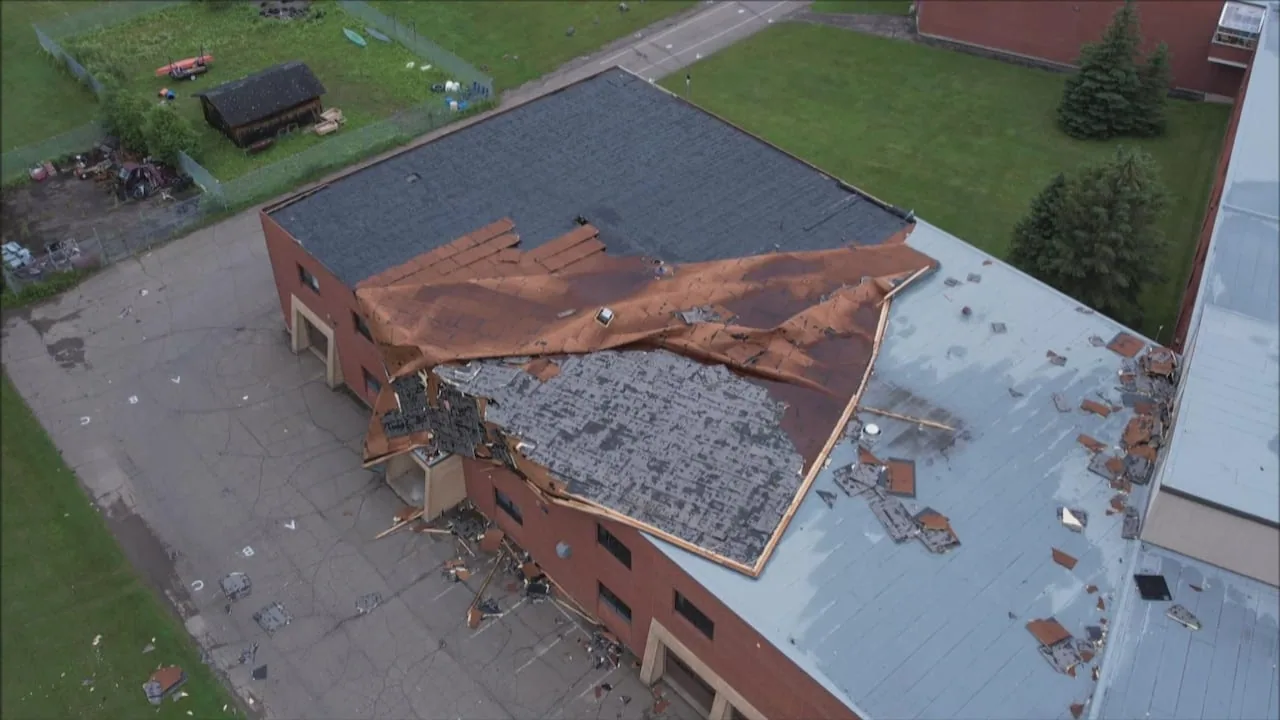
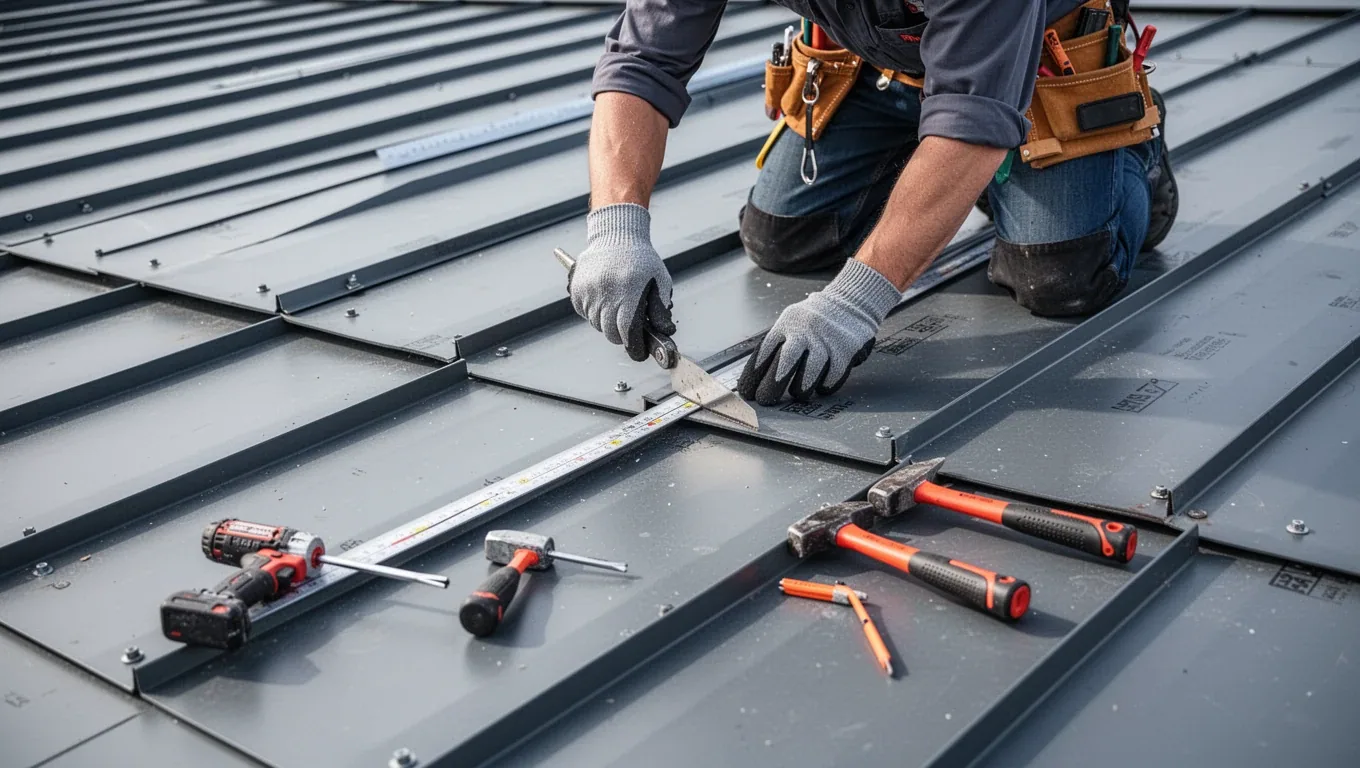
Wind and snow often arrive together, and a storm that drifts snow against a wall also loosens metal at the edge. A winter call therefore covers both, and the edge repair follows the steps in wind damage roof repair once the roof is safe to walk.
Snow Load and Drift Zones
Snow settles unevenly. Wind carries it from the open roof to the leeward side of parapets, penthouses and rooftop units, where it piles into drifts. A drift can be several times as deep as the snow in the field, and the extra weight sits on a deck section that may have been designed for a lighter load. Rain falling on snow adds more weight without adding depth, so a roof can be heavier than it looks.
We assess a loaded roof from the ground or a lift first, and we photograph the drift zones, the drains and any visible deflection. If the structure shows signs of distress, the owner is told to call a structural engineer, and nobody goes up. Snow removal, if needed, is planned to clear drifts evenly and to avoid cutting the membrane. Shovels with metal edges stay off the surface, and we leave a thin layer of snow in place.
Rooftop equipment changes the pattern. Units, ducts and screen walls trap snow on their windward side and create low spots on the lee side where it piles up. After melt, those spots hold water, and a pond that returns to the same place each spring is recorded in the ponding water file. We map drift zones on the roof plan so snow can be cleared from them first in a heavy winter.
Ice Dams, Drains and Edge Damage
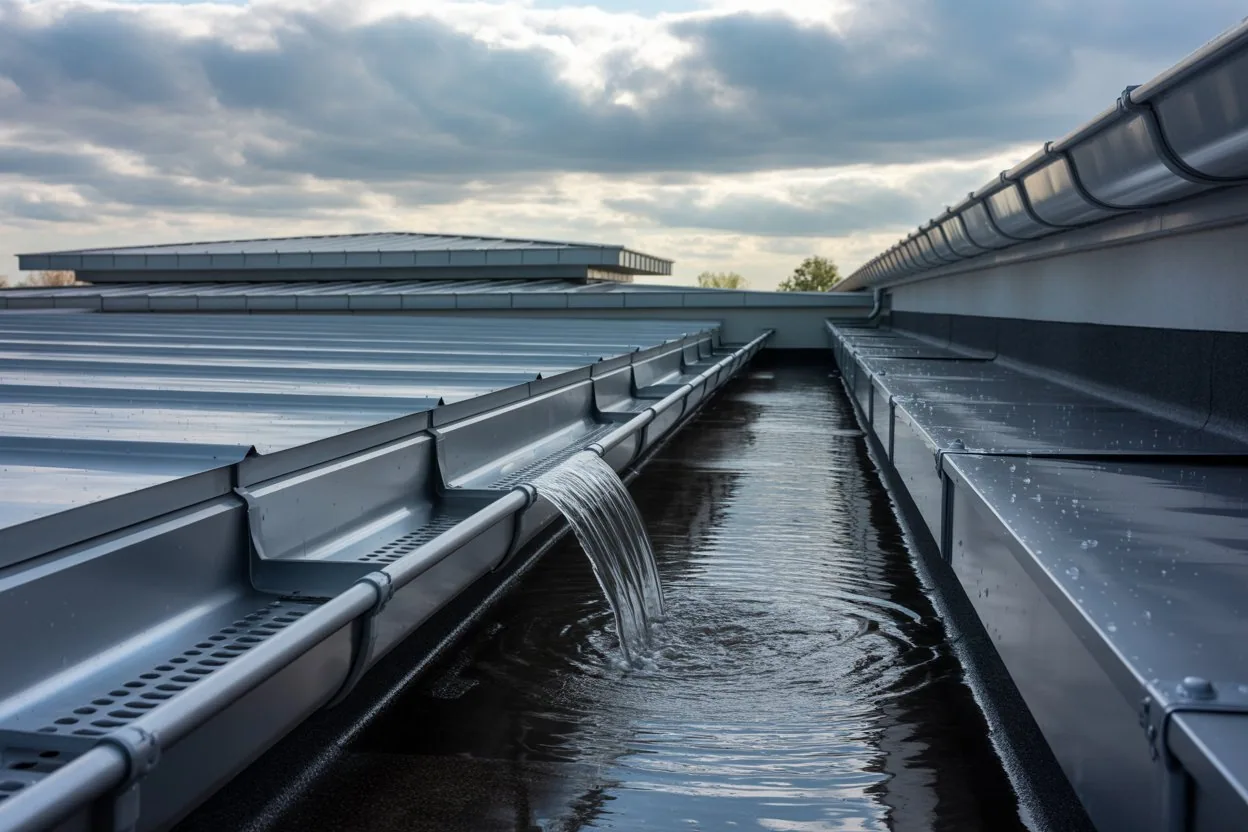
Ice dams form where heat escaping through the roof melts snow, and the meltwater refreezes at a cold edge. On a low-slope commercial roof, the more common ice problem is a frozen drain or scupper. Meltwater cannot leave, ponds behind the ice and finds its way through any weak seam or flashing. Lowell's January daily mean of 24.9 degrees Fahrenheit sits well below freezing, and a thaw followed by a freeze repeats that cycle many times in a season.
The response is to open the drain without damaging it. Heat is applied to the drain body with steam or controlled hot water, never with a torch, and ice is not chipped from the membrane. We check drains and scuppers first on every winter call, photograph the drain after thawing and note whether the line beneath accepts water. Frozen water that has pushed coping or gutters out of line goes to edge metal repair.
Gutters and downspouts that ice over cause edge damage of their own. The weight of ice pulls brackets out of the wall, and the gutter drops with the flashing attached. We look at hangers and joints after each hard freeze and photograph any sag, so the work includes the support as well as the trough.
Freeze-Thaw Damage to the Membrane
Water that gets into a crack freezes, expands and widens the crack. On a roof, that means seams, flashing terminations and old patches open a little more each winter. A membrane that has been through many cycles may be brittle at low temperatures and can crack from foot traffic that would not harm it in summer. We avoid walking a frozen membrane where possible, and when we do, we use walk boards and keep to marked routes.
Ice also lifts. A film of ice under a loose flap raises it, and the next thaw leaves the flap in a new position. The repair for these openings follows the guidance for seam failure repair, with a cold-weather temporary seal now and a permanent repair when the surface is dry and workable.
Salt and de-icing chemicals also reach roofs, mostly through foot traffic and blown spray. Some chemicals soften membrane edges and sealants over time, so we keep them away from seams and clean the area when they are used near the roof. The cleaning visit gets a line in the maintenance record.
Wet Insulation and Interior Damage
Water that enters during a thaw soaks insulation, and then it freezes. Frozen wet board looks dry on the surface and shows nothing on an infrared scan until it thaws, which is why moisture surveys are scheduled after a thaw, not during deep cold. A clear-evening scan maps the wet area and a core sample settles it. That area then joins the repair boundary.
Inside the building, the stain or drip is the second sign. Ceiling tiles that have absorbed water are marked and removed where they hang. Equipment below is covered or moved. The facility director gets a written note on what was protected and what remains at risk. Annual precipitation in Lowell's normals totals 48.51 inches, spread through every month, so a roof opened in winter faces more weather before the permanent repair can start.
Cost Update and Return Window
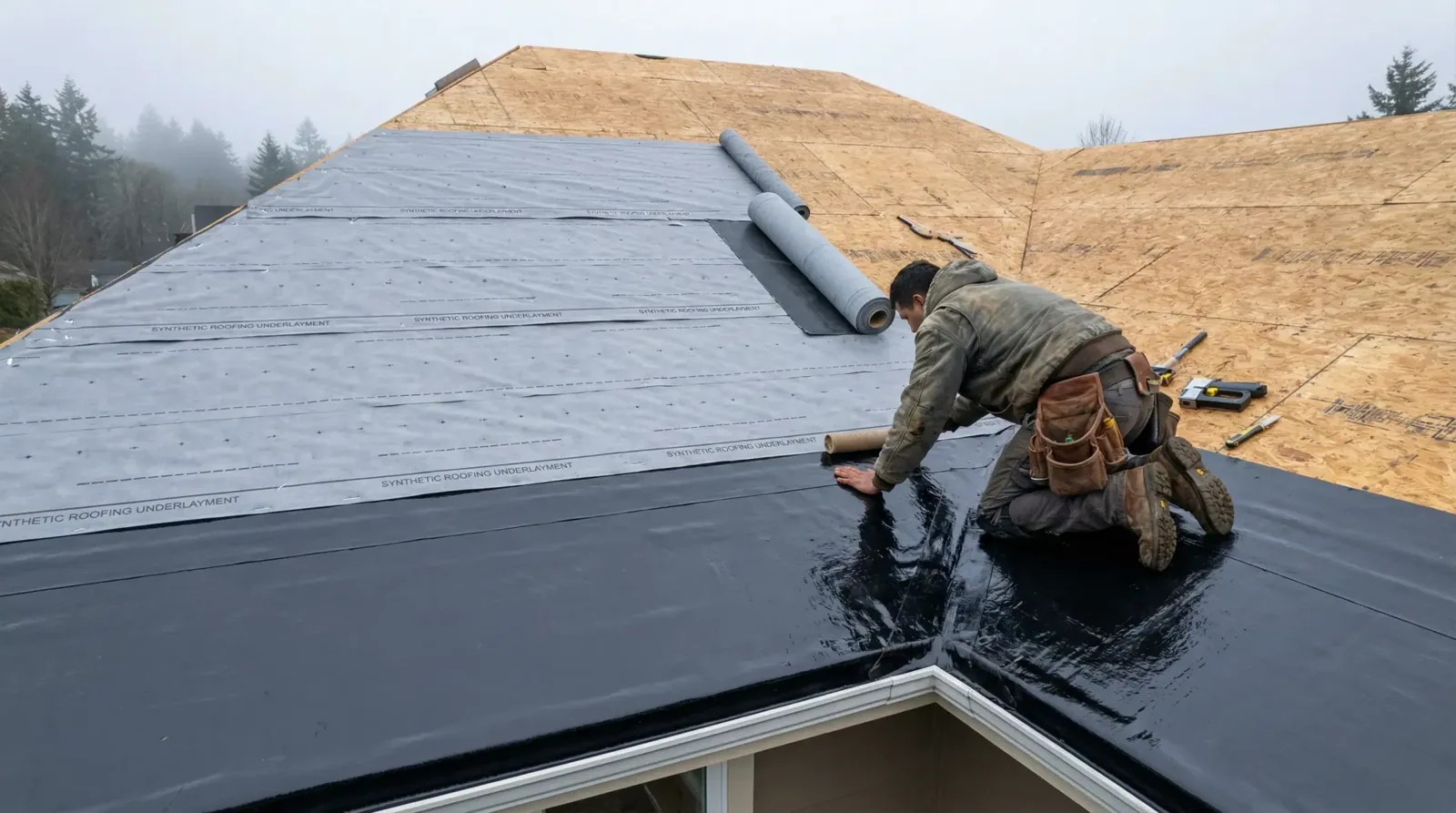
A winter repair is made in two stages. The first is the temporary work that keeps water out: thawing drains, patching openings with cold-applied material and covering exposed insulation. The second is the permanent repair, which waits for dry, workable conditions. The cost update separates the two, gives a range for the permanent stage and sets the date for the next update.
Costs depend on the area affected, the amount of wet insulation, the access and the length of the weather hold. Buildings in Lowell along Route 3 and I-495 are reached by the same routes in winter, but plowing and staging space affect the hours a lift can work. Owners who plan ahead can set up a fall maintenance visit to clear drains and secure edges before the first storm.
After the permanent repair, we return after the first thaw to look at the new work under real conditions. Photographs from that visit join the earlier set, so the owner sees the whole sequence, from the first report to the finished repair, in one file.
Commercial Roofing Questions
What are the signs a roof is carrying too much snow?
Sagging ceilings, new cracks in walls, doors that stick and creaking sounds. Any of these means staying out of the area and calling a structural engineer before anyone goes on the roof.
Can ice be chipped off a roof?
Not safely. Chipping cuts the membrane. Drains are opened with controlled heat or steam, and ice on the field is left to melt or removed by a method that protects the surface.
When should a moisture survey be scheduled after a winter leak?
After a thaw, on a clear evening, once the roof is free of snow cover. Frozen insulation does not show well on an infrared scan until it warms.
Why not do the permanent repair right away?
Adhesives, welds and sealants need dry surfaces and workable temperatures. A repair made in the wrong conditions fails in the next freeze, so the temporary work holds until the return window.
Does a snow-damage repair affect a warranty?
It can, if the work is not done to the manufacturer's requirements. We read the warranty terms before the repair and record the materials and methods used.