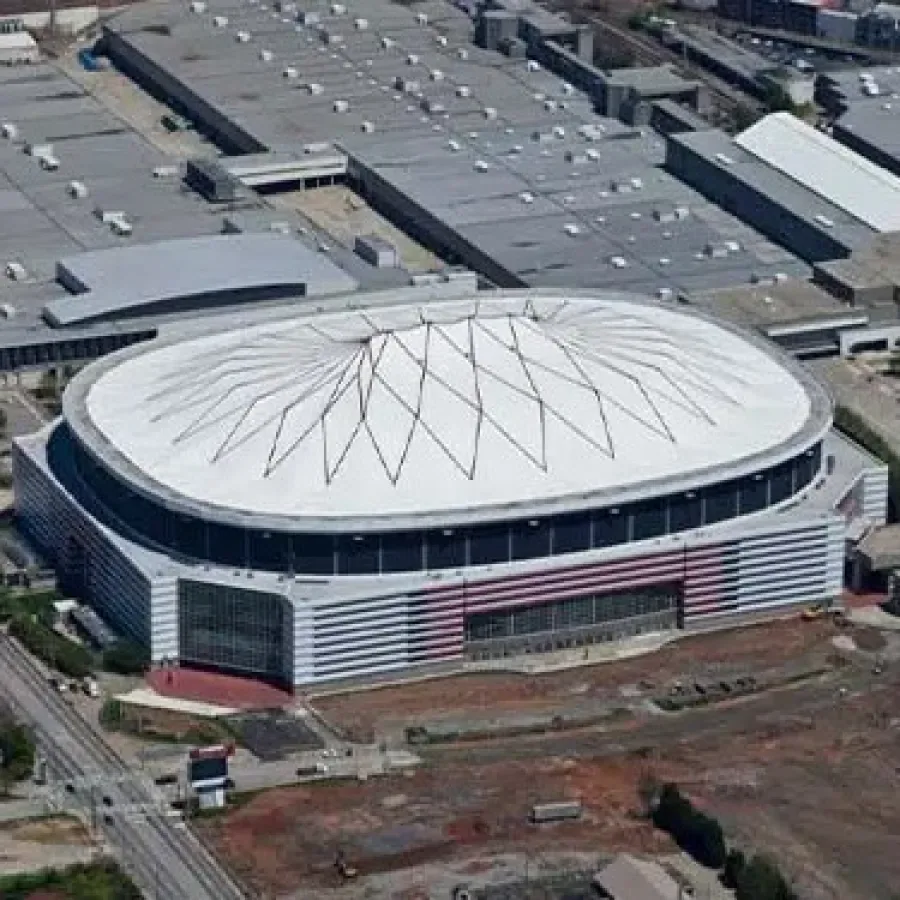
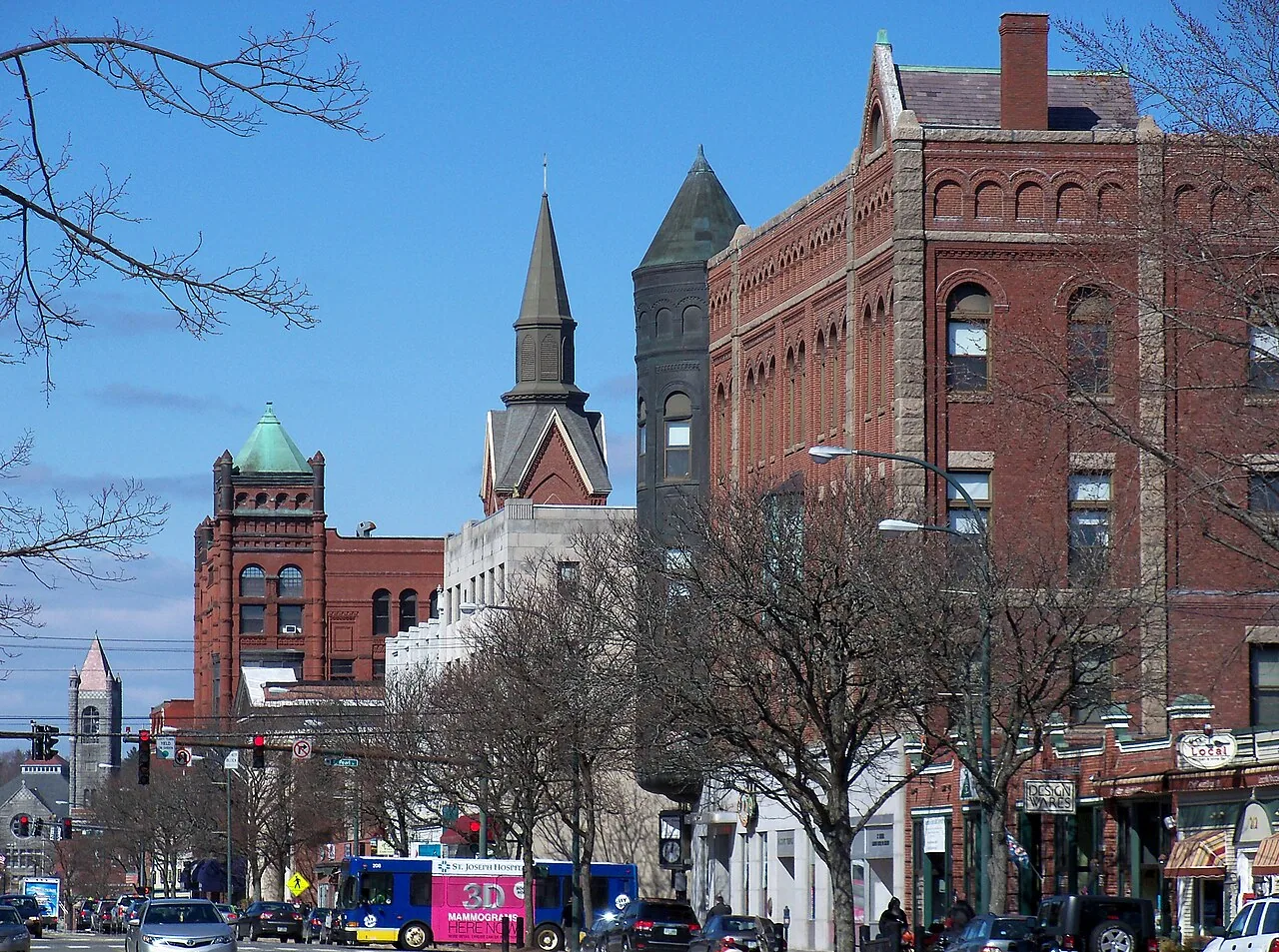
Lawrence, MA lists industrial-park space and historic mill buildings as the base of its commercial property. Two very different roof problems sit inside that sentence. A newer industrial building has a membrane, drains and rooftop units that need regular attention. A mill has a long history of repairs, additions and layered materials that have to be read before anything is promised. The first call on either one asks where the water is, what is below it and how a crew gets to the roof safely.
That call is answered at any hour, holidays included, and the first visit logs the location, the cover placed inside and what the roof showed. After the inspection, the owner receives a priced repair boundary with the temporary dry-in listed separately from the permanent work. That makes the decision about spending clear before production or tenants are disrupted.
Historic mill buildings
The City counts historic mill buildings in its commercial base, and a mill roof is rarely one roof. Over time, sections are added, parapets are rebuilt, skylights are patched and mechanical equipment is placed wherever it fit. The walk identifies each section, the layers present, the drainage and the condition at every wall and curb.
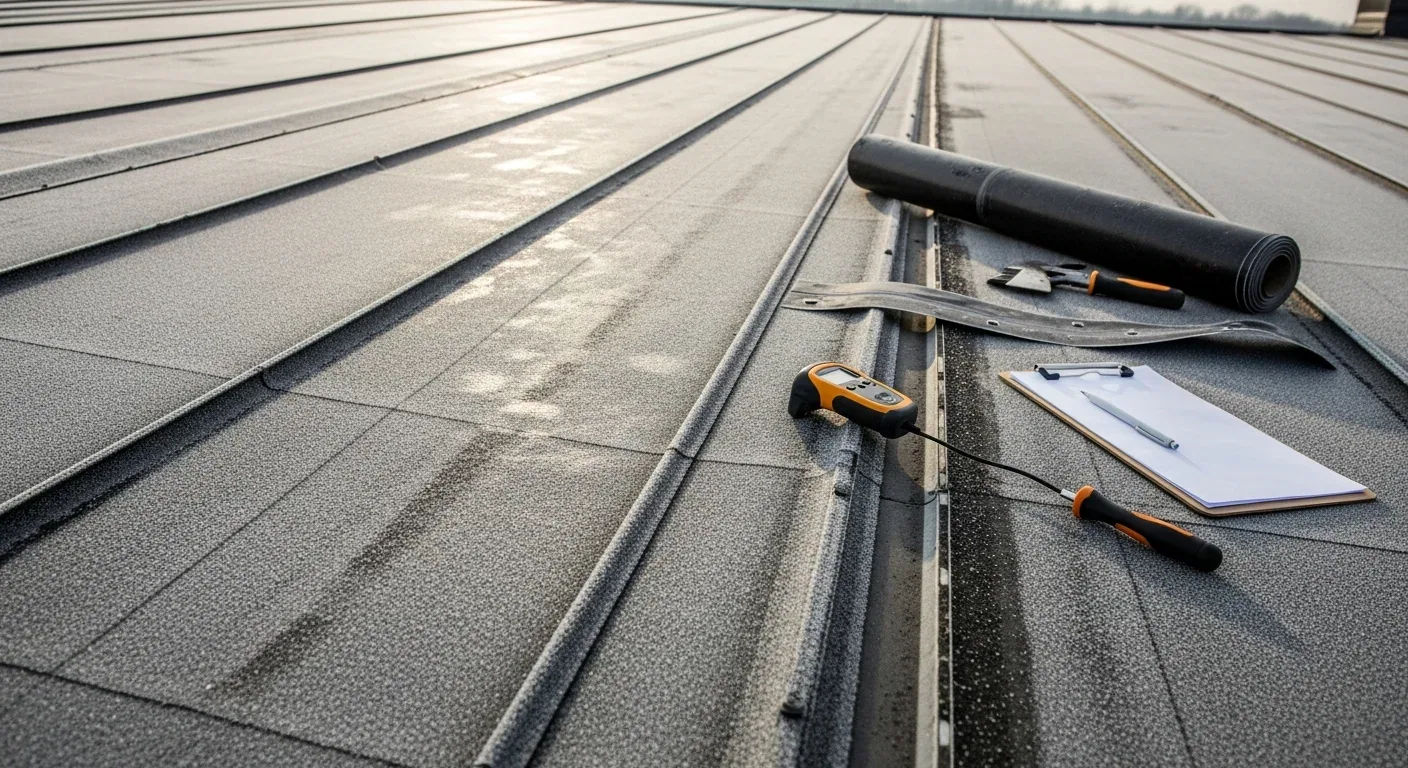
Wall junctions deserve the most time. Where a flat roof meets a tall masonry or timber wall, counterflashing, reglets and sealant joints decide whether the building stays dry through freeze-thaw cycles. We check each joint and mark open mortar, loose metal and any sealant that has split. Each finding goes on a roof plan with a photograph, so the repair can be priced joint by joint instead of by the foot of wall. Skylights and old hatches are a frequent leak source, so the skylight and penetration flashing review is part of every mill walk. Historic review may apply to exterior changes, which is why a scope shows what is repair and what alters the appearance.
Industrial-park roofs
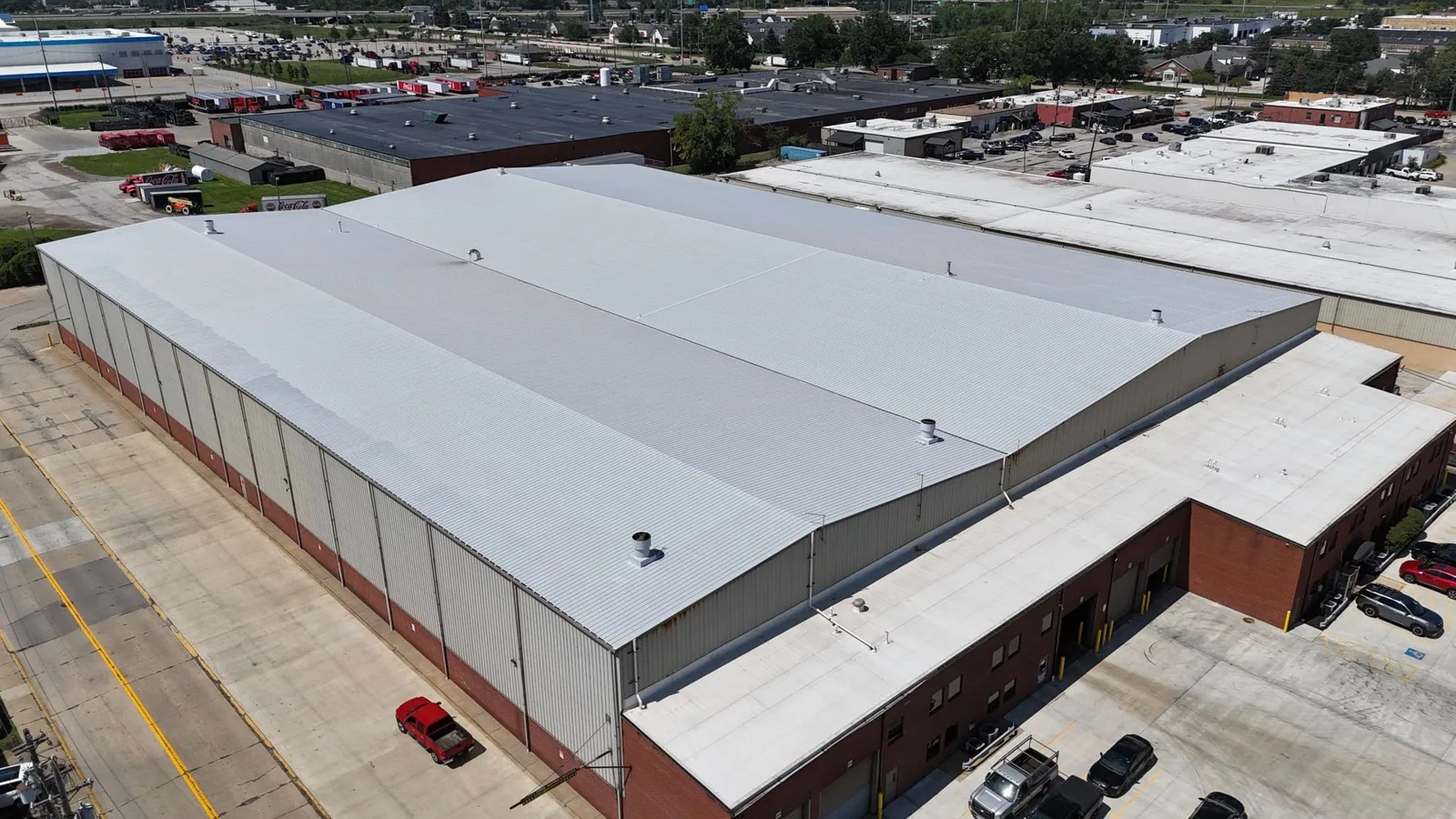
Industrial parks bring their own pattern: several buildings, shared access roads and tenants who run on schedules. A leak over a production floor or a stock area is a safety and loss question first. We locate what is below the opening, protect it and set the temporary dry-in boundary before turning to the permanent repair. Loading doors, truck traffic and forklift routes all affect where a lift can stand.
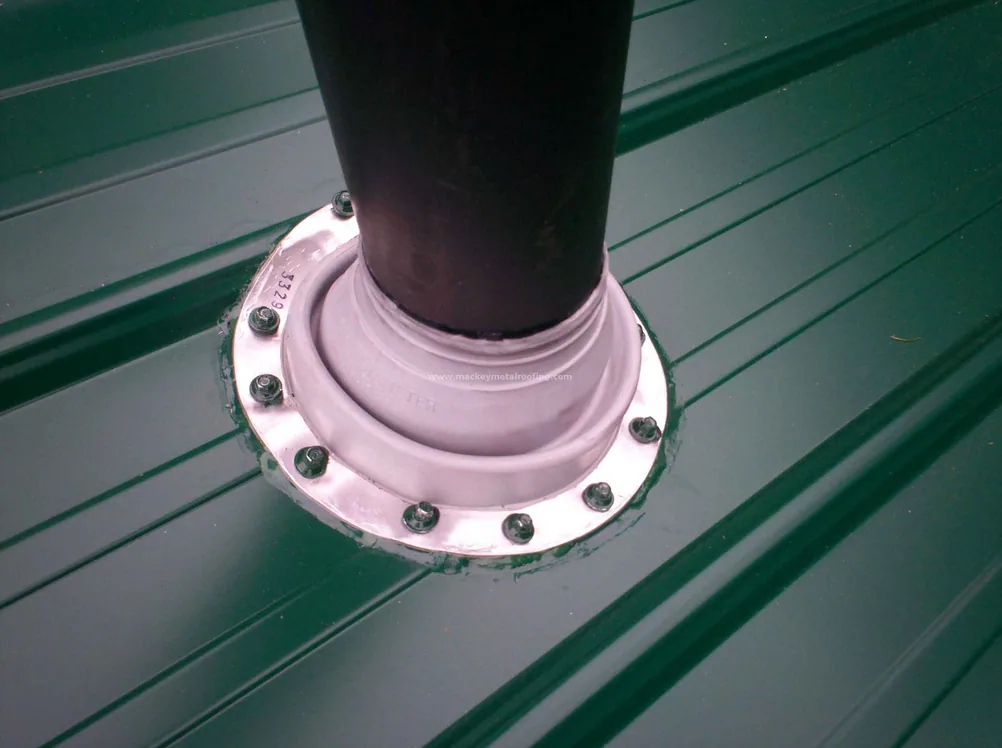
On the roof we work through seams, drains, curbs and perimeter metal in turn. Rooftop equipment that was added after the original roof often has patched flashing or fasteners that have loosened. For a manufacturer or logistics tenant, our manufacturing plant roofing approach sets out the access timing and the equipment shutdowns that need to be coordinated with the facility team. A flex industrial building holding offices up front and a shop at the rear often needs two repair plans on a single roof.
I-495, I-93 and rail access
Lawrence has direct highway connections to I-495 and I-93, along with MBTA commuter rail service to Boston. For a roofing project, that means material can reach a site quickly and a crew can mobilize without long approach times. It also means commuters, tenants and neighbors are close to any work, so we plan noise, dust and parking before the first day. Hot work, torch application and heavy equipment need advance notice, and we state which tasks fall on which days.
Where a lot is tight, a lift may need a closed lane or a cleared lot, and deliveries have to be timed to avoid blocked entrances. We confirm these details with the property manager, write them into the schedule and share the return window so tenants know when work resumes. A reroof on an occupied building can be divided into sections so each part is dry before the next is opened.
Merrimack Valley winter conditions
Lowell's January mean of 24.9°F and its 48.51 inches of yearly precipitation, plus area hazard planning that names nor'easters, snowstorms and ice storms, frame the winter picture for the Merrimack Valley. A Lawrence roof is checked against that picture before cold sets in: clear drains, intact edge metal and secure equipment supports. Water that sits against a parapet freezes, expands and opens joints that were tight in summer.
Snow load deserves a separate look on older framed roofs. We check for sagging, ponding areas after melt and any location where drifting has piled against a wall or unit. Lowell's 1995 winter, at 126.5 inches of snow, is a useful benchmark for owners planning the next capital repair. If cold or wet weather stops the permanent repair, a temporary dry-in covers the interior until the next suitable window. A ponding water repair may involve added drains or tapered insulation rather than a patch.
Planning cost and approvals
Price here depends on how much of the roof is opened, what the roof is made of, how the crew gets up, what is protected below and how many times the crew mobilizes. A building with several roof levels is priced by section, so the owner can approve the most urgent first. Where an assessment is needed before replacement, a due diligence roof survey gives a buyer or lender a written record of condition.
The City names Northern Essex Community College and the Merrimack Valley Workforce Investment Board as workforce-development partners, so a college or training organization is one more kind of owner a roof plan may serve alongside industry. Whatever the use, the plan follows one pattern: a condition report, a ranked repair list and a maintenance program that clears drains and checks repair points each season. For owners in nearby Methuen, Haverhill or the North Andover area, the written scope is built the same way.
Commercial Roofing Questions
A leak appeared near a parapet wall in a mill building. What is the likely cause?
Wall junctions are the first suspect: counterflashing that has pulled away, open mortar joints or a sealant line that has aged. We trace the water from the interior stain back to the wall, test the joint where the system allows and record the findings. The repair boundary is set by what we find, not by where the stain shows.
How do you price a roof with several levels and additions?
Section by section. Each level gets its own list of findings, repair method and cost, with shared items such as access and staging listed once. The owner can approve the leaking section first and schedule the rest around budget and tenants.
Do historic building rules affect a repair?
They can when exterior appearance changes. A like-for-like repair behaves differently from a new parapet cap or a different edge metal. We list which items alter the exterior so the owner can confirm approvals before ordering material.
What is the quickest way to limit water damage while waiting for the repair?
Move or cover whatever sits below the opening, switch off nearby electrical equipment if water is falling toward it and keep people out of the wet area. Then call us so a temporary dry-in can be set. We record what was protected so the invoice separates emergency work from the permanent fix.
Can a roof survey help when buying an industrial building?
Yes, a survey records the membrane, drainage, insulation moisture and equipment supports before closing. The buyer gets photos, repairs ranked by urgency and a cost range per item, which gives the price talk with the seller something firm to stand on.