Read the warranty before the first repair. A leak report on a warrantied roof starts two clocks: the one that stops water from entering the building, and the one that sets how long the owner has to give notice. Most warranty disputes are not about whether the roof leaked. They are about whether the owner gave notice on time, whether the repair was done the way the document requires and whether the records show it.

Warranty management is the work of keeping those answers ready. It begins with a copy of the warranty and its conditions, moves to a calendar of duties, and ends with a file that shows each inspection, each repair and each notice. Precipitation near 48.5 inches a year, per NOAA's Lowell normals, means a leak can start in any month, so the notice step has to be ready at all times.
The file also helps when a building changes managers. A new facility director who inherits a portfolio may find warranty papers scattered across drawers and inboxes. One summary per roof section, with dates and duties, restores control in a day and shows which roofs still have coverage and which have expired.
Reading the Terms
Every warranty is a document with limits. We read for six items: who the warranty covers, what it covers, what it excludes, what notice it requires, who may repair the roof and what maintenance it calls for. Common exclusions include ponding water beyond a stated depth or time, damage from other trades, storm winds above a stated speed, and alterations made without approval.
We summarize those terms on one page, in plain words, and attach the full document. A facility director can then see the rules at a glance. Where terms are unclear, we list the question and suggest who to ask. Coverage questions go to the issuer. Our part is the record the document requires.
Notice, Access and Repair Rules
Many warranties require written notice within a set time after a leak is found, and some require the manufacturer to inspect before a repair is made. Others require that repairs use approved materials and methods. A temporary dry-in to protect the interior is usually allowed and often expected, but the permanent repair may need approval first.
When a leak is reported, our first-hour check includes pulling the warranty and noting the notice date and the repair rules. The inspection note records when the leak was first seen, when the owner was told and what temporary protection went on. Photographs are taken before any material is disturbed. If the manufacturer wants to inspect, the file shows what the roof looked like when it was found, and which items were protected.
Timing is the other half. Notice periods can be short, and weekends and holidays count. Emergency response runs around the clock all week, so the temporary dry-in and the photographs can be done the same day, and the owner can send notice inside the window. We draft the notice letter with the facts, the dates and the attachments, and the owner signs and sends it.
Maintenance Duties and Records
Warranty documents often require periodic inspection and routine maintenance by the owner, such as clearing drains, keeping the roof free of debris and repairing small damage promptly. An owner who skips these steps may find a claim denied for neglect. A preventive maintenance program turns the duties into a schedule, with photographs after each visit.
The record shows the date, the roof sections visited, the drains cleared, the items repaired and the open items remaining. It also shows what was not done. If a drain was found clogged and cleared, the photograph shows that. If a puncture was found and patched with the right material, the product data goes in the file. Freeze-thaw exposure, with January averaging near 25 degrees, is why the fall visit is the one most worth keeping.
Edge metal, flashings and seals are the usual targets of a maintenance clause, because they wear out first. A scheduled check that records torque on fasteners, condition of sealant and the state of copings turns a vague duty into specific entries. Items that need replacement go into a repair scope with a cost, and the warranty file notes that the owner acted on the finding.
Claims and Disputes
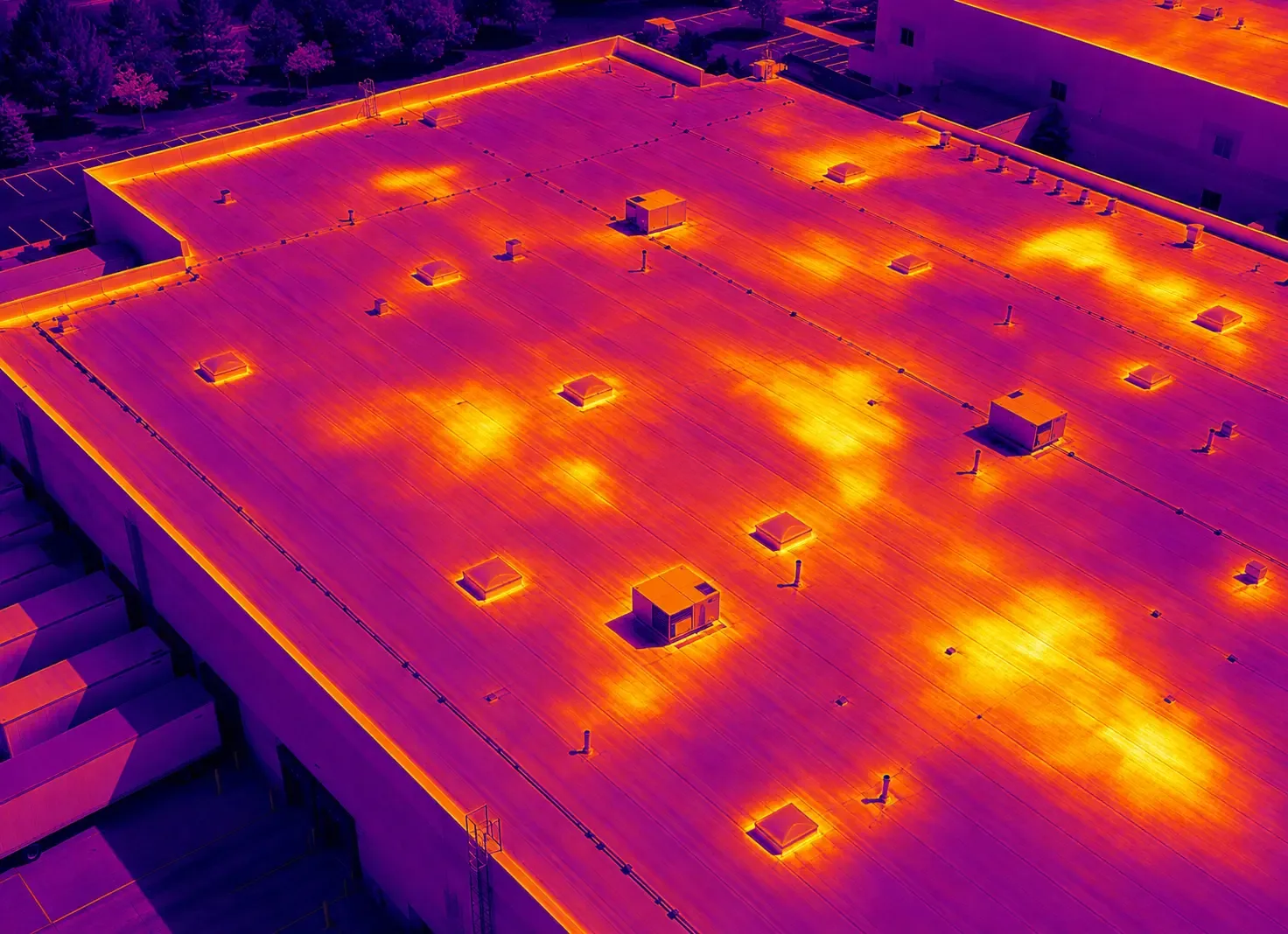
If a claim goes forward, the file does the talking. It holds the warranty, the dated inspections, the leak report, the notice, the photographs, the moisture findings and the repair record. The facility director can send it as is. The moisture survey and core samples show where water traveled, and they help separate a defect covered by the warranty from damage caused by something else.
Storm claims follow a different path. Wind above the warranty's limit, a hurricane or a hail event can fall under insurance and outside the warranty, and the file must show which applies. Hurricanes and winter storms are on the city's list of major hazards, so owners should know where the warranty stops and the insurance policy starts. Our claim documentation keeps the two records apart.
Ponding disputes turn on measurements. If the warranty excludes ponding beyond a stated depth or duration, depth readings and dates become evidence. We measure and photograph ponds each visit, and the ponding record shows whether the owner took steps to correct the drainage. A record of action carries more weight than a record of silence.
Sales, Alterations and Transfers
Warranties can lapse when a building is sold or when work is done on the roof. Some are transferable with notice and a fee. Others end when a solar array, a new rooftop unit or an antenna is installed without approval. Before any trade works on a warrantied roof, the facility director should confirm what the document allows.
We help by listing planned rooftop work and checking each item against the terms. For buildings in Lowell or Billerica being sold, the file gives the buyer the warranty, the maintenance history and the open items, as part of a due diligence survey. For owners with several roofs, the asset record carries warranty dates alongside condition ratings, so no expiration passes unnoticed.
At expiration, a final inspection documents the roof's state and sets the next steps: a renewal if available, a maintenance plan if not, or a replacement date if the roof has reached the end of its life. The capital plan receives the result.
Commercial Roofing Questions
What is the first thing to do when a warrantied roof leaks?
Protect the interior, photograph the condition and send written notice as the document requires. Then give us the warranty so the permanent repair follows its rules.
Can a temporary repair void a warranty?
Some documents limit who may repair the roof. A temporary dry-in is usually allowed. We read the terms before any permanent work and keep photographs of what was done.
Which records matter most in a claim?
Dated inspections, the leak report, the notice, photographs and the maintenance log. Together they show that the owner met the duties and when the problem appeared.
Does adding rooftop equipment affect the warranty?
It can. Penetrations, curbs and walking traffic may need approval first. We check the terms before the work and photograph the roof before and after.
How are warranty dates tracked across many buildings?
Each roof section carries its warranty start date, end date and duties in the asset record. A calendar flags notices and maintenance visits ahead of time.