A buyer has a closing date and a roof nobody has walked. That is the starting point for a due diligence survey. The survey fixes three numbers before the closing: the cost to bring the roof to sound condition, the cost of the next replacement and the date it is likely to fall due. Each number comes with evidence, so the buyer, the seller and the lender can discuss it without guessing.
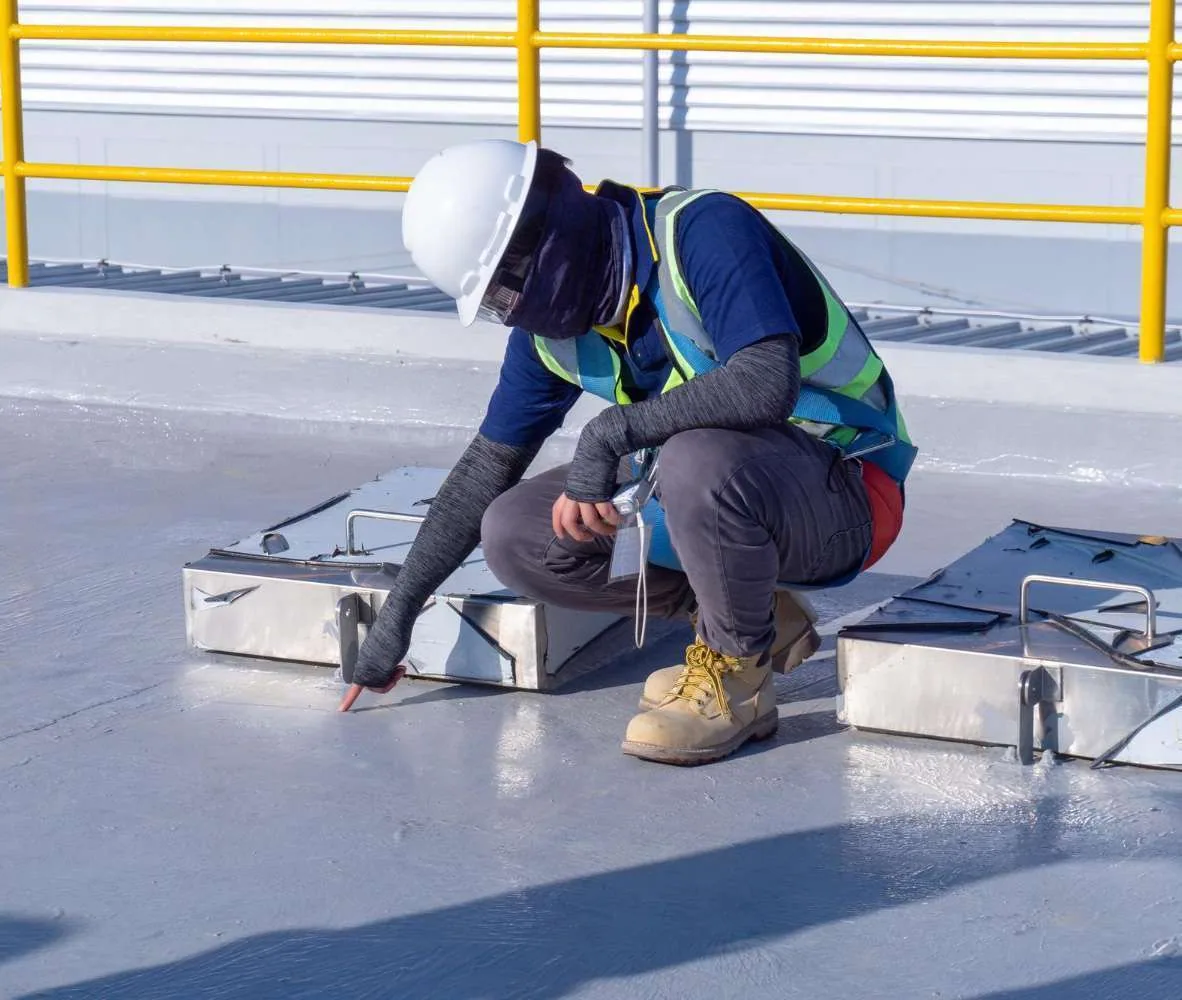
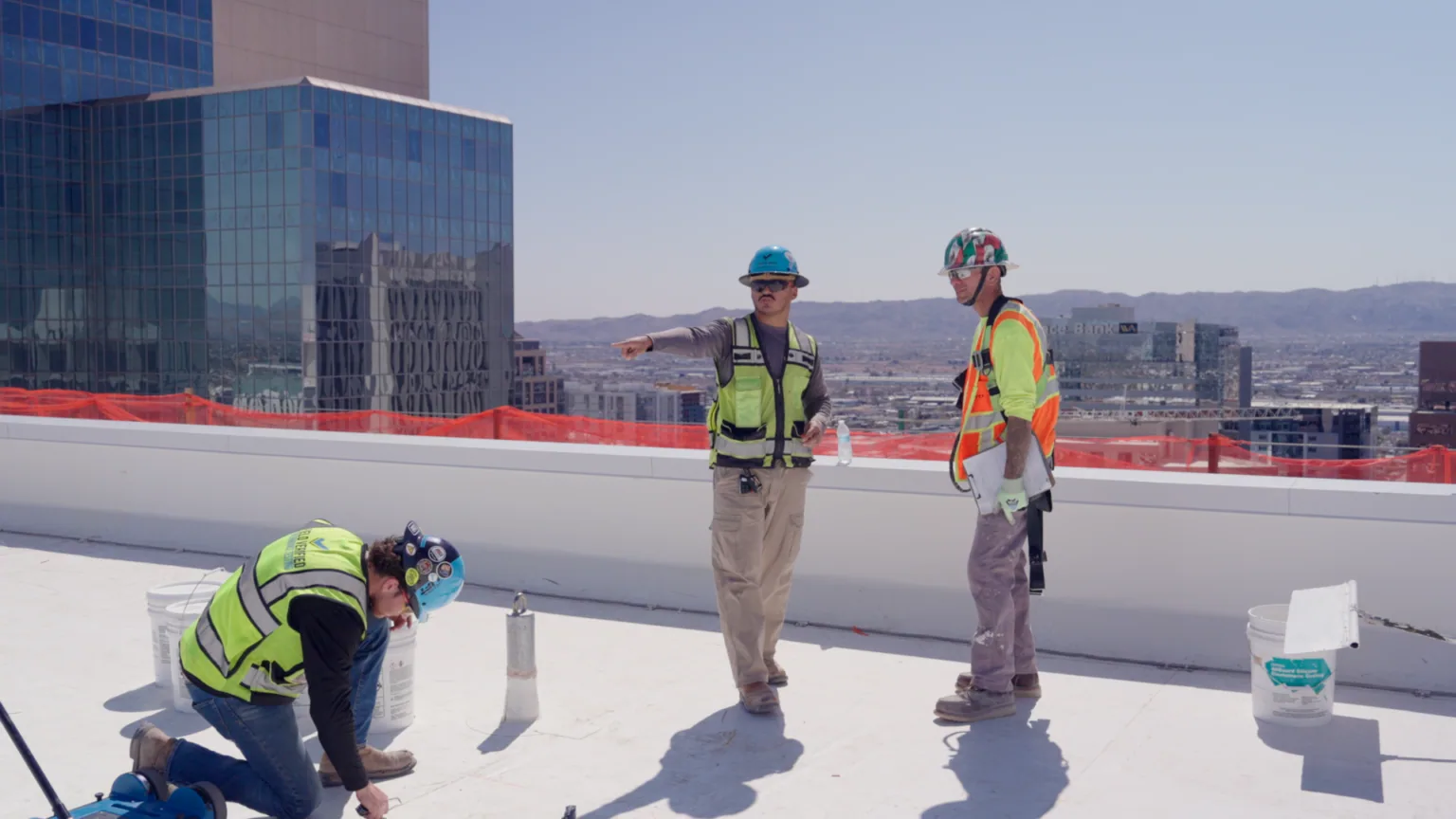
Timing is tight. The inspection period runs on a fixed clock, and roof access, weather and testing all take days. We book the walk early, take photographs and moisture readings on the first visit, send a summary within a short window and follow with the full report. The summary names the items that could change the price, so negotiation can start while testing finishes.
A seller's disclosures help but do not substitute for a walk. Roofs get patched between sales, and the patch may be the only sign that a problem existed. The survey looks for them: dissimilar material in a seam line, fresh sealant at a curb, a section with a different age. Each one is photographed and listed, and the buyer can ask the seller what prompted it.
What the Survey Covers
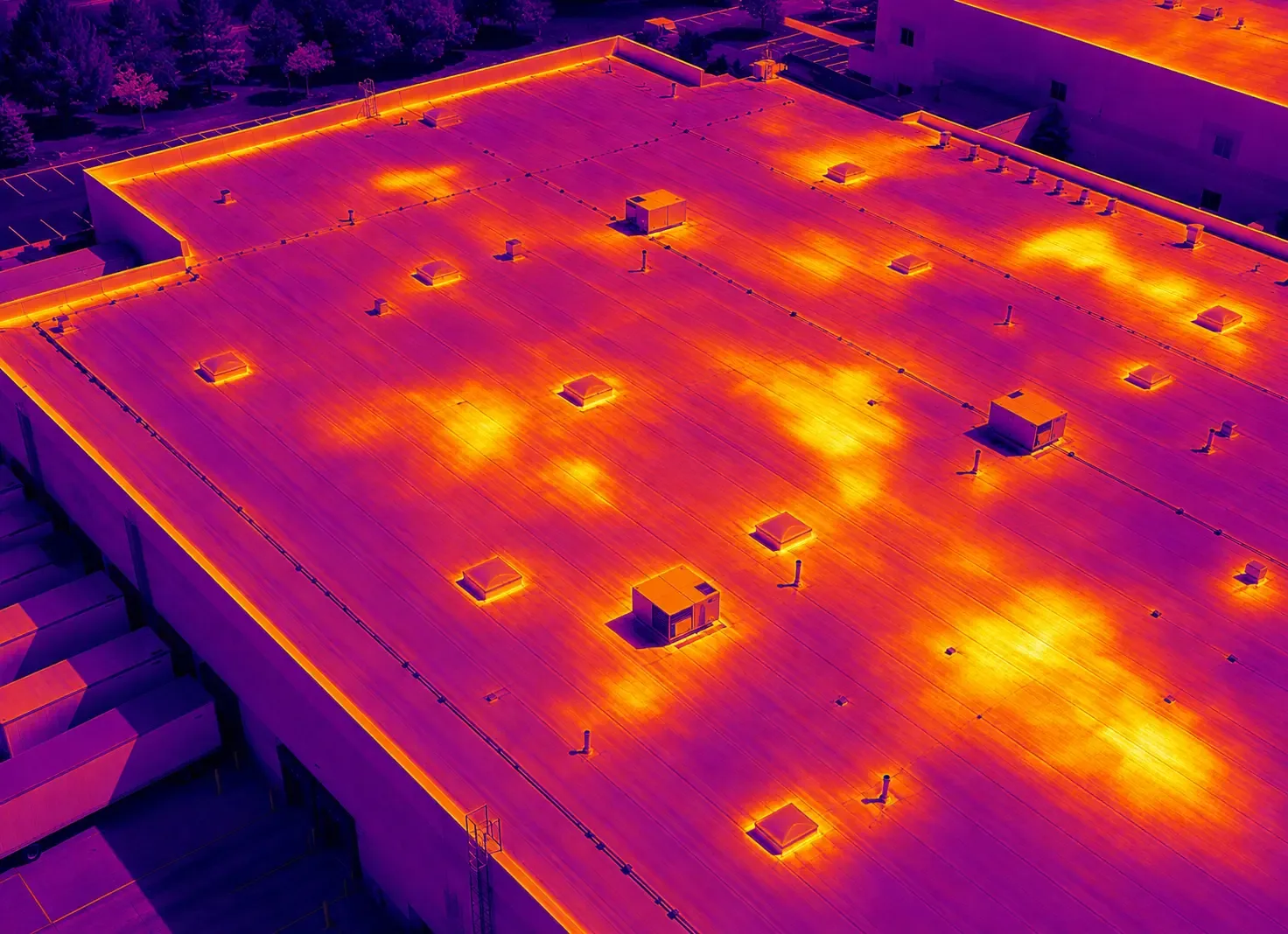
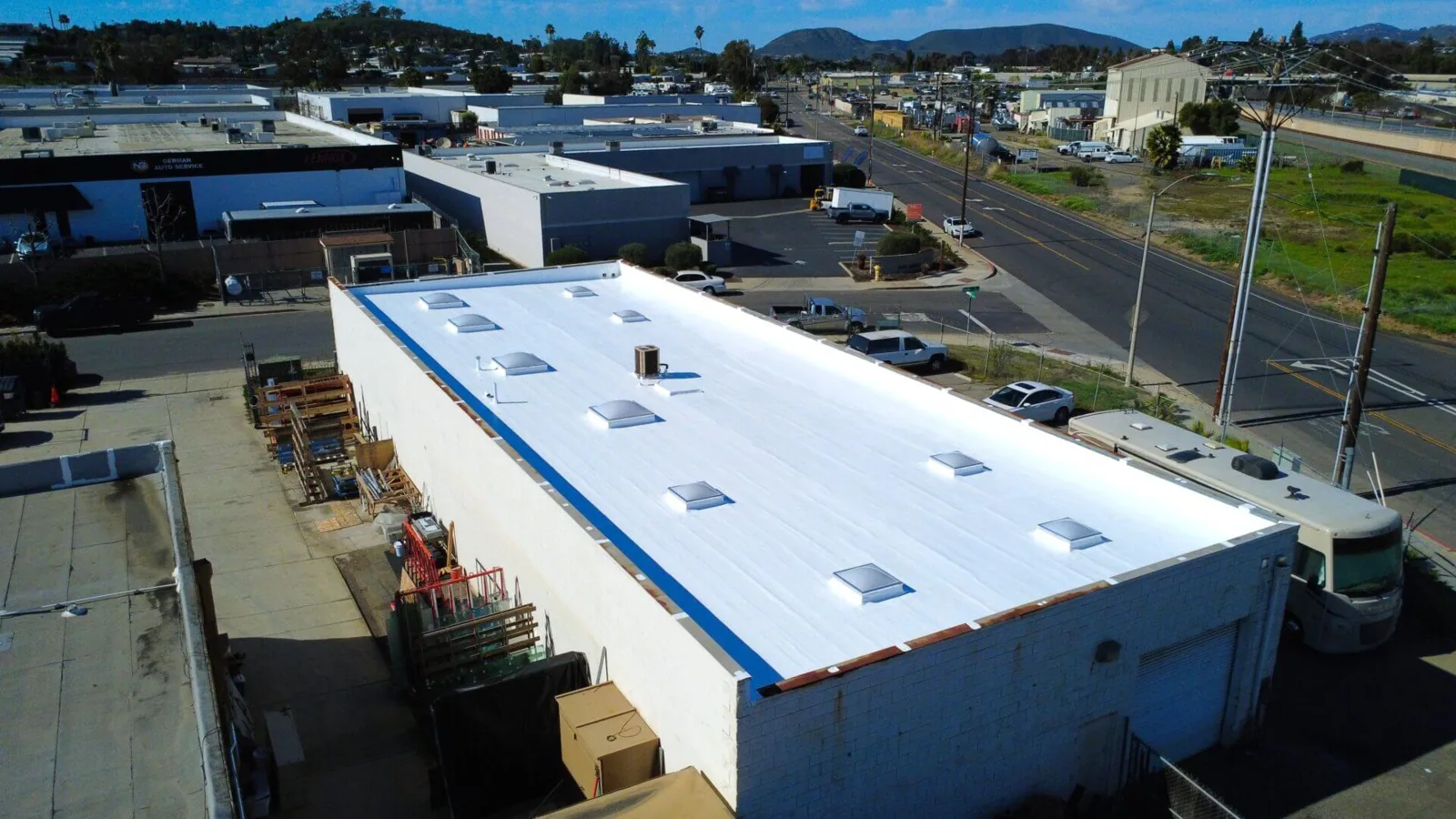
The survey walks every roof section on the property. For each one it records membrane type and condition, seams, flashings, edge metal, drains, penetrations, equipment curbs and visible deck deflection. It notes ponding, past repairs and any signs of leaks inside. A section with doubt gets an infrared moisture survey and core samples, so the report can state whether the insulation is wet.
The survey also collects documents: warranties, permits, past repair invoices and any prior condition reports. Missing papers are listed as open items. Warranty terms are checked for transfer rules, since a warranty that does not pass to the buyer has no value at the closing. The report ends with a list of what is confirmed, what is unverified and what the buyer can do about each.
Equipment gets special attention in an acquisition. Rooftop units may belong to tenants, carry service contracts or be near the end of their own life. Replacing a unit means lifting it, and the curb and flashing around it are often rebuilt at the same time. The survey lists each unit, its curb condition and the roof work its replacement would trigger, so the buyer can fold it into the plan.
Cost Ranges and Remaining Life
The report gives three cost groups. Immediate repairs are items that should be done at or soon after closing: open seams, failed flashings, blocked drains. Near-term work covers sections expected to need action in the next few years. Replacement is the cost to renew each section at the end of its life, with the date range the evidence supports.
Each range shows its drivers. Wet insulation adds removal and replacement of board. A damaged deck adds structural repair. Many penetrations add flashing labor. Limited access adds lift time. The buyer can see which unknowns could move the number and what a core sample would cost to resolve them. A capital plan built from the survey carries those numbers forward.
Drainage is priced as its own line. A roof that ponds may need tapered insulation or new drains, and the cost is easy to miss in a general estimate. The report shows measured depths, the number of drains and the correction options, with a range for each. A buyer who sees that line in the survey can discuss it with the seller on facts.
Local Property Types and Approvals
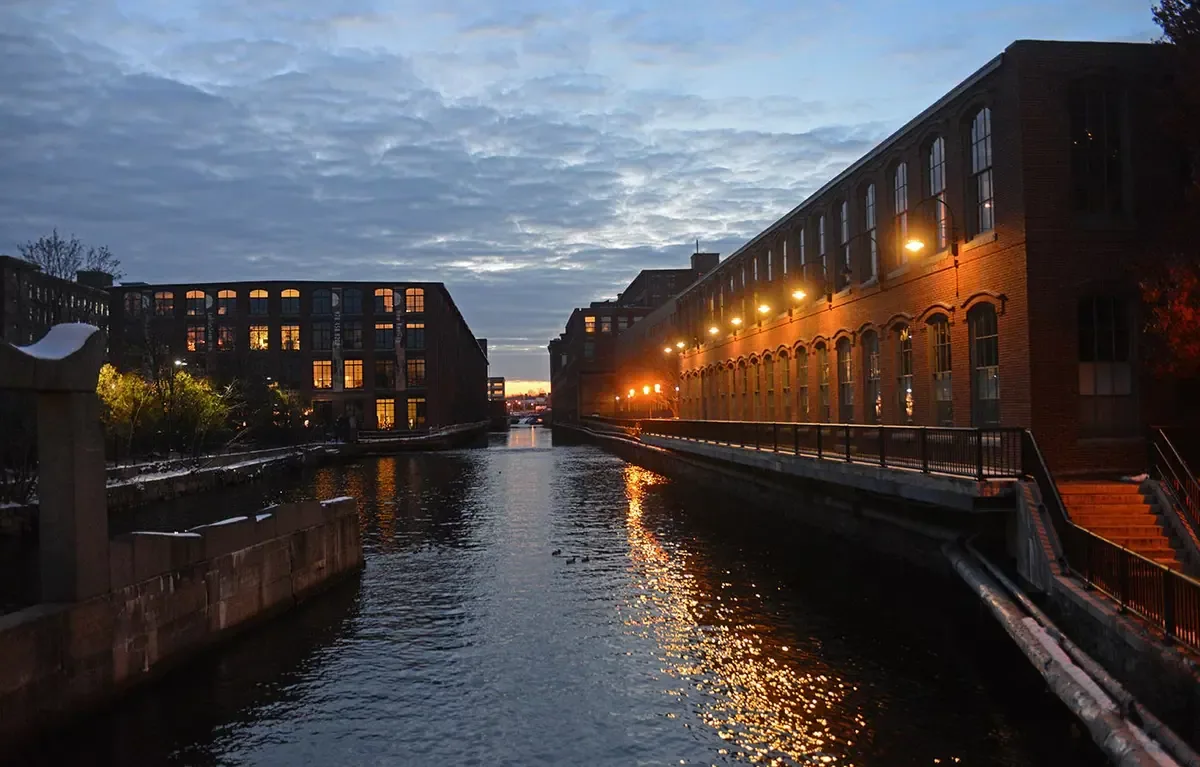
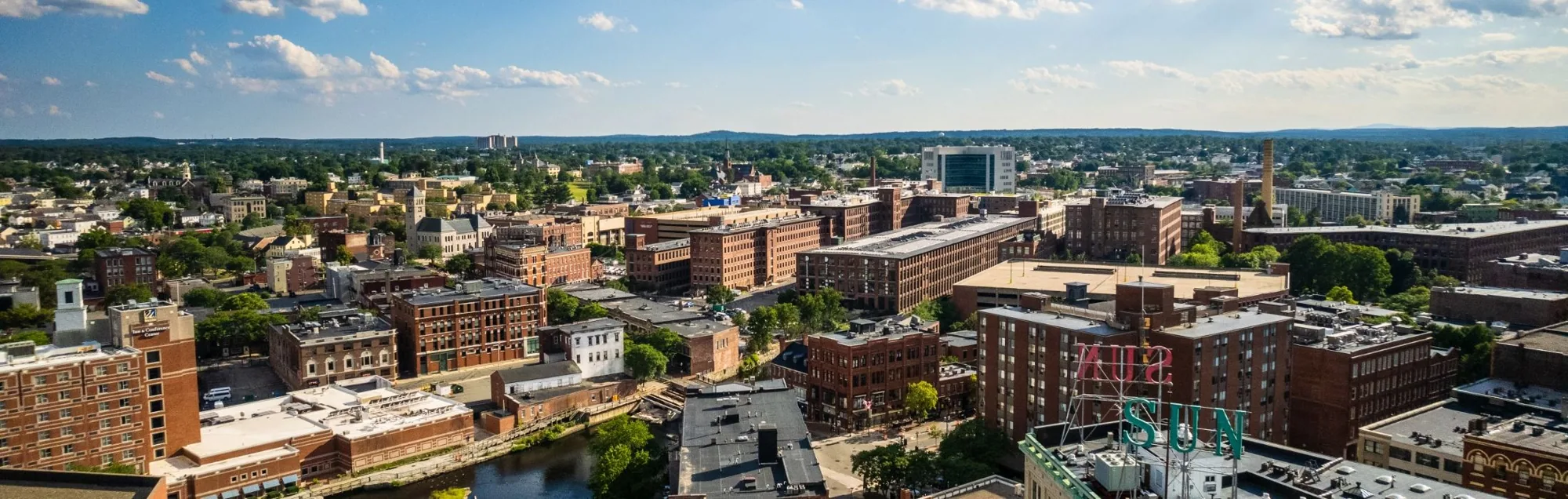
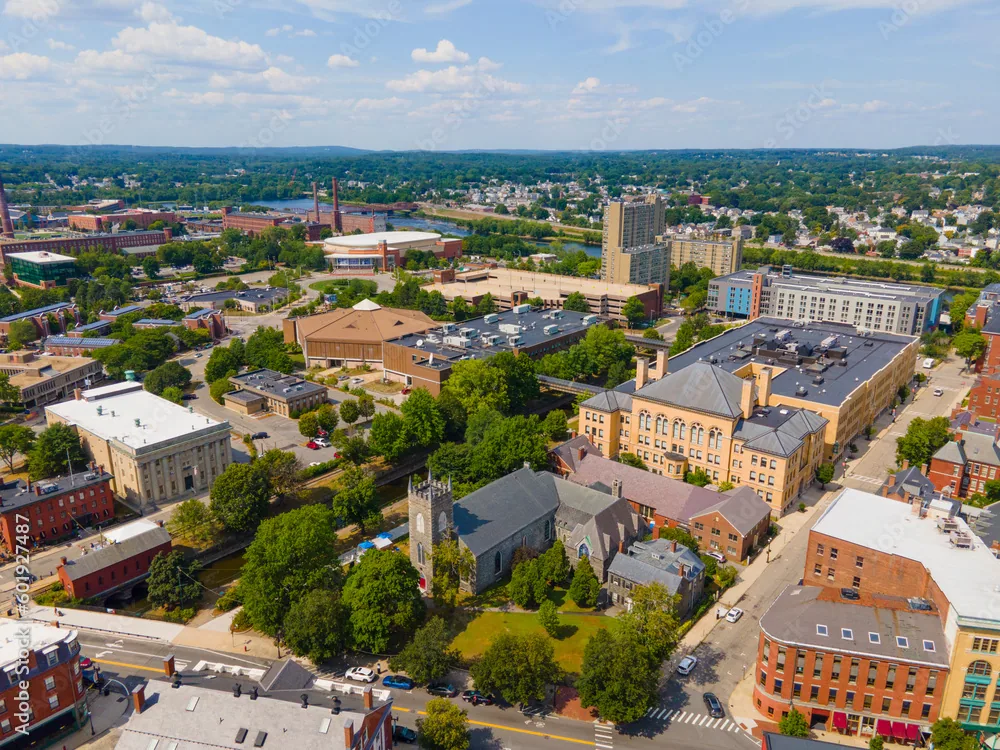
Lowell's planning materials describe several kinds of commercial property, each with its own roof concerns. Under the Ayer's City Industrial Park plan, a 108-acre stretch around Tanner Street is largely zoned for heavy industry, with commercial and residential edges. The Hamilton Canal District is a mixed-use area tying downtown to the commuter-rail station. The Downtown Lowell Historic District takes in the commercial core along with the mill yards and canals.
These descriptions say where buildings are and how land is zoned. They do not tell us what roof is on any building, and the survey does not assume. What they do tell a buyer is which approvals to expect. Exterior work in the historic district goes to the Historic Board, and an application filed from July 1, 2025 forward is reviewed under the state's 10th edition code, a Massachusetts version of the 2021 IBC. The survey lists those approvals next to any replacement item so the schedule is realistic.
Energy rules enter the picture at replacement. The 10th edition also serves as the base energy code, though a town may layer on stretch provisions, so the local requirement is confirmed for each project. A replacement may need more insulation than the roof has now, and the added thickness changes parapet and drain details. The survey flags this so the buyer's replacement estimate includes it.
Season and Access Effects on the Survey
Winter limits what a survey can see. Snow hides seams, frozen insulation does not read well on an infrared scan and ice makes walking unsafe. A January near 25 degrees Fahrenheit and the 126.5 inches of snow recorded in the extreme winter of 1995 show how severe the season can get. When a closing falls in winter, we state which findings are limited by conditions and which tests should be repeated after a thaw.
In warm months, the limits are different. Hot surfaces are soft and easy to damage, so we walk with care and use clean footwear and walk boards where needed. Roof access can be the longest delay: a locked hatch, a tenant who must escort, a lift that has to be booked. We ask for access details when the survey is ordered, so the walk is not delayed and the report arrives inside the inspection period.
Because a closing may be a long way from the survey date, the report states the date of each reading and the conditions that day. If a storm hits between the survey and the closing, a short return visit updates the file, and the changes are shown in photographs taken from the same positions.
Report and Negotiation Support
The report is built for a transaction. A first page gives the condition summary and the three cost groups. A table ranks roof sections by risk. Photographs follow, with captions. A short section lists what the seller could do before closing, such as clearing drains, repairing open seams or supplying warranties. The buyer can use that list to ask for repairs or a price adjustment.
For acquisitions of several properties across Lowell, Tewksbury and Chelmsford, a multi-site roof program can begin from the survey data. The report also feeds a condition report format that the new owner can keep using after closing.
Commercial Roofing Questions
How much notice does a survey need?
A few days for a simple roof, longer when testing is required. Tell us the inspection deadline when you order, and we plan the walk, the tests and the summary to fit inside it.
Can a seller's repairs be checked before closing?
Yes. We return to photograph the completed work, probe the repaired seams and confirm the drains. The updated photographs go into the file for the buyer and the lender.
What if the seller will not allow core samples?
The survey proceeds with non-destructive methods, such as infrared mapping and a hands-on walk, and lists the unverified items with the cost range that applies to each case.
Does the survey include the building's structure?
It records visible deck condition and signs of deflection or corrosion at core locations. A structural engineer should review anything beyond that, and the report says when one is needed.
Can the same survey support a refinance?
Yes. Lenders ask for roof age, condition and remaining life, and the report states each with the evidence. The format is plain enough for a lender's reviewer to follow.