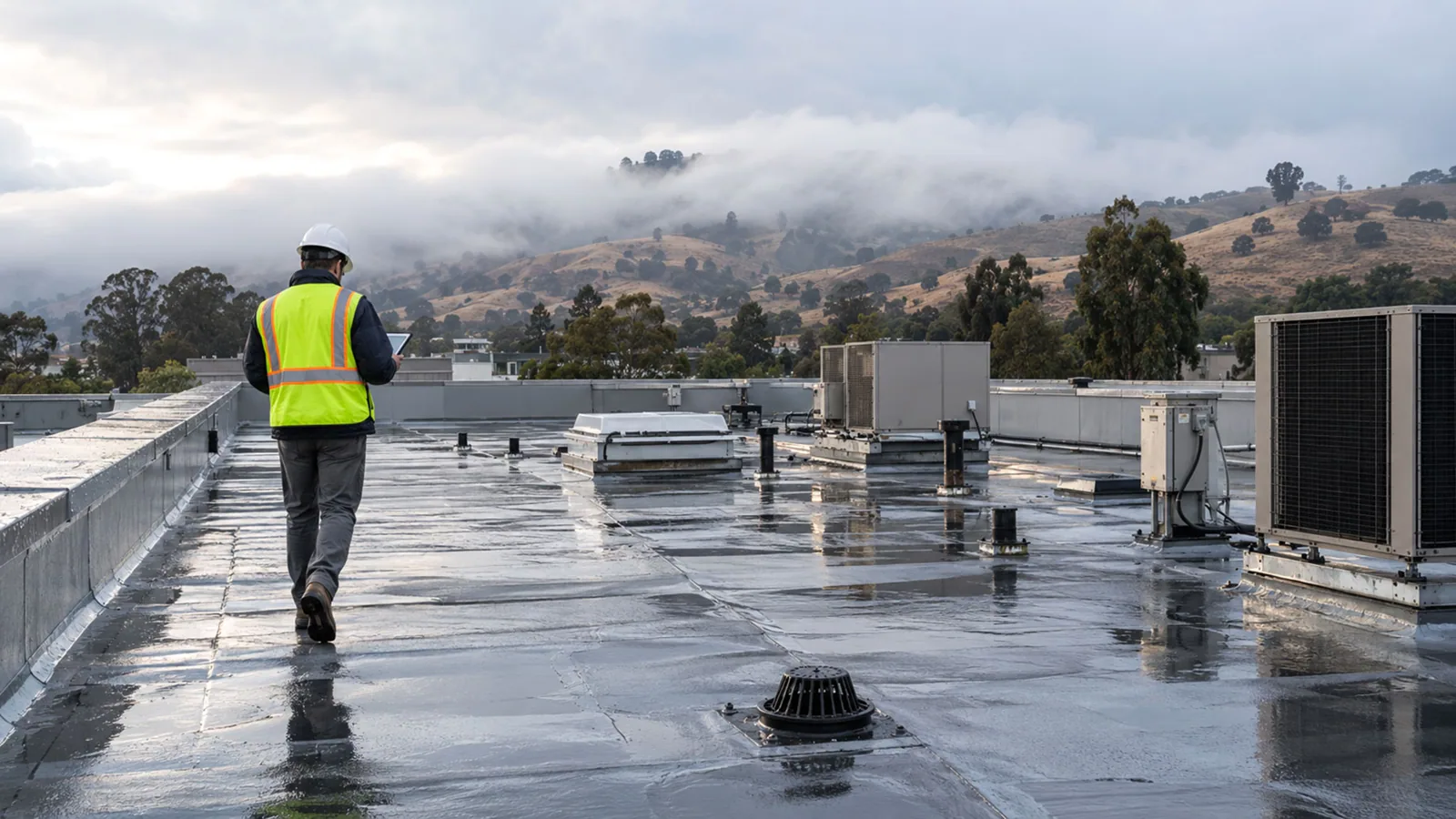
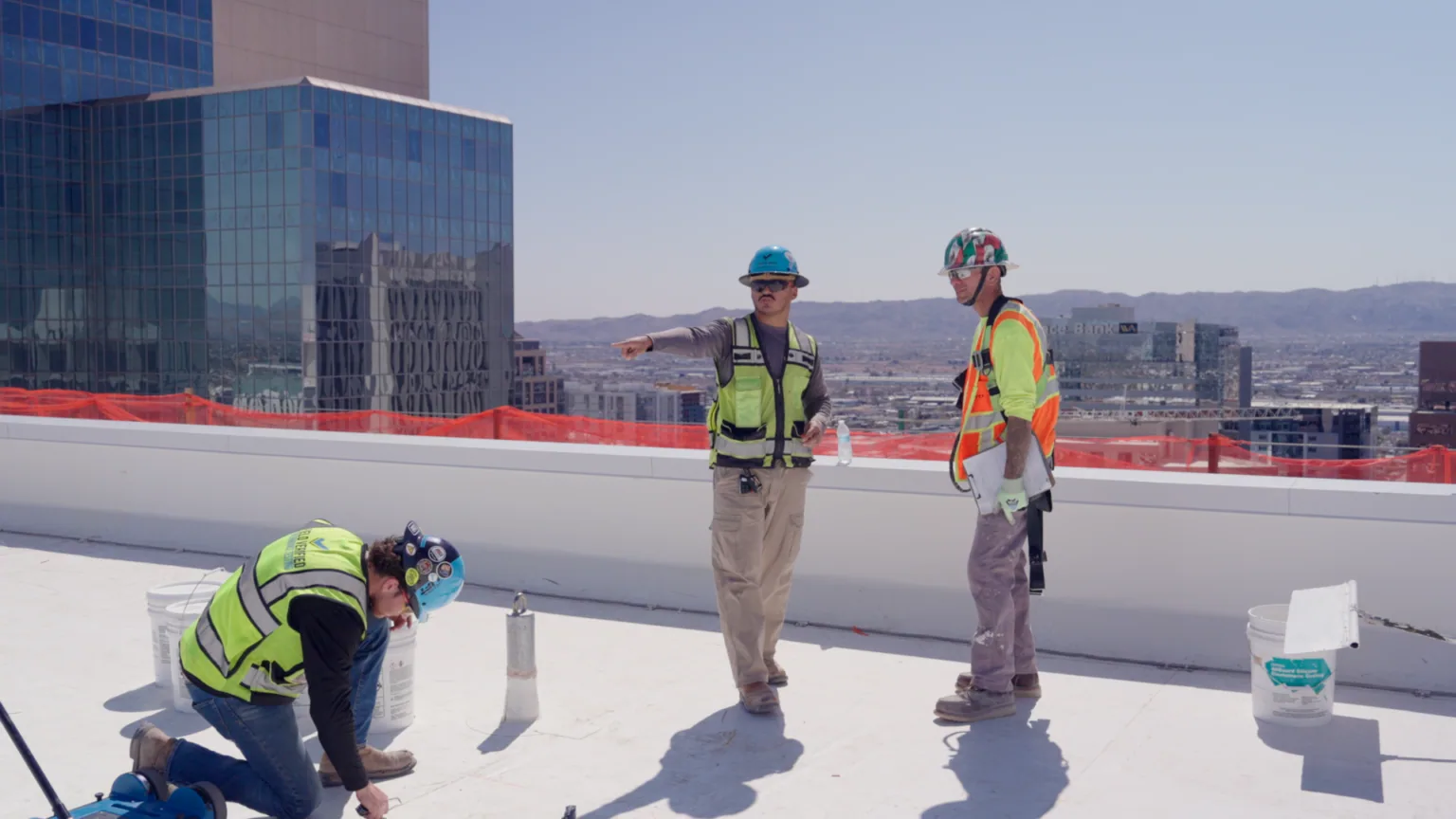
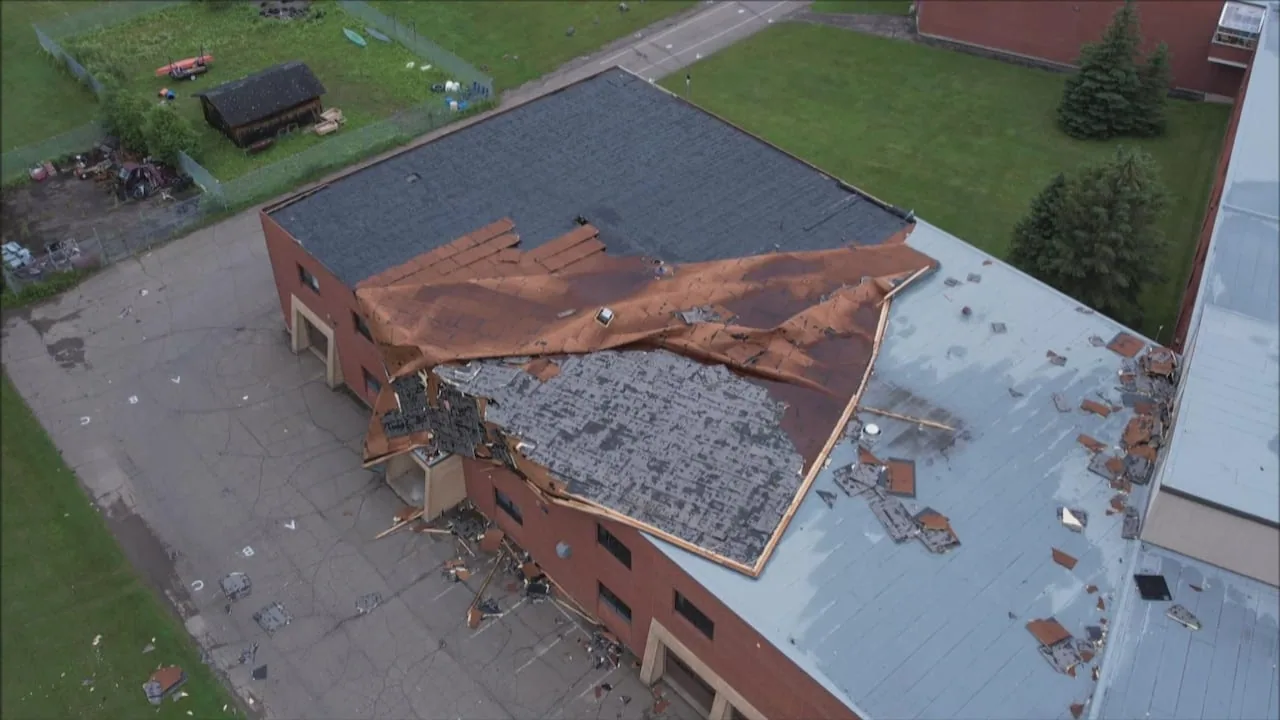
Put every roof on one calendar. A multi-site program begins with a single list of buildings and a single rule: each roof is walked on the same cycle, rated on the same scale and reported in the same format. Without that, a manager with twelve buildings has twelve different roof stories, and the roof that fails first is the one nobody was watching.
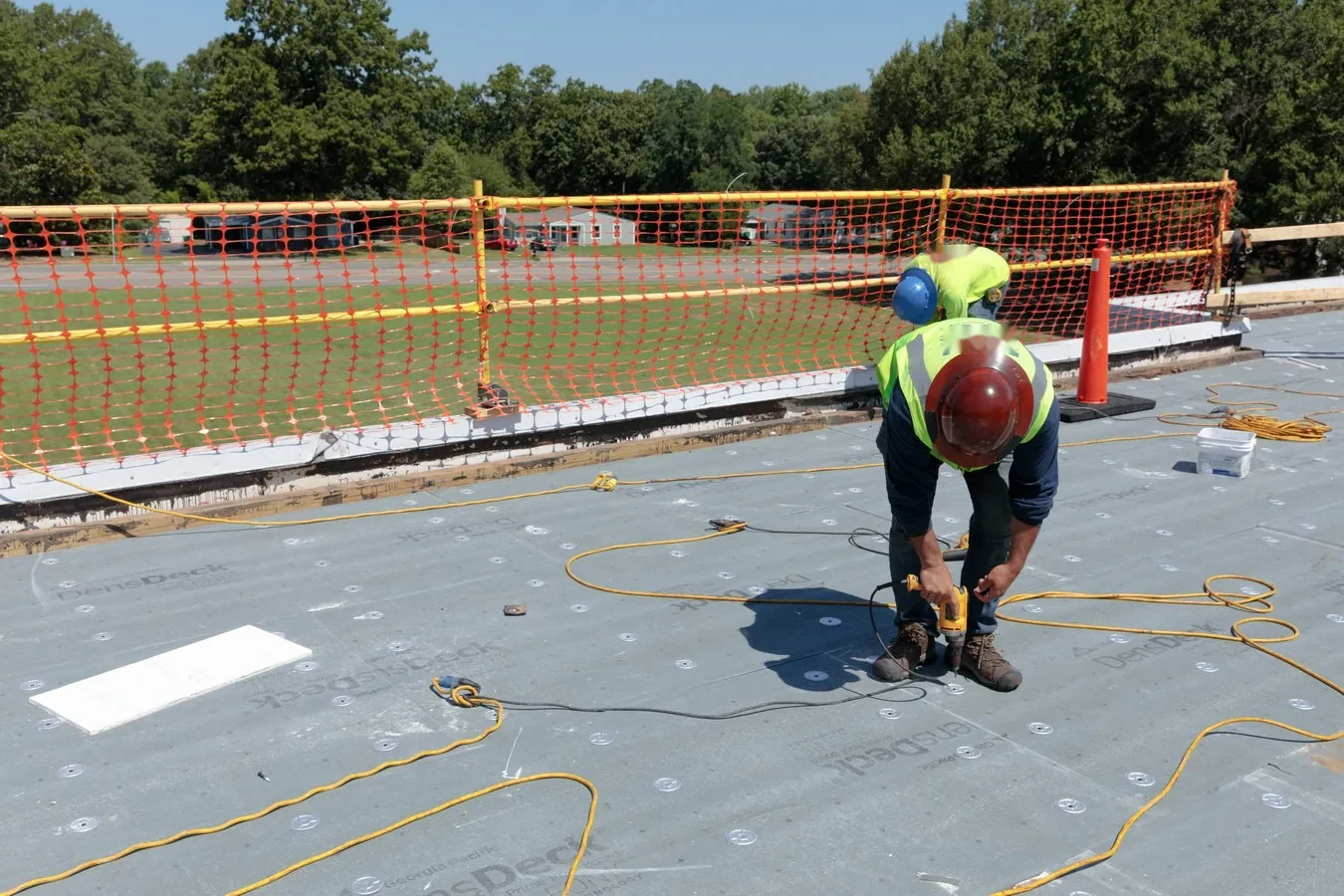
The program matters most when weather turns. A winter storm or a hard freeze reaches every site at once, and the facility director needs to know within hours which roofs carry the most risk. A program with current ratings, drainage notes and access details answers that quickly. Hurricanes, nor'easters and ice storms appear among the city's major hazards, which is why the program is built to respond as well as to plan.
Cost is the other reason to run roofs as a program. Mobilization, lift rental, travel and reporting are fixed charges that repeat at every site when buildings are handled one at a time. Grouping them cuts that cost and gives the owner a lower, steadier annual figure. The savings show in the program report as a separate line.
One Format Across Buildings
The format is plain. Each building has a page with its address, access, roof sections, ratings, warranty status, open items and the date of the last visit. A summary table ranks all sections by condition and by cost of failure. A photograph set follows each building, taken from marked positions.
The same fields apply to a small flat roof and a large industrial one, so the facility director can compare them. Differences are in the findings, not the structure. When a building is added, it enters the program with a baseline walk and a first rating, and it joins the next cycle. When a building is sold, its file goes with it. The format also supports asset management over time.
Document control is part of the format. Each building file holds its warranty, permits, roof plan, past invoices and photographs, and each document carries a date and a source. Missing items are listed so they can be found or replaced. A manager who changes jobs can hand the program to a successor in an afternoon, and a lender who asks about a building gets an answer the same day. The warranty calendar sits in the same file.
Inspection Cycle and Route Planning
Two visits a year suit most commercial roofs: one in the fall to clear drains and secure edges before winter, and one in spring to read the damage. Roofs with known problems get more. Sound young roofs may need one visit and an annual drone check. The cycle is set by condition, and the rating drives the frequency.
Route planning keeps the cost down. With I-93, I-495 and Route 3 meeting at the city and the Lowell Connector linking its parts, a crew can chain several buildings in a day. We group sites by area, share lift and equipment, and book access ahead. A maintenance visit at each site clears drains, reseals boots and photographs the result, and the program records the time spent so the cost per roof is visible.
Access is recorded building by building: hatch or ladder, lift reach, key holder, escort rules and hours tenants need quiet. A crew that arrives at a locked roof loses the visit, and a lift that cannot reach an edge turns a photograph into a guess. The access page prevents both, and it is updated after every visit.
Ranking Roofs by Cost of Failure
Not every roof deserves the same money. A roof over a data room, a clinic or a production line costs far more to fail than a roof over an empty storage bay. The program ranks roofs on two scales: how likely the roof is to leak, and what water would cost if it did. The top-right group on that grid gets repairs first, even if its condition is only fair.
Lowell's economy mixes education and health services, manufacturing, wholesale trade, transportation and professional services, as the city's profile lays it out. A portfolio here may include roofs with very different consequences of failure, and the ranking makes that explicit. The result goes to the capital plan, where funding follows the ranking.
The ranking is reviewed after any major event. A roof that was low-risk before a storm may move up if the storm opened a seam or cracked a flashing. The facility director sees the change and the reason, and the schedule shifts to match.
Storm Response Across Sites
When a storm hits, the program shifts from schedule to response. The facility director gets a short list: which sites have the highest risk, which crews are going where and when the first report will arrive. Roofs with a recent rating are checked first for open edges and drains, because the baseline photographs show what changed.
Precipitation runs near 48.5 inches a year in NOAA's Lowell normals, with October and December among the wetter months, so storm events can land in any season. Each event is logged by building, with date, cause, photographs and cost. After a few seasons, the log shows which roofs suffer and why. A snow and ice event gets a different checklist from a wind event, and both are kept in the same file.
Interior protection is part of the response. Each building page lists what lies under each roof section, such as stock, equipment, records or occupied offices, so the crew knows what to cover first. That list is built during the baseline walk and checked at each visit.
Reporting, Budgets and Approvals
Reports roll up in layers. A building report goes to the property manager. A portfolio summary goes to the facility director or owner, with the ranked table, the year's spend and the next year's forecast. Both include the open items and the date each was last verified.
Approvals vary by building. A site in the Downtown Lowell Historic District needs Historic Board review for exterior work, while a site elsewhere does not. The state's 10th edition code covers applications filed on or after July 1, 2025, and local energy provisions are confirmed for each project. The program tracks both per building, so a replacement is scheduled with its approvals counted. Portfolios across Lowell and nearby towns such as Dracut use the same table.
The annual review closes the loop. Completed work is checked against the plan, deferred items are re-rated and the next year's schedule is set. The facility director leaves with a calendar, a cost range and the three roofs that need attention first.
Commercial Roofing Questions
How many buildings are needed for a program?
Two or more is enough to benefit from a shared format and route. Larger portfolios gain more from ranking and from shared mobilization, but the method works at any size.
Can buildings with different roof types be in one program?
Yes. The format records the system for each section, and the checklist adjusts to it. Seams, flashings, drains and penetrations are checked on every type.
How are new buildings added?
With a baseline walk, a first rating and a photograph set. They join the next cycle, and the portfolio table updates to include them.
What happens when two sites need emergency work at once?
The ranking decides the order: active water, valuable contents below and worsening damage come first. The facility director sees the order and the reason in the first update.
Is pricing per building or for the whole program?
Each building has its own scope and price, and the program view shows them together. Shared mobilization is listed as a separate line so the saving is visible.