A public building roof is argued over in a budget meeting before it is fixed on a rooftop. Someone has to show the council or board what is failing, what it costs to stop and what happens if the vote is delayed. The scope document is the exhibit, and it has to read as plainly to an elected official as it does to a facilities engineer.

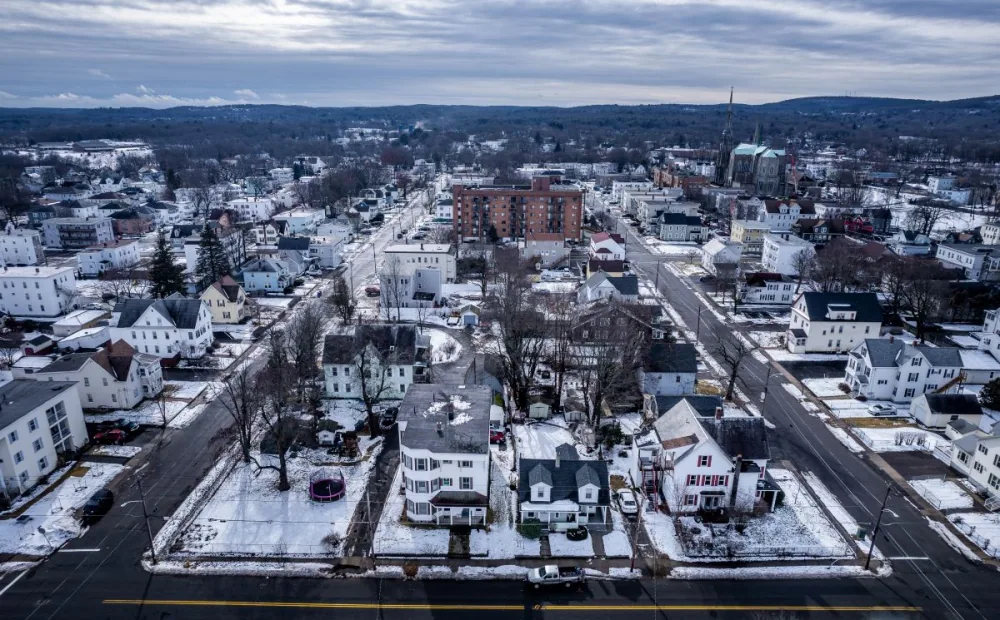
Public agencies near Lowell, MA, run a mixed set of buildings: city halls and municipal offices, fire and public works facilities, libraries, senior centers and older civic structures in town centers and historic districts. The weather is the same for all of them. Hurricanes and winter storms, nor'easters, snowstorms and ice storms among them, head the city's natural hazard list, and a 1995 winter delivered 126.5 inches of snowfall to Lowell.
Building the case for a budget line
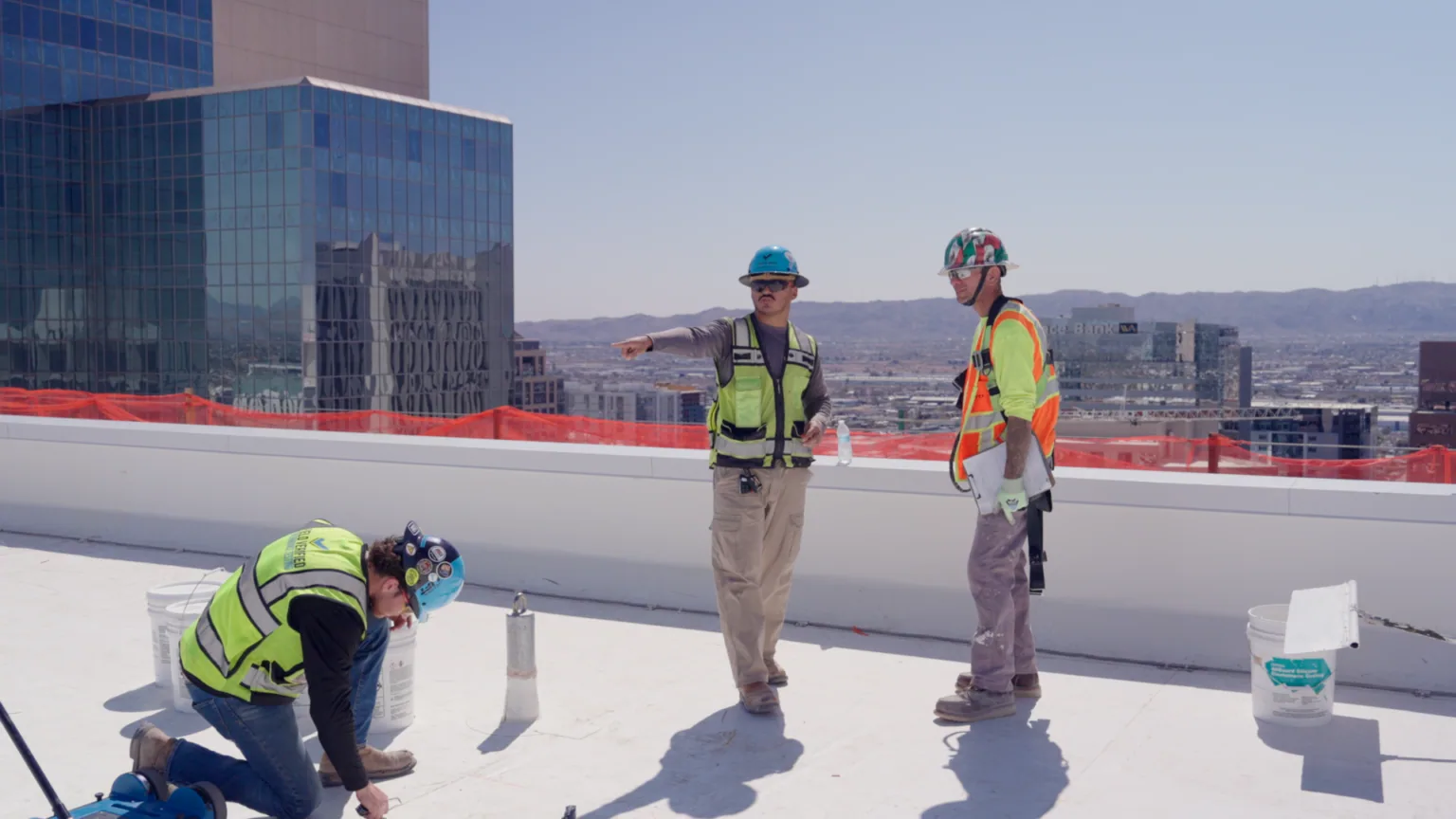
An agency asking for roof money needs three numbers and one picture. The numbers are the cost to repair, the cost to replace and the cost of waiting a year. The picture is a roof plan with the failing sections marked and photographs tied to each mark. Reports built this way travel well through committees because each member can see the finding without a technical briefing.
Cost of waiting is stated in terms of what the water will reach next. A leak over an office drops ceiling tile and wets carpet. A leak over records storage or a communications room has a different price. The report names the room below each finding, so the board sees which risks matter.
The roof capital plan places each building on a multi-year schedule, with a cost range and a target season. That schedule is what the finance director carries into a capital improvement discussion, and it can be updated each year as conditions change.
Procurement, specifications and scope
Public work usually moves through a set procurement process, and the roofing scope has to fit it. A clean specification states the system, the insulation, the flashing details, the drainage, the warranty terms and the testing. Bidders can then compare like with like, and the agency can defend the award.
Our survey reports are written to feed that specification. They record the existing assembly, the deck, the moisture readings and the defects, and they offer scope options with cost ranges. The agency's own procurement office or design consultant decides how that information enters a bid package.
Code matters at the front end. For any application filed on or after July 1, 2025, Massachusetts applies its 10th edition alone, a state adaptation of the 2021 International Building Code. The base energy code comes with it, and municipalities may adopt stretch provisions, so the energy requirements for a roof must be confirmed for each project. Insulation thickness depends on that answer, and so does the budget. Each scope item carries its location and its unit of measure, so a bid evaluator can compare line to line without asking what a lump sum includes.
Historic districts and civic buildings
The Downtown Lowell Historic District reaches the commercial core, mill yards and canal system, and the Historic Board reviews exterior work inside it. A public roof inside that district may involve review of visible edge metal, parapet caps and roof color. The approval step belongs in the schedule from the beginning, since a replacement that is ready to start but not approved costs money while it waits.
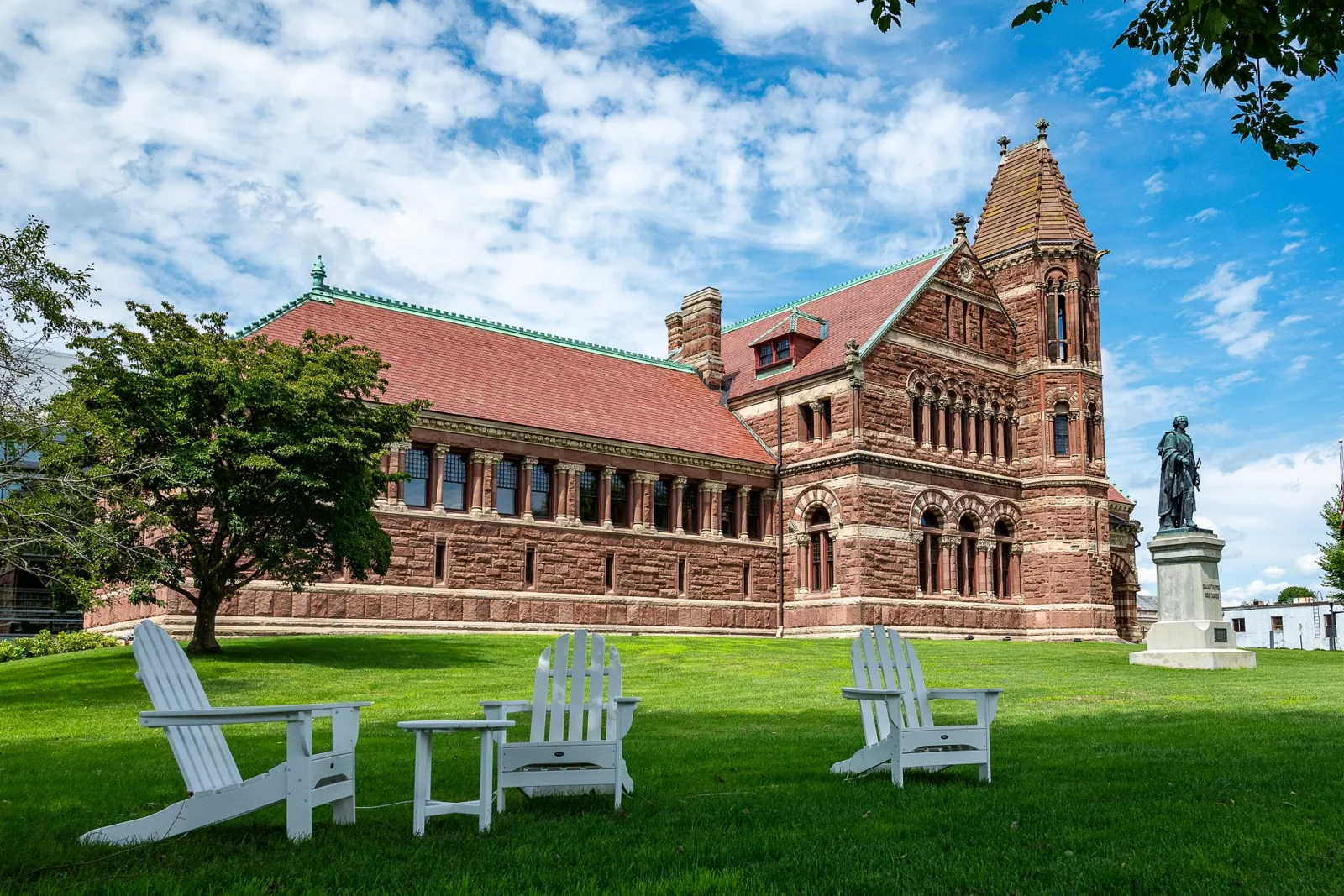
Other towns have their own character. Dunstable describes a compact town center with civic and municipal uses. Townsend identifies Townsend Harbor, Townsend Center and West Townsend as areas with historic residences and commercial shops. Older civic buildings in such centers may have pitched sections, chimneys, cupolas and complex flashing, and their repairs call for detail work. A civic building in Dunstable or Townsend gets the same detail-level survey.
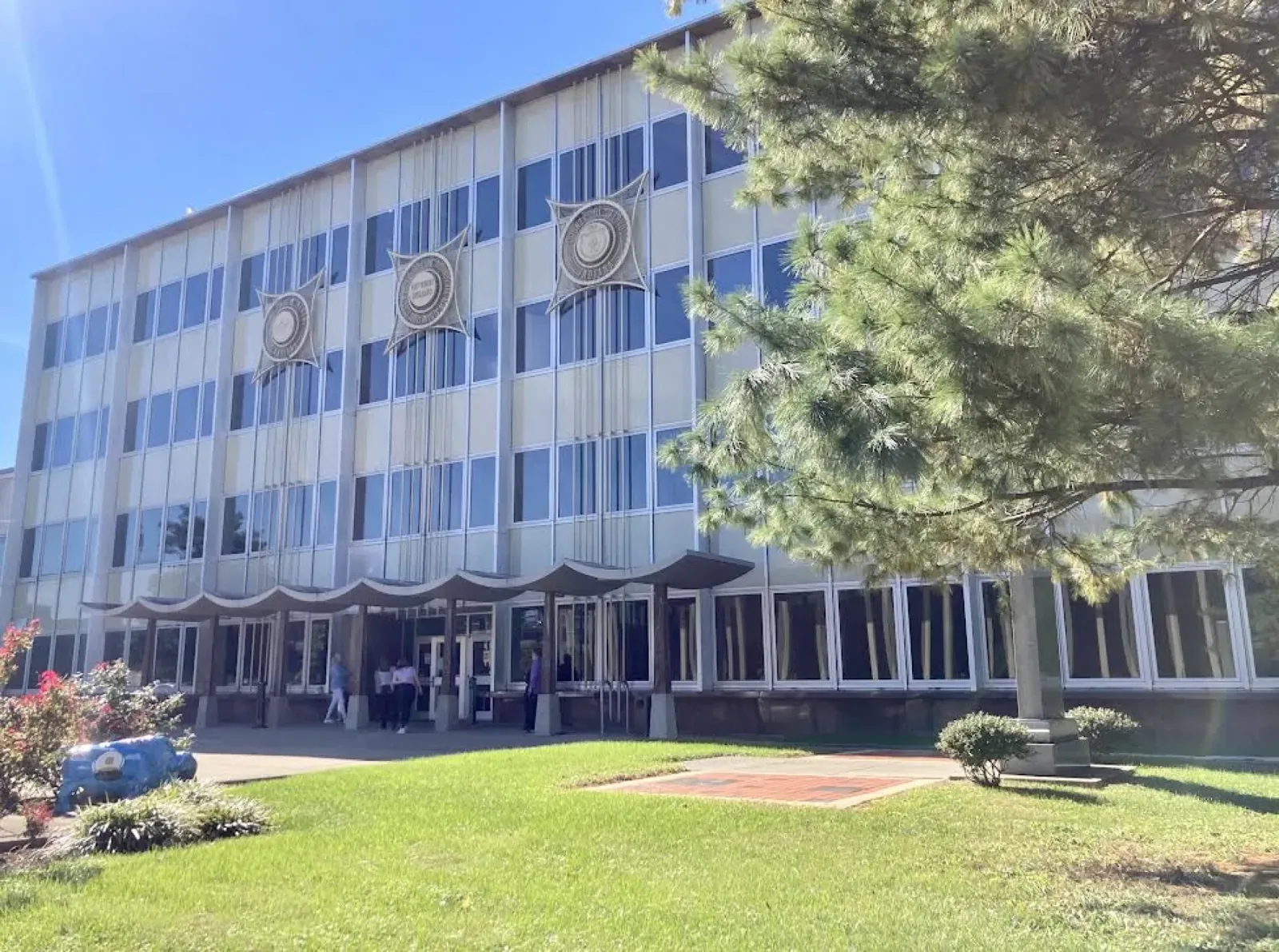
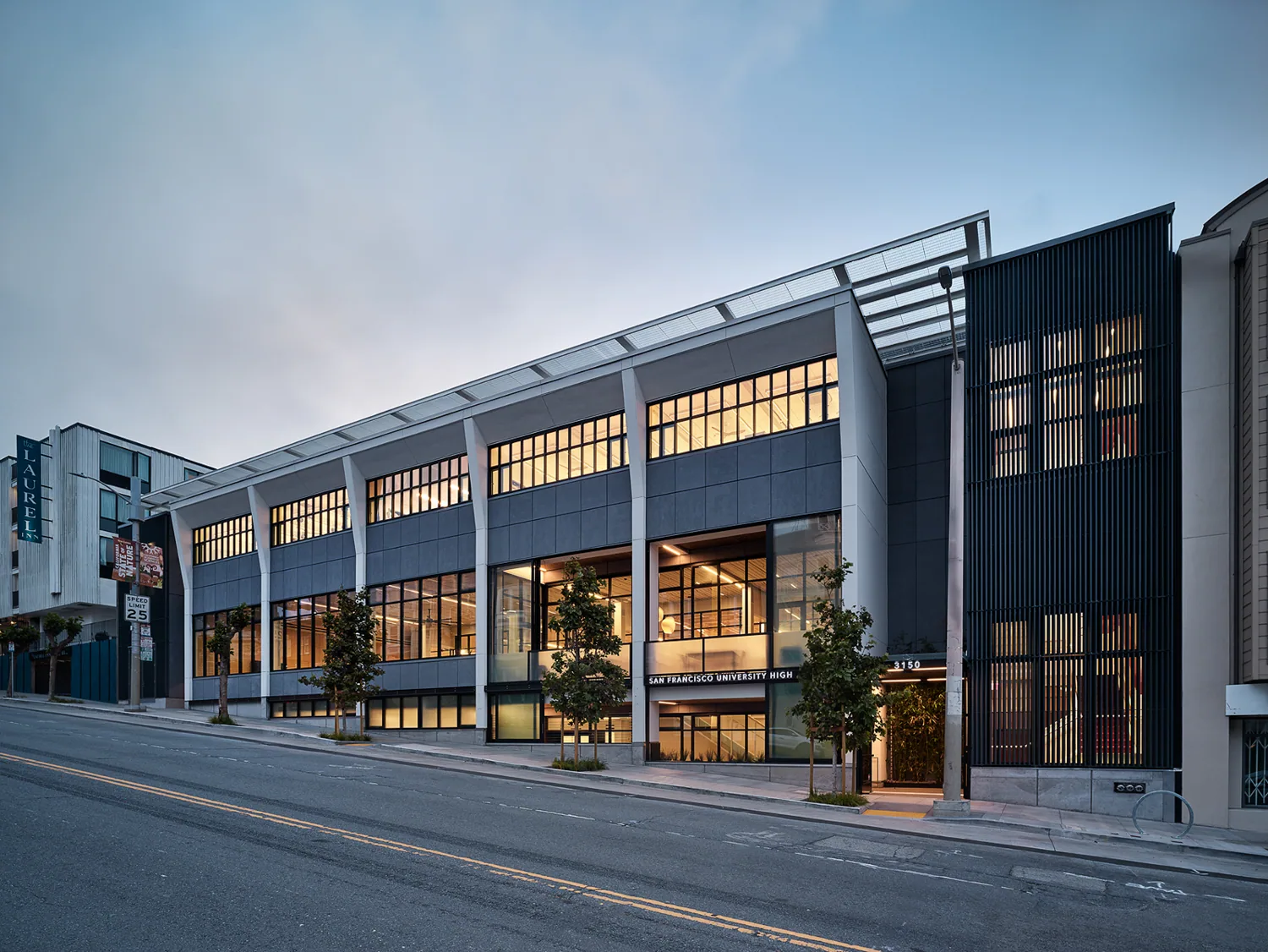
For the government offices themselves, government building roofing goes through the typical conditions of municipal halls and service buildings.
Storm response and essential facilities
Some public buildings cannot close. Fire stations, public works garages, emergency operations rooms and shelters must stay available during the storms that damage roofs. A storm-readiness visit before winter clears drains, secures edge metal and checks equipment curbs, and a post-storm check looks for displaced membrane and new punctures. NOAA's Lowell station normals show a January daily mean of 24.9°F and 48.51 inches of precipitation across a year, which means wet and cold conditions are routine, not rare.
If a leak occurs in an essential facility, the first-hour check identifies the water path and the equipment at risk, and the dry-in goes on before anything else. The emergency roof repair response runs at all hours, and the facility manager gets a written update with the repair boundary and a cost range.
Records from the event help with reimbursement. Photographs, dated logs and a clear separation of storm damage from long-term wear support a claim and an application for any available assistance.
Keeping a roof record across administrations
Public staff change, and roof knowledge leaves with them. A roof file kept in a standard format survives turnover. It holds the installation date, the system, the warranty paperwork, past inspection reports, repair logs and photographs. A new facilities director can open it and see what was done and when.
Lowell's 2025 master plan and other planning documents identify strategic goals for the city, and capital projects are weighed against those goals. A roof file makes it easier to show how a replacement protects a building the city intends to keep using. The record also supports shared work with the school district and with health care partners who share municipal property.
An annual preventive maintenance visit keeps the file current and catches small defects before the next budget cycle. A municipality that moves from emergency calls to scheduled visits usually learns where its next three roof expenses will come from.
Commercial Roofing Questions
What should a roof report include for a council or board?
A roof plan with the failing sections marked, photographs tied to each mark, three cost figures (repair, replace, wait a year) and the room below each finding. Elected members can then see the risk and the choice without a technical briefing.
Does a historic district change the roof scope?
It can. In Lowell's downtown district, exterior work is subject to Historic Board review, so visible metal, parapet caps and materials may need approval. The schedule includes that step, and the scope identifies which changes are visible from the street.
How do you handle a leak in a building that must stay open?
The dry-in goes on first, interior protection follows, and the facility manager decides what to move. Permanent repair is scheduled for the next workable weather, and the written update states the dates and the cost range. Essential rooms get protection ahead of general office space.
Can a repair program stretch a failing roof for a few more years?
Sometimes, if the insulation is dry and the membrane is sound. Targeted repairs and a maintenance schedule hold such roofs. When moisture is spread across sections, repair money is spent twice, and the survey shows the point where replacement costs less over the period.
What does a roof file give a new facilities director?
A complete history: the system, its age, past reports, warranty terms and photographs. The director can plan the next three years without rebuilding the record. A condition report at regular intervals keeps it up to date.