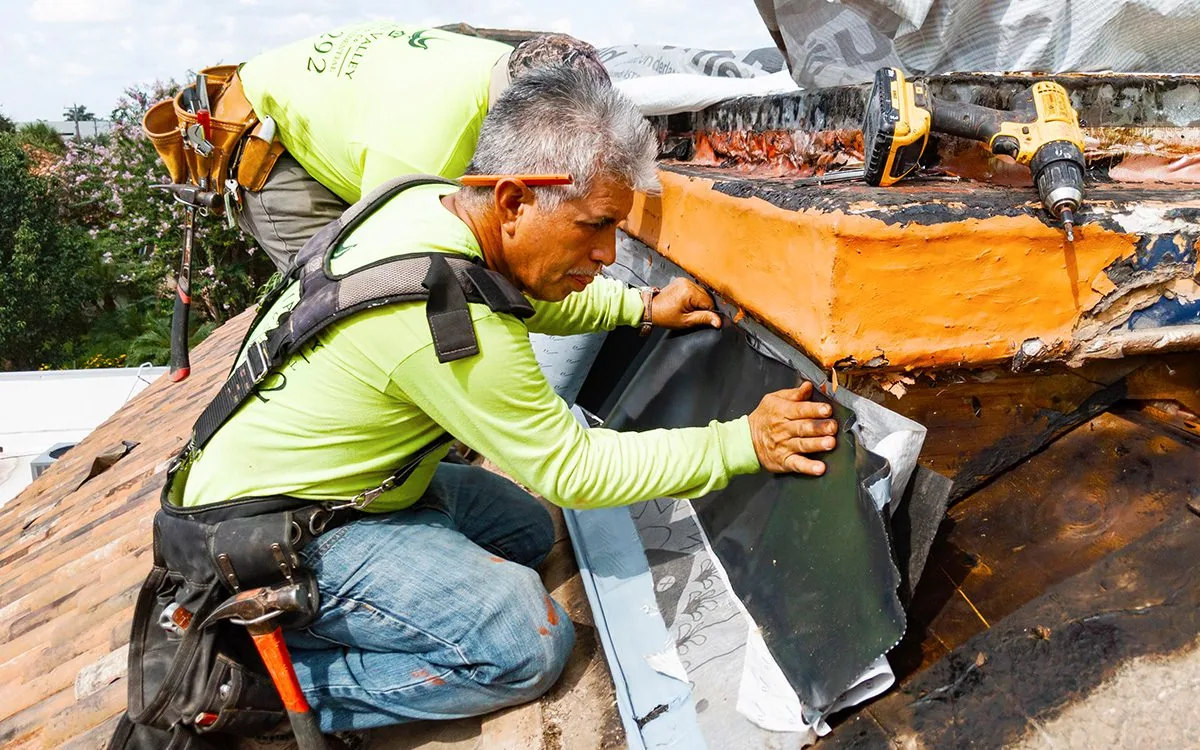
An adjuster reads a roof estimate from the bottom up: the total first, then the line items, then the photograph behind each line. A restoration contractor reads the same estimate for a different reason, which is whether the scope matches what the crew will find once the tarp comes off. The roofing side of a loss has to satisfy both readers, and it does so by keeping the evidence and the numbers in the same order.
For commercial losses around Lowell, MA, the file starts with a hazard picture the city itself publishes: hurricanes, nor'easters, snowstorms and ice storms are all on its list of major natural hazards. A roof that took one of those events needs a response record, a scope with boundaries, and a cost update schedule that the carrier and the restoration crew can both follow without calling the roofer to explain it.
What an Adjuster Needs From the Roof
The adjuster needs a clear answer to four questions. What was damaged? When was it reported? What was done to stop further loss? What will the permanent repair cost? The roofing record answers each with a photograph, a time stamp, a log of protective steps and a priced scope, and the answers are linked by roof section number so nothing has to be matched by memory.
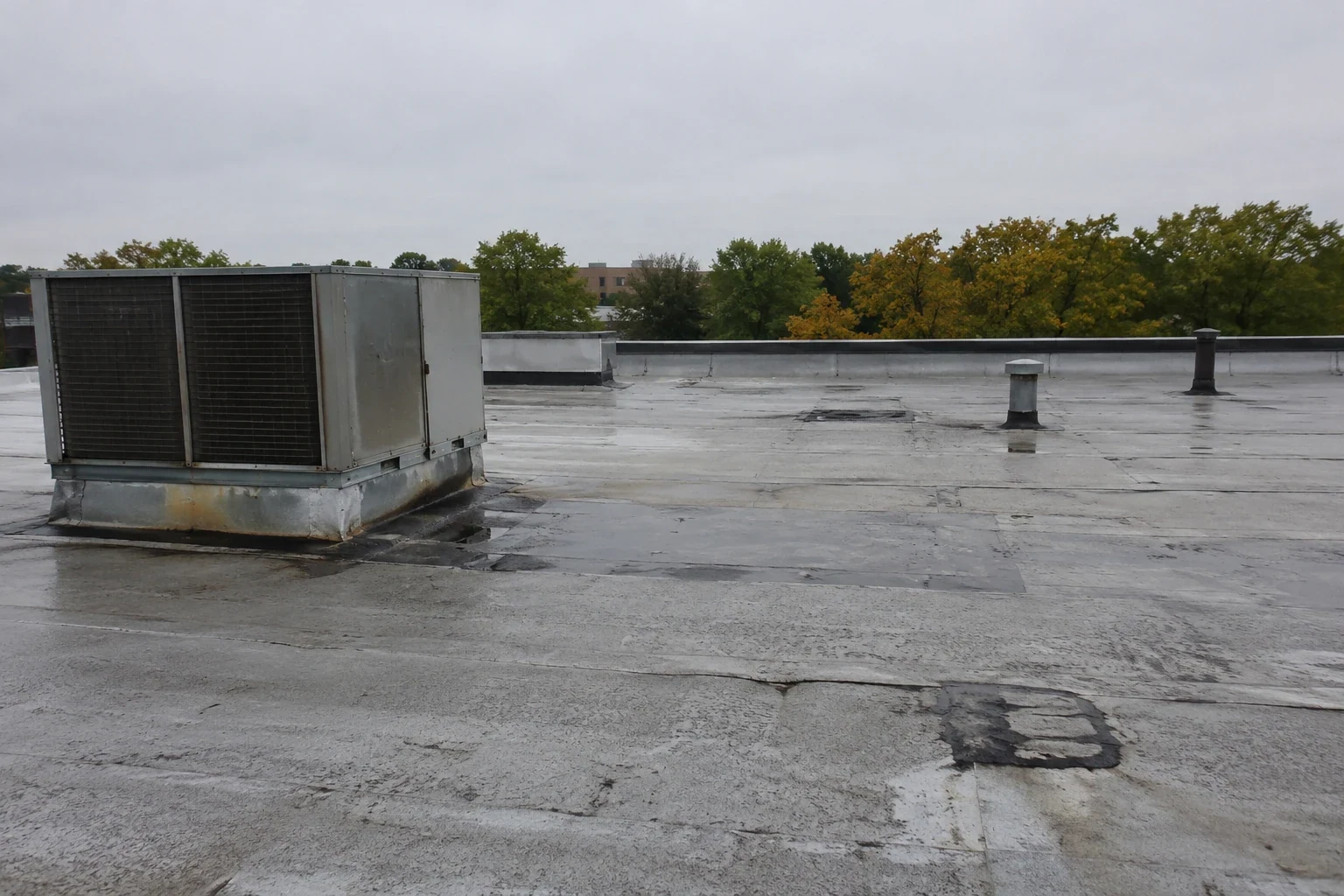
Moisture readings and cores matter because they show how far water traveled. A visible tear is small compared with a wet area under it, and the boundary of the wet insulation sets the repair size and the number on the estimate. Where the carrier asks for a second look, the same section numbers let a reviewer find every location again without a guide.
Working Beside a Restoration Contractor
On a commercial loss, the roofer is one trade among several. Water extraction, drying, demolition and interior rebuild run on their own schedule, and the roof has to be dry in before the interior work can be trusted. The roofing crew and the restoration contractor agree on the dry-in date, the access route and the areas that stay closed. The exchange is short and written, and it names who calls whom when the forecast changes the plan, so neither crew is waiting on the other at the hatch.
The emergency response comes first and is recorded as mitigation. Permanent repair follows once the carrier has seen the damage. When a general contractor holds the rebuild, the roofing package is set so the restoration schedule and the construction schedule share one roof date.
Estimate Format and Line Detail
The estimate lists each line with its roof section, method, material, quantity and unit. Temporary protection, tear-off, insulation, membrane, flashing and edge metal appear as separate groups. Access equipment, disposal and permit costs are shown on their own lines. A reviewer should be able to remove one group and still understand the rest.
Where the estimate and the carrier's figure differ, the difference is traced to a line. The cause is usually quantity, method or scope boundary, and each of those can be checked on the roof or in the photographs. Disagreement narrowed to a single line is easier to resolve than a total that cannot be broken down.
Hidden Damage and Supplements
Some damage appears only after tear-off begins. Wet insulation under a dry membrane, a deck that has rusted or rotted, and flashing hidden under old membrane are the usual finds. The initial estimate carries unit prices for these conditions, so a supplement is a quantity, not a new negotiation.
When hidden damage turns up, the crew stops, photographs the condition with a tape or marker for scale, records the roof section and sends the update the same day. A supplement with a photograph, a measurement and a unit price can be reviewed quickly. One written from memory a week later cannot, which is why the condition report format is used for both the opening survey and the supplements.
Cause of Loss on the Roof
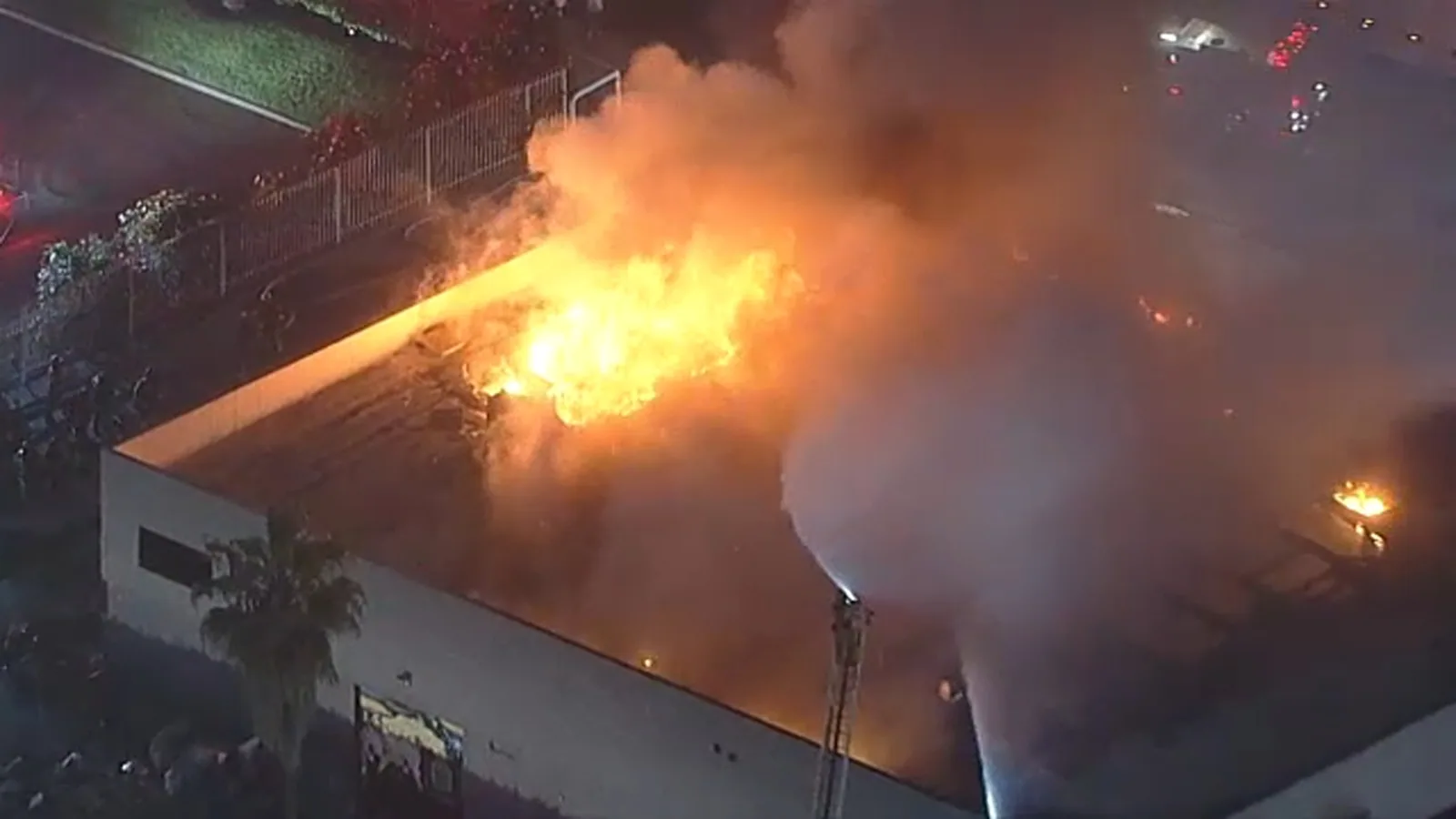
Different causes leave different marks, and the roofing record says what each one looks like. Wind lifts membrane and metal at edges. A fire leaves heat distortion, soot and debris, and the fire damage scope includes testing for damaged insulation and deck. Snow and ice cause drain blockage, edge damage and meltwater intrusion, which is the pattern in snow and ice damage.
Where the cause is disputed, the report separates evidence from opinion: what was seen, where, in what condition, and what it is consistent with. A neutral record helps the carrier and the owner reach an answer faster than a persuasive one does, and it stays useful if the question comes back months later.
Losses Across Several Buildings
A storm can hit several buildings of one owner at once. The roofing plan ranks them by interior exposure and by active leaks, protects the worst first, and files one report format for all of them. A claim file per building keeps the carrier's review clean, with a summary that shows the whole portfolio and the order of work. A property management office holding many buildings can then answer the carrier building by building, and can tell tenants which roof sections are closed and for how long.
Drone photographs speed the first pass across a campus or business park, and a drone survey is followed by walked inspections of the areas that matter. The walked record is the one that supports the estimate.
Loss Work Across the Merrimack Valley
Commercial losses do not stop at the city line. Lawrence reaches I-495 and I-93 directly, and its city materials count industrial parks and old mill buildings in the property base that a carrier may be asked to cover. Methuen keeps its business activity on arterial and collector roads, and an adjuster working either place gets the same file order. A restoration crew that arrives from Lowell finds the same section numbering on the next roof. In Lowell, the Downtown Lowell Historic District adds a Historic Board step to a restoration schedule when visible exterior work is involved.
Commercial Roofing Questions
What does a restoration contractor need from the roofer on day one?
The dry-in plan, the access route, the areas that must stay closed and a time for the next update. With those four items, drying and demolition can start without waiting for the permanent roof scope.
How are hidden conditions priced in an insurance estimate?
As unit prices for the conditions that tear-off might reveal, such as wet insulation by the square foot or deck replacement by the sheet. When one is found, a photograph, a measurement and the unit price make the supplement a quantity check.
Can one roofing report serve the adjuster and the owner?
Yes, if the report separates findings from recommendations. The adjuster reads the damage record and the scope lines. The owner reads the same record with the cost exposure and the choices that remain open.
What if the carrier and the roofer disagree on the repair boundary?
The disagreement is reduced to the roof sections in question. Moisture readings, cores and photographs of those sections are compared, and a joint walk is offered where one would settle it. The scope shows the price of each version of the boundary.
How is a multi-building loss organized?
Buildings are ranked by active leaks and by what sits beneath the roof. Each gets its own file with the same format, and a summary lists the order of work and the running cost. The carrier reviews one building at a time without losing the full picture.