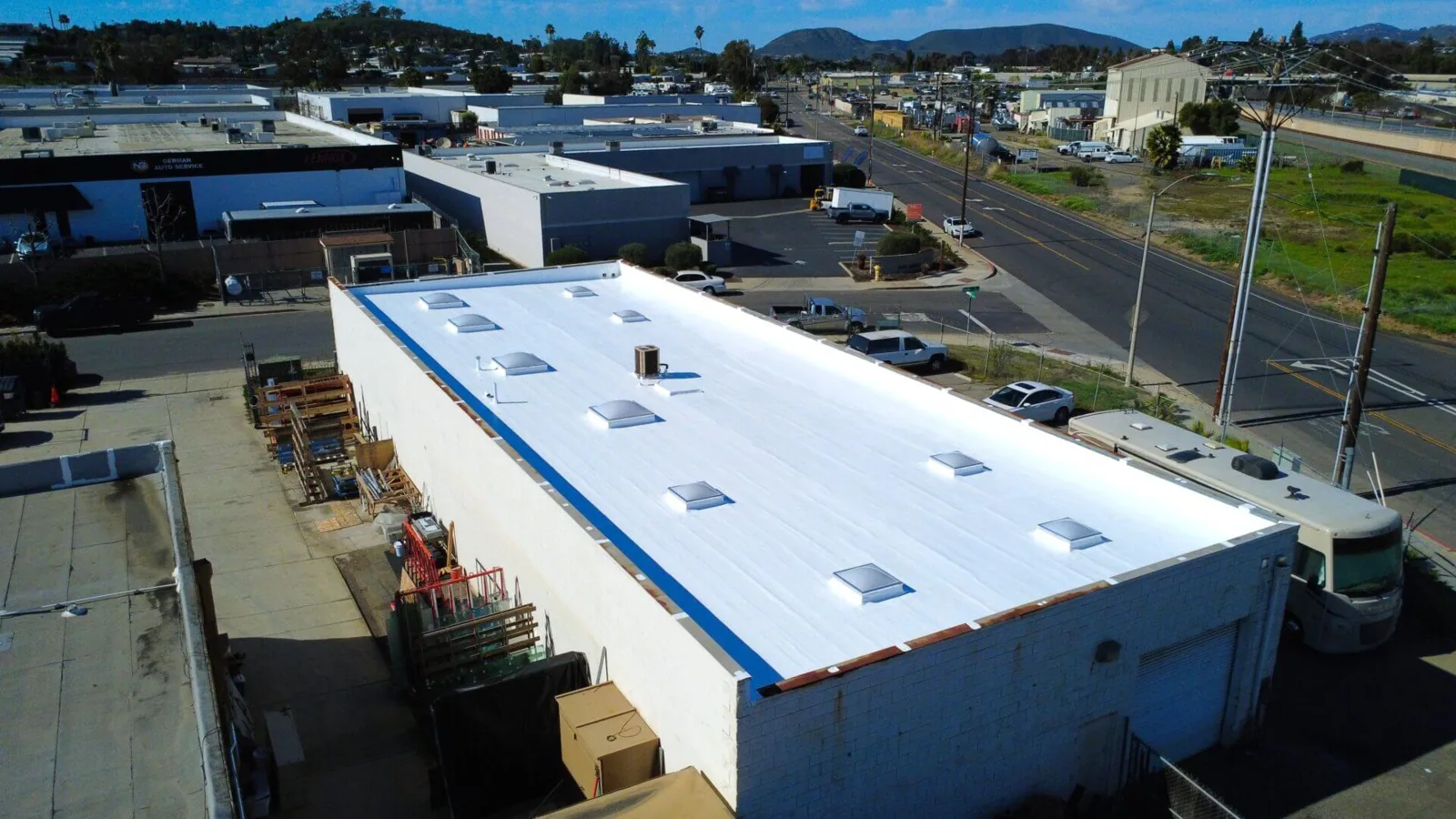
A bucket on the sales floor costs a store more than the leak does. Customers see it, staff stop to move merchandise, and the manager spends a shift on the phone. The roof report that reaches a regional operations director should therefore answer one thing before anything else: how long until the water is stopped and the floor is clear?
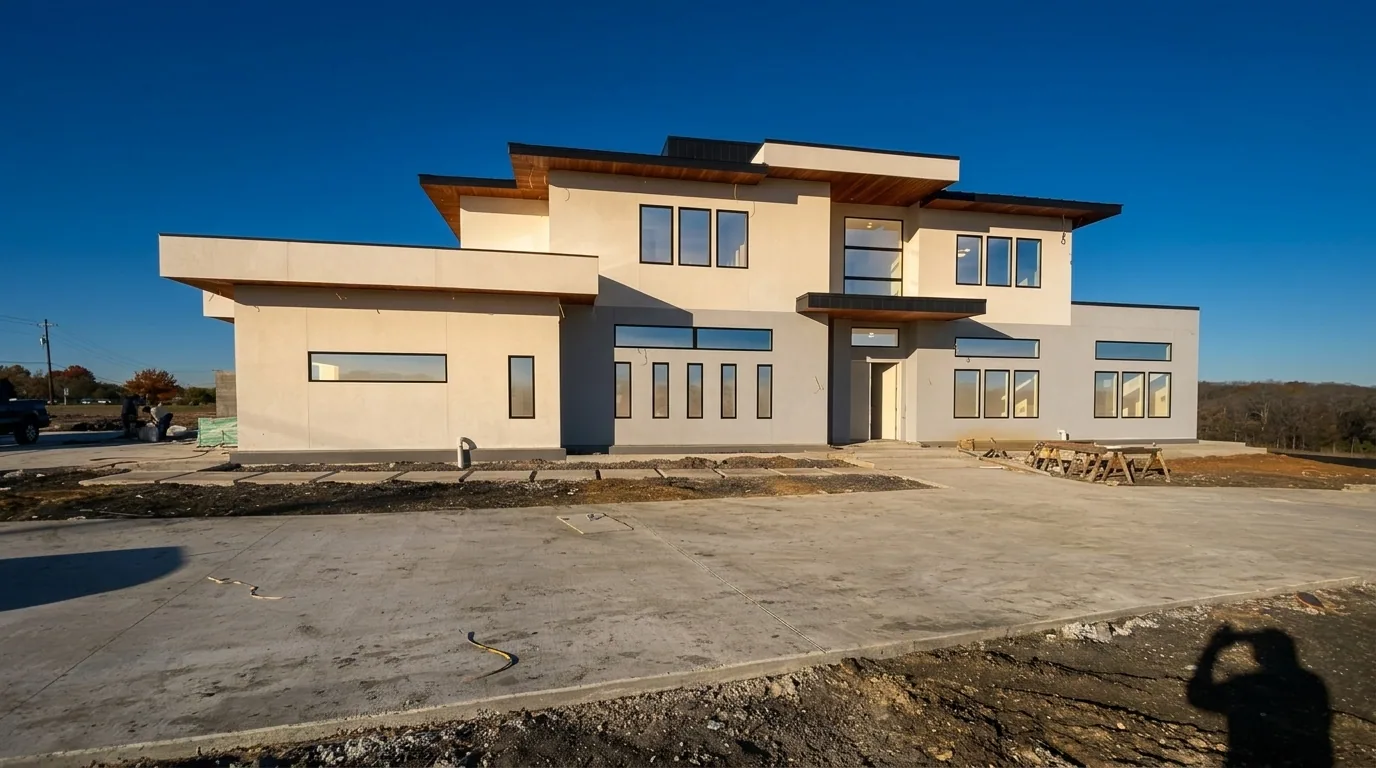
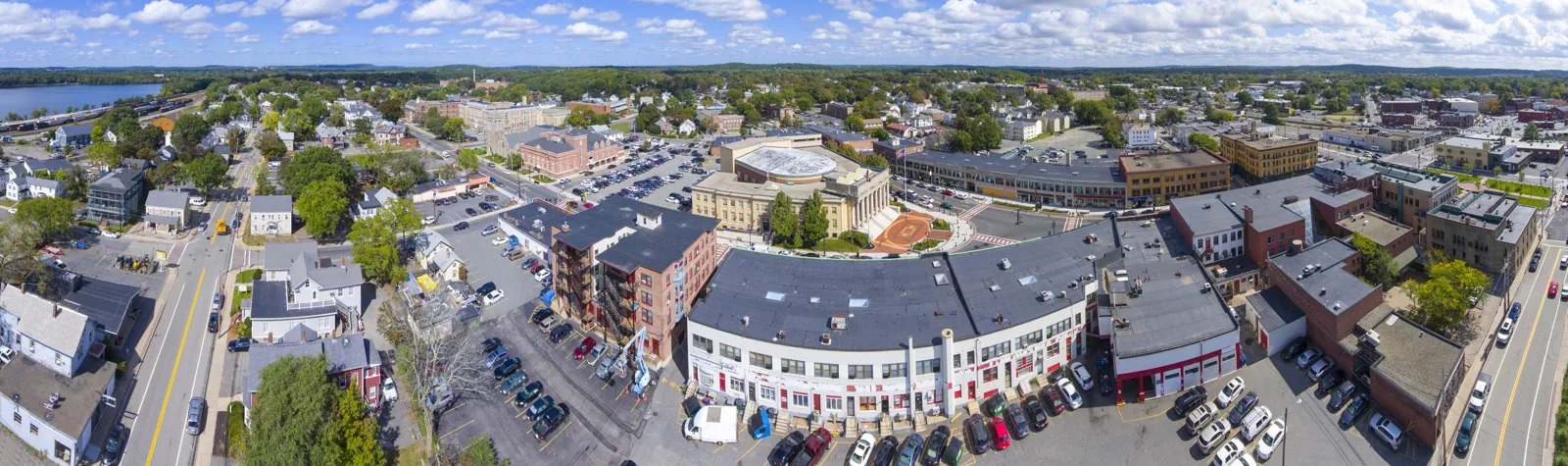
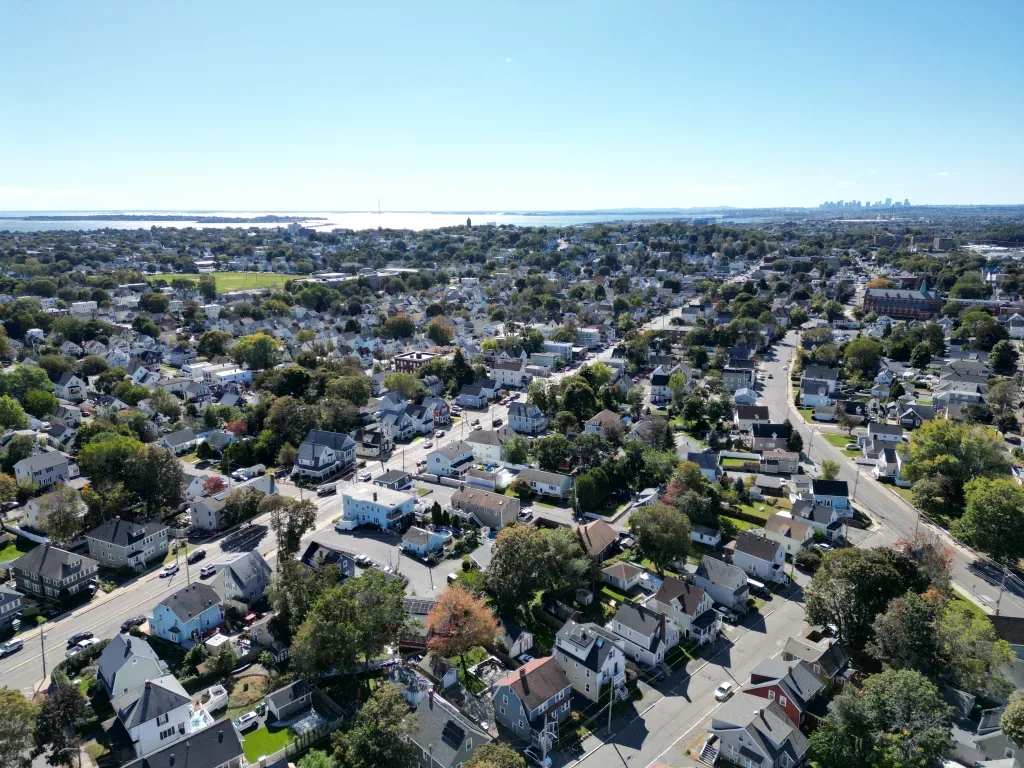
Retail and restaurant brands with locations around Lowell, MA, hold a spread of building types: strip centers along arterial roads, freestanding pads, in-line suites in shopping plazas and older downtown storefronts. The roof under each is controlled by a different landlord, carries a different system and fails at a different pace. A program for the whole group has to work from one standard while respecting each lease.
Leaks during trading hours
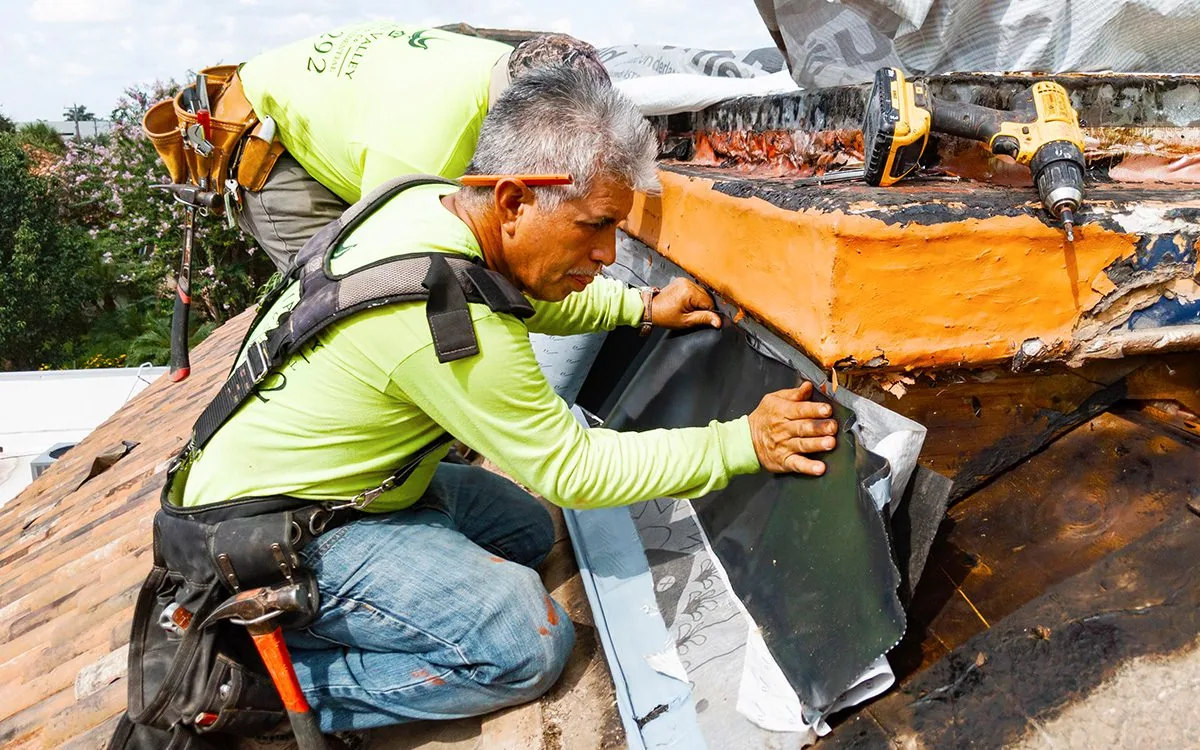
The first-hour check at a store starts with the floor. Where is water landing, are customers near it and is there product or electrical equipment below? The store manager decides whether to rope off an area or close an aisle. The crew covers the roof opening and, where needed, places diversion above the ceiling.
A restaurant adds fire and food safety to the list. Water near cooking lines, fryers or hood systems is dangerous, and a dripping ceiling over a prep area can close the kitchen. The manager's decision comes first, and the roof response is timed to the shift.
The written update goes to both the store and the regional office, with the same facts. It states the time of the report, the water path, the protection used and the date of the permanent scope. When the lease puts the roof in the landlord's hands, the same record helps the manager press the landlord for action. The emergency roof repair response runs at any hour, including holidays.
Strip corridors and storefront districts
Pelham, New Hampshire, follows NH Route 38 from the Massachusetts line with strip-commercial uses that include auto services, retail, medical practices and restaurants. Methuen's master plan names Route 110, Route 113, Route 28, Pelham Street and Pleasant Street as corridors, and it describes a commercial pattern concentrated on arterial and collector roads. Acton promotes Great Road as a business and retail corridor, and Lexington's Massachusetts Avenue commercial center grew with brick commercial blocks.
Each setting puts a different roof over a store. A strip building may have one long membrane shared by several tenants, so a leak in one suite can start in another. A downtown brick block may have a flat roof behind a parapet, with drains that are easy to lose to debris. A store roof in Pelham, Methuen or Acton is surveyed the same way.
Shared roofs raise a practical point: the repair crew needs to find the real source, which may be several suites from the stain. Survey readings trace it.
Exhaust, grease and rooftop equipment
Restaurant roofs collect grease. Kitchen exhaust fans discharge vapor that settles on the membrane, and standard single-ply systems can degrade under it. Grease-resistant membranes and exhaust fans fitted with grease containment protect the roof. The survey records every exhaust discharge and the membrane condition around it, since grease damage shows first in that area.
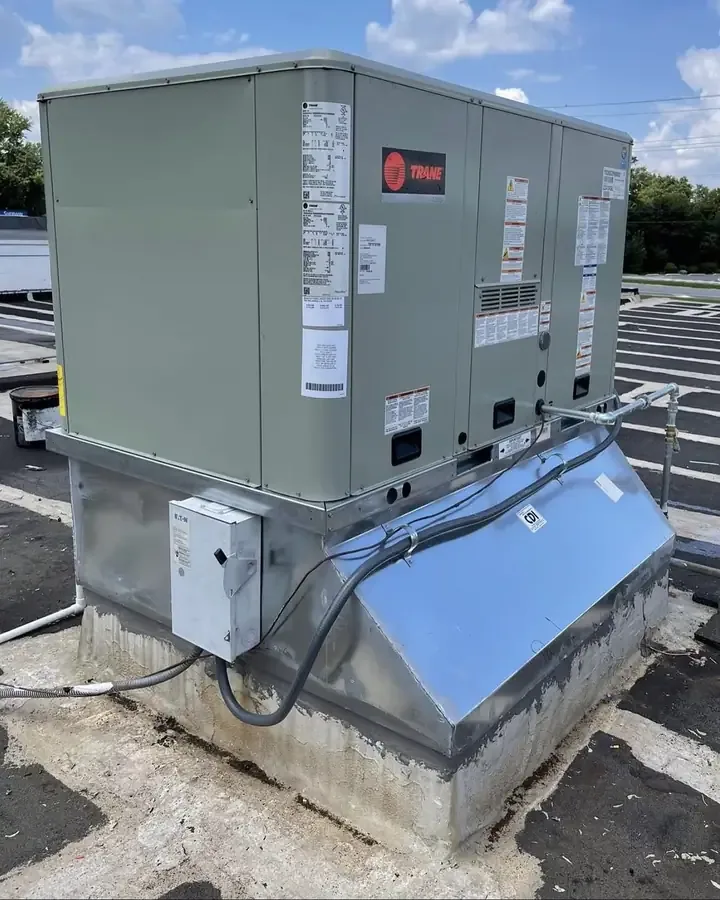
Rooftop units, make-up air and refrigeration condensers add to the load. Each sits on a curb or frame with flashing that moves with the equipment. When a technician replaces a unit, the flashing is often disturbed, and a leak follows within a season. Our curb and equipment support work includes the flashing, the curb and the sealed penetrations for lines and conduit.
Walkway pads protect the membrane where service staff walk to equipment. Without them, repeated foot traffic wears a path through the roof surface, and the first sign is often a split in a seam beside the path. The inspection checks the route from the roof hatch to each unit, because that is the strip of roof that takes the most abuse in a year.
A program across many locations
A brand with a dozen locations needs a single record. Each store gets a roof file with the system type, the age, the landlord and lease terms, the warranty status and a photo history. An inspection schedule visits each roof on a set interval, and a standard report format lets the regional office compare stores side by side.
The ranking guides money. A store with a failing roof and a short lease may need a repair and a conversation with the landlord. A store with a long lease and a failing roof may need a replacement budget. The report states which situation applies so the regional office can plan with the real facts. A multi-site roof program puts these decisions into one queue.
The program also supports openings and closings. A site survey before a new lease shows what condition the roof is in, which affects negotiation. A roof report at lease end shows what condition the space was returned in. Chains with distribution needs can compare notes with the logistics operator approach, since both manage many buildings and many owners.
Seasonal timing and winter exposure
Retail has its peaks, and the roof plan avoids them. A replacement or heavy repair is better scheduled before the holiday season than during it. Restaurants have their own slow periods, and a quiet week is the time for exhaust and curb work.
Weather complicates the plan. At the Lowell station the normals give 24.9°F for the January mean and 48.51 inches of precipitation across the year, and nor'easters, snowstorms and ice storms sit on the city's hazard list. Snow sliding off a roof onto a storefront entrance is a safety matter as well as a roofing one, and the survey checks for edge conditions that send snow and ice toward doors.
A pre-winter visit clears drains, checks flashing and secures edge metal. Brands that also run hotels or lodging follow the same steps, adapted to guest-room schedules, as hospitality groups do. The shopping center roof is where many of these checks begin.
Commercial Roofing Questions
Who fixes the roof when the store is leased?
Read the lease. Many leases put the structure and roof on the landlord and the interior on the tenant. Our record gives both sides the same facts: when the leak was reported, where the water came in and what was done. That shortens the conversation.
Why does grease matter to a restaurant roof?
Grease from exhaust fans settles on the membrane and breaks down some single-ply materials. The survey finds the discharge points, checks the membrane near them and recommends grease-resistant materials or fan containment where needed.
Can a store stay open during a reroof?
Usually yes. Work is done in sections, with ceilings protected and noisy tasks scheduled for off-hours. Some restaurant work, such as exhaust curb replacement, needs the kitchen idle for a short stretch. The scope names those windows.
How can a regional manager compare roofs across stores?
Through a standard condition report. Each store's roof is rated on the same measures: age, visible condition, moisture, drainage and detail work. The ranking appears in a single table, and photographs back each entry.
What happens if a strip center roof leaks in a neighbor's suite?
The roof is shared, so the source may be several suites from the stain. We trace it with moisture readings and report to the landlord and the affected tenants. Repair boundaries cover the failing section, not only the suite where the water landed.