A small commercial building gets the same first-hour check as a large one, built on three answers: the point of water entry, whether the room below can be covered and whether the roof can be reached safely. What differs is the scale of the decision. On a small roof, one failed flashing or one blocked gutter can be the whole story, and the repair boundary is often a few feet from the entry point.
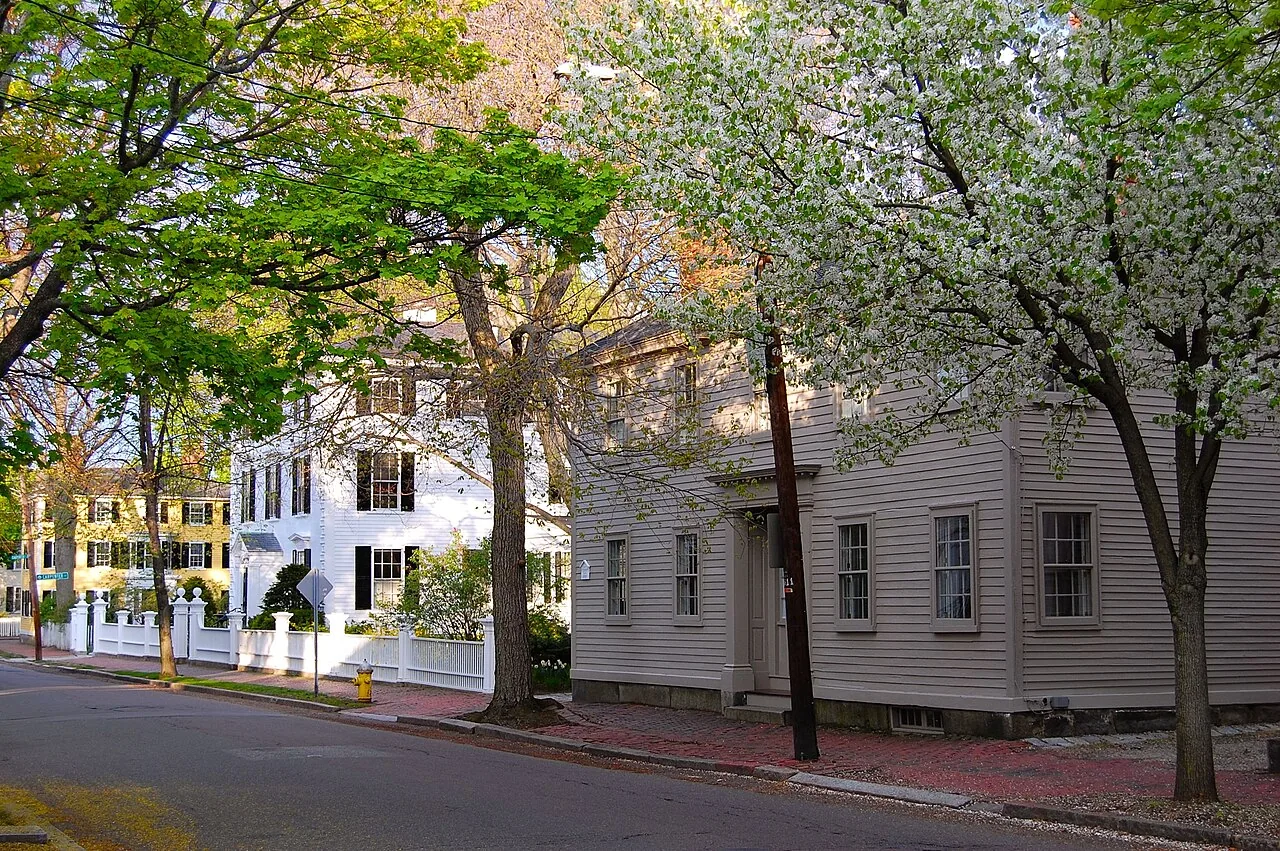
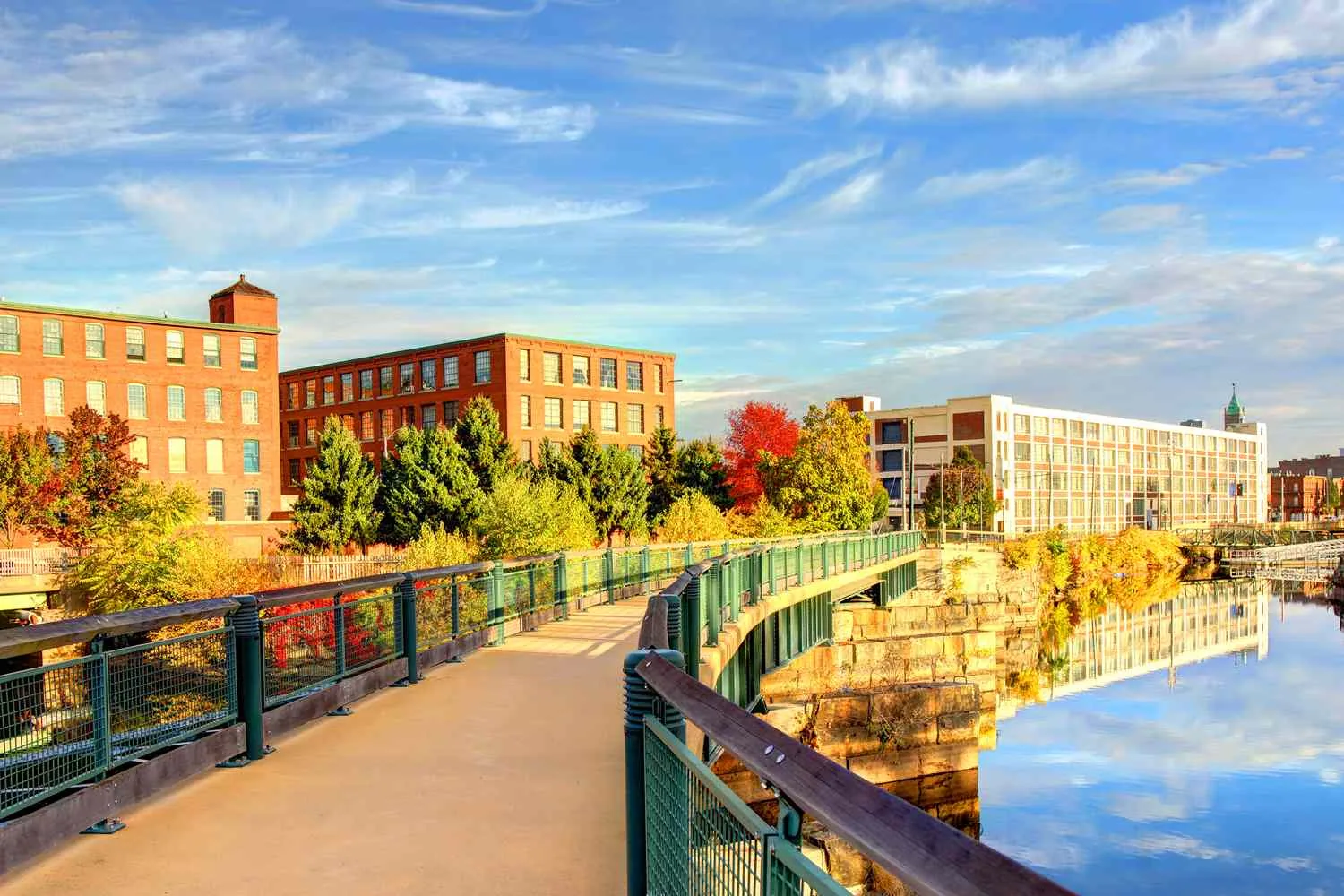
The town plan names Townsend Harbor, Townsend Center and West Townsend as places where historic homes sit beside commercial shops, and it calls for compatible commercial and light-industrial development alongside the town's rural and historic character. Routes 119 and 13 carry local and surrounding-town traffic toward Fitchburg and Boston. For a roofer, those facts mean small buildings in settings where appearance matters, and a need to check what rules apply before material is ordered.
First-Hour Check on Small Commercial Buildings
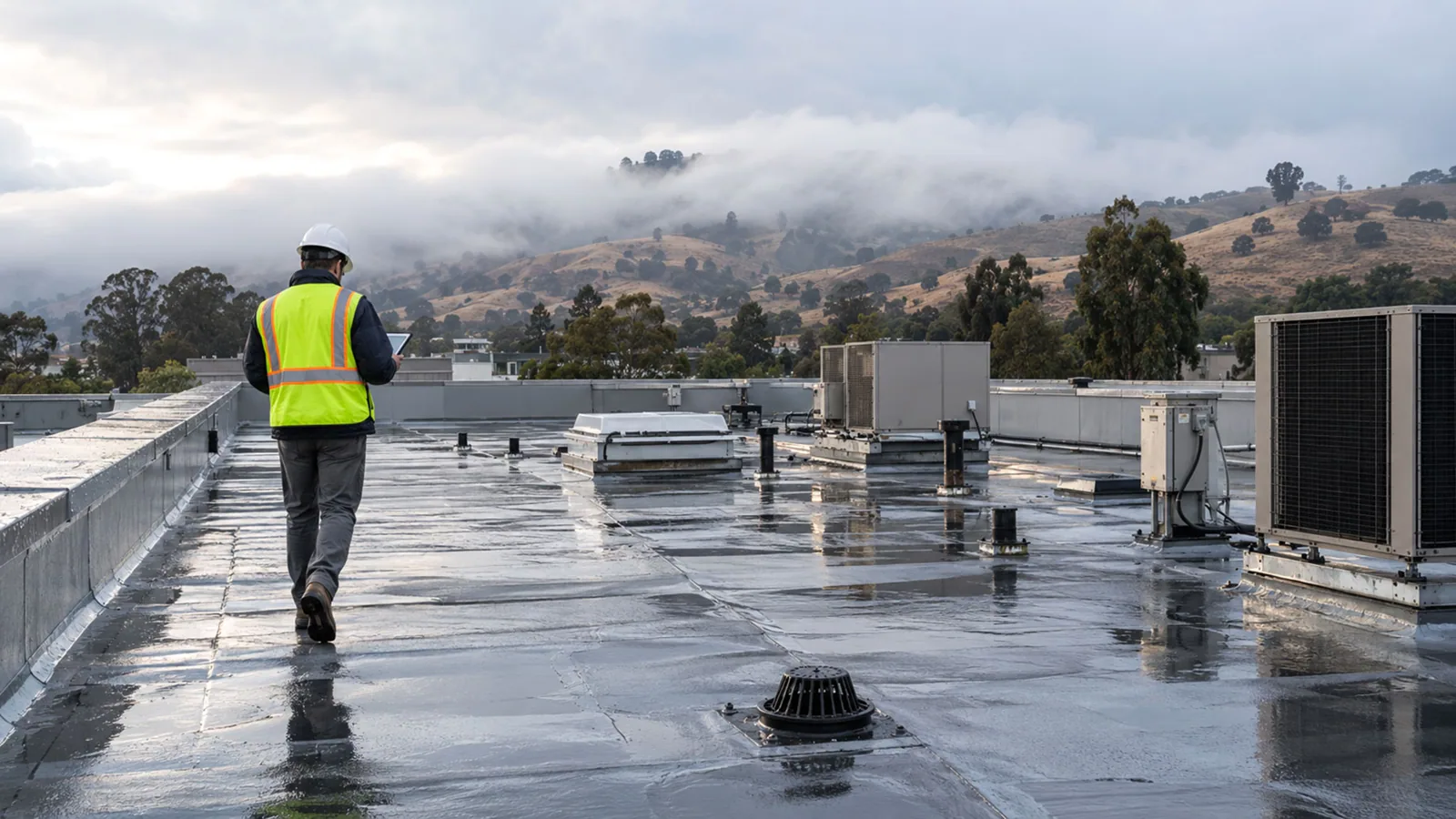
The sequence is the same as on any roof. Confirm safe access: the ladder or hatch, the pitch of the surface, and whether snow or ice covers it. Confirm the active water path from the stain upward. Confirm interior protection: shelves covered, stock moved, electrical outlets kept dry. We then log the reported location, the time and the weather.
On a shop with a pitched or low-slope roof, the likely entry points are short in number: a chimney or vent pipe, a roof-to-wall junction, a gutter that has pulled away, or a seam that has opened over a doorway. The inspection note names each and ranks them. If the leak sits in an area that can be reached from a ladder, a dry-in can go on in hours. If not, interior protection holds until a lift or scaffold is arranged.
Skylights and roof hatches deserve a look on any small roof. A cracked dome, a failed curb seal or a hatch that no longer closes tight each lets water in at a spot that tenants often mistake for a wall leak. The inspection checks these items before turning to the field of the roof, since they are quick to fix.
Shops in Historic Surroundings
Where a building stands in or near an area the town recognizes for its historic character, exterior changes can fall under local review. Whether a particular building is covered depends on the town's rules, so the owner should confirm with the town before a reroof or a visible change to metal, color or profile. We put the question in the scope and the schedule, so approval time is planned and not discovered later.
Repairs that match what is there are usually simpler than changes. Replacing a section of edge metal with the same profile, resetting a coping, or patching a membrane that is not visible from the street rarely changes the look of a building. When the owner wants a different material, the record notes that the choice is a design decision as well as a roofing one, and the schedule allows time for review.
Edges, Gutters and Ice
Winter loads a small roof at its edges. Meltwater runs to the eave, freezes at the gutter and backs up under the first course of roofing or the edge of the membrane. Ice dams and clogged gutters are the usual cause of winter leaks on small commercial roofs, and they can be found by looking at the edge from the ground, then confirmed from the roof.
We check the gutter slope, the downspouts, the fasteners and the sealant at the drip edge. Where ice has damaged metal, the repair replaces what is bent and reseats what has loosened. A snow and ice damage record notes the date of the damage, so that a post-winter claim has something to refer to.
Snow that slides from a higher roof onto a lower one is a second winter concern. The sudden load can bend gutters, crush vent pipes and damage rooftop equipment on the lower roof. Where a building has two levels, we mark the lower roof as a section with extra exposure and look for signs of past impact.
Regional Weather Context
Lowell's 1991 to 2020 normals record a 24.9°F January daily mean, with 48.51 inches of precipitation over a full year. In the city's hazard mitigation materials the winter of 1995 stands at 126.5 inches of snowfall, and hurricanes and winter storms are listed among major hazards. Townsend roofs plan drainage and snow handling around the same regional pattern.
The practical reading is simple. Plan for freeze-thaw cycling, for rain in every month, and for snow that must be moved or shed safely. A pre-winter walk covers drains and edges. A spring walk covers whatever the winter moved. Both belong in a maintenance routine for an owner who does not want to repeat emergency calls.
Light-Industrial and Mixed Buildings
The town plan calls for compatible light-industrial development alongside commercial use, so a site can combine uses. A building that does can carry a mix of roof types, such as a low-slope membrane over one part and a metal panel over another. Each is its own roof section, with its own condition and repair method.
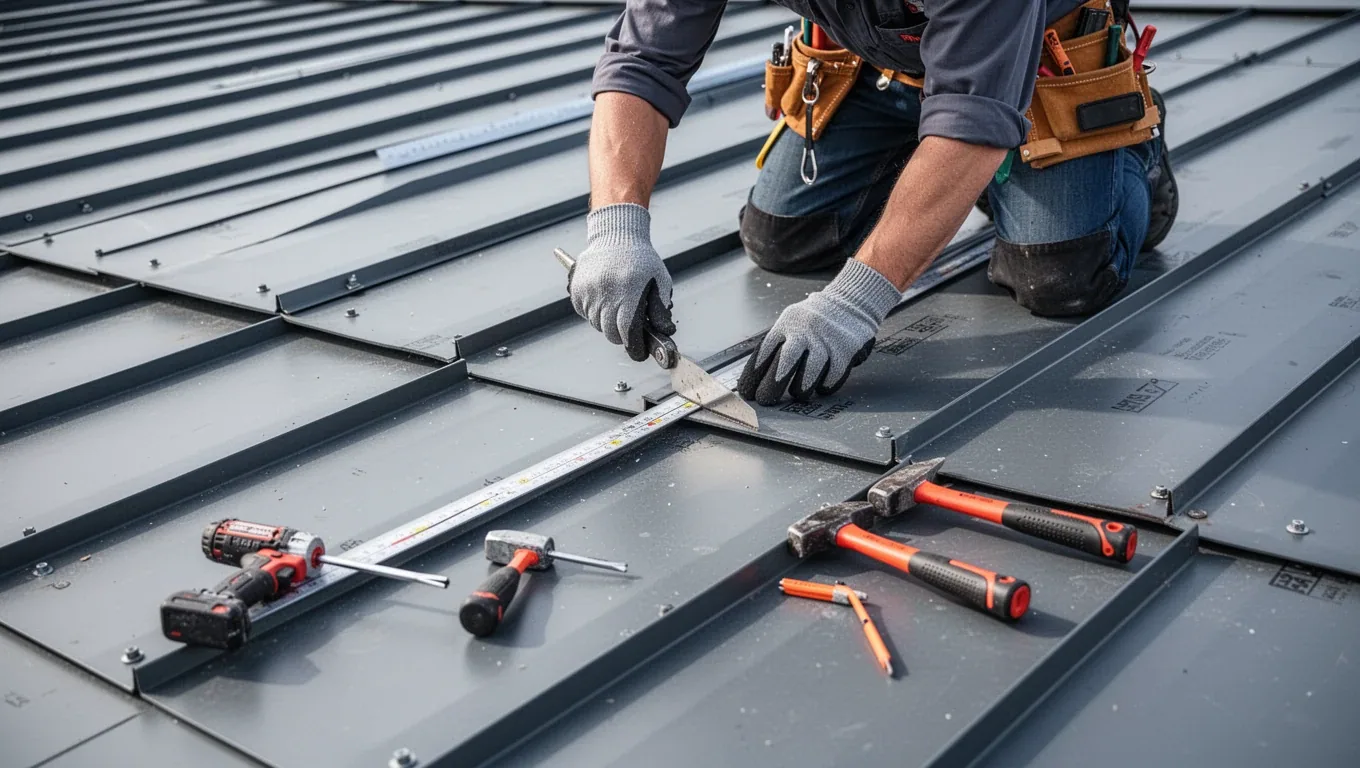
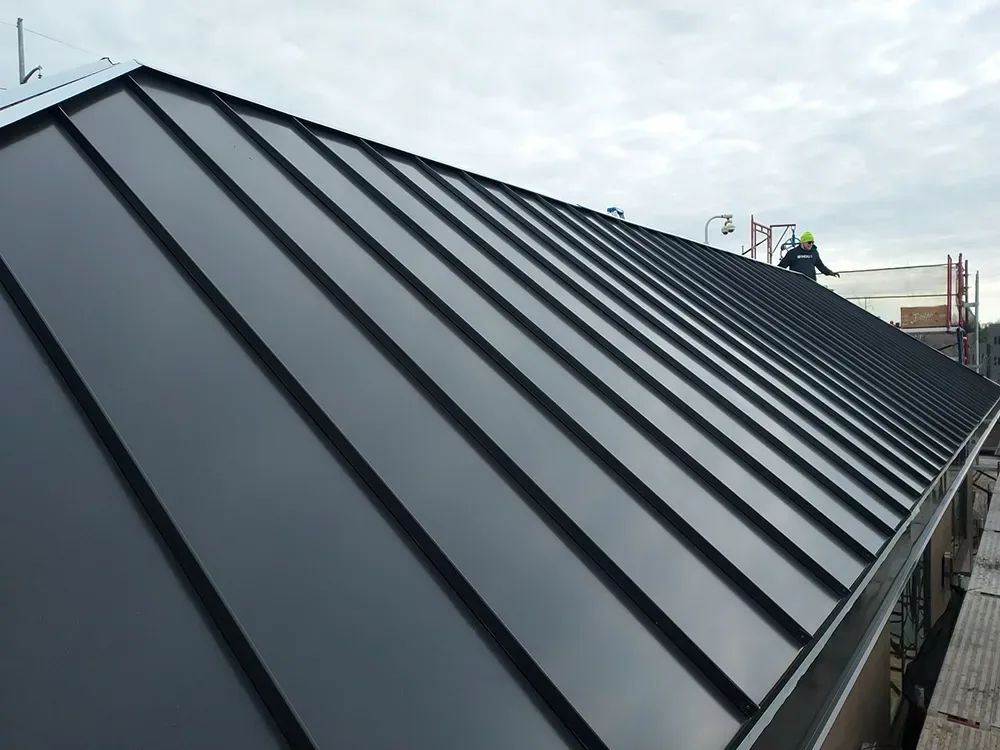
For metal panel roofs, we check fasteners, seams and the condition of the coating. For low-slope sections, the focus is the seams, flashings and drains. The report ranks both on the same scale, and the owner sees which section needs money first. A standing seam metal roof and a membrane roof under one owner are inspected on the same visit, with separate findings.
Routes, Cost Update and Return Window
Routes 119 and 13 shape how a crew approaches, and we confirm a delivery window with the owner so material arrives when someone can receive it. After the inspection, a cost update sets out the temporary protection, the boundary of the repair and a price range for lasting work. Moisture testing brings a second update, and each one gives the date of the next.
The return window opens with the first stretch of weather that suits permanent repair. Owners with other buildings in Pepperell or Lunenburg can request the same report for each, and the findings can be compared directly. An emergency repair stays separate from the later permanent work in the file, so the cost of each is visible.
Small jobs are priced from the same facts as large ones: the amount of wet material to be removed, the access the crew has, the product chosen, and the weather holds in the schedule. Because the repair boundary on a small roof is short, the written scope is often brief, and the owner can approve it quickly.
Commercial Roofing Questions
Does a small commercial roof need a different inspection?
The order is the same, but the scale differs. A short list of entry points means findings are specific and the repair boundary is small.
How do I find out whether review applies to my building?
Ask the town. Rules differ by property and by the type of change, and a repair that matches the existing look is usually treated differently from a new material.
What causes winter leaks at the eave?
Meltwater that refreezes at the gutter and backs under the roofing. Clear gutters, tight edge metal and steady drainage reduce the risk.
Can an emergency patch be left through the winter?
It can, if built for the cold and checked on a set follow-up date. The file labels it as temporary so it is not mistaken for the permanent repair.
What happens if the shop and the storage roof differ?
Each gets its own section number, condition and repair method. The report ranks the two together so the owner sees where to spend first.