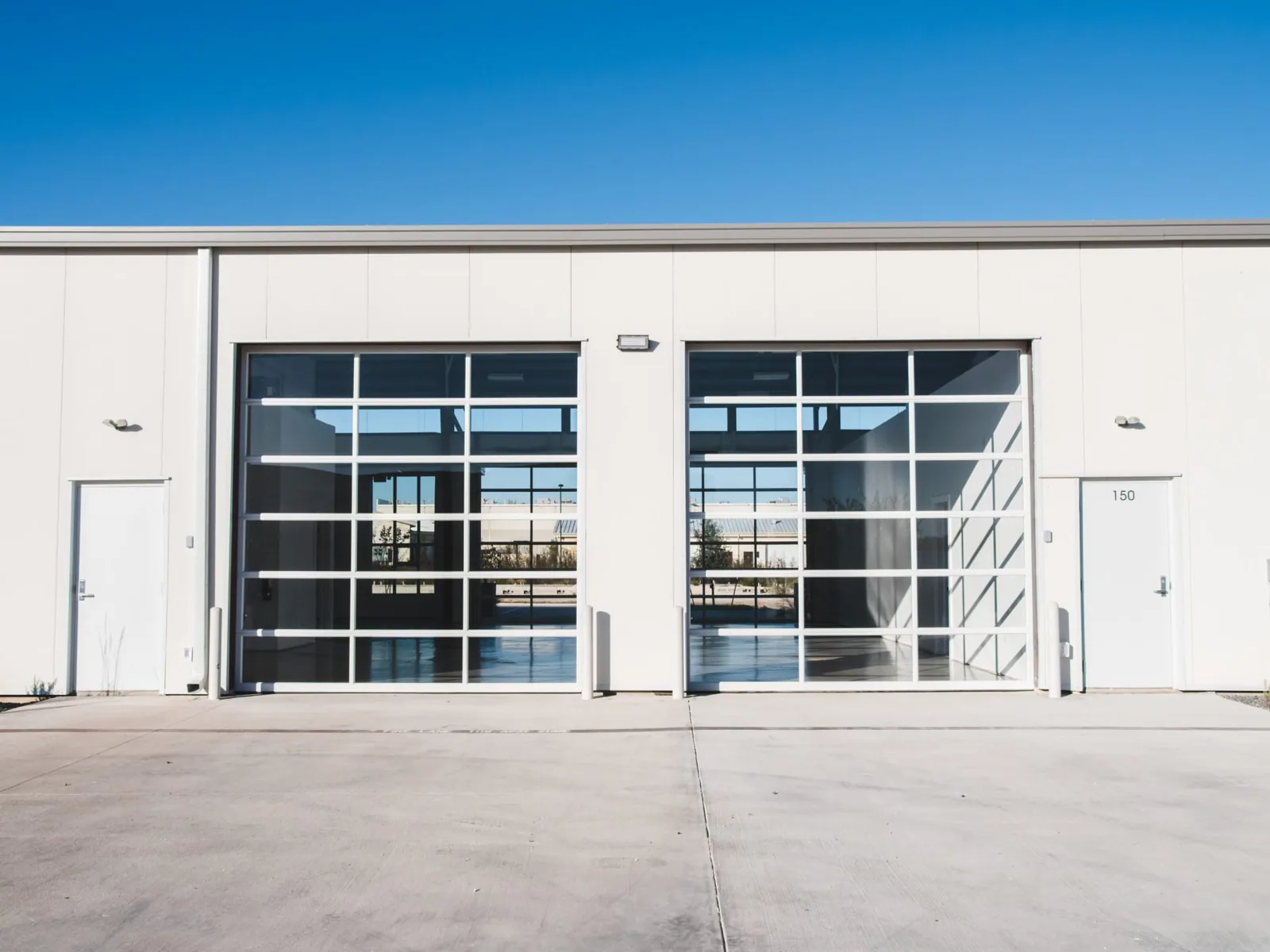
Which building, which row, which unit. A self-storage roof report starts with a manager who has found a wet floor or a customer complaint, and the location matters more than the cause at first. We ask for the building number, the unit range, and the type of unit: interior corridor, drive-up, or climate-controlled. Then we ask what is stored, because tenant goods are someone else's property, and the manager needs a record of when water entered and what was done to stop it.
In Lowell, MA, self-storage roofs take rain through the year and winter weather that loads long, simple roofs. For the operator, the sequence is first step, temporary dry-in, repair boundary, and price, each with a time, so tenant notices and any claims start from facts.
Building Lists and Unit Maps
A site with many buildings needs a list. We number every building on the roof plan to match the manager's own numbering, then record the roof type, drainage, and condition of each. A map tied to unit ranges lets the office tell tenants which rows are affected and which are not. It also lets us compare buildings and rank them by exposure.
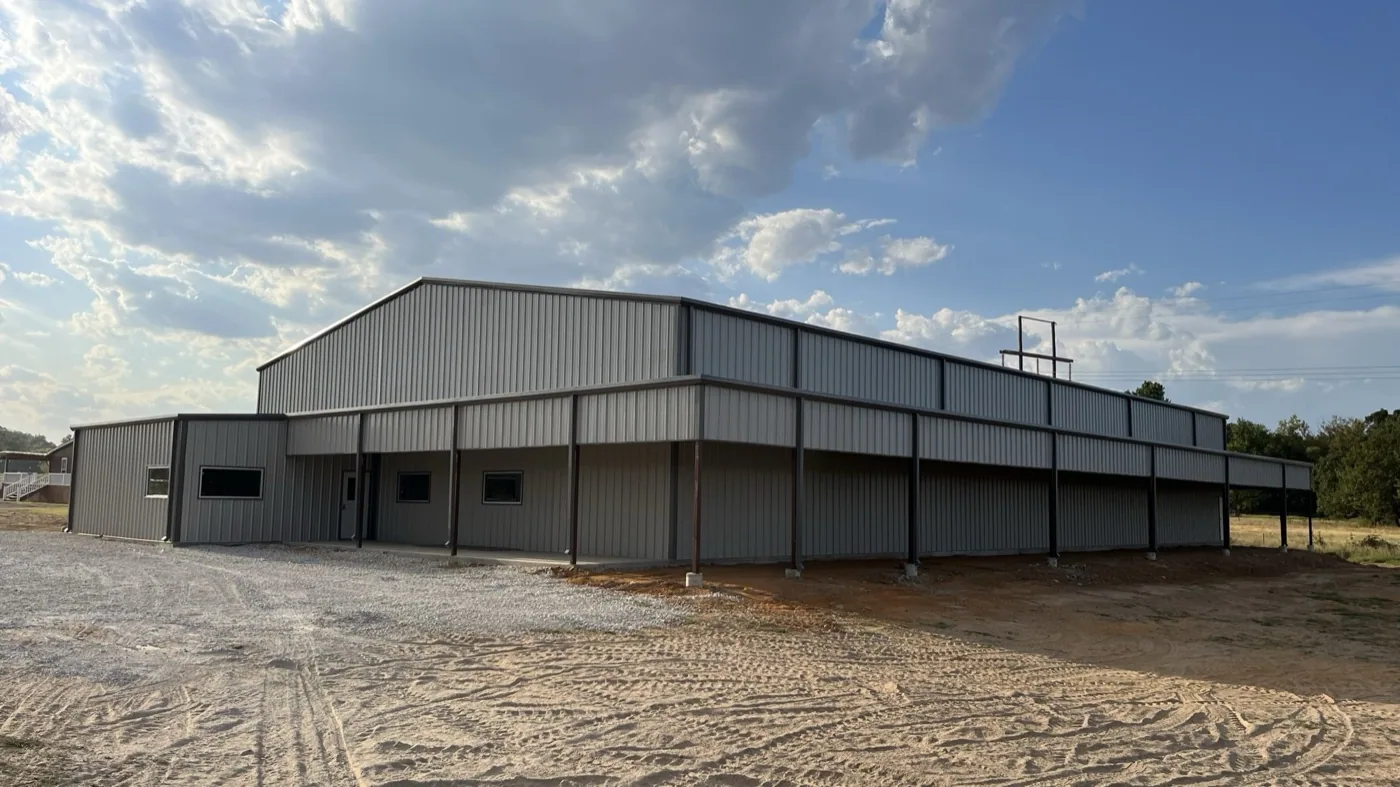
Roofs on storage buildings are often long and simple, with few penetrations. Where buildings were added at different times, their roofs may differ, so we record the panel profile, the fastener type, and the finish for each. A site-wide repair plan then buys the right parts for each building instead of one set for all. That simplicity helps, since a leak usually traces to a seam, a fastener, a flashing, or an edge. It also means a single failure pattern can repeat across many buildings. When we find a loose fastener pattern or a failing sealant on one roof, we check the others. A multi-site roof program turns those findings into a schedule for the whole property or portfolio.
Metal Panels, Fasteners, and Seams
Many storage buildings carry metal roof panels. Exposed-fastener panels depend on screws with sealing washers, and the washers harden and crack with sun and cold. A backed-out screw leaks at its hole. Concealed-fastener systems depend on seams and clips. We walk the panels, press the fasteners, check seams and laps, and photograph the roof by panel row.
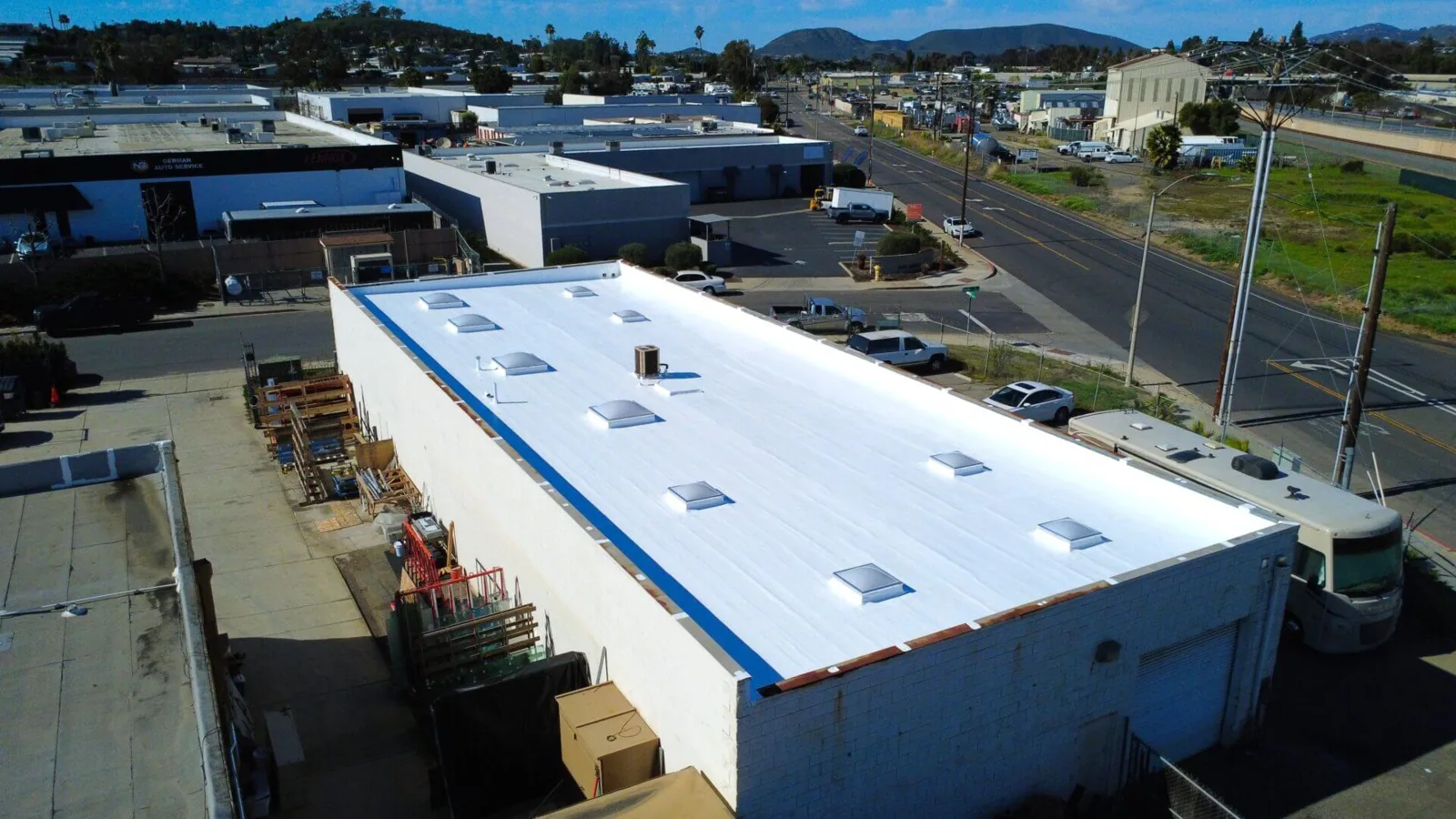
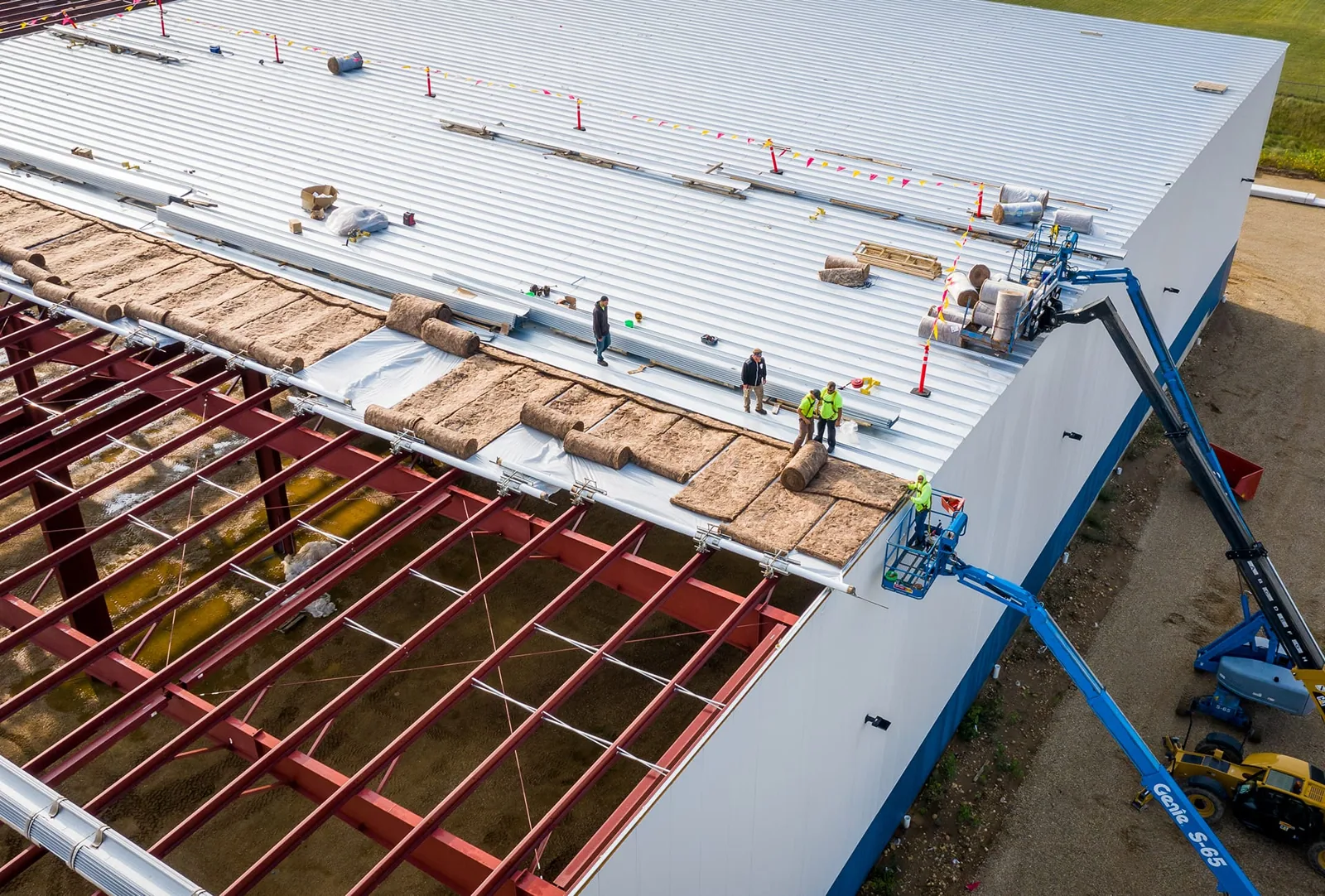
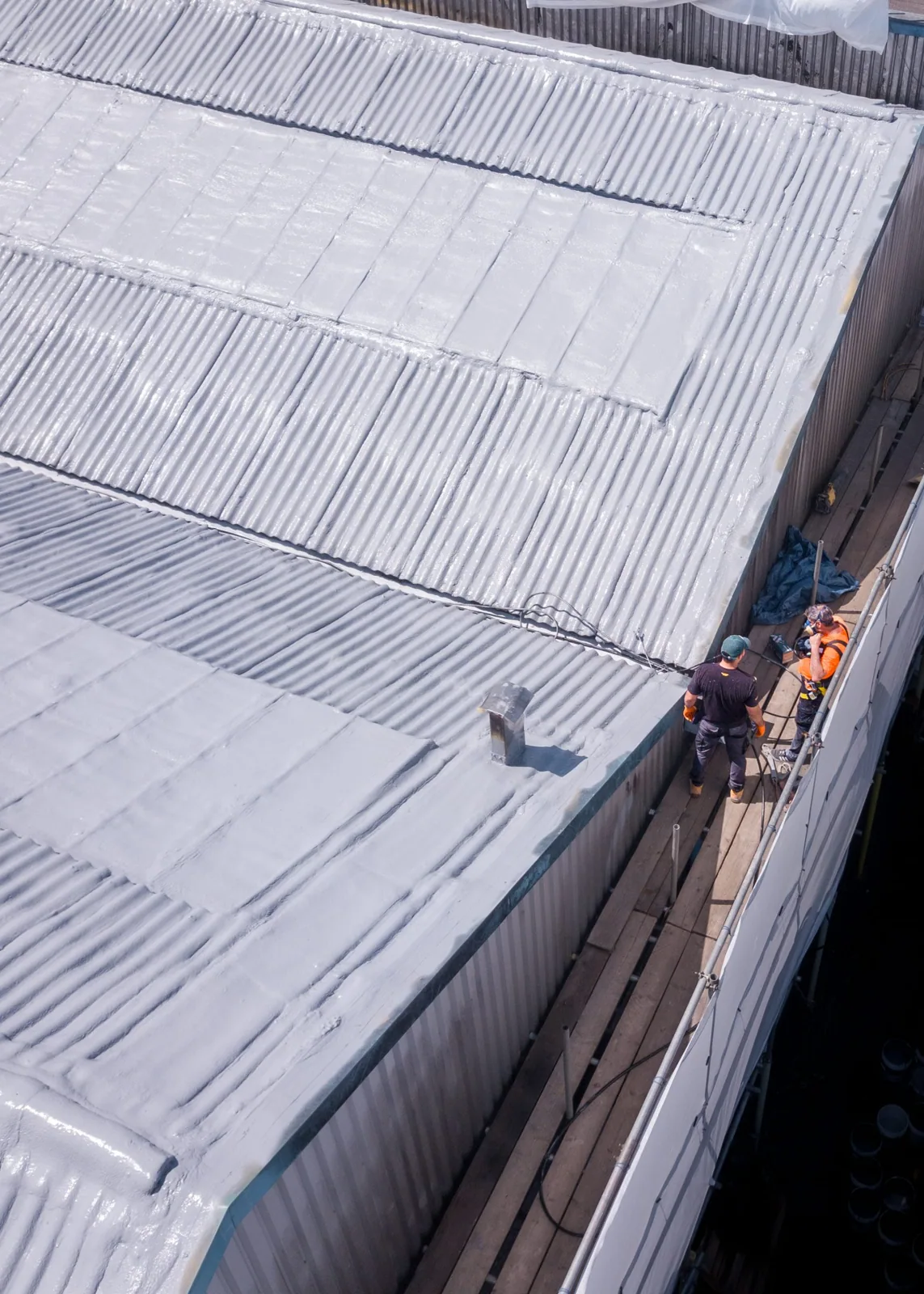
Fixing a screw pattern, replacing washers, and resealing laps can stop many leaks. When the panels are worn through or corroded, a metal roof retrofit adds a new layer over the old, and a silicone coating can seal and extend a sound metal roof. We read what is on the building before recommending any of them, and we test adhesion on a sample first.
Condensation, Insulation, and Climate-Controlled Units
Not every stain under a metal roof is a leak. Warm, humid air meeting a cold panel produces condensation that drips like a leak and leaves the same marks. We check by looking at timing: a drip that appears on cold mornings and stops by afternoon points to condensation, while a drip after rain points to water entry. Where the building has insulation or a vapor layer under the panels, we check its condition at eaves and penetrations.
Climate-controlled units add a reason to care. Wet insulation loses its value and lets temperature swing, and damp insulation can hold moisture against the underside of the roof. A moisture check at the stain and a few test points around it shows whether the problem is local. The report separates condensation, leaks, and old stains, so the manager does not pay for a roof repair that a ventilation change would solve. Where the building resembles a flex industrial building, we apply the same checks.
Tenant Goods and Interior Protection
Water on a storage unit floor puts the tenant's goods at risk, and the manager must tell the tenant. The manager receives the time we found the water entry, the roof section above, the dry-in placed, and the date the roof was made watertight. We do not move tenant property and we do not assess its value. The manager decides what notice goes out.
Inside a corridor building, we place sheeting or pans where water drips onto walkways, and we mark slick areas. In a drive-up row, we protect door tracks and thresholds. A photo record of the roof opening and the interior stain, with dates, supports the operator's response to a tenant claim and any conversation with an insurer.
Snow, Ice, and Gutters
Long roofs gather snow in heavy winters, shed it in slabs, and load gutters and edges. January at the NOAA station averages near 25 degrees, so melt and refreeze happen along the eaves.
After a storm we check gutters, downspouts, and eave edges first. Snow that slides from a metal roof can land on a drive aisle, a door, or a vehicle, so the report flags any slope that sheds toward traffic and recommends snow guards where the risk is real. The snow and ice damage repair record is kept building by building and row by row.
Site Access and Industrial Surroundings
The Ayer's City Industrial Park plan covers a 108-acre Tanner Street area that is mostly heavy-industry zone, with commercial and residential areas along its edges. Storage facilities often sit near industrial and commercial land, and access for crews and trucks matters. Crews and materials reach Lowell by I-93, I-495, and Route 3, which meet at the city.
On site, we mark the staging area, keep drive aisles open for tenants, and schedule noisy work for hours the manager approves. Gate codes and access hours are set before the first day. Tenants who visit during work are routed around the active building, and a sign at the gate tells them which rows are affected and when the crew expects to finish, so customers get a straight answer before they reach the office. Facilities near warehouses and light industry follow methods similar to warehouse roofing, with long runs and many identical sections.
Cost Update and Scope Decision
Pricing comes in two parts, a same-day dry-in when water is active and a permanent repair after inspection. The permanent price lists the number of buildings, the panel or membrane work, access, and the weather hold. A drone roof inspection can map many buildings quickly, with hands-on checks at the points the images flag.
The same approach serves facilities in Lowell, Dracut, and Billerica.
Commercial Roofing Questions
Who tells tenants when their unit gets wet?
The operator. We supply the roof facts and dates, and the manager sends the notice. A written record of the roof opening and the dry-in makes the notice accurate.
Is a screw pattern repair worth doing on an old metal roof?
If the panels are sound, yes. Replacing washers and screws and resealing laps often stops the leaks. If the panels are worn through or corroded, a retrofit or replacement is the better path.
How do you rank many buildings on one site?
By moisture, repair history, and exposure. The roof plan numbers each building, and the report lists them in order, so the operator spends on the worst first.
Can a coating fix a leaking metal roof?
Not alone. Leaks and open seams are repaired first. A coating then seals and extends a sound roof, after an adhesion test on a sample.
What happens to snow that slides off the roof?
It lands where the slope points. We flag slopes that face drive aisles or doors and suggest guards or traffic changes where the risk is real.