Name the bay under the stain. A strip retail report starts with a tenant calling the property manager, and the manager needs the bay, the date, the weather, and what stock or fixtures sit below. We take those four facts, confirm safe access to the roof above, and decide what interior protection goes up before the roof is touched. A shopping center roof is shared, so the first question is whether the leak belongs to one bay or runs under several.
In Lowell, MA, retail roofs take regular rain through the year and winter snow that sits on a long run of low-slope membrane. The facility contact for a shopping center is often an outside property manager, and our updates go to that person on a named schedule: first response, inspection findings, repair boundary, and price.
Tenant Bays and Shared Roof Sections
A strip building usually has one roof over many leases. Water seen in one bay may enter above a neighboring one and travel along the deck, the insulation, or a ceiling cavity before it shows. We trace upslope from the stain, mark the roof section above it, and walk the adjoining sections. A hose test, run in short intervals with someone inside watching, confirms the entry point when the surface does not.
Photographs and a roof plan make the shared roof visible to everyone with a stake in it: the owner, the property manager, and the affected tenants. The repair boundary is drawn on that plan. If the boundary crosses a demising wall, the scope lists it as a separate item, so the cost can be assigned fairly. A property management company that holds many centers keeps the same plan format for each.
Rooftop Units, Curbs, and Vents
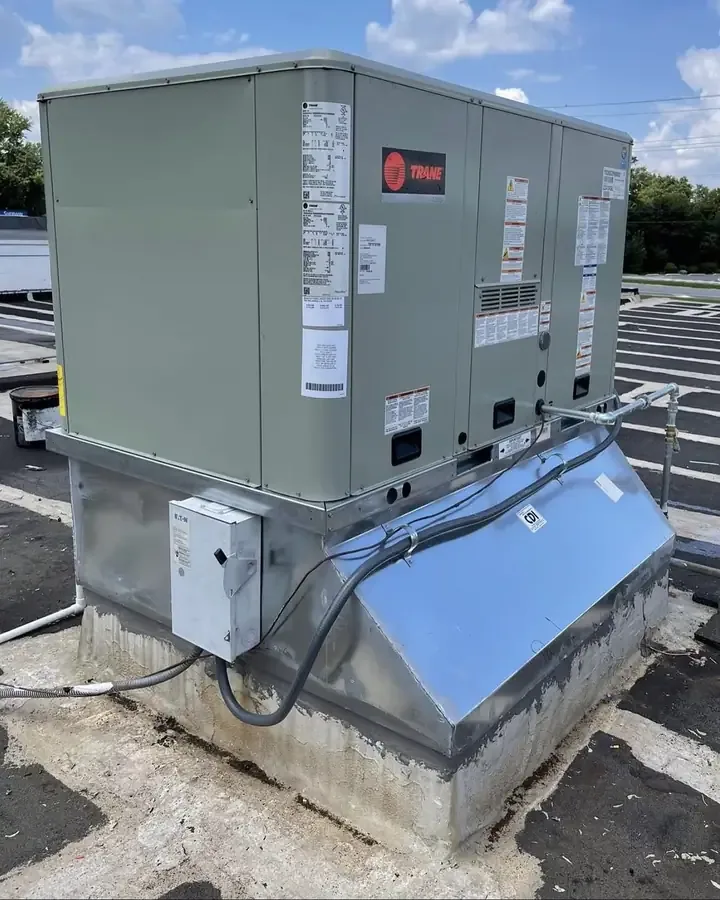
Retail buildings carry heating and cooling units, kitchen exhaust for food tenants, and plumbing vents. Each penetration is a break in the membrane, and each tenant improvement can add another. We check every curb for flashing height, sealant condition, and fastener backout, and we photograph pipe boots, cables, and conduit supports. Abandoned equipment gets marked for removal, with the patch priced alongside.
When a tenant brings in a contractor to swap a unit, the roof is photographed before and after. That sequence lets the owner see whether a new leak started with the swap. The scope for equipment curbs and supports sets the flashing and support details so the changeout and the roof repair finish together.
Lease Responsibility and Cost Exposure
Cost allocation shapes a shopping center roof decision as much as the roof does. Some leases pass roof costs to tenants as common-area charges, and some leave them with the owner. We do not interpret leases. We supply the facts that make a fair allocation possible: where the water entered, which section failed, how much of the roof is involved, and which repairs are temporary and which are permanent.
That clarity lowers the cost exposure of a dispute. A priced temporary dry-in tells the owner what it costs to stop the water now. A priced permanent repair tells the owner what it costs to close the matter. A commercial roof repair that is documented by section can be allocated by section, which makes the conversation with a tenant short and factual.
Snow, Rain, and Roof Edges
Hurricanes and winter storms, nor'easters and ice storms among them, appear on the city's list of major hazards. Retail roofs face them at the edges: loose coping, torn flashing at a parapet, and drains clogged with snow melt. After a storm, we walk the perimeter first and look for lifted metal, then drains and scuppers, then the field of the roof.
The station normal of 48.51 inches of yearly precipitation means drains matter all year, and a January daily mean near 25 degrees means melt and refreeze at the same edges again and again. For a long retail roof, a single blocked drain can hold water over a stretch of bays. Clearing drains before the cold season and again in spring is the cheapest protection a shopping center roof can have. Each visit adds a dated photograph of the drain, the strainer, and the water path, so a manager who later hears about a stain over a storefront can pull the last record and see what the roof looked like. The same file shows which sections were cleared and which were left for the next visit, and it holds the weather hold dates when work waited for a dry day.
Access Routes and Store Hours
The city's hazard plan treats Lowell as a transportation hub at I-93, I-495, and Route 3, and the trucks for a roof job use those roads. For a roofing crew, access means truck routing, lift placement, and a staging area that does not block customer parking or fire lanes. We walk the lot, mark the staging area, and agree on delivery times with the property manager.
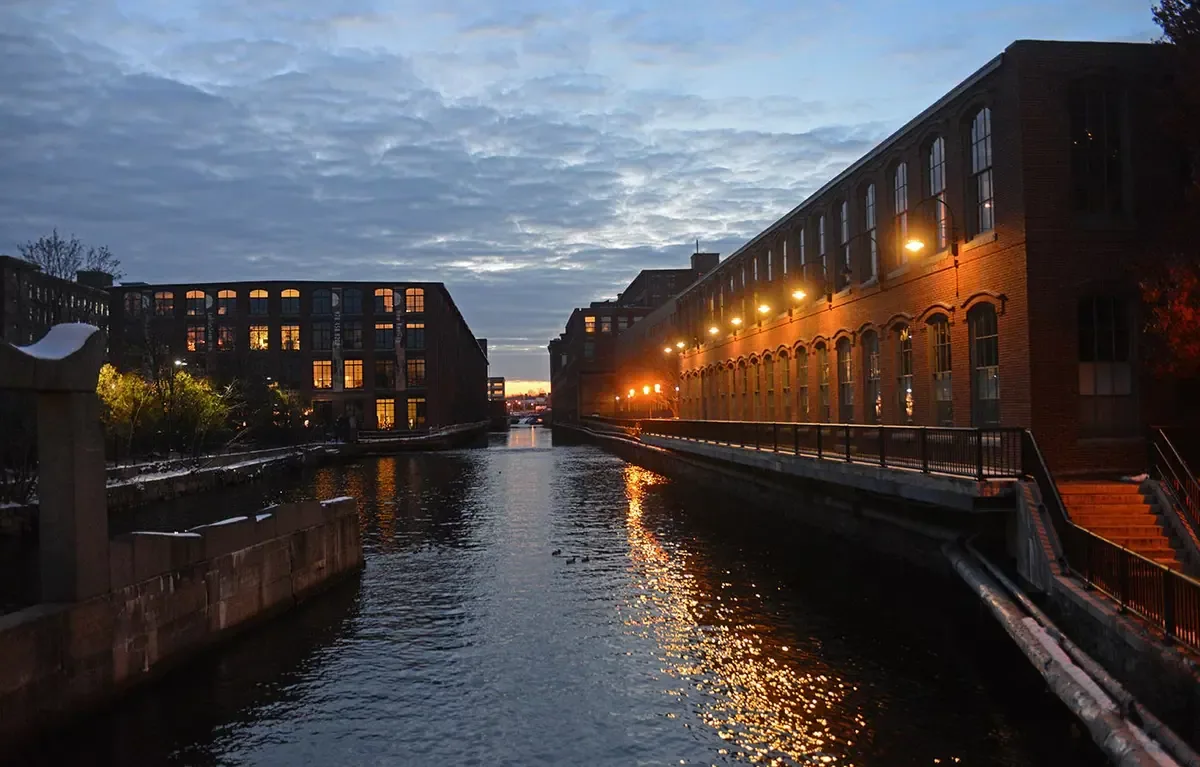
Plans for the Hamilton Canal District call for commercial, retail, and office space in a mixed-use area, so newer retail and older strip buildings may sit a short drive apart. The same walk and the same plan format apply from Lowell to centers in Chelmsford and Billerica, which lets a landlord with several centers compare them on one page. Store hours drive the schedule. Noisy work is planned for early mornings or closed hours where possible, and entrances stay clear. A tenant with perishable goods or a restaurant kitchen is told the sequence before the crew arrives. When a restaurant roof is part of the center, the exhaust and grease management get their own line in the scope.
Repair, Coat, or Replace
The choice follows the moisture. A dry roof with local failures can be repaired section by section. A sound membrane with surface wear can be restored with a roof coating restoration. A roof with wet insulation across bays needs a section replacement or a full tear-off. An infrared scan and cores settle the question, and the result goes into the cost update with the readings next to the plan.
Big-box stores sit in many shopping centers, and their roofs follow big-box retail roofing methods, with larger sections and heavier equipment loads. The 10th edition state code governs filings from July 1, 2025, and we confirm the local energy rule before insulation is chosen.
Commercial Roofing Questions
Who pays when one bay leaks and its neighbors do not?
The lease decides. Owners and tenants get the same record of where water entered, which section failed and where the repair boundary sits, which lets them split cost from facts. We do not interpret the lease.
How do you find the entry point when the stain is far from the leak?
We trace upslope from the stain, walk the adjoining sections and run short-interval hose tests. An infrared scan shows wet insulation that guides the search.
What happens to the roof when a tenant swaps a rooftop unit?
We photograph the roof before and after the changeout, check the curb flashing, and note any cut or patch. If a leak follows, the sequence shows whether the swap started it.
Can repairs go on while stores are open?
Yes, with a plan. Staging stays out of parking and fire lanes, loud work moves to quiet hours, and each roof section is closed watertight at the end of the shift.
When is a coating enough?
When the insulation tests dry and the seams are sound. A coating cannot dry wet board or close open seams, so repairs come first and the coating goes on afterward.