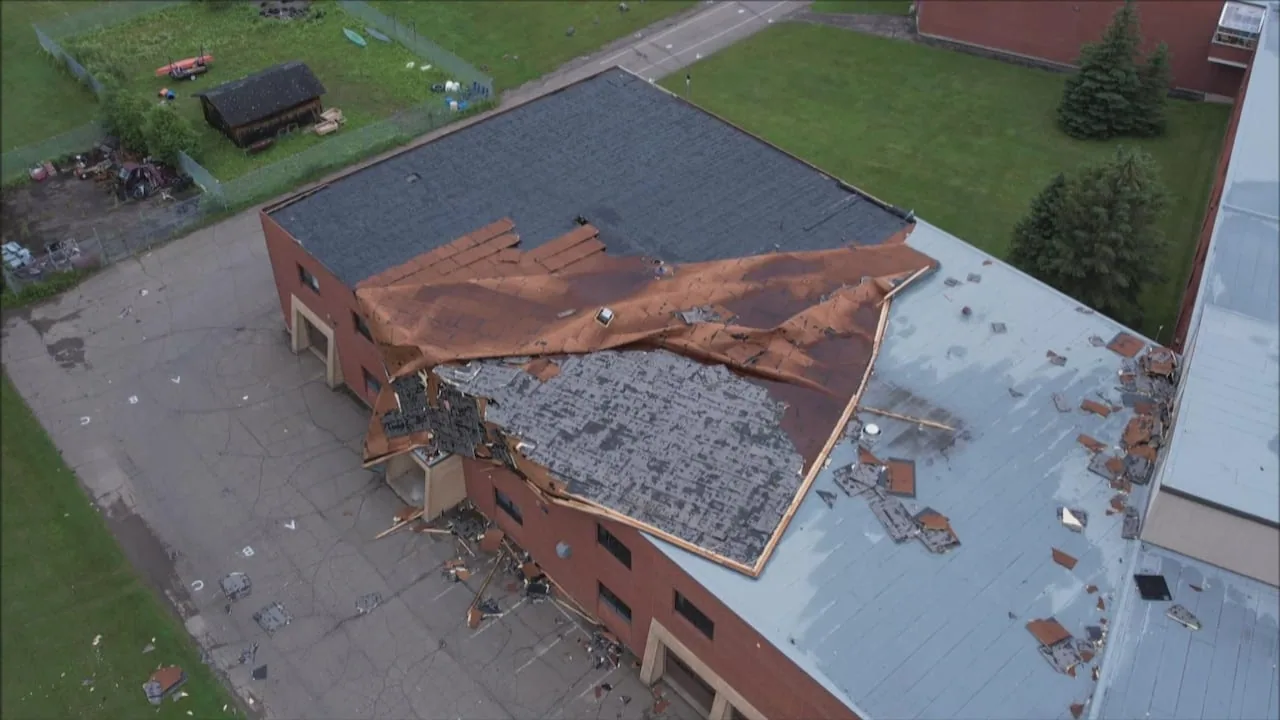
Sales floor first, roof second. When a store manager reports water, the first action is to keep shoppers and staff clear of the wet area, cover merchandise and fixtures, and tell us which aisle or department sits under the leak. We confirm safe access to the roof above and set a temporary dry-in plan before we explain how long the permanent repair will take. A big-box roof is large enough that a single report can describe one small opening or the edge of a much wider problem.
In Lowell, MA, the first-hour check also asks about weather. The city's hazard materials name winter storms and hurricanes among its major hazards, and a store that stays open has no quiet week in which to wait out a weather hold. The facility manager gets a first move, a repair boundary, and a price, each on a dated schedule.
Scale and Roof Sections
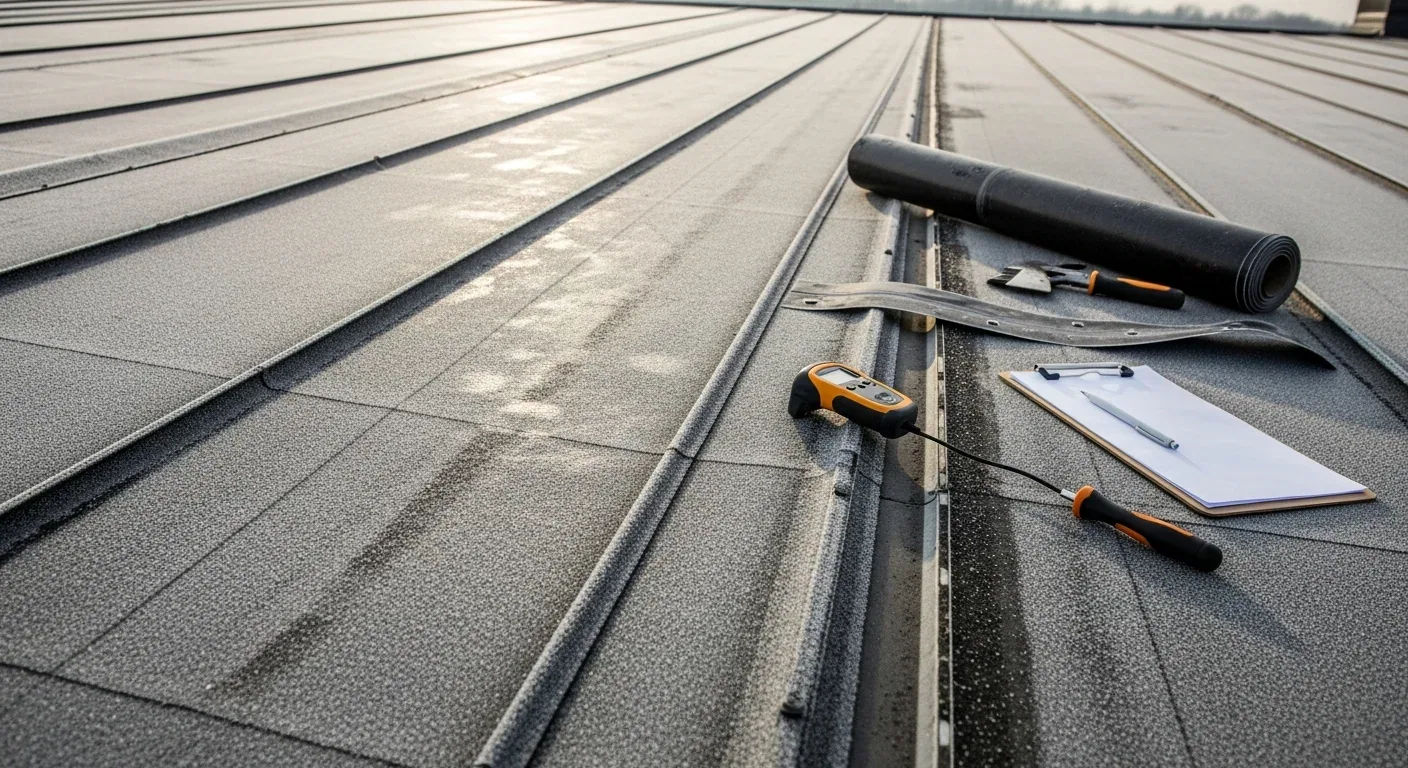
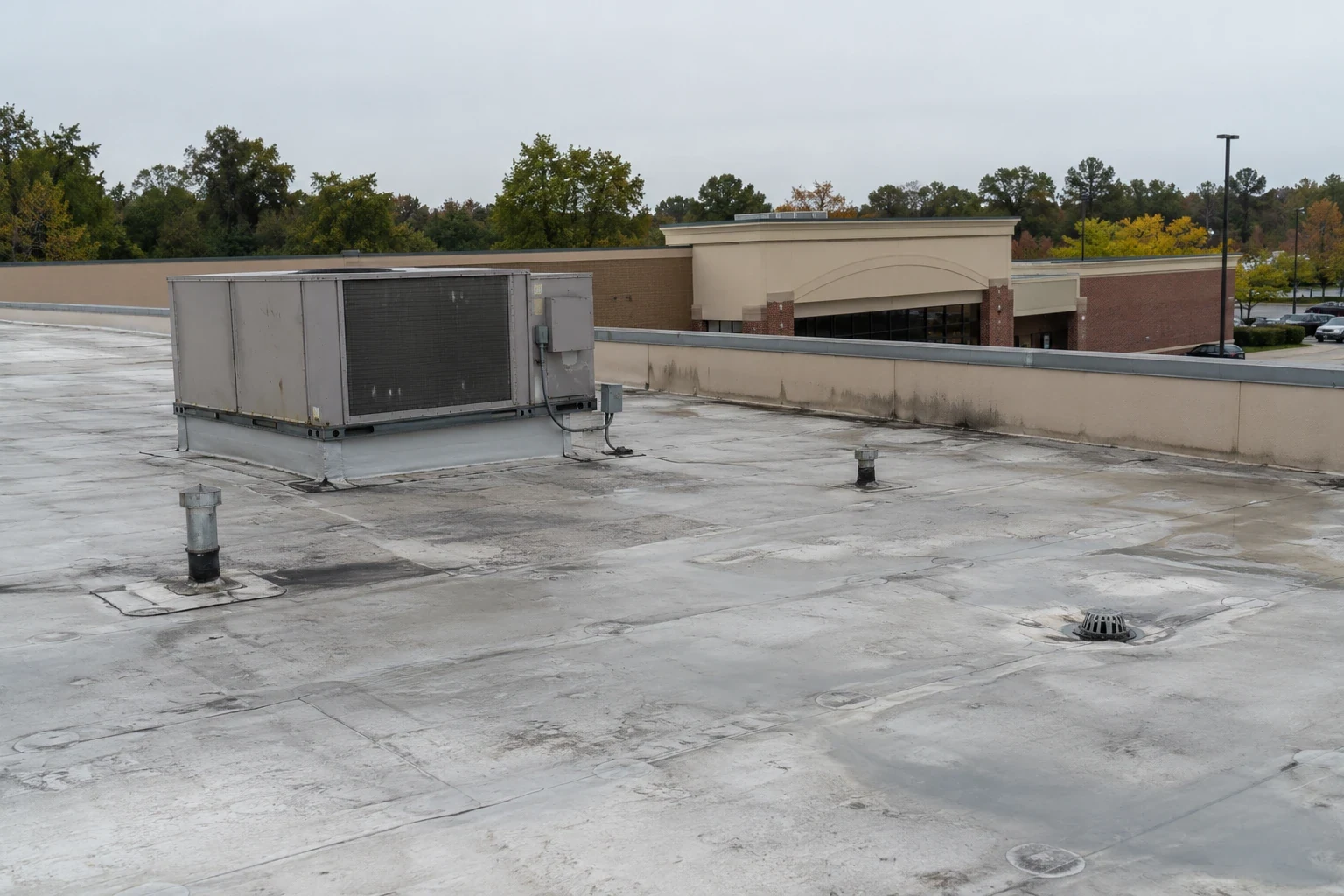
Size changes how a roof is read. We divide the roof into sections by drain zones, expansion joints, and equipment groupings, then walk each section the same way. A map with numbers lets a regional facilities team find the same spot a year later. Large roofs also hide small defects, so we photograph every seam intersection, every curb, and every penetration.
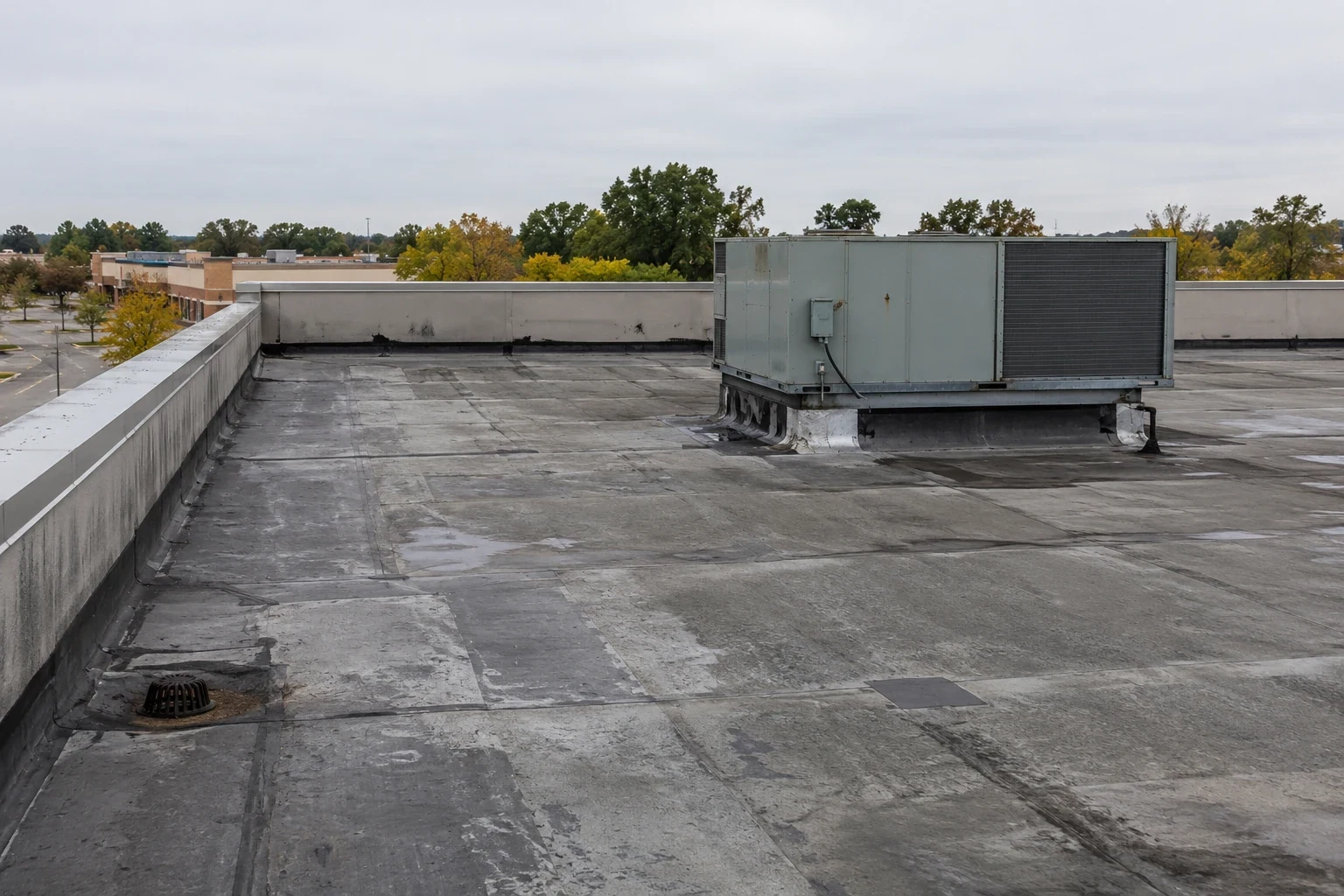
Roof access for a store this size is usually a fixed ladder or an interior hatch, and we check that each is sound before anyone climbs. A damaged ladder cage or a hatch that will not seal goes on the repair list with the same photographs as a membrane defect, since an access point that leaks is part of the roof. A big roof sheds a great deal of water at once, and the drains must keep up. We test drain flow, check the sumps, and confirm that overflow openings are clear. If a section ponds, we measure the depth and see whether the deck has deflected or a drain is set too high. Details of the ponding water repair options tie into the repair boundary and the cost exposure.
Rooftop Units and Roof Traffic
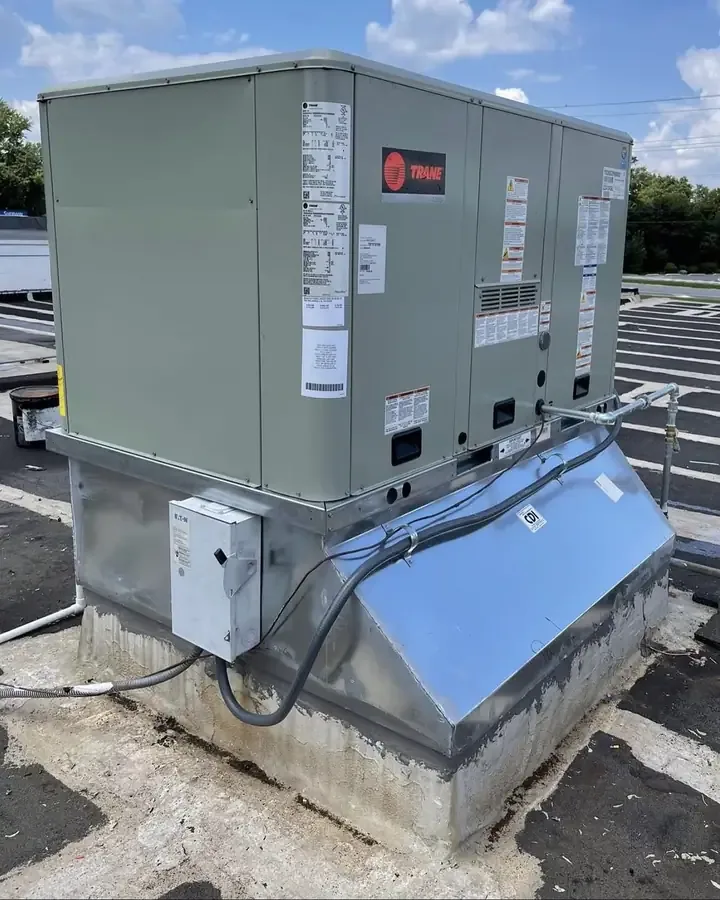
A large store carries many rooftop units, plus exhaust fans, refrigeration condensers, and vent stacks. A store with a food department adds the refrigeration load seen on a grocery store roof, and a store inside a plaza shares drainage and edges with the neighbors in a shopping center. In both cases the roof plan shows which sections belong to which tenant or department, so a repair boundary never leaves a question about who owns the work. Each unit gets a number on the plan, and the number appears on every photograph of that unit. Service technicians walk the roof often, and foot traffic wears the membrane along the path to each unit. We mark the wear paths, check for dropped tools and torn spots, and recommend walkway pads where the same route is used repeatedly. Each curb gets a flashing check, with sealant and fasteners tested by hand.
When units are replaced, the changeout and the roof repair are best scheduled together. Changeouts follow the rooftop equipment curbs and supports sequence, which keeps the roof closed at night and puts the unit back in service on the agreed date. The facility manager receives photographs before and after, and any damage found goes into the record the same day.
Wind, Edges, and Hurricane Exposure
Hazard planning in Lowell includes hurricanes and winter storms, and it describes the strain these put on roof edges, drainage paths, and rooftop equipment. On a broad roof, the perimeter takes the first uplift. We check coping, edge metal, and the outer fastener rows, then look for billowed membrane and displaced ballast where present.
After a wind event, a wind damage repair visit records what moved, what lifted, and what is still secure. Loose edge metal is a repair even if no water has entered, because it can peel in the next gust and take membrane with it. The report includes photographs and measurements for the insurer if a claim is filed, and the repair boundary separates storm damage from older wear.
Snow, Ice, and the Cold Months
Heavy snow is part of the local record, with one winter at 126.5 inches. No store today can be judged by that winter, but it shows why drainage, snow access, and structural review belong in planning. NOAA's Lowell normals put January near 25 degrees on average, which means repeated freeze and thaw at flashings and seams.
After heavy snow, the roof is checked at drains, parapets, and the downslope edge, where melt gathers and refreezes. We avoid clearing snow by methods that cut the membrane. If snow load or access is in doubt, we ask for the structural documents before anyone works on the roof. A snow and ice damage repair scope records the damage by section and sets the order for repairs.
Chain Programs and Multi-Store Records
Retail chains manage many roofs from one office. A facility team wants the same report format for every store, the same photograph positions, and the same scale for cost. We build that record store by store so that a regional manager can compare roofs and rank spending. A multi-site roof program adds scheduled walks and a calendar for drains, seams, and curbs, with a follow-up date for each store.
For a retail or restaurant chain, that file also supports budgeting. Capital plans can rely on measured conditions and not on calendar age, which moves replacements from the emergency column to the planned column. In Lowell, the file for a single store is the starting point; the same format carries over to stores in Tewksbury or Westford without rewriting.
Cost Update and Return Window
A big-box repair is priced after the inspection, not before it. The price includes the temporary dry-in, the permanent repair boundary, lift or crane access, night or off-hours work if the store requires it, and a weather hold allowance.
The update names the next update. A store that needs a decision by Friday gets the numbers by Thursday, and a larger scope gets a date for the moisture survey and the test results. We do not leave the facility manager waiting for the next step. If weather forces a hold, the update says which sections are under temporary protection, which materials are staged, and which day the crew expects to return, so the store can plan deliveries and staffing around the work instead of around guesses.
Commercial Roofing Questions
What if the store cannot close at night?
The work is sequenced by roof section, with interior protection set before each opening and each section closed watertight at day's end. Noise and access hours are set with the store manager before work begins.
How is a very large roof inspected?
Section by section, using a numbered plan. A drone survey can map broad areas first, and hands-on checks confirm details at drains, seams, curbs, and edges.
Do service technicians damage the roof?
Repeated foot traffic wears membrane along the route to each unit. We mark wear paths and recommend walkway pads where traffic is regular.
What does a chain facilities team need from the roofer?
A consistent report: same photograph positions, same section numbering, same cost format. That lets the team rank stores by exposure and plan budgets year by year.
When is a store roof replaced instead of repaired?
When moisture is spread through the insulation, the deck is damaged, or repairs are failing in new places. The scan and the cores show how far moisture has spread, and the next update prices both paths.