The report comes in, and the first job is to sort it: is this an active leak, an old stain that darkened after rain, or condensation that only looks like a leak? In Groton, MA the sort starts on the phone and finishes on the roof, with a photograph of the ceiling, a note of the weather on the day it appeared and a safe route to the affected roof section.

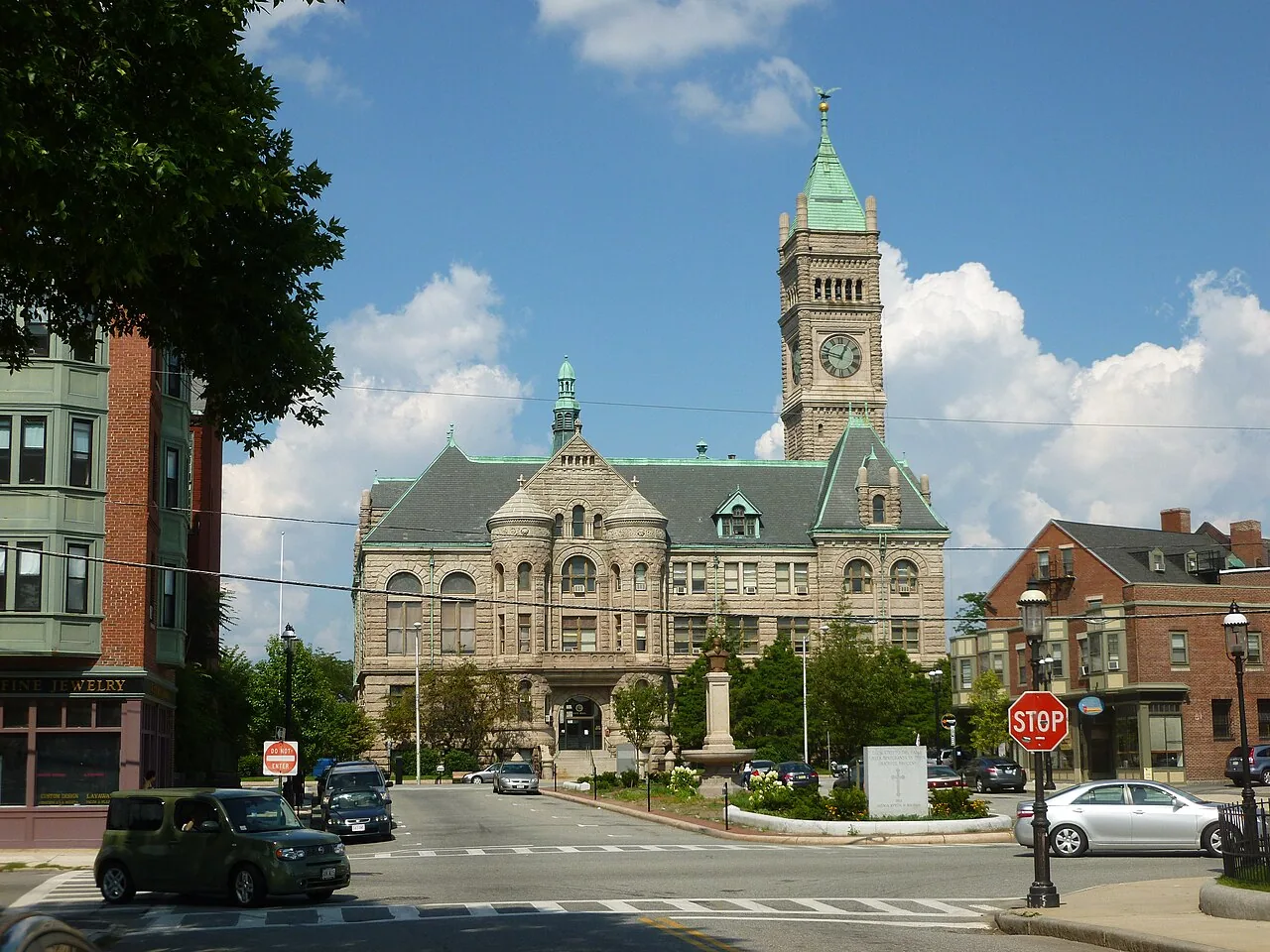
The town identifies business activity in Groton Center and the Four Corners area, and it describes Routes 119, 40, 225 and 111 as important connections for local businesses. Two commercial settings, joined by four routes, produce two kinds of roof job: smaller buildings in a center, where access is tight, and crossroads buildings with a lot and a bit more room for equipment.
Sorting the Report
Three conditions look alike from inside: a roof leak, a condensation drip and a plumbing or mechanical leak above the ceiling. We separate them by timing. A roof leak follows rain or snowmelt. Condensation follows cold nights and running equipment. A mechanical leak follows the equipment cycle. A moisture reading on the ceiling, a look above the tile and a check of the nearest rooftop unit usually sort the cause in the first visit.
Sorting matters because each cause has a different fix and a different owner. A roof repair will not stop a condensate line that drips on the ceiling. The inspection record states the finding and who should act on it, so the facility director does not pay for a roof repair that was never the problem.
Interior protection starts before the sort is finished. We cover or move equipment under a suspected drip, set a collection point where water is falling and shut off power to any fixture that is wet. People stay clear of stained ceiling tiles, which can drop without warning when they hold water. The record notes what was protected and when, which matters if the cause turns out to be a roof defect that an insurer will ask about.
Groton Center Buildings
A town-center building tends to be compact, often with a flat or low-slope section behind a front face, a rear addition and a few rooftop units. Access runs through a stair, a hatch or an exterior ladder, and the lift needs a place to stand that does not block the street. The first visit confirms the route and the parking. If a lift cannot reach, we plan for a ladder-and-hoist approach and say so in the scope.
The walk covers the main field, the tie-in between the original roof and the addition, the parapet and the drains. A seam where an addition meets the main building is a typical point of movement, and the flashing there is probed. The photographs show each point with a reference mark, so the owner can follow the findings without being on the roof.
A full roof inspection follows once the water is under control. It covers every roof section, not only the one that leaked, and ends with a ranked list: items that need action now, items that can wait for a scheduled visit and items to watch. An owner with a tight budget can fund the first group and plan the second, with photographs that show why the order is what it is.
Crossroads Buildings at the Four Corners
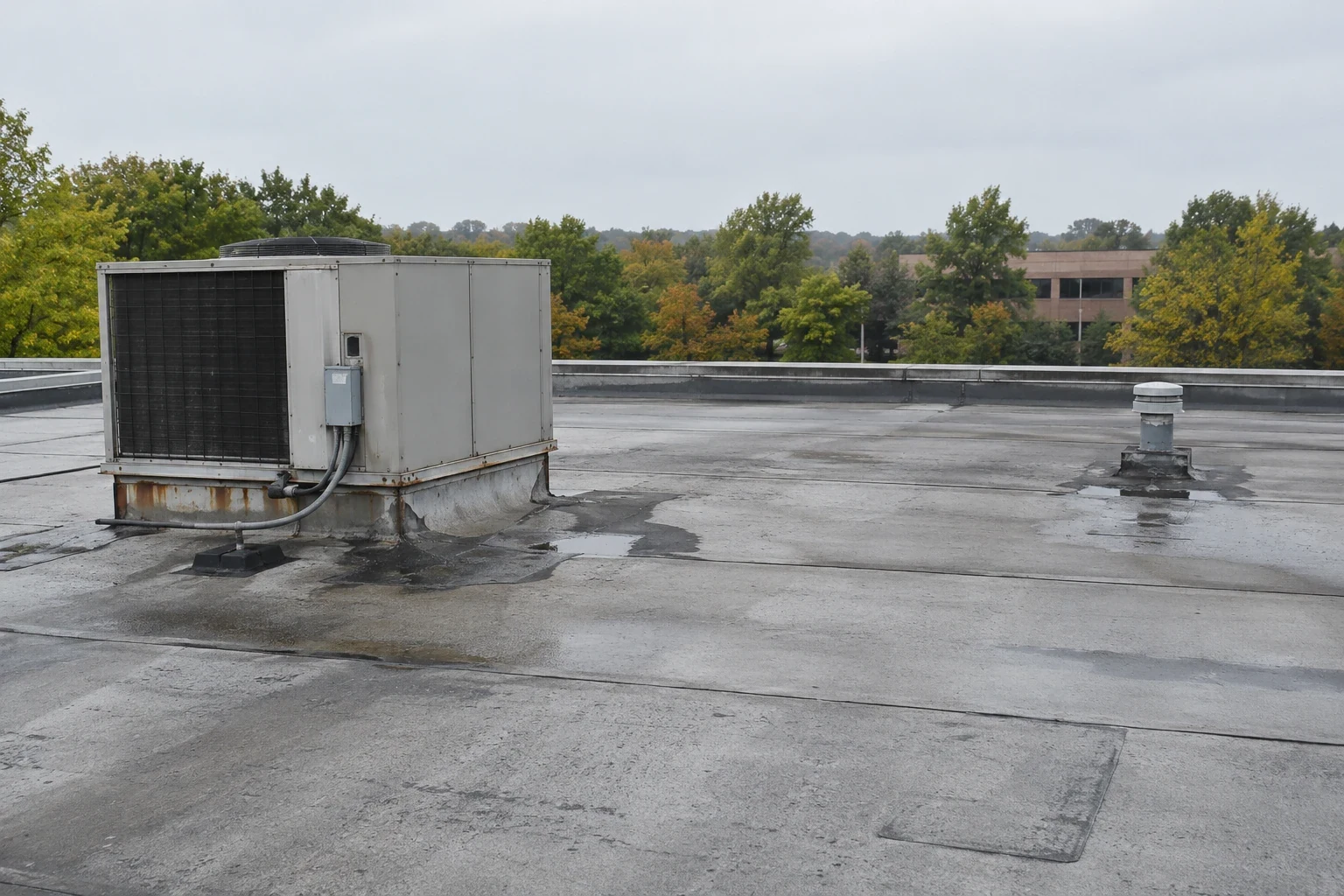
The Four Corners area is named in the town's description of business activity, and crossroads buildings often have a lot, a rear service door and rooftop equipment on the back slope. We check the units for curb flashing, refrigerant line covers and the condition of the membrane under each service path. A commercial office roof and a small retail roof in the same area may share the same drainage pattern but not the same wear.
Wind and snow both reach exposed lot edges first, so the perimeter gets attention: edge metal, coping joints and gutter hangers. We tighten what can be tightened and list what needs replacement with a price. If the building has a gutter on one side, the downspout discharge is checked so water does not pool at the foundation or ice a walkway.
Four Routes and Crew Timing
Routes 119, 40, 225 and 111 carry business traffic into town, and they also carry our crews and deliveries. The schedule accounts for the approach to the site, the hour when materials arrive and the time a lift needs to be set. For an emergency visit, that approach time is part of the response estimate. We give a window, not a promise, and we update it if the road or the weather changes.
Deliveries are timed to the work. A pallet of membrane left at a roadside in a storm is a loss, so we hold material until the dry-in plan is confirmed and the crew is ready to lift. The access plan lists where the truck stops, who meets it and how the load goes to the roof.
Winter Storm Planning
The winter of 1995 left Lowell with 126.5 inches of snow, and its hazard planning lists hurricanes, nor'easters and ice storms as major risks. Groton roofs plan dry-in sequencing, roof access and drain clearing around that same regional pattern before winter, when a delay can cost more than the repair.
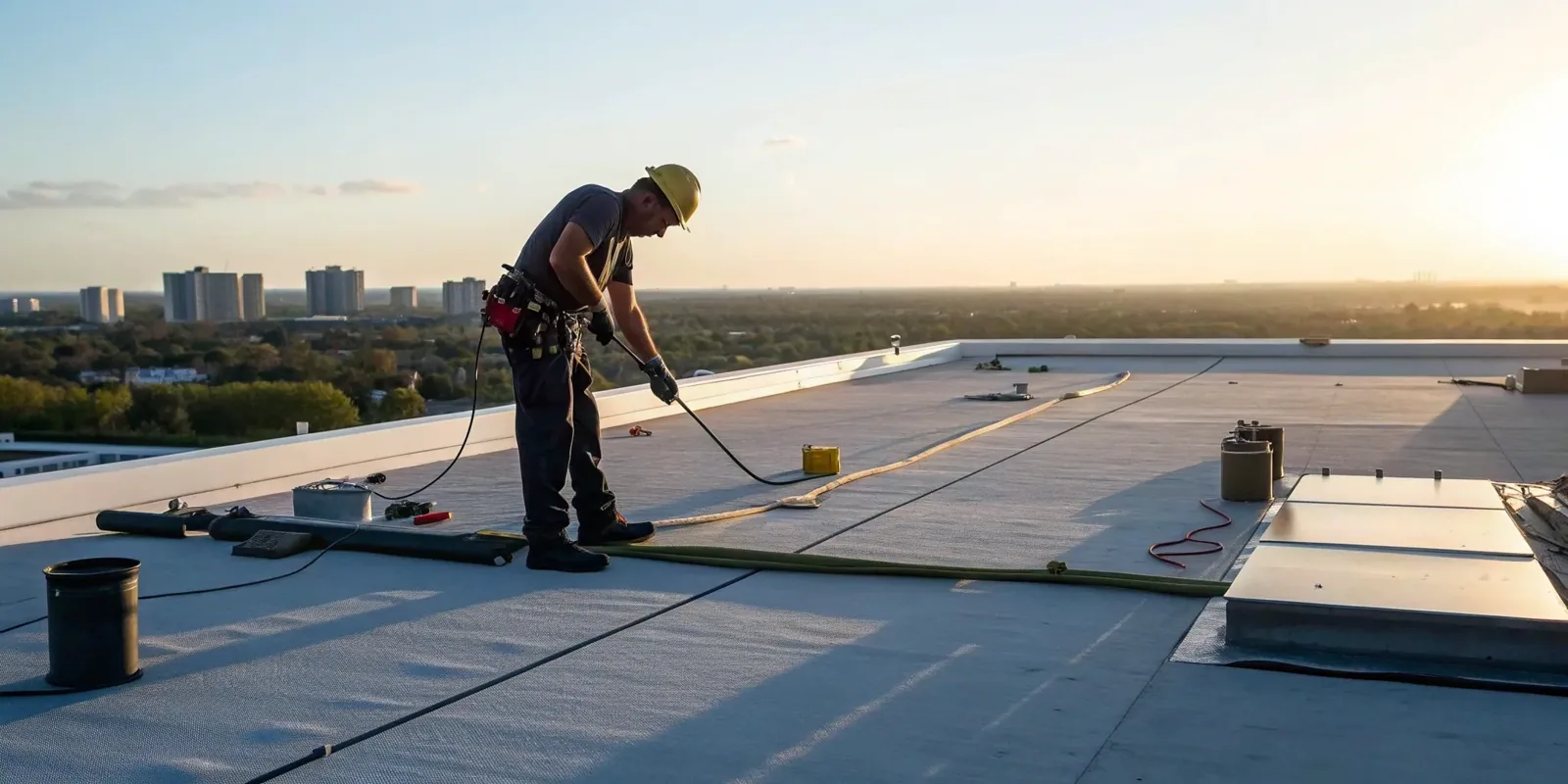
A drone roof inspection after a storm gives a fast survey of a large or hard-to-reach roof, and the hands-on walk confirms what the images suggest. The two together produce a list of what needs temporary protection now and what can wait for a dry day.
Business Growth and Roof Decisions
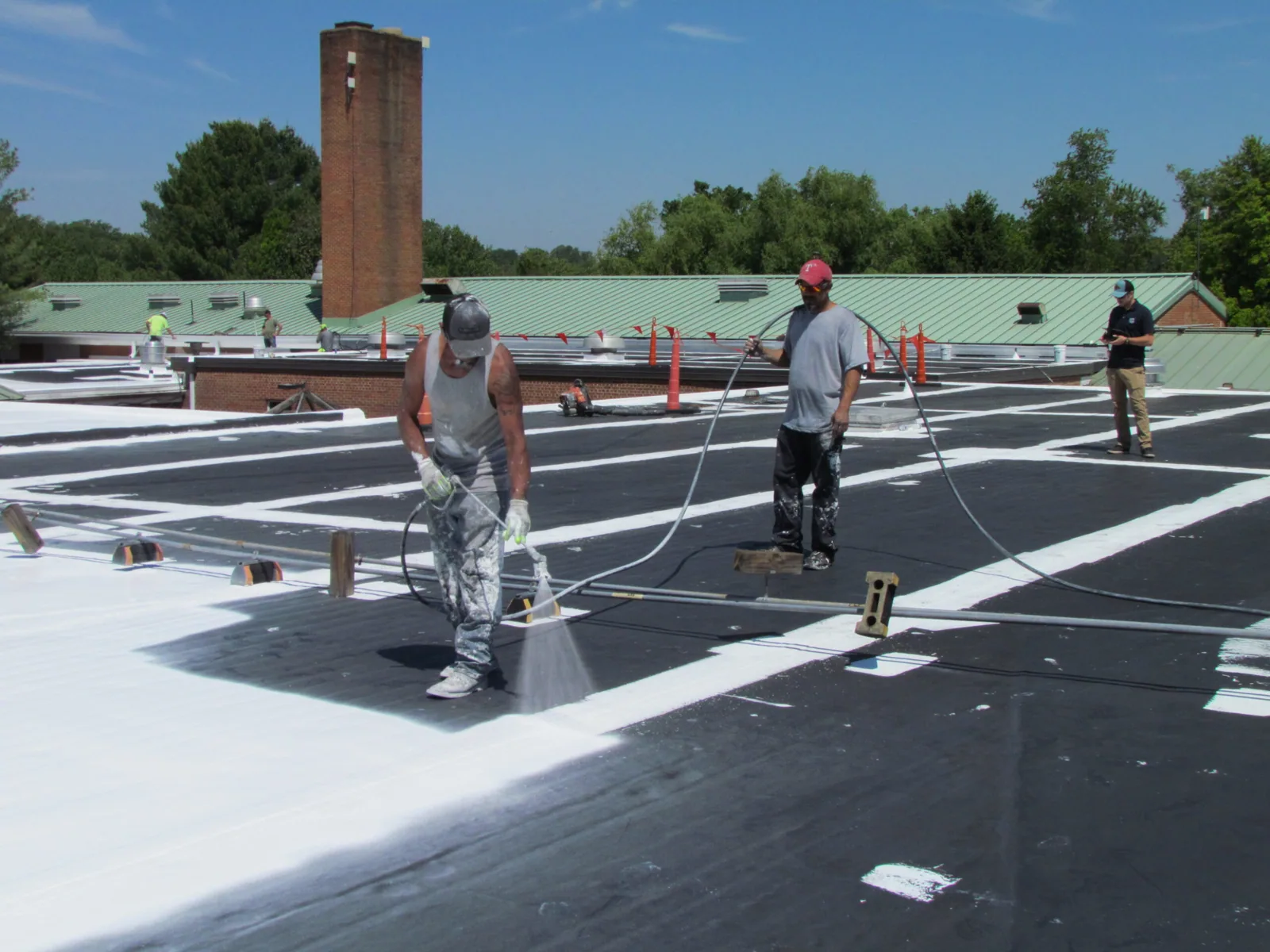
Groton's business-development program supports company growth and investment in its commercial areas. When a business grows into more space or adds equipment, the roof is part of the project, and its condition affects the budget. A recover over sound insulation can extend the service life at lower cost, while a replacement may be the better choice if the insulation is wet. The inspection says which applies, and the insulation and cover board choice is priced as an option.
Owners with property in Pepperell or Shirley as well can ask for the updates side by side.
The cost update closes the loop. It lists the first response, the inspection findings, the repair boundary and the price for each option, and it gives the date of the next update. If the repair is temporary, the update says what return window is planned and what weather would delay it. The facility director can then decide whether to approve the permanent work now or wait for a dry stretch.
Commercial Roofing Questions
How can I tell a roof leak from condensation?
Timing. A roof leak follows rain or snowmelt, while condensation follows cold nights and equipment running. A moisture reading and a look above the ceiling usually settle it on the first visit.
Can a lift reach a town-center roof?
Sometimes. If the street or lot blocks it, we plan a ladder-and-hoist approach and state it in the scope, with the cost difference.
Why does the repair boundary matter for price?
It marks how much roof is included. If wet insulation extends past the stain, the boundary and the price both change, and the update shows the revised area.
When should drains be cleared before winter in Groton?
Before the first snow, with the dry-in material staged and the roof access route confirmed. A delay in clearing a blocked drain can cost more than the repair that follows.
What does a drone survey add?
A fast overview of large or hard-to-reach roofs. It shows where to look, and the hands-on walk confirms the repair details.