Live-work space changes the first response. Someone may be sleeping below the wet ceiling, a shop may be open on the floor beneath and the roof may be reached only through a stair that serves both. In Pepperell, MA the first steps are to clear the affected rooms, protect the electrical, confirm safe roof access and record who lives or works below.
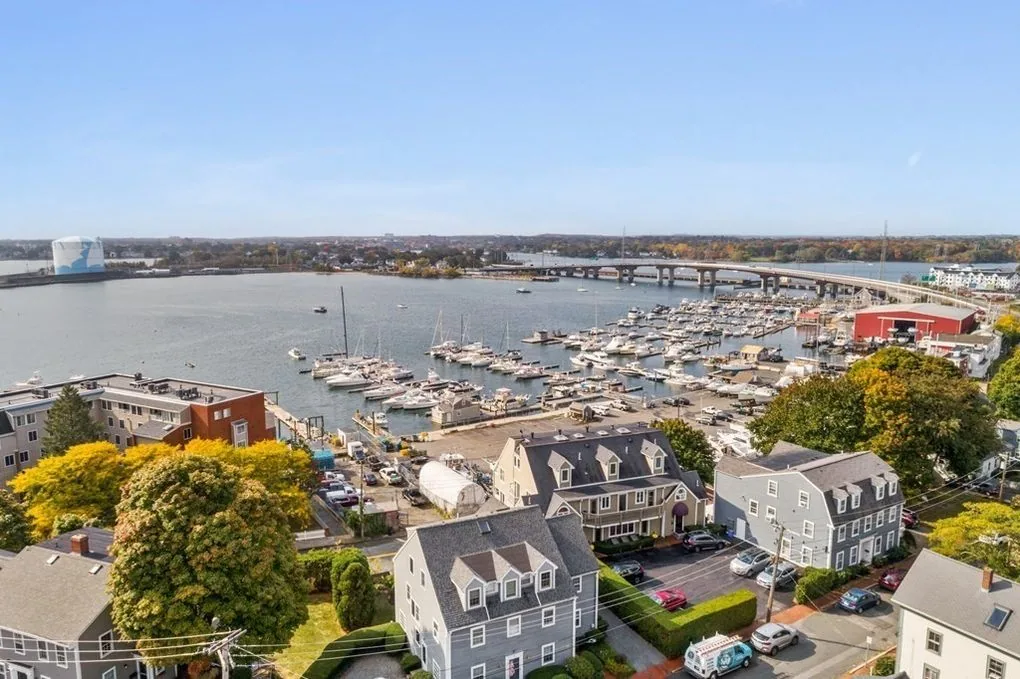
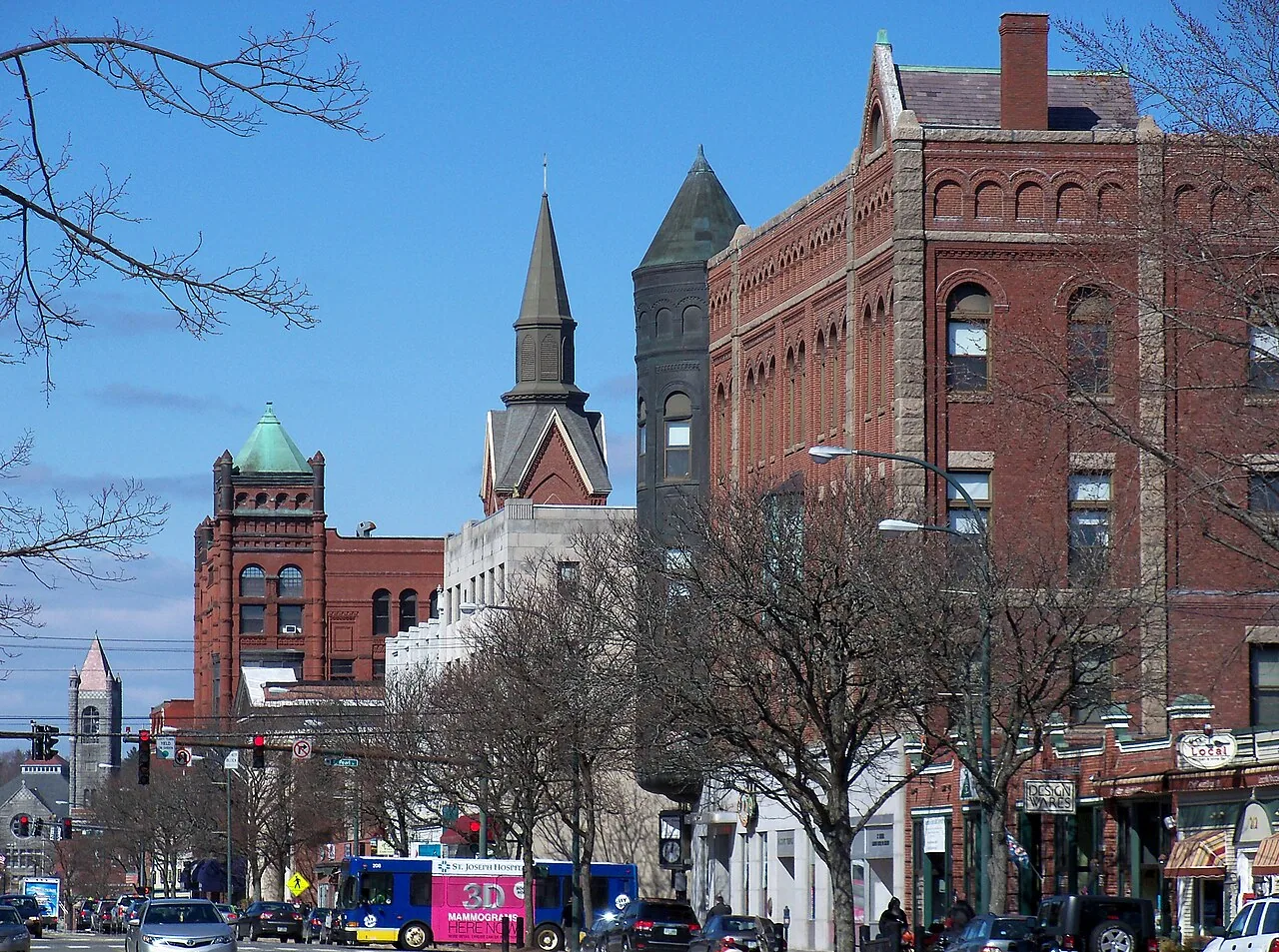
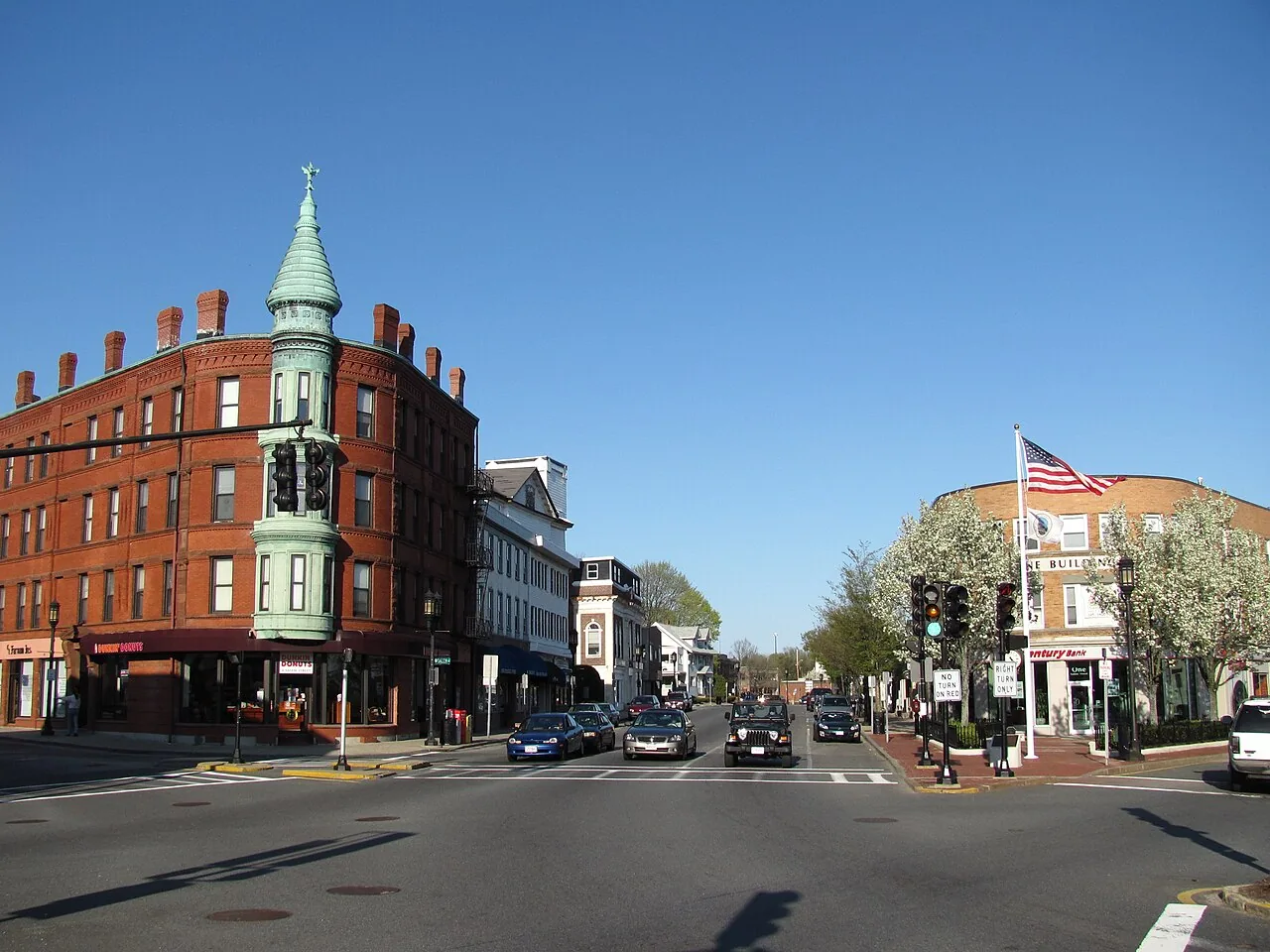
Pepperell identifies Railroad Square as the heart of its business district, and town planning emphasizes a mixed-use Main Street corridor with retail, service, office and live-work uses. Planning materials describe Routes 113, 119 and 111 as links to Lowell and Nashua. Mixed use is the roofing issue: one roof, several occupants and different needs below it.
Live-Work Units Under One Roof
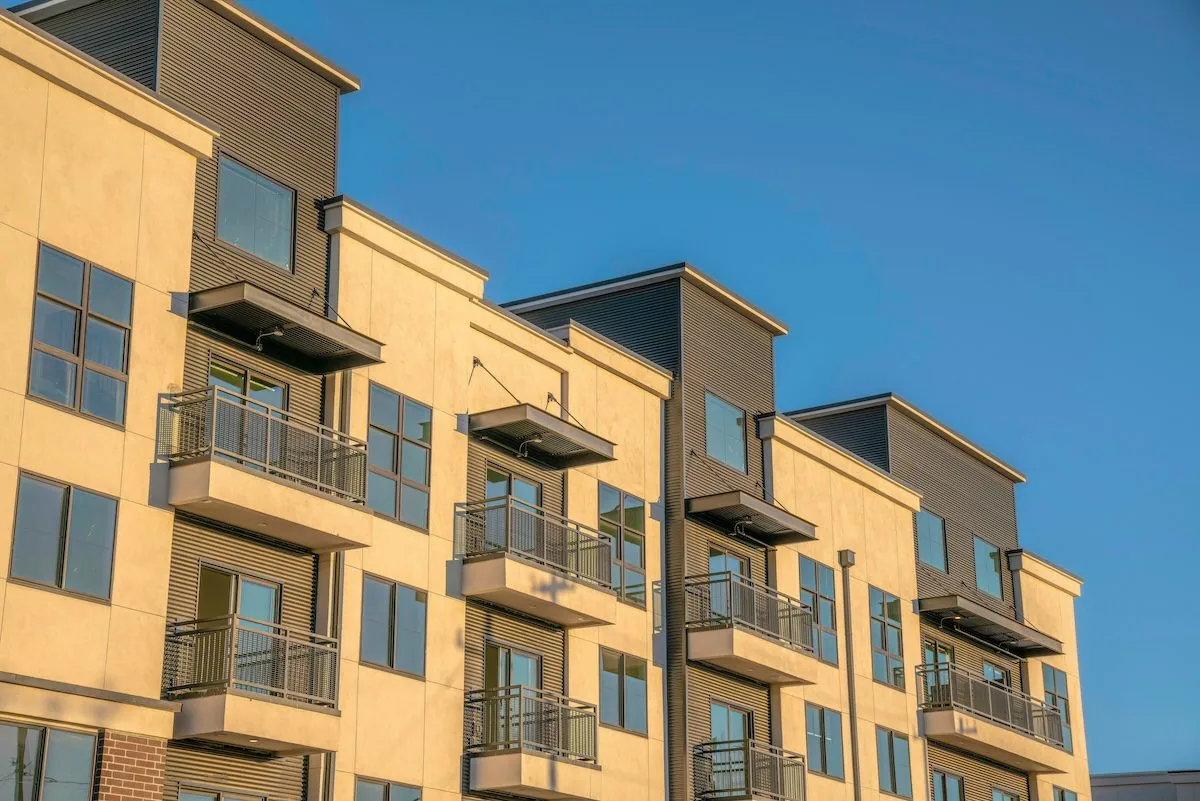
A live-work building has a shop or studio on one level and a residence on another, and the roof protects both. A leak above the residence is an emergency for the occupant, while a leak above the shop is a cost problem for the business. We ask who is where, what is wet and what must be moved. Beds, electronics and stock are protected first, and the crew works to keep the occupant's route clear.
Noise and dust get their own plan. Someone who lives under the roof needs quiet hours, and a shop below needs customer access. The schedule shows the hours of the loudest work, the lift position and the contact for each occupant. For a building with apartments above commercial space, the plan resembles apartment roofing in its attention to residents.
Fire safety is part of the plan for any building with sleeping space. Hot work needs a permit and a fire watch, and where the roof has to be torch-free, we use welded or adhesive systems that avoid open flame. Smoke detectors and exit routes in the residence stay clear and working, and the crew does not block stairs. The record lists the safety steps by date so the owner has a file if questions arise later.
Railroad Square Buildings
The heart of a business district is dense. Buildings share walls, the streets are narrow and the roofs are small, with few places for equipment. The inspection starts at the walls: base flashing, counterflashing and coping at each party wall. Then we check the drains, the scuppers and the field. A small roof with a single drain is only as good as that drain, and a blocked outlet will pond water over several units.
Lifts and hoists have limited room around the square. We ask about parking, deliveries and events, and the plan names where the lift will stand. If the street cannot take a lift, we plan a hoist from a side lot or a hand-carry route with fall protection, and the cost difference goes into the scope.
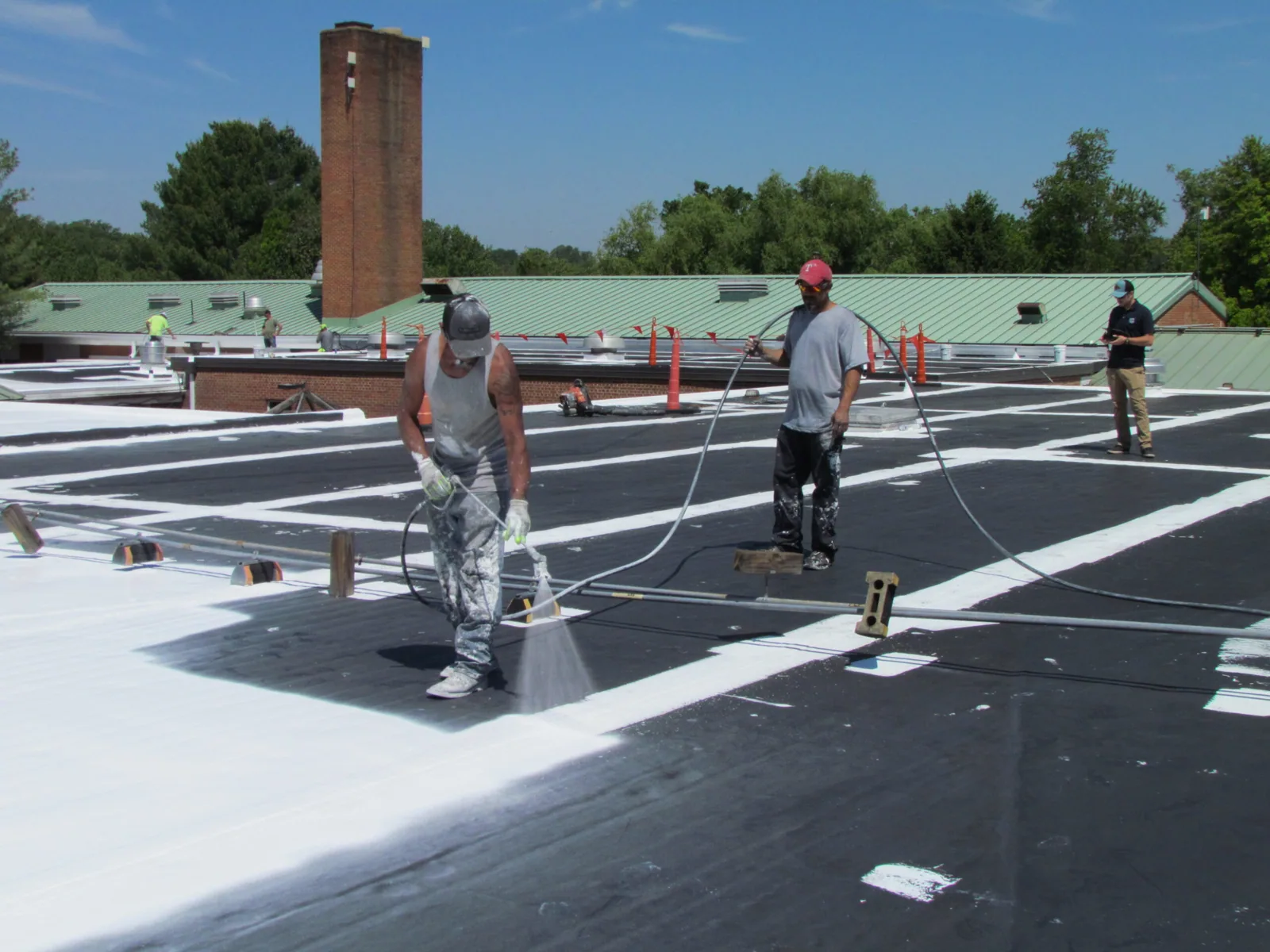
Small roofs often carry the history of earlier repairs: tar patches, mastic over cracks and layers of membrane added over time. Each layer adds weight and may hide wet insulation. We probe through patched areas, mark them on the plan and recommend a core sample where the pattern suggests trapped moisture. The result decides whether a repair can last or whether a section must be opened and rebuilt.
Main Street Retail, Service and Office
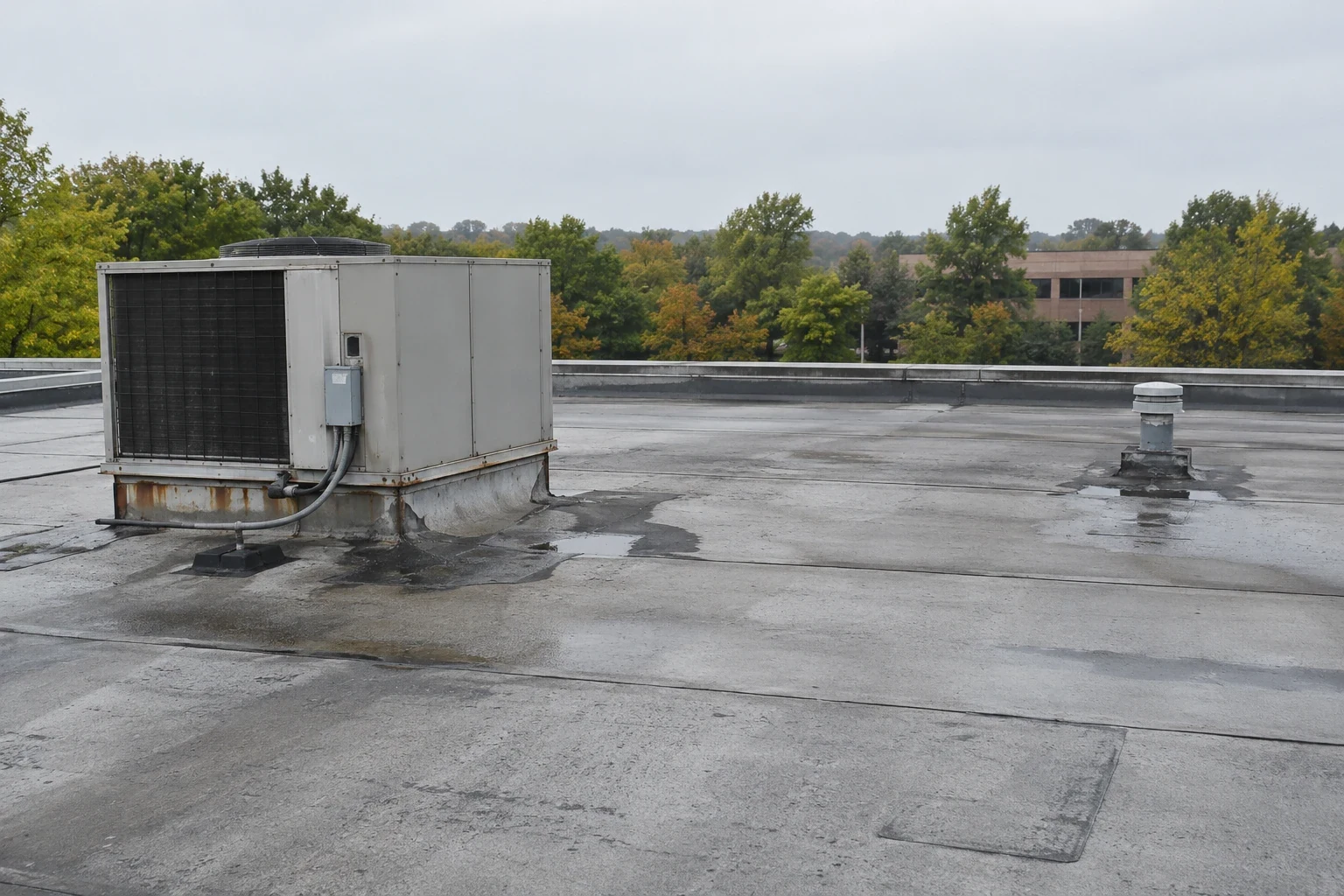
The Main Street corridor mixes tenants. A salon, an insurance office and a restaurant can share a building, each with different equipment on the roof. Restaurants add exhaust and grease, offices add HVAC units, and personal service businesses add vents. We inventory every rooftop item, check its curb and flashing and look for abandoned penetrations from earlier tenants. An office building roof is simpler than a restaurant roof, and the repair list reflects.
Curb flashing is the common failure on a mixed building. Four corners per curb, each with a seam or a sealant joint, make for many chances to leak. We reflash a curb in stages, photograph each stage and test the finished detail where practical.
Because tenants change, the roof file should change with them. When a tenant moves out, we recommend a short walk to close unused penetrations and to check the curb for the next occupant. When a tenant moves in, the plan notes any new equipment and its curb. The file then shows the roof as it is, not as it was five tenants ago.
Water from rooftop equipment is another source of leaks. Condensate from a cooling unit that drains onto the membrane wets the same patch every day, and the surface wears. We route condensate to a drain or a splash block and list the change in the update.
Routes to Lowell and Nashua
Routes 113, 119 and 111 link Pepperell to Lowell and Nashua. For a roof owner, the useful point is timing. Material availability controls the date, so the update states the lead time and the weather hold, and it names the earliest day a crew can arrive.
On an emergency call the window includes drive time, getting the lift set up and staging the dry-in material, and the estimate is revised if conditions change. A temporary dry-in is labeled as temporary, with a return window for the permanent work.
Winter Planning for Small Roofs
Lowell's 1995 winter brought 126.5 inches of snow, and nor'easters and ice storms appear in its hazard report. Pepperell roofs sit in the same regional pattern. Small roofs are sensitive to blocked drains because the area to drain is small and the outlets are few. Ice at an outlet backs water onto the roof and into the wall.
Before winter we clear drains, check gutters and photograph downspout discharges. If a roof has insulation that may be wet, the insulation and cover board condition is checked by moisture survey, since wet board loses its value and holds cold against the deck.
Repair Boundary and Cost Update
The update shows the repair boundary on the plan, the options and the unknowns. In a mixed-use building, the cost split by occupant is available if the owner asks. Owners with property in Groton or Townsend can have updates compared on one schedule.
The final part of the update is the recommendation, tied to the building's use. A small mixed-use building with a long-term owner may justify a recover or replacement that restores a full service life, while a building headed for sale may call for the minimum that keeps the roof sound and a condition record a buyer can read. The update shows each path with its cost and its expected years, and the owner picks.
Commercial Roofing Questions
What happens first when a leak is above a residence?
We clear the affected rooms, protect the electrical and the bedding, confirm safe roof access and record who lives below. Dry-in follows the protection.
Can the work avoid the shop's customer hours?
Loud steps move to the hours the owner names, and the work zone is fenced with the entrance kept clear. The schedule lists those hours.
What if a lift cannot reach the roof?
We plan a hoist from a side lot or a hand-carry route with fall protection, and the scope shows the added cost.
Why inventory every rooftop item?
Each curb and vent is a place water can enter. A list by number, with photographs, finds abandoned penetrations and shows which items need reflashing.
Why are small roofs sensitive to blocked drains?
The area to drain is small and the outlets are few, so one blocked outlet backs ice and water onto the roof and into the wall.