The call comes in about a ceiling, and the first action is to clear the people from beneath it. After that comes a short list: confirm the roof can be reached safely, find the active water path, and set interior protection under it. Only then does anyone ask what the storm did to the membrane.
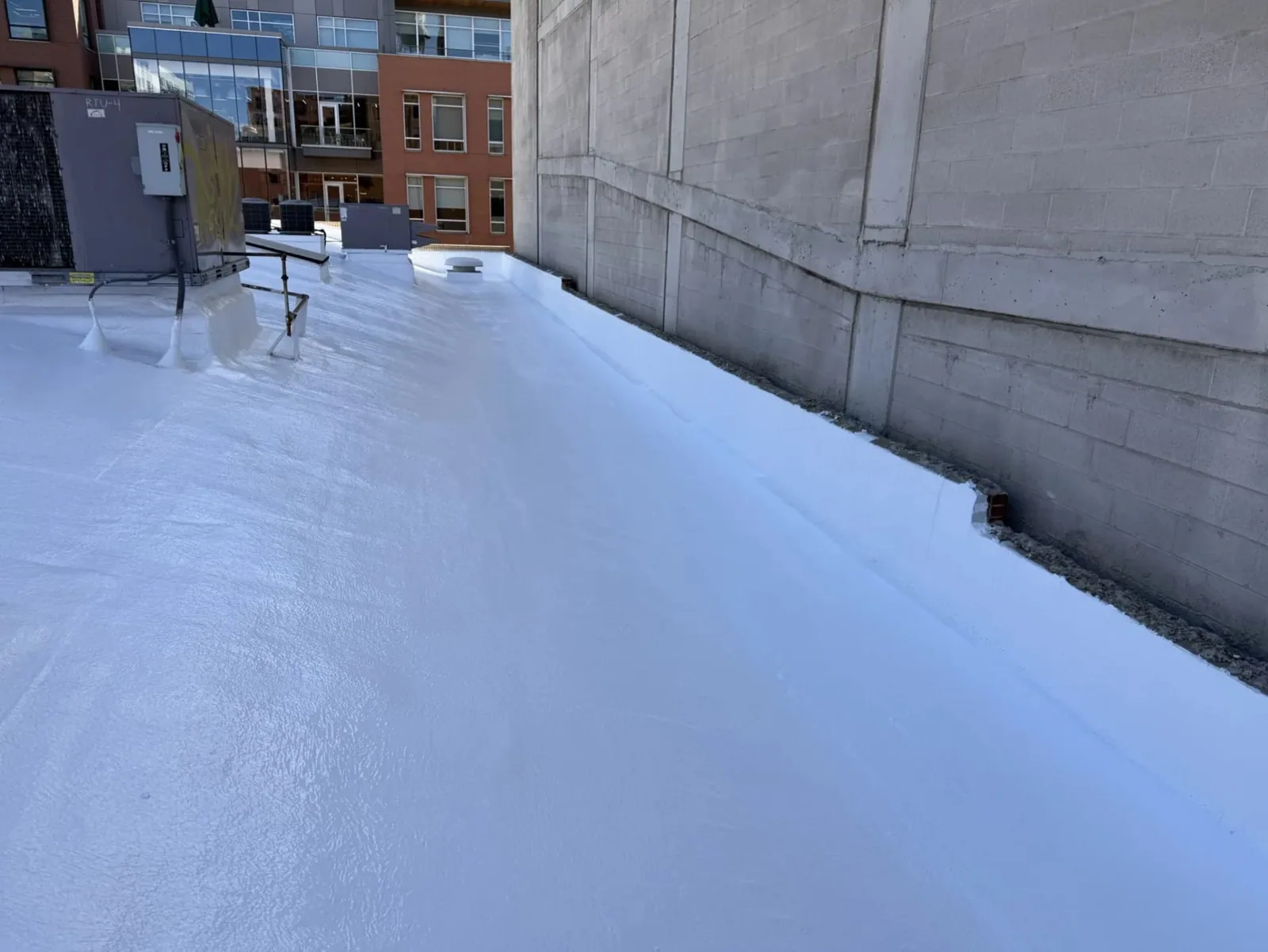
Lowell's hazard mitigation record counts hurricanes among the city's major natural hazards, together with winter storms in three forms: nor'easters, snowstorms and ice storms. For a facility director in Lowell, MA, that makes storm repair a sequence: a first-hour check, a temporary dry-in, an inspection note with photographs, and a priced repair boundary. Each step carries its own cost, and the director sees them one at a time.
Safe Access and Roof Entry
A storm-struck roof is entered only after the crew confirms how it can be reached and what it can carry. Wind may have loosened membrane, coping or equipment covers that will shift underfoot. Snow and ice hide drains, curbs and skylights, and a loaded roof can carry weight unevenly. Hatches, ladders and lift positions are checked first, and any roof section that cannot be reached safely is marked as not yet inspected rather than assumed sound.
The access plan names who holds the roof key, which tenants sit below the work area, and where a lift can stage. In a multi-tenant building, that list is settled in the first call.
Reading Wind, Water and Ice Damage
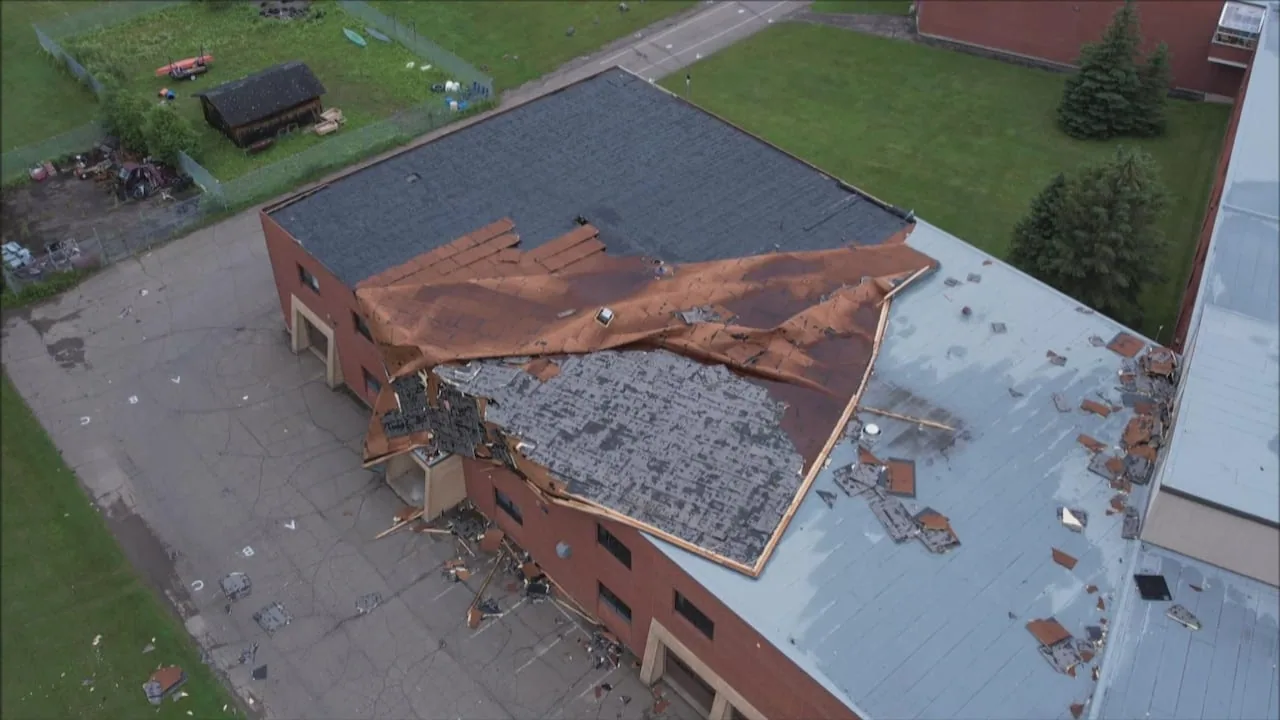
Each type of storm leaves different evidence. Wind damage shows at edges and corners: lifted metal, peeled membrane, displaced ballast and stripped flashing. Snow and ice damage concentrates at drains and low spots, and it often reaches the ceiling days after the storm, when meltwater finds a path behind flashing. A tropical system that brings wind and heavy rain together stresses edges and drains at the same time, the pattern seen in hurricane damage on a low-slope roof.
Where the surface is hard to read from the hatch, a drone survey records the sections the crew has not yet reached, and the photographs are tied to roof section numbers so every finding has an address on the roof.
Snow Load and Drainage
The winter of 1995 is on the city's hazard record at 126.5 inches of snowfall, which gives a reference point for how heavy a Lowell winter can get. Snow load matters to a roof in two ways. The weight tests the deck and the structure, and the melt tests the drains. A drain blocked by ice sends water across the roof surface to the first low spot, where it can back up under a seam or over a wall flashing.
After a heavy snowfall, the inspection checks drain bowls, scuppers and downspouts before anything else, because a clear drain removes the cheapest cause of interior water. Roof snow is removed only where an engineer or the owner's structural advisor calls for it, and the crew works around membrane edges to avoid cutting the surface.
Temporary Dry-In and Its Limits
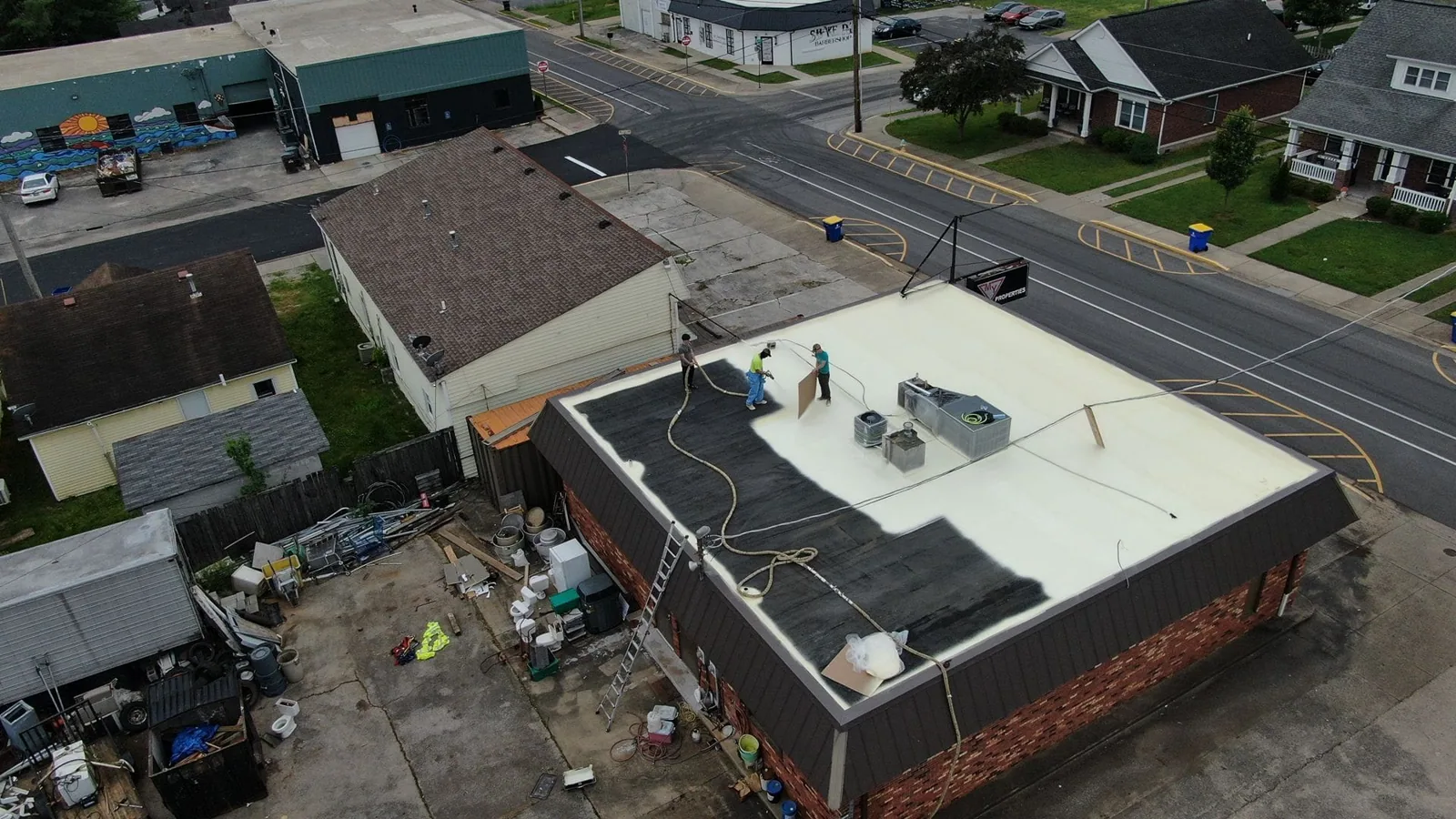
A temporary dry-in keeps water out while the permanent repair is planned: tarps weighted at the edges, cold-applied mastic over a split, a membrane strip fastened across an opening. It is a stopgap with its own cost, and the cost grows each week it stays. Tarps flap in wind and wear through. Mastic needs a dry surface to bond and will not hold on frost. Ballast or straps hold a tarp only as long as the wind stays under their limit. The note records what was installed, where, and how long it is expected to last under the forecast.
The decision for the facility director is the length of the weather hold. If the permanent repair needs dry, warm substrate, the dry-in must survive until that window opens. In winter the window can be long, so the temporary work is inspected after each new storm and the findings go into the next cost update.
Repair Boundary and Scope
The repair boundary is the line between the roof section being fixed and the section being left alone. Moisture readings, core samples and visible damage set it. Where insulation has taken on water, the boundary moves out to the edge of the wet area, because membrane laid over wet insulation fails at the next freeze. Where only the surface is damaged, the repair stays small.
The scope lists each location with its method and price, so approval can go in stages: stop the water, repair active damage, then schedule the details that were stressed but still hold. If patches would outnumber sound sections, the scope compares the repair path with replacement, and the owner sees both numbers before choosing.
Records for the Claim
Storm damage often becomes an insurance claim, and a claim is only as strong as its record. Photographs of each damaged location, the time of the first report, the interior protection used, the dry-in installed and the invoice for each step go into one file. That file separates storm damage from wear already present, a distinction coverage decisions turn on. Claim documentation is assembled as the work happens, and a written condition report carries the findings to the adjuster in a form that can be checked against the roof.
Storm Calls Across the Lowell Network
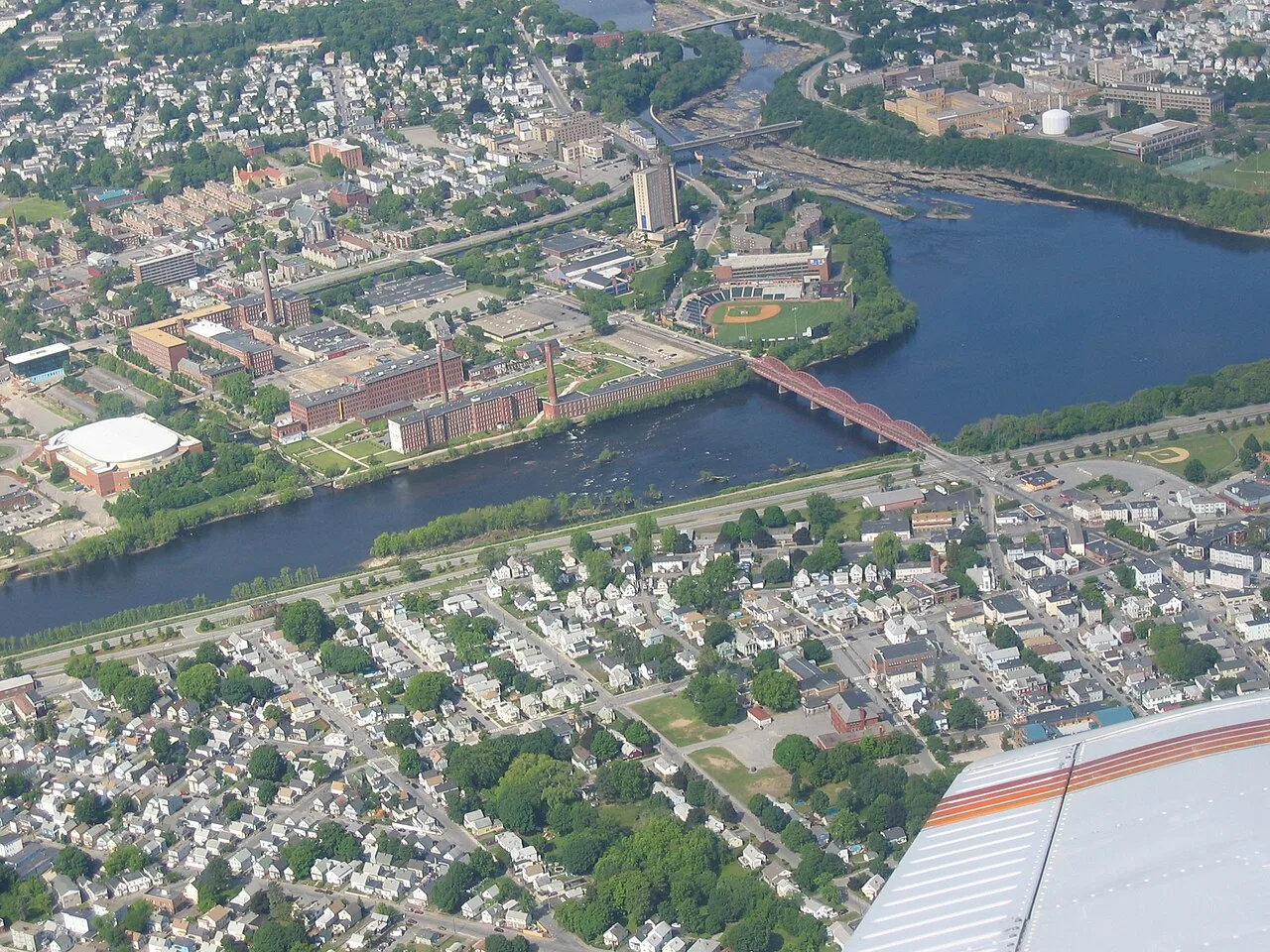
In the city's hazard plan, Lowell is a regional transportation hub where I-93, I-495 and Route 3 meet, and storm reports can come from any kind of building along that network. The downtown historic district takes in a commercial district, mill yards and the canal system, and the Historic Board reviews exterior changes there, so emergency repairs that touch visible edge metal are photographed for the board. Business areas along Route 38 and Woburn Street in Tewksbury sit in a town with direct access to I-93 and I-495, and the first-hour check there is the same as downtown: access, water path, interior protection. A roof report from either place gets the same written sequence, so a manager comparing two buildings sees the same cost lines in the same order.
Commercial Roofing Questions
How soon can a crew reach the roof after a storm report?
The call is taken at any hour, holidays included. What sets the on-roof time is safe access: wind speed, ice on the roof and the route to the hatch. The first update names the arrival window, who will meet the crew, and which entrance the lift will use, so the building is ready when the truck arrives.
What separates storm damage from ordinary wear?
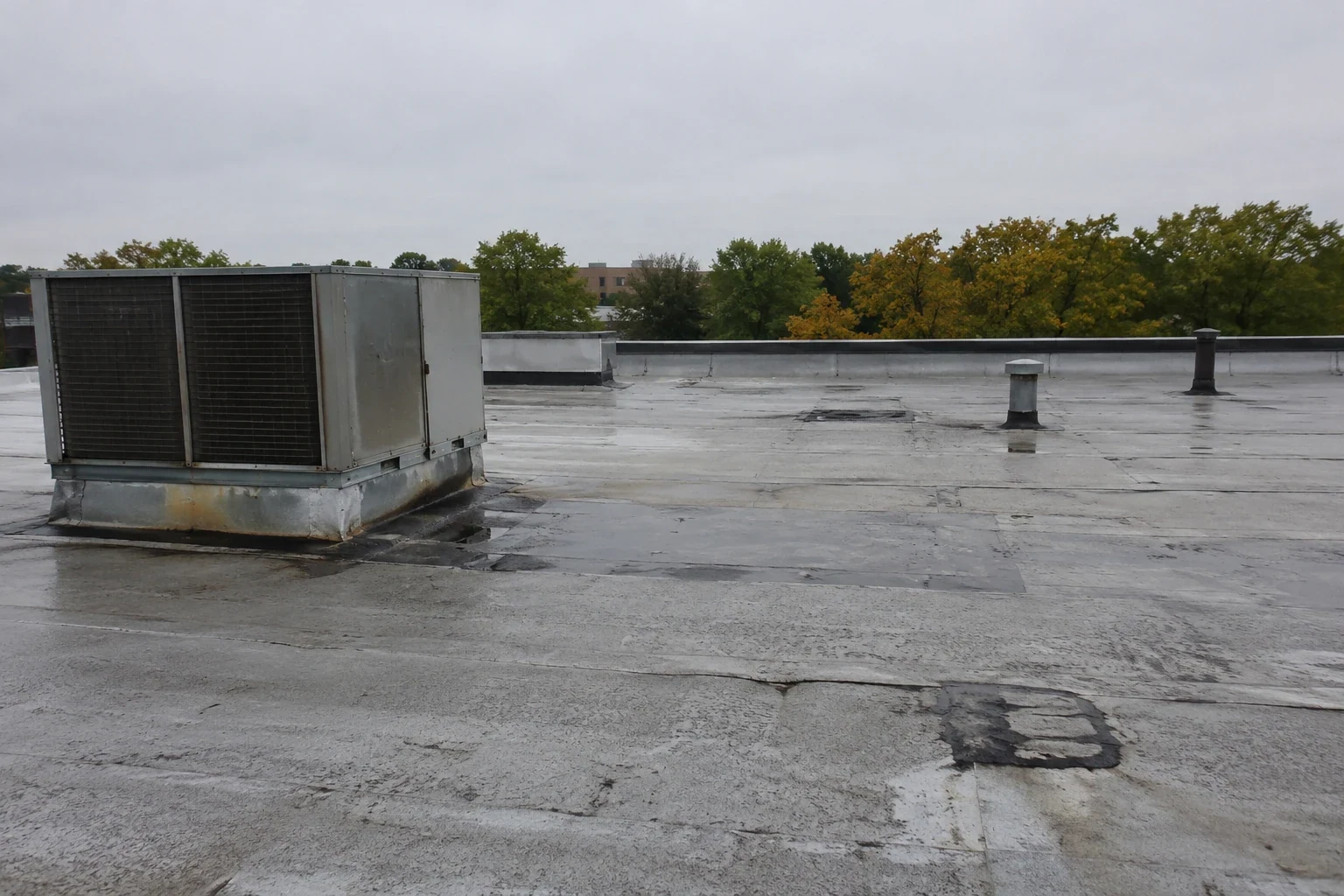
Fresh edges, clean tears and displaced material point to a recent event, while grime in a split, rust staining and old patches point to wear. Photographs and moisture readings taken early keep the two apart, and the claim file records which is.
Can the interior be protected before the roof is fixed?
Yes, and it comes first. Plastic over equipment, drip containment and moved inventory go in during the first-hour check, and the water path is traced afterward. Interior protection used is listed with the other costs so the director can see it.
Does snow on the roof delay the inspection?
Snow can hide a defect, so an inspection under deep snow is limited to drains, edges and the areas that can be cleared safely. The note states which sections were not seen. A full survey follows once the roof is clear or a drone pass can cover it.
What happens when the permanent repair has to wait for the weather?
The dry-in carries the building until the window opens, and each storm brings a re-inspection of the temporary work. Cost updates track what the holding period adds. An owner who knows the length of the hold can set the interior protection to match it.