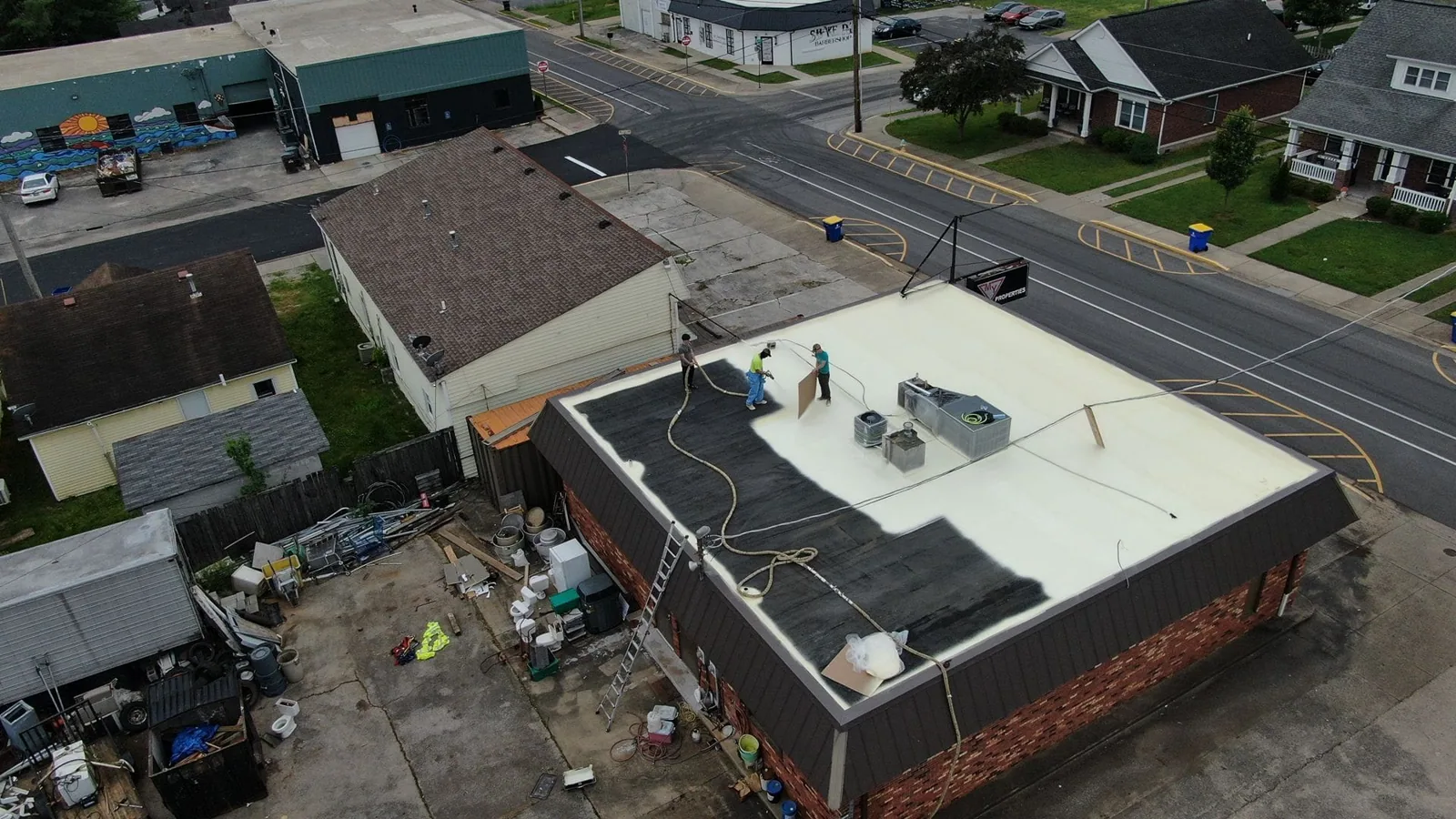
Roof age first. A solar array outlives many membranes, so the first question for a Lowell, MA facility director is how many years the roof under the array has left. Panels set on a roof with five years of life leave the owner choosing between a premature array removal and a roof that fails under it. Solar-ready roofing means the roof is sound, dry and planned before the first rack is bolted down, and it also means the roof can be worked around when an array is already there.
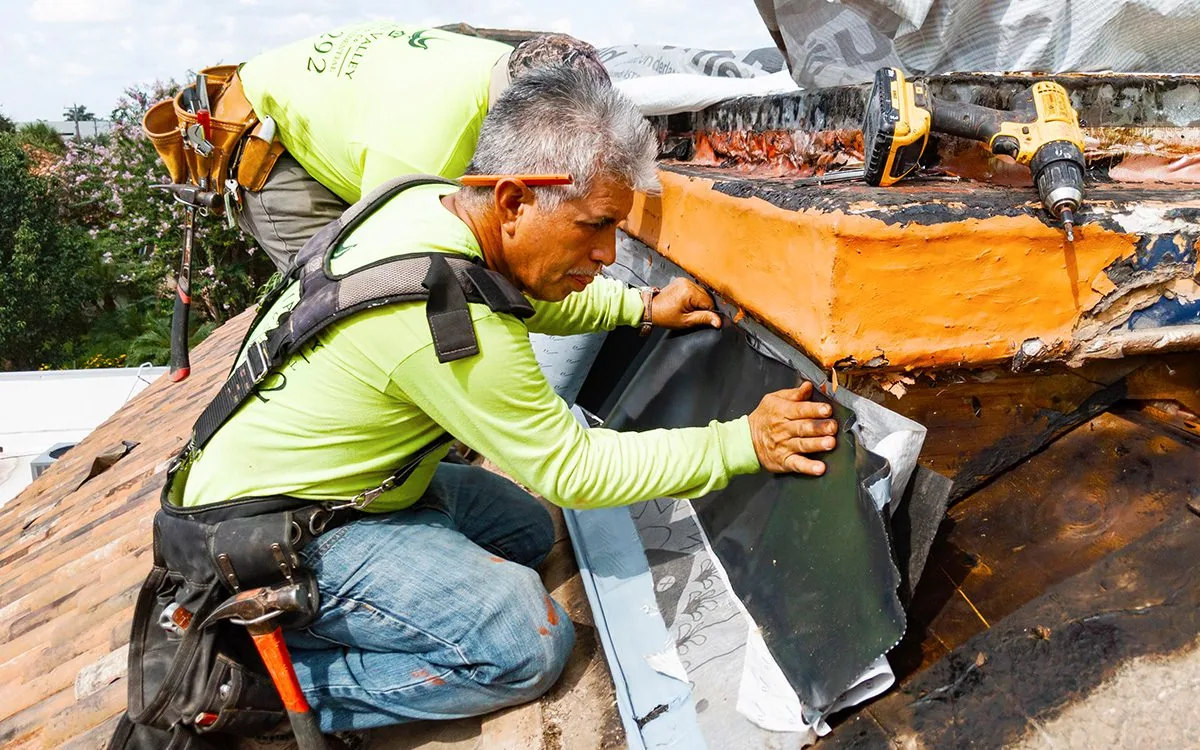
We handle the roof side of that project: condition, loads, attachment and flashing, access and warranty coordination. The electrical design and the array layout belong to the solar contractor and engineer. Our record gives them the roof as it is, section by section.
Roof Condition Before Panels
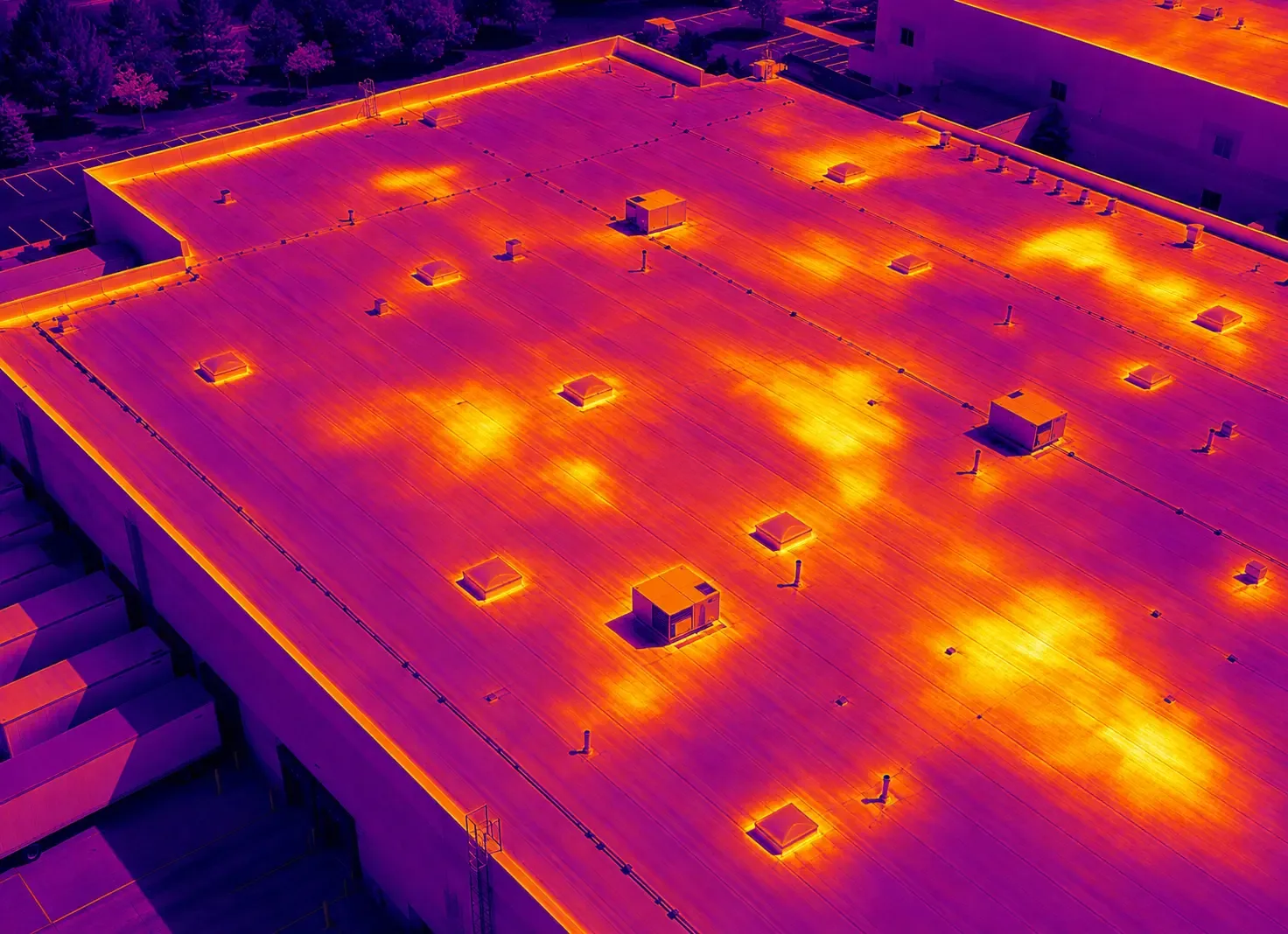
The inspection comes first and it is thorough. Insulation moisture is mapped, seams and flashings are checked, drainage is traced, and the membrane age and type are recorded. Anything marginal is fixed or replaced before the array goes on, because repairing under an array means moving it. A commercial roof inspection and an infrared moisture survey give the solar contractor a verified base.
If the roof is within a few years of replacement, the sensible sequence is to replace it first, with the layout in mind. New membrane, new insulation and new flashing go in under a clear roof, drains are set where the array will not block them, and the solar crew follows. That order costs more up front and saves the cost of lifting an array later.
Loads: Dead Weight, Snow and Wind
An array adds dead load, and it changes how snow and wind load the roof. Racking collects drifting snow in the gaps, and uplift from wind acts on both the panels and the attachments. The city's own hazard report lists hurricanes, nor'easters, snowstorms and ice storms as major natural hazards, and it records a 1995 winter with 126.5 inches of snow. That history is planning context only. It is a reason to ask for the structural review, not evidence about any particular roof.
The engineer works from the Massachusetts 10th edition code, which rests mainly on the 2021 IBC with amendments, took effect October 11, 2024 and became the exclusive state code for filings on or after July 1, 2025. The structural engineer applies it to the array. We supply the roof's deck type, insulation thickness and any known damage, and we point out areas where the deck or framing looks compromised.
Attachment: Ballast, Mounts and Penetrations
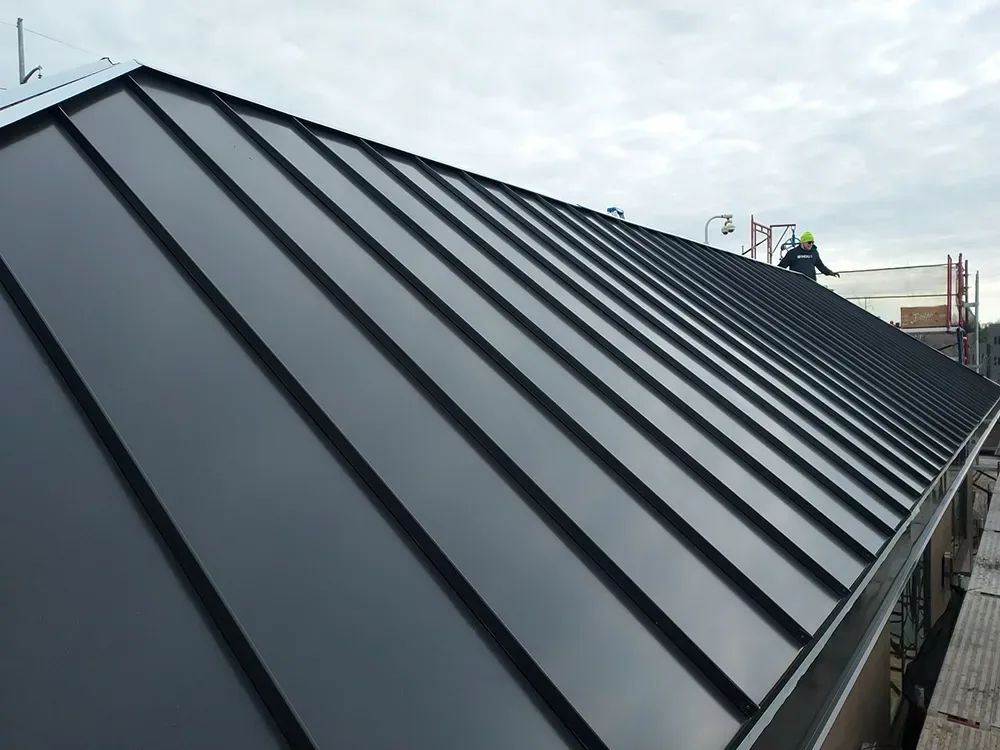
Arrays attach three ways. Ballasted racks sit on the membrane held by weight and need a protection layer and a roof that can carry the load. Mechanically attached racks use mounts that penetrate the membrane and fasten to the deck or structure, and each mount is a flashing detail. A standing seam metal roof takes clamps that grip the seam and require no penetrations, if the seam profile and gauge suit the clamp.
Each method has its own roof risks. Ballast concentrates weight at the support points and abrades the membrane under movement. Penetrating mounts add a flashing every few feet, and each one is a place for water to enter if the sealing fails. We specify the flashing method for every mount, protect the membrane with pads or walkway material and keep a map of where every penetration sits. That map matters for the next roof repair.
Layout, Drains and Walkways
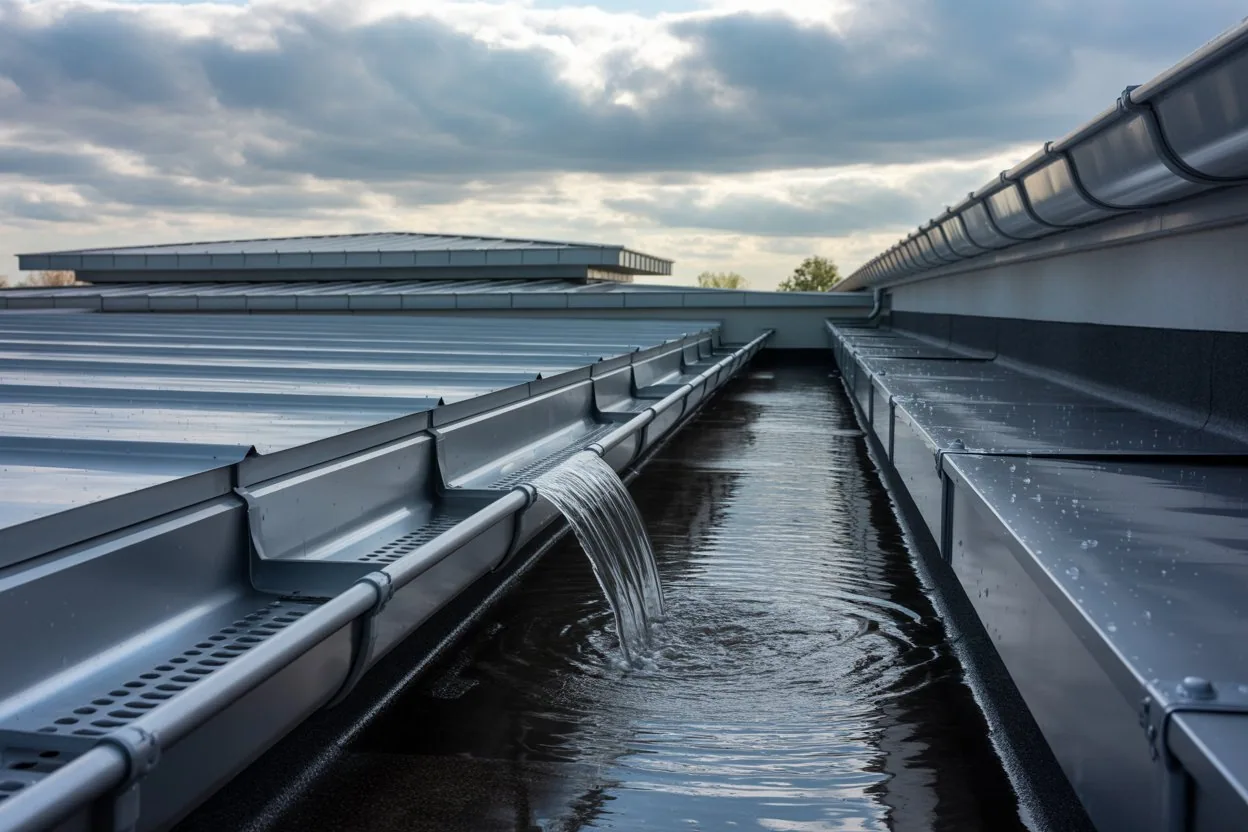
Where panels go decides whether the roof can still be maintained. Rows set too close block access to drains, scuppers and curbs. Racks set across the drainage path dam water. Cable runs across the surface can pinch against the membrane and wear through it. We review the layout against the roof's drainage plan and mark the pathways needed to reach every drain and rooftop unit.
A clear walkway from the hatch to each drain and each unit is a minimum. A drain and scuppers check after installation confirms that water still has a clear path, and the first thaw is a good time to check it again. Snow sliding off panels also collects at the roof edge and the eave, so the edge metal and gutters need review.
Warranty and Coordination
A membrane warranty may require the manufacturer's approval of the attachment method or limit the work that can be done on the roof. We read the warranty before the layout is final and tell the owner what must be approved. Penetrations made without approval can void coverage, and coverage matters for a roof the owner expects to carry an array for its whole service life. Ask the solar contractor for the mount details early, because the membrane maker's reviewer needs drawings, not descriptions, and the review has its own lead time.
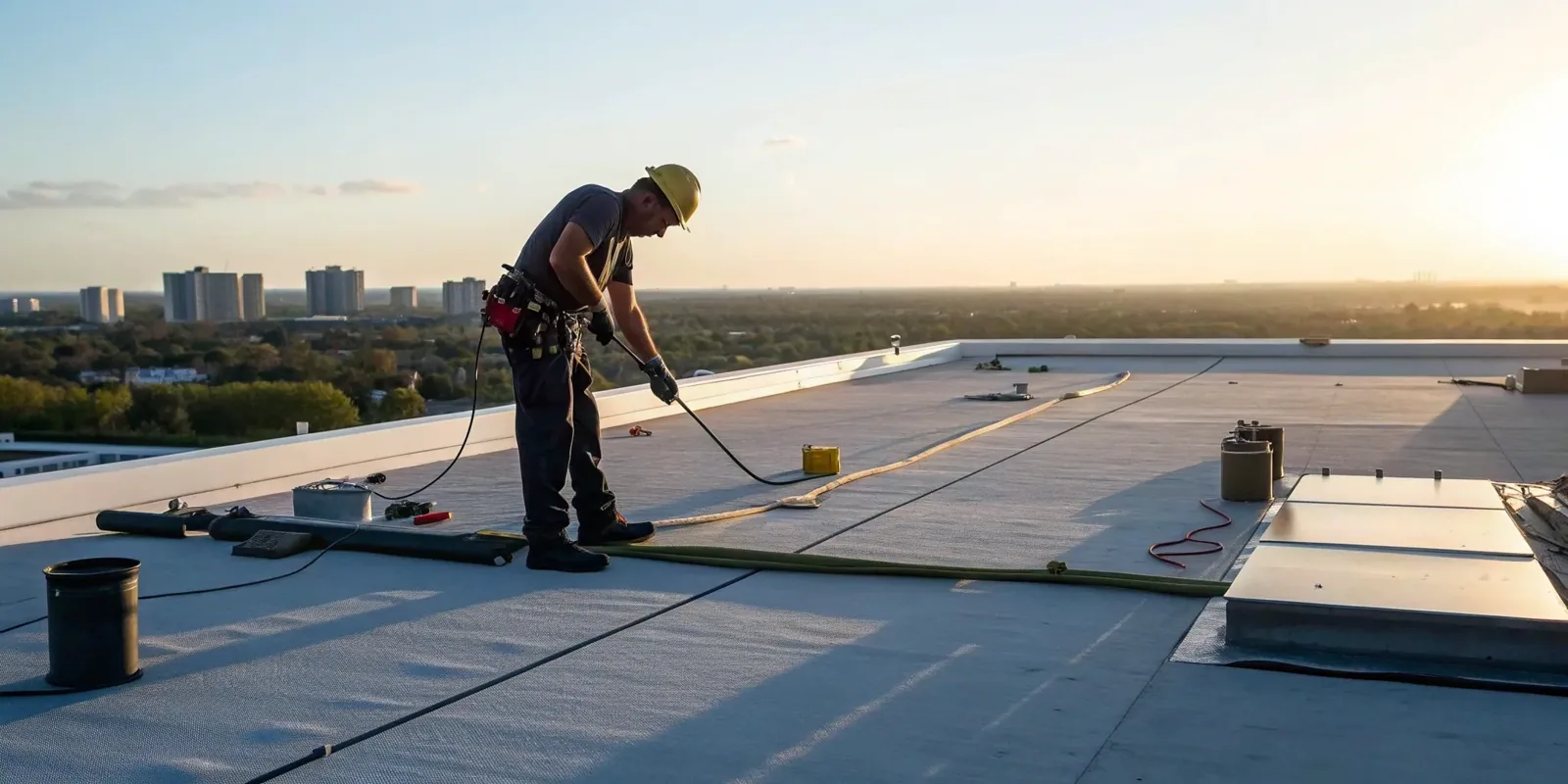
On the day of installation, we coordinate with the solar crew: where they stage materials, how they reach the roof, which areas are protected and who inspects the flashing at each mount before it is covered. Any damage during installation is recorded and repaired the same day. After the array is complete, a closing walk photographs every mount and the membrane around it for the record.
Working Around an Existing Array
Roofs that already carry an array need repairs too. A leak below racking may require removing panels and rack sections, and the solar contractor handles that disconnect and reconnect. We coordinate the sequence so the roof is open for the shortest time. The roof record lists which areas are accessible and which must be disturbed. Where only a small part of the membrane is affected, we can sometimes make the repair from the gaps between rows without moving the array, and we say so in the scope.
For a full reroof under an existing array, the array must be lifted and reset, and that cost belongs in the budget from the start. Replacement and reset are planned as one project, with the electrical shutdown scheduled by the solar contractor.
Where Solar Planning Comes Up
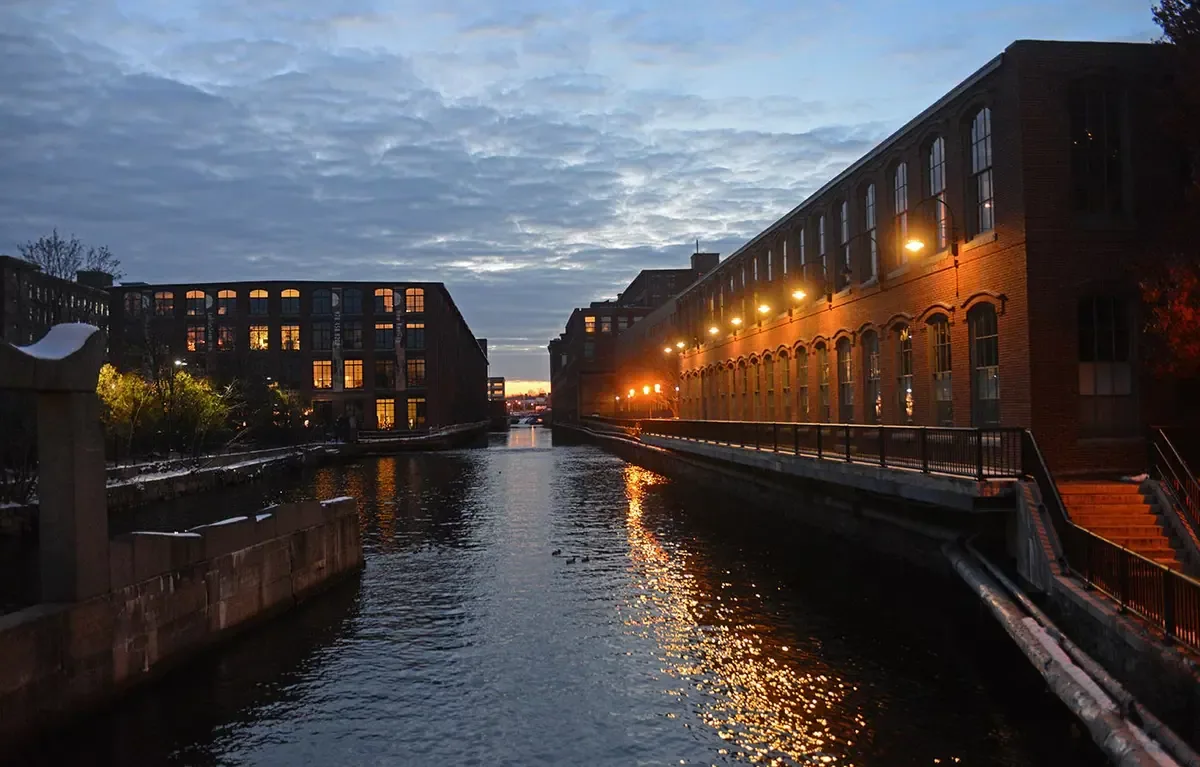
Solar planning suits larger, simple roofs best. Lowell's city materials describe the Ayer's City Industrial Park area on Tanner Street as mostly heavy-industry zoned and planned for redevelopment toward clean industry, and the Hamilton Canal District as a mixed-use area for commercial, retail, office and research uses. The Downtown Lowell Historic District adds Historic Board review for exterior work, which can reach roof-mounted equipment visible from the street. Buildings in Lowell, from the Route 3 and I-495 junction the city promotes in its economic development materials to the downtown blocks, each bring a different set of roof questions to an array. Wind that tears at a panel edge also tests the roof edge beneath it, so a wind damage repair history is something we ask about at the first visit.
Commercial Roofing Questions
How much roof life should remain before panels go on?
As much as the array's expected life, or the roof should be replaced first. We give the remaining life from the inspection record.
Does a ballasted array need less roof work than a mounted one?
It needs different work. Ballast needs a membrane and deck that carry the weight, while mounts need flashing at every penetration.
Who approves the structural side of an array?
A structural engineer, applying the adopted code. We provide the roof facts that engineer needs.
Can a leak be repaired under existing panels?
Sometimes from the gaps between rows. If not, the solar contractor lifts a section and we repair the roof.
Does solar affect the roof warranty?
It can. The warranty terms are read before layout is final, and approvals are requested where needed.