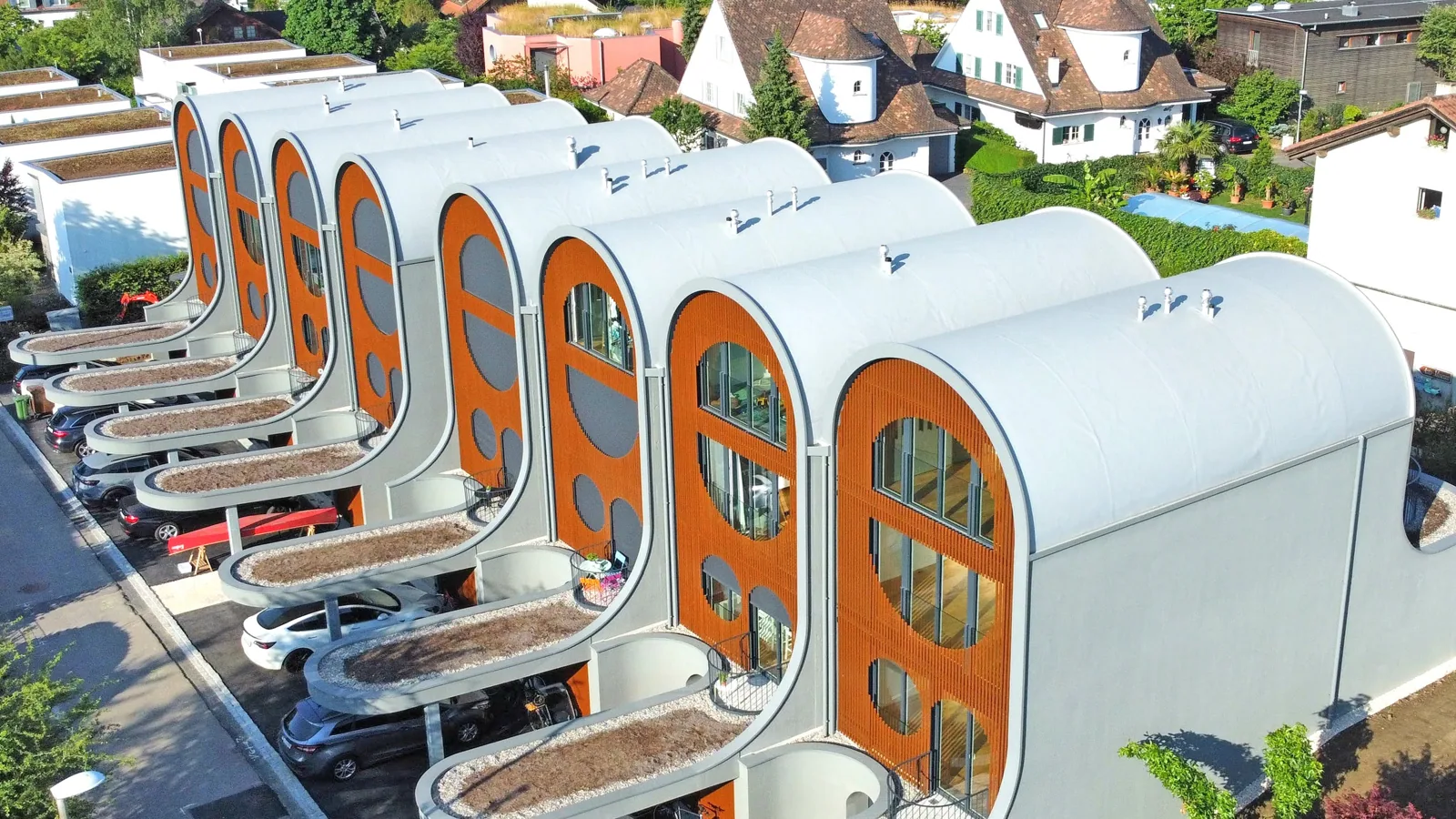
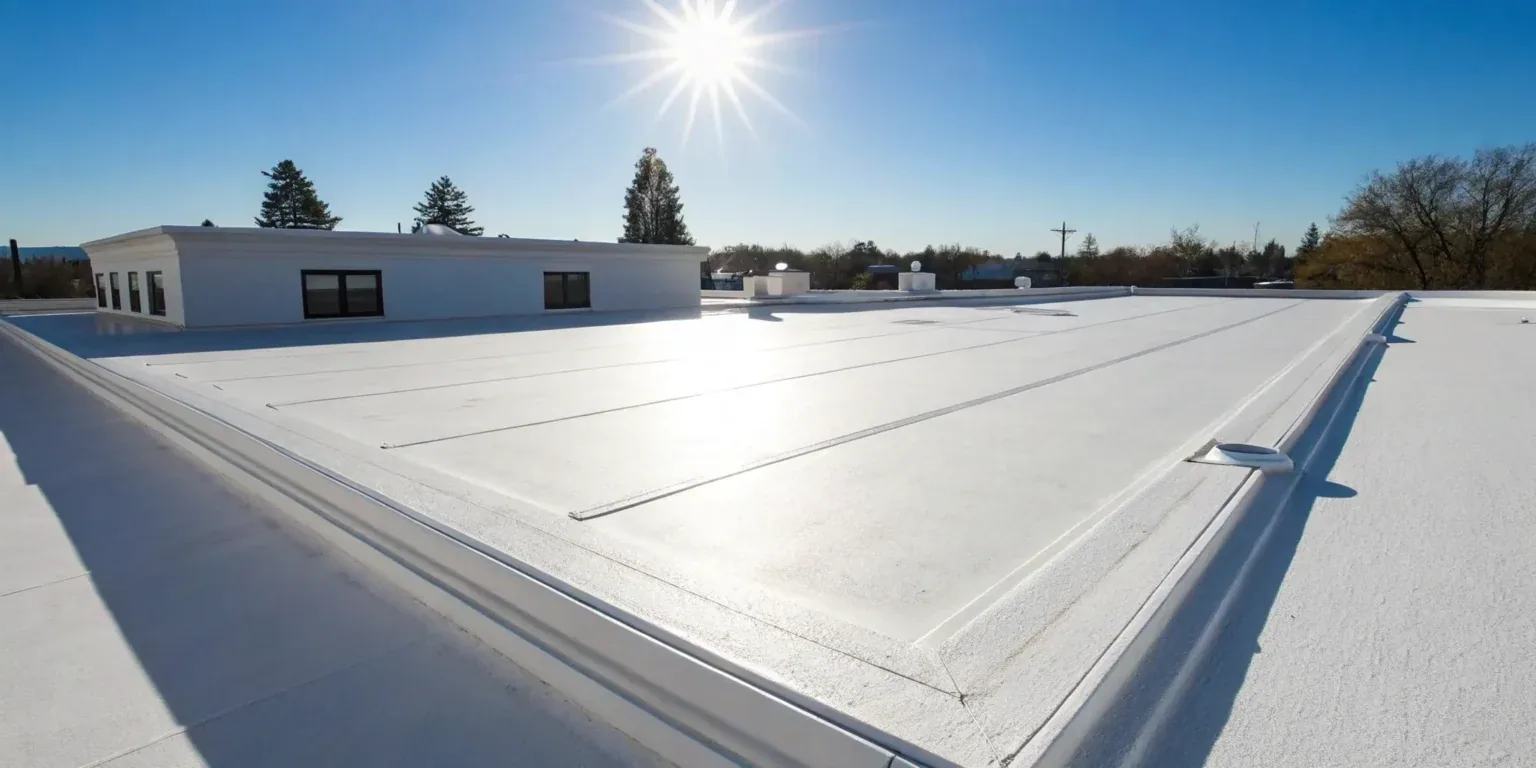
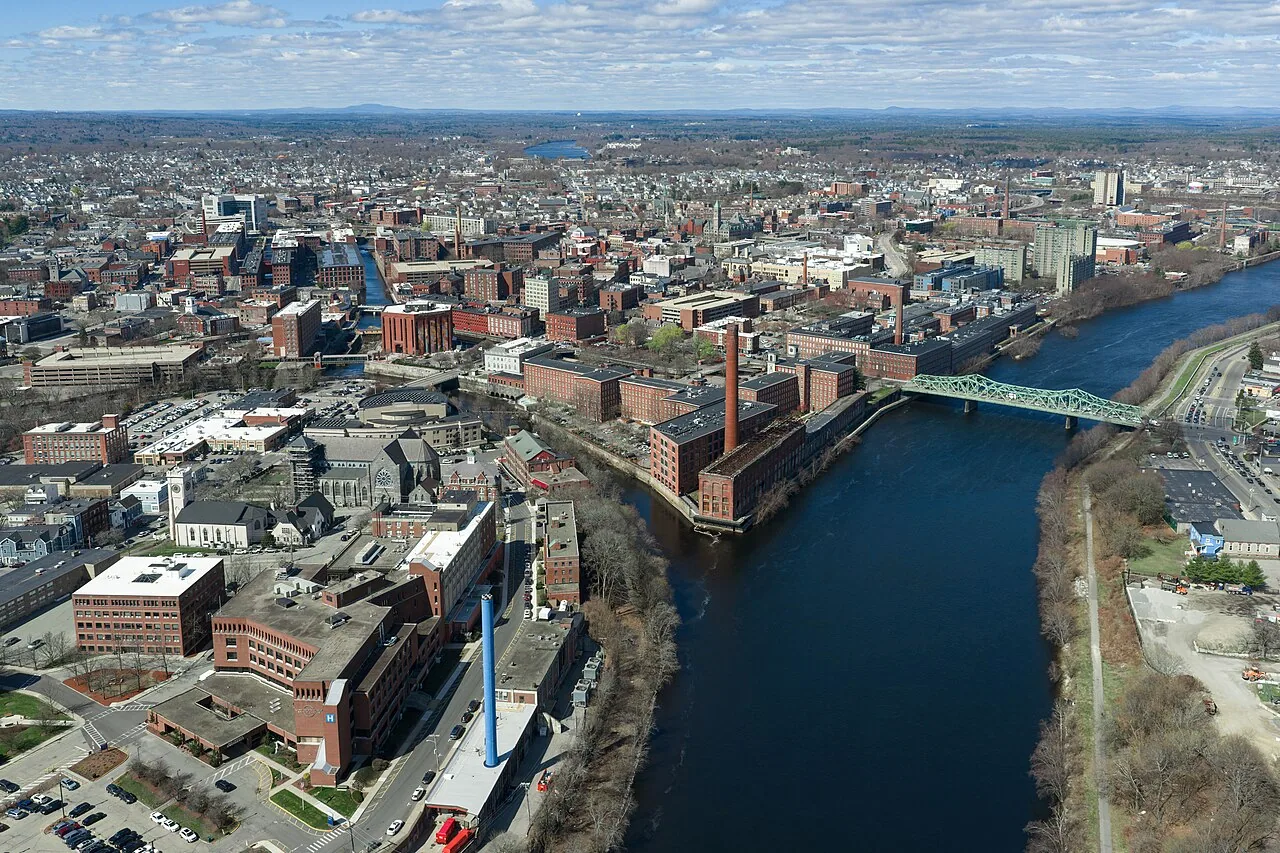
Measure first, then order, then wait. Duro-Last is known for prefabricated PVC membrane sheets that are cut and welded in a factory to the dimensions of a specific roof, with the field crew joining the sheets and finishing the details. That changes the timeline after a leak report in Lowell, MA: a custom sheet cannot be pulled from a shelf. Between the day water appears and the day the new sheet arrives, a temporary dry-in has to hold, and that holding period is a cost the facility director should see in writing.
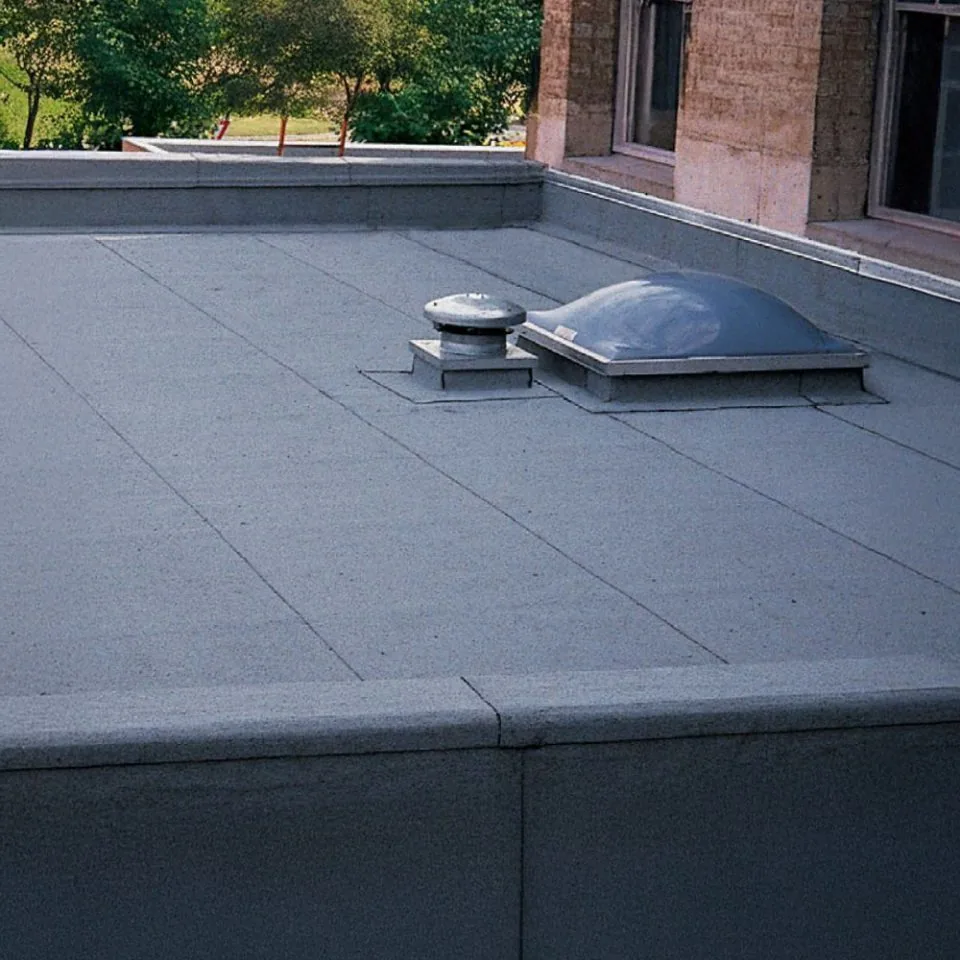
The first hour is the usual sequence of safe access, interior protection and temporary dry-in. What differs is what comes after: field measurement, an order, a lead time and a return window.
Field Measurement Record
A prefabricated sheet is only as good as the measurements behind it. The crew records the roof outline, parapet heights, curb sizes, pipe locations and drain positions. Photographs and sketches tie each dimension to a roof section number. Errors in measurement become problems at install: a sheet that is short at a corner, a boot that does not line up with a pipe, a curb wrapped too tight.
We check the dimensions twice, once at the first measurement and again before the order is released. If the roof has slope changes, multiple levels or abutting walls, those are drawn in. The record is part of the file, so a repair years later can refer to it. A change in the roof, such as a new unit, a removed curb or a patch, is noted on the plan.
Lead Time and Temporary Protection
Fabrication takes time, and Lowell weather does not pause for it. Station data put January near 25 degrees and annual precipitation at 48.51 inches, and the city's major hazards include nor'easters, snowstorms and ice storms. A temporary dry-in has to survive that stretch.
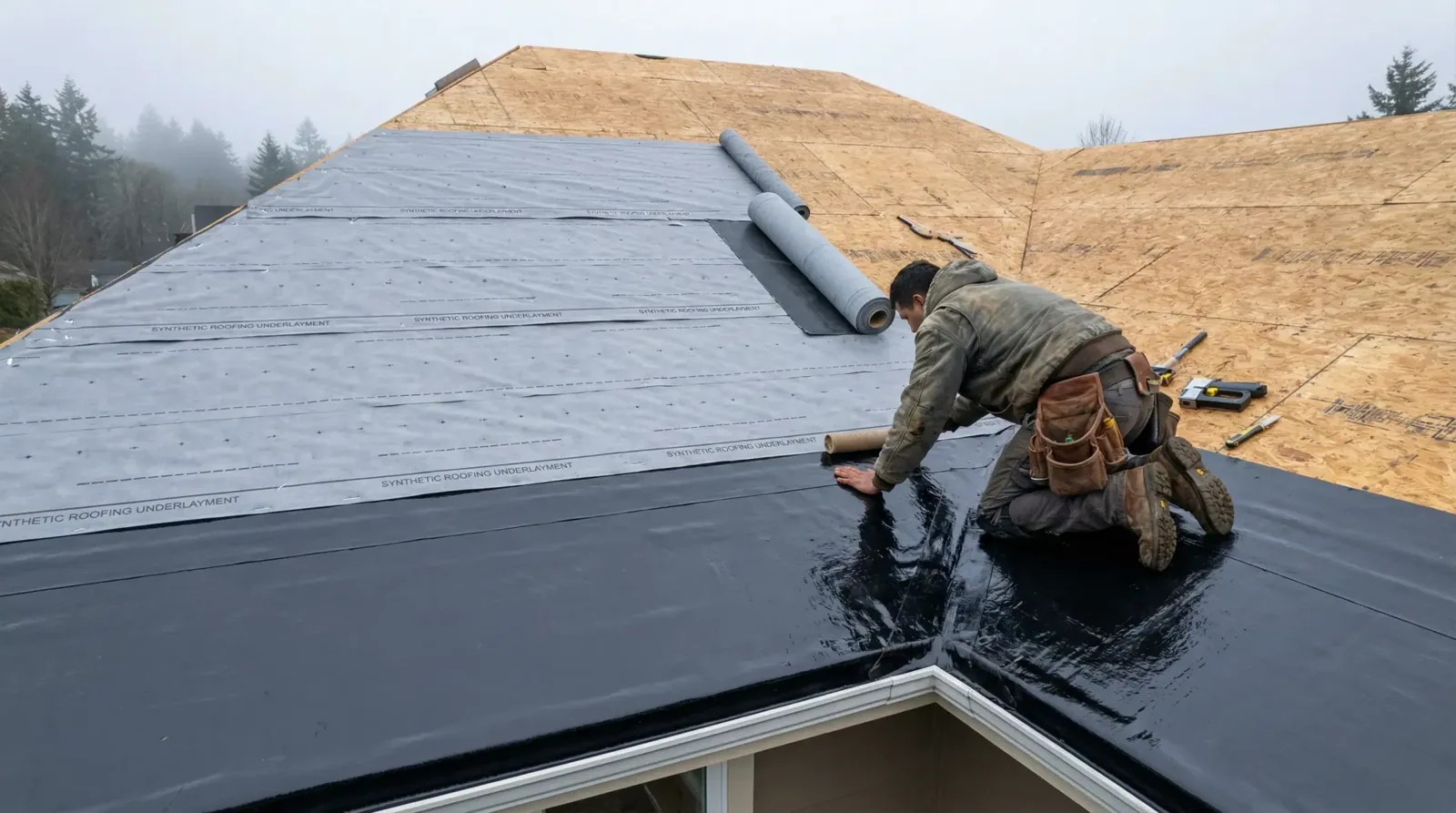
The dry-in is built to last for weeks, not days. Membrane strips are mechanically secured, seams taped and rolled, and edges fastened rather than ballasted. Drains are cleared and checked before each forecast storm. We record each temporary repair by section, date and method, and we revisit after major weather. The cost update lists the price of this holding period next to the price of the permanent roof, so the owner sees the whole cost exposure.
When the sheets arrive, installation can move fast, because the roof has been prepared and the sheets fit. A weather hold may still apply, and the schedule names a backup day.
Field Joints and Details
Prefabrication reduces the number of field seams, but it does not remove them. Sheets are joined on the roof by hot-air welding, and details such as corners, penetrations and edges are finished by hand. These field joints get the same probe test as any welded seam. A cold weld, a skipped section or a poorly matched boot is easier to find on day one than after a winter.
Edges are the exposed part. Termination bars, metal edge profiles and sealant at the perimeter take wind and ice. We test them by hand, photograph them and record fastener spacing. The seam failure repair method for a PVC roof is a clean, heat-welded patch or strip, applied only to a dry surface at workable temperatures.
Installation Day Sequence
When the sheets arrive, the day runs from a checklist. Sheets are staged by section number, unfolded over the prepared deck and checked against the measurement record. Seams are welded in order from the low side to the high side so water never runs against a lap. Penetrations are fitted and flashed as the sheet passes them, and edges are terminated before the crew leaves each section. Any section left open is sealed with a temporary termination and logged.
On a working building, the occupied building reroofing plan sets hoist position, delivery hours, noise windows and the route for people below. In Chelmsford and other towns along Route 3, tenants who share a lot need the delivery plan in advance, since a large sheet on a lift can block a driveway for an hour.
Before leaving, the crew walks the finished area and probes every field weld. Any weld that fails the probe is cut out or re-welded on the spot, and the repair is logged with its location, so a failed seam never rides through the first winter unrecorded. Weather checks happen twice that day, once at the start and once before the last section is closed. Results go into the closeout note with photographs. The note lists welds tested, details completed and the date of the first follow-up, so the first season's performance is on record.
Grease, Chemical and Heat Exposure
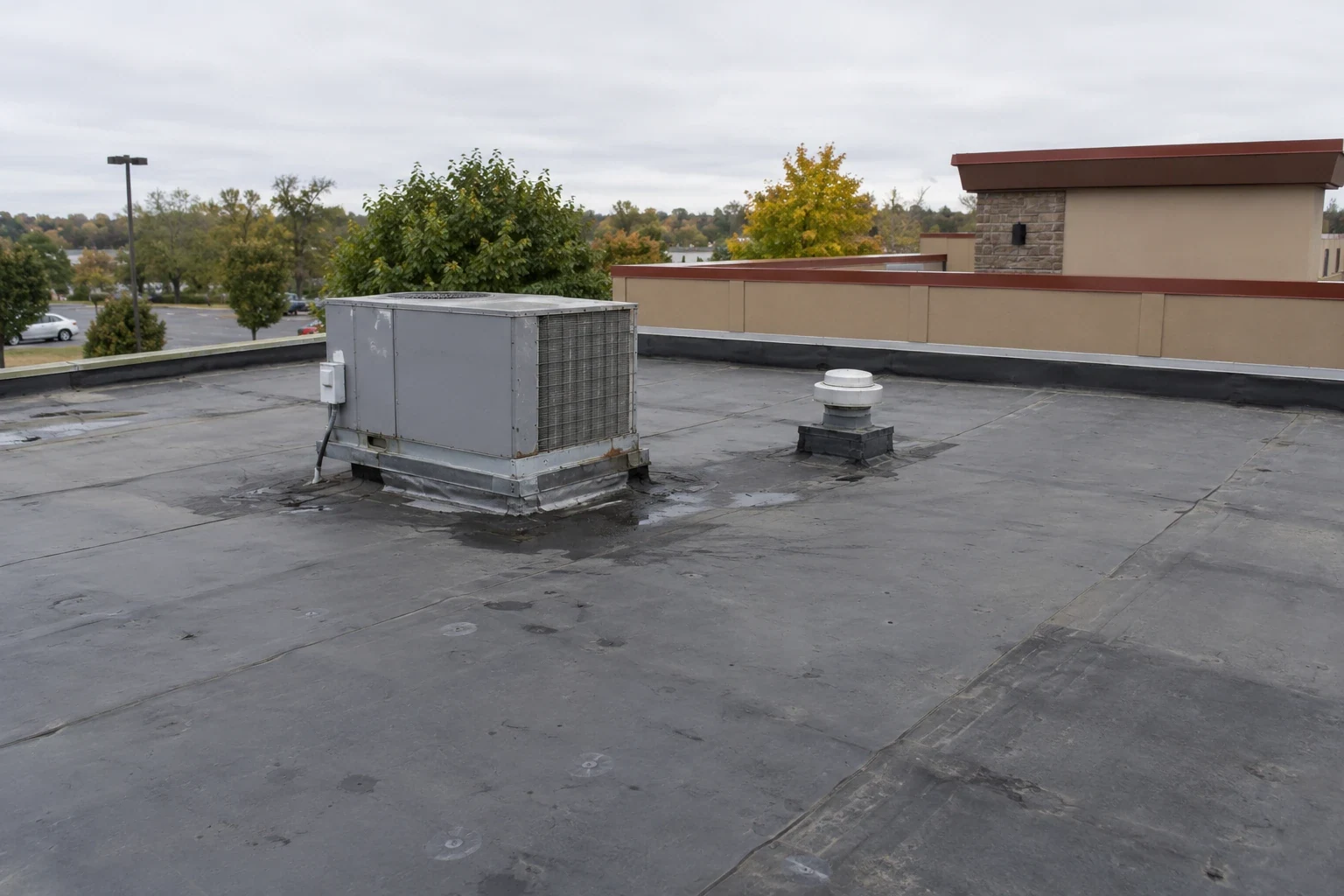
PVC resists many oils, greases and chemicals better than some other single-ply membranes, which is why it is considered for roofs with kitchen exhaust or process vents. That resistance is not unlimited. Some solvents and fuels still attack the sheet, and heat from exhaust can age it. During a walk we look at the membrane near every outlet, record staining or softening, and note what is being discharged, when the owner knows.
A restaurant or manufacturing roof receives a different inspection frequency from a quiet storage roof, because the exposure is different. On a restaurant roof, grease containment at hoods, pans under fan housings and scheduled cleaning do as much for the membrane as the sheet itself.
Retrofit and Replacement Scope
For a replacement, the scope states what stays and what goes. A prefabricated PVC sheet can go over a recover board on a dry roof with a sound deck, or over new insulation after tear-off. The tenth-edition code, with the 2021 IBC as its base, applies to filings from July 1, 2025; the town's energy provisions set insulation thickness and so set the dimensions we measure. The requirement sets insulation thickness, which sets the measured parapet and curb heights, so the code step comes before the measurement step.
Compared with field-built roofs from Sika Sarnafil or Versico, a prefabricated system moves more of the work to the factory and the measurement record. The field crew then has fewer decisions to make on the roof, though the measurements must be right.
Tyngsborough is among the northern communities of the Greater Lowell planning area, which the regional council describes as having extensive transportation infrastructure, yet delivery of large rolled or folded sheets there is still planned against access, hoist position and the hours the site allows.
Commercial Roofing Questions
How long does a custom sheet take?
Fabrication time varies with order volume and complexity, and we confirm it when the order is placed. The temporary dry-in is priced for the full wait.
What if a measurement is wrong?
It shows up at install as a short sheet or a misaligned boot. Double-checking dimensions before release is the control, and corrections are logged.
Can a leak be fixed without waiting for fabrication?
A small welded patch or strip can usually be done on site once the surface is dry and workable. A full replacement needs the custom sheets.
Why do kitchen exhaust roofs favor PVC?
Grease and many chemicals affect it less than some other membranes. Hood grease containment still protects the roof.
Does prefabrication remove field seams?
It reduces them, not eliminates them. Sheet-to-sheet joints and details are welded on the roof and probed like any other seam.