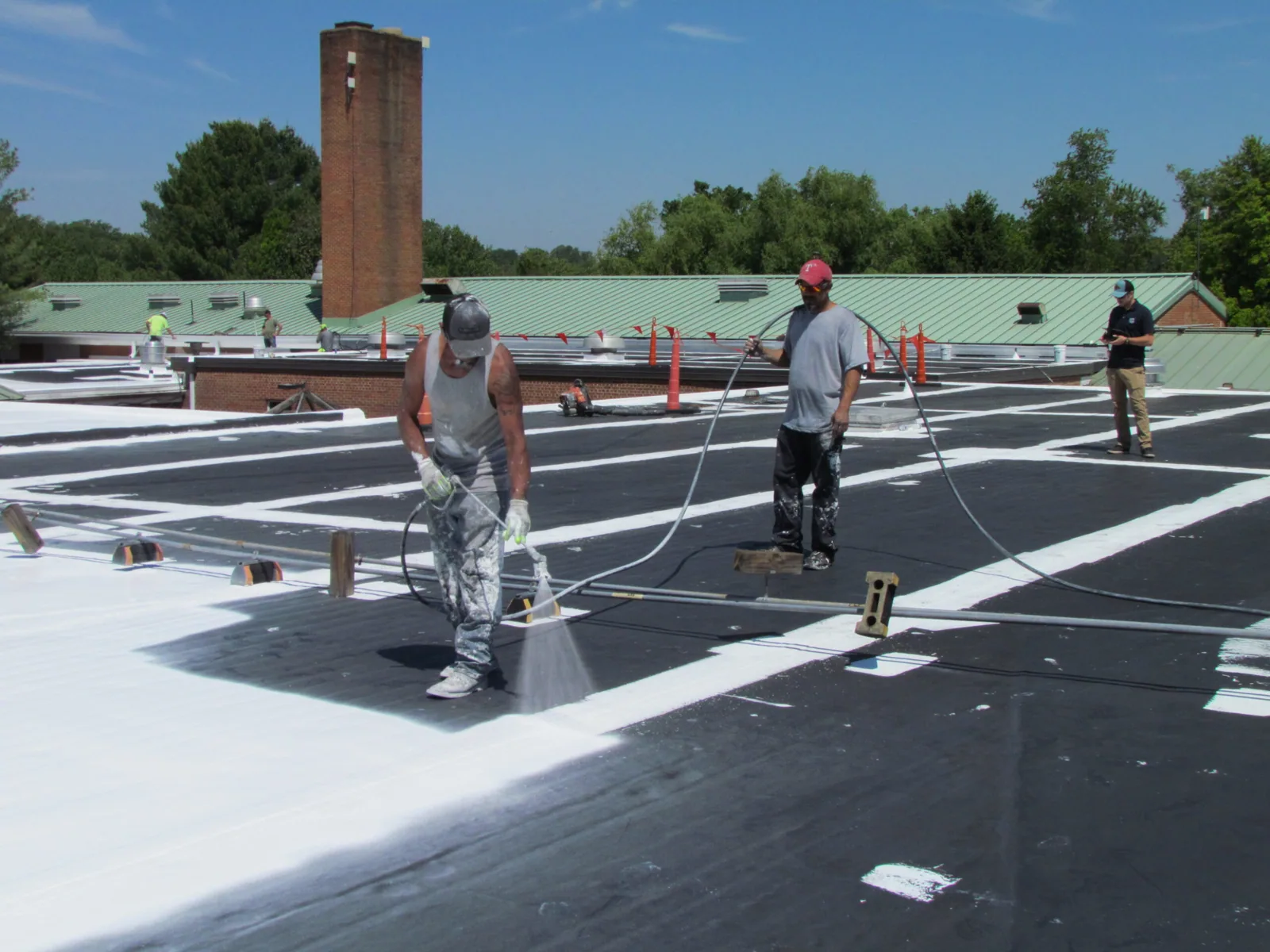
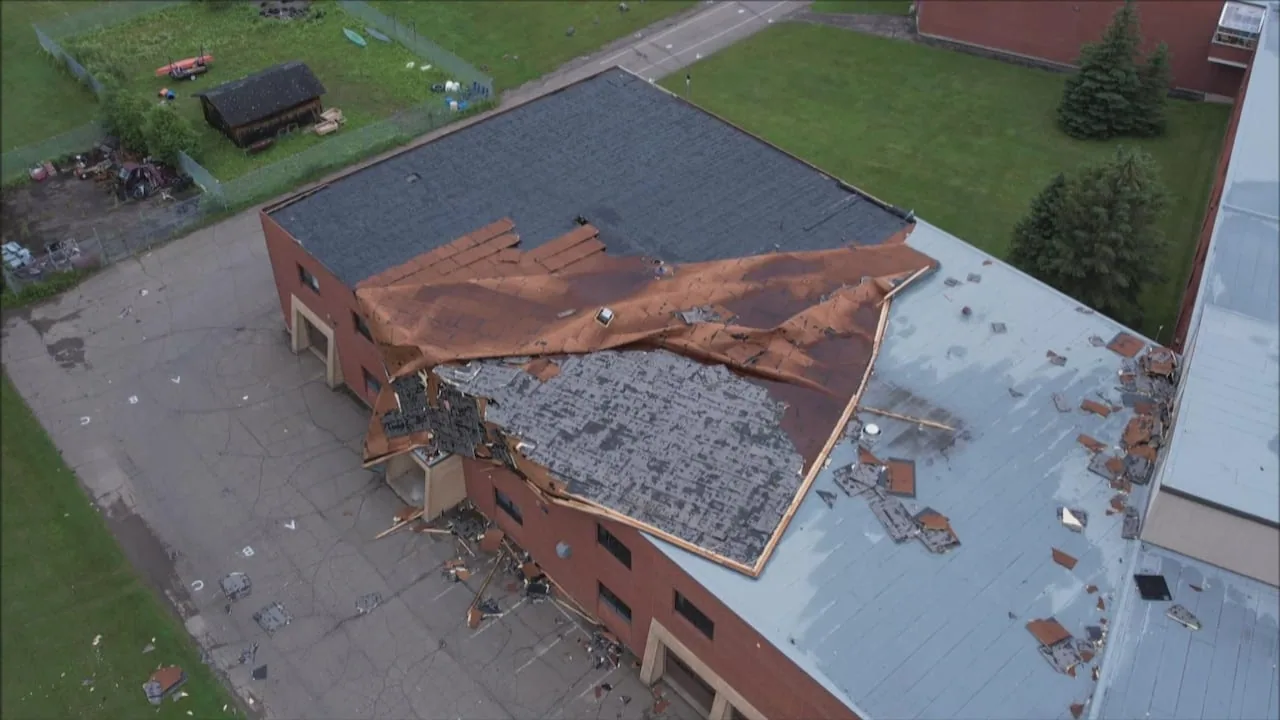
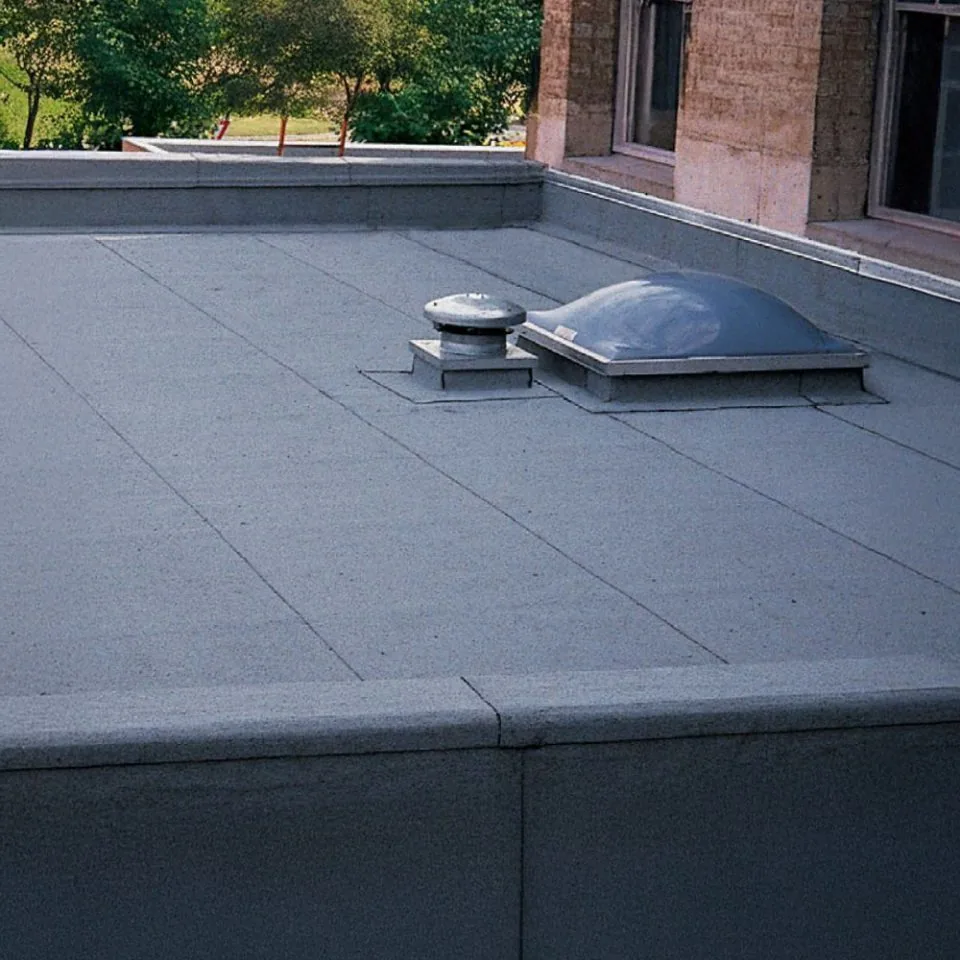
Wet insulation can set the cost on a Johns Manville roof as much as the membrane does, and the first-hour check is built to find it. Johns Manville supplies single-ply membranes, built-up and modified bitumen components and rigid roof insulation, so a leak report in Lowell, MA leads to a question about the layers under the sheet as much as the sheet itself. A tarp stops the drip. It does not tell anyone whether the board below is dry.
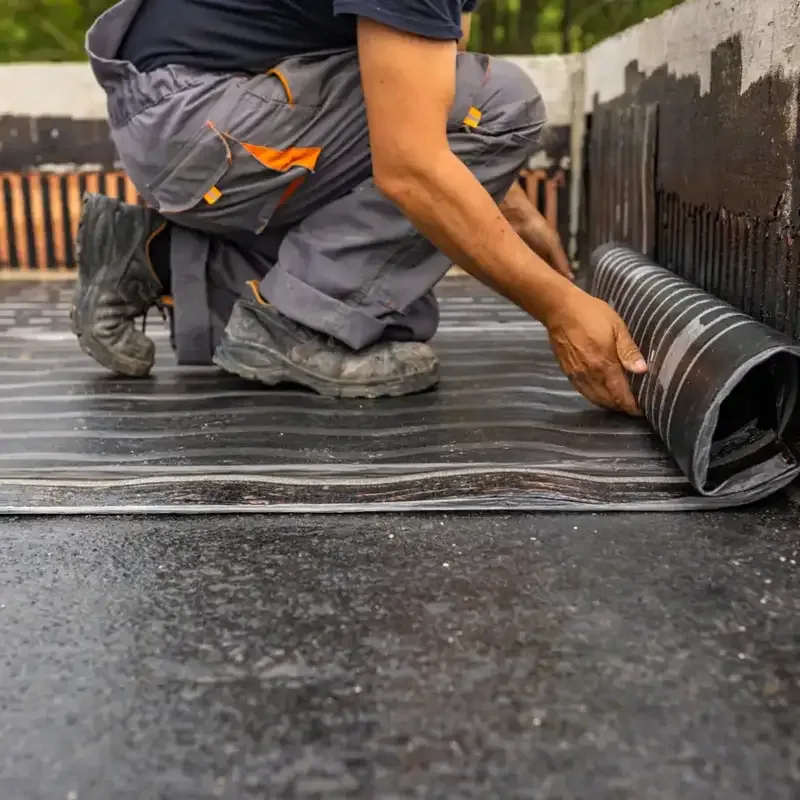
The response runs in order: safe access, interior protection, temporary dry-in, then moisture readings that fix the repair boundary. The facility director gets a written note with the readings and a date for the next cost update.
Insulation Layer Findings
Rigid insulation boards hold the thermal value of a low-slope roof and the surface the membrane bonds to. Once they take water, they lose both. Wet board sags, fasteners lose their grip, and the membrane above it moves under foot traffic and wind. We locate wet areas by meter pass or by infrared scan after a sunny day, then cut a core at the strongest reading to confirm the board type, thickness and condition.
The core is resealed the same day, photographed and entered by roof section. The readings draw the repair boundary: dry board outside the line stays, wet board inside the line comes out. Where the wet area is limited, the fix is a cut-out and replacement with matching thickness. Where wetness spreads across several sections, the scope moves toward a larger removal. In both cases the note shows the evidence behind the choice, so the facility director can approve it without a second visit.
Thermal Value and Code Path
Replacing board is also an energy decision. For filings from July 1, 2025 onward, the state code is the tenth edition, drawn mainly from the 2021 IBC. It doubles as the base energy code, yet a town may layer stretch provisions on top, so insulation thickness waits on a call to the building department. The answer decides insulation thickness, which in turn decides parapet height, flashing height and the cost of the job.
We write the confirmed requirement into the scope, with the insulation type, the layers and the cover board. If the existing assembly is thinner than the current requirement, the scope says how much must be added and where the added height meets walls, curbs and penetrations. That is a cost driver owners should see before approving a replacement, not after.
A cover board over the insulation protects the board from foot traffic and gives the membrane a firm face. It is a separate line in the scope.
Attachment and Edge Review
Hurricanes and winter storms, nor'easters included, sit on Lowell's hazard list, which keeps roof edges and attachment under recurring wind exposure. A roof can have good board and a sound membrane and still lose a perimeter piece to a gust. We check fastener patterns at the edges and corners, test coping and edge metal by hand, and record any lifted laps. Weak edges are repaired before any cosmetic item, because an edge that opens lets wind under the membrane and lets water into the board.
Where a roof is mechanically attached, backed-out fasteners show as ridges under the sheet. Where it is adhered, bonding is tested at several points. On a ballasted roof, we look for displaced stone near the edges. Each finding goes into the note by section, with a photo, and any wind damage repair is priced on its own line.
Tear-Off Sequence in Cold Weather
Removing wet board in winter follows a tight sequence, because an open roof is a cost exposure by the hour. The crew marks the cut-out lines, removes the membrane and board inside them, inspects the deck, sets new board and cover board, and closes the opening with membrane lapped onto sound surface before leaving. If the forecast turns, the section is sealed with a temporary termination and a weather hold is logged with the date.
Deck findings change the plan. A steel deck with rust at the flutes, or a wood deck with soft spots, is photographed and added to the scope as a revision before it is covered. The facility director sees the revised price with the photograph attached. Nothing is hidden under new board.
Each night, the roof is left with a drained surface, no loose material and every opening sealed. Debris is cleared from the lot each day. Where the interior below has sensitive equipment or stored goods, the protection set during the first hour stays in place until the permanent roof is closed, and the note records when it comes down. A short walk-through with the facility director closes the day, covering what was opened, what was sealed, what the weather may do overnight and when the next crew arrives. That conversation is where schedule questions and cost questions get settled, while the evidence is still fresh.
Cost Exposure and Timing
Three things drive cost on an insulated roof: how much board is wet, how many roof sections are involved and how long the roof must be held with temporary protection. A tear-off in January costs more in weather holds than the same job in June. Lowell's normals show a January mean near 25 degrees and 48.51 inches of precipitation across the year, so a return window can be short.
The cost update separates three numbers: the price of the temporary dry-in and its upkeep, the price of the repair inside the boundary, and the price of any larger scope the readings may justify. The facility director sees what is needed now, what could be needed later, and what each choice leaves exposed.
Buildings Across the Region
Billerica's listings run from small storefronts to large industrial buildings, and its Concord Road area includes large offices just off Route 3. Tewksbury sits on I-93 and I-495. Owners in those towns weigh the same questions about insulation, edges and timing, though a small Billerica storefront and a large industrial roof need very different staging. Both start with a section map and a moisture reading.
Owners who compare brands will find a similar layered approach in GAF and Soprema roofs, where bitumen and insulation again decide the repair. For the buildings in Tewksbury and elsewhere, a roof condition report turns the same readings into a ranked plan.
Commercial Roofing Questions
How do you find wet insulation without tearing the roof apart?
A meter pass or an infrared scan maps suspect areas, and a single core at the strongest reading confirms the finding. The core is resealed the same day.
Is a tarp enough after a leak?
It stops the drip, not the damage. Insulation below can stay wet for months, so readings follow the dry-in.
Why does the energy code change the price?
Required insulation thickness raises the roof height, and that moves flashing heights, curb work and material quantities. The town's energy provisions must be confirmed before the scope is final.
Which repairs come first after a storm?
Edges and attachment, because wind gets under a lifted edge and enlarges the damage within a single event.
Can an old roof with sound board get a new sheet?
Yes, if the board tests dry, the deck is sound and the roof has not already been recovered. The core and the moisture map are the evidence.