Ask which term the work must clear. A campus roof report from facilities usually names a building, a floor, and a use below the leak: a lecture hall, a lab, a library reading room, a residence corridor. That use sets the response. A dripping tile over a seminar room needs a bucket and a schedule. Water above a research bench or a server closet needs interior protection in the first hour, before anyone asks what caused it.
Lowell, MA lists UMass Lowell and Middlesex Community College as suppliers of regional workforce, and education with health services leads its employment profile. For a facility director that means many buildings of different ages and uses under one calendar. We approach each roof section as its own record, with its own access route and its own cost exposure.
Lecture Halls, Labs, and Residence Space
The use below the roof changes the questions. A lecture hall tolerates a short interruption between classes. A residence corridor tolerates none after quiet hours begin. A laboratory adds exhaust, fume hoods, and sensitive equipment, so water entry becomes a safety problem as well as a repair problem. The city reports that UMass Lowell's Emerging Technologies and Innovation Center houses research and instruction in nanotechnology, plastics engineering, biomedicine, and electro-optics, which shows the kind of work some higher-education roofs protect.
The facilities office tells us what each building contains, and the answer decides which roof penetrations need the closest look, how far a dry-in has to extend, and whether equipment below needs covering before the crew opens the roof. In each case the first-hour check records the affected room, the equipment at risk, and the person who can authorize moving it.
Exhaust, Curbs, and Penetrations
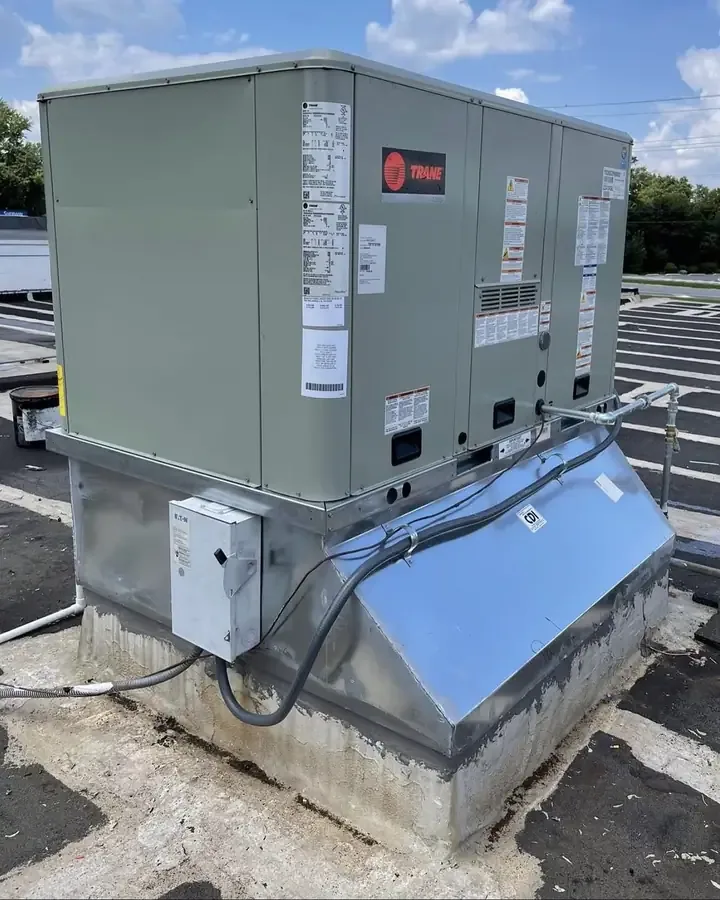
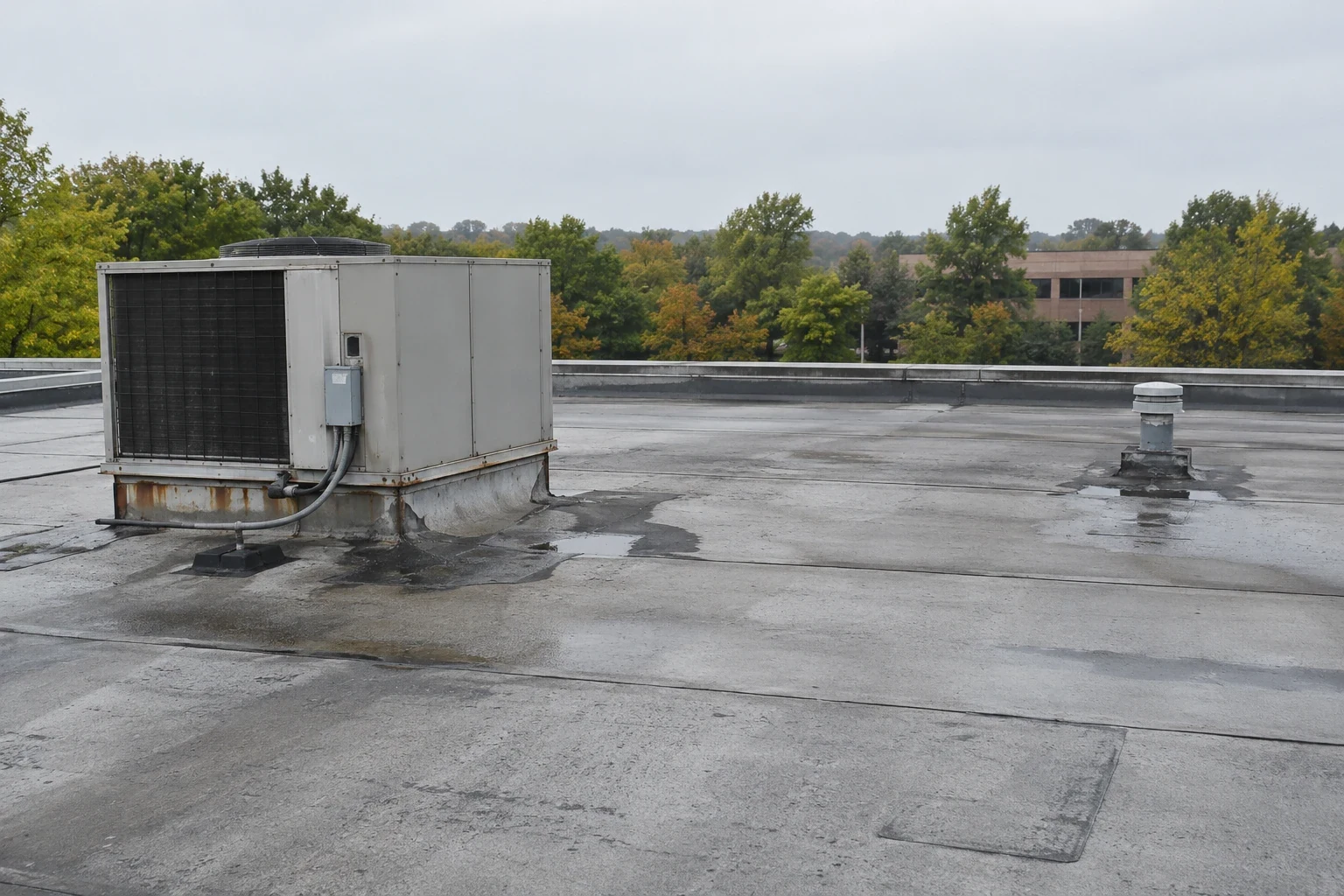
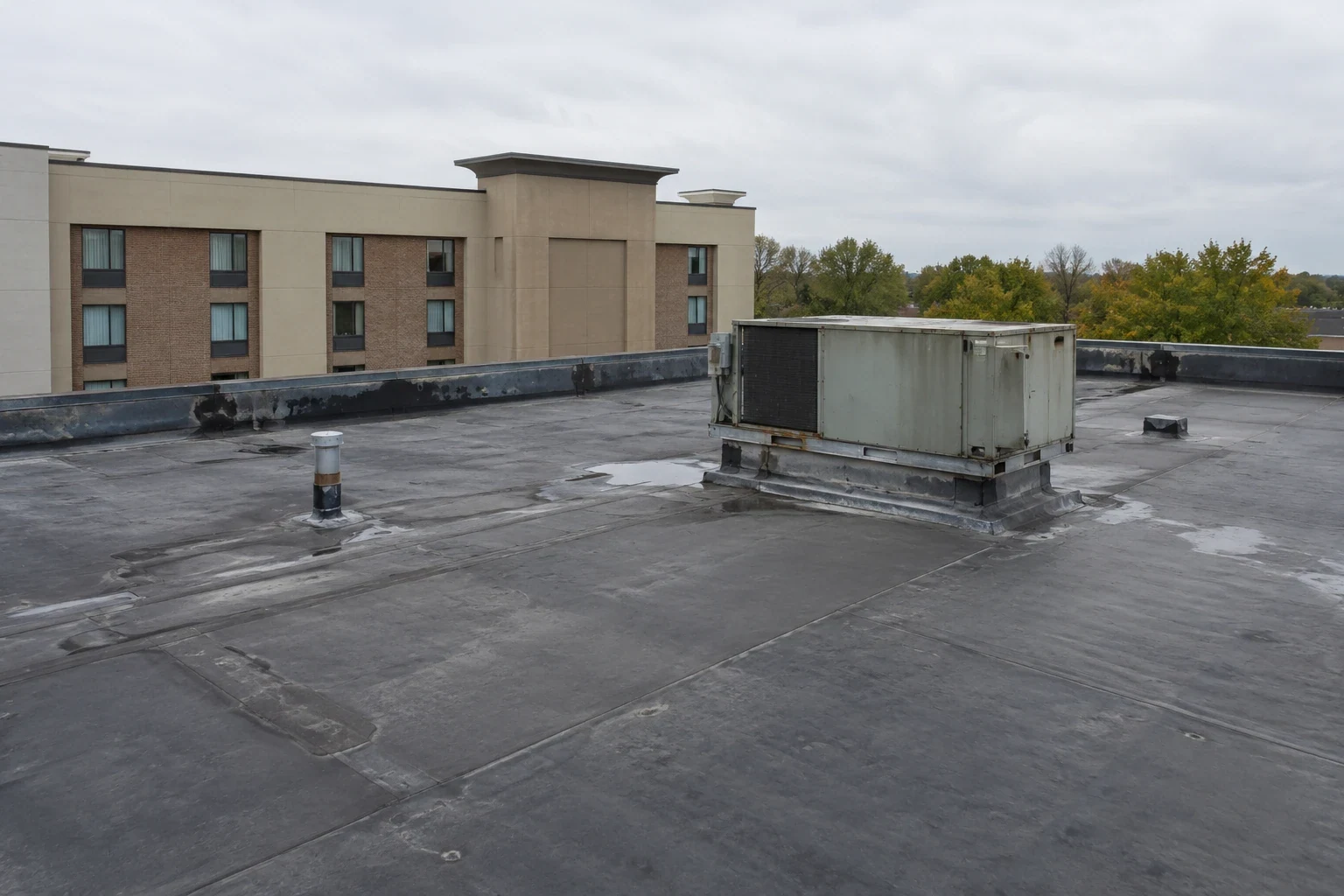
Buildings with ventilation-heavy uses carry more curbs, fans, and pipe supports per roof section. Each is a place where flashing can separate, sealant can crack, or a service visit can leave an open seam. We number each unit on the roof plan, photograph all four curb sides, and test the flashing for movement. Details that fail get a repair boundary drawn around them.
A curb that needs replacement requires coordination with the mechanical contractor. We ask who owns the unit, when the shutdown can occur, and whether the new curb height clears winter snow. The rooftop equipment curbs and supports scope orders the steps so a unit returns to service when classes need it and the roof stays closed each night.
Historic Review and Downtown Roofs
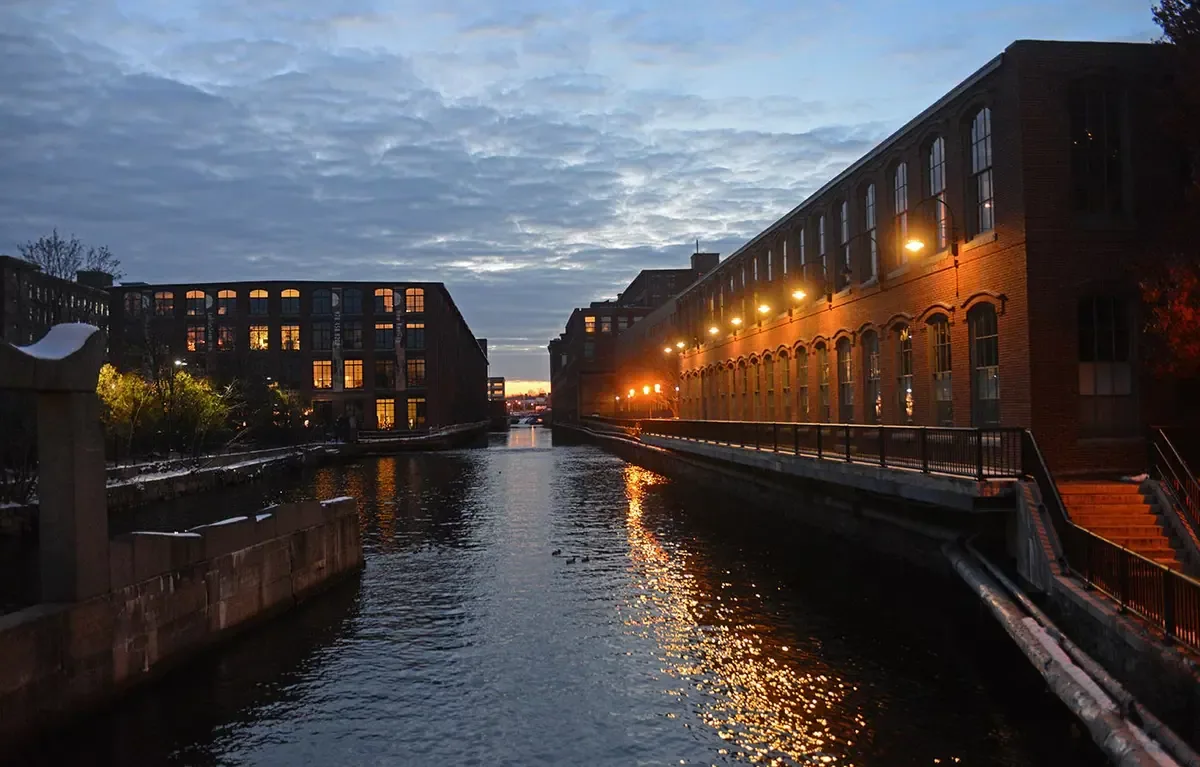
Exterior work in the Downtown Lowell Historic District, a zone the city's planning materials place across much of downtown, goes to the Historic Board; the district holds a commercial district, mill yards, and the canal system. A campus or office owner near downtown should ask early whether a roof change touches an element under review. The owner confirms the building's status and, where review applies, we build the review time into the schedule.
Edge metal, visible flashing, skylights, and replaced roofing materials can all be exterior elements. The scope lists each so that approval is requested for the right items. A Lowell roof file that holds the approval alongside the photographs saves a second round of questions when work resumes years later.
Term Dates and the Weather Hold
Roofing and the academic year run on opposite clocks. Membrane work prefers warm, dry weeks, and the dry weeks overlap with the months when students leave. That overlap is short, so scope decisions must be made months ahead. The NOAA station for Lowell shows a daily mean near 25 degrees in January and near 73 in July, and its normal annual precipitation of 48.51 inches arrives in every month.
Plan for a weather hold. If rain or cold delays a tear-off, the temporary dry-in protects the building until the next dry day. That protection is priced separately and kept on a schedule. Summer is the main window, but a short repair in a break week is often possible if the material is staged early. The recover overlay may help where a building must be back in service quickly, provided the insulation tests dry.
Capital Planning Across Many Buildings
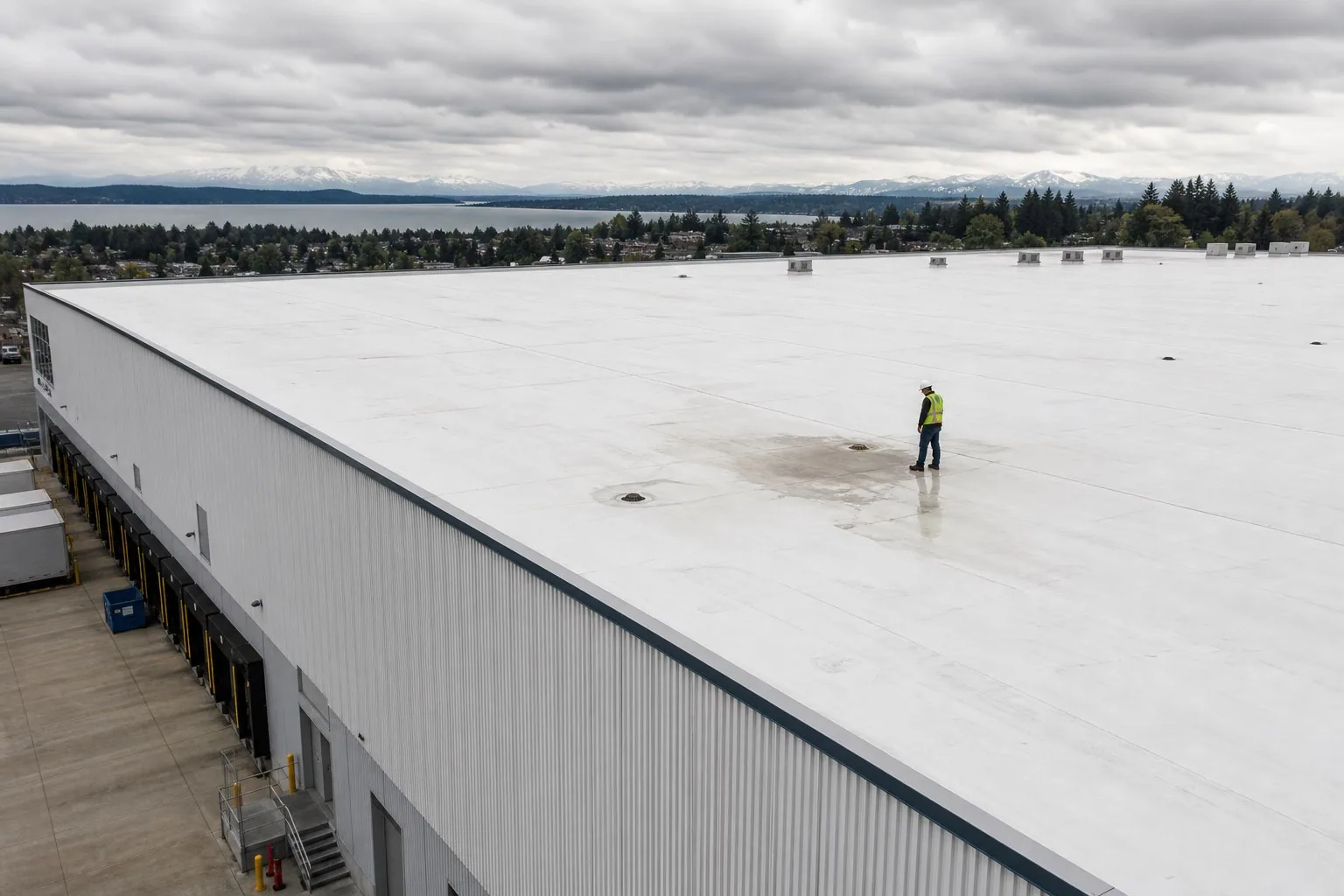
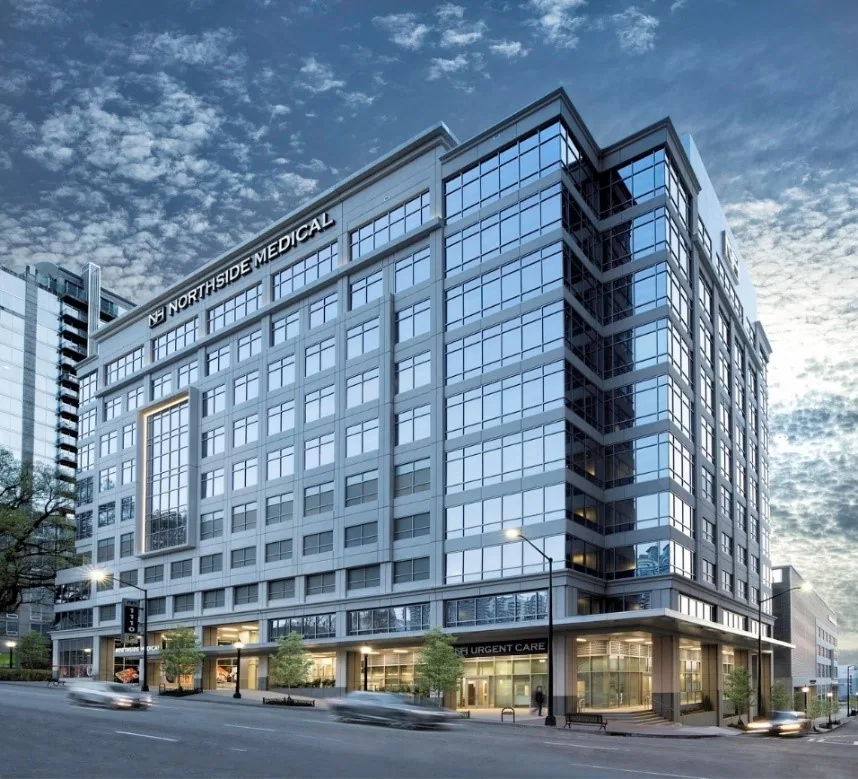
A campus rarely has one roof. It has dozens of roofs of different ages and conditions. A campus near the Hamilton Canal District, where the city plans mixed use with commercial, retail, office, and research space between downtown and the commuter-rail station, plans its lift and delivery routes around that district's streets. Trucks arrive from I-93, I-495, and Route 3, which is why routing for a large tear-off is settled early. Office and administrative buildings on a campus follow the pattern for an office building roof, and teaching hospitals or clinics follow the plan for medical office roofs. A single leak call tells us about one section. A roof condition report across the portfolio ranks every section by remaining life and repair exposure, and a roof capital plan turns that ranking into a multi-year budget.
Lowell's 2025 master plan lists education among its regional strengths. We keep the records so that each year's work builds on the last: roof plans, photographs, test results, and a follow-up date for every repair. The state's 10th edition code applies to filings from July 1, 2025, and the local energy rule is checked before insulation is chosen.
Cost Update
First response comes the same day: a protective step, a safe access plan, and a date for the inspection. Facilities staff, the dean's office, and the business office receive the same message, so a research group, a department chair, and a budget officer are never working from three versions of the story. The inspection produces a repair boundary and a price for the temporary dry-in and the permanent work. When a larger scope is needed, we say so, with the test results. The business office then sees both options, a local repair now or a section replacement in the next break, along with the return window for each and the weather hold that could move it.
For public and private institutions alike, the updates arrive on the dates we name. A related example is how we work for a K-12 school roof, where the same occupancy limits apply to a younger audience.
Commercial Roofing Questions
Which building should be inspected first on a large campus?
The one with water entry or sensitive contents below the roof. After that, rank by age, past repairs, and use. The report puts every building on one list, so the budget follows the exposure.
What if a lab sits under the leak?
Interior protection comes first. We confirm with the lab manager what can be covered or moved, then trace the water path. Exhaust and equipment shutdowns are coordinated before the crew opens any roof section.
Does Historic Board review apply to a campus roof?
It reaches exterior work only inside the Downtown Lowell Historic District. Whether a given building falls inside is the owner's information. Where review applies, we list exterior items in the scope and allow time for approval.
How long is the summer window?
It is short and varies by building. Material orders, access, and weather holds eat part of it, so inspection and scope should finish in the winter or spring before the work.
Can residence halls be reroofed in the term?
Limited repairs can proceed with quiet hours and clear routes. Larger scope is saved for breaks, since noise, access, and fumes reach sleeping spaces.