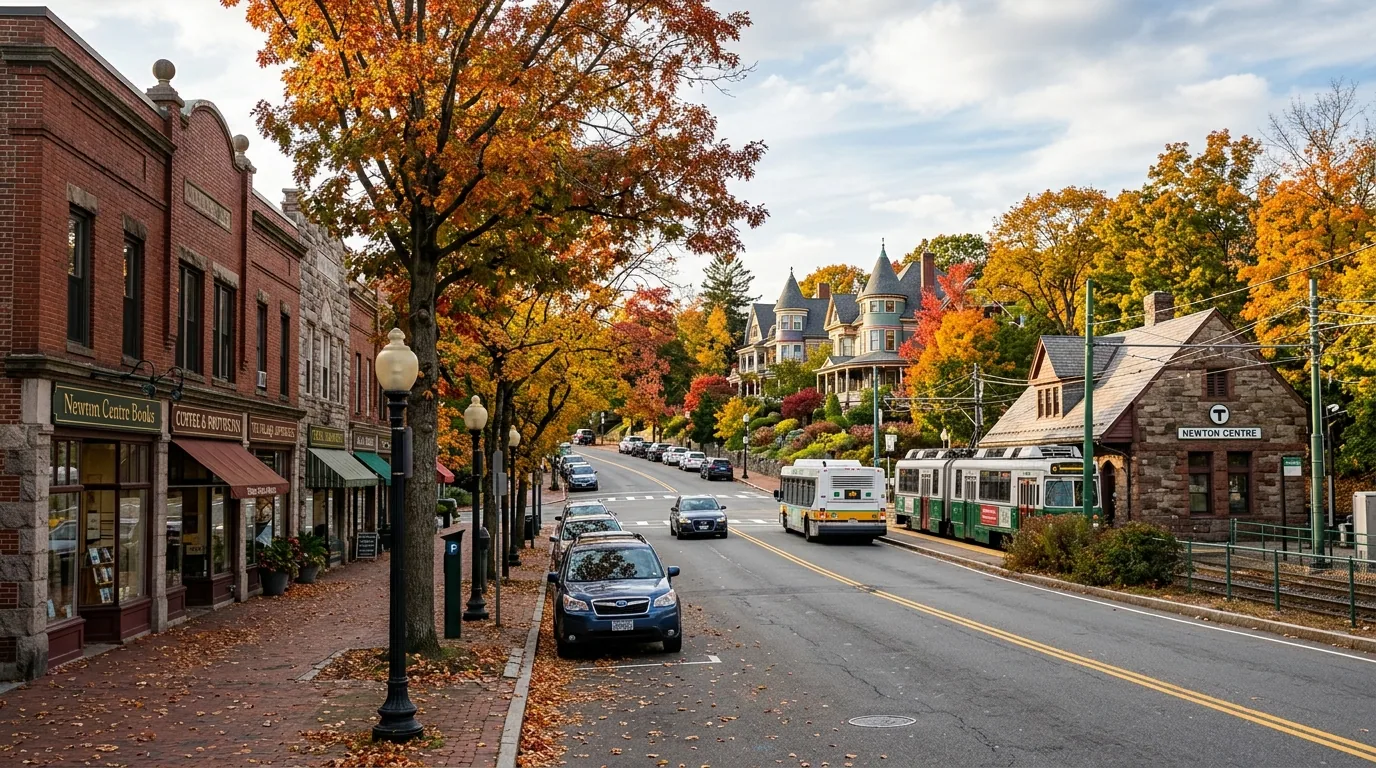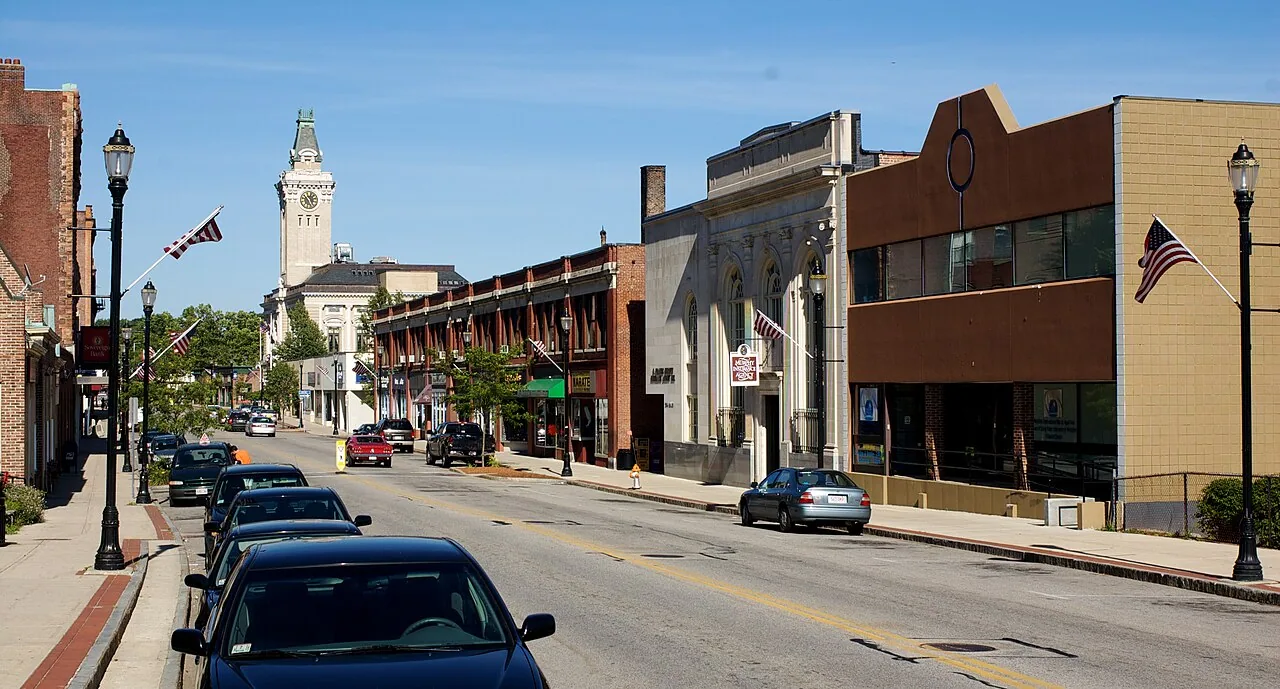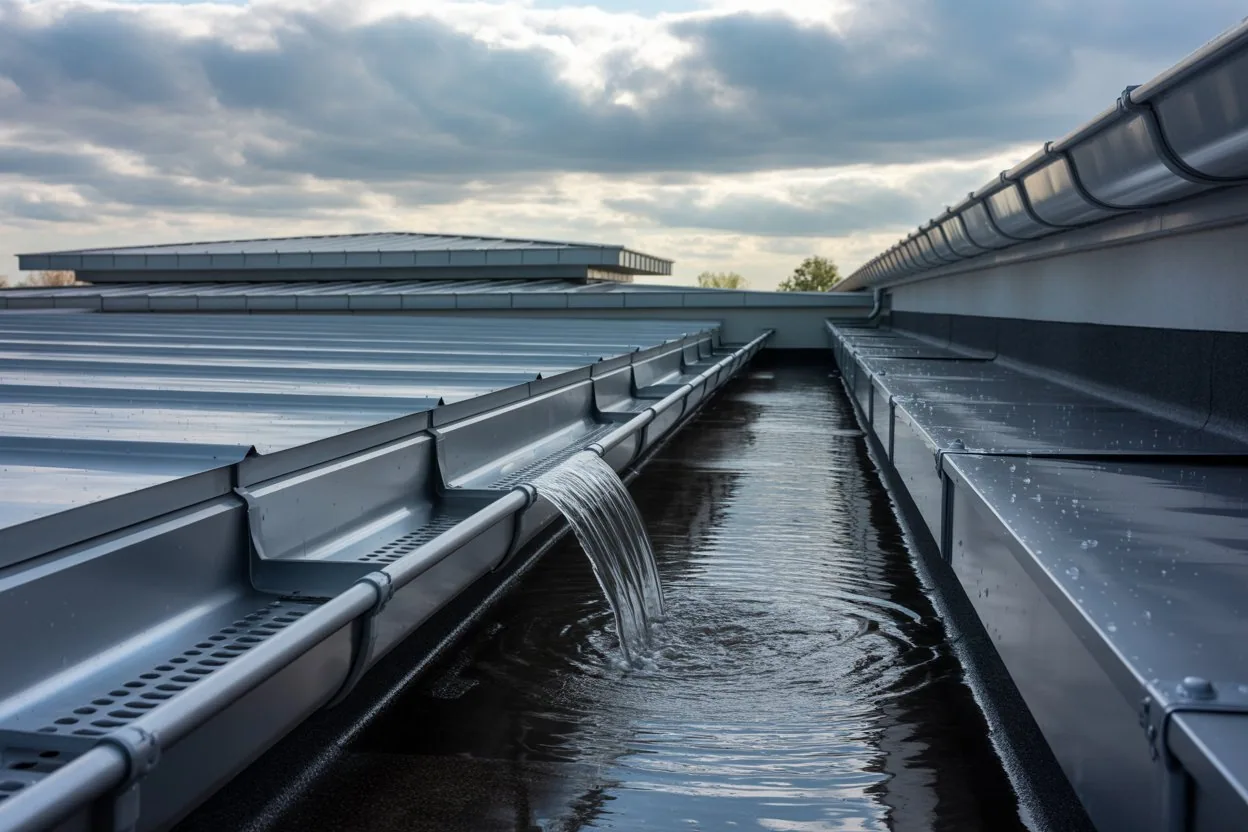
A drip in a ceiling below a brick parapet starts the same inspection every time: locate the stain, find the roof section above it, walk to the nearest wall and check what meets the wall. In Lexington, MA that sequence fits the buildings the town history describes, where commercial centers formed at intersections and along a main street of connected blocks.
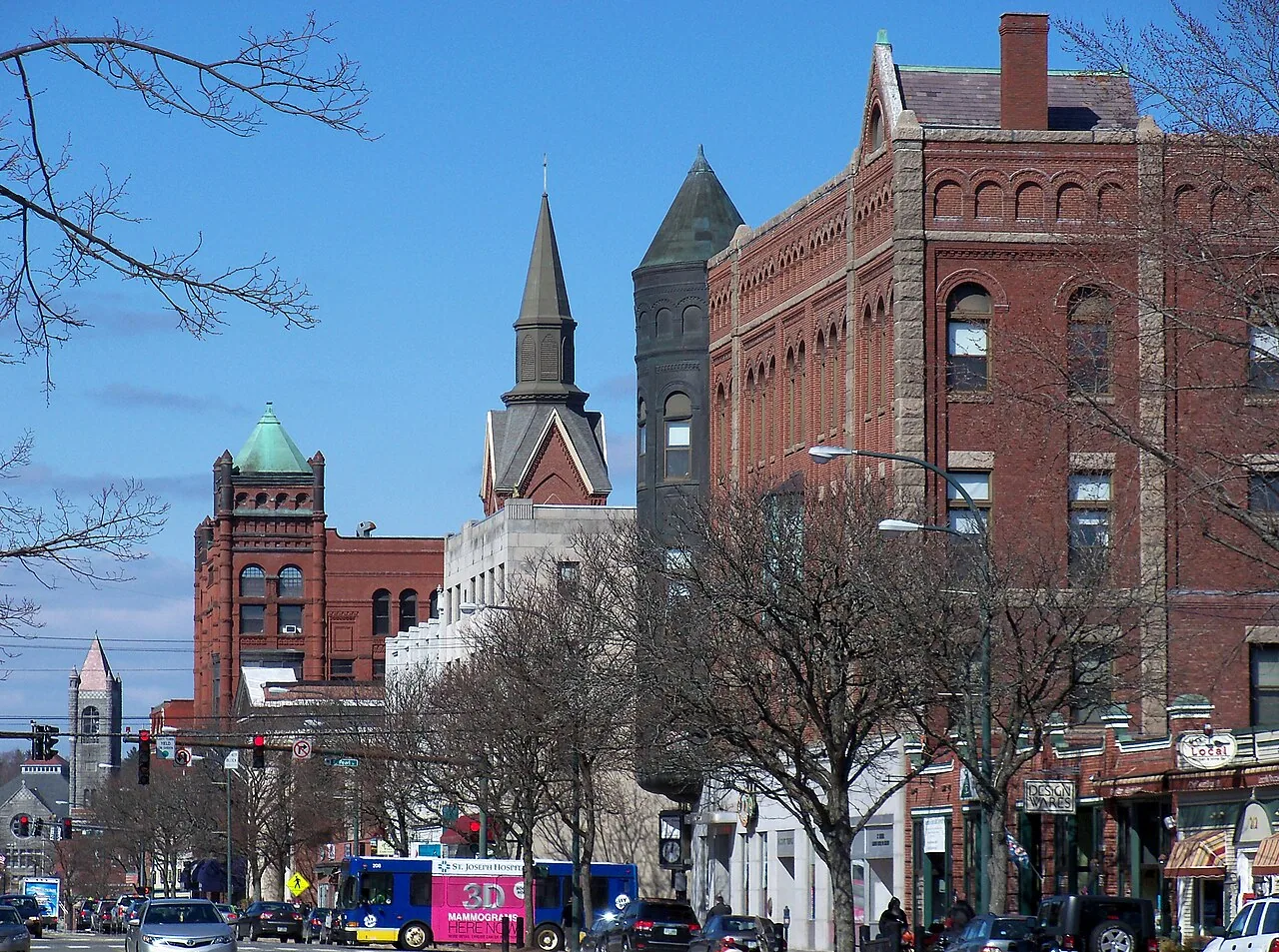
The town history says the commercial center on Massachusetts Avenue in Lexington grew up with brick commercial blocks and civic buildings in the early 20th century, that Route 2 and designated Route 128 roads helped establish commercial centers at town intersections, including several along Marrett Road, and that Countryside and other neighborhood crossroads are established commercial areas. We use that as a guide to where our work is likely to be: connected blocks, crossroads buildings and small neighborhood centers.
Connected Commercial Blocks
Blocks that share walls share roof edges. Each party wall has flashing that serves two owners, and a failure at that line can wet both units. We record the wall, the flashing type and the condition on each side, and we show both owners the same photographs. Access across the line needs written approval from each, and the plan names who gave it.
The roof of a block may be a series of small sections at different heights, joined by steps and walls. Each step is a flashing detail, and each wall is a place where movement can open a joint. Where a masonry wall meets the roof, the counterflashing, the mortar joint above it and the base flashing below are checked. If the building is brick, we look at the mortar and the coping stones where water could enter.
Interior protection in a connected block covers more than the unit with the stain. Water that enters at a party wall can reach the unit next door, so we ask both tenants what sits below the wall line, place covers in each and note the time. The record shows who was reached and when. If one tenant is closed, the owner supplies a key or a contact, and the plan notes the arrangement.
Wall and Parapet Flashing
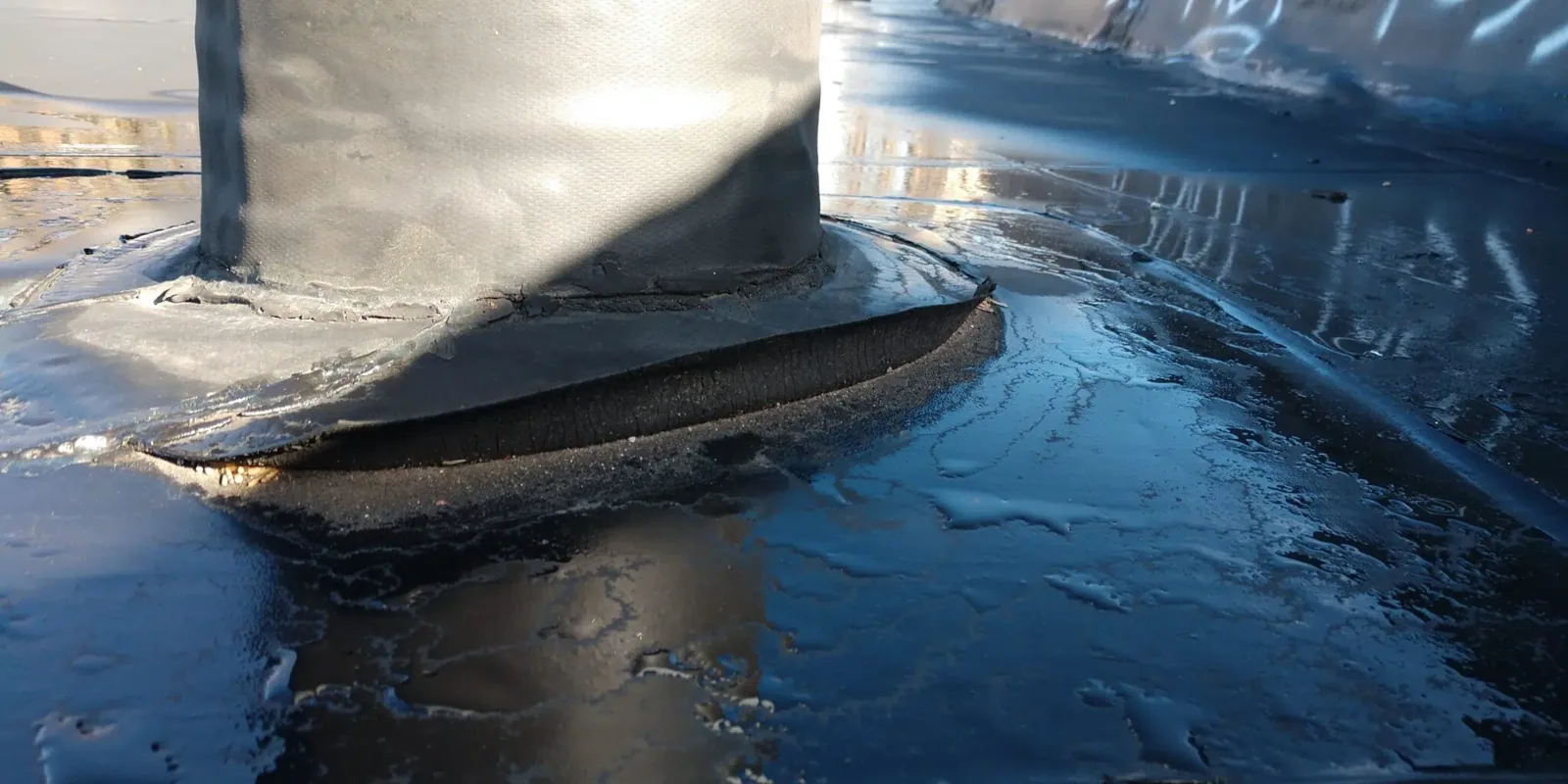
Flashing is where most small commercial roofs leak. The membrane in the field may be sound, while the termination at a wall has pulled loose or the sealant above it has split. A flashing failure repair removes the failed termination, prepares the substrate, installs new flashing with reinforced corners and finishes with a termination bar or sealant that suits the wall. Each stage is photographed, because the finished detail hides the work that makes it last.
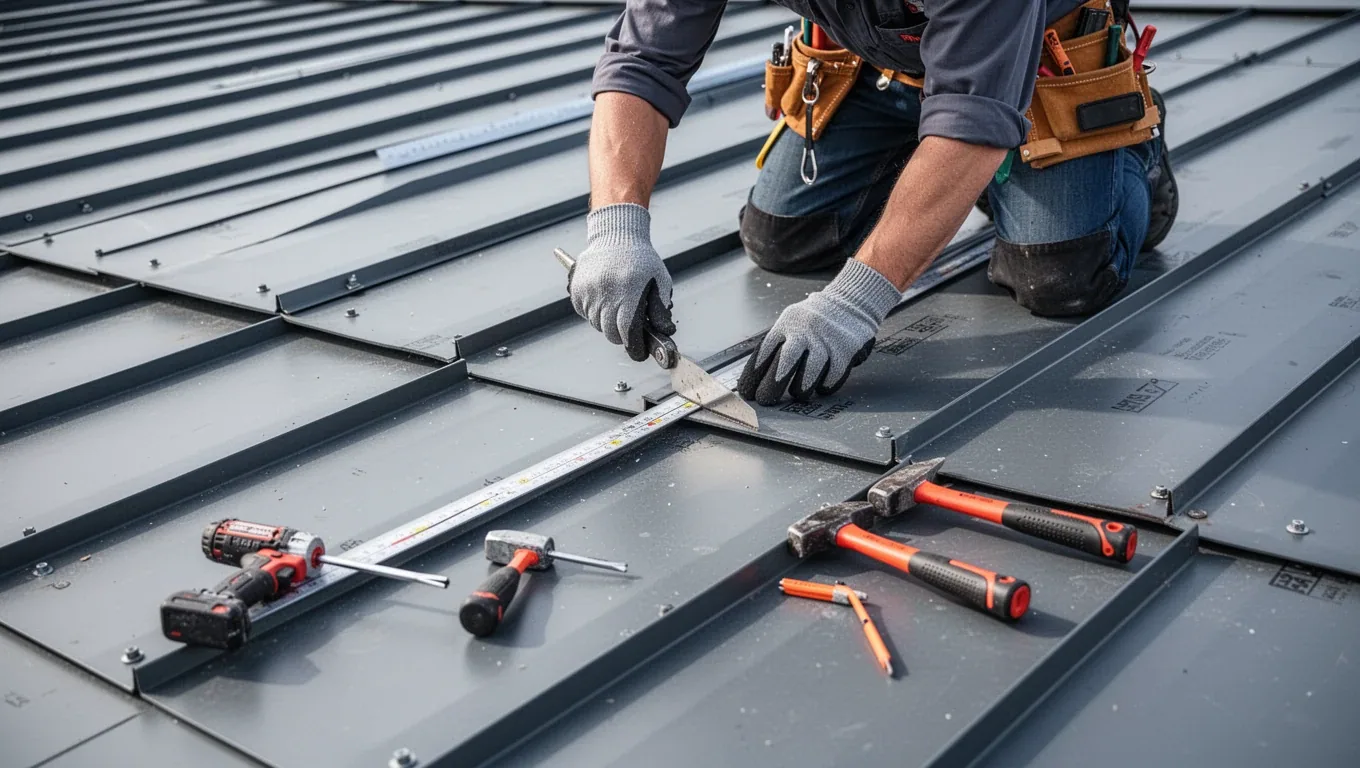
Parapet caps and edge metal and coping are checked at the same visit. Open joints, loose fasteners and gaps behind the cap let water into the wall. We reseat or replace what is loose, seal the joints and record the condition before and after.
Where the wall is masonry, the counterflashing is cut into a mortar joint and sealed, and that joint is a point to watch. Mortar that has eroded lets water behind the flashing. We note the joint condition, recommend repointing when it is open and keep that work separate from the roofing price so the owner can compare the cost of each trade. Where the wall is another material, the flashing detail follows the wall's construction and is drawn on the plan before work starts.
Crossroads and Neighborhood Centers
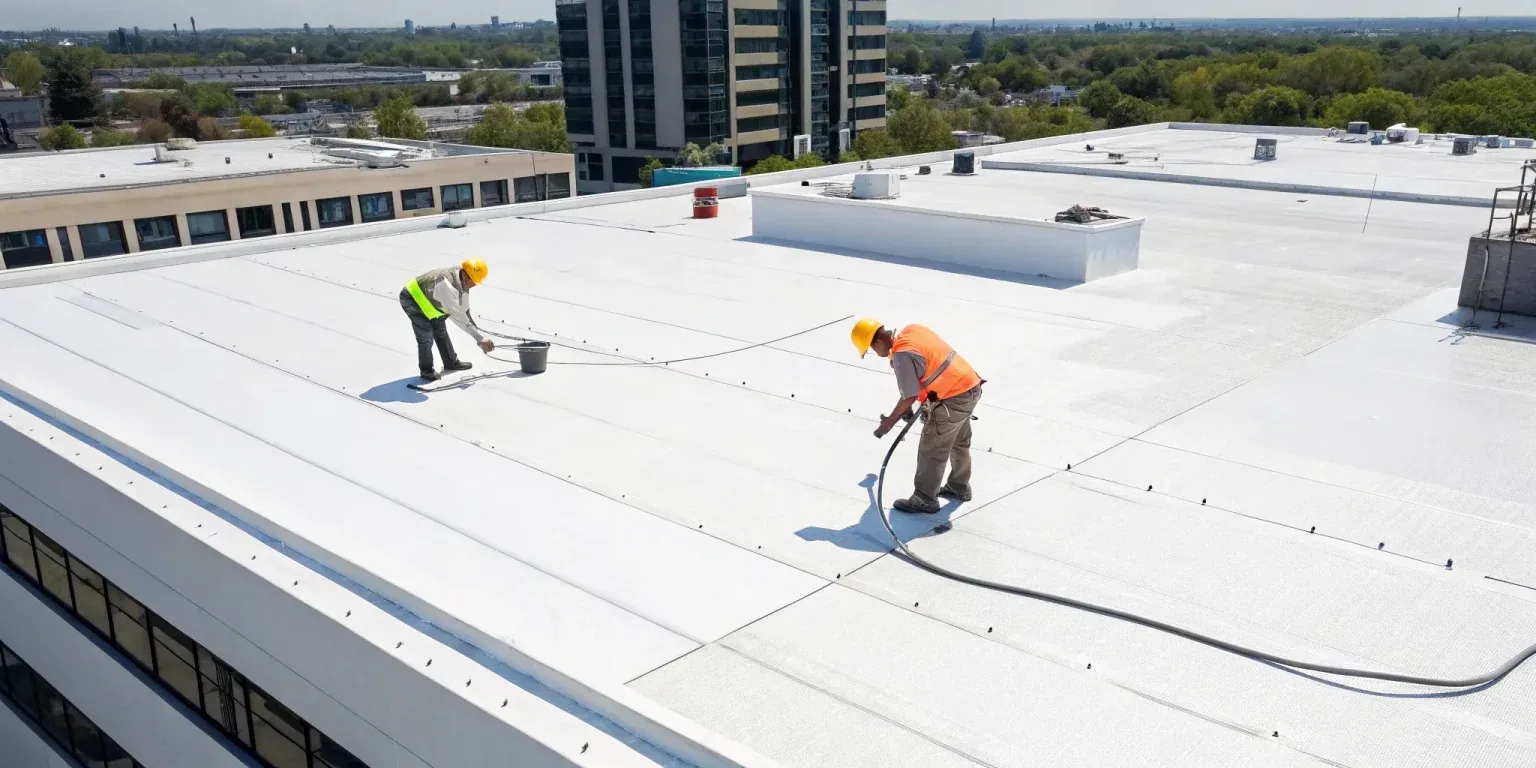
Away from the main street, commercial buildings sit at crossroads along routes like Marrett Road and in neighborhood centers such as Countryside. These buildings are often single-story or two-story with a low-slope roof, a few rooftop units and a small lot. Access is simpler than downtown, with a place for a lift, and the schedule can be shorter.
The roof walk covers the field, the seams, the curbs and the drains. We check the sealant at every penetration, the boot on each pipe and the flashing at the base of each unit. A commercial roof repair at a neighborhood center is often a series of small items: a split seam, a cracked boot, a loose cap. The record lists them by number so the owner can approve the group or choose among them.
Rooftop units at a small center usually serve one tenant each, and they are replaced on the tenant's schedule. When a unit is changed, the curb is inspected, the flashing is reset and the old penetration is closed. A record of each swap helps the next inspection. We ask the owner to send us the date of any equipment change, since a leak that appears soon after a swap points to the curb and not to the membrane.
Older Buildings and Review Questions
The town history points to brick commercial blocks and civic buildings from the early 20th century. A building of that age may have a roof that has been repaired many times, and its exterior changes may need approval from a local board. The owner confirms with the town whether any review applies, and the scope marks items that depend on it so the schedule has room.
For an older building, the first walk includes a check of the roof structure from below where it can be reached. Stained decking, rusted fasteners and sagging sections show up from inside the attic or ceiling space and change the repair. The photographs go into the record so the scope matches what is seen.
The cost of an older building roof depends on what is found under the surface. Wet insulation, deteriorated decking and old layers of roofing all affect the price, and some are visible only when the roof is opened. The scope states the allowance for each unknown and the unit price for extra work, so the owner sees the range before approving the job.
Freeze-Thaw Planning
Lowell's station shows a January mean of 24.9 degrees and a July mean of 72.8, and the city counted 126.5 inches of snow during the 1995 winter. Roofs around Lexington plan for the same regional pattern: freeze-thaw cycles, ice at edges and heavy snow on roofs with low points.
Before winter we clear roof drains and scuppers and photograph them. After a storm, we return to the same points and compare. A roof that ponds after snowmelt shows it in the second photograph, and the cause can be found before the next freeze.
Cost Update and Related Properties
The update gives the temporary work, the permanent repair, the options and the unknowns. Owners with properties in Concord or Bedford can have the figures compared on one schedule. The next update date is stated every time.
Timing gets three lines in the update: the earliest crew date, the wait on material and any weather hold that could move them. A cold week can push adhesives and welds to the next dry day, and the update gives the owner the new date as soon as it is known.
Commercial Roofing Questions
Who approves work across a shared wall?
Both owners must sign off. The flashing on each side is recorded, written access approval is requested and each owner sees the same photographs.
Why is flashing checked before the field of the roof?
Terminations at walls and parapets fail more often than the open membrane. A sound field does not make a split termination dry.
Does an older building need special review?
It may, for exterior changes. The owner confirms with the town, and we mark the scope items that depend on the answer.
What is included in a small crossroads repair?
A numbered list of items such as seams, boots and caps, each with a photograph, a method and a price, so the owner can approve any combination.
Why are drain photographs taken before and after a storm?
Comparing the same points shows whether a roof ponds after snowmelt, so the cause can be found before the next freeze.