The first question on a Bedford, MA roof report is what sits under the water. On Crosby Drive the town identifies a cluster of high-tech, robotics and life-sciences businesses, so water from a ceiling leak may reach laboratory benches, instruments and clean storage. In the historic center, a walkable district of retail, restaurants and start-up companies, the water may reach a dining room or a shop floor. We ask the location, the contents and the safe access route, then protect what can be protected before the crew goes up.
Emergency response runs around the clock, holidays included. At the first visit we write down where the leak showed, what covered the interior and how the roof looked. The update that follows names a price or a test, so the owner or facility manager sees what each choice costs.
Crosby Drive technology buildings
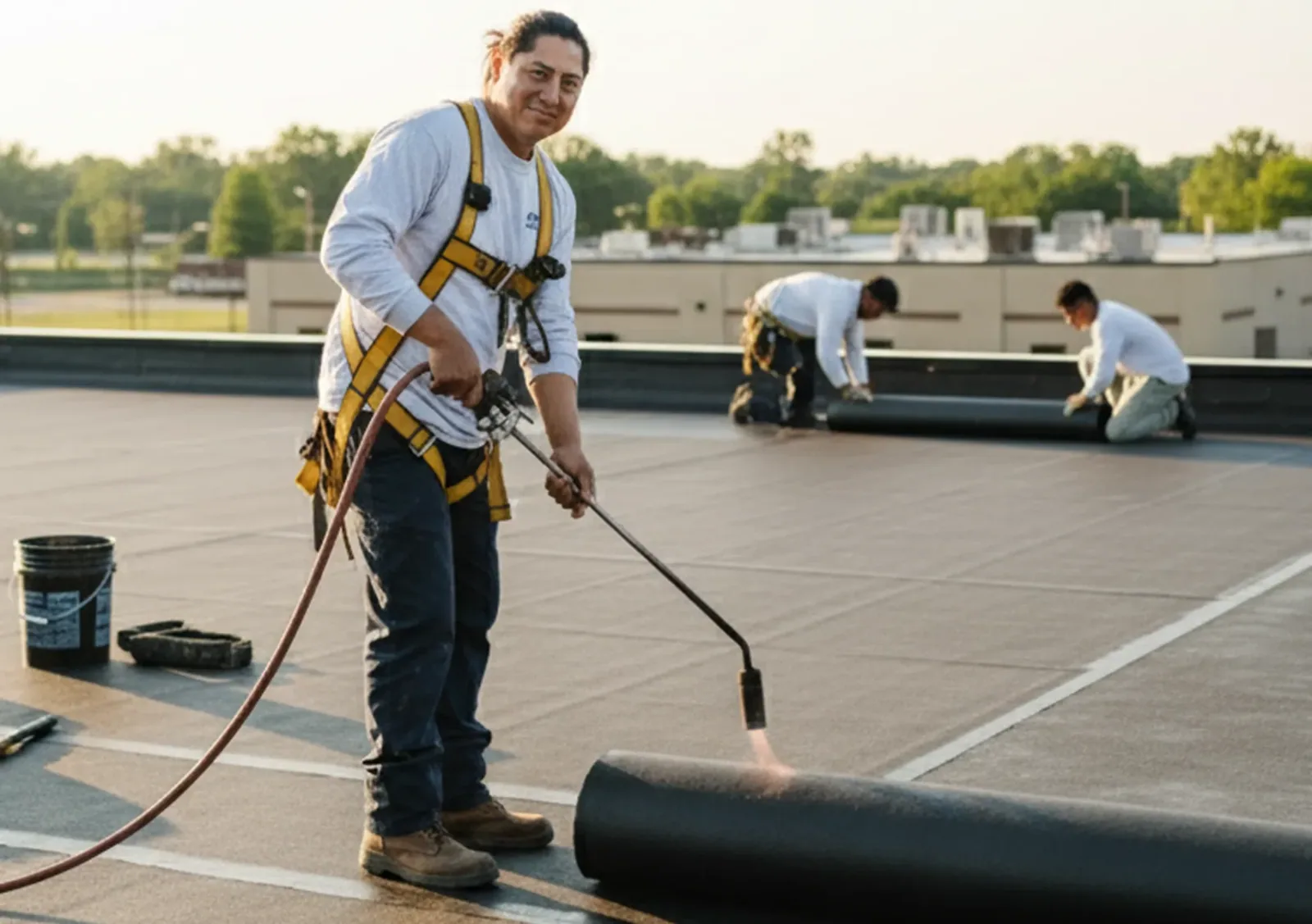
A building that houses robotics, electronics or life-science work has expensive contents and sensitive conditions. A roof leak there can interrupt a test, contaminate a clean area or damage equipment that takes weeks to replace. We start with the interior: which rooms are below the reported location, what must be covered or moved and who in the facility team approves access. Then we trace the water on the roof.
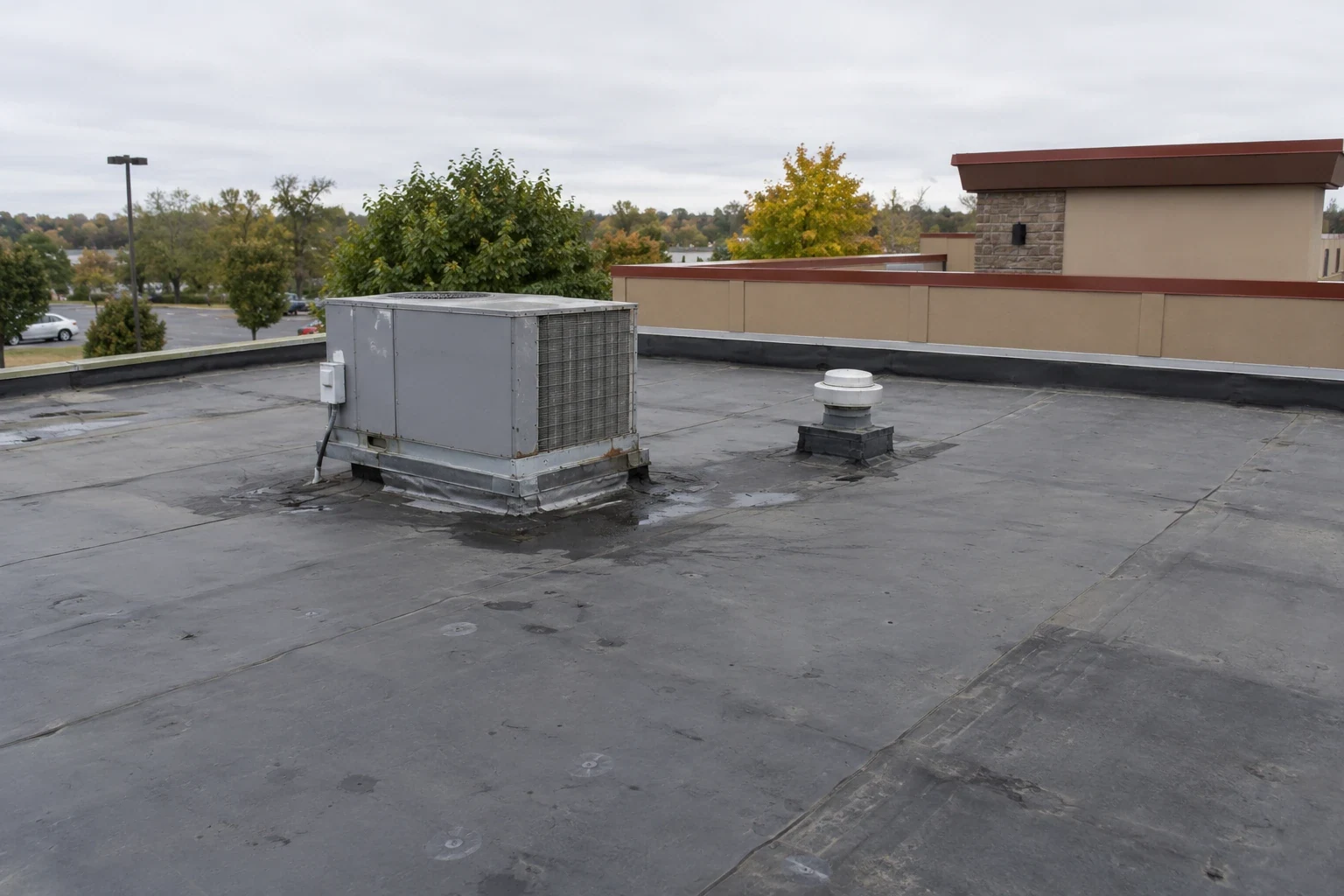
Rooftop equipment is the next suspect. Laboratory and technology buildings often carry exhaust fans, air handlers and make-up air units, and each one has a curb, a flashing and a set of fasteners that can fail. We check them one by one and photograph the findings. Work near sensitive spaces may need quiet hours and dust control, which we write into the schedule. Where a room cannot tolerate any moisture, we also discuss a leak-detection sensor under the roof section being worked, so a failure of the temporary seal is caught in minutes, not discovered on the next shift. The same conversation settles who on the facility team is called first and who has authority to stop the job. Spaces where water is never acceptable get the approach used in data center roofing, with leak detection and staged work above the critical rooms.
Industrial zones and mixed use
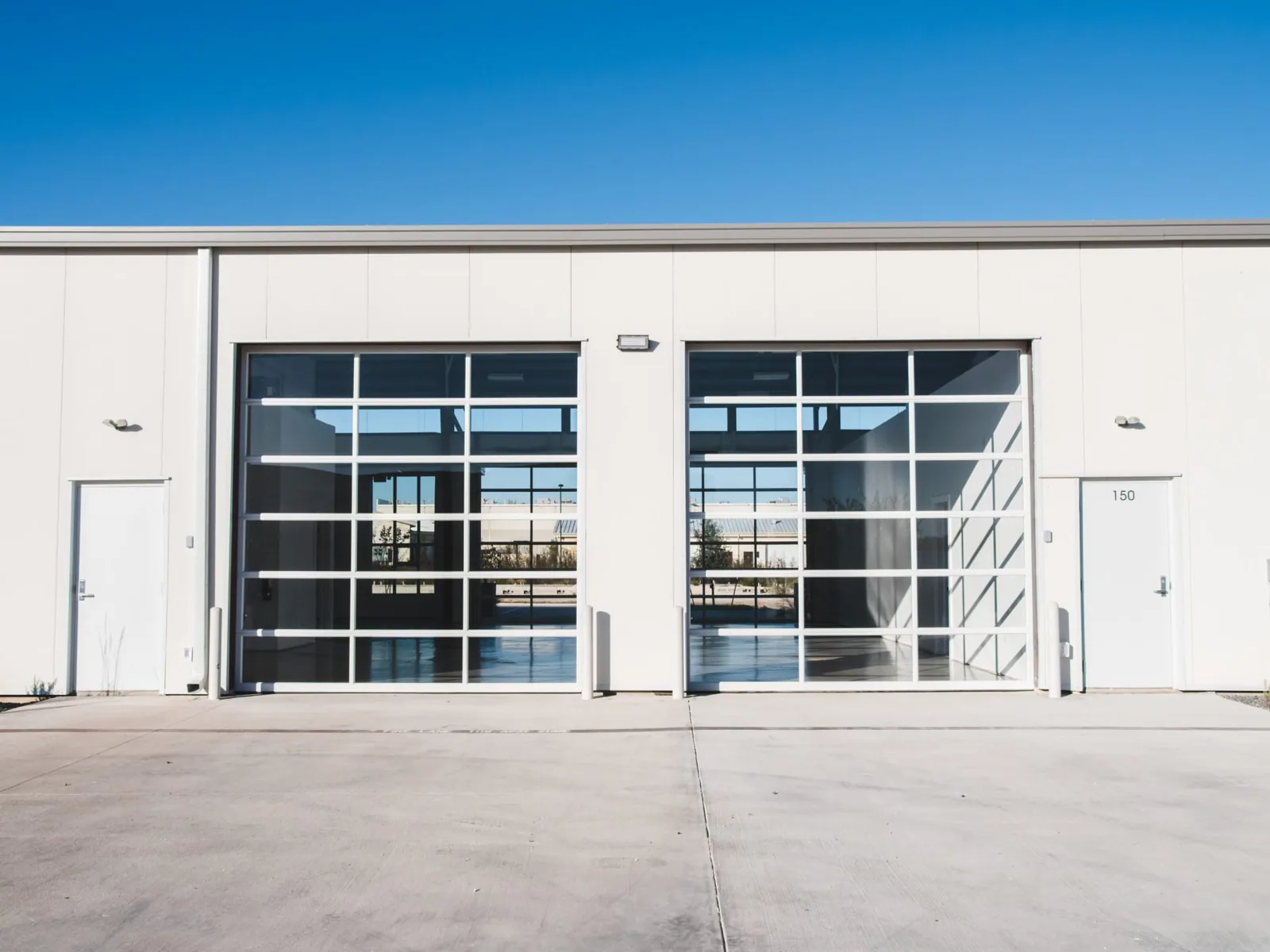
Bedford supports flexible mixed-use industrial zoning in all of its industrial zones. A single industrial building may therefore hold offices, light assembly, storage and research under one roof. Different uses below mean different risks: an office wants quiet and dry ceilings, a shop wants unimpeded forklift routes, and a lab wants controlled conditions. We write the repair scope by roof section and list which interior use sits below each.
When a building changes tenants, the roof often changes too. New rooftop units are added, old curbs are abandoned and conduit is routed across the membrane. These alterations are a common source of leaks. During the walk, we look for unused curbs, patched flashing and cable supports that rest directly on the surface. A flex industrial roof also benefits from a condition report that tells the next tenant, or a buyer, what the roof needs. A roof condition report carries photographs, locations and a ranked repair list.
The walkable historic center
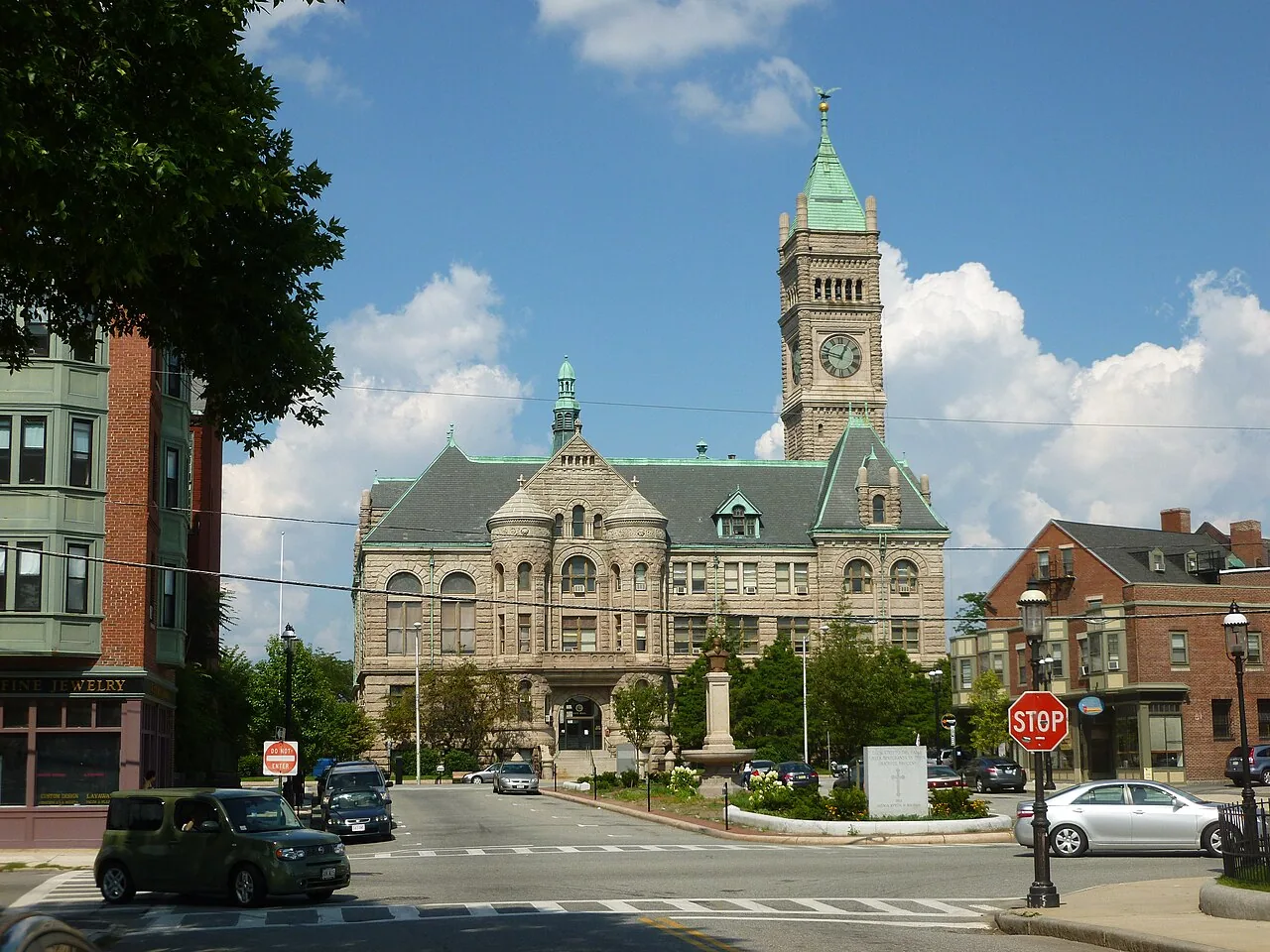
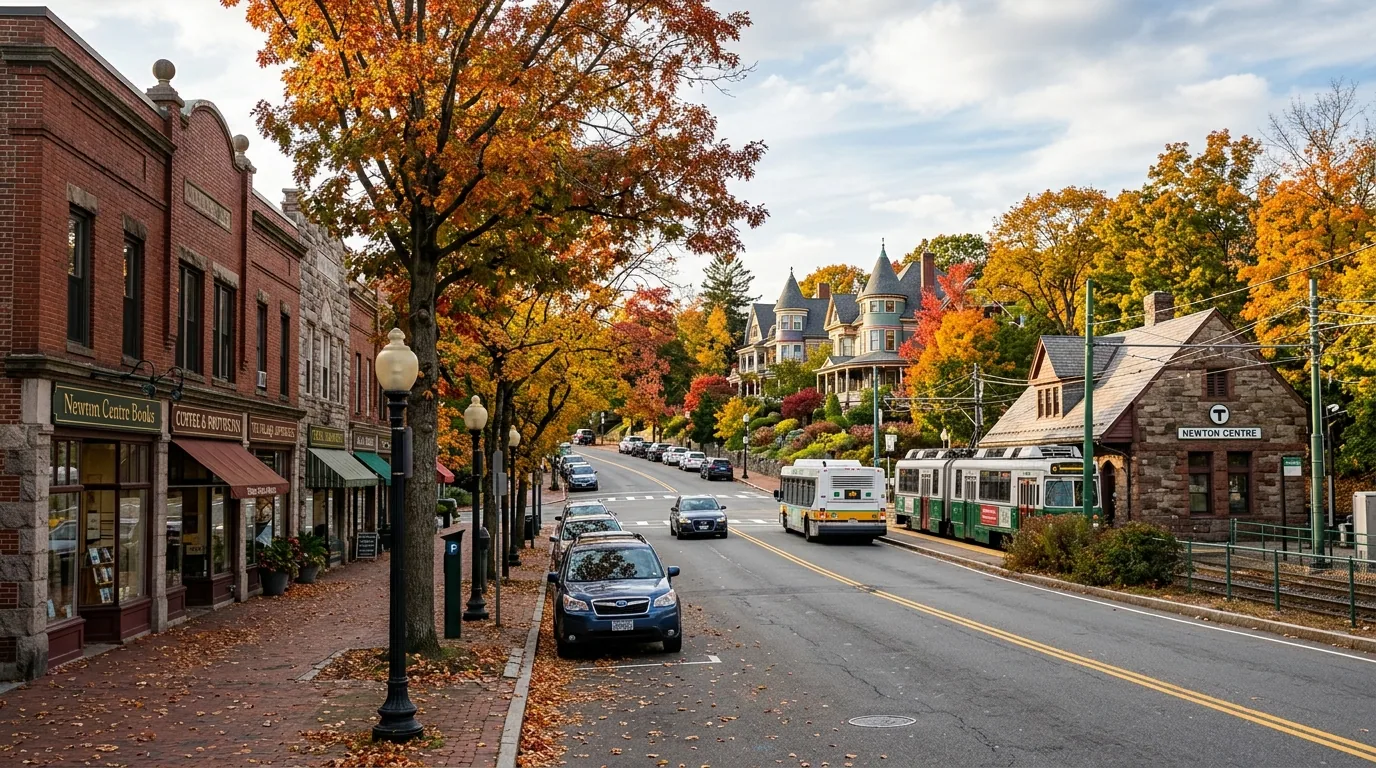
Bedford's historic center is a walkable business district of retail, restaurants and start-up companies, by the town's own account. Roofs in a district like that sit over foot traffic and open storefronts, so access planning matters as much as the repair. We set a lift position that keeps sidewalks open, mark a safe zone below the work and schedule noisy tasks outside peak hours.
The inspection reads what is actually there: the membrane, the layers, the flashing at walls and the drainage. Restaurants add grease and exhaust, and the curbs and fans on a kitchen roof need extra attention. Retail buildings may share a roof with a neighbor, which brings shared drainage and party-wall flashing into the scope, and the cost of a shared repair is divided in the price sheet by section. A restaurant roof repair always checks the fan housings and the grease path before the field of the membrane.
Hanscom and the surrounding towns
The Air Force lists Bedford among the towns adjoining Hanscom Air Force Base, along with Concord, Lincoln and Lexington. Hanscom supports Air Force systems acquisition plus command, control, communications, intelligence and cyber programs, and most of its mission is not flight activity, by the base's own statement. That gives context to the business setting around Bedford: technology and defense-related work shares the area with ordinary commercial buildings.
Roofing on a military installation follows rules of its own. Base access, escort procedures, badging and mission schedules all affect when and how a crew can work, and roofing is typically built to the Unified Facilities Criteria for roofing. Owners of buildings near the base should expect a pre-job process for any work inside the fence. For buildings outside it, the same planning habits help: documented access, a written scope and a firm return window. Work on Air Force base roofing is written to fit those procedures.
Winter conditions and cost
Lowell's January mean is 24.9°F, its yearly precipitation is 48.51 inches, and its hazard plan counts nor'easters, snowstorms and ice storms among the main risks. A Bedford roof faces the same regional freeze-thaw cycle, so drains, edge metal and rooftop supports should be checked before winter. After a storm, we look for lifted edges, displaced flashing and snow damage at equipment.
Price tracks how far the repair extends, the roof system, the lift or crane required, the interior cover and the visit count. Roof sections above sensitive interiors carry extra cost for cover and slower sequencing. A replacement answers to the Massachusetts 10th edition, which draws mainly on the 2021 International Building Code, and the local energy rules are confirmed before insulation is priced. For nearby Concord and Lexington properties, the written scope follows the same itemized form.
Commercial Roofing Questions
How do you protect laboratory space during a roof repair?
We agree on the rooms below the work, cover or move what the facility team asks us to, and sequence the work to open the smallest area at a time. Dust control and quiet hours go into the schedule, and each open section is dried in before we leave.
A tenant moved out and left old rooftop equipment. Is that a roof risk?
Yes. Abandoned curbs, capped pipes and unused conduit supports are common leak points. We check each one, remove or reflash it as the scope allows and record the result, so the next tenant starts with a documented roof.
What does a roof condition report give a buyer of an industrial building?
It holds photos, locations, repairs ranked by urgency and a cost range for each item. It also notes where moisture may be present, so the buyer sees the roof's remaining life before closing.
How is work near Hanscom Air Force Base different?
Work inside the fence needs access approval, badging and escort, and it is scheduled around mission operations. Roofing is typically specified to the Unified Facilities Criteria. Outside the fence, a normal commercial process applies.
Can a restaurant roof be repaired without closing the kitchen?
Often. The crew works from the roof side, protects the interior below and avoids the hours when the kitchen is busiest. If exhaust must be shut off for a short time, we agree on the window with the manager before starting.