A leak over a dining room or a gallery wall is handled in a fixed order: clear the people, protect what hangs or sits below, find the roof access, then look for the water path. Concord, MA organizes its commercial activity around distinct centers, and a village roof is often close to its neighbors, which makes the order matter.
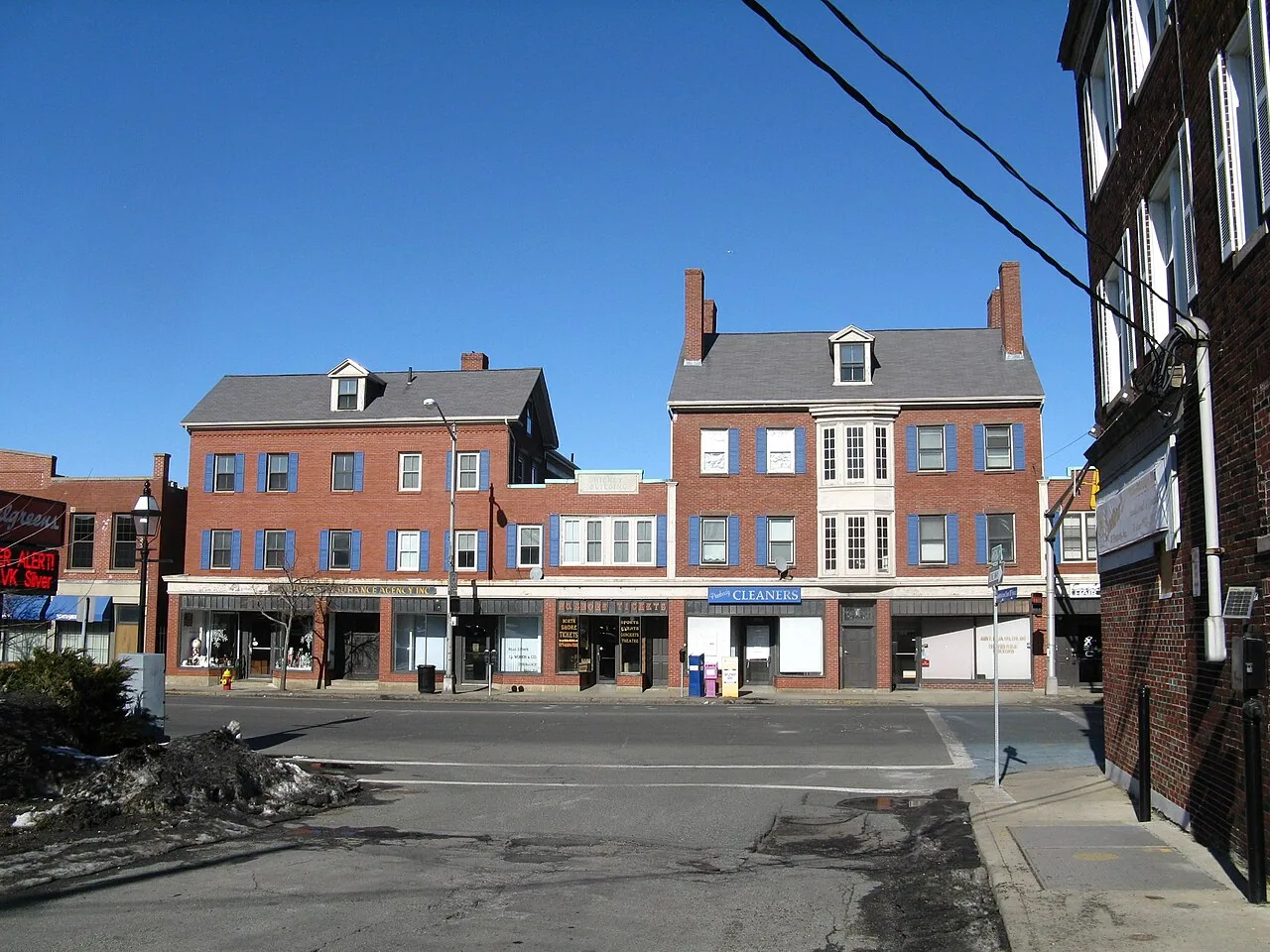
West Concord is a walkable business district with independent shops, arts organizations and restaurants. That mix suggests small buildings, rooftop kitchen exhaust and many penetrations in a small footprint, and each is confirmed on the walk. We plan around what is there, building by building.
The inspection record keeps the interior and the roof together. A photograph of the stain, a photograph of the roof above it and a time stamp sit on the same page, so the owner and the insurer read one story, not two.
Small Buildings in a Walkable Village
A village block puts several buildings side by side, often with shared walls. Roof edges meet at party walls, and the flashing there serves two owners. The wall, the flashing type and its condition on each side go into the record, and the owners settle between them who approves access across the line. Water that appears in one unit may enter at the neighbor's parapet.
Access is tight. A narrow street, a rear alley or a sidewalk with foot traffic limits where a lift or a hoist can stand. The first call includes a question about deliveries and parking, and the schedule shows the hours when the street can be used. Work near pedestrians is fenced, and the entrance to the shop below stays clear.
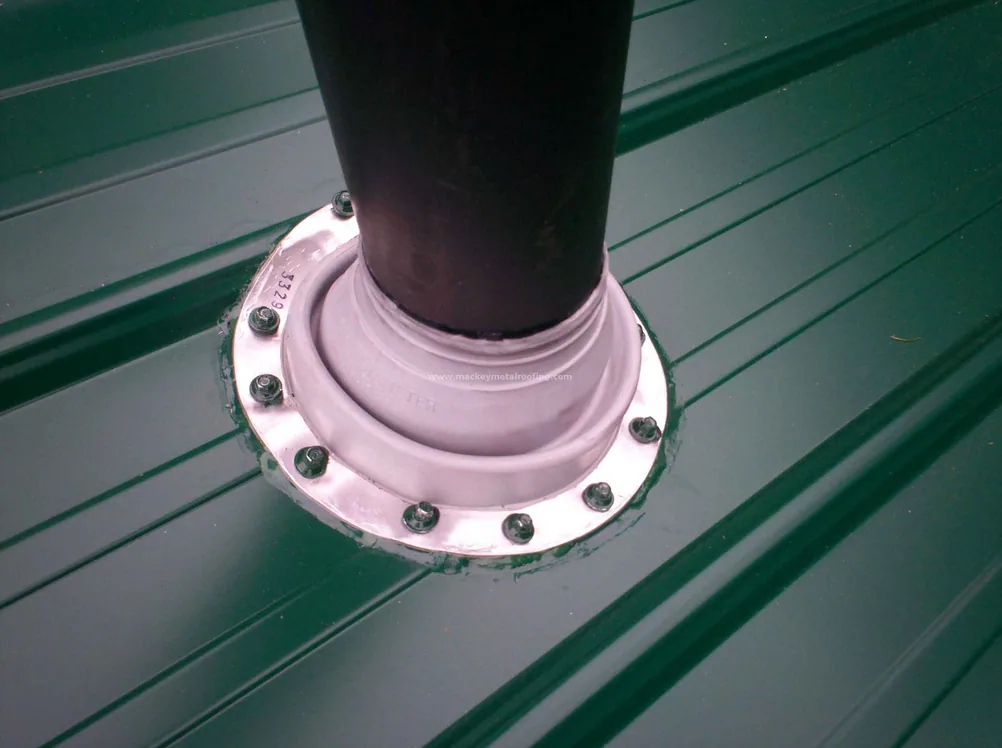
Where a building has an upper floor, the ceiling below the roof may hold the first clue. Plaster, tile and painted gypsum show water differently, and we record the material before we judge the stain. A skylight and penetration flashing check covers any roof windows, vents or stacks above the stain, because those openings are more likely to leak than the field of the roof.
If a space is used for exhibits, performances or storage of valued items, tell us on the first call. The interior protection plan then covers walls and floors, and the crew keeps equipment away from displays. A dry-in can start on the roof while the interior team moves items, so water stops while the room is cleared.
Restaurant Exhaust and Grease
Restaurants bring a distinct set of roof conditions. Kitchen exhaust fans discharge heat and grease, and the grease settles on the membrane and drips down the curb. Grease softens many membranes and stains the surface, so we check the area around each fan and propose a grease containment tray where one is missing. A restaurant roof should also have clear paths for rooftop equipment service.
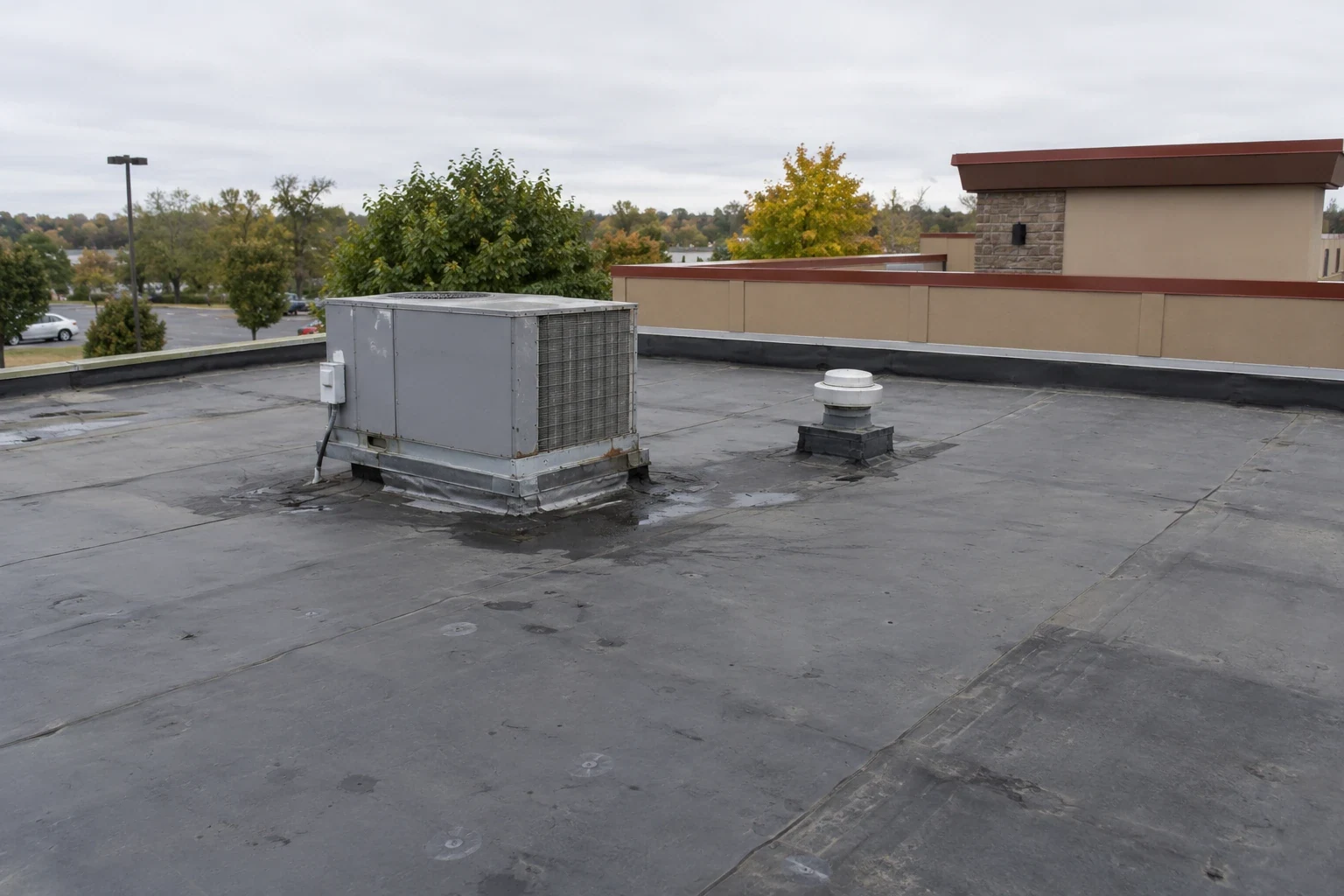
Hood exhaust curbs, make-up air units and refrigeration condensers add penetrations. Each curb gets a flashing check and a sealant check, and the record lists them by tenant. If a tenant changes, the new equipment can use the old curb only after the flashing is inspected and reset.
Grease and heat also shorten the life of sealants. We check pitch pockets, penetration seals and the caulk at the base of each stack, and we replace the ones that have hardened or pulled away. Where grease has soaked into insulation near a curb, the insulation is cut out and replaced as part of the repair, since a greasy board holds water. Refrigeration lines get their own sleeve and boot so they do not rub the membrane.
The kitchen schedule matters as well. Roof work above a dining room happens outside service hours when the owner asks, and exhaust fans that must be shut for a repair are shut during prep time, not during service. The agreement is recorded.
Commuter Rail and Trail Edges
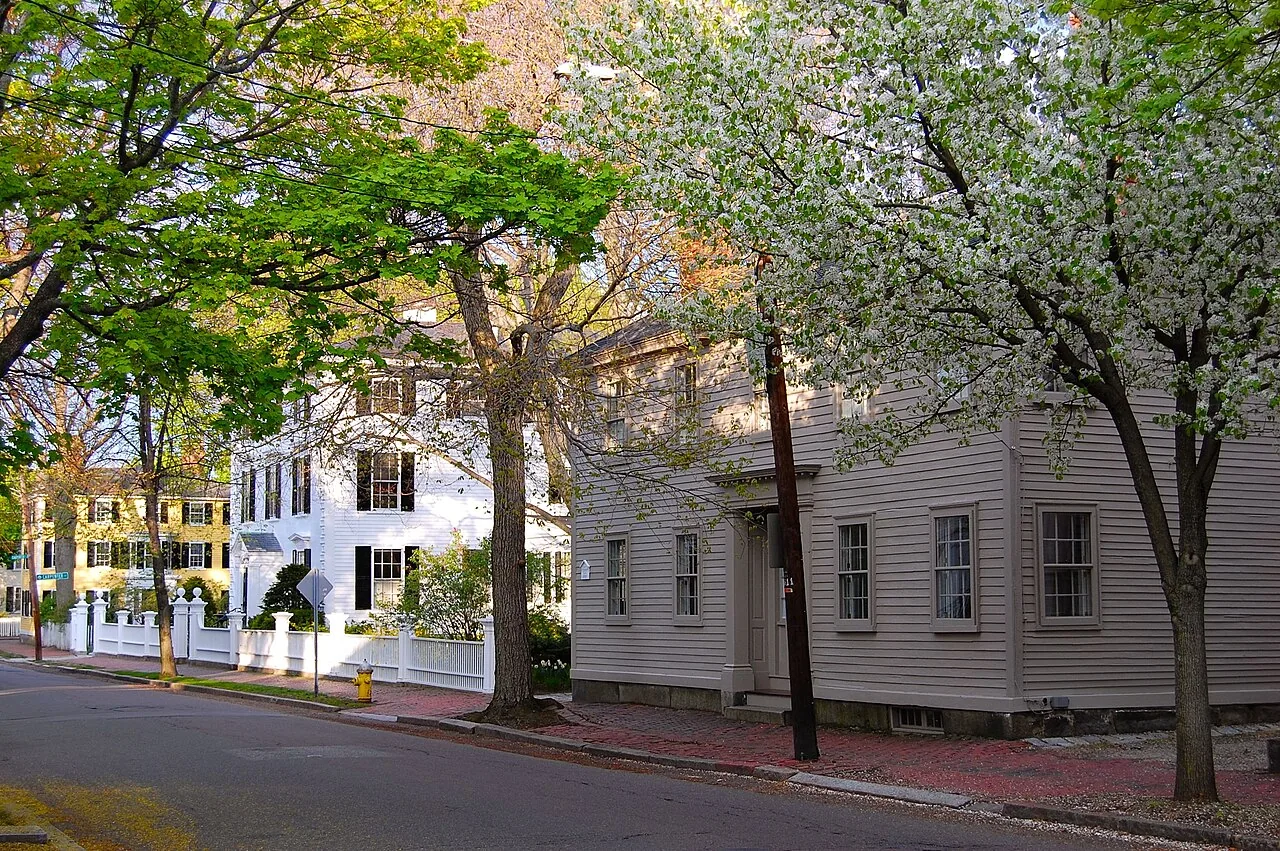
West Concord connects to MBTA commuter rail and the Bruce Freeman Rail Trail. A building in a walkable district has a roofline seen from the street, and an owner may care how repairs look from the sidewalk. We choose edge metal, coping and flashing finishes that match the existing building, and we photograph the roofline before and after.
Rail corridors also carry vibration and debris. A roof near the line gets a check for loose fasteners and for debris in the gutters and drains. We record anything that sits on the roof surface, since leaves and trash hold water against the membrane and shorten its life.
Redevelopment Study Area
The town is planning the future of more than 50 acres adjacent to West Concord village and Route 2, with redevelopment and zoning still under study. For an owner of an existing building near the study area, the practical step is a condition record now, so a roof decision can be made with current numbers whether the area changes or not. A recover that adds years of service looks different from a replacement if the building's future is uncertain.
The cost update compares both and names the service life of each. An owner who may sell can ask for a due diligence roof survey format that a buyer can read without a walkthrough.
Drains, Ice and Regional Weather
The Lowell station's 1991-2020 normals report 49.0 degrees Fahrenheit as the annual mean, 24.9 in January and 72.8 in July, which means regular freeze-thaw. Concord roofs plan around the same regional pattern. On small village roofs the freeze-thaw effect shows at drains, scuppers and the edges where ice dams form.
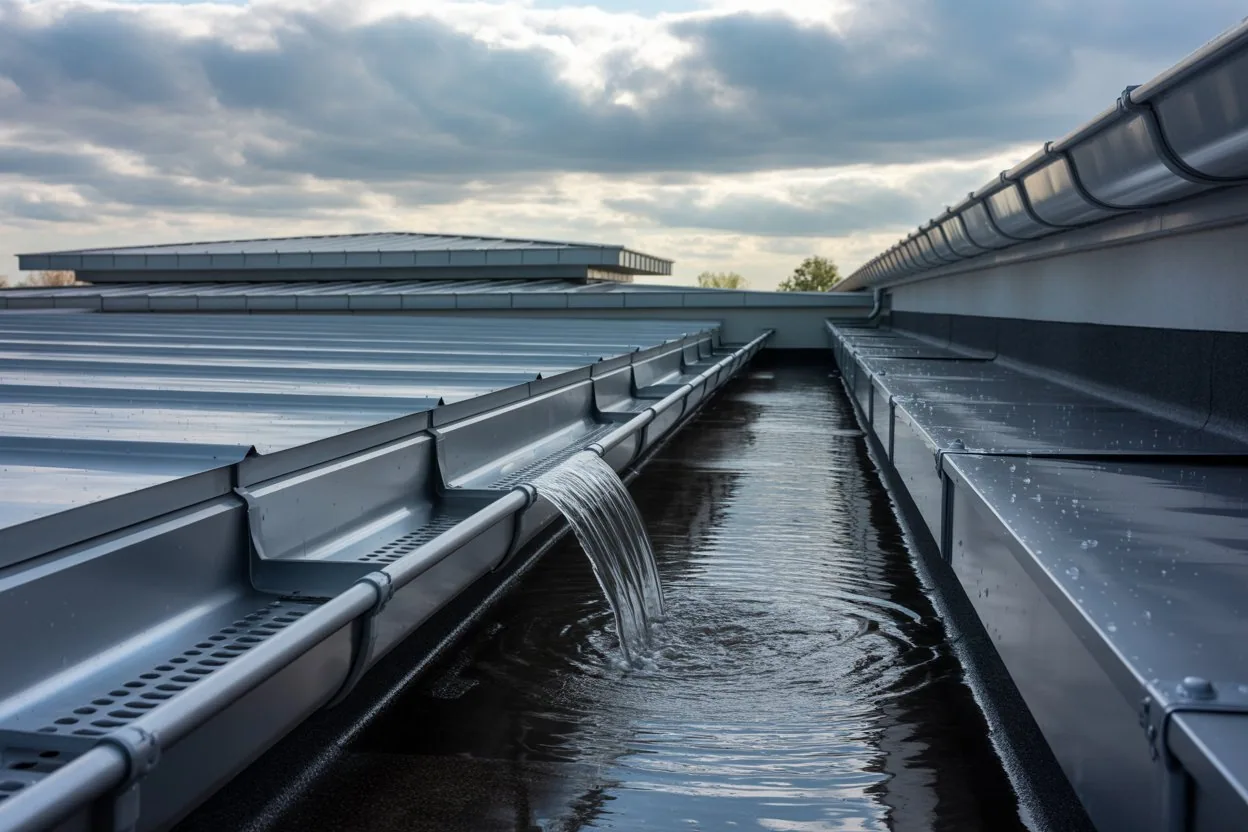
Before winter we clear roof drains and scuppers, check the gutters and photograph the outlets. After the first hard freeze, we recommend a short return to look at the same points. The photographs show whether ice built up where it did the year before, which tells the owner where to spend on drainage.
Scope Decision and Price
After the inspection, the scope lists the repair boundary on the plan, the temporary measures already in place and the options for permanent work. For a small flat roof, the choice is often between repair of flashings and seams, a recover over sound insulation and a full replacement. Each has a price and a service life in the update. Where Lexington or Acton buildings share an owner with Concord, the same format lets the owner compare.
The recommendation also considers the tenant mix. A village building with several small tenants and a single roof may be better served by a planned section-by-section program than by one large project, because rents and closures are lighter on a smaller scale. We show the program timeline beside the single-project timeline so the owner sees how each one affects income.
Commercial Roofing Questions
What is the first step when a restaurant roof leaks?
Protect the dining area and the kitchen line, confirm safe roof access, then check the exhaust curb and grease path first, since water often enters where the membrane is softened.
Who approves work at a shared party wall?
Both owners must agree. The flashing on each side is recorded, access approval is requested in writing and the plan marks where the work crosses the property line.
Can repairs be matched to the look of an older building?
Edge metal, coping and flashing finishes can be chosen to match. The owner approves the choice from a photograph before material is ordered.
Does the redevelopment study change roof planning?
It adds uncertainty about the future of nearby sites, not about a given roof. A current condition record lets an owner choose between repair, recover and replacement.
Where does ice cause trouble on a village roof?
At drains, scuppers and the edges where ice dams form. Photographs of the same points before winter and after the first hard freeze show whether the ice built up where it did the year before.