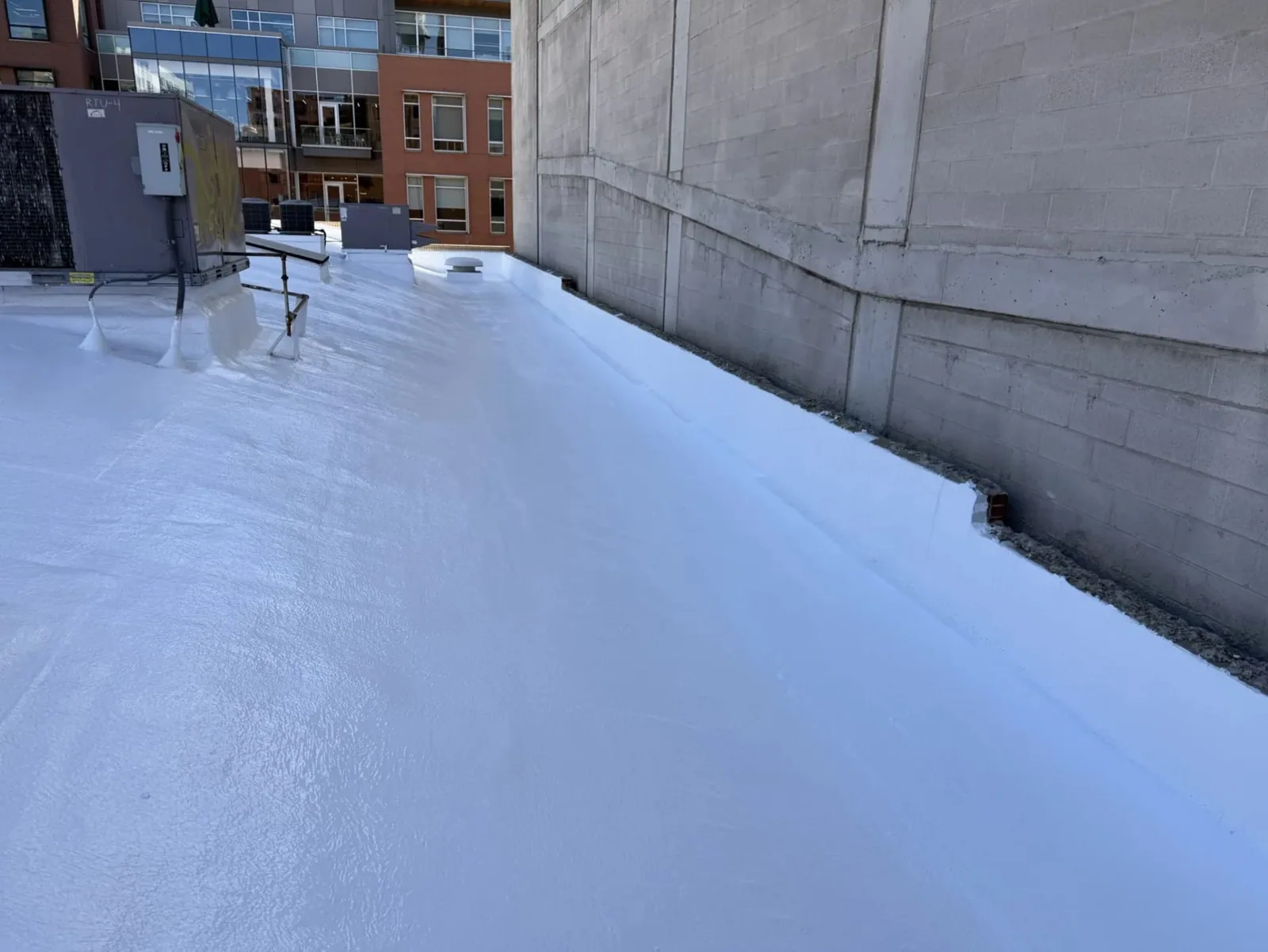
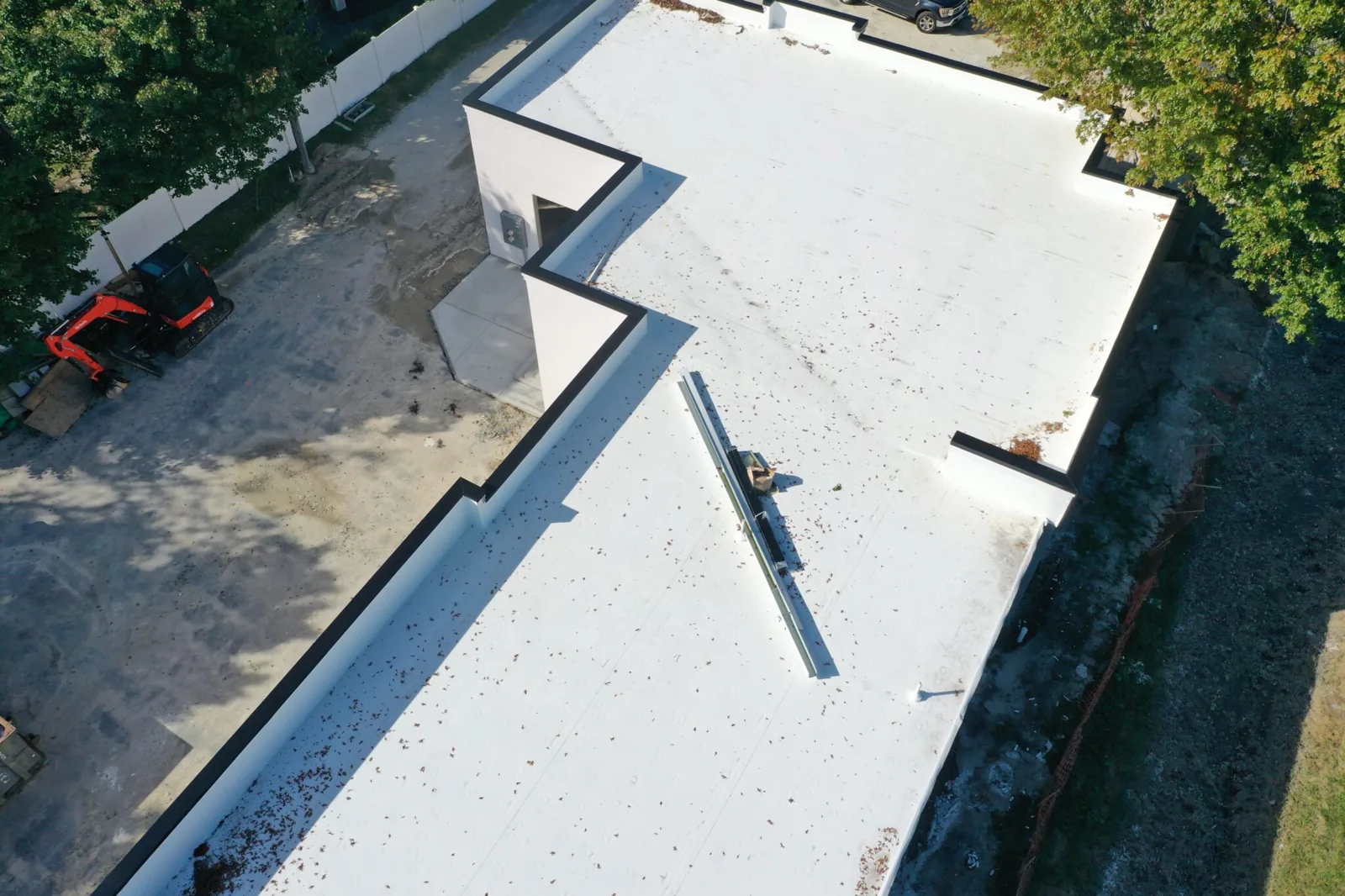
Look at the showroom floor before the roof. A dealership report usually comes from a general manager or a service director who has found water near a vehicle, a desk, or a service lift. We ask where it is, what sits below, and whether the vehicle or equipment can be moved. After that we keep people off wet floors and away from light fixtures, work out how the roof section above can be reached, and choose the temporary protection while the cause is traced.
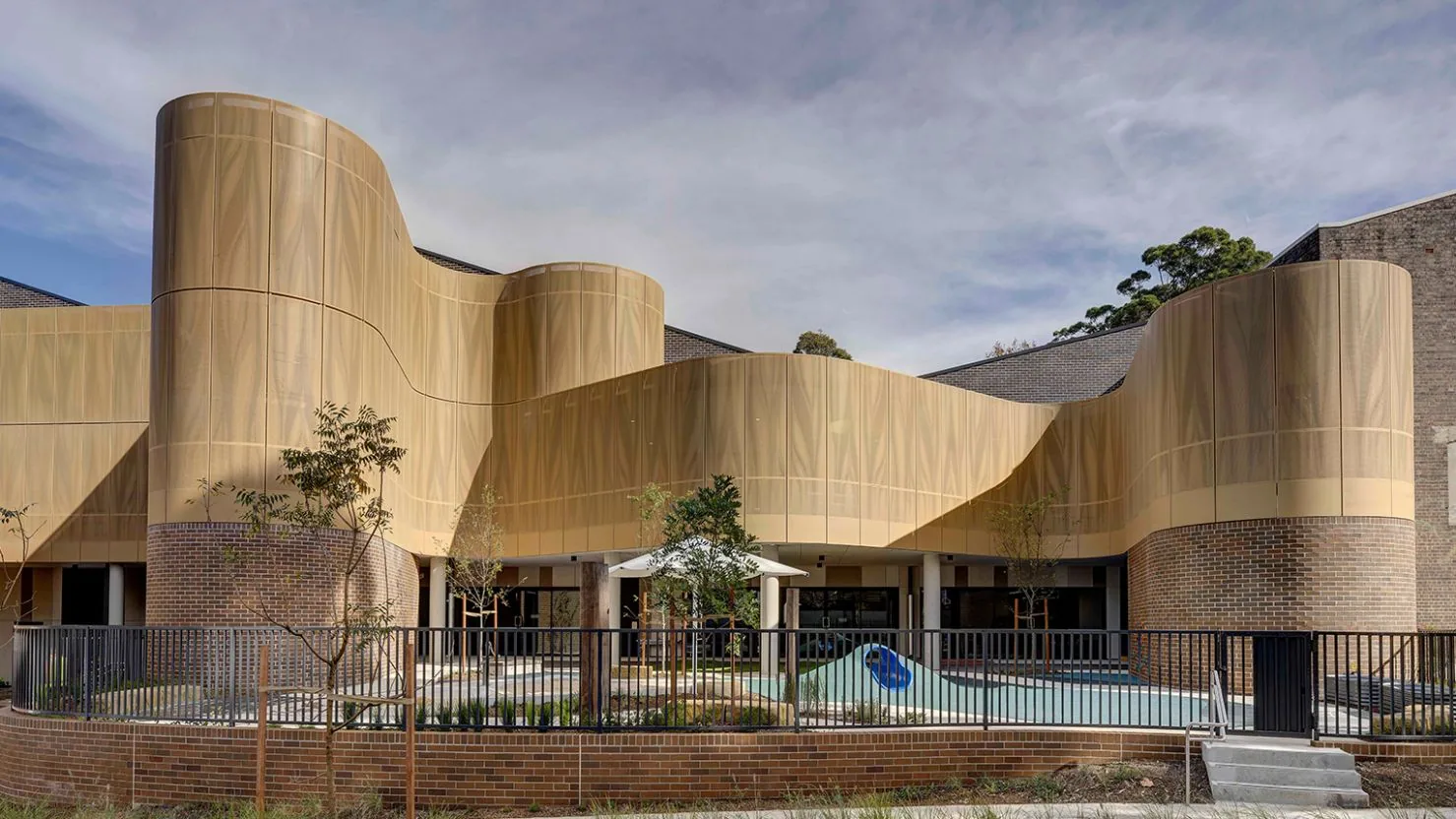
A dealership roof in Lowell, MA, has two jobs: shed rain through every month and carry winter loads on large, low-slope sections. The general manager gets the plan in sequence: what happens in the first hour, what the dry-in protects, and when a repair boundary and a price arrive, because sales days and service appointments do not wait for a roofer.
Showroom, Glass, and Vehicle Protection
A showroom has high ceilings, display lighting, and expensive inventory. Water above it falls a long way and spreads. Interior protection starts with moving the vehicles clear if the doors and access allow, then covering what remains, and keeping customers and staff away from wet floors and lights. We ask the general manager to decide what moves, and we provide the roof facts that guide the decision.
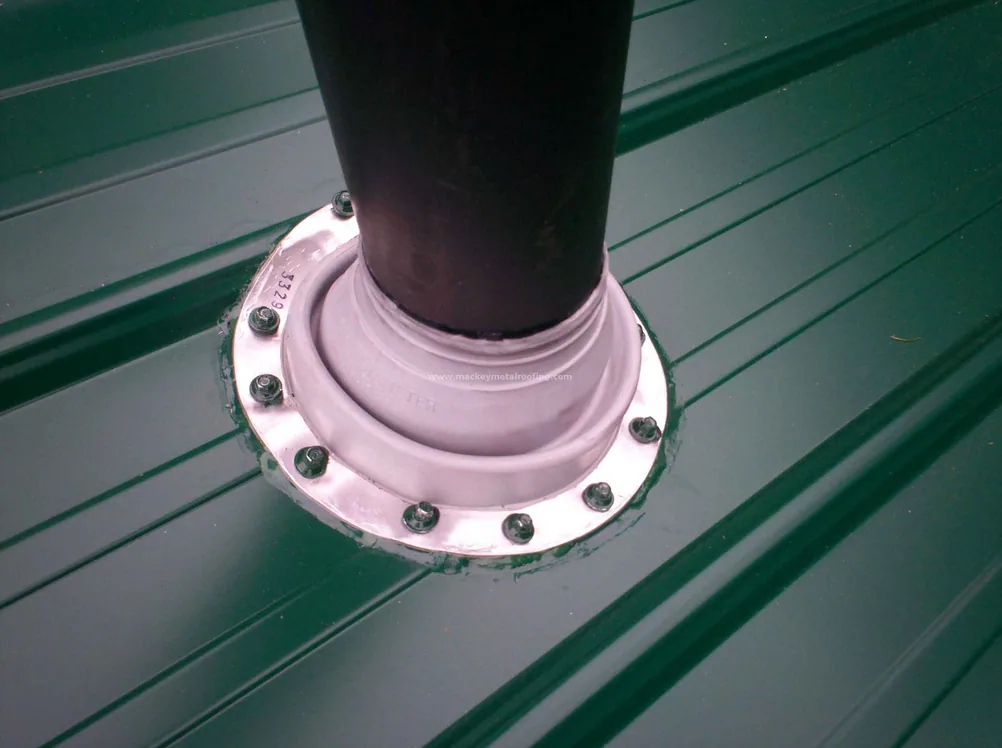
Glass walls and storefront systems meet the roof at flashing details, and those are common leak points. The edge where a parapet cap meets a glass wall, or where a canopy joins the building, takes sealant movement and water. We probe each joint, photograph it, and test the flashing. A skylight and penetration flashing repair is often the whole fix for a showroom leak.
Service Bays and Rooftop Exhaust
Service bays run lifts, compressors, and exhaust. Roof penetrations from those systems carry heat, fumes, and vibration. Exhaust fans and vents discharge near the membrane, and oil or solvent residue can attack it. We check each fan curb and vent boot, look for residue and softening around discharge points, and record the membrane condition near each.
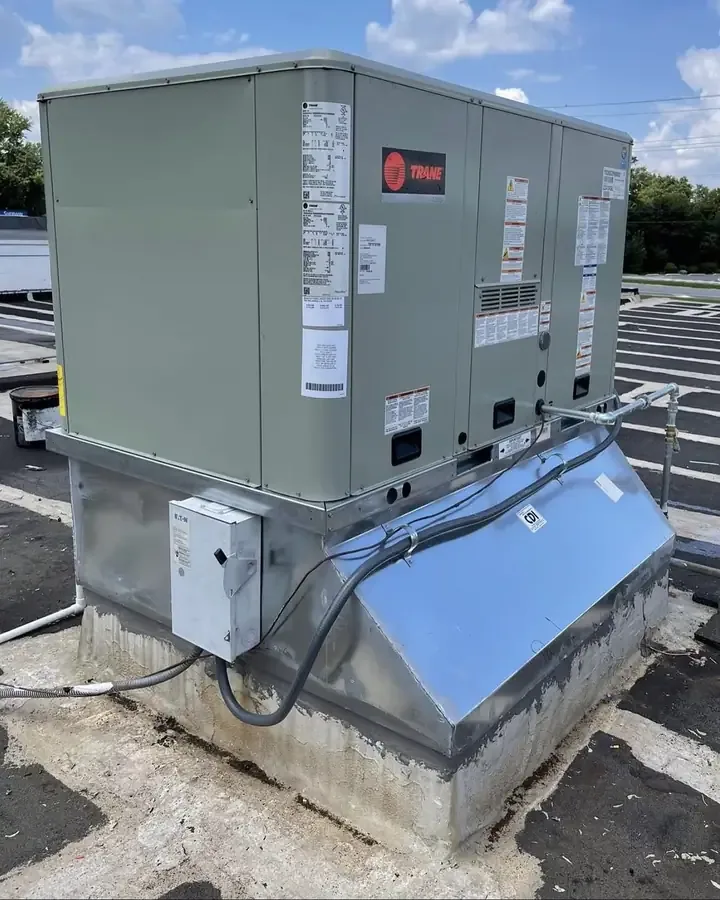
A roof over service bays also carries rooftop heating and cooling units, sometimes in numbers. We number each unit, check the flashing, and note any support resting directly on the membrane. When a unit is replaced, the changeout and the roof repair are best done together. For the rooftop equipment curbs and supports, the sequence keeps a bay from losing ventilation for longer than the swap requires.
Moisture Testing and Open Questions
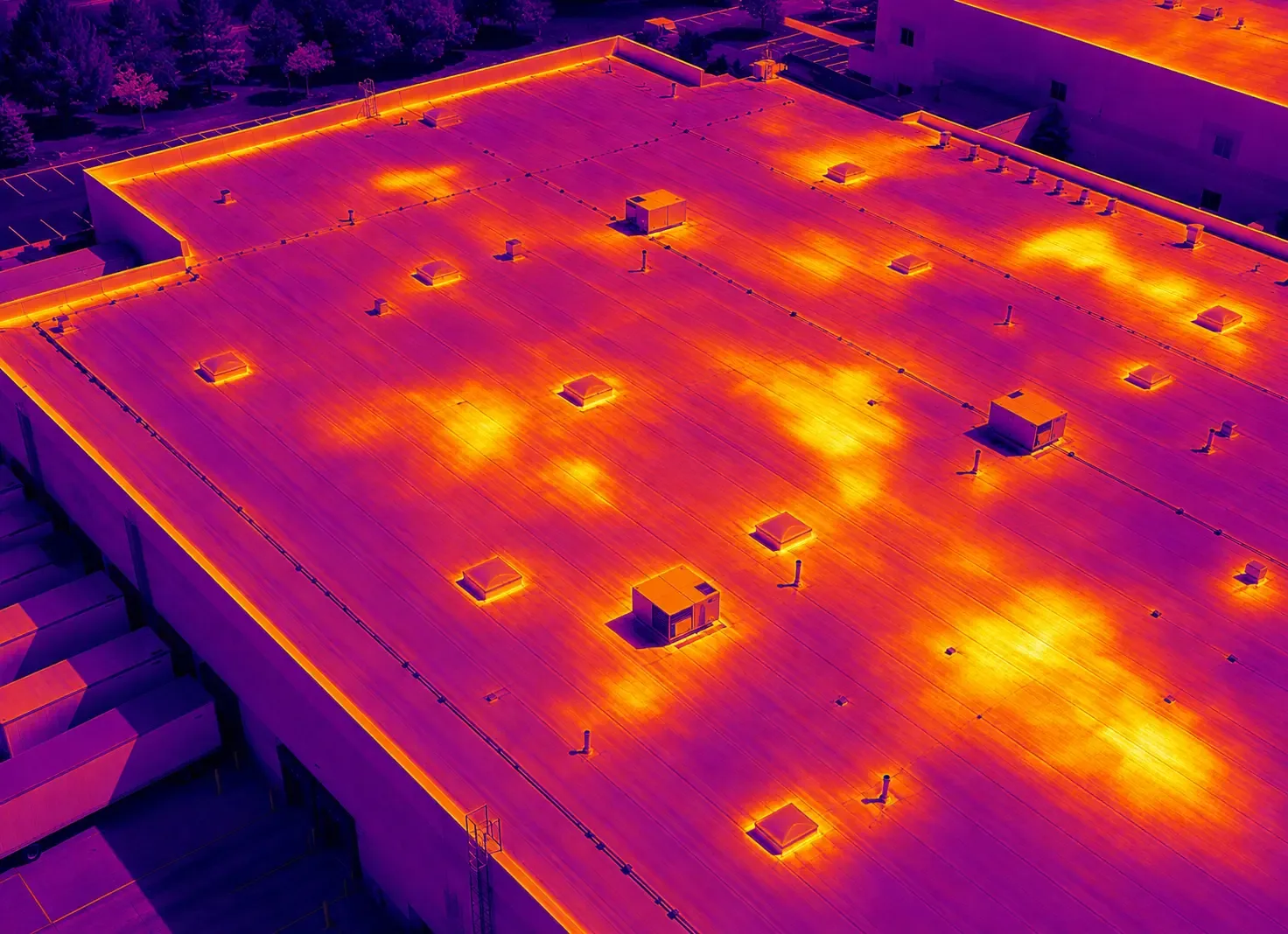
A stain over a showroom does not say how far water has traveled. We map the roof with an infrared moisture survey at dusk, when wet insulation holds heat longer than dry, then confirm with cores at the edges of the pattern. The result is a drawn boundary around the wet area, with a depth at each test point.
Some questions stay open after the first visit, and the report lists them: whether the deck beneath wet insulation is sound, whether an old patch is bonded or only sealed over, and whether a drain line carries water to its outlet. Each has a named test and a date. The general manager can then decide which tests to run now and which to hold, knowing what each answer could change in the repair boundary and in the cost exposure.
Sales Hours and Service Appointments
A dealership has two calendars: sales hours and service appointments. Roof work must fit both. Staging stays out of customer parking, delivery lanes, and the vehicle return route. Noisy tasks move to hours the general manager selects, and the section above the showroom is scheduled for quiet periods. Fumes from adhesives are checked against air intakes in the sales and service areas before products are opened.
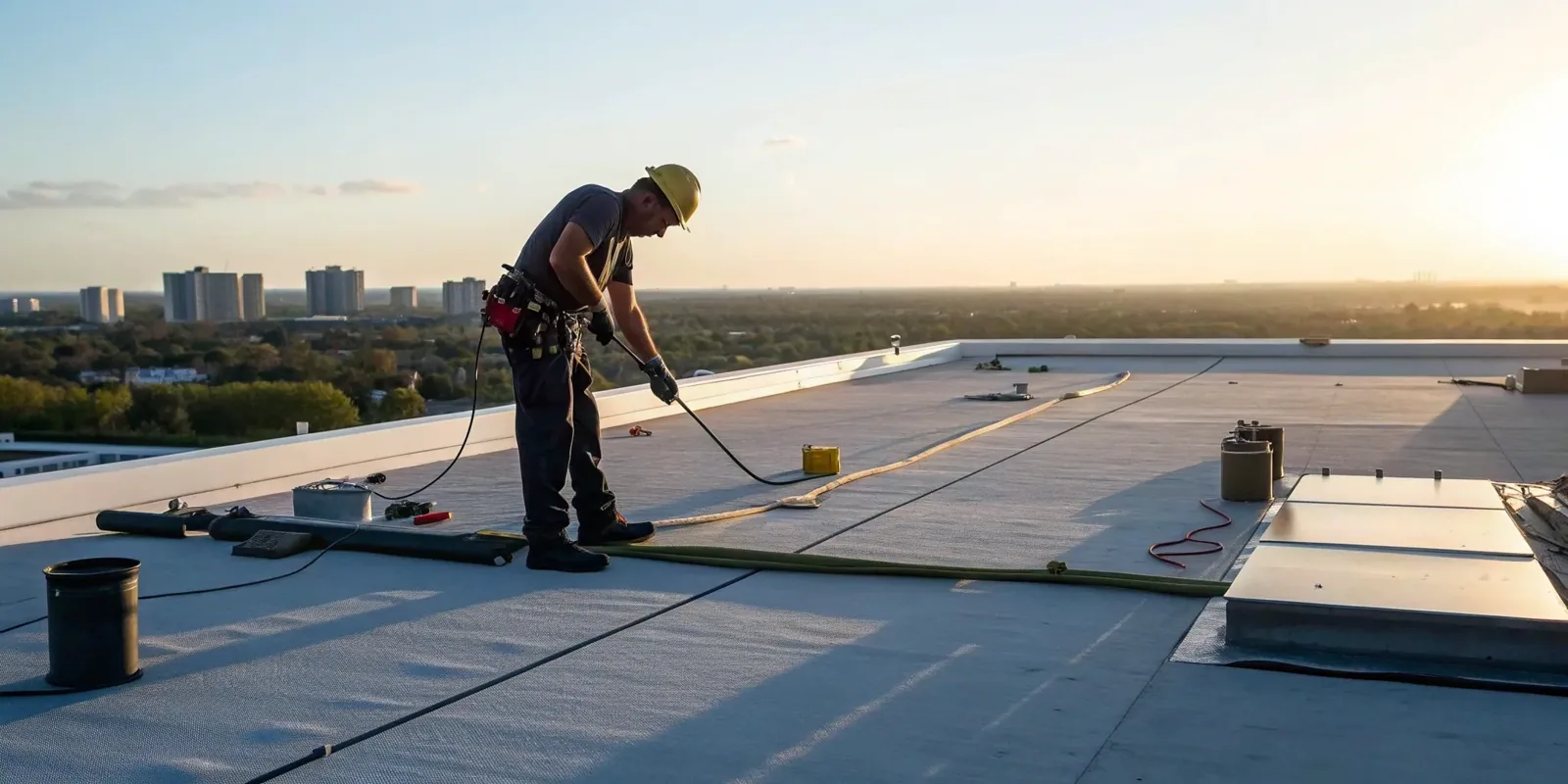
A section is never left open overnight. The crew closes each section watertight before leaving, and the temporary dry-in covers anything that cannot be finished. The general manager receives a daily plan: which section is open, which spaces are affected, and where cars can be parked. This keeps the lot usable and the showroom open, and it makes the work visible to staff. Sales managers and the service desk see the same plan, so a customer waiting on a delivery or a repair is told the same thing by both. New vehicles arrive on transport trailers that need lot space of their own, so we place our lift away from the unloading area and keep inventory moving on its usual days.
Winter Loads and Edge Checks
Hurricanes and winter storms, nor'easters and ice storms included, are named among the city's major hazards. One recorded winter of heavy snow is enough to show what the drains and the structure can face. Drainage, snow access, and structural review are therefore planning topics for any large dealership roof.
After a storm, a dealership roof gets an edge-first check: coping, flashing, canopy joints, and drains. NOAA's Lowell station puts January near 25 degrees and the year at 48.51 inches of precipitation, so freeze and thaw act on every joint. Ice that forms at a canopy edge or drain can back water into the building. A commercial roof inspection before winter finds the weak points.
Repair, Coat, or Replace
The moisture map decides. A dry roof with local failures can be repaired. A sound membrane with surface wear may take a coating restoration. A roof with wet insulation across sections needs a section replacement or a tear-off, and a new TPO membrane is one option for a large, flat dealership roof.
We show the readings next to the plan, price each path, and name the conditions that could change the number. The general manager and ownership group can then choose with facts in hand. Dealership groups with several rooftops can use the same record format across sites, which makes budgeting simpler.
Cost Update and Corridor Access
The temporary dry-in is priced first, the permanent repair after the inspection. Each price carries access, hours, and the weather hold, and each names the date of the next update.
Route 3 and I-495 meet at Lowell, which the city counts as an advantage for business access, and the lot plan for a roof job uses the same roads for truck routing. The method applies to dealerships in Lowell and nearby towns such as Chelmsford and Tewksbury, and to other retail-style buildings, including a big-box store or a shopping center.
Commercial Roofing Questions
Can the showroom stay open while the roof above is repaired?
Often, with a quiet-hours plan. Vehicles move clear, staging stays out of customer parking, and the section above the showroom is worked during hours the manager picks.
What leaks most often at a glass showroom?
Flashing and sealant at the junction of glass walls, parapets, and canopies. We probe each joint, photograph it, and test it before deciding on a repair.
How do service bay fumes and residue affect the roof?
Oil or solvent residue softens many membranes near vents and fans. We check discharge points and extend the repair boundary beyond the visible stain.
What is the first thing to do when water drips near a vehicle?
Move the vehicle if it is safe, cover what stays, and keep people away from wet floors and lights. Then send us the location and the time, and we begin tracing the water path.
Is a coating enough for a worn dealership roof?
If the insulation is dry and the seams are sound, a coating can extend the roof. Wet insulation or open seams are fixed first.