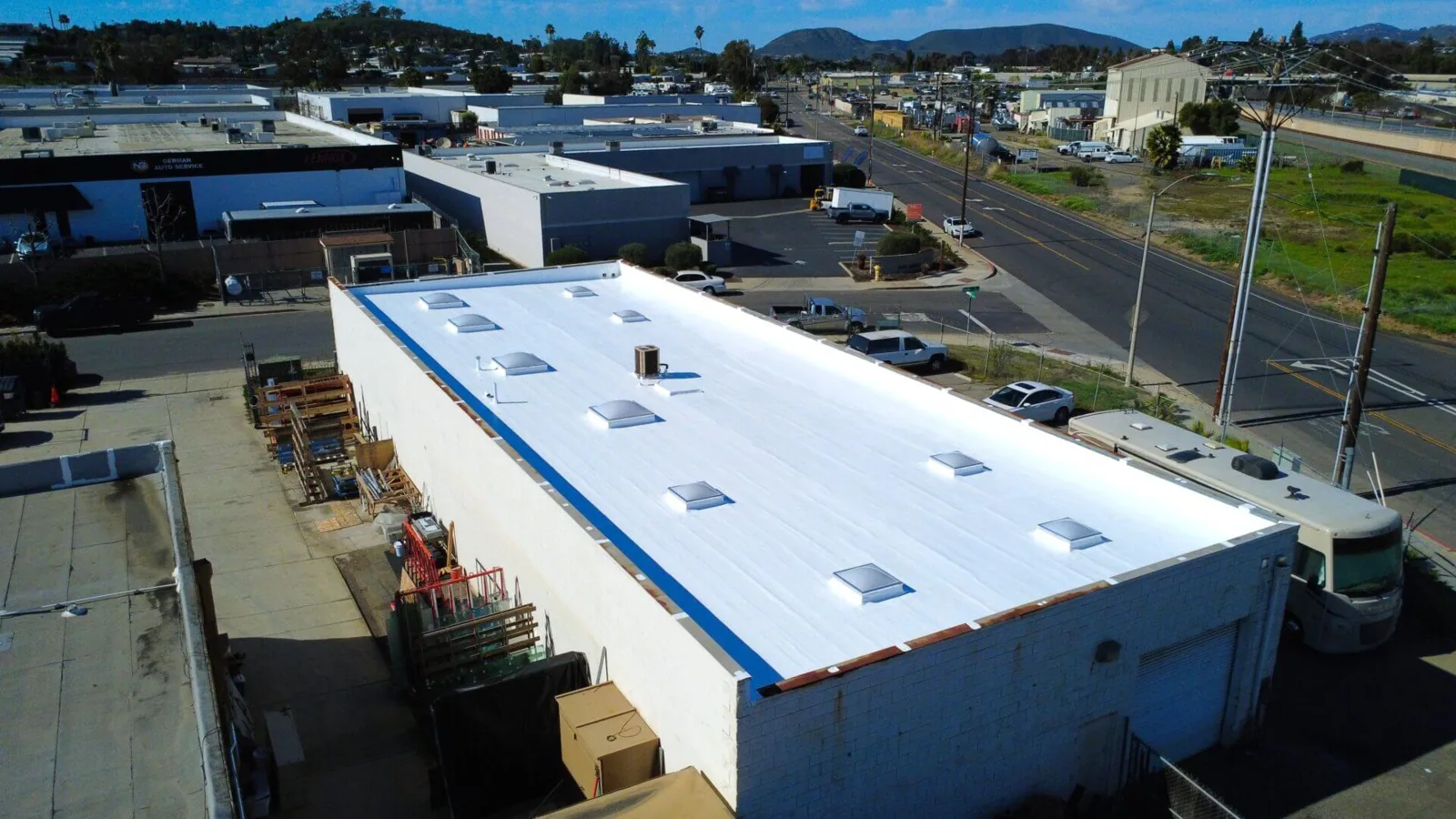
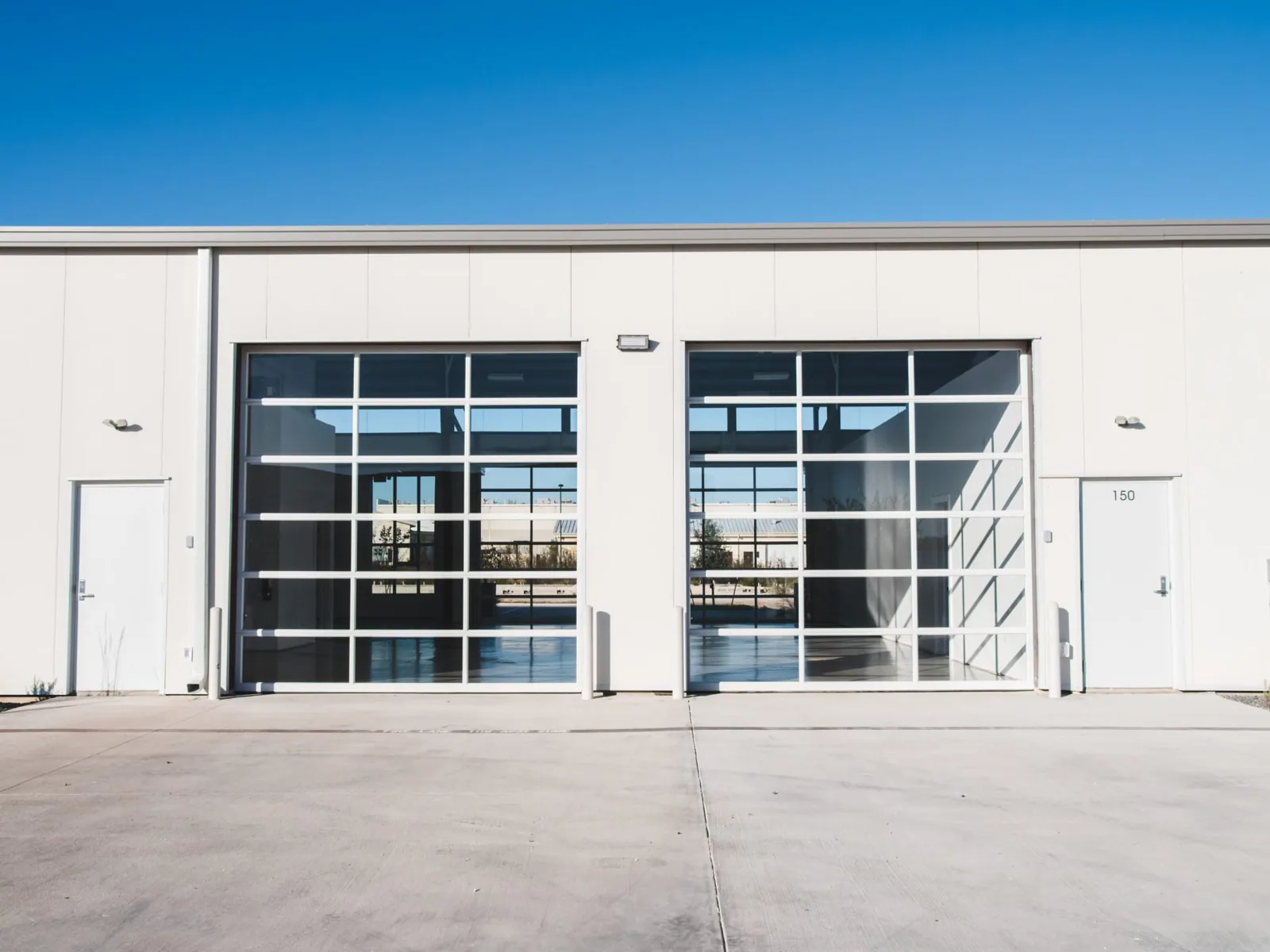
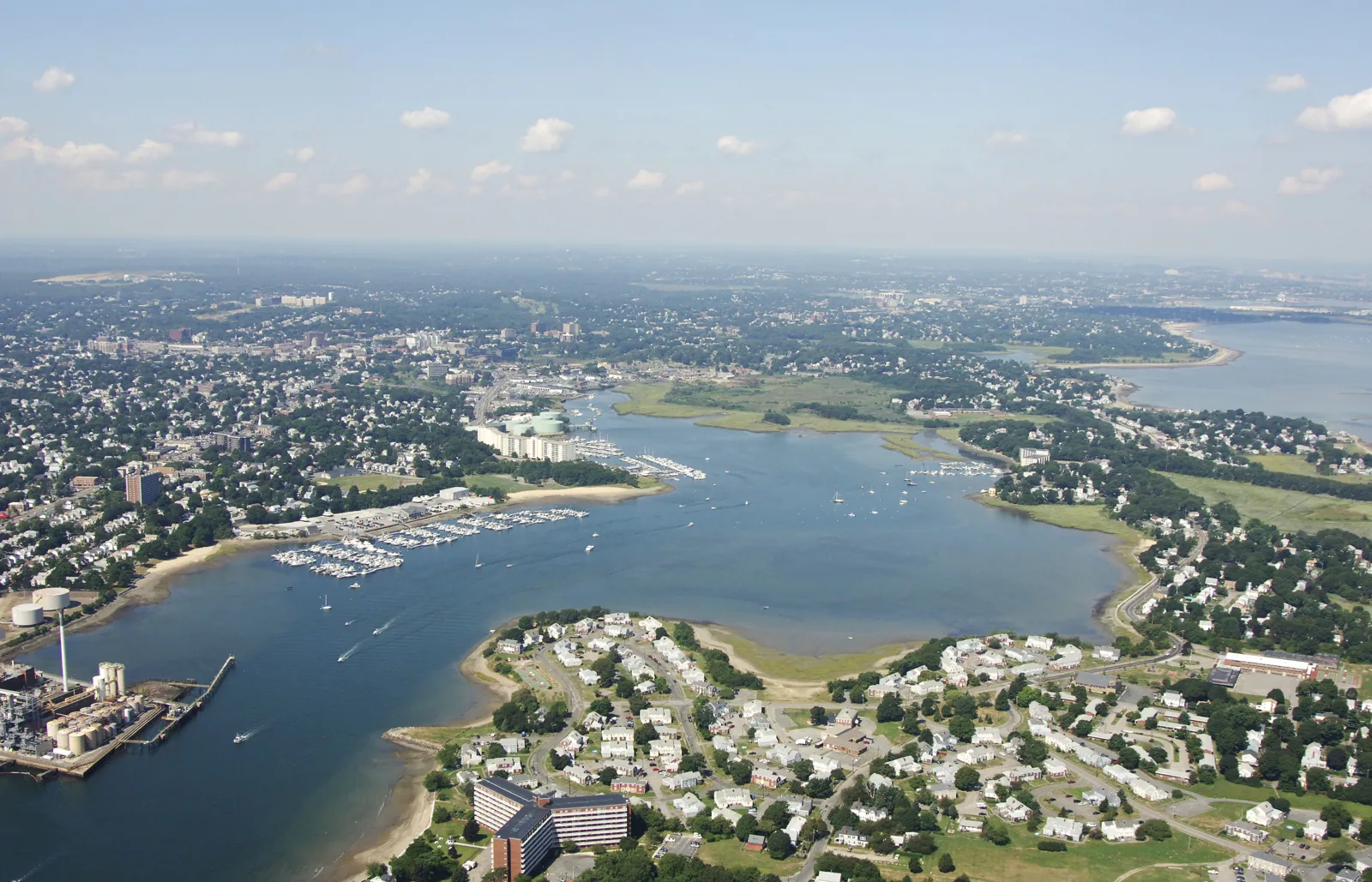
Wilmington, MA is tied to Greater Boston by I-93 and the nearby I-495, and its employment and service area overlaps the Lowell-Merrimack Valley market. For a roof owner, that means one thing: the building may be anything from a service shop to an office to a distribution space, and the first report still starts the same way. The three things to pin down are the entry point, the protection of the space below and a safe route onto the roof. We settle those three points, then inspect the roof section by section.
Our phone is answered through the night and on holidays. The first visit logs the reported location, the cover placed inside and the roof's visible state, and the update after it brings a price or a suggested test. The owner then decides what is approved today and what waits for a dry window.
Shared planning with Tewksbury
Wilmington and Tewksbury share a regional business chamber and a cross-town commercial corridor planning context. For an owner or manager, that overlap means a company with locations on both sides of the town line may want one roof plan for both. We write scopes that cover multiple buildings, rank the roofs by condition and show the cost for each, so the same decision-maker can compare them in one document.
A manager with buildings in Tewksbury and Wilmington may also want one maintenance schedule. A multi-site roof program fixes inspection dates, drain cleaning and repair order for each building, with all the records in one file, so a manager reads one document instead of several. That is easier to budget than reacting to a leak at each location in turn. When a leak does come, the response is the same: protect the interior, confirm safe access, then price the repair boundary.
I-93 and I-495 access
Highway access shapes how roof work is organized. Material trucks and lift equipment arrive by the interstates, and a crew can reach a Wilmington site from either direction. Tenants and neighbors are close to the work, though, so we plan deliveries, noise and parking ahead of time. Hot work, torch application and heavy lifting are scheduled for hours that suit the building's operation, and we tell the manager which tasks fall on which day.
Where a business runs shifts or deliveries around the clock, a roof job has to fit between them. We divide the scope into sections and finish each one before opening the next, which limits the time any area is exposed. Weather holds are written into the schedule too. If rain is forecast, the open section is closed with a temporary seal at the end of each shift, and the crew resumes when the surface is dry and the adhesives can bond. An occupied building reroof keeps entrances open and protects the interior under each active section. A flex industrial building often needs separate plans for the office front and the warehouse space behind it.
Inspection steps on a first visit
The first visit follows a fixed order. We confirm safe access and fall-protection needs, photograph the reported area from inside, then go to the roof and trace the water path. We look at drains and scuppers, seams, flashings, penetrations, rooftop equipment supports and perimeter metal. A lifted lap, a split boot or a loose curb each calls for a different repair, and we mark which one we find.
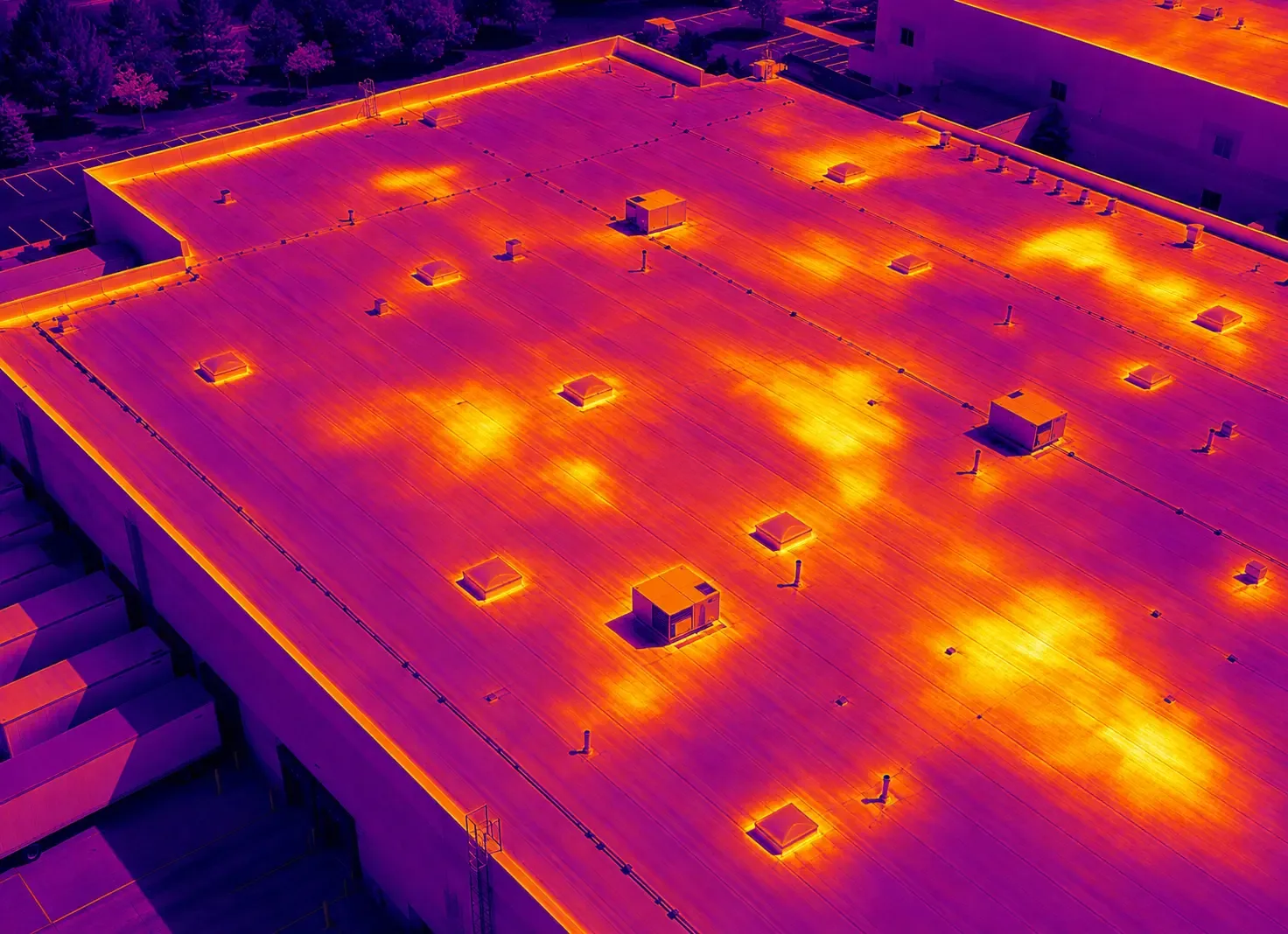
Where insulation may be wet, an infrared moisture survey marks damp areas apart from dry ones before anyone prices a replacement. On large or hard-to-reach roofs, a drone inspection maps the surface for closer review. The hands-on walk then confirms the conditions the images suggest, and the written report ties each finding to a photograph and a location on the roof plan.
Penetrations get the longest look. Plumbing vents, exhaust fans and conduit supports each have a flashing that can split, lift or lose its sealant. We press on every boot, check the fasteners at each curb and look for rust staining that shows where water has been standing. Findings are grouped by roof section so the repair can be priced and scheduled in the order that protects the interior first.
Seasonal weather and drainage
Lowell gets about 48.51 inches of precipitation a year and runs a January mean of 24.9°F. Regular rain and a freeze-thaw cycle put drains, edge metal and rooftop equipment under steady stress. Leaves and ice at the drain are the common cause of ponding, and a ponding roof gains weight and wear at the seams.
Hazard planning for the Lowell area counts nor'easters, snowstorms and ice storms as major threats. Before the first heavy storm, we recommend checking the drains, the perimeter and the equipment supports. After one, we look for wind damage at edges, displaced flashing and any area where snow or ice has damaged the membrane. A wind-damaged roof needs its edges secured before anything else, because lifted metal lets in water and invites further tearing.
Cost drivers and scope
The price sheet reflects the reach of the repair, the roof system, the access equipment, the interior cover and the number of visits. One repair on an open roof and a multi-section repair above occupied space are priced on very different scales. The scope lists each item, its location and the assumption behind it, so the owner can see what moves the price. Where a moisture test is needed first, it appears as its own line.
A replacement filed on or after July 1, 2025 falls under the 10th edition as the single Massachusetts code, and we confirm the local energy code before pricing insulation. When the existing roof can carry a second layer, a recover system may reduce disruption and disposal. Owners in nearby Billerica and North Reading receive the same itemized approach.
Commercial Roofing Questions
Can one report cover buildings in Wilmington and Tewksbury?
Yes. We inspect each roof and write one document that ranks them by condition, with a separate price for each. The manager can then approve the most urgent roof first and schedule the others with the budget cycle.
What does a temporary dry-in include, and who decides when it ends?
It includes a membrane patch, a tarp or a sealant measure that stops active water for a short time, with its boundary marked on the roof plan. The owner decides when it ends, after we report whether the permanent repair can be done now or must wait for suitable weather.
Why do you ask about operating hours before scheduling a lift?
Lift position, material staging and noisy tasks all affect the building below. If deliveries or shifts run overnight, we place the work in a different window than we would for an office. The answer sets the schedule and the protection plan.
How can a manager tell whether wet insulation is spreading?
A moisture survey maps the damp areas, and a repeat survey after the repair shows whether they have changed. Core samples can confirm the readings. The comparison tells the manager whether a patch was enough or whether the damp area has grown beyond its original boundary.
Does the energy code change what a replacement costs?
It can. The Massachusetts base energy code applies, and a town may adopt a stretch provision on top of it. Required insulation levels affect the material list and the total, so we confirm the rule before writing the price.