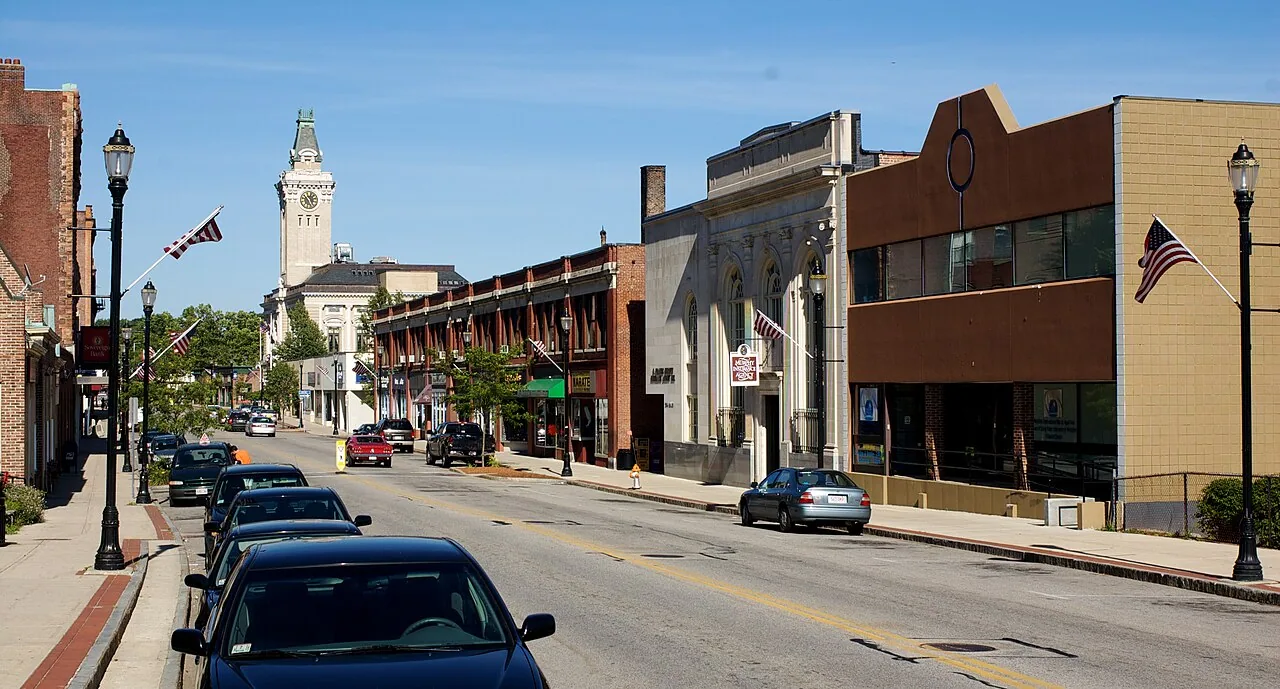
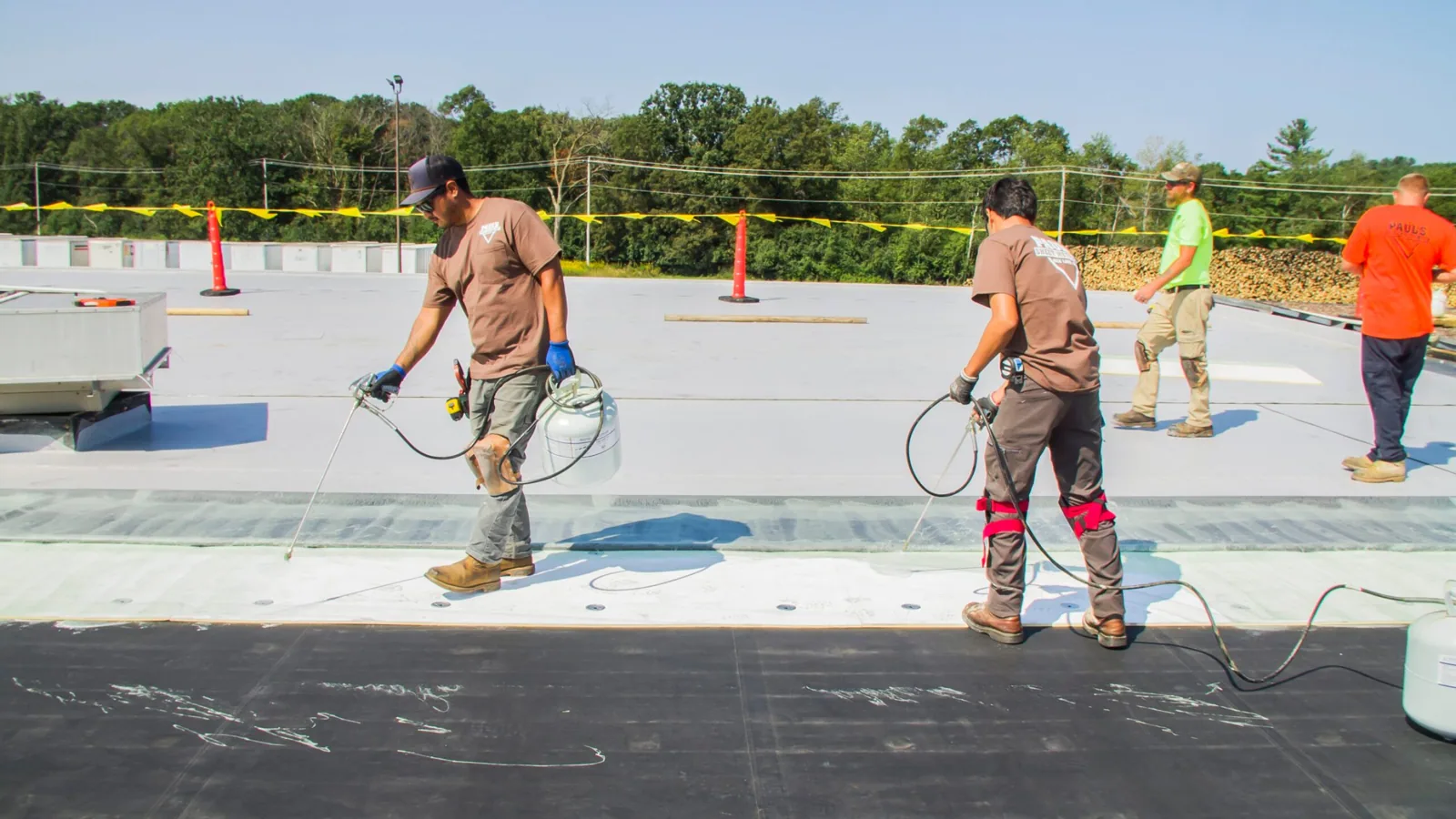
Check the file folder for two names. Holcim Elevate is the name now used for the commercial roofing business formerly known as Firestone Building Products, so a Lowell, MA owner pulling installation papers for a roof may find the old name on one page and the new one on another. The roof does not care which. The first-hour check goes to the same place: where water is entering, what can be protected below and whether the surface is safe to reach.
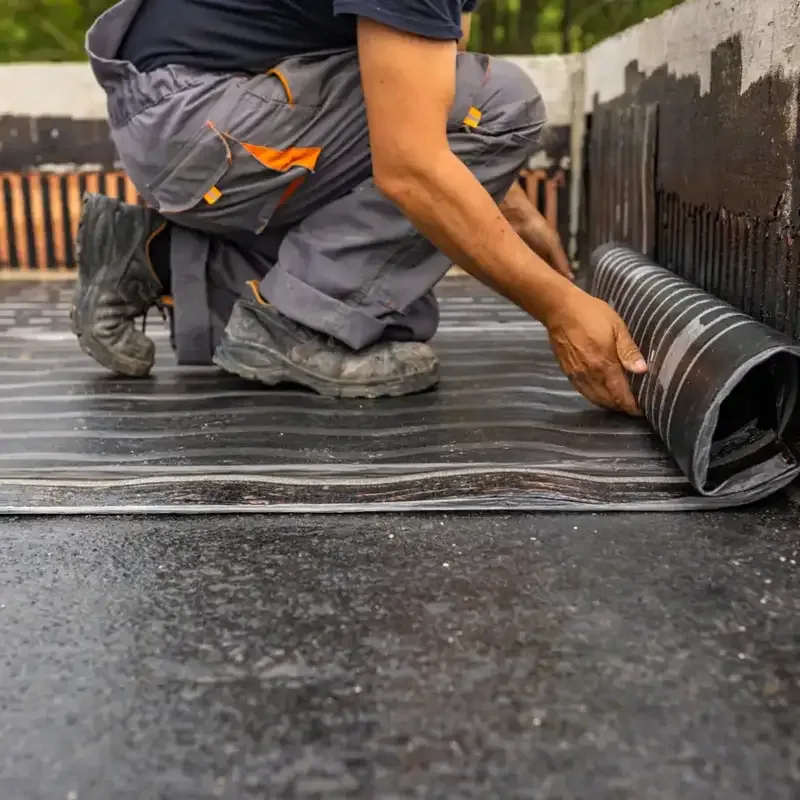
Holcim Elevate offers rubber and thermoplastic single-ply membranes, metal roofing, and insulation, among other roof components. We repair and replace roofs built with those materials, and the sequence is the same each time: safe access, interior protection, temporary dry-in, then a repair boundary supported by readings.
Records Under Two Names
Older roofs often come with older paperwork. Installation invoices, specification sheets and warranty letters may carry the former brand name, a distributor name or a contractor name that no longer exists. We ask for whatever is on file and read it for facts that help the repair: membrane type, thickness, attachment method, insulation layers and the year of installation. The terms of any warranty belong to the manufacturer and the owner's documents, and we report what the papers say without restating them.
Where papers are missing, the roof is its own record. A core cut at a representative location shows the layers, and a walk shows seam style, flashing materials and prior repairs. We write those findings into the inspection note by roof section, so the next owner or property manager has the answers the file could not supply. A roof with no paperwork is not a roof with no history; the history sits in the layers.
Membrane Identification
The membrane family decides the temporary dry-in. Rubber sheet roofs take a taped or adhered patch cut from compatible material. Thermoplastic sheets take a heat-bonded or compatible strip. A metal roof takes re-lapped panels, sealed fasteners or a battened tarp. A wrong patch looks fine on the first day and lets water back in with the next freeze, so the crew confirms the material by sight, by touch and by test before opening a roll.
The note records the surface condition, the seam pattern and the state of the membrane at flashings and penetrations. The same note records weather at the time: dry, damp, freezing. Cold, damp surfaces limit what can be bonded, and a dry-in that is only taped may be what the weather allows until a return window opens.
Flashings and Penetrations
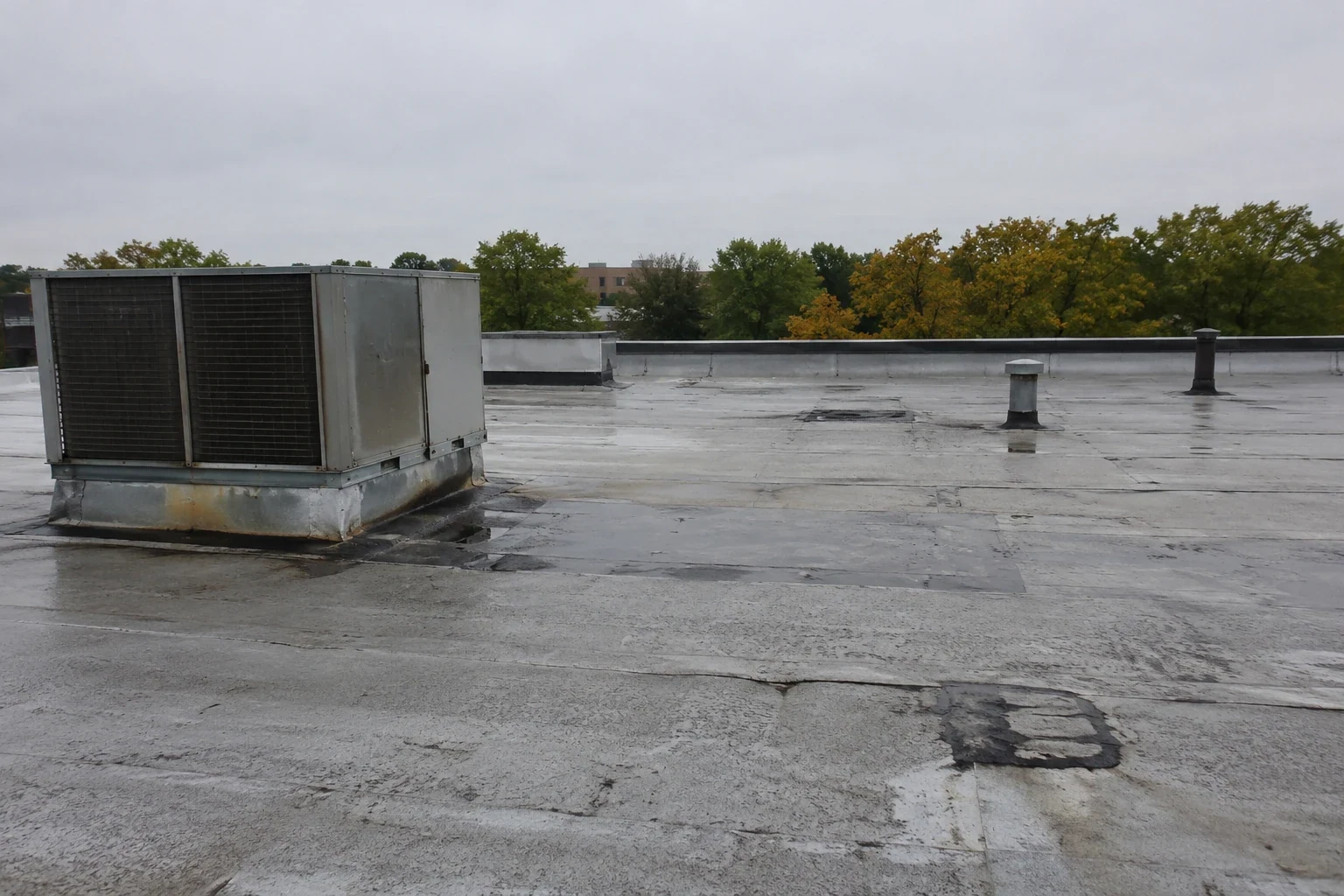
Most leaks on a membrane roof start at a detail, not in the field. Pipe boots, curb corners, drain bowls, scupper throats and wall terminations all sit where the sheet turns, cuts or ends. Sealant dries, boots split, corners open. We check each detail on the section map, photograph its condition and rate it. Details that rely only on sealant are marked for a membrane-based repair, since sealant alone has a short life at roof temperatures.
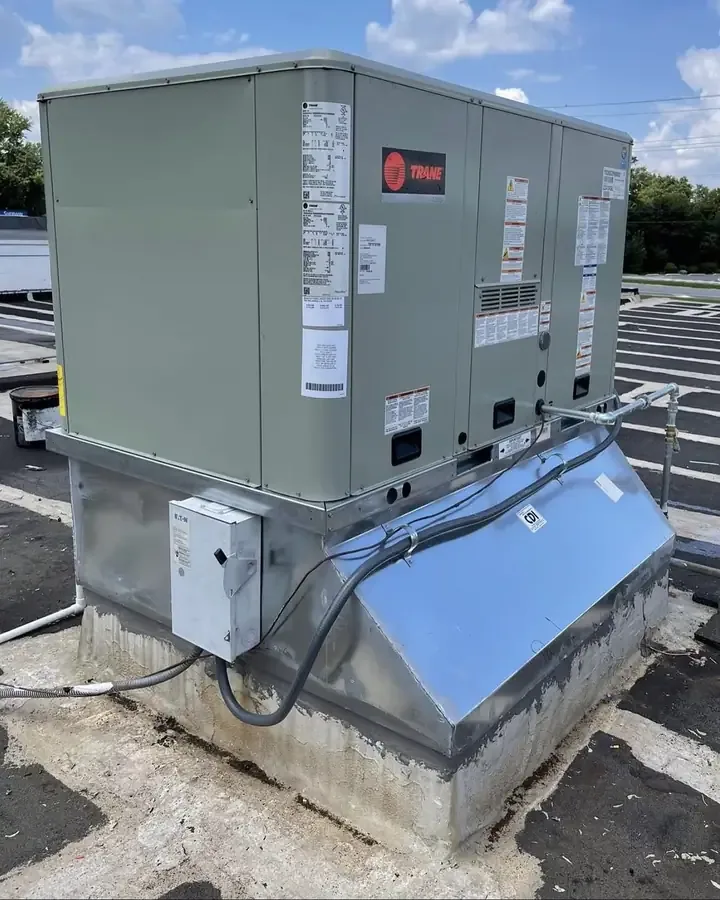
The same attention applies to rooftop equipment curbs, where service traffic wears the sheet and mechanical movement stresses flashing. A curb that has settled or a support that crushes the membrane is a repair item with its own price line.
Metal Panel Checks
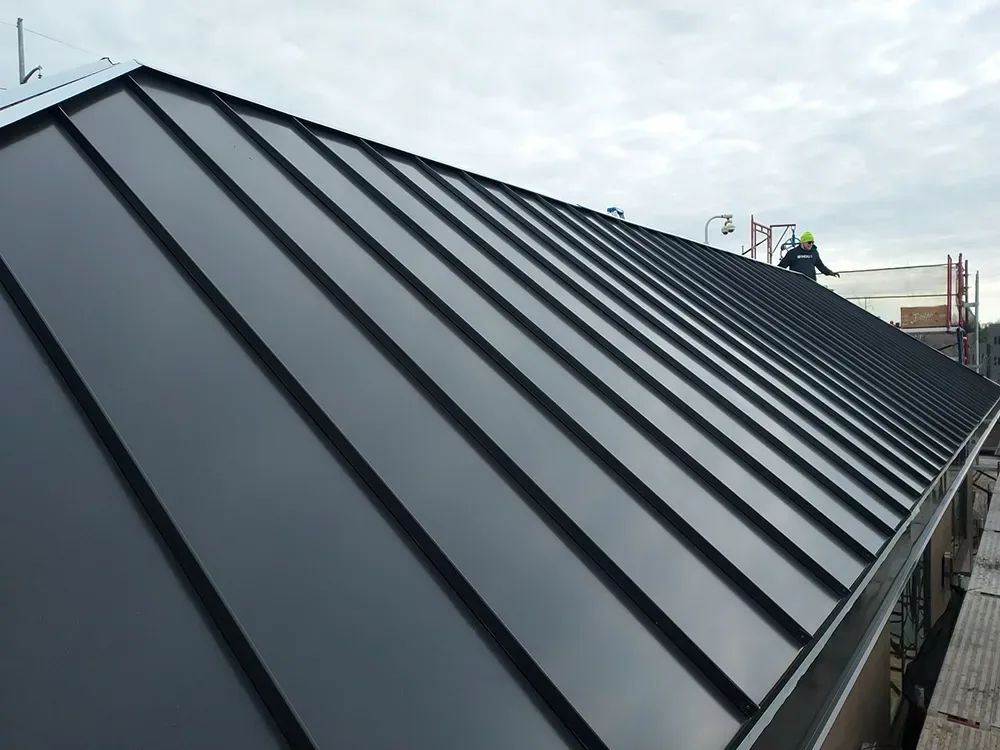
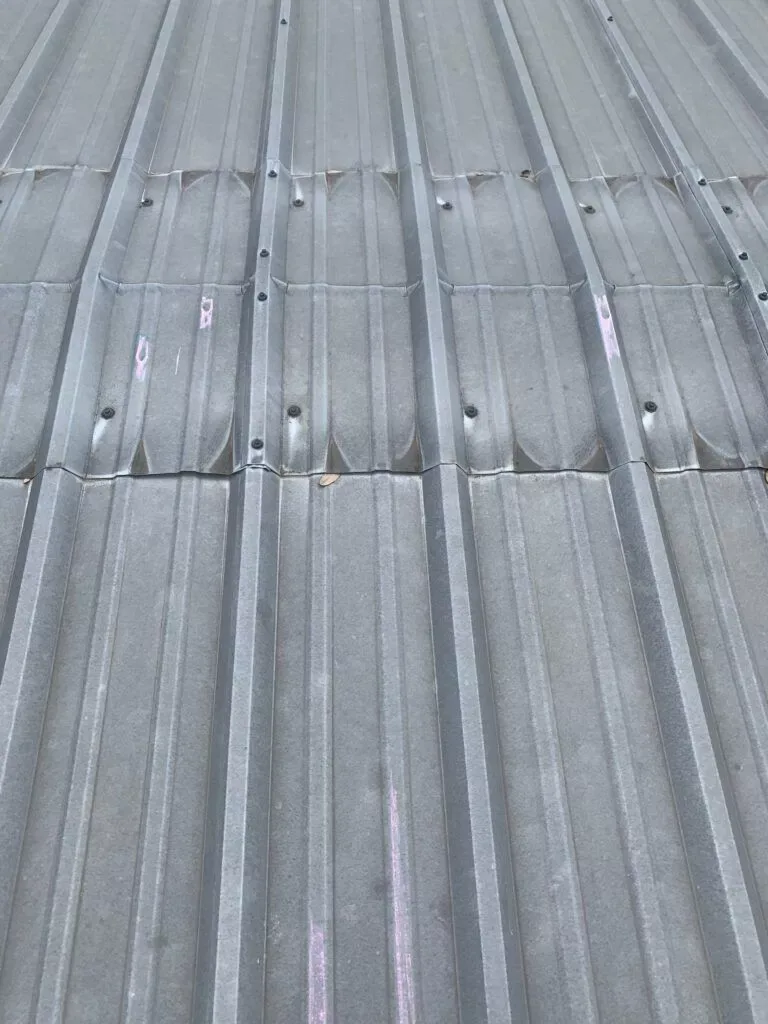
Where the roof is metal, the inspection looks at different things. Panel laps, fastener heads, washers, ridge and rake trim, valley flashings and the seams around curbs and penetrations all get a close look. Screws back out with temperature cycling, sealant dries at laps, and trim pulls loose where wind finds an edge. Each condition is counted and photographed so the next visit can compare.
Snow behaves differently on a slick panel. A whole layer can release at once onto doors, walkways and equipment below, which is why the walk notes entrances and traffic paths under steep runs. Gutters and eave trim are checked for the loads sliding snow and ice can place on them. The repair list ranks safety items ahead of cosmetic ones.
A standing seam panel hides its fasteners and uses clips that allow thermal movement; an exposed-fastener panel relies on screws and washers that need periodic attention. The note records which system the roof uses and what the inspection interval should be, so a returning crew starts from the right checklist.
Storm Exposure and Snow Planning
Hurricanes, nor'easters, snowstorms and ice storms all appear on the city's hazard list, and its records note that the winter of 1995 brought 126.5 inches of snow. We treat that as response-planning context, not as evidence about any single roof. It does mean drains, edges and equipment supports are checked ahead of the season, and that roof access for snow removal is planned before the first big storm rather than during it.
After a storm, the storm damage repair visit records lifted laps, displaced edge metal, punctured sheet and clogged drains, with photographs and times. Those records matter for any insurance claim documentation, so we keep them in one file with the temporary work.
Scope Decision and Cost Exposure
When a roof has repeated failures, the scope decision is a comparison: more repairs, a recover, or replacement. We show each path with its cost drivers and its test evidence. Repairs cost least today and may cost most over time if the insulation is wet. A recover avoids tear-off when board and deck are sound. Replacement costs the most up front and resets the roof's age in the file.
Tenth-edition state code rules apply to anything filed from July 1, 2025 (the edition rests mainly on the 2021 IBC), and the town's energy rules are checked before an order goes out. Both go into the scope before an order is placed.
Installation Roofs Nearby
Hanscom Air Force Base lies about 18 miles southwest of Lowell and adjoins Bedford, Concord, Lincoln and Lexington. Work on any federal installation follows the base's own access, escort and scheduling procedures, and roofing is generally built to the Unified Facilities Criteria. A plan for such a roof treats access and escort as schedule items from the first day. Owners of nearby Bedford commercial buildings face the more ordinary version of that question: who can reach the roof, when, and with what.
Rubber and thermoplastic sheets from other makers, such as Carlisle SynTec and Versico, are checked the same way: identify, protect, dry in, bound the repair.
Commercial Roofing Questions
My papers show Firestone, not Holcim Elevate. Does that matter?
Not to the roof. The name change affects which letterhead the documents carry. We read them for membrane type, attachment and dates, and the core and walk fill in anything missing.
What if no installation papers exist?
The layers are the record. A core shows membrane, insulation and deck, and the walk shows seams and flashings. We write both into the inspection note.
Why do details leak more often than the field?
Details are where the sheet is cut, turned or terminated, and sealant at those points ages quickly. Membrane-based flashing lasts longer than sealant alone.
How does a storm change the inspection?
It adds a dated damage record: lifted laps, displaced metal, punctures and drain blockages, with photos. That record supports both the repair and any claim.
When does replacement beat another repair?
When wet insulation spreads across sections or repairs repeat in the same places. The readings and the repair history go side by side in the scope.