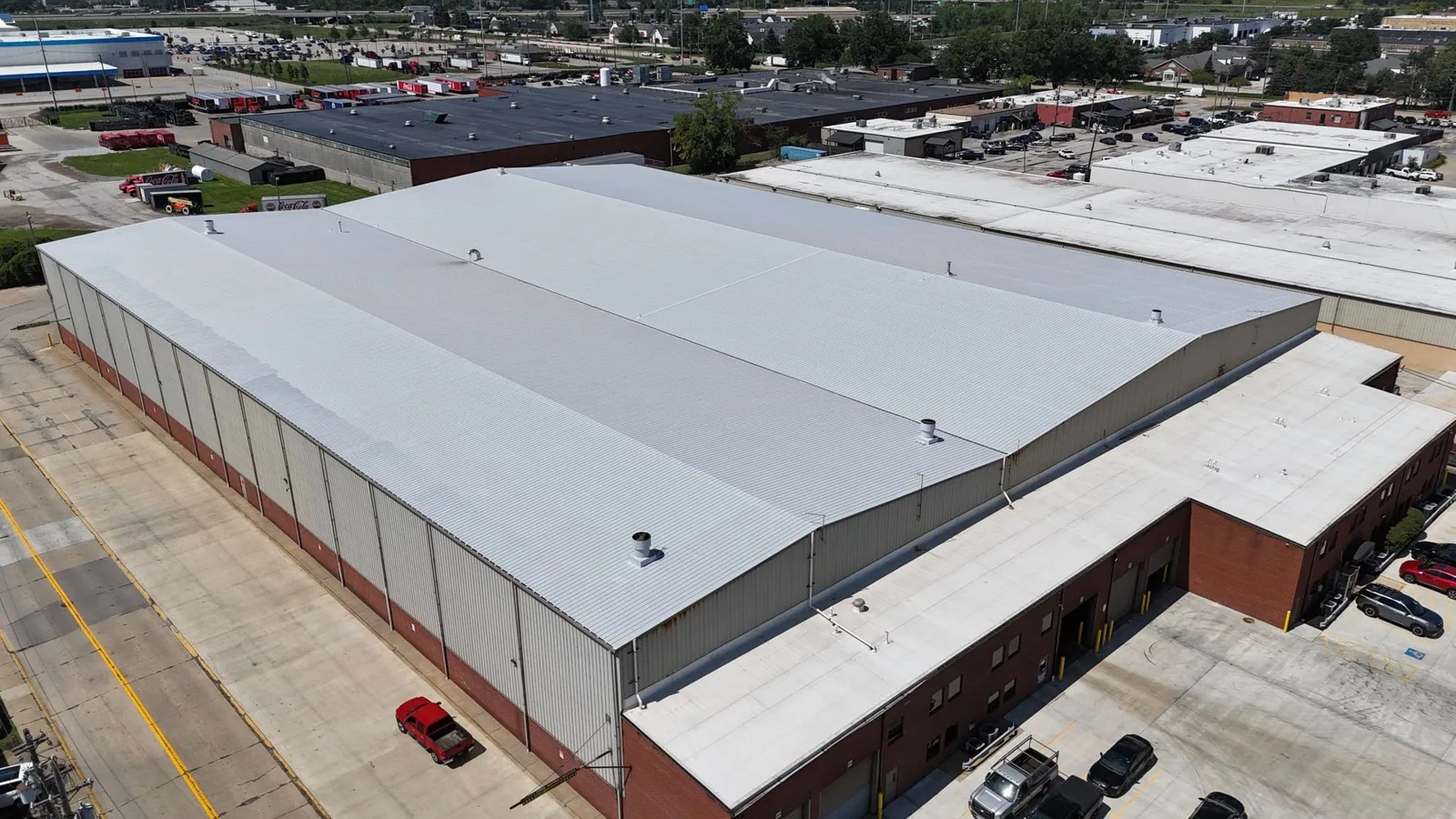
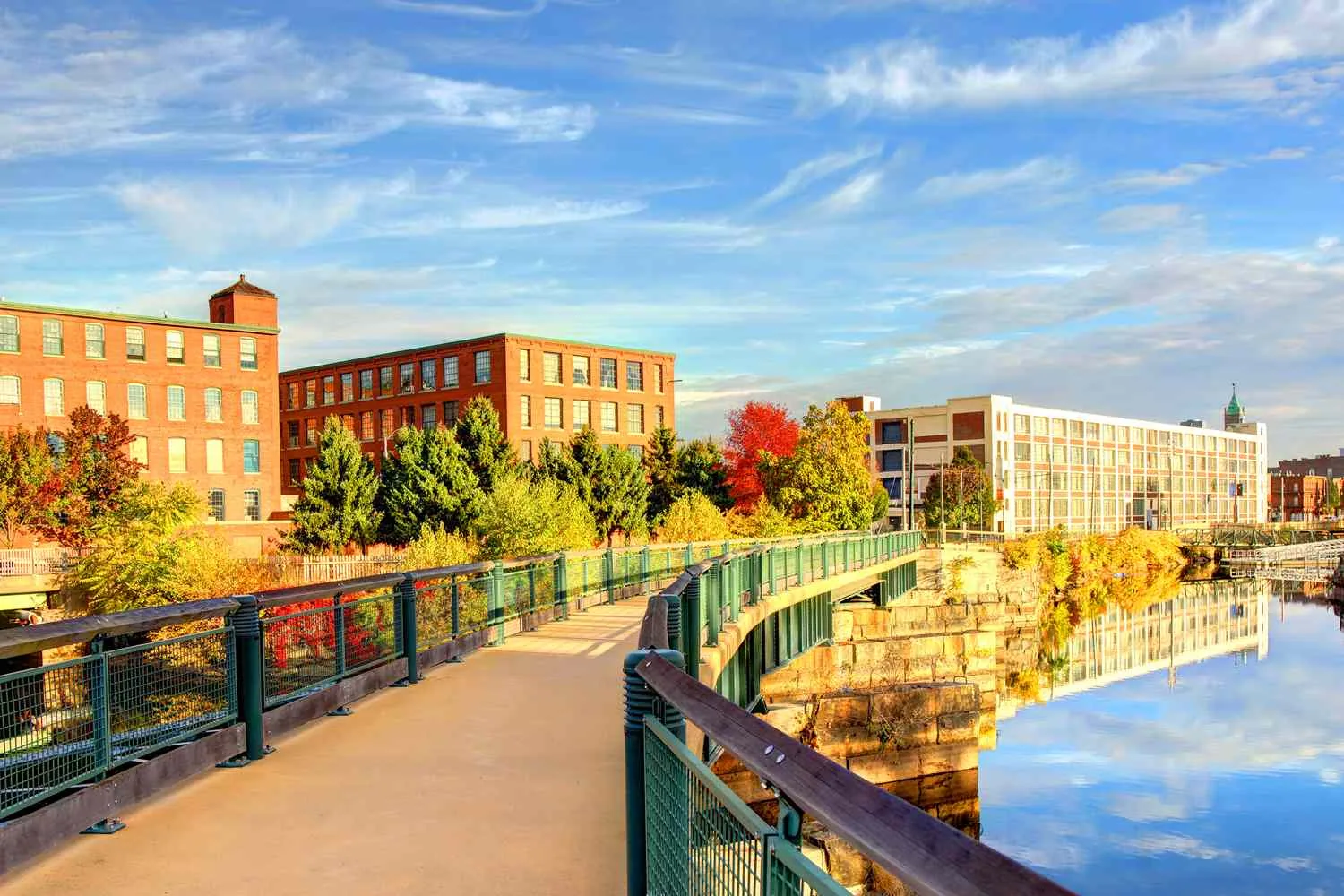
Burlington, MA sits off Route 128 and describes its business base as life sciences, manufacturing, technology and medical services. Four uses, four ways a roof leak can hurt. A laboratory needs its conditions held, a plant needs its line running, a technology office needs its equipment dry and a medical suite needs its patients safe. The first call asks where the water is entering, what is below it and how a crew can reach the roof without adding risk, and the answers set the order of work.
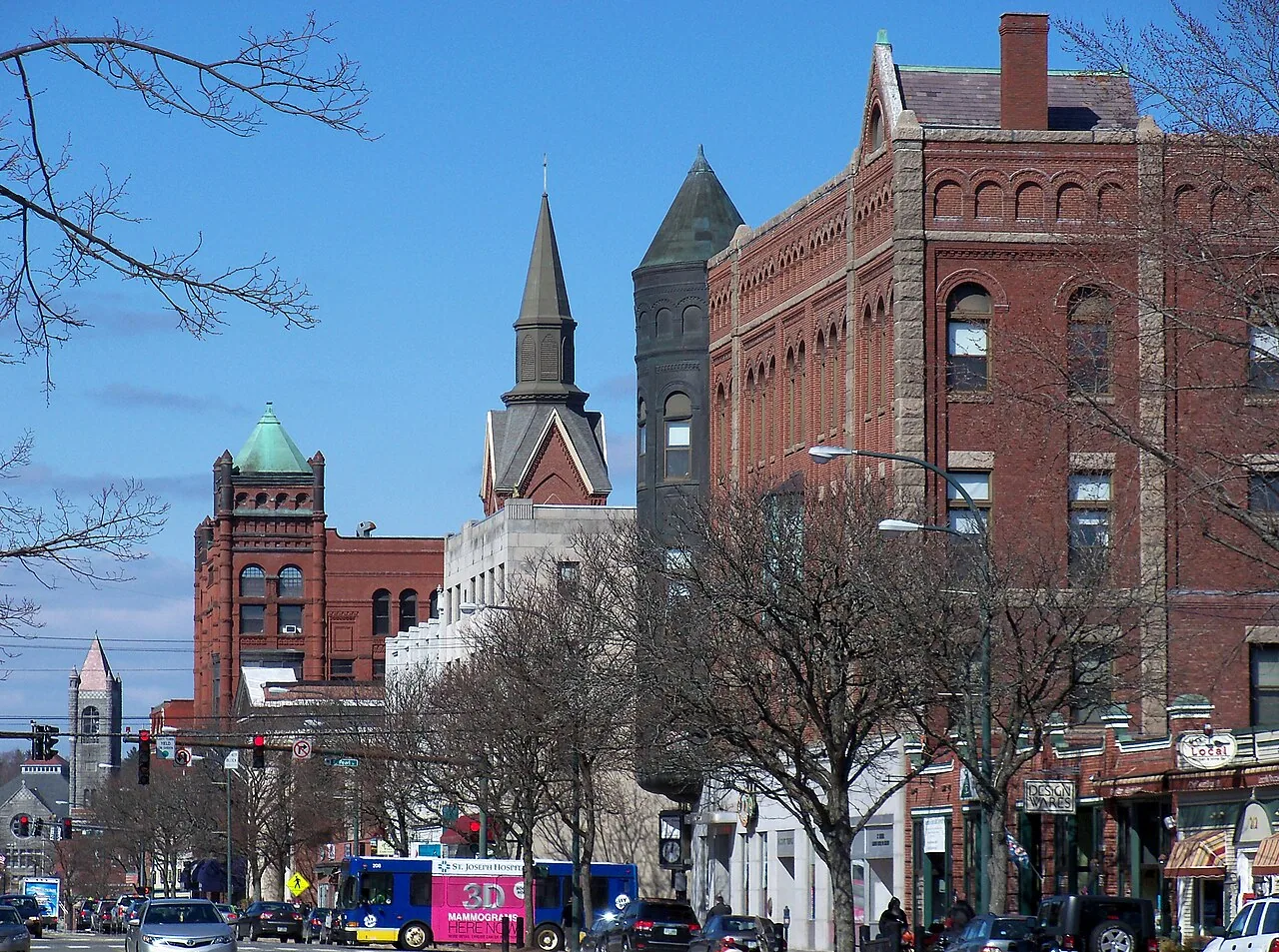
Emergency calls are taken around the clock, holidays included. The first visit gets a written log of the reported location, interior cover and the roof's visible state. The update after that brings a price or a proposed test, so the facility director weighs each cost before approving anything.
Route 128 and the business hub
The town says Route 128's completion in 1954 catalyzed its change from agricultural roots to a regional professional and industrial hub. The result for a roof owner is a business area that has grown over many years, where buildings have been altered as tenants came and went. The inspection identifies what is on the roof and what shape it is in.
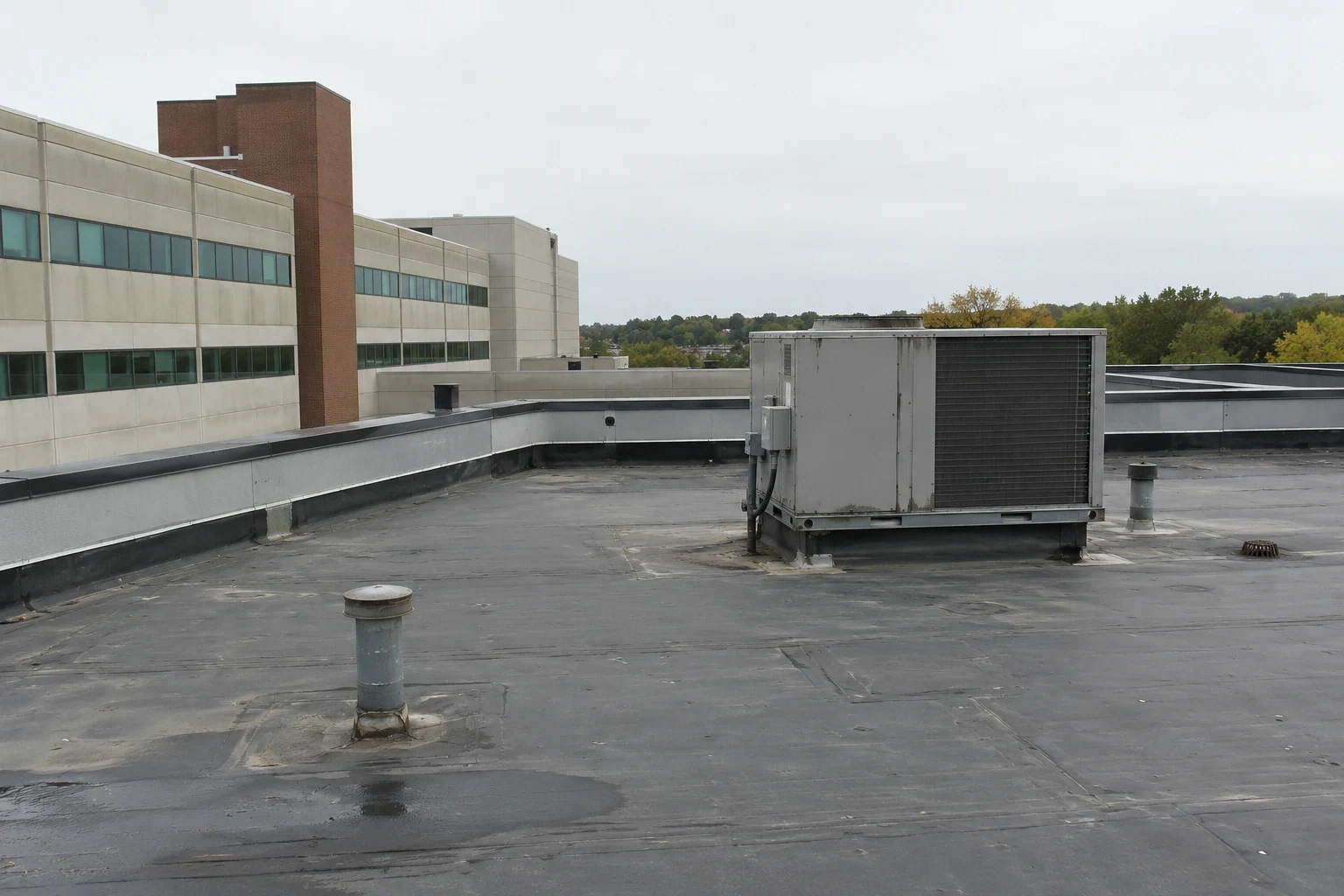
On a building that has changed tenants more than once, the roof tells the story: abandoned curbs, patched penetrations, cable runs lying on the membrane and equipment placed wherever it fit. Each of those is a leak candidate. We walk the roof with a plan, mark every alteration and check its flashing. A roof condition report then records the findings so the owner has a baseline for the next tenant or the next sale.
We shoot from the roof and from the room below, since the pair of views shows how far water has moved. Moisture readings are marked on the plan so a later visit can compare them. If a roof section has already been repaired, we record the repair boundary too, which keeps the next contractor from guessing where old work ends and original material begins.
Laboratory and medical roofs
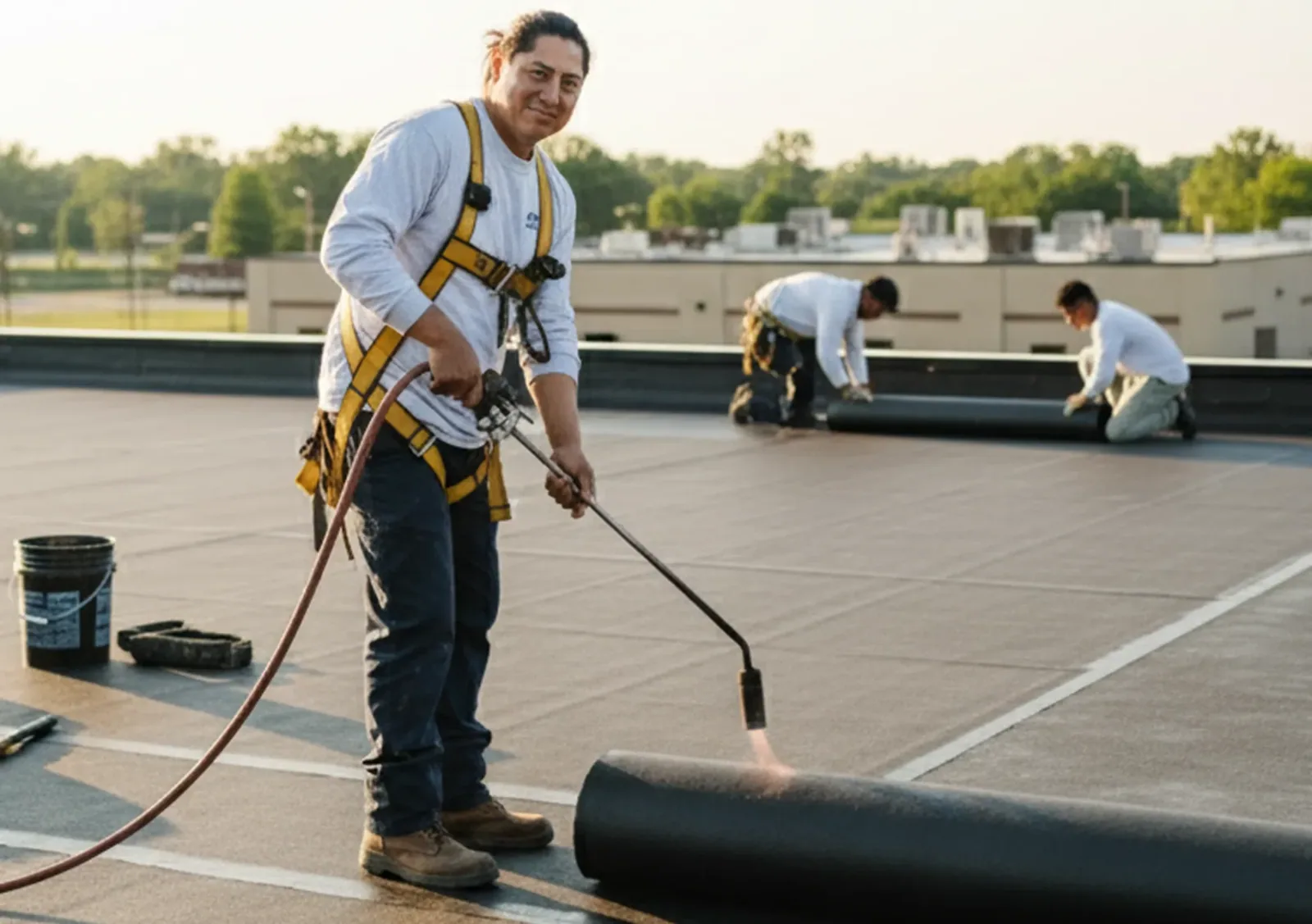
A life-science or medical building has strict limits on moisture, dust and noise. Roof work above those spaces needs a written plan: which rooms are below, what must be covered, what hours are quiet and who approves access. We sequence the work in small sections, dry in each one before moving on and keep the roof open for the shortest time possible. Debris is bagged and lowered, not thrown, and dust is controlled at the edge.
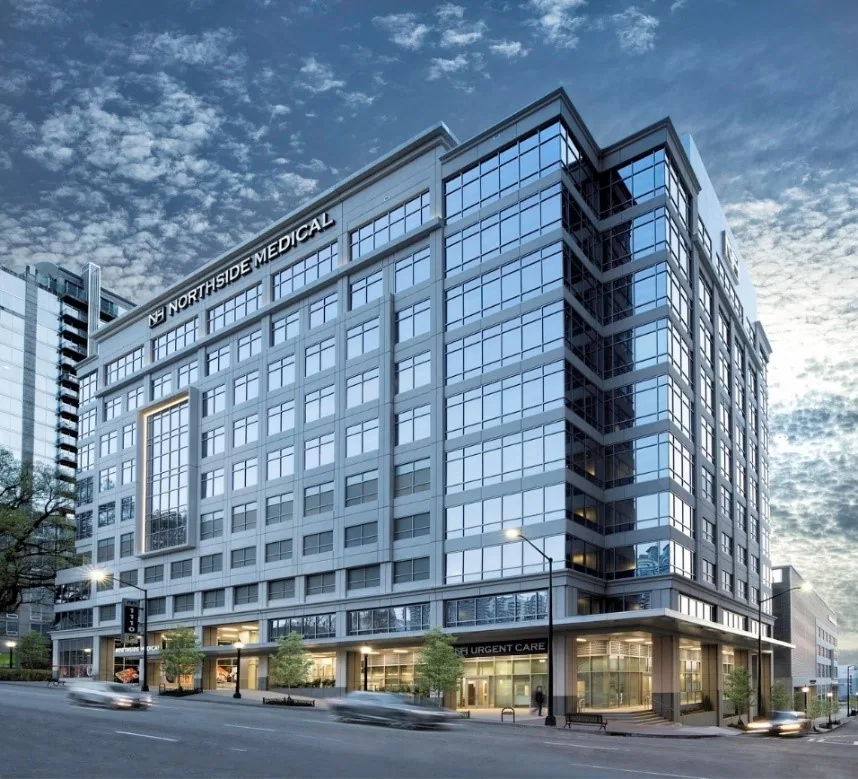
Laboratory and medical buildings usually carry exhaust and air-handling equipment on the roof, and each unit has a curb, flashing and fasteners that must stay sealed. Our medical office roofing approach covers patient-area protection and infection-control coordination with the facility team. For a larger medical campus, the plan expands to include hospital roof requirements such as staged work, off-hours tasks and emergency access routes. We write each of these items into the schedule so nothing is decided at the roof hatch, and the facility team signs off on the sequence before the crew mobilizes.
Manufacturing and technology space
Manufacturing and technology buildings share a need for uptime. A shutdown for roof work has a cost of its own, so we ask which processes can pause, for how long and who authorizes it. Where a line cannot stop, we schedule the work around shifts and use temporary protection over sensitive equipment. We write down the units that must be powered off before a crew works near them.
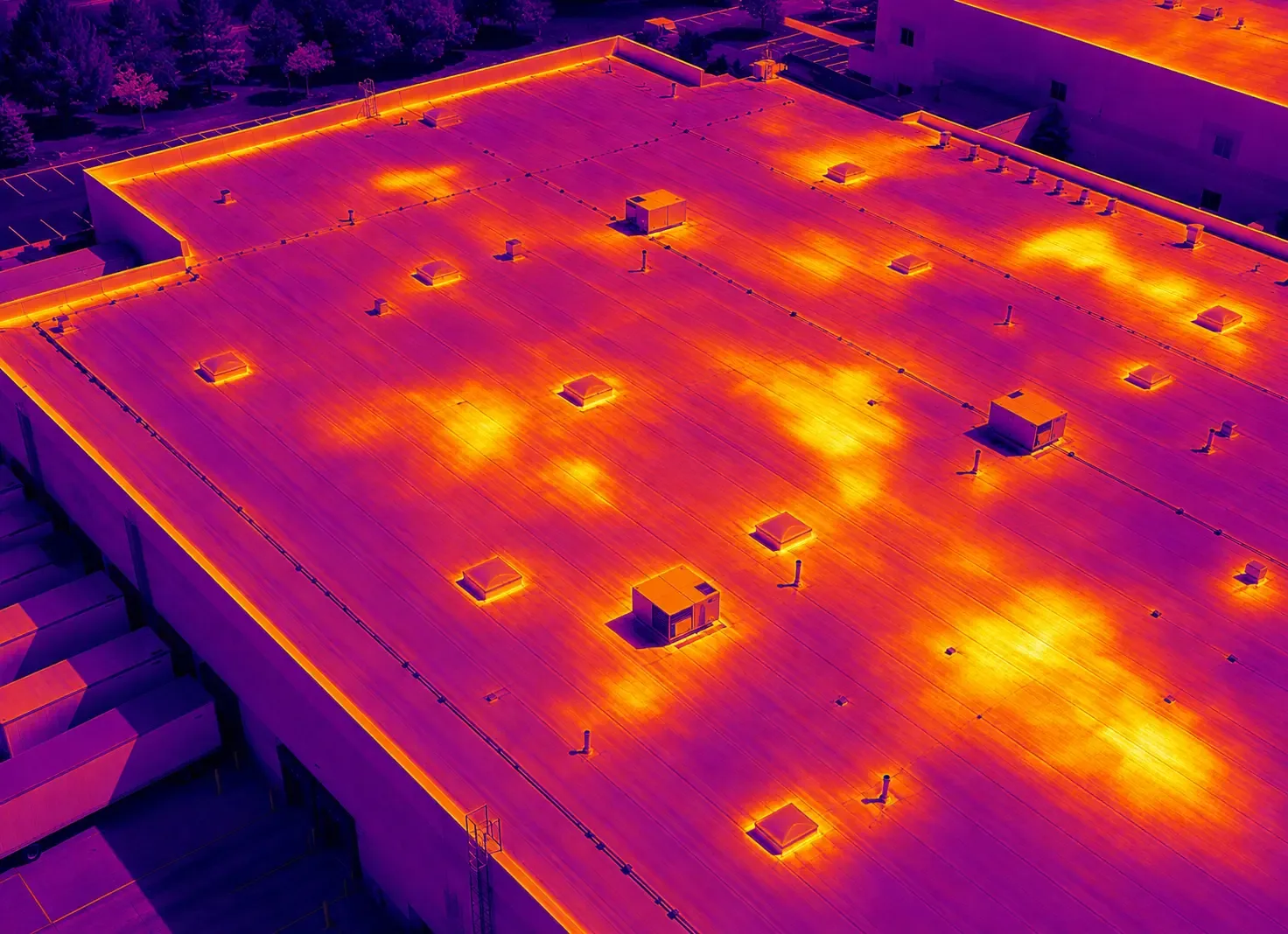
The roof walk covers the drains, seams, flashing, perimeter metal and every rooftop unit. Heavy equipment adds load, so we look for deck deflection and ponding near supports. Where insulation may be wet, an infrared moisture survey splits damp zones from dry ones ahead of any replacement pricing. For a plant with process exhaust, a manufacturing plant roof plan lists the penetrations and the chemical exposures that affect the choice of membrane.
Winter exposure and drainage
Lowell's yearly normal reaches 48.51 inches of precipitation, with January averaging 24.9°F. Those figures describe the freeze-thaw cycle that exterior roof materials face in this part of Massachusetts. Regular rain keeps drains working year-round, and ice at the drain is a frequent cause of ponding in winter. A drain that is only partly open still passes light rain, so the clog shows itself during the first heavy storm, usually when the building is least prepared. A scheduled cleaning is far cheaper than an after-hours call. We recommend clearing drains before the first freeze and again after leaf drop.
Nor'easters, snowstorms and ice storms head the major hazards in Lowell's area planning, and the 1995 winter delivered 126.5 inches of snow there. Snow load is a design question on a replacement and a monitoring question on an existing roof. We check for sagging, drifting against parapets and any damage to the membrane from snow removal. A snow and ice damage repair starts by documenting what the storm left behind.
Code, energy and cost
From July 1, 2025, Massachusetts applications go under the 10th edition alone, which takes the 2021 International Building Code as its main base, and that code sets the baseline for a replacement design. The energy code is the base code, and a municipality may adopt a stretch provision, so the local requirement is confirmed before insulation is priced. Those rules can change the thickness and cost of a replacement, so the price sheet lists them as assumptions.
Further cost depends on the repair boundary, roof system, access equipment, interior cover and visit count. Sensitive interiors add cost through extra cover and slower sequencing. A maintenance program keeps repair costs predictable by catching small defects early. Owners in nearby Bedford, Lexington and Reading receive the same itemized scope. A date for the earliest crew arrival goes into each update, along with any weather hold, so a facility director with sensitive interiors can plan the quiet hours ahead.
Commercial Roofing Questions
How do you keep a laboratory running while the roof above is repaired?
We agree with the facility team on the rooms below, what must be covered and which hours are quiet. The work is divided into small sections, each dried in before the next opens. Debris is lowered in containers and dust is controlled at the edge.
Which rooftop alterations cause the most leaks after a tenant change?
Abandoned curbs, capped pipes, new conduit runs and added equipment supports. Each is a hole or a pressure point in the membrane. We find every alteration, check its flashing and remove or reflash the ones that are no longer needed.
What does a roof condition report help me decide?
Whether to repair, restore or replace, and when. It lists each finding with a photograph and a location, ranks them by urgency and gives a cost range. Owners use it for budgeting and for sale or lease discussions.
Do you coordinate with infection control in a medical building?
We follow the facility team's rules for dust, noise and access. The plan sets the work sections, the protected routes and the hours for noisy tasks. Any change to those rules is agreed before the crew arrives.
How does the energy code affect a replacement price?
Required insulation levels set the thickness of the new assembly. A thicker assembly raises the material cost and may change flashing heights. We confirm the local rule first and list it as an assumption in the price.